




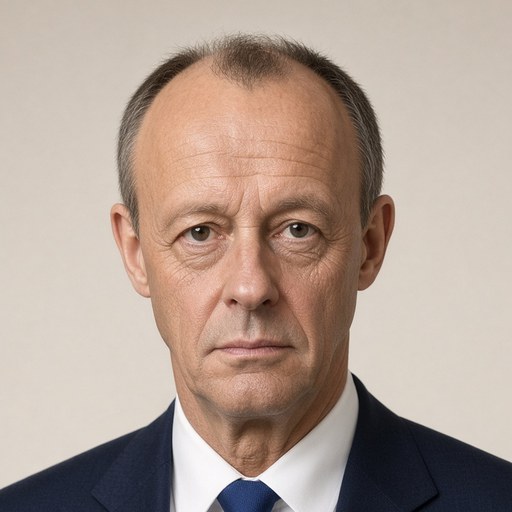
Speech by Chancellor Merz at the kickoff event for the "Hightech Agenda Germany" "We believe that our country can be a leader in innovation."
 Friedrich Merz · Chancellor of Germany
- Context
- Merz addressed the kickoff event for the Hightech Agenda Germany in Berlin on October 29, 2025, outlining Germany's innovation and technology strategy.
- Main themes
- Innovation leadership, technological sovereignty, Hightech Agenda Germany, Germany's competitiveness, AI and new technologies, research-to-market translation, geopolitical competition, systemic conflict between authoritarian and free states, innovation policy, economic growth, European strategic autonomy, R&D investment
- Duration
- ~23 min
- Words
- 2,703
- Sentences
- 129
- Readability
- 41
- Grade
- 12.5
- Syntax
- 3.02
- Vocabulary
- 2.14
Translated from German
The broad sphere of national life a sentence belongs to. Every sentence has an Arena, so it is the denominator the other indices are read against.
Other129 sentences in 30 paragraphs
Dear Ms. Sachariewa, as a member of the EU Commission,
dear colleagues from the cabinet,
dear Doro Bär,
dear Nina Warken,
dear Karsten Wildberger,
dear colleagues from the German Bundestag,
especially warm greetings to dear colleagues from the state governments, Ms. Czyborra and Mr. Mohrs, but above all to you, ladies and gentlemen, representatives of business and science, thank you very much for coming! It is wonderful that we want to start today here in Berlin with this kick-off event, what we call the Hightech Agenda Germany.
"We must not allow the USA and China to determine the technological future alone." With these words, ladies and gentlemen, with this admonition to us, to the Europeans, the economist Philippe Aghion accepted the unofficial Nobel Prize in Economics together with Joel Mokyr and Peter Howitt just over two weeks ago. Some of you in the hall may know what the work of these three Nobel laureates consists of. They revolve around nothing more and nothing less than the question: How does a self-sustaining innovation process emerge? Under what conditions does knowledge gain lead to technological innovation and thus to sustainable growth?
Ladies and gentlemen, these are exactly the questions that we in Europe and in Germany must focus all our attention on today, also because others in the world are now better than we are in these very practical matters. We are in Germany, to put it bluntly, no longer as strong in innovation and especially not as strong in growth as we could actually be with our potentials. These are simply the facts, and only if we face these facts can we respond appropriately – in politics, but also in business and in society as a whole.
For we still have a competitive industry in our country. We also still have a competitive medium-sized sector. We have world market leaders, and we sometimes call them "hidden champions." German research is excellent in many areas. We have an exceptionally capable and internationally recognized scientific system. Some impressive examples of technology made in Germany we were able to see on our way to this plenary session.
But we have significant room for improvement in translating this research performance into products and services. We have room for improvement in value creation with new technologies such as artificial intelligence. If we do not quickly address this need for improvement, it will jeopardize not only the prosperity in our country in the medium and long term. Worse still: It endangers the security and ultimately also the freedom in which we have been accustomed to live well in Germany and in Europe for many decades, perhaps as well as never before in our history.
But, ladies and gentlemen, the challenges we face now are enormous. We live in a time – I will not tire of saying this again and again – of almost tectonic shifts in the political and economic centers of power in the world. Today, we need nothing more and nothing less than technological sovereignty in Europe and thus also in Germany, at least wherever it is accessible to us. We need it, not least against the backdrop of a newly emerging systemic conflict between authoritarian and free states. We are currently experiencing unilateral dependencies, experiencing them daily in our practice, in politics as well as in business, and these dependencies are also being played out politically. We see our vulnerability. At this moment, as we meet here today, it is not certain that Germany and thus all of Europe will remain a significant player in this emerging world order. But one thing is certain: If we want to succeed in this new competition, if we want to accept and successfully implement these new challenges, then only innovation capability – I will go a step further: innovation leadership – will allow us to regain this power of design and to be this power of design ourselves.
Everything is interconnected: economic policy, security policy, foreign policy, domestic policy. All of this can no longer be separated from one another. But it all comes together in innovation policy. Innovation policy has had a high – I tend to say the highest – priority for this federal government from the very beginning. Because innovation policy must be a very essential priority for the entire time ahead of us. That is why we have institutionalized innovation policy, for example, with the establishment of the Ministry of Digitalization and State Modernization and with the realignment and restructuring of the Ministry of Research, Technology and Space. We have also quantified innovation policy by setting the goal in the coalition agreement, which we concluded here – in this room, at this point – almost exactly six months ago, that the economy and the state should spend at least 3.5 percent of GDP on business, research, and development by the year 2030. We have quickly translated this into concrete policy, for example, with the Hightech Agenda, which we already approved in the cabinet on July 30.
Ladies and gentlemen, with this Hightech Agenda, we are comprehensively realigning our economic and research policy. We are aligning it towards competitiveness, value creation, and thus technological sovereignty in our own national interest. We are concentrating, we are focusing our funding policy on six key technologies that we believe are central to the competitiveness of the German location and thus to our sovereignty: artificial intelligence, quantum technologies, microelectronics, biotechnology, fusion and climate-neutral energy generation, and finally, sixth, technologies for climate-neutral mobility. We are not designing this funding policy from a drawing board, we are not doing it from above, we are not doing it dirigistically, but we are doing it in close exchange with all innovation actors, with practitioners and experts, with companies and with researchers. Because it is simply the case: If our country is to be at the forefront technologically, then it now needs a real partnership between business and science. We can no longer afford a side-by-side, a passing by each other, or a conflict, as has unfortunately been too common in recent years. If we want to succeed in this new era and if we want to help shape it, then all of us who bear responsibility in this country must relearn forward-thinking, thinking in large contexts, yes, strategic thinking. This concerns us in politics, it also concerns business, it concerns science, and ultimately it concerns our entire society. Our claim must be nothing more and nothing less, and that is exactly what we are aiming for with this Hightech Agenda.
We now need joint efforts, and that means we must pool the efforts of all actors towards common goals. For each key technology, we will develop roadmaps with concrete milestones and indicators that will make all this possible. I want to emphasize once again: This Hightech Agenda is an offer to all state and private institutions to participate now. We want to work together with the federal and state governments, with research and companies to consider what each of us can contribute. This event today is just the beginning. All of you here in the room are called upon to bring your expertise and knowledge to truly move this country, our country, forward.
Therefore, I would like to tell you right at the beginning of this day what we have done so far on the part of the federal government. On October 1, we adopted an action plan for nuclear fusion in the federal cabinet, with the goal of establishing the world's first fusion power plant in Germany. None of us can say with certainty today when that will happen. But we are now firmly focusing on achieving that goal because we see it as an overwhelming national interest. So we are promoting corresponding research and development. We are improving the regulatory framework conditions that are currently blocking innovation in this field.
We are also doing this in the area of microelectronics, which plays a particularly important role in resilience and autonomy. That is why on October 15, we adopted a cross-departmental national microelectronics strategy in the cabinet for the first time, to make Germany an even better location for microelectronics. Germany is already, and probably not everyone here knows this, the largest microelectronics location in the entire European Union with 30 percent of wafer capacities. But we want to get even better. We want to make better use of the opportunities of the European Chips Act for Germany. So we are now expanding our strengths here.
We have rapidly implemented the expansion of the research grant announced in the coalition agreement. The Bundesrat approved this on July 11. This means a special tax relief for innovative companies.
We are working on a research data law to facilitate data use and data linking for research. The public sector and its data are particularly called upon in this regard. But, ladies and gentlemen, the medium-sized sector is also called upon. May I add it more anecdotally? A meeting with the CEO of Microsoft at the beginning of the year at the World Economic Forum in Davos also gave me this encouragement again. He told me: You Germans do not even know what treasures you have in your well-established medium-sized industry with the data that is already available there today. You just have to use them! – He advised me: Talk a little less about data protection and a little more about data usage. Then you Germans can be much, much better!
Ladies and gentlemen, we are working on an innovation freedom law, with which we want to significantly reduce bureaucratic hurdles in research funding. We are working on opening and experimentation clauses and on real laboratories. This should make it easier to test innovative technologies or business models under real conditions.
Finally: Innovation actors need innovation-friendly framework conditions, namely conditions under which the rapid implementation of ideas is possible and under which the principle of trial and error is possible, because there is openness to it, because there are financing options for it, because the regulatory requirements can be met, and because there is indeed curiosity for change. This is also a result of the research of the three already mentioned Nobel laureates in economics: Innovation processes arise where "creative destruction" is possible, as we have known since Joseph Schumpeter. We have to catch up quickly and decisively in many areas in our country, both in Germany and in Europe.
The bureaucratic overgrowth of recent decades in Europe and in Germany hinders our best minds and hinders our entrepreneurial courage. It hinders us when innovative start-ups have to struggle to find sufficient venture capital, and that is far too often the case at the moment. There is a certain risk aversion in the German capital markets and among many banks. The sum of these problems leads to promising start-ups leaving Germany for abroad, in doubt even being sold there, that the capital-intensive growth and scaling phase does not take place in Germany and Europe, but outside the European Union, often enough in the United States of America.
Our Hightech Agenda is also intended to provide answers to this, with a clever mix of state impulses and the promotion of competition. We will enable new forms of public-private partnerships in research and development. We will strengthen the German venture capital market wherever possible and improve the regulatory framework. I am committed, and I personally advocate very strongly in Brussels for a deepening of the European Capital Market Union. I have said this several times and I say it again today here: This is the plank we need to drill now if we really want to exploit the growth potential of the European internal market. Enrico Letta, the former Prime Minister of Italy, and Mario Draghi, the former President of the European Central Bank, have written it down for us in their report on deepening the European internal market and in their report on improving European competitiveness. Everything is there, it is all written down, but we must now also bring it together on the way forward.
As the Federal Government, we are therefore moving forward in Europe much more decisively than may have been the case in recent years, particularly with regard to this triple task of competitiveness, value creation, and technological sovereignty. In Europe, we actually no longer have a problem of understanding, neither with regard to overregulation nor with regard to the necessity of advancing technological sovereignty. We also do not have a problem with new raw material and trade partnerships. We have a concrete implementation problem; and we can only solve that through action, through decisions, and indeed through resolute and joint decisions within this European Union.
Last week, I delivered a letter to the European Commission at the European Council, which was co-signed by 20 other member states of the European Union, in which we clearly expressed our common demand: Based on the Draghi Report, we must now prioritize systematically re-establishing European regulatory practice according to the triad of “review, reduce, restrain.” Ladies and gentlemen, that is now our task, especially within the European Union.
Perhaps I may give another example of how we are moving forward: My colleague Karsten Wildberger, who is here today, will host a European summit on digital sovereignty together with our French colleagues in mid-November. We will present concrete projects to strengthen Europe’s digital sovereignty there. I will be there, and yes, the French President will also be present. You see, we are now working very systematically, very concretely, and very swiftly.
Let me conclude by saying once again, this time in my own words: We must not allow the United States and China to determine the technological future alone, for our prosperity, for our security, and ultimately for our freedom. The good news is: We in Europe have always been very good at shaping the future, a better future for our citizens. We have been so successful in this that perhaps we have become a bit too sluggish lately. But that is nothing that cannot be corrected. So what is the central insight of the three new Nobel Prize winners in Economics? Sustainable innovation arises in societies that are open to new ideas, and openness to the new arises in free societies, in societies where there is social peace, where many people want and can work together towards a common future because they can participate in it. We have all of this in Germany and in Europe.
Ladies and gentlemen, when I look around the room, I see a large group of people who want to take on this responsibility for our country and who bring ideas for the technology nation Germany, for the business location Germany, representatives from science, industry, and many federal ministries and several state governments. From today, the message can go out to the whole country: We want to do something for this country, and we believe we can do it! We believe in our country’s potential to be an innovation leader, a leading industrial nation of the 21st century. We will not achieve this without effort. But we can get there if we work together, and that is exactly the message that emanates from today.
Let me conclude by expressing my heartfelt thanks to my colleague Doro Bär. Dear Doro, you initiated this, you set it in motion. This Hightech Agenda Germany is your baby, your idea. It is our joint project in the Federal Government. I hope that many of you will participate in it because we are united by the conviction that we have all the potential to remain a country in peace, in freedom, and above all a country of economic prosperity and high social justice. We are working on that, and I warmly invite you to contribute. Thank you very much!
With the “Hightech Agenda Germany,” the Federal Government is realigning research, technology, and innovation policy with a focus on more value creation, competitiveness, and sovereignty. The goal is to significantly increase Germany's innovation and economic strength through investments in these technologies. This will be achieved through faster research, development, and utilization of technologies and through a consistent focus on building technological capacities in Germany and Europe.
The original German. The tags above are read on the English translation's sentences.
Sehr geehrte, liebe Frau Sachariewa als Mitglied der
EU-Kommission
,
liebe Kolleginnen und Kollegen aus dem Kabinett,
liebe Doro Bär,
liebe Nina Warken,
lieber Karsten Wildberger,
liebe Kolleginnen und Kollegen aus dem Deutschen Bundestag,
ganz besonders herzlich auch liebe Kollegen aus den Landesregierungen, Frau Czyborra und Herr Mohrs,
vor allem aber Sie, meine Damen und Herren, Vertreterinnen und Vertreter der Wirtschaft und der Wissenschaft,
herzlichen Dank, dass Sie alle gekommen sind! Schön, dass wir das heute hier in Berlin mit dieser Auftaktveranstaltung beginnen wollen, was wir
Hightech
Agenda Deutschland nennen.
„Wir dürfen nicht zulassen, dass die
USA
und China allein die technologische Zukunft bestimmen.“ Mit diesen Worten, meine Damen und Herren, mit dieser Mahnung an uns, an die Europäer, hat der Ökonom Philippe Aghion vor gut zwei Wochen gemeinsam mit Joel Mokyr und Peter Howitt den inoffiziellen Wirtschaftsnobelpreis angenommen. Der eine oder andere hier im Saal mag wissen, worin die Arbeiten dieser drei Nobelpreisträger bestehen. Sie kreisen um nicht mehr und nicht weniger als um die Frage: Wie entsteht ein sich selbst tragender Innovationsprozess? Unter welchen Bedingungen also wird Wissenszuwachs zur technologischen Innovation und daraus nachhaltiges Wachstum?
Meine Damen und Herren, das sind genau die Fragen, auf die wir in Europa und in Deutschland heute alle Aufmerksamkeit richten müssen, und zwar auch deshalb, weil andere auf der Welt in diesen sehr praktischen Fragen mittlerweile besser sind als wir. Wir sind in Deutschland, um es offen zu sagen, seit vielen Jahren nicht mehr so innovationsstark und vor allem nicht mehr so wachstumsstark, wie wir es mit unseren Potenzialen eigentlich sein könnten. Das sind nun einfach einmal die Tatsachen, und nur wenn wir diesen Tatsachen ins Auge sehen, können wir darauf auch angemessen reagieren – in der Politik, aber auch in der Wirtschaft und in der ganzen Gesellschaft.
Denn wir haben nach wie vor eine wettbewerbsfähige Industrie in unserem Land. Genauso haben wir nach wie vor einen wettbewerbsfähigen Mittelstand. Wir haben Weltmarktführer, und wir nennen sie zum Teil „
hidden champions
“. Die deutsche Forschung ist in sehr vielen Bereichen exzellent. Wir haben ein ausgesprochen leistungsfähiges und international sehr anerkanntes Wissenschaftssystem. Einige beeindruckende Beispiele von Technologie
made in Germany
konnten wir ja gerade auch auf dem Weg in dieses Plenum sehen.
Aber wir haben erheblichen Verbesserungsbedarf in der Übersetzung dieser Forschungsleistung in Produkte und in Dienstleistungen. Wir haben Verbesserungsbedarf in der Wertschöpfung mit neuen Technologien wie etwa mit künstlicher Intelligenz. Wenn wir diesen Verbesserungsbedarf nicht schnell ausgleichen, gefährdet das mittel- und langfristig nicht nur den Wohlstand in unserem Land. Schlimmer noch: Es gefährdet die Sicherheit und letztendlich auch die Freiheit, in der wir in Deutschland und in Europa seit nun vielen Jahrzehnten gut zu leben gewohnt sind, so gut wie vielleicht nie zuvor in unserer Geschichte.
Aber, meine Damen und Herren, die Herausforderungen, vor denen wir jetzt stehen, sind gewaltig. Wir leben in einer Zeit – ich werde nicht müde, dies immer wieder zu sagen – der geradezu tektonischen Verschiebungen der politischen und ökonomischen Machtzentren auf der Welt. Wir brauchen heute nicht mehr und nicht weniger als technologische Souveränität in Europa und damit auch in Deutschland, jedenfalls überall dort, wo sie für uns erreichbar ist. Wir brauchen sie, nicht zuletzt vor dem Hintergrund eines neu ausbrechenden Systemkonfliktes zwischen autoritären und freiheitlichen Staaten. Wir erleben gegenwärtig einseitige Abhängigkeiten, erleben sie täglich in unserer Praxis, in der Politik wie in der Wirtschaft, und diese Abhängigkeiten werden auch machtpolitisch ausgespielt. Wir sehen unsere Verwundbarkeit. Es ist in diesem Augenblick, in dem wir uns hier heute treffen, nicht ausgemacht, dass Deutschland und damit ganz Europa ein bedeutender Akteur in dieser Weltordnung bleibt, wie sie gerade neu entsteht. Aber eines ist ausgemacht: Wenn wir diesen neuen Wettbewerb bestehen wollen, wenn wir diese neuen Herausforderungen annehmen und erfolgreich umsetzen wollen, dann führt nur Innovationsfähigkeit – ich gehe noch einen Schritt weiter: Innovationsführerschaft – dazu, dass wir diese Gestaltungsmacht zurückgewinnen und dass wir diese Gestaltungsmacht auch selbst sein können.
So greift alles ineinander: Wirtschaftspolitik, Sicherheitspolitik, Außenpolitik, Innenpolitik. Das alles lässt sich nicht mehr voneinander trennen. Aber es läuft alles zusammen in der Innovationspolitik. Innovationspolitik hat für diese Bundesregierung von Anfang an eine hohe – ich neige dazu, zu sagen, die höchste – Priorität. Denn Innovationspolitik wird für die gesamte Zeit, die vor uns liegt, eine ganz wesentliche Priorität sein müssen. Deswegen haben wir Innovationspolitik sozusagen institutionalisiert, etwa mit der Einrichtung des Ministeriums für Digitalisierung und Staatsmodernisierung und eben mit der Neuausrichtung und Neuzusammensetzung des Ministeriums für Forschung, Technologie und Raumfahrt. Wir haben Innovationspolitik auch beziffert, indem wir uns im Koalitionsvertrag, den wir übrigens hier – in diesem Raum, an dieser Stelle – vor ziemlich genau sechs Monaten abgeschlossen haben, das Ziel gesetzt haben, dass Wirtschaft und Staat bis zum Jahr 2030 mindestens 3,5 Prozent des
BIP
für Wirtschaft, für Forschung und für Entwicklung aufwenden sollen. Wir haben das auch sehr schnell in konkrete Politik übersetzt, etwa eben genau mit der
Hightech
Agenda, die wir am 30. Juli schon im Kabinett beschlossen haben.
Meine Damen und Herren, mit dieser
Hightech
Agenda richten wir unsere Wirtschafts- und unsere Forschungspolitik umfassend neu aus. Wir richten sie aus auf Wettbewerbsfähigkeit, auf Wertschöpfung und eben auf technologische Souveränität in unserem eigenen nationalen Interesse. Wir konzentrieren, wir fokussieren unsere Förderpolitik dabei auf sechs Schlüsseltechnologien, die aus unserer Sicht für die Wettbewerbsfähigkeit des deutschen Standortes und eben für unsere Souveränität zentral sind: auf künstliche Intelligenz, auf Quantentechnologien, auf Mikroelektronik, auf Biotechnologie, auf Fusion und klimaneutrale Energieerzeugung sowie schließlich, sechstens, auf Technologien für die klimaneutrale Mobilität. Wir machen diese Förderpolitik nicht am Reißbrett, wir machen sie nicht von oben herab, wir machen sie nicht dirigistisch, sondern wir machen sie im engen Austausch mit allen Innovationsakteuren, mit Praktikern und Experten, mit den Unternehmen und mit den Forscherinnen und Forschern. Denn es ist einfach so: Wenn unser Land technologisch an der Spitze sein soll, dann braucht es jetzt einen echten Schulterschluss von Wirtschaft und Wissenschaft. Ein Nebeneinanderher, ein Aneinandervorbei, ein Gegeneinander, wie es das in den vergangenen Jahren leider zu oft gab, können wir uns schlicht nicht länger leisten. Wenn wir in dieser neuen Epoche bestehen wollen und wenn wir sie mitgestalten wollen, dann müssen wir alle, die wir in diesem Land Verantwortung tragen, das vorausschauende Denken, das Denken in großen Zusammenhängen, ja, das strategische Denken wieder neu lernen. Das betrifft uns, die Politik, das betrifft aber auch die Wirtschaft, das betrifft die Wissenschaft, und das betrifft letztendlich unsere gesamte Gesellschaft. Nicht mehr und nicht weniger muss unser Anspruch sein, und genau darum geht es uns mit dieser
Hightech
Agenda.
Wir brauchen jetzt gemeinsame Kraftanstrengungen, und das heißt, wir müssen die Anstrengungen aller Akteure auf gemeinsame Ziele bündeln. Für jede Schlüsseltechnologie werden wir darum Roadmaps mit konkreten Meilensteinen und Indikatoren entwickeln, die das alles möglich machen. Ich will es noch einmal mit allem Nachdruck sagen: Diese
Hightech
Agenda ist ein Angebot an alle staatlichen und privaten Institutionen, jetzt mitzumachen. Wir wollen mit Bund und Ländern, mit Forschung und Unternehmen gemeinsam überlegen, was jede von uns und was jeder von uns einbringen kann. Diese Veranstaltung heute ist dazu nur der Auftakt. Sie alle hier im Raum sind aufgefordert, in den Veranstaltungen, die heute noch stattfinden, mit Ihrer Expertise und mit Ihrem Wissen dieses Land, unser Land, jetzt wirklich nach vorn zu bringen.
Ich möchte Ihnen daher gleich zu Beginn dieses Tages sagen, was wir vonseiten der Bundesregierung bisher unternommen haben. Wir haben am 1. Oktober im Bundeskabinett einen Aktionsplan zur Kernfusion verabschiedet, mit dem Ziel, das erste Fusionskraftwerk der Welt in Deutschland zu errichten. Niemand von uns kann heute mit Sicherheit sagen, wann das der Fall sein wird. Aber das Ziel, das zu erreichen, nehmen wir jetzt fest in den Blick, weil wir dieses Ziel im überragenden nationalen Interesse sehen und ansteuern. Also fördern wir entsprechende Forschung und Entwicklung. Also verbessern wir die regulatorischen Rahmenbedingungen, die auf diesem Feld gerade die Innovationskraft blockieren.
Das machen wir auch im Bereich der Mikroelektronik, der bei Resilienz und Autonomie ganz besonders eine Rolle zufällt. Wir haben deswegen am 15. Oktober erstmals eine ressortübergreifende nationale Mikroelektronik-Strategie im Kabinett verabschiedet, um Deutschland zu einem noch besseren Standort für Mikroelektronik zu machen. Deutschland ist heute schon, und vermutlich wissen das nicht alle hier, mit 30 Prozent der
Wafer
kapazitäten der größte Mikroelektronikstandort der gesamten Europäischen Union. Aber wir wollen noch besser werden. Wir wollen die Chancen des
European Chips Act
für Deutschland noch besser nutzen. Also bauen wir unsere Stärken hier jetzt aus.
Wir haben in großer Geschwindigkeit die im Koalitionsvertrag angekündigte Ausweitung der Forschungszulage umgesetzt. Bereits am 11. Juli hat der Bundesrat dem zugestimmt. Das bedeutet eine besondere steuerliche Entlastung für innovative Unternehmen.
Wir arbeiten an einem Forschungsdatengesetz, um die Datennutzung und die Datenverknüpfung für die Forschung zu erleichtern. Die öffentliche Hand und ihre Daten sind dabei ganz besonders gefordert. Aber, meine Damen und Herren, auch der Mittelstand ist gefordert. Darf ich es mehr anekdotisch hinzufügen? Eine Begegnung mit dem
CEO
von
Microsoft
zu Beginn des Jahres auf dem Weltwirtschaftsforum in Davos hat auch mir noch einmal diese Ermutigung gegeben. Er hat mir gesagt: Ihr Deutschen wisst gar nicht, welche Schätze ihr gerade in eurer so gut aufgestellten mittelständischen Industrie mit den Daten habt, die dort heute schon verfügbar sind. Ihr müsst sie nur nutzen! – Er hat mir den Rat mit auf den Weg gegeben: Sprecht ein wenig weniger über Datenschutz und ein bisschen mehr über Datennutzung. Dann könnt ihr Deutschen viel, viel besser sein!
Meine Damen und Herren, wir arbeiten an einem Innovationsfreiheitsgesetz, mit dem wir die bürokratischen Hürden in der Forschungsförderung deutlich abbauen wollen. Wir arbeiten an Öffnungs- und Experimentierklauseln und an Reallaboren. Damit soll es leichter möglich werden, innovative Technologien oder Geschäftsmodelle auch unter realen Bedingungen zu erproben.
Schließlich: Innovationsakteure brauchen innovationsfreundliche Rahmenbedingungen, nämlich Rahmenbedingungen, unter denen die schnelle Umsetzung von Ideen möglich wird und unter denen das Prinzip von Versuch und Irrtum möglich ist, weil es Offenheit dafür gibt, weil es Finanzierungsmöglichkeiten dafür gibt, weil die regulatorischen Auflagen zu stemmen sind und weil es eben Neugier auf Veränderungen gibt. Auch das ist ein Ergebnis der Forschung der drei schon genannten Wirtschaftsnobelpreisträger: Innovationsprozesse entstehen da, und wir wissen es spätestens seit Joseph Schumpeter, wo „schöpferische Zerstörung“ möglich ist. Wir haben da in unserem Land an vielen Stellen nachzuarbeiten, schnell und entschieden nachzuarbeiten, und zwar in Deutschland und in Europa.
Der bürokratische Wildwuchs der letzten Jahrzehnte in Europa und in Deutschland hemmt unsere besten Köpfe und hemmt unseren unternehmerischen Wagemut. Es hemmt uns, wenn innovative
Start-ups
darum kämpfen müssen, genügend Wagniskapital zu finden, und das ist im Augenblick viel zu oft der Fall. Es gibt eine gewisse Risikoaversion an den deutschen Kapitalmärkten und bei vielen Banken. Die Summe dieser Probleme führt dazu, dass vielversprechende
Start-ups
aus Deutschland ins Ausland gehen, im Zweifel sogar dorthin verkauft werden, dass die kapitalintensive Wachstums- und Skalierungsphase eben nicht in Deutschland und Europa stattfindet, sondern außerhalb der Europäischen Union, häufig genug in den Vereinigten Staaten von Amerika.
Auch darauf soll unsere
Hightech
Agenda Antworten geben, mit einer klugen Mischung von staatlichen Impulsen und der Förderung des Wettbewerbs. Wir werden neue Formen von
Public-Private-Partnerships
in Forschung und Entwicklung ermöglichen. Wir werden den deutschen Wagniskapitalmarkt, wo immer es geht, stärken und den regulatorischen Rahmen nachbessern. Wir setzen uns und ich setze mich ganz persönlich in Brüssel sehr entschieden für eine Vertiefung der europäischen Kapitalmarktunion ein. Ich habe das schon häufiger gesagt und sage es auch heute hier: Das ist das Brett, das wir jetzt bohren müssen, wenn wir die Wachstumspotenziale des Europäischen Binnenmarktes wirklich ausschöpfen wollen. Enrico Letta, der frühere Ministerpräsident Italiens, und Mario Draghi, der frühere Zentralbankpräsident der Europäischen Zentralbank, haben es uns in ihrem Bericht zur Vertiefung des Europäischen Binnenmarkts und in ihrem Bericht zur Verbesserung der europäischen Wettbewerbsfähigkeit aufgeschrieben. Es ist alles da, es ist alles aufgeschrieben, aber wir müssen es jetzt auch gemeinsam auf den Weg bringen.
Wir gehen deshalb als Bundesregierung in Europa insgesamt sehr viel entschiedener voran, als das in den letzten Jahren vielleicht der Fall war, gerade bei dieser dreifachen Aufgabe der Wettbewerbsfähigkeit, der Wertschöpfung und der technologischen Souveränität. Dabei haben wir in Europa eigentlich schon länger kein Erkenntnisproblem mehr, nicht im Hinblick auf die Überregulierung, nicht im Hinblick auf die Notwendigkeit, bei technologischer Souveränität voranzukommen. Wir haben es auch nicht bei neuen Rohstoff- und Handelspartnerschaften. Wir haben ganz konkret ein Umsetzungsproblem; und das lösen wir nur durch Handeln, durch Entscheidungen, und zwar durch entschlossene und gemeinsame Entscheidungen in dieser Europäischen Union.
Ich habe in der letzten Woche im Europäischen Rat einen Brief an die Europäische Kommission übergeben, der von 20 weiteren Mitgliedstaaten der Europäischen Union mitunterzeichnet worden ist, in dem wir unsere gemeinsame Forderung klar zum Ausdruck gebracht haben: Auf der Grundlage des Draghi-Berichtes müssen wir uns jetzt prioritär daran machen, die europäische Regulierungspraxis nach dem Dreiklang „
review, reduce, restrain
“ – überprüfen, reduzieren, beschränken – systematisch neu aufzusetzen. Meine Damen und Herren, das ist jetzt unsere Aufgabe, auch und gerade in der Europäischen Union.
Vielleicht darf ich noch ein weiteres Beispiel dafür geben, wie wir vorangehen: Kollege Karsten Wildberger, der heute hier ist, wird Mitte November gemeinsam mit den französischen Kolleginnen und Kollegen einen europäischen Gipfel zur digitalen Souveränität ausrichten. Wir werden dort konkrete Projekte zur Stärkung der digitalen Souveränität Europas vorstellen. Ich werde dort sein, und, ja, auch der französische Staatspräsident wird dabei sein. Sie sehen, wir gehen jetzt sehr systematisch, sehr konkret und sehr zügig an die Arbeit.
Lassen Sie mich zum Abschluss noch einmal sagen, diesmal in eigenen Worten: Wir dürfen nicht zulassen, dass die
USA
und dass China allein die technologische Zukunft bestimmen, für unseren Wohlstand, für unsere Sicherheit und letztendlich auch für unsere Freiheit. Die gute Nachricht ist: Wir sind in Europa immer sehr gut darin gewesen, die Zukunft zu gestalten, eine bessere Zukunft für unsere Bürgerinnen und Bürger. Wir waren dabei so erfolgreich, dass uns das vielleicht zuletzt etwas zu träge gemacht hat. Aber das ist nichts, was man nicht korrigieren kann. Was ist also die zentrale Erkenntnis der drei neuen Wirtschaftsnobelpreisträger? Nachhaltige Innovation entsteht in Gesellschaften, die offen sind für neue Ideen, und Offenheit für Neues entsteht eben in freien Gesellschaften, in Gesellschaften, in denen es sozialen Frieden gibt, in denen viele Menschen mitarbeiten wollen und können, in einer gemeinsamen Zukunft, weil sie daran teilhaben können. All das haben wir in Deutschland und in Europa.
Meine Damen und Herren, wenn ich mich hier im Raum umschaue, dann sehe ich eine große Gruppe von Menschen, die genau diese Verantwortung für unser Land übernehmen wollen und die Ideen für das Technologieland Deutschland, für den Wirtschaftsstandort Deutschland mitbringen, Vertreterinnen und Vertreter aus Wissenschaft, Wirtschaft und vielen Bundesministerien und etlichen Landesregierungen. Vom heutigen Tag kann die Botschaft in das ganze Land gehen: Wir wollen etwas für dieses Land tun, und wir trauen es uns auch zu! Wir trauen unserem Land zu, Innovationsführer zu sein, führendes Industrieland auch des 21. Jahrhunderts zu sein. Das werden wir nicht ohne Anstrengung hinbekommen. Aber wir können dahin kommen, wenn wir gemeinsam anpacken, und genau diese Botschaft geht vom heutigen Tag aus.
Lassen Sie mich abschließend herzlich Dank an die Kollegin Doro Bär sagen. Liebe Doro, du hast das initiiert, du hast das auf den Weg gebracht. Diese
Hightech
Agenda Deutschland ist dein
Baby
, ist deine Idee. Es ist unser gemeinsames Projekt in der Bundesregierung. Ich hoffe, dass viele von Ihnen daran teilnehmen, weil uns die Überzeugung eint, dass wir alle Potenziale haben, ein Land in Frieden, in Freiheit und vor allem ein Land in wirtschaftlichem Wohlstand und hoher sozialer Gerechtigkeit zu bleiben. Daran arbeiten wir, und ich lade Sie herzlich dazu ein, mitzuwirken. Herzlichen Dank!
Mit der
„
Hightech
Agenda Deutschland“
richtet der Bund die Forschungs-, Technologie- und Innovationspolitik neu aus mit Fokus auf mehr Wertschöpfung, Wettbewerbsfähigkeit und Souveränität. Ziel ist es, durch Investitionen in diese Technologien die Innovations- und Wirtschaftskraft Deutschlands deutlich zu erhöhen. Das soll durch eine schnellere Erforschung, Entwicklung und Verwertung von Technologien und durch die konsequente Ausrichtung auf den Aufbau von Technologiekapazitäten in Deutschland und Europa gelingen.