




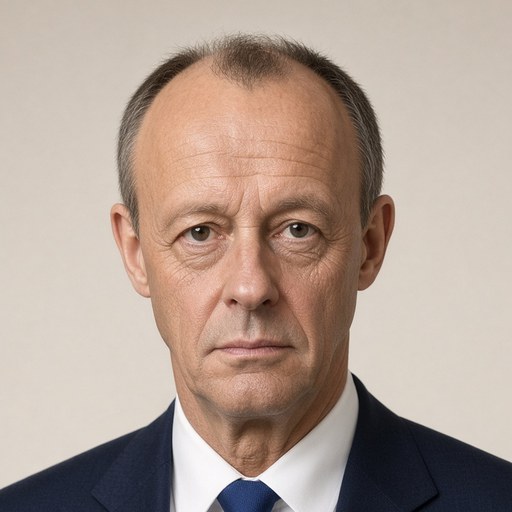
Speech by Federal Chancellor Friedrich Merz on the 35th anniversary of the CDU parliamentary group in the Thuringian State Parliament on November 4, 2025, in Weimar:
 Friedrich Merz · Chancellor of Germany
- Context
- Merz addressed the 35th anniversary celebration of the CDU parliamentary group in the Thuringian State Parliament on November 4, 2025, in Weimar.
- Main themes
- 35th anniversary of CDU parliamentary group in Thuringia, German reunification, Weimar Republic history, democratic development in Thuringia, CDU governance and legislation, peaceful revolution in East Germany, state-building after reunification, rule of law and constitutional order, historical significance of Weimar
- Duration
- ~26 min
- Words
- 3,141
- Sentences
- 159
- Readability
- 50
- Grade
- 11.1
- Syntax
- 3.02
- Vocabulary
- 2.18
Translated from German
The broad sphere of national life a sentence belongs to. Every sentence has an Arena, so it is the denominator the other indices are read against.
Other159 sentences in 37 paragraphs
Dear Chairman, dear Andreas Bühl,
dear Mr. President of the State Parliament, dear Thadäus König,
dear Mr. Prime Minister, dear Mario Voigt,
dear former Prime Minister and former Prime Minister,
dear colleagues, active and former members from the parliaments, the European Parliament, the German Bundestag, the Thüringen State Parliament, esteemed members of the Thüringen Cabinet, ladies and gentlemen, thank you very much for the very warm welcome this evening here in the city of Weimar! I hope I may say this on behalf of all of you: It was a great pleasure to listen to both of you during the first two speeches. Thank you very much for these two speeches!
Ladies and gentlemen, today we celebrate 35 years of the CDU parliamentary group in the Thüringen State Parliament. We are celebrating here in the city of Weimar, a city that is uniquely connected to history, to German history, and to German democracy. Just a few hundred meters from here stands the Weimar National Theatre. On February 6, 1919, the constituent National Assembly convened there. And there, Friedrich Ebert was elected as the first President of the Reich, and the first German democratic republican constitution was adopted. The Weimar National Theatre is thus the most important symbolic site of the Weimar Republic and the city that gave its name to the first German democratic constitution. We can rightly say: Here in this city begins the history of democratic Germany.
Now we know in retrospect: The young democratic Germany, the young German democracy, the young German parliamentarism was soon challenged. The National Socialists also took possession of the Weimar National Theatre, as the second Reich Party Congress of the NSDAP took place there in July 1926 – an important propaganda tool of the National Socialists and the later National Socialist dictatorship.
Thirty-five years ago, there was again, and this time a happy, an extraordinarily important moment for democracy in the Weimar National Theatre: On October 25, 1990, the new democratically elected Thüringen State Parliament was constituted there after more than 40 years of socialist dictatorship. The then chairman of the CDU Thüringen, Willibald Böck, spoke for the CDU parliamentary group in this session. He said: "We, as a people, have set out to change the conditions here. And it was not only the call 'We are the people' that we heard; this people also shaped the call."
Yes, the fact that German unity became possible is and remains a lasting historical achievement of the people in East Germany, as it was then called. They freed themselves and, with their own courage for freedom, broke free from the shackles of the second German dictatorship. After what we, what you called a peaceful revolution, Thüringen could then be newly or, better, re-established, after the states in the GDR had been dissolved. What the people of Thüringen wished most from reunification, alongside freedom and democracy, was this.
The re-establishment and reconstruction of the state of Thüringen would not have been possible without this CDU parliamentary group in the Thüringen State Parliament, without the many representatives, the CDU prime ministers. In the first state election on October 14, 1990, the CDU entered the state parliament as the strongest parliamentary group and formed a government together with the FDP. In the following years, the CDU laid a foundation for the state of Thüringen that still holds today. The necessary legal regulations were established relatively quickly. In the first legislative period alone, 188 laws were passed and 669 legal ordinances were issued. Institutions and structures were built anew, and, above all, the Free State of Thüringen was given a new constitution.
We must keep this in mind today, and, dear Mario, you pointed this out: At that time, most representatives were not old, experienced hands in political business. They were representatives who were politically inexperienced. They came directly from their professions into parliament. They did not know the parliamentary procedures and processes that had been practiced in the Federal Republic of Germany, in the West, for decades. The tasks were enormous. The state had to be built up and, above all, transformed: rule of law, healthcare system, social system, an education system, agricultural structures, an economic order from planned economy to market economy. For the representatives in Thüringen, reunification was not simply a historical event. It was that too. But reunification was primarily a political mandate that they fulfilled in their work, for their homeland, for the people in Thüringen.
It went uphill quickly. Already ten years after reunification, the then Prime Minister Bernhard Vogel could say in the Thüringen State Parliament, I quote: "Our villages and cities have become more beautiful, the environment cleaner, the air purer. Houses and streets have been renewed, many settlements have been created. Hospitals and nursing homes are becoming increasingly efficient and offer the best standards. Unemployment has been significantly reduced." – So far Bernhard Vogel at that time.
This truly comprehensive structural transformation in the transition to a completely new political and economic system is and remains without example in history, even beyond the borders of our country. This task was solved by the representatives, by the CDU in the Thüringen State Parliament, also in the following years. Initially, the aforementioned second Prime Minister Bernhard Vogel was significantly involved, who unfortunately passed away on March 2 of this year.
He followed the first Prime Minister Josef Duchač at the request of the Thüringen state CDU into the highest political office to quickly get the "green heart," as you always say about yourself, beating again, and he remained Prime Minister for over ten years – a unique career in Germany: first many years as a successful Prime Minister in Rhineland-Palatinate and then another decade as Prime Minister in Thüringen! Those who knew him, and I knew him well, those who worked with him know what a friendly, interested, warm, and approachable personality he was, but at the same time educated, comprehensive, curious, determined, and with a clear political compass.
The CDU has led the government in Thüringen for almost 25 years after reunification, in the Thüringen State Parliament, and governed for ten years with an absolute majority. After Prime Ministers Josef Duchač and Bernhard Vogel, Dieter Althaus and Christine Lieberknecht later stood at the helm of the Free State. The Prime Ministers and the Prime Minister have guided the fate of the Free State together with the CDU parliamentary group and shaped the state, driving the reconstruction forward. They have accomplished important things for the people of Thüringen. Dieter Althaus and Christine Lieberknecht and many former parliamentary group leaders and representatives are here today. Dear colleagues, dear friends, I would like to sincerely thank all of you for what you have accomplished, for what you have built, with what passion and personal commitment you have made this state, this Free State, what it is today. Thank you for that!
Since 2014, the CDU has been in a role it had not known until then. It was in opposition, and that under a red-red-green state government. After the political earthquake of 2020 – you all know this better than I do, also from personal experience – the CDU took on responsibility from the opposition. Through a mechanism of stability, as you called it, the CDU ensured the governability of Thüringen under the most difficult conditions. This is also an achievement of the Thüringen CDU and the CDU parliamentary group in the Thüringen State Parliament.
Now, with Mario Voigt, a CDU Prime Minister has been at the head of Thüringen for almost a year again. Today, there is no longer a need for a stability mechanism. The government has a de facto majority and is itself the stability anchor of this state. Mario Voigt represents his state, this Free State, confidently as Prime Minister, and I believe rightly so. He is proud of his homeland Thüringen, which was significantly built by the CDU and is now again significantly shaped and led into the future by the CDU. It is Mario Voigt's ambition, and we just heard it in his speech, that the people here – whether they come from a small village or live in a larger city – have the best opportunities to shape their lives. It is his ambition that Thüringen remains the already quoted "green heart of Germany" and at the same time a successful land of thinkers and tinkerers, of the middle class and industry, a land with a vibrant tradition and the most diverse culture. He has opened a new chapter with his government, with the new coalition, which, as he says, is based on a stable foundation of values and represents a new beginning with new momentum.
Yes, the CDU parliamentary group under the leadership of Andreas Bühl took only a few months to draw up an ambitious budget for the year 2025. It anchors the most important issues for Thüringen, from education to growth and jobs to health. This is good news for the people of Thüringen.
For the upcoming discussions on the planned double budget 2026/2027, I wish the CDU parliamentary group in the Thüringen State Parliament a steady hand and much success. Because what is being accomplished here, in this Free State, will be of great importance beyond Thüringen and at the same time for Thüringen itself. I fondly remember the end of September when we were here very close at Schloss Ettersburg together at the conference of the Prime Ministers of the East German federal states, and I had the privilege of being a guest. Together with Mario Voigt, we had a very good exchange and close cooperation with the East German states. We agree: For a strong Germany, we need a strong East!
Thank you, dear Andreas Bühl and dear Mario Voigt, for picking up on my words that I spoke on October 3 after 35 years of German unity in Saarbrücken. We now want a common new beginning, yes, we want to achieve a new unity. After 35 years of German unity, we want to look to the future today with confidence and vigor and take on the tasks that are presented to us. This can and will unite us anew, in my firm conviction. I believe we have every reason to be optimistic. We are a strong country. And Germany is a livable and lovable country for which we all work together.
Yes, we face great challenges, historical challenges, challenges that we could not have imagined when we were able to realize German unity 35 years ago. Francis Fukuyama wrote about the end of history. His theory was: All major political decisions of modern times have been made; the majority of states, the majority of people on this globe are heading towards democracy and market economy, towards freedom and peace for all time.
Today, 35 years later, we know: It was not the end of history. Rather, we have experienced an episode of history in the last 35 years, and this episode of history is now coming to an end. We are confronted with authoritarian political systems. We are confronted with elected representatives of democratic states who openly question that this world is based on a rules-based order.
But we know from our country's history and we know from what citizens tell us every day: We have the strength within us to deal with this challenge and to overcome it – in such a way that, at the end of the journey, things may even be better than they are today.
But this means: We must dare something together. Perhaps we even have to challenge ourselves together, we must dare changes – each and every one in their place. This concerns not only, but also federal politics. It concerns state politics. It concerns the interaction of people in their cities, in their communities. I explicitly include local politics here. We now need a joint major effort, also one between the federal government, states, and municipalities.
As a federal government, we have achieved quite a bit in the first months. Nevertheless, we know that there is still much to be done and that we need to achieve much more for this part of our homeland. Our priorities for the future of our country are clearly visible. It is primarily about ensuring freedom and security in our country both internally and externally. It is about strengthening our economy. And it is about preserving the core of our social state.
Let me outline this briefly: We stand as a country, we stand as the European Union, we stand as the free West, as we call ourselves, under pressure from many sides. We are experiencing a fundamental shift in the political and economic centers of power in the world. Our freedom, our security, yes, our prosperity, are openly being questioned, threatened from the outside and also from within. We want and we must assert ourselves against this in an increasingly harsh world. We do not want to assert ourselves in any way, but we want to assert ourselves as a free, as a strong, and as a solidary society.
We have already set some things in motion. Yes, we need armed forces to defend our country. I will not tire of saying it again and again, even to those who are skeptical and critical: No danger comes from us, from the European Union, from Germany, from NATO. We do not threaten anyone. The sentence is quite simple: We want to be able to defend ourselves so that we do not have to defend ourselves. This is the central sentence for our economy.
At the same time, we know that the strength of our country does not only consist of defense capability, but it stands and falls primarily with our economic power. We are in the third year of stagnation. For ten years, the productivity of our economy has stagnated. We must get out of this stagnation. Quite simply: We need more growth in our economy again. Everything we do economically must serve this goal. That is why we have created incentives for investments in our location and in jobs with a first major tax innovation and investment program.
That is why we are enabling, with this so-called special fund, which is nothing more than enormous debt – and that is exactly why it must be used as we intend – to resolve the backlog of repairs in our country so that growth and employment can emerge again. And we are reducing bureaucracy. We are serious about this, for example, with a comprehensive modernization agenda for our state. Therefore, we will lower energy costs starting in January 2026 with decisive reforms that we are putting in place.
And finally: The important social reforms in our country also have the potential to improve the growth prospects of our country again. Because only if we set up our social state in such a way that it continues to function in the future can we bring our country back to economic strength together.
We want to conduct the discussion here quickly, and we must simultaneously come to decisions that are sustainable, that will last for many years and perhaps decades. We are working on reforms so that this country can continue to fulfill the social promises we have made to each other in the future. The goal is to preserve the social state, especially the core of the social state for those who truly need it – and all of this is about the common future of our country. For a common future, we must ensure that these record investments that we enable flow quickly now. We must see that growth comes, that conditions improve and become fairer again, and that the citizens notice: Something is changing for the better in our country.
When we come together today in Weimar, not far from the National Theatre, at this important place in German history, as I have already tried to describe, it also reminds us: Freedom and democracy are not a given. They must be continually reworked, defended, and reshaped. This is the most important task we have as parliamentarians in the German Bundestag, in the European Parliament, in the state parliaments.
The CDU parliamentary group in the Thuringian state parliament has done this for 35 years. It looks back on an impressive history of responsibility, of building, and of shaping. But we do not view 35 years of the CDU parliamentary group in the Thuringian state parliament only in the rearview mirror; we are looking forward. It is a mandate for the future. Dare to trust, let us trust the reforms, the changes that our country needs now. Let us remember the confidence with which the people in East Germany and here in Thuringia embarked on their journey 35 years ago. Let us remember how much strength and courage this path required. We need strength and courage today as well – and yes, we want to turn the relationship between the state and the citizen back right side up.
Your Minister-President Mario Voigt has said it, I think, impressively and correctly. He has often used the word trust in his speech. Trust means that the state trusts its citizens. This is the basis for the trust that is then reciprocated by the citizens towards politics. But if politics, if the state meets its citizens with distrust, with perhaps justified distrust against a few who do not adhere to the rules, with an excessive distrust against all who want to adhere to the rules, then a state should not be surprised by a loss of trust in the institutions that are supposed to support it.
That is why what we mean seriously with the reduction of bureaucracy now is a paradigm shift in the relationship between the state and the citizen, between the state and businesses. We must fundamentally assume again that we can give the citizens of this country, that we can give the businesses in this country trust – trust that they will adhere to the rules and the agreements we have made with them in a broad societal consensus. Only then will we succeed in regaining the trust of the citizens in our democracy and in the institutions that support it. Distrust harms everyone. Trust can benefit us all and lead to new strength.
In this sense, I would like to call out to you, dear colleagues from the state parliamentary group, who are in responsibility today: The look back shows us that we have every reason to tackle the challenges ahead with confidence and vigor. Let us work together, with confidence, with connectedness, with firm values, and with a firm belief in our country. If we do this, then we will be able to celebrate many more great joint anniversaries together.
Congratulations, CDU parliamentary group Thuringia!
The original German. The tags above are read on the English translation's sentences.
Sehr geehrter Herr Vorsitzender, lieber Andreas Bühl,
sehr geehrter Herr Landtagspräsident, lieber Thadäus König,
sehr geehrter Herr Ministerpräsident, lieber Mario Voigt,
liebe ehemalige Ministerpräsidentin und ehemaliger Ministerpräsident,
liebe Kolleginnen und Kollegen, Aktive und Ehemalige aus den Parlamenten, dem Europäischen Parlament, dem Deutschen Bundestag, dem Thüringer Landtag,
sehr geehrte Mitglieder des Thüringer Kabinetts,
meine sehr geehrten Damen und Herren,
herzlichen Dank für die sehr freundliche Begrüßung heute Abend hier in der Stadt Weimar! Ich hoffe, ich darf das in Ihrer aller Namen sagen: Es war eine große Freude, Ihnen beiden, euch beiden, bei den ersten beiden Reden zuzuhören. Herzlichen Dank für diese beiden Reden!
Meine Damen und Herren, Sie, wir feiern heute 35 Jahre CDU-Fraktion im Thüringer Landtag. Wir feiern hier in der Stadt Weimar, einer Stadt, die mit der Geschichte, mit der deutschen Geschichte und mit der deutschen Demokratie in einer ganz besonderen Weise verbunden ist. Nur wenige Hundert Meter von hier entfernt steht das Weimarer Nationaltheater. Am 6. Februar 1919 trat dort die verfassungsgebende Nationalversammlung zusammen. Und dort wurde Friedrich Ebert zum ersten Reichspräsidenten gewählt und die erste deutsche demokratisch-republikanische Verfassung verabschiedet. Das Weimarer Nationaltheater ist damit der wohl wichtigste Symbolort der Weimarer Republik und der Stadt, die der ersten deutschen demokratischen Verfassung ihren Namen gegeben hat. Wir können mit einiger Berechtigung sagen: Hier in dieser Stadt beginnt die Geschichte des demokratischen Deutschlands.
Nun wissen wir aus der Rückschau: Das junge demokratische Deutschland, die junge deutsche Demokratie, der junge deutsche Parlamentarismus wurden schon bald herausgefordert. Die Nationalsozialisten bemächtigten sich dabei ebenfalls des Weimarer Nationaltheaters, denn dort fand im Juli 1926 der zweite Reichsparteitag der NSDAP statt – ein wichtiges Propagandamittel der Nationalsozialisten und der späteren nationalsozialistischen Diktatur.
Vor 35 Jahren gab es nun wieder, und diesmal einen glücklichen, einen für die Demokratie außerordentlich wichtigen, zweiten Moment im Weimarer Nationaltheater: Am 25. Oktober 1990 konstituiert sich dort nach mehr als 40 Jahren sozialistischer Diktatur der neue demokratisch gewählte Thüringer Landtag. Der damalige Vorsitzende der CDU Thüringen, Willibald Böck, sprach für die CDU-Fraktion in dieser Sitzung. Er sagte: „Wir haben uns als Volk auf den Weg gemacht, die Verhältnisse hier zu ändern. Und es war nicht nur der Ruf ‚Wir sind das Volk‘, den wir gehört haben, dieses Volk hat auch den Ruf geprägt.“
Ja, dass die Deutsche Einheit möglich wurde, ist und bleibt eine dauerhafte historische Leistung der Menschen in Ostdeutschland, wie es damals hieß. Sie haben sich selbst und mit dem eigenen Mut zur Freiheit aus den Fesseln der zweiten deutschen Diktatur gelöst. Nach dem, was wir, was Sie friedliche Revolution genannt haben, konnte dann Thüringen neu oder, besser, wieder gegründet werden, nachdem eben die Länder in der DDR aufgelöst worden waren. Das hatten sich die Thüringerinnen und Thüringer neben Freiheit und Demokratie am allermeisten von der Wiedervereinigung gewünscht.
Die Wiedergründung und der Wiederaufbau des Landes Thüringen wären nicht möglich gewesen ohne eben diese CDU-Fraktion im Thüringer Landtag, ohne die vielen Abgeordneten, die CDU-Ministerpräsidenten. Bei der ersten Landtagswahl am 14. Oktober 1990 zog die CDU als stärkste Fraktion in den Landtag ein und bildete mit der FDP zusammen die Regierung. In den folgenden Jahren hat die CDU das Land Thüringen auf ein Fundament gestellt, das bis heute trägt. Die notwendigen gesetzlichen Regelungen wurden dabei relativ schnell getroffen. Allein in der ersten Legislaturperiode wurden 188 Gesetze beschlossen und 669 Rechtsverordnungen erlassen. Institutionen und Strukturen wurden ganz neu aufgebaut, und, vor allem, dem Freistaat Thüringen wurde eine neue Verfassung gegeben.
Wir müssen uns das heute vor Augen halten, und, lieber Mario, du hast darauf hingewiesen: Damals waren die meisten Abgeordneten nicht alte, erfahrene Hasen im politischen Geschäft. Es waren Abgeordnete, die politisch ganz unerfahren waren. Sie kamen direkt aus ihren Berufen ins Parlament. Sie kannten die parlamentarischen Verfahren und Abläufe nicht, die in der Bundesrepublik Deutschland West, alt, bei uns im Westen, über Jahrzehnte eingeübt worden waren. Die Aufgaben waren enorm. Das Land musste auf- und vor allem umgebaut werden: Rechtsstaat, Gesundheitswesen, Sozialsystem, ein Bildungswesen, landwirtschaftliche Strukturen, eine Wirtschaftsordnung von der Planwirtschaft zur Marktwirtschaft. Die Wiedervereinigung war für die Abgeordneten in Thüringen nicht einfach ein historisches Ereignis. Das war es auch. Aber die Wiedervereinigung war vor allem ein politischer Auftrag, den sie in ihrer Arbeit erfüllt haben, für ihre Heimat, für die Menschen in Thüringen.
Es ging schnell bergauf. Bereits zehn Jahre nach der Wiedervereinigung konnte der damalige Ministerpräsident Bernhard Vogel im Thüringer Landtag sagen, ich zitiere: „Unsere Dörfer und Städte sind schöner geworden, die Umwelt sauberer, die Luft reiner. Häuser und Straßen wurden erneuert, viele Siedlungen sind entstanden. Krankenhäuser und Pflegeheime werden immer leistungsfähiger und bieten besten Standard. Die Arbeitslosigkeit ist deutlich reduziert.“ – So weit Bernhard Vogel damals.
Dieser wirklich umfassende strukturelle Umbau beim Übergang in ein völlig neues politisches und ökonomisches System ist und bleibt in der Geschichte, auch über die Grenzen unseres Landes hinaus ohne Beispiel. Diese Aufgabe wurde gelöst von den Abgeordneten, von der CDU im Thüringer Landtag, auch in den Folgejahren. Maßgeblich beteiligt war anfangs der eben zitierte zweite Ministerpräsident Bernhard Vogel, der am 2. März dieses Jahres leider verstorben ist.
Er folgte auf den ersten Ministerpräsidenten Josef Duchač auf Wunsch der Thüringer Landes-CDU in das höchste politische Amt, um das „grüne Herz“, wie Sie selbst immer von sich sagen, wieder schnell zum Schlagen zu bringen, und er blieb über zehn Jahre Ministerpräsident – eine einmalige Karriere in Deutschland: erst viele Jahre erfolgreicher Ministerpräsident in Rheinland-Pfalz und dann noch einmal eine Dekade Ministerpräsident in Thüringen! Wer ihn kannte, und ich habe ihn gut gekannt, wer mit ihm zusammengearbeitet hat, der weiß, was für eine freundliche, interessierte, herzliche und zugewandte Persönlichkeit er war, aber zugleich gebildet, umfassend, interessiert, zielstrebig und mit einem klaren politischen Kompass.
Die CDU hat nach der Wiedervereinigung fast 25 Jahre lang die Regierung in Thüringen geführt, im Thüringer Landtag, und davon zehn Jahre mit absoluter Mehrheit regiert. Nach den Ministerpräsidenten Josef Duchač und Bernhard Vogel standen später Dieter Althaus und Christine Lieberknecht an der Spitze des Freistaates. Die Ministerpräsidenten und die Ministerpräsidentin haben gemeinsam mit der CDU-Landtagsfraktion die Geschicke des Freistaats gelenkt und das Land gestaltet, den Aufbau vorangetrieben. Sie haben Wichtiges für die Thüringerinnen und Thüringer geleistet. Dieter Althaus und Christine Lieberknecht und viele ehemalige Fraktionsvorsitzende und Abgeordnete sind heute hier. Liebe Kolleginnen und Kollegen, liebe Freundinnen und Freunde, ich möchte Ihnen allen einfach einmal herzlich für das danken, was Sie geleistet haben, für das, was Sie auch aufgebaut haben, mit welchem Herzblut und mit welchem persönlichen Engagement Sie dieses Land, diesen Freistaat, zu dem gemacht haben, was er heute ist. Danke dafür!
Ab 2014 war die CDU in einer Rolle, die sie bis dahin nicht kannte. Sie war in der Opposition, und das noch unter einer rot-rot-grünen Landesregierung. Nach dem politischen Erdbeben des Jahres 2020 – das wissen Sie alle besser als ich, auch aus eigenem Erleben – hat die CDU aus der Opposition heraus Verantwortung übernommen. Über einen, so haben Sie es genannt, Stabilitätsmechanismus hat die CDU die Regierungsfähigkeit, die Regierbarkeit Thüringens unter schwierigsten Verhältnissen gewährleistet. Auch das ist ein Verdienst der Thüringer CDU und der CDU-Fraktion im Thüringer Landtag.
Nun steht mit Mario Voigt seit fast einem Jahr wieder ein CDU-Ministerpräsident an der Spitze Thüringens. Heute braucht es keinen Stabilitätsmechanismus mehr. Die Regierung hat eine De-facto-Mehrheit und ist selbst der Stabilitätsanker dieses Landes. Mario Voigt vertritt als Ministerpräsident, wie ich finde, zu Recht sein Land, diesen Freistaat, selbstbewusst. Er ist stolz auf seine Heimat Thüringen, die eben maßgeblich von der CDU aufgebaut wurde und nun wieder maßgeblich von der CDU gestaltet und in die Zukunft geführt wird. Es ist Mario Voigts Anspruch, und wir haben es eben in seiner Rede gehört, dass die Menschen hier – ganz gleich, ob sie aus einem kleinen Dorf kommen oder in einer größeren Stadt leben – die besten Chancen haben, ihr Leben zu gestalten. Es ist sein Anspruch, dass Thüringen das schon zitierte „grüne Herz Deutschlands“ ist und bleibt und zugleich ein erfolgreiches Land der Denker und der Tüftler, des Mittelstandes und der Industrie ist und bleibt, ein Land mit lebendiger Tradition und vielfältigster Kultur. Er hat mit seiner Regierung, mit der neuen Koalition ein neues Kapitel aufgeschlagen, das, wie er sagt, auf einem stabilen Wertefundament steht und mit neuem Schwung, mit einem neuen Aufbruch einen Neuanfang bedeutet.
Ja, die CDU-Fraktion unter der Führung von Andreas Bühl hat nur wenige Monate gebraucht, um einen ambitionierten Haushalt für das Jahr 2025 aufzustellen. Darin sind die wichtigsten Themen für Thüringen verankert, von Bildung über Wachstum und Arbeitsplätzen bis hin zur Gesundheit. Das ist eine gute Nachricht für die Thüringerinnen und Thüringer.
Für die anstehenden Beratungen zum geplanten Doppelhaushalt 2026/2027 wünsche ich der CDU-Fraktion im Thüringer Landtag eine glückliche Hand und viel Erfolg. Denn das, was hier geleistet wird, in diesem Freistaat, wird über Thüringen hinaus und zugleich für Thüringen selbst von großer Bedeutung sein. Ich erinnere mich gern an Ende September, als wir hier ganz in der Nähe auf Schloss Ettersburg gemeinsam bei der Ministerpräsidentenkonferenz der ostdeutschen Bundesländer waren und ich Gast sein durfte. Gemeinsam mit Mario Vogt hatten wir einen sehr guten Austausch und engen Schulterschluss mit den ostdeutschen Ländern. Wir sind uns einig: Für ein starkes Deutschland brauchen wir einen starken Osten!
Danke, lieber Andreas Bühl und lieber Mario Vogt, dass Sie an meine Worte angeknüpft haben, die ich am 3. Oktober nach 35 Jahren Deutscher Einheit in Saarbrücken gesagt habe. Wir wollen jetzt einen gemeinsamen Aufbruch, ja, wir wollen eine neue Einheit erreichen. Nach 35 Jahren Deutscher Einheit wollen wir heute mit Zuversicht und Tatkraft in die Zukunft blicken und die Aufgaben annehmen, die uns gestellt sind. Das kann und das wird uns nach meiner festen Überzeugung neu einen. Ich denke, dass wir allen Grund haben, zuversichtlich zu sein. Wir sind ein starkes Land. Und Deutschland ist ein lebens- und liebenswertes Land, für das wir uns alle gemeinsam einsetzen.
Ja, wir stehen vor großen Herausforderungen, vor historischen Herausforderungen, vor Herausforderungen, die wir nicht ahnen konnten, als wir vor 35 Jahren die Deutsche Einheit verwirklichen konnten. Vom Ende der Geschichte hat Francis Fukuyama geschrieben. Seine Theorie war: Alle großen politischen Entscheidungen der Neuzeit sind getroffen; die Mehrheit der Staaten, die Mehrheit der Menschen auf diesem Globus machen sich auf zu Demokratie und Marktwirtschaft, zu Freiheit und Frieden auf alle Zeiten.
Wir wissen heute, 35 Jahre später: Es war nicht das Ende der Geschichte. Vielmehr haben wir in den letzten 35 Jahren eine Episode der Geschichte erlebt, und diese Episode der Geschichte ist jetzt zu Ende. Wir sehen uns konfrontiert mit autoritären politischen Systemen. Wir sehen uns konfrontiert mit gewählten Repräsentanten demokratischer Staaten, die offen infrage stellen, dass diese Welt auf einer regelbasierten Ordnung beruht.
Aber wir wissen aus unserer Geschichte unseres Landes und wir wissen aus dem, was uns die Bürgerinnen und Bürger täglich sagen: Es steckt in uns die Kraft, mit dieser Herausforderung umzugehen und sie zu bewältigen – und zwar so, dass am Ende der Wegstrecke die Dinge vielleicht sogar besser werden, als sie es heute ohnehin schon sind.
Das heißt aber: Wir müssen uns gemeinsam etwas zutrauen. Vielleicht müssen wir uns gemeinsam sogar etwas zumuten, müssen uns Veränderungen zumuten – jede und jeder an seiner Stelle. Das betrifft bei weitem nicht nur, aber auch die Bundespolitik. Es betrifft die Landespolitik. Es betrifft das Miteinander der Menschen in ihren Städten, in ihren Gemeinden. Ich beziehe die Kommunalpolitik hier ausdrücklich mit ein. Wir brauchen jetzt eine gemeinsame große Kraftanstrengung, auch eine solche zwischen Bund, Ländern und Gemeinden.
Wir haben als Bundesregierung in den ersten Monaten einiges erreicht. Gleichwohl wissen wir, dass noch viel zu tun ist und dass wir gerade für diesen Teil unseres Vaterlandes noch vieles zusätzlich erreichen müssen. Unsere Prioritäten für die Zukunft unseres Landes liegen dabei offen zutage. Es geht vor allem darum, die Freiheit und die Sicherheit in unserem Land nach innen und nach außen zu gewährleisten. Es geht darum, unsere Wirtschaft zu stärken. Und es geht darum, den Kern unseres Sozialstaates zu erhalten.
Lassen Sie mich das kurz skizzieren: Wir stehen als Land, wir stehen als Europäische Union, wir stehen als freier Westen, wie wir uns nennen, von vielen Seiten unter Druck. Wir erleben eine fundamentale Verschiebung der politischen und ökonomischen Machtzentren auf der Welt. Unsere Freiheit, unsere Sicherheit, ja, unser Wohlstand, werden offen infrage gestellt, bedroht von außen und auch von innen. Wir wollen und wir müssen uns dagegen in dieser rauer werdenden Welt behaupten. Wir wollen uns nicht irgendwie behaupten, sondern wir wollen uns behaupten als eine freie, als eine starke und als eine solidarische Gesellschaft.
Wir haben dazu einiges auf den Weg gebracht. Ja, wir brauchen Streitkräfte, die unser Land verteidigen. Ich werde nicht müde, es immer wieder zu sagen, auch an diejenigen, die skeptisch und kritisch sind: Von uns, von der Europäischen Union, von Deutschland, von der Nato, geht keine Gefahr aus. Wir bedrohen niemanden. Der Satz lautet ganz einfach: Wir wollen uns verteidigen können, damit wir uns nicht verteidigen müssen. Das ist der zentrale Satz für unsere Wirtschaft.
Zugleich wissen wir, dass die Stärke unseres Landes nicht nur aus Verteidigungsfähigkeit besteht, sondern sie steht und vor allem fällt sie mit unserer Wirtschaftskraft. Wir befinden uns im dritten Jahr einer Stagnation. Seit zehn Jahren stagniert die Produktivität unserer Volkswirtschaft. Wir müssen raus aus dieser Stagnation. Ganz einfach: Wir brauchen wieder mehr Wachstum in unserer Volkswirtschaft. Alles, was wir wirtschaftspolitisch tun, muss genau diesem Ziel dienen. Deswegen haben wir mit einem ersten großen steuerlichen Innovations- und Investitionsprogramm Anreize für Investitionen in unseren Standort und in Arbeitsplätze geschaffen.
Deswegen ermöglichen wir mit diesem sogenannten Sondervermögen, das nichts anderes ist als enorme Schulden – genau deswegen müssen sie auch so eingesetzt werden, wie wir es vorhaben –, den Sanierungsstau unseres Landes aufzulösen, damit wieder Wachstum und Beschäftigung entstehen kann. Und wir bauen Bürokratie zurück. Wir meinen es ernst, zum Beispiel mit einer umfassenden Modernisierungsagenda für unseren Staat. Deshalb senken wir die Energiekosten ab Januar 2026 mit entscheidenden Reformen, die wir auf den Weg bringen.
Und schließlich: Auch die wichtigen Sozialreformen in unserem Land haben das Potenzial, die Wachstumsaussichten unseres Landes wieder zu verbessern. Denn nur wenn wir unseren Sozialstaat so aufstellen, dass er auch zukünftig funktioniert, können wir unser Land wieder gemeinsam zur wirtschaftlichen Stärke zurückführen.
Wir wollen die Diskussion hier schnell führen, und wir müssen gleichzeitig zu Entscheidungen kommen, die tragen, die für viele Jahre und vielleicht Jahrzehnte Bestand haben. Wir arbeiten an Reformen, damit dieses Land die sozialen Versprechen, die wir uns gegenseitig gegeben haben, auch zukünftig einhalten kann. Das Ziel ist der Erhalt des Sozialstaats, vor allem des Kerns des Sozialstaats für diejenigen, die ihn wirklich brauchen – und bei alldem geht es um die gemeinsame Zukunft unseres Landes. Für eine gemeinsame Zukunft müssen wir dafür sorgen, dass diese Rekordinvestitionen, die wir ermöglichen, jetzt schnell fließen. Wir müssen sehen, dass das Wachstum kommt, dass die Verhältnisse besser und wieder gerechter werden und die Bürgerinnen und Bürger merken: Es verändert sich etwas zum Guten in unserem Land.
Wenn wir heute in Weimar zusammenkommen, unweit des Nationaltheaters, an diesem wichtigen Ort deutscher Geschichte, wie ich ihn schon versucht habe zu beschreiben, dann erinnert uns das auch daran: Freiheit und Demokratie sind nicht selbstverständlich. Sie müssen immer wieder neu erarbeitet, neu verteidigt und neu gestaltet werden. Das ist der wichtigste Auftrag, den wir uns als Parlamentarier im Deutschen Bundestag, im Europäischen Parlament, in den Landtagen zu stellen haben.
Die CDU-Fraktion im Thüringer Landtag hat das 35 Jahre getan. Sie blickt zurück auf eine eindrucksvolle Geschichte von Verantwortung, von Aufbau und Gestaltung. Aber 35 Jahre CDU-Fraktion im Thüringer Landtag betrachten wir nicht nur im Rückspiegel, sondern wir richten den Blick nach vorn. Es ist ein Auftrag für die Zukunft. Trauen Sie sich, trauen wir uns die Reformen, die Veränderungen zu, die unser Land jetzt braucht. Erinnern wir uns an die Zuversicht, mit der die Menschen in Ostdeutschland und hier in Thüringen vor 35 Jahren ihren Aufbruch gewagt haben. Erinnern wir uns, wie viel Kraft und Mut dieser Weg erfordert hat. Kraft und Mut brauchen wir auch heute – und ja, wir wollen das Verhältnis zwischen Staat und Bürger wieder vom Kopf auf die Füße stellen.
Ihr Ministerpräsident Mario Voigt hat es, wie ich finde, eindrucksvoll und richtig gesagt. Er hat ganz oft das Wort Vertrauen in seiner Rede benutzt. Vertrauen heißt, dass der Staat seinen Bürgern vertraut. Das ist die Grundlage für Vertrauen, das dann erst von den Bürgerinnen und Bürgern auch der Politik entgegengebracht wird. Wenn aber die Politik, wenn der Staat seinen Bürgerinnen und Bürgern mit Misstrauen begegnet, mit einem vielleicht berechtigten Misstrauen gegen wenige, die sich nicht an die Regeln halten, mit einem Misstrauen im Übermaß gegen alle, die sich an die Regeln halten wollen, dann darf sich ein Staat über Vertrauensverlust gegenüber den Institutionen, die ihn tragen sollen, nicht wundern.
Deswegen ist das, was wir mit dem Rückbau von Bürokratie jetzt ernst meinen, ein Paradigmenwechsel im Umgang zwischen Staat und Bürger, zwischen Staat und Unternehmen. Wir müssen wieder grundsätzlich davon ausgehen, dass wir den Bürgerinnen und Bürgern dieses Landes, dass wir den Unternehmen in diesem Lande Vertrauen geben können – Vertrauen darauf, dass sie sich an die Regeln und an die Verabredungen halten, die wir mit ihnen in einem großen gesellschaftlichen Konsens getroffen haben. Nur dann wird es uns gelingen, auch das Vertrauen der Bürgerinnen und Bürger in unsere Demokratie und in die sie tragenden Institutionen zurückzugewinnen. Misstrauen schadet allen. Vertrauen kann uns allen nutzen und zu neuer Stärke führen.
In diesem Sinne möchte ich Ihnen, liebe Kolleginnen und Kollegen aus der Landtagsfraktion, die Sie heute in der Verantwortung stehen, zurufen: Der Blick zurück zeigt uns, dass wir allen Grund haben, auch die vor uns liegenden Herausforderungen mit Zuversicht und Tatkraft anzugehen. Lassen Sie uns gemeinsam anpacken, eben mit Zuversicht, mit Verbundenheit, mit festen Werten und dem festen Glauben an unser Land. Wenn wir das tun, dann werden wir noch viele großartige gemeinsame Jubiläen miteinander feiern können.
Herzlichen Glückwunsch, CDU-Landtagsfraktion Thüringen!