




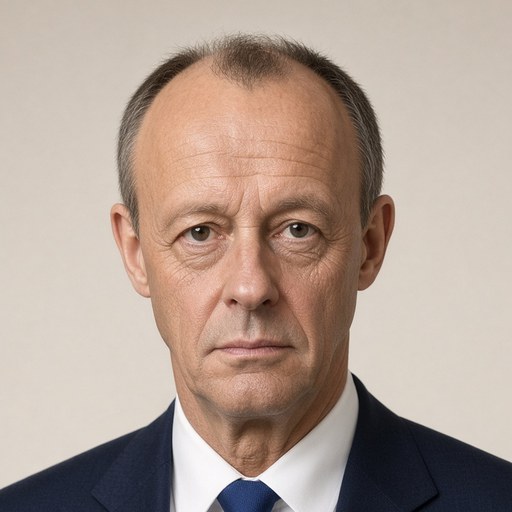
Chancellor's speech at the IGBCE Trade Union Congress Coming together to emerge from difficult times
 Friedrich Merz · Chancellor of Germany
- Context
- Merz addressed the IGBCE Trade Union Congress in Hanover in October 2025, calling for close collaboration between the government and trade unions to address Germany's economic challenges.
- Main themes
- Social partnership between employers and unions, German industrial economy, chemical and energy sectors, IGBCE trade union congress, economic challenges facing Germany, cooperation between government and trade unions, industrial location Germany, prosperity and value chains, leadership and continuity, European competitiveness
- Duration
- ~39 min
- Words
- 4,693
- Sentences
- 259
- Readability
- 49
- Grade
- 10.9
- Syntax
- 2.95
- Vocabulary
- 2.02
Translated from German
The broad sphere of national life a sentence belongs to. Every sentence has an Arena, so it is the denominator the other indices are read against.
Other259 sentences in 52 paragraphs
Dear Mr. Chairman, dear Mr. Vassiliadis,
dear Ms. Biermann,
my esteemed ladies and gentlemen,
dear Ms. Fahimi and colleagues from the DGB,
I am pleased to be here. Thank you very much for the warm welcome. I say this sincerely. Many of you will know that I have had a very close professional connection with the industry you represent in the chemical sector.
On my way here, I recalled a visit to Hanover. This was, if I remember correctly, in September 1995. That was the birth of your united union as well as the birthday — if I remember correctly, the 66th birthday — and at the same time the farewell reception for Hermann Rappe. At that time, Chancellor Helmut Kohl took me from Bonn to be here in Hanover to honor and bid farewell to your former chairman. I saw up close how closely and collaboratively the cooperation was between a Chancellor of the Federal Republic of Germany, who, like me, also had a connection to the chemical industry, and your then-chairman. I served alongside Hermann Rappe in the German Bundestag for one term. That was still possible back then. It would be nice if that were still better possible today. Ladies and gentlemen, I would like to connect to that encounter from back then, which is now almost exactly 30 years ago.
Mr. Vassiliadis, you are only the second chairman of the large united union that was founded back then. Hubertus Schmoldt was the chairman for 20 years. You have, if I read correctly, been unanimously proposed for re-election tomorrow. I wish you a very good result for this re-election. Last time it was 97.4 percent. A party chairman of the CDU usually does not get that. I wish you at least as good a result tomorrow.
Ladies and gentlemen, I would like to offer your chairman that in the years ahead, we seek and find the same good and close collaborative partnership as Helmut Kohl had with Hermann Rappe back then. That is certainly my wish. Because I know what it means for our country to have a close collaboration with the social partners. This applies to the trade unions. This applies to the business associations and employer associations. We must stand particularly close together in the middle of our country now so that we can succeed in solving the problems of our country together. That is why I would like to offer you this. I know that we have had good conversations with each other repeatedly in recent years. At the latest tomorrow, with your re-election, the path for this good collaboration in the coming years will be opened. I look forward to it, ladies and gentlemen.
You, the IGBCE, are a significant voice in the German economy, in German politics. You have a very large share in that. Ladies and gentlemen, you deserve it; because mining, chemistry, and energy are the sectors that play a central role in Germany's value chains. They are essentially the backbone of our economy. If there is no good chemical industry, mining with decreasing significance, but still present, if there is no good energy sector in Germany, then entire sectors, then entire industries in this country will have no future. That is why it is very important for you, for the products that are produced in these companies, in the chemical-pharmaceutical industry. These are the medications that are produced in Germany and must continue to be produced. These are key industries such as battery production, renewable energies, and semiconductors. All of this characterizes our industrial nation.
Allow me to say once again in this clarity and distinctness, as I have also said on other occasions: Our country, the Federal Republic of Germany, this economy, must remain an industrial nation, ladies and gentlemen. If we are no longer an industrial nation, we cannot maintain the prosperity of our country.
The industrial trade unions have a large share in the success of our country. I do not say this because I am here with you today; I say this on every other occasion as well. The social partnership between employers and employee representatives, ladies and gentlemen, is a defining feature of the Federal Republic of Germany. It is the essence of our market economy order. I want to explicitly and without any reservations commit to the continuation of this essence in our country. We need this especially in light of the great challenges we face.
Let me briefly describe the situation as I see it. We are under pressure — as a country, as an industrial location, as the European Union — like probably never before in recent years and decades. Not only competition but also freedom, the open society, what defines us, our security, our prosperity are being questioned and attacked from both outside and within. We are witnesses to fundamental changes that we will probably only fully understand and comprehend in a few years when we look back.
What is currently happening in the world, what is happening in the global markets — in the USA, in Asia, also in Europe — all of this, ladies and gentlemen, are — I express it as I have elsewhere — tectonic shifts of the political and economic power centers in the world. If we as Europeans — I deliberately do not say just we as Germans — want to participate in this in the sense of "Europe and thus Germany remain an important factor for value creation, for jobs, for prosperity, for freedom, and for social policy," then we will have to change a lot in our country, we will have to improve many things in the European Union compared to the current situation, so that it can remain as it was in the past — at least where it was good.
We are now in the third year without significant economic growth. We have not become more productive in the last ten years. The productivity of our economy has not really grown in the last ten years. At least in the labor market, we now see: We are also decreasing in headcount. I will come back to that shortly. This means in plain terms: We are currently living off our substance. We need to get out of this stagnation. Quite simply: We need growth in our economy again; because everything we do is precisely under the sign of restoring growth so that we are a growing, strong economy in the middle of Europe.
Ladies and gentlemen, you, the representatives of the industrial union for mining, chemistry, and energy, feel this in your companies. You see very clearly how external protectionism and internal reform backlog are affecting all of you. At the same time: Competitors from the USA or Asia are catching up or are already ahead of us in the meantime. High labor, raw material, and energy costs, partly slow approval processes, very high regulatory requirements, lack of skilled workers, and weak demand are burdening not only Germany but all of Europe in the sectors you represent. We are simply no longer competitive enough. This has long had concrete consequences — you feel it; you have to accompany it in part — in the chemical industry, in the automotive industry, in the supplier industry, and in the steel industry.
A lot is at stake now. It is simply a question of whether we still have a future in Germany with value creation chains in industry. This question, ladies and gentlemen, is not just a sector-specific question. This is a strategic question of interests for our country, which must serve a greater sovereignty of our country and our European continent.
For new strength and for sovereignty, we must realign ourselves in politics and with the social partners in many areas. That is exactly what we are doing in the federal government. We are bringing about decisions in this federal government that will advance the country and that hopefully will also be supported by majorities. We are gradually positioning our country so that security in Germany and in Europe and at the same time competitiveness in Europe and in Germany are guaranteed again — and not just for a short time, not short-sightedly, but for a longer time, for years, ideally for the next decade.
All of this that we are planning, ladies and gentlemen, does not happen overnight. Nevertheless, it is now progressing rapidly. In the federal government, we have already made a number of decisions in recent months. Let me summarize that briefly. But I want to say one thing upfront: It must and will continue. Of course, many important decisions still need to be made, but we have made a start. We are changing course. We have begun to correct misdevelopments and misdecisions of the past.
I give you one example, perhaps the most important one of the last weeks and months: We have improved the investment conditions in Germany with a tax investment program as strongly as in the last decades. Three times 30 percent declining depreciation on investments in companies means enabling the depreciation of two-thirds of the value within two and a half years. The depreciation options have never been better. But companies must also earn the money before they can depreciate. That is why we also want to ensure that the overall framework conditions improve and that the perspective improves. From 2028, the taxation of corporations will therefore be gradually reduced by one percentage point per year so that we can return to a competitive level. We will then be at only 10 percent corporate tax, of course plus trade tax and many other costs. But in any case, we are reducing the capital gains tax to an internationally competitive level.
To reduce energy costs, we have already decided to reduce the state-induced price components. This will come into effect on January 1, 2026. The electricity tax, the transmission network fees, the gas storage levy — in total, a relief for the German economy and German households of around ten billion euros in 2026.
And then the large special fund for infrastructure. Ladies and gentlemen, this is the largest investment booster that we have ever enabled in the history of the Federal Republic of Germany: 500 billion in the next twelve years, 300 billion for the federal government, 100 billion for the states, and 100 billion additionally for the climate and transformation fund. More investment opportunities have never been available in this country in recent decades. This creates perspectives, not only for the construction industry, which can and should now build quickly. We are creating perspectives for all industrial sectors in our country, especially where construction can take place. What is ready for construction can now also be built in Germany. We are resolving the backlog in renovations, especially in our infrastructure — for roads, for rail, for many other possibilities. Investment in our infrastructure can now begin.
Allow me to point out: It has not been easy for me, as the party chairman of the CDU, to participate. I have received a lot of criticism for it. I take this criticism seriously. I know that it is partly even justified. But everything we do, ladies and gentlemen, can only be justified if we really invest now, if we can demonstrate in a short time that the infrastructure in Germany is improving, that investment opportunities in Germany are increasing, and that economic growth, which we need for our country, is returning.
We made further important agreements in the coalition committee just under two weeks ago. These agreements also have the potential to improve the growth prospects of our country again. I take the topic of "new basic security instead of the old citizen's money." This is not about withholding help from people who really need the assistance of our social state. I want to say this very clearly. Those who need help will continue to receive it. The crucial point is that we need to set better incentives to return to the labor market; because we need many of those who are currently receiving citizen's money, who are able to work, back in the labor market. We want to bring these incentives forward now together with the Minister of Labor, who will also be a guest with you. We will address this in the German Bundestag in the first reading this year. We will then implement it in the first quarter of 2026, so that with the instrument of the new basic security, we can both provide security and give the necessary incentives to return to the labor market. But all of this is just a beginning. I know it is not enough.
We still have the biggest problems ahead of us that we need to solve. One of them – which you are also discussing at this congress – is: Energy prices in Germany must continue to go down. However, we must do nothing less than change the energy policy in our country, and that is what we intend to do.
We have a concrete plan for the industrial electricity price. We have a concrete plan for a new power plant strategy. We are in close discussions with the European Commission on both. The Federal Minister for Economic Affairs is leading these discussions in her area of responsibility, because we all know that a secure energy supply, at least for the time being, cannot function solely with renewable energies; it cannot be done that way alone. Renewable energies need a complementary, flexible, controllable, and baseload-capable potential for electricity generation in our own country. According to our will, these will be gas power plants that can be operated in a climate-neutral manner in the future, for example, with hydrogen technology. But other technological options also remain conceivable.
Ladies and gentlemen, this is what we understand by technological openness. This also includes the use of the latest technologies, such as carbon capture and storage. We passed the corresponding law in the Federal Cabinet last week. Just as other countries in Europe have long been practicing, we will also go this way, so that we can make a contribution to environmental protection from a technological perspective.
You, Mr. Vassiliadis, published an op-ed in the Frankfurter Allgemeine Zeitung a few days ago together with the CEO of RWE, Markus Krebber. You wrote there: "Dogmatic restrictions to a few technologies drive up costs and hinder transformation." I can fully agree with that, ladies and gentlemen; because we in politics do not know which technologies in ten years, in twenty years, in thirty years will be the technologies that enable common goals such as mobility, production, and climate neutrality. To claim that politics knows this would be pure presumption – just as one of the founding fathers of the market economy has written, it would be presumptuous knowledge of politics.
The engineers, the researchers, the major scientific institutions in our country and abroad know it; they can do it. We want to give them all the opportunities to research, develop, and bring the latest technologies to market in the future, so that we can become more productive and achieve the goal of climate neutrality together.
Finally, a word about the so-called Carbon Border Adjustment Mechanism, CBAM, at the European level. It is set to come into force on January 1, 2026, and create internationally fair competitive conditions. But I want to be very clear and very explicit here: It needs to be improved; I agree with you on that. We will also have to allocate certificates beyond the planned period so that the industry has the chance to get used to this process. Before this mechanism works, it makes no sense to burden our industry in Europe with even higher costs. This mechanism needs to be simplified. We will also find solutions so that our industry can compete in the increasingly fierce global competition.
Ladies and gentlemen,
Energy prices are important, but they are not the only lever. We are working on other issues that are important for you and your sectors. We are working on the chemical agenda 2045. We are working on the further development of the pharmaceutical strategy and the continuation of the pharmaceutical dialogue. All of this is about securing and maintaining Germany's leadership in innovation in these areas over the long term.
We are formulating an active raw materials policy. This is also a question of the sovereignty of our European continent. We want to diversify supply relationships and build strategic raw material reserves. This will create our own processing and recycling capacities. We also need to talk about expanding domestic mining, for example, for raw materials. Here, companies are also called upon to engage more strongly.
We are pursuing an active European trade policy, a strategic trade policy that serves our interests and opens up new markets. Let me give you an example: After 20 years of intense discussions, the MERCOSUR agreement with the South American countries has finally been completed, as well as with Mexico and Indonesia.
MERCOSUR alone creates a free trade zone with over 700 million people and customs savings for European companies amounting to several billion euros annually. The European Commission has included the required safeguard clauses. They protect sensitive sectors and thus also the European interest.
Ladies and gentlemen, in this interest lies also and especially the reliable trade relationship with other countries around the world, especially in light of the disruptions in transatlantic trade. We are seeking other trading partners around the world who share our conviction that only open markets and free trade serve the prosperity of workers in our economic areas. Protectionism harms everyone. Open markets benefit everyone. That is why we are going this way. That is why I advocate for it so passionately in the European Union.
Ladies and gentlemen, we are committed to a very constructive European policy; because it is simply the case: When Europe does well, Germany does well. When Europe does poorly, Germany does particularly poorly. That is why I am also so committed to ensuring that the German voice is heard in Europe, that we become competitive again together in the European Union, and that we work together in Europe to reduce unnecessary bureaucracy and prevent new bureaucracy. All of this will also be the subject of discussions at the European Council this week in Brussels. Competitiveness is at the center of our efforts for the European industry.
I want to say very specifically for the chemical industry that we want to use the upcoming revision of the REACH regulation to advocate for a significant simplification of the currently complex and lengthy process. We can no longer afford the uncertainty and competitive disadvantages caused by such rules in Europe, ladies and gentlemen.
We also need economic strength to fulfill the social promises we have made to ourselves and that we want to make in this country. This country is and remains a solidarity-based country. By the way, it works the other way around: Only when we set up our social state in such a way that it continues to function can we return to economic strength in Germany. We need to conduct these discussions quickly, and we need to reach decisions that truly change things structurally.
Let me return to the analysis of the situation. The combination of demographic change and structural growth weakness poses enormous challenges to our country's social security systems. You may have read it: The joint forecast of the economic institutes recently predicted an increase in the contribution rates of the social security systems to 45 percent by 2029. We are currently at 42.5 percent. An increase of 2.5 percentage points sounds harmless. But, ladies and gentlemen, 42.5 percent already amounts to 850 billion euros in social security contributions that employers and employees in Germany must pay. An increase of 2.5 percentage points means, adjusted for inflation, an additional increase of 50 billion euros in costs for our companies and for jobs in those companies. I am firmly determined to do everything possible with the federal government to avoid such an increase in social security contributions; because if it were to occur, many efforts to restore our competitiveness would be unnecessary. That is why this is also at the center of our efforts regarding the social security systems, regarding the reform of health insurance, long-term care insurance, and pension insurance.
Since there is currently a discussion about this, allow me to make this point: We are an open, free, liberal society. Openness also means that we are open to many people from all over the world who want to live and work in Germany. You, Mr. Vassiliadis, just pointed out the 99 nations represented in your organization. In the last company where I worked before my return to politics, over 140 nations were represented.
This country is and remains a cosmopolitan country. This country is and remains a country where people from other countries, from other cultures are welcomed with gratitude when they want to live in Germany, when they want to work in Germany, and when they are willing to integrate into our society. Integration is not a one-way street – not from one side to the other and not vice versa. It is a collective task that we all have to ensure that we have a good coexistence with the people who are already here and those who want to come to us tomorrow, that we integrate them into our society, and that we above all clearly and unequivocally say: We want them, and we need them, especially in our companies for the labor market.
We will stop irregular migration into the social security systems. But we want regular migration into our labor market, into the companies. We will do a lot to ensure that this remains possible in the future and that this society handles it well. We will do everything to push back those who think they represent a so-called Alternative for Germany, ladies and gentlemen. We will do everything to avoid that.
In this context, we also need a discussion about the future security and financing of the pension systems. I want to put it very simply: The burdens must be fairly distributed between generations. That is our goal. We should actually be able to agree on this in our country, which has so much experience with additional company and better private pension provision.
Let me say this at the IGBCE: There is no other union in Germany that has been as successful in advancing a company pension scheme between employers and companies on one side and employees on the other side, through a collective agreement that you made, Mr. Vassiliadis. This is a model for Germany. If what applies in the chemical industry today were to apply to all companies in Germany tomorrow, we would be a big step further in securing pension income throughout the Federal Republic of Germany.
We are now taking the first step. The Cabinet decided on this last week – a step that we will now take very quickly. We want to create stronger incentives to work beyond the regular retirement age. We call this the active pension, meaning a high tax allowance of 2,000 euros per month in addition to provide a good incentive to work beyond the regular retirement age. We will implement this by January 1, 2026, so that we can encourage and motivate those who can and want to stay in the labor market and thus also in the companies. The same applies to the so-called early retirement pension that we are now introducing – an element, a means, so that we can also offer an additional capital-funded, private pension provision.
You see, ladies and gentlemen: We are on the right track in this federal government. Yes, we still have some issues to resolve. We certainly also have to improve some procedures. I am just as frustrated as many observers that we are often hindered in our efforts by discussions, such as last week's discussion about military service. But all of this does not lead us off the right path. We are on this path. We want to make the country fit. We want to give people a good incentive to work in the labor market, to return to the labor market. We have firm agreements on how we will implement this concretely now.
Let me return once again to the beginning. We may be facing the greatest test, especially in the recent history of our country. As a union, you are, like hardly any other organization, very close to the employees. I know that you advocate for constructive engagement in your companies. Perhaps I may add: I have extensive experience in co-determined companies and in the practical application of social partnership in our businesses. Every entrepreneur should actually be happy if they have strong works councils and strong employee representatives in the works councils and supervisory boards of their company. However, there is one prerequisite, ladies and gentlemen, and that can only be created by you: You must be united on the employee side. There is nothing worse for a company—whether co-determined or not—than divided employees and divided employee representatives in the businesses. A company that encounters a divided employee side either in the works council or in the supervisory board is hardly capable of acting appropriately.
That is why this is a clear plea for the continuation of social partnership, but also a clear plea for the possible maintenance of the so-called unified union, as we once called it. I am not happy with the development that we have unfortunately had with competing unions in some companies in Germany for some time now. A previous coalition missed the opportunity to amend the Collective Bargaining Act. It would have been better preserved. But wherever there is a strong employee representation, preferably with little competition within its own ranks, it is good for the companies. I wish you, as one of the largest industrial unions in our country, every conceivable success on this socio-political path. Your success is the common success in the Federal Republic of Germany for our economy.
Ladies and gentlemen, we have begun to attempt and prove that we can achieve this with a culture of collaboration together. Ten days ago, we had an intensive dialogue with the automotive industry. We discussed the question: How will this important industry in our country move forward? The manufacturers, the suppliers, the large, the small, the medium-sized companies that are united in the Association of the Automotive Industry, as well as the unions—the chair of IG Metall was present—and the works councils—we all agreed that we must now do everything to give this industry a future in Germany, in Europe, and in the global markets, also in regulatory terms. We agreed: We must remain technology-open while simultaneously achieving the goals we have set regarding CO2 neutrality and climate neutrality as quickly as possible together.
This must be the case everywhere, also in your companies, also in your sectors. We can do this in Germany. We can do it technologically. We can do it because of the excellent employees in our companies. We can do it because of the special culture of collaboration in the businesses, which I spoke of and for which you live and stand.
Ladies and gentlemen, this should again become a strong, a self-confident, a healthy, a competitive, a prosperous country. If we take on this task together—you as unions, we who bear responsibility in politics, as well as those who bear responsibility in the companies—if we all commit ourselves to this goal, then I have no doubt that we have a great opportunity to emerge well from the times ahead of us, from these difficult times, and to ensure that this country remains economically and politically stable and that we, above all, enable our children—a particularly important aspect—to have a good future in this country. We live in a fantastic country. Let us work together to ensure that it remains so in freedom, in peace, and in prosperity!
Thank you.
The original German. The tags above are read on the English translation's sentences.
Sehr geehrter Herr Vorsitzender, lieber Herr Vassiliadis,
sehr geehrte Frau Biermann,
meine sehr geehrten Damen und Herren,
sehr geehrte Frau Fahimi und Kolleginnen und Kollegen aus dem
DGB
,
ich freue mich, hier zu sein. Herzlichen Dank für die freundliche Begrüßung. Ich sage das wirklich ehrlich. Viele von Ihnen werden wissen, dass ich mit der Industrie, die Sie in der chemischen Industrie vertreten, auch eine sehr enge berufliche Verbindung hatte.
Auf dem Weg hierher habe ich mich an einen Besuch in Hannover erinnert. Dieser war, wenn ich mich richtig erinnere, im September des Jahres 1995. Das war die Geburtsstunde Ihrer zusammengeschlossenen Gewerkschaft sowie der Geburtstag
–
wenn ich mich richtig erinnere, der 66. Geburtstag
–
und gleichzeitig der Abschiedsempfang für Hermann Rappe. Damals hat mich Bundeskanzler Helmut Kohl aus Bonn mitgenommen, um hier in Hannover zu sein und Ihren früheren Vorsitzenden zu ehren und zu verabschieden. Ich habe damals aus nächster Nähe gesehen, wie eng und partnerschaftlich die Zusammenarbeit zwischen einem Bundeskanzler der Bundesrepublik Deutschland, der, so wie ich, auch eine Verbindung zur chemischen Industrie hatte, und Ihrem damaligen Vorsitzenden war. Mit Hermann Rappe war ich noch eine Wahlperiode zusammen im Deutschen Bundestag. Das war damals noch möglich. Es wäre schön, wenn das heute noch besser möglich wäre. Meine Damen und Herren, ich möchte heute gerne an diese damalige Begegnung anschließen, die jetzt ziemlich genau 30 Jahre zurückliegt.
Herr Vassiliadis, Sie sind erst der zweite Vorsitzende der damals gegründeten gemeinsamen großen Gewerkschaft. Hubertus Schmoldt war 20 Jahre lang der Vorsitzende. Sie sind, wenn ich es richtig gelesen habe, morgen einstimmig zur Wiederwahl vorgeschlagen worden. Ich wünsche Ihnen für diese Wiederwahl ein sehr gutes Ergebnis. Beim letzten Mal waren es 97,4 Prozent. Das bekommt ein Parteivorsitzender der
CDU
normalerweise nicht. Ich wünsche Ihnen morgen ein mindestens ebenso gutes Ergebnis.
Meine Damen und Herren, ich möchte Ihrem Vorsitzenden gerne anbieten, dass wir in den vor uns liegenden Jahren die genauso gute und enge partnerschaftliche Zusammenarbeit suchen und finden wie damals Helmut Kohl mit Hermann Rappe. Das ist jedenfalls mein Wunsch. Denn ich weiß, was es für unser Land bedeutet, eine enge Zusammenarbeit mit den Sozialpartnern zu haben. Das gilt für die Gewerkschaften. Das gilt für die Unternehmensverbände und die Arbeitgeberverbände. Wir müssen in der Mitte unseres Landes jetzt besonders eng zusammenstehen, damit es uns gelingt, die Probleme unseres Landes gemeinsam zu lösen. Deswegen möchte ich Ihnen das gerne anbieten. Ich weiß, dass wir beide schon in den letzten Jahren immer wieder auch gute Gespräche miteinander gehabt haben. Spätestens morgen mit Ihrer Wiederwahl ist dann der Weg für diese gute Zusammenarbeit in den nächsten Jahren eröffnet. Ich freue mich darauf, meine Damen und Herren.
Sie, die
IGBCE
, sind eine gewichtige Stimme in der deutschen Wirtschaft, in der deutschen Politik. Daran haben Sie einen sehr großen Anteil. Meine Damen und Herren, Sie haben ihn zu Recht; denn Bergbau, Chemie und Energie sind die Branchen, die in Deutschland eine zentrale Rolle für die Wertschöpfungsketten spielen. Sie sind im Grunde das Rückgrat unserer Volkswirtschaft. Wenn es keine gute chemische Industrie, den Bergbau mit abnehmender Bedeutung, aber immer noch vorhanden, wenn es keine gute Energiewirtschaft in Deutschland gibt, dann werden ganze Branchen, dann werden ganze Industrien in diesem Land keine Zukunft haben. Deswegen kommt es sehr auf Sie an, auf die Produkte, die in diesen Unternehmen hergestellt werden, in der chemisch-pharmazeutischen Industrie. Das sind die Medikamente, die in Deutschland hergestellt werden und auch weiter hergestellt werden müssen. Das sind Schlüsselindustrien wie etwa die Batterieproduktion, regenerative Energien und Halbleiter. Das alles zeichnet unser Industrieland aus.
Erlauben Sie mir, dass ich in dieser Klarheit und Deutlichkeit hier noch einmal sage, wie ich es auch bei anderer Gelegenheit sage: Unser Land, die Bundesrepublik Deutschland, diese Volkswirtschaft, muss ein Industrieland bleiben, meine Damen und Herren. Wenn wir es nicht mehr sind, können wir den Wohlstand unseres Landes nicht aufrechterhalten.
Am Erfolg unseres Landes haben die Industriegewerkschaften einen großen Anteil. Das sage ich nicht, weil ich heute bei Ihnen bin; ich sage das auch bei jeder anderen Gelegenheit. Die Sozialpartnerschaft zwischen Arbeitgebern und Arbeitnehmervertretern, meine Damen und Herren, ist für die Bundesrepublik Deutschland ein Wesensmerkmal. Sie ist der Wesenskern unserer marktwirtschaftlichen Ordnung. Ich will mich an dieser Stelle ausdrücklich und ohne jegliche Abstriche zur Fortsetzung dieses Wesenskerns in unserem Land bekennen. Wir brauchen das besonders angesichts der großen Herausforderungen, vor denen wir stehen.
Lassen Sie mich die Lage, wie ich sie sehe, kurz beschreiben. Wir stehen so sehr unter Druck
–
als Land, als Industriestandort, als Europäische Union
–
wie wahrscheinlich in den letzten Jahren und Jahrzehnten nicht mehr. Nicht nur der Wettbewerb, sondern auch die Freiheit, die offene Gesellschaft, das, was uns ausmacht, unsere Sicherheit, unser Wohlstand werden infrage gestellt und von außen und auch von innen angegriffen. Wir sind Zeitzeugen geradezu fundamentaler Veränderungen, die wir wahrscheinlich in ihrer ganzen Dimension erst in einigen Jahren aus der Rückschau wirklich werden verstehen und begreifen können.
Das, was zurzeit auf der Welt passiert, was auf den Weltmärkten passiert – in den
USA
, in Asien, auch in Europa –, das alles, meine Damen und Herren, sind – ich drücke es so aus wie auch an anderer Stelle – tektonische Verschiebungen der politischen und ökonomischen Machtzentren auf der Welt. Wenn wir als Europäer – ich sage bewusst nicht nur wir als Deutsche – daran teilnehmen wollen im Sinne von „Europa und damit Deutschland bleiben auch in Zukunft ein wichtiger Faktor für Wertschöpfung, für Arbeitsplätze, für Wohlstand, für Freiheit und für Sozialpolitik“, dann werden wir vieles in unserem Land ändern müssen, dann werden wir in der Europäischen Union vieles besser machen müssen, als es gegenwärtig ist, damit es so bleiben kann, wie es in der Vergangenheit war
–
jedenfalls dort, wo es gut war.
Wir befinden uns jetzt im dritten Jahr ohne nennenswertes wirtschaftliches Wachstum. Wir wurden in den letzten zehn Jahren nicht produktiver. Die Produktivität unserer Volkswirtschaft ist in den letzten zehn Jahren nicht wirklich gewachsen. Zumindest auf dem Arbeitsmarkt sehen wir nun: Wir werden auch an Kopfzahl weniger. Ich komme darauf gleich noch zu sprechen. Das heißt im Klartext: Wir leben im Augenblick von der Substanz. Wir müssen raus aus dieser Stagnation. Ganz schlicht: Wir brauchen wieder Wachstum unserer Volkswirtschaft; denn alles, was wir tun, steht genau unter dem Zeichen, Wachstum wiederherzustellen, damit wir eine wachsende, starke Volkswirtschaft mitten in Europa sind.
Meine Damen und Herren, Sie, die Vertreterinnen und Vertreter der Industriegewerkschaft Bergbau, Chemie, Energie, spüren das in Ihren Betrieben. Sie sehen sehr genau, wie der Protektionismus von außen und der Reformstau von innen uns, Ihnen allen, zusetzen. Gleichzeitig: Konkurrenten aus den
USA
oder Asien holen auf oder sind uns in der Zwischenzeit voraus. Hohe Arbeits-, Rohstoff- und Energiekosten, teils langsame Genehmigungsverfahren, sehr hohe Regulierungsanforderungen, fehlende Arbeitskräfte und eine schwache Nachfrage belasten nicht nur in Deutschland, sondern in ganz Europa die Branchen, die Sie vertreten. Wir sind einfach nicht mehr wettbewerbsfähig genug. Das hat längst konkrete Folgen – die spüren Sie; die müssen Sie zum Teil begleiten –, in der chemischen Industrie, in der Automobilindustrie, in der Zuliefererindustrie und in der Stahlindustrie.
Es steht jetzt sehr viel auf dem Spiel. Es geht schlicht um die Frage, ob wir in Deutschland mit Wertschöpfungsketten in der Industrie noch eine Zukunft haben. Diese Frage, meine Damen und Herren, ist nicht nur eine branchenspezifische Frage. Dies ist eine strategische Frage von Interessen unseres Landes, die im Dienste einer größeren Souveränität unseres Landes und unseres europäischen Kontinents stehen müssen.
Für neue Stärke und für Souveränität müssen wir uns in der Politik und mit den Sozialpartnern auf vielen Feldern neu ausrichten. Genau das haben wir in der Bundesregierung vor. Wir führen in dieser Bundesregierung Entscheidungen herbei, die das Land voranbringen und die hoffentlich auch von Mehrheiten getragen werden. Wir stellen Schritt für Schritt unser Land so auf, dass die Sicherheit in Deutschland und in Europa und zugleich die Wettbewerbsfähigkeit in Europa und in Deutschland wieder gewährleistet sind – und das nicht nur für kurze Zeit, nicht kurzatmig, sondern für eine längere Zeit, für Jahre, am besten für das nächste Jahrzehnt.
Das alles, was wir vorhaben, meine Damen und Herren, geht nicht über Nacht. Trotzdem geht es jetzt zügig voran. Wir haben in der Bundesregierung bereits in den letzten Monaten eine ganze Reihe von Entscheidungen getroffen. Lassen Sie mich das noch einmal ganz kurz und zusammenfassend darstellen. Aber ich sage eines vorweg: Es muss und es wird auch weitergehen. Selbstverständlich, viele wichtige Entscheidungen sind noch zu treffen, aber wir haben einen Anfang gemacht. Wir steuern um. Wir haben begonnen, Fehlentwicklungen und Fehlentscheidungen der Vergangenheit zu korrigieren.
Ich gebe Ihnen ein Beispiel, vielleicht das wichtigste der letzten Wochen und Monate: Wir haben mit einem steuerlichen Investitionsprogramm die Investitionsbedingungen in Deutschland so stark verbessert wie in den letzten Jahrzehnten nicht. Dreimal 30 Prozent degressive Abschreibung auf Investitionen in den Betrieben bedeutet, innerhalb von zweieinhalb Jahren die Abschreibung von zwei Dritteln des Wertes zu ermöglichen. Die Abschreibungsmöglichkeiten waren noch nie so gut. Aber Unternehmen müssen das Geld auch verdienen, bevor sie abschreiben. Deswegen wollen wir auch dafür sorgen, dass die Rahmenbedingungen insgesamt besser werden und dass die Perspektive besser wird. Ab 2028 wird deswegen die Besteuerung von Kapitalgesellschaften Schritt für Schritt um einen Prozentpunkt pro Jahr gesenkt, damit wir wieder auf ein wettbewerbsfähiges Niveau zurückkommen. Wir sind dann bei nur noch 10 Prozent Körperschaftsteuer, natürlich plus Gewerbesteuer und viele andere Kosten. Aber jedenfalls bei der Kapitalertragsbesteuerung senken wir auf ein international wettbewerbsfähiges Maß.
Um die Energiekosten zu senken, haben wir bereits die Reduktion der staatlich ausgelösten Preisbestandteile beschlossen. Zum 1. Januar 2026 wird dies in Kraft treten. Die Stromsteuer, die Übertragungsnetzentgelte, die Gasspeicherumlage – insgesamt eine Entlastung für die deutsche Wirtschaft und die deutschen Haushalte um rund zehn Milliarden Euro im Jahr 2026.
Und dann das große Sondervermögen Infrastruktur. Meine Damen und Herren, das ist der größte Investitionsbooster, den wir jemals in der Geschichte in der Bundesrepublik Deutschland ermöglicht haben: 500 Milliarden in den nächsten zwölf Jahren, 300 Milliarden für den Bund, 100 Milliarden für die Länder und 100 Milliarden zusätzlich für den Klima- und Transformationsfonds. Mehr Investitionsmöglichkeiten haben in diesem Land in den letzten Jahrzehnten noch nie zur Verfügung gestanden. Das schafft Perspektiven, nicht nur für die Bauwirtschaft, die jetzt schnell bauen kann und soll. Wir schaffen Perspektiven für alle Industriebereiche in unserem Land, insbesondere dort, wo gebaut werden kann. Was baureif ist, das kann jetzt in Deutschland auch gebaut werden. Wir lösen den Sanierungsstau auf, insbesondere in unserer Infrastruktur
–
für Straße, für Schiene, für viele andere Möglichkeiten. Es kann jetzt mit Investitionen in unsere Infrastruktur losgehen.
Erlauben Sie mir den Hinweis: Es ist insbesondere mir als dem Parteivorsitzenden der
CDU
nicht leichtgefallen mitzumachen. Ich habe dafür sehr viel Kritik bekommen. Ich nehme diese Kritik ernst. Ich weiß, dass sie zum Teil sogar berechtigt ist. Aber das alles, was wir tun, meine Damen und Herren, lässt sich auch nur rechtfertigen, wenn wir jetzt wirklich in die Investitionen gehen, wenn wir schon in kurzer Zeit nachweisen, dass damit die Infrastruktur in Deutschland besser wird, die Investitionsmöglichkeiten in Deutschland steigen und sich dann auch das Wirtschaftswachstum wieder einstellt, das wir für unser Land brauchen.
Wir haben vor knapp zwei Wochen im Koalitionsausschuss weitere wichtige Vereinbarungen getroffen. Auch diese Vereinbarungen haben das Potenzial, die Wachstumsaussichten unseres Landes wieder zu verbessern. Ich nehme das Thema „Neue Grundsicherung anstelle des alten Bürgergelds“. Hierbei geht es nicht darum, Menschen, die wirklich Hilfe unseres Sozialstaats brauchen, diese Hilfe vorzuenthalten. Ich will das hier sehr klar und deutlich sagen. Diejenigen, die Hilfe brauchen, werden sie auch in Zukunft bekommen. Entscheidend ist, dass wir wieder bessere Anreize setzen, in den Arbeitsmarkt zurückzukehren; denn wir brauchen von denjenigen, die heute Bürgergeld bekommen, sehr viele, die arbeiten können, zurück im Arbeitsmarkt. Diese Anreize wollen wir jetzt zusammen mit der Arbeitsministerin, die ja auch noch Gast bei Ihnen sein wird, auf den Weg bringen. Wir werden das noch in diesem Jahr in erster Lesung im Deutschen Bundestag behandeln. Wir werden das dann im ersten Quartal 2026 in Kraft setzen, sodass wir mit dem Instrument der neuen Grundsicherung zum einen absichern und zum anderen die Anreize geben, die notwendig sind, um in den Arbeitsmarkt zurückzukehren. Aber das alles ist erst ein Anfang. Ich weiß, das reicht nicht.
Wir haben nach wie vor die größten Probleme noch vor uns, die wir lösen müssen. Das eine – darüber sprechen Sie ja auch auf diesem Kongress – ist: Die Energiepreise in Deutschland müssen weiter runter. Wir müssen dafür allerdings nicht weniger tun, als die Energiepolitik in unserem Land zu verändern, und das haben wir vor.
Wir haben einen konkreten Plan für den Industriestrompreis. Wir haben einen konkreten Plan für eine neue Kraftwerkstrategie. Zu beidem sind wir mit der Europäischen Kommission im engsten Gespräch. Die Bundeswirtschaftsministerin führt diese Gespräche in ihrer Ressortverantwortung, weil wir alle wissen, dass eine sichere Energieversorgung, jedenfalls vorläufig, nicht allein mit erneuerbaren Energien funktioniert; es geht nicht allein damit. Erneuerbare Energien brauchen ein ergänzendes, flexibles, steuerbares und grundlastfähiges Potenzial für Stromerzeugung im eigenen Land. Das werden nach unserem Willen Gaskraftwerke sein, die künftig klimaneutral betrieben werden können, etwa mit Wasserstofftechnologie. Aber auch andere technologische Optionen bleiben denkbar.
Meine Damen und Herren, das ist das, was wir unter Technologieoffenheit verstehen. Dazu gehört auch die Nutzung modernster Technologien wie zum Beispiel die Abscheidung und Speicherung von
CO2
. Wir haben das entsprechende Gesetz in der letzten Woche im Bundeskabinett beschlossen. So wie andere Länder in Europa es schon längst praktizieren, werden auch wir auf diesem Weg gehen, damit wir hier auch aus technologischer Sicht einen Beitrag für den Umweltschutz leisten.
Sie, Herr Vassiliadis, haben vor einigen Tagen einen Namensartikel in der „Frankfurter Allgemeinen Zeitung“ zusammen mit dem Vorstandsvorsitzenden von RWE, Markus Krebber, veröffentlicht. Sie haben dort geschrieben: „Dogmatische Einengungen auf wenige Technologien treiben Kosten und bremsen die Transformation aus.“ Ich kann dem uneingeschränkt zustimmen, meine Damen und Herren; denn wir in der Politik wissen nicht, welche Technologien in zehn Jahren, in zwanzig Jahren, in dreißig Jahren die Technologien sind, die gemeinsame Ziele wie Mobilität, Produktion und Klimaneutralität ermöglichen. Zu behaupten, die Politik wisse das, wäre pure Anmaßung – so wie es auch schon einer der Gründungsväter der marktwirtschaftlichen Ordnung geschrieben hat, es wäre angemaßtes Wissen der Politik.
Die Ingenieurinnen und Ingenieure, die Forscherinnen und Forscher, die großen Wissenschaftsinstitutionen in unserem Land und außerhalb wissen es; die können es. Denen wollen wir alle Möglichkeiten geben, in Zukunft zu forschen, zu entwickeln und neueste Technologien auf den Weg zu bringen, damit wir produktiver werden und damit wir auch das Ziel der Klimaneutralität auf diesem Wege gemeinsam erreichen.
Schließlich ein Wort zum sogenannten
Carbon-Border-Adjustment
-Mechanismus,
CBAM
, auf europäischer Ebene. Er soll, wie Sie wissen, zum 1. Januar 2026 in Kraft treten und international faire Wettbewerbsbedingungen schaffen. Doch ich will hier sehr klar und sehr deutlich sagen: Dazu muss er noch besser werden; auch da bin ich bei Ihnen. Wir werden auch über den vorgesehenen Zeitraum hinaus Zertifikate zuteilen müssen, damit die Industrie die Chance hat, sich an diesen Prozess zu gewöhnen. Bevor dieser Mechanismus nicht funktioniert, macht es keinen Sinn, unsere Industrie in Europa mit noch höheren Kosten zu belasten. Dieser Mechanismus muss einfacher werden. Wir werden auch Lösungen finden, damit unsere Industrie in dem sich schärfer darstellenden Wettbewerb auf der Welt bestehen kann.
Meine Damen und Herren,
Energiepreise sind wichtig, aber sie sind nicht die einzige Stellschraube. Wir arbeiten an Weiterem, das für Sie und Ihre Branchen wichtig ist. Wir arbeiten an der Chemieagenda 2045. Wir arbeiten an der Weiterentwicklung der Pharmastrategie und an der Fortsetzung des Pharmadialogs. Hier überall geht es darum, die Innovationsführerschaft Deutschlands in diesen Bereichen zu sichern und auf Dauer zu erhalten.
Wir formulieren eine aktive Rohstoffpolitik. Auch das ist eine Frage der Souveränität unseres europäischen Kontinents. Wir wollen eine Diversifizierung der Lieferbeziehungen und den Aufbau strategischer Rohstoffreserven. Damit schaffen wir eigene Weiterverarbeitungs- und Wiederaufbereitungskapazitäten. Auch über den Ausbau des heimischen Bergbaus, zum Beispiel bei Rohstoffen, müssen wir reden. Hier sind auch die Unternehmen gefordert, sich stärker zu engagieren.
Wir betreiben eine aktive europäische Handelspolitik, eine strategische Handelspolitik, die unseren Interessen dient und neue Märkte erschließt. Ich nenne Ihnen ein Beispiel: Nach 20 Jahren intensiver Diskussionen ist jetzt endlich das
MERCOSUR
-Abkommen mit den südamerikanischen Staaten fertiggestellt, ebenso mit Mexiko und Indonesien.
MERCOSUR
allein schafft eine Freihandelszone mit über 700 Millionen Menschen und Zolleinsparungen für europäische Unternehmen in der Größenordnung von mehreren Milliarden Euro jährlich. Die Europäische Kommission hat die geforderten Schutzklauseln eingefügt. Sie schützen sensible Sektoren und damit auch das europäische Interesse.
Meine Damen und Herren, in diesem Interesse liegt auch und gerade die verlässliche Handelsbeziehung zu anderen Ländern auf der Welt, gerade vor dem Hintergrund der Störungen im transatlantischen Handel. Wir suchen andere Handelspartner auf der Welt, die mit uns der Überzeugung sind, dass nur offene Märkte und freier Handel dem Wohlstand auch der Arbeitnehmerinnen und Arbeitnehmer in unseren Wirtschaftsräumen dienen. Abschottung schadet allen. Offene Märkte nutzen allen. Deswegen gehen wir auf diesem Weg. Deswegen vertrete ich ihn auch so engagiert in der Europäischen Union.
Meine Damen und Herren, wir setzen uns für eine sehr konstruktive europäische Politik ein; denn es ist ganz einfach so: Wenn es Europa gut geht, dann geht es Deutschland gut. Wenn es Europa schlecht geht, dann geht es Deutschland besonders schlecht. Deswegen setze ich mich auch so sehr dafür ein, dass die deutsche Stimme in Europa gehört wird, dass wir gemeinsam in der Europäischen Union wieder wettbewerbsfähig werden und dass wir gemeinsam in Europa beherzt ans Werk gehen, überflüssige Bürokratie in Europa zurückzubauen und neue Bürokratie zu verhindern. Das alles wird auch Gegenstand der Beratungen auf dem Europäischen Rat in dieser Woche in Brüssel sein. Wettbewerbsfähigkeit steht dabei im Zentrum unserer Bemühungen für die europäische Industrie.
Ich will ganz konkret für die chemische Industrie sagen, dass wir die anstehende Revision der
REACH
-Verordnung nutzen wollen, uns für die deutliche Vereinfachung des bisher komplexen und langen Verfahrens einzusetzen. Die Unsicherheit und die Wettbewerbsnachteile durch solche Regeln können wir uns in Europa nicht länger leisten, meine Damen und Herren.
Wir brauchen die wirtschaftliche Stärke auch, um die sozialen Versprechen zu erfüllen, die wir uns gegeben haben und die wir uns ja auch geben wollen in diesem Land. Dieses Land ist und bleibt ein solidarisches Land. Es gilt übrigens auch andersherum: Nur dann, wenn wir unseren Sozialstaat so aufstellen, dass er auch künftig funktioniert, können wir zur wirtschaftlichen Stärke in Deutschland zurückkehren. Wir müssen die Diskussionen hierzu schnell führen, und wir müssen zu Entscheidungen kommen, die strukturell wirklich etwas verändern.
Lassen Sie mich auf die Analyse der Lage zurückkommen. Die Kombination aus demografischem Wandel und struktureller Wachstumsschwäche stellt die sozialen Sicherungssysteme unseres Landes vor enorme Herausforderungen. Sie haben es möglicherweise gelesen: Die Gemeinschaftsprognose der Wirtschaftsinstitute hat kürzlich einen Anstieg der Beitragssätze der sozialen Sicherungssysteme bis 2029 auf 45 Prozent prognostiziert. Wir liegen jetzt bei 42,5 Prozent. 2,5 Prozentpunkte kommen so harmlos daher. Aber, meine Damen und Herren, 42,5 Prozent sind schon heute 850 Milliarden Euro Sozialversicherungsbeiträge, die die Unternehmer und die Arbeitnehmerinnen und Arbeitnehmer in Deutschland aufbringen müssen. Eine Steigerung um 2,5 Prozentpunkte bedeutet preisbereinigt eine weitere Steigerung um 50 Milliarden Euro an Kosten für unsere Unternehmen und für die Arbeitsplätze in den Unternehmen. Ich bin fest entschlossen, mit der Bundesregierung alles zu tun, um eine solche Steigerung der Sozialversicherungsbeiträge zu vermeiden; denn wenn sie einträte, wären viele Bemühungen um die Wiederherstellung unserer Wettbewerbsfähigkeit überflüssig. Deswegen steht dies auch im Zentrum unserer Bemühungen um die sozialen Sicherungssysteme, um die Reform von Krankenversicherung, Pflegeversicherung und Rentenversicherung.
Da es eine aktuelle Diskussion darüber gibt, erlauben Sie mir auch diesen Hinweis: Wir sind eine offene, freiheitliche, liberale Gesellschaft. Offenheit heißt auch, dass wir offen sind für viele Menschen aus aller Welt, die in Deutschland leben und arbeiten wollen. Sie, Herr Vassiliadis, haben gerade auf die 99 Nationen hingewiesen, die in Ihrer Organisation vertreten sind. In dem letzten Unternehmen, in dem ich vor meinem Wiedereintritt in die Politik gearbeitet habe, waren über 140 Nationen vertreten.
Dieses Land ist und bleibt ein weltoffenes Land. Dieses Land ist und bleibt ein Land, in dem auch Menschen aus anderen Ländern, aus anderen Kulturkreisen dankbar aufgenommen werden, wenn sie in Deutschland leben wollen, wenn sie in Deutschland arbeiten wollen und wenn sie bereit sind, sich in unsere Gesellschaft zu integrieren. Integration ist keine Einbahnstraße – nicht von der einen Seite zur anderen und auch nicht umgekehrt. Es ist eine gemeinschaftliche Aufgabe, die wir alle haben, dafür zu sorgen, dass wir mit den Menschen, die schon heute bei uns sind und die morgen zu uns kommen wollen, ein gutes Miteinander haben, dass wir sie in unsere Gesellschaft integrieren und dass wir vor allen Dingen klar und deutlich sagen: Wir wollen sie, und wir brauchen sie, insbesondere in unseren Unternehmen für den Arbeitsmarkt.
Die irreguläre Migration in die sozialen Sicherungssysteme stoppen wir. Aber die reguläre Migration in unseren Arbeitsmarkt, in die Unternehmen wollen wir. Wir werden viel tun, damit das auch in Zukunft möglich bleibt und damit diese Gesellschaft gut damit umgeht. Wir werden alles tun, um diejenigen zurückzudrängen, die damit meinen, eine sogenannte Alternative für Deutschland darzustellen, meine Damen und Herren. Wir werden alles tun, um genau das zu vermeiden.
In diesem Zusammenhang brauchen wir auch eine Diskussion über die künftige Sicherung und Finanzierbarkeit der Alterssicherungssysteme. Ich will es ganz einfach so sagen: Die Lasten müssen zwischen den Generationen gerecht verteilt sein. Das ist unser Ziel. Darauf müssten wir uns doch eigentlich einigen können in unserem Land, das auch so viele Erfahrungen mit zusätzlicher betrieblicher und einer besseren privaten Altersversorgung hat.
Lassen Sie mich dies bei der
IGBCE
sagen: Es gibt keine zweite Gewerkschaft in Deutschland, die so erfolgreich auf dem Weg vorangegangen ist mit einer betrieblichen Altersversorgung zwischen Arbeitgebern und Unternehmen auf der einen Seite und Beschäftigten auf der anderen Seite, über einen Tarifvertrag, den Sie gemacht haben, Herr Vassiliadis. Dies ist ein Vorbild für Deutschland. Wenn das, was in der chemischen Industrie heute gilt, morgen für alle Unternehmen in Deutschland gelten würde, dann wären wir einen großen Schritt weiter in der Absicherung für die Alterseinkommen in der ganzen Bundesrepublik Deutschland.
Wir gehen jetzt den ersten Schritt. Den hat das Kabinett in der letzten Woche beschlossen – ein Schritt, den wir jetzt sehr schnell unternehmen. Wir wollen stärkere Anreize setzen, auch über die Regelaltersgrenze hinaus zu arbeiten. Wir nennen das Aktivrente, also einen hohen steuerlichen Freibetrag von 2000 Euro monatlich zusätzlich, um einen guten Anreiz zu geben, auch jenseits der Regelaltersgrenze zu arbeiten. Wir werden das zum 1. Januar 2026 in Kraft setzen, damit wir diejenigen, die noch können und die noch wollen, ermutigen und ermuntern, im Arbeitsmarkt und damit auch in den Betrieben zu bleiben. Das Gleiche gilt für die sogenannte Frühstartrente, die wir jetzt machen – ein Element, ein Mittel, damit wir auch eine zusätzliche kapitalgedeckte, eigene Altersversorgung anbieten können.
Sie sehen es, meine Damen und Herren: Wir sind in dieser Bundesregierung gut unterwegs. Ja, wir haben noch einige Themen zu lösen. Wir haben natürlich auch noch das eine oder andere Verfahren besser zu machen. Ich ärgere mich mindestens genauso wie viele Beobachter darüber, dass uns viel auch deswegen nicht gelingt, weil es immer wieder von Diskussionen überlagert wird, wie in der letzten Woche die Diskussion über den Wehrdienst. Aber das alles lässt uns nicht vom richtigen Weg abkommen. Wir gehen diesen Weg. Wir wollen das Land fit machen. Wir wollen den Menschen einen guten Anreiz geben, im Arbeitsmarkt zu arbeiten, zurück in den Arbeitsmarkt zu kommen. Wir haben feste Verabredungen, wie wir das jetzt konkret umsetzen.
Damit noch einmal zurück zum Anfang. Wir stehen möglicherweise vor der größten Bewährungsprobe, insbesondere in der jüngeren Geschichte unseres Landes. Sie sind als Gewerkschaft wie kaum eine andere Organisation ganz nah an den Beschäftigten. Ich weiß, dass Sie in Ihren Betrieben für konstruktive Auseinandersetzung werben. Vielleicht darf ich hinzufügen: Ich verfüge über umfangreiche Erfahrungen auch in mitbestimmten Unternehmen und in der praktischen Anwendung der Sozialpartnerschaft in unseren Betrieben. Jeder Unternehmer muss eigentlich glücklich sein, wenn er starke Betriebsräte und starke Arbeitnehmervertretungen in den Betriebsräten und in den Aufsichtsgremien seines Unternehmens hat. Das hat aber eine Voraussetzung, meine Damen und Herren, und die können nur Sie schaffen: Sie müssen sich auf der Arbeitnehmerseite untereinander einig sein. Es gibt nichts Schlimmeres für ein Unternehmen – sei es mitbestimmt oder nicht – als zerstrittene Arbeitnehmer und zerstrittene Arbeitnehmervertretungen in den Betrieben. Ein Unternehmen, das entweder im Betriebsrat oder im Aufsichtsrat auf eine zerstrittene Arbeitsnehmerseite stößt, ist kaum noch wirklich angemessen handlungsfähig.
Deswegen ist dies ein klares Plädoyer für die Fortsetzung der Sozialpartnerschaft, aber auch ein klares Plädoyer für die mögliche Beibehaltung der sogenannten Einheitsgewerkschaft, wie wir es früher einmal genannt haben. Ich bin nicht glücklich mit der Entwicklung, die wir mit den konkurrierenden Gewerkschaften in einigen Unternehmen in Deutschland leider seit einiger Zeit haben. Eine frühere Koalition hat es mal verpasst, das Tarifvertragsgesetz zu ändern. Es wäre besser erhalten geblieben. Aber überall da, wo es eine starke Arbeitnehmervertretung gibt, möglichst mit wenig Konkurrenzen in den eigenen Reihen, ist das gut für die Unternehmen. Ich wünsche Ihnen als einer der größten Industriegewerkschaften unseres Landes auf diesem auch gesellschaftspolitischen Weg jeden denkbaren Erfolg. Ihr Erfolg ist der gemeinsame Erfolg in der Bundesrepublik Deutschland für unsere Volkswirtschaft.
Meine Damen und Herren, wir haben damit begonnen, den Versuch zu unternehmen und zu beweisen, dass wir das mit der Kultur des Zusammenwirkens gemeinsam hinbekommen können. Wir hatten vor zehn Tagen einen intensiven Dialog mit der Automobilindustrie. Wir haben über die Frage gesprochen: Wie geht es mit dieser wichtigen Industrie in unserem Land weiter? Die Hersteller, die Zulieferer, die großen, die kleinen, die mittleren Unternehmen, die im Verband der Automobilindustrie zusammengeschlossen sind, genauso die Gewerkschaften – die Vorsitzende der
IG
Metall ist dabei gewesen – und die Betriebsräte – wir haben uns alle gemeinsam darauf verständigt, dass wir jetzt alles tun, um dieser Industrie auch regulatorisch in Deutschland, in Europa und auf den globalen Märkten eine Zukunft zu geben. Wir haben uns darauf verständigt: Wir müssen technologieoffen bleiben und gleichzeitig die Ziele, die wir uns im Hinblick auf
CO2
-Neutralität und Klimaneutralität gesetzt haben, gemeinsam so schnell wie möglich erreichen.
So muss es überall gehen, auch in Ihren Betrieben, auch in Ihren Branchen. Wir können das in Deutschland. Wir können es technologisch. Wir können es wegen der exzellenten Beschäftigten in unseren Unternehmen. Wir können es wegen der besonderen Kultur des Zusammenwirkens in den Betrieben, von der ich sprach und für die Sie leben und stehen.
Meine Damen und Herren, dies soll wieder ein starkes, ein selbstbewusstes, ein gesundes, ein wettbewerbsfähiges, ein prosperierendes Land werden. Wenn wir diese Aufgabe gemeinsam annehmen – Sie als Gewerkschaften, wir, die wir in der Politik Verantwortung tragen, genauso wie diejenigen, die die Verantwortung in den Unternehmen tragen –, wenn wir uns alle gemeinsam diesem Ziel verschreiben, dann habe ich keinen Zweifel, dass wir eine große Chance haben, aus den vor uns liegenden Zeiten, aus diesen schwierigen Zeiten gut herauszukommen und dafür zu sorgen, dass dieses Land wirtschaftlich und politisch stabil bleibt und dass wir vor allen Dingen unseren Kindern – darum geht es ganz besonders – eine gute Zukunft in diesem Land ermöglichen werden. Wir leben in einem fantastischen Land. Sorgen wir gemeinsam dafür, dass das in Freiheit, im Frieden und im Wohlstand so bleibt!
Ich danke Ihnen.