




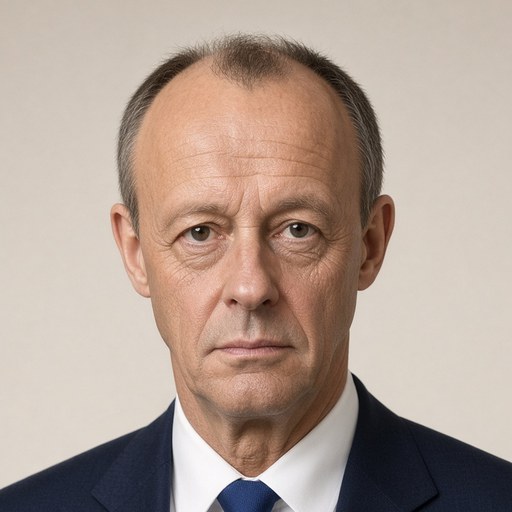
Speech by the Chancellor at the Municipal Congress of the Association of Towns and Municipalities Strong Municipalities for a Strong Germany
 Friedrich Merz · Chancellor of Germany
- Context
- Merz addressed the Municipal Congress of the Association of Towns and Municipalities in Berlin on June 3, 2025, outlining federal government priorities for strengthening local governance.
- Main themes
- Federal-municipal cooperation, strong municipalities, European partnership, infrastructure investment, overregulation and bureaucracy reduction, digitization, defense investment, fiscal reform, sense of homeland and community, energy and climate planning
- Duration
- ~26 min
- Words
- 3,125
- Sentences
- 160
- Readability
- 52
- Grade
- 10.9
- Syntax
- 2.96
- Vocabulary
- 2.00
Translated from German
The broad sphere of national life a sentence belongs to. Every sentence has an Arena, so it is the denominator the other indices are read against.
Other160 sentences in 36 paragraphs
Mr. Vice President, dear Mr. Spiegler,
Mr. Chief Executive Officer, dear André Berghegger,
Mr. President, Mr. Pressl from Austria,
ladies and gentlemen,
thank you very much for the very warm welcome this morning at the Municipal Congress here in Berlin! I am pleased to be with you.
I am glad that I was able to catch a few minutes of your presentation. I mean it sincerely. I just accepted an invitation from your Chancellor this morning to come to Salzburg. I look forward to this meeting. I look forward to good neighborly relations with Austria, but also with our European neighbors throughout the European Union.
With that, ladies and gentlemen, I am already at my first topic. We face great challenges in Germany, at all political levels, at the federal, state, and municipal levels. But much of what we aim to achieve in Germany cannot be accomplished alone; we will only succeed if we allow a new European spirit to emerge and grow, which states: As the Federal Republic of Germany, located in the geostrategic center of Europe, we depend on finding new forms of cooperation with our neighbors, especially in the European Union, but also beyond. That is why I have been traveling so much in Europe in the early days of my office. I can tell you: Conversely, the expectations of us are high.
I would therefore like to take this opportunity to say to you: Take advantage of the many opportunities you have at the municipal level to engage with our neighbors in the East, West, South, and North! We need our neighbors, and our neighbors need us. If we make something good out of this, we can become stronger together as Europeans and move forward into the future. That is what I explicitly wish for this morning in the municipal family.
"Enabling Strong Municipalities" is the motto you have chosen for the congress. I want to tell you that this is also the goal of the federal government. I do not say this just because I am here with you today, but also because we mean it seriously together in the coalition. We know that large parts of the problems in our country are your problems. But we also know that many solutions to the problems in our country are only possible together with you. That is why I would like to offer you, just as I will offer the state premiers, whom I will be visiting tomorrow evening, a new, perhaps better form of cooperation with the cities and municipalities and with the districts, knowing that they are part of the states and not part of the federal government. We will of course adhere to that. But good cooperation between cities, municipalities, districts, states, and the federal government is still possible. I would like to explicitly offer that to you, ladies and gentlemen.
Because it is simply the case: The feeling of being at home, the feeling of having a homeland, the feeling of being connected to traditions, perhaps also a little pride in what one has created in one's immediate environment, in the village, in the city, all of this is rooted in our cities and municipalities. That is where we want to preserve it, and that is where we must preserve it. That is certainly the firm conviction of our government.
We all know the challenges we face together throughout our country: overregulation, paralyzing processes, an ever-growing backlog of investments, a lag in digitization, and an overload of cities and municipalities with ever-new tasks. We, as the federal government, ladies and gentlemen, did not set out to simply describe all these problems anew. We set out to solve them step by step together with you, shoulder to shoulder with the municipalities and the states.
What does this mean concretely? First of all, we want and need to invest more in Germany, both in the existing infrastructure that urgently needs repair. Roads, bridges, schools, sports halls, daycare centers, you all know the examples better than we do here in Berlin. In addition, there are investments in new infrastructure, in modern technologies, in additional residential neighborhoods, in digitization, in municipal heat and energy planning, and finally in charging stations and electric buses. You are all well aware of these topics. I want to tell you on behalf of the federal government: We will not leave you alone with these tasks.
You have all followed the decisions we made during the transition between the 20th and 21st German Bundestag. That was not easy. It was also due to the circumstances between these two parliaments. But I want to explicitly reaffirm here that it was right to first significantly expand the possibilities to invest in our defense capabilities. The necessity of doing this should now be clear to anyone who is reasonably insightful. But it was also clear to us: We want to create additional investment opportunities and go beyond what the Basic Law has allowed us so far. But let me also say this very clearly: Additional funds must flow into additional projects and not into expenditures that were already planned.
The preparation of the federal budget for 2025, which we still have ahead of us — the federal government currently has no ongoing budget — the budget for 2026, which will follow immediately, and then the financial planning for the years 2027, 2028, and 2029 will be a tremendous effort. But, ladies and gentlemen, precisely for this reason, we have also made additional investment funds available to the states and, with the states, to the municipalities from the special fund for infrastructure and climate neutrality. We expect that the cities and municipalities in Germany will handle these funds responsibly and that they will primarily invest in the additional investments necessary to maintain livable cities and municipalities in Germany.
I want to add that we are all aware of this responsibility together. This also means that we will not only have to talk about additional expenditures but that we will also have to discuss municipal costs. To put it even more clearly: We need to review the tasks and, with the tasks, the expenditures.
This means, first of all: Germany must become faster, simpler, and more digital, all three, and not at some point, the day after tomorrow, next year, or the year after next, but here and now. This was also the reason for us, and for me personally, to establish for the first time in this federal government an independent Ministry of Digitalization and State Modernization, a ministry that has taken over competencies from at least five existing departments of previous federal governments, in some cases entire departments, so it is not a ministry that stands on the sidelines of what has always been, but a ministry that is now at the center of the federal government's work with the topics of digitization and state modernization. These two topics belong in one hand. Because we cannot think of state modernization without digitization, and we cannot think of digitization without state modernization. I want to say explicitly: I am very grateful that I was able to win Karsten Wildberger, a man from the private sector, who is willing to take on such a political task. It is not a given that such a thing is possible in Germany.
Ladies and gentlemen, when we talk about bureaucracy and administrative modernization, I do not want to do so with the old headlines. Yes, we want to tackle this issue seriously. But it does not stop at correcting one or another smaller law. Behind this — this spirit is breathed in our coalition agreement — is a change in mentality in the way state institutions interact with citizens and businesses in Germany. To put it very clearly: We want to move away from a culture of mistrust, where citizens and businesses are fundamentally met with suspicion and then with a corresponding density of control. We want to move towards a culture of trust, assuming that citizens as well as businesses behave lawfully in Germany and take on a high degree of personal responsibility, both in the way they live, in the way they work, and in the way they run their businesses. This is a fundamental change in the understanding of the relationship between the state and the citizen, ladies and gentlemen.
I want to encourage and motivate you, the cities and municipalities, to follow us on this path. Only then can we succeed in fundamentally correcting this density of control, this excessive bureaucracy in our country, and not just in smaller peripheral issues.
There are a few tasks we need to accomplish in the relationship between the federal government and the municipalities. I want to give you some examples. We will ensure that federal funding is allocated with significantly less bureaucracy. In the future, you will receive the funds from us more easily and quickly, and above all with the knowledge that you can decide better on-site than we can about which specific projects should be funded.
However, I also want to add, ladies and gentlemen: The trees grow, but they do not grow into the sky. We will also have to critically review the extent to which we still provide funding. If everything is funded at the same time, it is almost as if nothing is funded. Setting the right priorities, choosing them sensibly, and focusing on where it really helps, where there is a recognizable added value, a progress for the citizens, that will be our joint task. In this context, we will also lower the thresholds for tenders, simply to speed up these processes and significantly relieve you of excessive bureaucracy.
Let me say one more open word, ladies and gentlemen. We will have to conduct a comprehensive review of expenditures, including in social law. I want to say before the bracket: It is completely self-evident that the Federal Republic of Germany remains a social state under the rule of law. We will ensure that those who need the welfare state will continue to have it available without any ifs and buts. However, seeing annual increases of up to ten percent in youth assistance and integration assistance over the years is no longer acceptable. We must work together to find ways to ensure that those who are rightly in need are taken into account just as much as the capacity of public budgets. Intensive discussions lie ahead of us.
Ladies and gentlemen, we want citizens and businesses to only have to enter their data once when interacting with the administration in the future. We will implement the so-called Once-Only principle. This will also be a significant contribution to simplifying administration for you and the citizens in Germany. It would also be a significant relief for the local offices.
In order for acceleration to really succeed and for local authorities not to simply be burdened with additional tasks again, we are also working on AI-supported digitization of approval processes. There is also a great deal of room for improvement and simplification here, especially regarding the necessary investment decisions in your cities and municipalities.
And with that, I return once again to the topic of digitization: Our backlog in this area has now become a significant competitive disadvantage for the entire German economy. We must change this, and we will change it, so that we can quickly catch up. It is important that citizens are once again convinced of the performance of our community and see that progress is being made. We want almost all administrative processes to be possible digitally in the future.
I know, ladies and gentlemen, that this is an enormous challenge for you in the cities and municipalities, as 80 percent of the administrative services in our country are provided by you — not by the federal government, not by the states, but by you. That is why this is an offer, but also a joint challenge that we want to solve together with you. The federal government will support you extensively, for example, with the development and financing of software. However, we also expect from you — I want to say this just as clearly — that you will use this software in the municipalities, that we create a as uniform structure as possible and have as few interfaces as possible, as otherwise, they would unnecessarily complicate the systems again. So let us work together to develop as uniform systems as possible. I hear the restlessness in the room. I know that I am obviously addressing an important point here.
Ladies and gentlemen, a third point is important to me: We do not want to keep piling new burdens on the municipalities; we also want to reduce burdens. This brings me to the issue of irregular migration to Germany. We have, thank God, reached a consensus in the European Union that we must protect the external borders much better than we have in the past. This is the right path, also for Germany. Even if we do not have European external borders, except for the one with Switzerland, I say to every host who welcomes me and every guest I receive in Germany from our European neighboring countries: The European external borders are also our German external borders. That is why we have a common task here to better protect the external borders of the European Union in the future.
But until the situation at the external borders is significantly improved with the help of new European rules, we will have to maintain controls at the internal borders. Yesterday, we saw a preliminary decision from the Administrative Court of Berlin that may further restrict the scope here. But the scope still exists. We know that we can still carry out refusals. We will, of course, do this within the framework of existing European law. We will also do it to protect public safety and order in our country and to prevent our cities and municipalities from becoming overwhelmed. This is a task we want to continue to face.
Last week, we made the first decisions in the Federal Cabinet regarding this. We have suspended family reunification for those with subsidiary protection for two years. We have another resolution in preparation, namely to end voluntary reception programs as much as possible, and we will conclude further migration agreements with countries of origin. We are doing all of this, ladies and gentlemen, to relieve you, the cities and municipalities. Because we know: Housing, school spaces, daycare places, all of this is not without limits; all of this is finite. If we want to achieve orderly conditions in the cities and municipalities, especially in this regard, we must limit immigration to Germany. In any case, we do not want to further overwhelm our cities and municipalities with integration. Because this also reduces the support for qualified immigration, which we want and need.
I would like to reaffirm this here once again: Qualified immigration to Germany is not only desired; it is necessary, and therefore we will also create a centrally located facility equipped entirely digitally, which, beyond the foreign authorities of the cities and municipalities, beyond the 140 or more diplomatic representations of the Federal Republic of Germany, will enable a simplified procedure for immigration to the labor market of the Federal Republic of Germany, including work permits and residence permits.
Ladies and gentlemen, this brings me to my last point. It is gratifying when our cities grow, when the working population in Germany grows instead of declining. But then our cities and municipalities must also grow along with it. This means, in other words: We need more affordable housing and a growing infrastructure. In other words ‑ as I also said in my first government statement: We must build, build, build.
With the approved special fund for infrastructure, we are providing a boost to help the construction industry overcome its current dry spell. But even more importantly, we need to make building itself simpler and cheaper. Colleague Verena Hubertz, who has taken over the Ministry of Construction, has already made initial proposals for a housing construction turbo. But this also includes: We need to get rid of the complex regulations. We need to build more simply. We must also have the courage to deviate from individual regulations. We want a fundamental reform of planning law, building law, environmental law, procurement and procedural law, simply so that nothing stands in the way of modernizing our country.
With that, I would like to return to the starting point. Ladies and gentlemen, we are facing a tremendous effort in Germany. For implementation, we need you – not just the states, but you, the cities, municipalities, and districts. Because it is a task that we can only shoulder together, that we can only solve together.
Therefore, I want to conclude by returning to the motto of your meeting. If you want to achieve that, it can only be done with a great effort. Making strong municipalities possible means restoring citizens' trust in the ability of our state to act. We must show what is possible in our truly great country, what capabilities we have, and what enthusiasm is possible among young people.
Just take a look at the reports from the last round of "Youth Research." There are young people with incredible enthusiasm for technology, for new developments, for new processes and new ideas. I am convinced: We have what it takes in our country. Or, to put it in a much simpler sentence: We can achieve this on our own. It is up to us. We are not waiting for others. We do not need others for this. It is up to us whether we can do this together, beyond all party politics. This is an institution, an association beyond all party politics.
Is this an effort that I believe our society is capable of? Since I just see Mr. Werneke from ver.di sitting in the front row: This is a task that trade unions and employer associations can and must solve together, ladies and gentlemen. I would like to call on you to this cooperation, to this joint effort. Tell us what we can do. We will tell you what we expect from you. If we embark on this path together in this spirit, if you accept this outstretched hand and come towards us with an outstretched hand, then I am sure that we can overcome the trust crisis of our democracy together, that we can show what is possible in this country, what is possible in this society, and what achievements an open, free, democratic society is capable of.
I wish you all the best for your association conference!
The original German. The tags above are read on the English translation's sentences.
Herr Vizepräsident, lieber Herr Spiegler,
Herr Hauptgeschäftsführer, lieber André Berghegger,
Herr Präsident, Herr Pressl aus Österreich,
meine Damen und Herren,
herzlichen Dank für die sehr freundliche Begrüßung heute Morgen auf dem Kommunalkongress hier in Berlin! Ich freue mich, dass ich bei Ihnen sein kann.
Ich freue mich, dass ich noch ein paar Minuten Ihres Vortrages mitbekommen durfte. Ich meine es ernst. Ich habe gerade heute Morgen eine Einladung Ihres Bundeskanzlers angenommen, nach Salzburg zu kommen. Ich freue mich auf diese Begegnung. Ich freue mich auf gute Nachbarschaft mit Österreich, aber auch mit unseren europäischen Nachbarn in der gesamten Europäischen Union.
Damit bin ich, meine Damen und Herren, schon bei meinem ersten Thema. Wir stehen vor großen Herausforderungen in Deutschland, auf allen politischen Ebenen, im Bund, in den Ländern und in den Gemeinden. Aber wir werden vieles von dem, was wir uns in Deutschland vornehmen, nicht allein schaffen, sondern wir werden es nur dann schaffen, wenn wir einen neuen europäischen Geist entstehen und wachsen lassen, der da lautet: Wir sind als Bundesrepublik Deutschland, in der geostrategischen Mitte Europas gelegen, darauf angewiesen, mit unseren Nachbarn vor allem in der Europäischen Union, aber auch darüber hinaus neue Formen der Zusammenarbeit zu finden. Deswegen bin ich in den ersten Tagen meines Amtes so viel in Europa unterwegs gewesen. Ich kann Ihnen sagen: Umgekehrt sind die Erwartungen an uns hoch.
Ich möchte deswegen die Gelegenheit nutzen, auch Ihnen zu sagen: Nutzen Sie die vielfältigen Möglichkeiten, die Sie auf kommunaler Ebene haben, im Austausch mit unseren Nachbarn im Osten, im Westen, im Süden und im Norden! Wir brauchen unsere Nachbarn, und unsere Nachbarn brauchen uns. Wenn wir daraus etwas Gutes machen, können wir als Europäer gemeinsam stärker werden und stärker in die Zukunft gehen. Das wünsche ich mir auch ausdrücklich heute Morgen in der kommunalen Familie.
Starke Kommunen möglich machen, dieses Motto haben Sie für den Kongress gewählt. Ich will Ihnen sagen, dass das auch das Ziel der Bundesregierung ist. Ich sage das nicht nur, weil ich heute bei Ihnen bin, sondern auch, weil wir gemeinsam in der Koalition das ernst meinen. Wir wissen, dass große Teile der Probleme unseres Landes Ihre Probleme sind. Wir wissen aber auch, dass viele Lösungen der Probleme unseres Landes nur mit Ihnen zusammen möglich sind. Deswegen möchte ich Ihnen genauso wie den Ministerpräsidentinnen und Ministerpräsidenten der Länder, die ich morgen Abend zu Besuch habe, anbieten, dass wir eine neue, vielleicht auch bessere Form der Zusammenarbeit mit den Städten und Gemeinden und mit den Landkreisen finden, wissend, dass sie Teil der Länder sind und nicht Teil des Bundes. Daran halten wir selbstverständlich fest. Aber eine gute Zusammenarbeit zwischen Städten, Gemeinden, Landkreisen, Ländern und Bund ist deshalb trotzdem möglich. Ich möchte sie Ihnen hiermit ausdrücklich anbieten, meine Damen und Herren.
Denn es ist doch einfach so: Das Gefühl, zu Hause zu sein, das Gefühl, eine Heimat zu haben, das Gefühl, mit Traditionen verbunden zu sein, vielleicht auch ein bisschen stolz darauf zu sein, was man selbst in seinem unmittelbaren Umfeld geschaffen hat, im Dorf, in der Stadt, all das wurzelt doch in unseren Städten und in unseren Gemeinden. Dort wollen und dort müssen wir es auch bewahren. Das ist jedenfalls die feste Überzeugung unserer Regierung.
Wir alle kennen die Herausforderungen, vor denen wir überall in unserem Land gemeinsam stehen: Überregulierung, lähmende Prozesse, ein immer größer werdender Investitionsstau, Rückstand bei der Digitalisierung und zudem eine Überfrachtung der Städte und Gemeinden mit immer neuen Aufgaben. Wir sind als Bundesregierung, meine Damen und Herren, nicht angetreten, um all diese Probleme einfach nur neu zu beschreiben. Wir sind angetreten, um sie Schritt für Schritt zusammen mit Ihnen zu lösen, im Schulterschluss mit den Gemeinden und mit den Ländern.
Was heißt das nun konkret? Zunächst einmal wollen und müssen wir in Deutschland mehr investieren, und zwar zum einen in die bestehende Infrastruktur, die dringend repariert werden muss. Straßen, Brücken, Schulen, Sporthallen, Kitas, Sie alle kennen die Beispiele besser als wir hier in Berlin. Hinzu kommen die Investitionen in die neue Infrastruktur, in moderne Technologien, in zusätzliche Wohnquartiere, in die Digitalisierung, in die kommunale Wärme- und Energieplanung und schließlich Ladesäulen und E-Busse. Auch diese Themen kennen Sie alle gut. Ich will Ihnen im Namen der Bundesregierung sagen: Wir lassen Sie mit diesen Aufgaben nicht allein.
Sie alle haben mitverfolgt, welche Entscheidungen wir im Übergang zwischen dem 20. und dem 21. Deutschen Bundestag getroffen haben. Das war nicht leicht. Das war auch den Umständen zwischen diesen beiden Parlamenten geschuldet. Aber ich will mich auch an dieser Stelle noch einmal ausdrücklich dazu bekennen, dass es richtig war, zunächst die Möglichkeiten deutlich zu erweitern, in unsere Verteidigungsfähigkeit zu investieren. Die Notwendigkeit, dies zu tun, dürfte mittlerweile jedem, der einigermaßen einsichtsfähig ist, klar sein. Aber für uns war auch klar: Wir wollen auch zusätzliche Investitionsmöglichkeiten schaffen und über die Grenzen dessen hinausgehen, was uns das Grundgesetz bisher erlaubt hat. ‑ Aber auch dies sei sehr deutlich und klar gesagt: Es müssen zusätzliche Mittel in zusätzliche Vorhaben fließen und nicht zusätzliche Mittel in Ausgaben, die ohnehin geplant waren.
Die Aufstellung des Bundeshaushalts 2025, die wir noch vor uns haben ‑ der Bund hat zurzeit keinen laufenden Haushalt ‑, des Haushalts 2026, dessen Aufstellung sich unmittelbar daran anschließen wird, und dann die Finanzplanung der Jahre 2027, 2028, 2029 werden eine gewaltige Kraftanstrengung. Aber, meine Damen und Herren, gerade deshalb haben wir auch den Ländern und mit den Ländern den Kommunen zusätzliche Investitionsmittel aus dem Sondervermögen für Infrastruktur und Klimaneutralität zur Verfügung gestellt. Wir gehen davon aus, dass auch die Städte und Gemeinden in Deutschland mit diesen Mitteln verantwortungsvoll umgehen und dass sie vor allen Dingen in die zusätzlichen Investitionen gehen, die notwendig sind, damit wir lebenswerte Städte und Gemeinden in Deutschland behalten.
Ich will hinzufügen, dass wir alle uns gemeinsam dieser Verantwortung bewusst sind. Das heißt auch, dass wir nicht nur über zusätzliche Ausgaben zu sprechen haben werden, sondern dass wir auch über kommunale Kosten sprechen müssen werden. Um es noch deutlicher zu sagen: Wir müssen die Aufgaben und mit den Aufgaben die Ausgaben überprüfen.
Das heißt zunächst einmal: Deutschland muss schneller, einfacher und digitaler werden, alles drei, und zwar nicht irgendwann, übermorgen, nächstes Jahr, übernächstes Jahr, sondern hier und jetzt. Auch das war für uns und auch für mich persönlich der Grund, in dieser Bundesregierung erstmalig ein eigenständiges Digitalisierungs- und Staatsmodernisierungsministerium einzurichten, ein Ministerium, das aus mindestens fünf bestehenden Häusern der früheren Bundesregierungen Kompetenzen übernommen hat, zum Teil ganze Abteilungen, also nicht etwa ein Ministerium, das sozusagen am Rande dessen steht, was ohnehin schon immer war, sondern ein Ministerium, das jetzt im Zentrum der Arbeit der Bundesregierung steht mit den Themen der Digitalisierung und der Staatsmodernisierung. Diese beiden Themen gehören in eine Hand. Denn die Staatsmodernisierung können wir nicht ohne Digitalisierung denken, und Digitalisierung können wir nicht ohne Staatsmodernisierung denken. Ich will es ausdrücklich sagen: Ich bin sehr dankbar, dass ich mit Karsten Wildberger einen Mann aus der Privatwirtschaft gewinnen konnte, der bereit ist, sich einer solchen politischen Aufgabe zu stellen und eine solche Aufgabe anzunehmen. Es ist nicht selbstverständlich, dass so etwas in Deutschland möglich ist.
Meine Damen und Herren, wenn wir von Bürokratie und Verwaltungsmodernisierung sprechen, dann möchte ich das nicht mit den alten Überschriften tun. Ja, wir wollen dieses Thema ernsthaft anpacken. Aber das erschöpft sich nicht in der Korrektur des einen oder anderen kleineren Gesetzes. Dahinter steht ‑ diesen Geist atmet unser Koalitionsvertrag ‑ ein Mentalitätswandel in der Art und Weise, wie staatliche Institutionen mit den Bürgerinnen und Bürgern und mit den Unternehmen in Deutschland umgehen. Um es einmal sehr klar und deutlich zu sagen: Wir wollen weg von der Misstrauenskultur, dass den Bürger und den Unternehmen grundsätzlich mit Misstrauen und dann mit einer entsprechenden Kontrolldichte begegnet wird. Wir wollen hin zu einer Kultur des Vertrauens in der Annahme, dass Bürgerinnen und Bürger genauso wie Unternehmen sich in Deutschland grundsätzlich rechtstreu verhalten und eine hohe Eigenverantwortung wahrnehmen, auch in der Art, wie sie leben, in der Art, wie sie arbeiten, und in der Art, wie sie ihre Unternehmen führen. Das ist ein grundlegender Wandel im Verständnis des Verhältnisses zwischen Staat und Bürger, meine Damen und Herren.
Ich möchte Sie, die Städte und Gemeinden, ermutigen und ermuntern, uns auf diesem Weg zu folgen. Nur dann kann es uns gelingen, diese Kontrolldichte, diese überbordende Bürokratie in unserem Land wirklich im Grundsatz zu korrigieren und nicht nur in kleineren Randerscheinungen.
Es gibt ein paar Aufgaben, die wir im Verhältnis zwischen Bund und Kommunen zu leisten haben. Ich will Ihnen die Beispiele nennen. Wir werden dafür sorgen, dass die Fördermittel des Bundes wesentlich bürokratieärmer zugewiesen werden. Sie werden in Zukunft die Gelder einfacher und schneller von uns bekommen, und das vor allem mit dem Wissen, dass Sie vor Ort besser als wir entscheiden können, welche konkreten Projekte damit gefördert werden sollen.
Ich will allerdings auch hinzufügen, meine Damen und Herren: Die Bäume wachsen, aber sie wachsen nicht in den Himmel. Wir werden auch sehr kritisch zu überprüfen haben, in welchem Umfang wir noch Fördermittel zur Verfügung stellen. Wenn alles gleichzeitig gefördert wird, dann ist es fast so, als wenn nichts gefördert wird. Die Schwerpunkte richtig zu setzen, sie vernünftig auszusuchen und da anzusetzen, wo es wirklich hilft, wo es für die Bürgerinnen und Bürger einen erkennbaren Mehrwert, einen Fortschritt, gibt, das wird unsere gemeinsame Aufgabe sein, dies zu tun. Wir werden in diesem Zusammenhang auch die Schwellenwerte für Ausschreibungen absenken, einfach, um diese Verfahren zu beschleunigen und Sie von viel zu viel Bürokratie deutlich zu entlasten.
Lassen Sie mich ein weiteres offenes Wort sagen, meine Damen und Herren. Wir werden eine umfassende Ausgabenüberprüfung vornehmen müssen, auch im Sozialrecht. Ich will vor der Klammer sagen: Es ist völlig selbstverständlich, die Bundesrepublik Deutschland bleibt ein sozialer Rechtsstaat. Wir werden dafür sorgen, dass diejenigen, die den Sozialstaat brauchen, ihn auch in Zukunft ohne Wenn und Aber zur Verfügung haben. Dass wir allerdings über Jahre hin jährliche Steigerungsraten von bis zu zehn Prozent bei der Jugendhilfe und der Eingliederungshilfe sehen, ist so nicht länger akzeptabel. Da müssen wir gemeinsam nach Wegen suchen, wie den zu Recht Bedürftigen genauso Rechnung getragen wird wie der Leistungsfähigkeit der öffentlichen Haushalte. Hier stehen uns intensive Beratungen bevor.
Meine Damen und Herren, wir wollen, dass die Bürgerinnen und Bürger wie die Unternehmen ihre Daten im Kontakt mit der Verwaltung in Zukunft nur noch einmal eingeben müssen. Das sogenannte
Once-Only
-Prinzip werden wir durchsetzen. Auch dies wird ein erheblicher Beitrag zur Verwaltungsvereinfachung für Sie und die Bürgerinnen und Bürger in Deutschland sein. Es wäre auch für die Ämter vor Ort eine erhebliche Erleichterung der Arbeit.
Damit Beschleunigung wirklich gelingt und Behörden vor Ort nicht einfach nur wieder mit Mehraufgaben belastet werden, arbeiten wir auch an der
KI
-gestützten Digitalisierung von Genehmigungsverfahren. Auch hier gibt es einen großen Spielraum für Verbesserung, für Vereinfachung, gerade im Hinblick auf die notwendigen Investitionsentscheidungen in Ihren Städten und Gemeinden.
Und damit bin ich noch einmal bei dem Thema Digitalisierung: Unser Rückstand auf diesem Feld ist mittlerweile ein erheblicher Wettbewerbsnachteil für die gesamte deutsche Volkswirtschaft. Das müssen wir ändern, und das werden wir auch ändern, damit wir diesen Rückstand schnell aufholen. Es ist wichtig, dass die Bürgerinnen und Bürger von der Leistungsfähigkeit unseres Gemeinwesens wieder neu überzeugt sind und sie sehen, dass hier etwas vorangeht. Wir wollen, dass zukünftig so gut wie alle Behördengänge digital möglich sind.
Ich weiß, meine Damen und Herren, dass das gerade für Sie in den Städten und Gemeinden eine enorme Herausforderung ist, denn 80 Prozent der Verwaltungsleistungen unseres Landes werden von Ihnen erbracht – nicht vom Bund, nicht von den Ländern, sondern von Ihnen. Deswegen ist dies ein Angebot, aber auch eine gemeinsame Herausforderung, die wir mit Ihnen zusammen lösen wollen. Der Bund wird Sie dabei umfangreich unterstützen, etwa mit der Entwicklung und Finanzierung von
Software
. Wir erwarten dann aber auch von Ihnen ‑ das will ich genauso deutlich sagen ‑, dass Sie diese
Software
in den Kommunen einsetzen, dass wir eine möglichst einheitliche Struktur schaffen und wir eine möglichst geringe Zahl von Schnittstellen haben, da sie sonst die Systeme wieder unnötig komplizieren würden. Lassen Sie uns also bitte gemeinsam daran arbeiten, möglichst einheitliche Systeme zu entwickeln. Ich höre die Unruhe im Saal. Ich weiß, dass ich hier offensichtlich einen wichtigen Punkt anspreche.
Meine Damen und Herren, ein dritter Punkt ist mir wichtig: Wir wollen den Kommunen nicht nur immer weiter neue Lasten aufbürden, wir wollen auch Lasten reduzieren. Damit bin ich beim Umgang mit irregulärer Migration nach Deutschland. Wir haben in der Europäischen Union mittlerweile
–
Gott sei Dank
–
eine Einigkeit, dass wir die Außengrenzen noch viel besser schützen müssen als wir das in der Vergangenheit getan haben. Das ist der richtige Weg, auch für Deutschland. Selbst wenn wir keine europäischen Außengrenzen haben, außer der zur Schweiz, dann sage ich jedem Gastgeber, der mich empfängt, und jedem Gast, den ich in Deutschland aus unseren europäischen Nachbarländern empfange: Die europäischen Außengrenzen sind auch unsere deutschen Außengrenzen. Deswegen haben wir hier die gemeinsame Aufgabe, die Außengrenzen der Europäischen Union in Zukunft besser zu schützen.
Aber bis die Lage an den Außengrenzen mit Hilfe von neuen europäischen Regeln deutlich verbessert ist, werden wir die Kontrollen an den Binnengrenzen aufrechterhalten müssen. Wir haben gestern eine vorläufige Entscheidung des Verwaltungsgerichts Berlin gesehen, die die Spielräume hier möglicherweise noch etwas einengt. Aber die Spielräume sind nach wie vor da. Wir wissen, dass wir nach wie vor Zurückweisungen vornehmen können. Wir werden das selbstverständlich im Rahmen des bestehenden europäischen Rechtes tun. Wir werden es auch tun, um die öffentliche Sicherheit und Ordnung in unserem Lande zu schützen und die Städte und Gemeinden vor Überlastung zu bewahren. Dies ist eine Aufgabe, der wir uns unverändert stellen wollen.
Wir haben im Bundeskabinett in der letzten Woche die ersten Entscheidungen dazu getroffen. Wir haben den Familiennachzug der subsidiär Schutzberechtigten für zwei Jahre ausgesetzt. Wir haben einen weiteren Beschluss in der Vorbereitung, nämlich freiwillige Aufnahmeprogramme so weit wie möglich zu beenden, und wir werden weitere Migrationsabkommen mit Herkunftsländern abschließen. Wir tun das alles, meine Damen und Herren, um auch Sie, die Städte und Gemeinden, zu entlasten. Denn wir wissen: Wohnraum, Schulräume, Kitaplätze, das alles ist nicht ohne Grenzen, das alles ist endlich. Wenn wir zu geordneten Verhältnissen in den Städten und Gemeinden gerade in dieser Hinsicht kommen wollen, dann müssen wir den Zuzug nach Deutschland begrenzen. Wir wollen jedenfalls unsere Städte und Gemeinden bei der Integration nicht weiter überfordern. Denn damit sinkt auch der Rückhalt für qualifizierte Zuwanderung, die wir wollen, die wir brauchen.
Auch dazu möchte ich mich hier noch einmal ausdrücklich bekennen: Qualifizierte Zuwanderung in Deutschland ist nicht nur gewollt, sie ist notwendig, und deswegen werden wir auch eine rein digital ausgestattete zentrale Einrichtung schaffen, die jenseits der Ausländerbehörden der Städte und Gemeinden, jenseits der 140 und mehr diplomatischen Vertretungen der Bundesrepublik Deutschland, ein vereinfachtes Verfahren zur Zuwanderung in den Arbeitsmarkt der Bundesrepublik Deutschland ermöglicht, einschließlich der Arbeitsgenehmigungen und Aufenthaltserlaubnisse.
Meine Damen und Herren, das bringt mich zu meinem letzten Punkt. Es ist erfreulich, wenn unsere Städte wachsen, wenn auch die Erwerbsbevölkerung in Deutschland wächst statt zu sinken. Aber dann müssen unsere Städte und Gemeinden auch mitwachsen. Das heißt mit anderen Worten: Wir brauchen mehr bezahlbaren Wohnraum und eine mitwachsende Infrastruktur. Anders ausgedrückt ‑ so habe ich es auch in meiner ersten Regierungserklärung gesagt: Wir müssen bauen, bauen, bauen.
Mit dem beschlossenen Sondervermögen für Infrastruktur geben wir dazu einen Anschub, damit auch die Bauwirtschaft ihre aktuelle Durststrecke überwindet. Aber noch viel wichtiger ist, dass wir das Bauen selbst einfacher und günstiger machen. Die Kollegin Verena Hubertz, die das Bauministerium übernommen hat, hat hier bereits erste Vorschläge für einen Wohnungsbau-Turbo unterbreitet. Aber auch hierzu gehört: Wir müssen runter von den komplexen Vorschriften. Wir müssen einfacher bauen. Wir müssen auch den Mut haben, von einzelnen Vorschriften abzuweichen. Wir wollen eine grundlegende Reform des Planungsrechts, des Baurechts, des Umweltrechts, des Vergabe- und Verfahrensrechts, einfach damit der Modernisierung unseres Landes im Grundsatz nichts mehr im Wege steht.
Damit möchte ich zum Ausgangspunkt zurückkommen. Meine Damen und Herren, wir stehen vor einer gewaltigen Kraftanstrengung in Deutschland. Für die Umsetzung brauchen wir Sie – nicht nur die Länder, sondern Sie, die Städte, Gemeinden und Landkreise. Denn es ist eine Aufgabe, die wir nur gemeinsam schultern können, die wir nur gemeinsam lösen können.
Ich will deswegen zum Schluss noch einmal auf das Motto Ihres Treffens zurückkommen. Wenn Sie das erreichen wollen, dann geht das nur mit einer großen Kraftanstrengung. Starke Kommunen möglich zu machen, heißt, den Bürgerinnen und Bürgern auch wieder Vertrauen in die Handlungsfähigkeit unseres Staates zurückzugeben. Wir müssen zeigen, was in unserem doch großartigen Land steckt, welche Fähigkeiten wir haben, welche Begeisterungsfähigkeit auch bei jungen Menschen möglich ist.
Schauen Sie sich einfach nur die Berichte der letzten Runde von „Jugend forscht“ an. Da sind junge Menschen mit einer unglaublichen Begeisterung für Technik, für neue Entwicklungen, für neue Verfahren und neue Ideen unterwegs. Ich bin davon überzeugt: Wir haben in unserem Land das Zeug dazu. Oder, um es auf einen viel einfacheren Satz zu bringen: Wir können das aus eigener Kraft schaffen. Es liegt nur an uns. Wir warten nicht auf andere. Wir brauchen dazu auch nicht andere. Es liegt an uns, ob wir das gemeinsam hinbekommen, jenseits aller Parteipolitik. Dies ist eine Institution, ein Verband jenseits aller Parteipolitik.
Ist dies eine Anstrengung, die ich unserer Gesellschaft zutraue? Da ich gerade Herrn Werneke von ver.di in der ersten Reihe sitzen sehe: Das ist eine Aufgabe, die auch Gewerkschaften und Arbeitgeberverbände zusammen lösen können und müssen, meine Damen und Herren. Zu diesem Miteinander, zu dieser gemeinsamen Kraftanstrengung, möchte ich Sie gerne aufrufen. Sagen Sie uns, was wir tun können. Wir sagen Ihnen, was wir von Ihnen erwarten. Wenn wir uns in diesem Geist gemeinsam auf den Weg machen, wenn Sie diese ausgestreckte Hand annehmen und Sie mit ausgestreckter Hand auf uns zukommen, dann bin ich mir sicher, dass wir die Vertrauenskrise unserer Demokratie gemeinsam überwinden können, dass wir zeigen können, was in diesem Land steckt, was in dieser Gesellschaft steckt, zu welchen Leistungen eine offene, freiheitliche, demokratische Gesellschaft in der Lage ist.
Ihrer Verbandstagung alles Gute!