




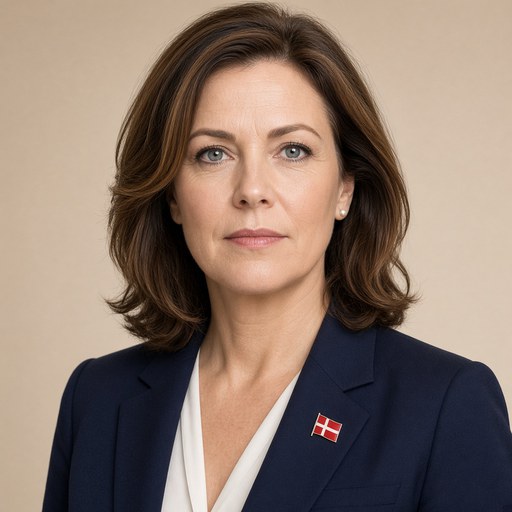
The Prime Minister's bonfire speech at Marienborg on June 23, 2013.
 Helle Thorning-Schmidt · Prime Minister of Denmark
- Context
- Thorning-Schmidt delivered a Midsummer's Eve bonfire speech at Marienborg on June 23, 2013, addressing themes of national unity and education reform.
- Main themes
- Midsummer's Eve celebration, Danish national unity and togetherness, public school reform, individual talent and diversity, gender symbolism of the witch tradition, mindfulness and reflection, Danish cultural identity, community responsibility
- Duration
- ~8 min
- Words
- 1,003
- Sentences
- 96
- Readability
- 77
- Grade
- 5.2
- Syntax
- 2.37
- Vocabulary
- 2.12
Translated from Danish
The broad sphere of national life a sentence belongs to. Every sentence has an Arena, so it is the denominator the other indices are read against.
Other96 sentences in 55 paragraphs
On Midsummer's Eve, we celebrate with family.
On March 8, we celebrate with women.
On Constitution Day, we celebrate with like-minded individuals.
At the Roskilde Festival, we celebrate with our peers.
And on May 1, we celebrate with the parties.
But Midsummer's Eve is a celebration that brings us all together.
Children and adults. Men and women. Reds, blues, and other colors.
We are outside in the open air. There are no closed doors here. On Midsummer's Eve, everyone is welcome. Even those we did not know when we came here, but perhaps will know when we go home again.
Midsummer's Eve is Denmark's largest potluck. From Skagen to Sønderborg, there are blankets on the grass and wine in glasses.
Is there anything more Danish than lighting a bonfire and enjoying a picnic on a bright summer evening – often under an umbrella?
We celebrate the bright nights. We celebrate the warmth of the fire. We celebrate togetherness. And we remind each other to enjoy it while it lasts.
For in half a year, we will not be sitting on top of blankets, but under blankets, huddling together on the year's shortest day.
In a time when many of us rush around with smartphones glued to our ears and our heads full of thoughts about the next thing we need to accomplish, Midsummer is an opportunity to pause.
To find peace.
To remember the joy of life.
For as we will sing later this evening:
"But the most beautiful wreath is still yours, Midsummer
It is woven from summer's hearts,
so warm, so joyful."
When I was a child, I loved playing outside all through the long Midsummer's Eve. When I was young, I thought Midsummer was one of the most romantic things. When I got a husband and children, Midsummer became a cozy family celebration.
Depending on where we are in life, we experience the evening in different ways. The children ask impatiently: When do we light the bonfire? And the older folks ask: When do we put out the bonfire and go home?
Midsummer is our shared celebration. That is why I love Midsummer's Eve.
But there is part of the Midsummer tradition that I have always found a bit difficult. I must admit that.
It is not the bonfire. It is not the picnic.
It is the witch.
I feel a bit uneasy about sending a witch off every year. Why does it have to be a woman?
Maybe next year we should send a wizard off for a change?
And I also do not believe that we can solve our problems by sending them to Bloksbjerg.
If we have a problem, let us solve it here.
One of the important problems that concerns us all, and which we are working to solve, is that many children do not learn enough in school.
We have a good school. But it can get better. And it will.
To you from the Children's House Pilen and to all you other children who are here tonight, I want to say: Look forward to it.
The new public school will give all children a chance to become more skilled. Not just the children whose parents can help. Not just the children who find academics easy.
And therefore, parents can also look forward to it – both on behalf of their children and themselves. Won't the evenings become less hectic in families when part of the homework is done at school?
The school must make room for everyone. All children must become more skilled. That has always been the Danish way. Denmark needs all kinds of talents.
And I am convinced that we all have a talent to unfold if we are given the opportunity.
As the wise crane operator Ole says in the film about Gummi-Tarzan:
"There is always something you are good at – you just have to figure out what it is!"
Yes, that is how it is. We cannot all become violin virtuosos. That would be a bit one-sided. But we must demand something of ourselves and each other. So that all our different talents can flourish.
Diversity fosters progress.
And the Danish community is strong precisely because we make room for diversity.
Everyone gets a chance.
In return, we each have a responsibility to seize the opportunity, use the possibilities, and do what we believe is important and right.
Here tonight, we should soak up energy from the summer, the light, and the warmth.
We should enjoy ourselves.
But we can also use the calm and reflection to nurture our dreams and longings. To consider what really matters to us and to those we care about. And act accordingly.
Some people regret things they have done. But I believe that more regret what they did not do.
Once, the risk was being burned at the stake if you pushed the broom too far forward. That is no longer the case – now you risk only a few bruises and a couple of bent bristles.
Nowadays, we only burn a witch made of rags and hay. Although the witch this year is so beautiful that I actually think it is a shame to burn her.
But I must give in. The bonfire must be lit. We must send the witch and her dreams soaring high.
And then we will sing a song that we all know. A song that is so popular that it exists in two versions. Lange-Müller's, which quite a few of us can sing along to. And Shubidua's, which everyone can sing along to.
It is entirely in the spirit of Midsummer's Eve that we cover everyone in this way.
In just a moment, we will sing the good old version of Midsummer's Song. And I bet it will go well. We will get help from professional forces.
And after the song, remember to talk to those on the blanket next to you, even if you do not know them – yet.
Happy Midsummer's Eve to you all.
The original Danish. The tags above are read on the English translation's sentences.
Juleaften fejrer vi med familien.
8. marts med kvinderne.
Grundlovsdag med meningsfæller.
Roskildefestival med vores jævnaldrende.
Og 1. maj med partierne.
Men Sankt Hans aften er en fest, der samler os alle sammen.
Børn og voksne. Mænd og kvinder. Røde, blå og andre kulører.
Vi er ude i det fri. Her er ingen lukkede døre. Sankt Hans aften er alle velkomne. Også dem, vi ikke kendte, da vi gik herhen, men måske kender, når vi går hjem igen.
Sankt Hans aften er Danmarks største sammenskudsgilde. Fra Skagen til Sønderborg er der tæpper i græsset og vin i glasset.
Findes der noget mere dansk end at tænde bål og hygge sig med madkurven i den lyse sommeraften – ofte under en paraply?
Vi fejrer de lyse nætter. Vi fejrer varmen fra bålet. Vi fejrer samhørigheden. Og vi husker hinanden på, at vi skal nyde det, så længe det varer.
For om et halvt år sidder vi ikke ovenpå tæpperne, men under tæpperne og skutter os på årets korteste dag.
I en tid, hvor en hel del af os render fortravlede rundt med smartphonen klæbet til øret og hovedet fuld af tanker om det næste, vi skal nå, så er Sankt Hans en lejlighed til at stoppe op.
Finde ro.
Huske livsglæden.
For som vi skal synge senere i aften:
”Men den skønneste krans
bli’r dog din Sankte Hans
Den er bunden af sommerens hjerter,
så varme så glade.”
Da jeg var barn, elskede jeg at lege ude hele den lange Sankt Hans aften. Da jeg var ung, syntes jeg, Sankt Hans var noget af det mest romantiske. Da jeg fik mand og børn, blev Sankt Hans en hyggelig familiefest.
Alt efter hvor vi er i livet, oplever vi aftenen på forskellig måde. Børnene spørger utålmodigt: Hvornår tænder vi bålet? Og de gamle spørger: Hvornår slukker vi bålet og går hjem?
Sankt Hans er vores fælles fest. Derfor elsker jeg Sankt Hans aften.
Men der er en del af Sankt Hans-traditionen, jeg altid har haft det lidt svært med. Det må jeg indrømme.
Det er ikke bålet. Det er ikke madkurven.
Det er heksen.
Jeg har det lidt skidt med at sende en heks af sted hvert år. Hvorfor skal det være en kvinde?
Måske skulle vi til næste år futte en troldmand af til en forandring?
Og så tror jeg heller ikke på, at vi kan løse vores problemer ved at sende dem til Bloksbjerg.
Hvis vi har et problem, så lad os løse det her.
Et af de vigtige problemer, som angår os alle sammen, og som vi er ved at løse er, at mange børn ikke lærer nok i skolen.
Vi har en god skole. Men den kan blive bedre. Og det bliver den.
Til jer fra Børnehuset Pilen og til alle jer andre børn, der er med her i aften, vil jeg sige: Glæd jer.
Den ny folkeskole vil give alle børn en chance for at blive dygtigere. Ikke kun de børn, der har forældre, som kan hjælpe. Ikke kun de børn, der har let ved det boglige.
Og derfor kan forældrene også glæde sig – både på børnenes og egne vegne. Mon ikke aftenerne bliver mindre fortravlede rundt omkring i familierne, når en del af lektierne er klaret i skolen?
Skolen skal give plads til alle. Alle børn skal blive dygtigere. Det har altid været den danske vej. Danmark har brug for alle slags talenter.
Og jeg er overbevist om, at vi alle sammen har et talent at folde ud, hvis vi får muligheden for det.
Som den livskloge kranfører Ole siger det i filmen om Gummi-Tarzan:
”Der er altid noget, man er god til – man skal bare finde ud af, hvad det er!”
Ja, sådan er det. Vi kan ikke alle sammen blive violinvirtuoser. Det ville da også være lidt ensidigt. Men vi skal kræve noget af os selv og af hinanden. Så alle vores forskellige talenter kan blomstre.
Forskellighed er befordrende for fremskridt.
Og det danske fællesskab er netop stærkt, fordi vi giver plads til forskellighed.
Alle får en chance.
Til gengæld har vi også hver især et ansvar for at gribe chancen, bruge mulighederne og gøre det, vi mener, er vigtigt og rigtigt.
Her i aften skal vi suge energi fra sommeren og lyset og varmen.
Vi skal hygge os.
Men vi kan jo også bruge roen og eftertanken til at nære vores drømme og længsler. Til at overveje, hvad der virkelig tæller for os selv og for dem, vi holder af. Og handle derefter.
Nogle mennesker fortryder ting, de har gjort. Men jeg tror, at flere fortryder det, de ikke fik gjort.
Engang var risikoen at blive brændt på bålet, hvis man stak kosten for langt frem. Sådan er det ikke mere – man risikerer højest nogle knubs og et par bøjede børstehår.
I vore dage er det kun en heks af klude og hø, vi brænder af. Selvom heksen i år er så flot, at jeg faktisk synes, det er synd at brænde den.
Men jeg må give mig. Bålet skal tændes. Vi skal sende heksen og hendes drømme højt op at flyve.
Og så skal vi synge en sang, som vi alle kender. En sang, der er så folkelig, at den findes i to udgaver. Lange-Müllers, som en hel del af os kan synge med på. Og Shubiduas, som alle kan synge med på.
Det er helt i Sankt Hans aftens ånd, at vi på den måde får alle dækket ind.
Her om lidt er det den gode gamle udgave af Midsommervisen, vi skal synge. Og mon ikke det går. Vi får hjælp af professionelle kræfter.
Og efter sangen så husk at få talt med dem på tæppet ved siden af, også selvom I ikke kender dem – endnu.
Rigtig god Sankt Hans aften til jer alle sammen.