




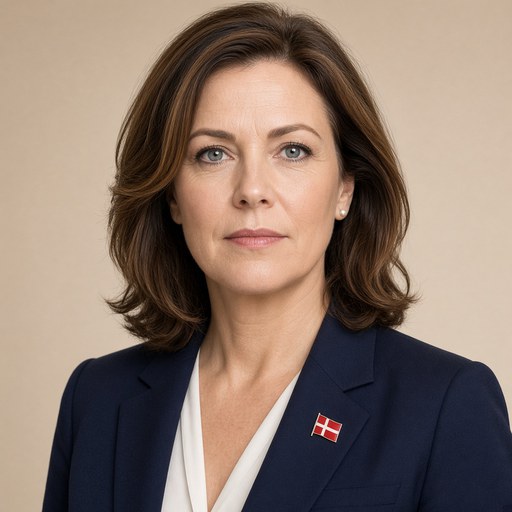
Prime Minister Helle Thorning-Schmidt's speech at the Danish Business Annual Day on May 14, 2013.
 Helle Thorning-Schmidt · Prime Minister of Denmark
- Context
- Thorning-Schmidt addressed the Danish Business Annual Day on May 14, 2013, speaking to service industry representatives about competitiveness, jobs, and economic reform.
- Main themes
- Danish competitiveness, service sector and private jobs, unemployment benefit reform, Growth Plan DK, Nordic model, welfare state modernization, business conditions, economic crisis response, public-private collaboration
- Duration
- ~21 min
- Words
- 2,541
- Sentences
- 213
- Readability
- 62
- Grade
- 7.3
- Syntax
- 2.44
- Vocabulary
- 1.92
Translated from Danish
The broad sphere of national life a sentence belongs to. Every sentence has an Arena, so it is the denominator the other indices are read against.
Other213 sentences in 110 paragraphs
Dear everyone.
Thank you for allowing me to be here again this year.
It is always a pleasure to meet with you. And especially on this great anniversary that brings together service companies in all your diversity. Bakers, grocers, hotels, real estate agents, accountants, and all of you others.
You are present in the everyday lives of Danes when we shop, go on vacation, take the bus, or do something entirely different.
And perhaps most importantly: Service companies create the vast majority of private jobs in Denmark.
You do this under conditions that have become more difficult. You work in a new reality where it has become harder to be a business owner. Where it has become even more important to be skilled, innovative, and to make every krone count.
I have enormous respect for the effort you put in every day.
I would also like to thank Michael and Jens for a good collaboration.
The government and Dansk Erhverv listen to each other. We also met briefly before the government presented Growth Plan DK. You provided input. And you received the government's growth proposal very positively.
You should all be thanked for that.
I find it very useful to exchange ideas with you.
* * *
We face a significant common task: We must secure our jobs and our welfare in a new reality.
And we must get through the crisis with the entire society we cherish intact.
That is why the government is also focused on helping those who are caught in the crisis. Thousands of unemployed are at risk of losing their livelihoods. This creates uncertainty in thousands of families.
The problems stem from the fact that the previous government and the Danish People's Party agreed in 2010 to tighten unemployment benefit rules and to phase in the tightening very quickly.
They did not take into account the crisis that Denmark was in and is still in. They did not consider that the employment system consisted of too many more or less irrelevant courses and too little real help for the unemployed.
My government has taken a different approach from day one.
We have supported employment by initiating investments.
We have made a series of extraordinary decisions for the long-term unemployed: Extension of the unemployment benefit period. Targeted assistance in job centers. Emergency jobs. A special education scheme.
And now we have made yet another decision: We will phase in the two-year unemployment benefit period in a proper manner over the next three to four years.
The solution is, of course, fully financed. We will raise most of the money by increasing the unemployment insurance contribution by about one krone a day on average in the years 2013-2015.
This is how we solve the problems: In a proper way, where we include everyone.
* * *
This also applies to the challenges we face in the longer term.
Denmark lost well over 100,000 private jobs during the crisis. Of these, tens of thousands were in the service sector.
And the competitiveness of companies is under pressure. It was already so before the crisis. Over ten years, competitiveness has deteriorated by almost 20 percent.
The competitiveness of companies is under pressure. That is how we usually phrase it – the competitiveness of companies. But it is not just the companies' problem.
It is not your problem and your competitiveness. It is our competitiveness.
It is Denmark in a broad sense that we must make into a competitive society.
We have a solid foundation to do this. We have skilled and innovative companies. Good education for all, so many talents come into play. A community where we trust each other. A country where we are ready for change and where we contribute what we can.
All of this is often summarized as "the Nordic model."
A couple of months ago, the British magazine "The Economist" had a theme about the Nordic countries. Some of you have probably seen it. On the cover was a picture of a blond, long-bearded Viking, and the optimistic headline read "The next supermodel."
Inside the magazine, the Nordic model was praised for combining a skilled business sector with a secure welfare state.
We can do something special in the Nordics. We can do something special in Denmark. We have something worth protecting.
And precisely to protect the Denmark we cherish, we must be ready for a new era with new demands for change. This applies to both the public and private sectors.
We must continue to develop and modernize our welfare society. Some of you here in the room are also involved in this. I want to spend more money in the public sector. Not less. I do not support zero growth.
Denmark's challenge is not that the public sector is too large. But that the private sector is too small.
For it is you in the private sector who must create the jobs. So that more Danes can support themselves. So that demand for your goods and services can pick up. So that we can maintain our secure welfare society.
That is why the government has made it a main priority to improve Denmark's competitiveness.
And the effort must apply to all Danish companies – both the supermarket, the IT consultant, the hotel, and the factory.
* * *
All of this is the background for why I asked my economic ministers in January for proposals on how we can improve competitiveness. It is the background for why the government presented Growth Plan DK in February. And I am pleased that just a few weeks ago we succeeded in reaching a very broad agreement on the growth plan.
The agreement means that we allocate 90 billion kroner to strengthen competitiveness and Denmark.
This is a very significant effort that we have found room for in a time when money is tight.
And we will not stop here. We have set ambitious goals to implement more reforms that will further improve the conditions for private companies.
For many years, we in Denmark have had goals for sound public finances, higher labor supply, and more people in education. These are goals that we are well on our way to fulfilling.
It is something new that a government also sets such concrete goals for improving the conditions for companies.
We have done this because goals are binding. They commit us to always focus on your framework conditions.
With the Growth Plan, we will stimulate your investments and attract investments from other countries. That is why we are gradually lowering the corporate tax rate from 25 to 22 percent. And we are reducing a number of taxes – without financing it by raising other taxes.
We want to increase activity in society. That is why we are increasing public investments by 2 billion kroner already next year.
And we want to give skilled employees the opportunity to become even more skilled throughout their lives. That is why we are investing one billion kroner in adult and continuing education.
The Growth Plan improves your conditions in many areas.
Many of you here in the room will benefit from longer credit periods for VAT. Some of you will benefit from a larger VAT deduction for hotel stays.
Others from the abolition of the soda tax.
And those of you who sell cleaning, window washing, and gardening services will benefit from the home job scheme. Just to mention a few examples.
But first and foremost, you all – and we all – will benefit from the activity and optimism that the overall plan sets in motion, as the many good things reinforce each other.
I have understood that some believe that the growth plan is... a nice little plan.
Now, first of all, we still have to see what a big plan is.
And secondly, it seems that some do not quite understand what Growth Plan DK is about.
So let me clarify:
Growth Plan DK increases the labor supply in 2020 – because we are changing the rules for student grants and social assistance.
Growth Plan DK also means more jobs here and now – because we are easing fiscal policy.
But first and foremost, Growth Plan DK is a broad and large plan, where we prepare Denmark to seize the upswing when international conditions improve.
It is the first time in many years that a government has implemented a comprehensive plan that so purposefully improves the framework conditions for companies.
Greater confidence in private jobs in Denmark should help increase trust in the economy. Among families and in your companies.
* * *
The Growth Plan gives you good conditions. I encourage you to take advantage of them.
We all need to contribute what we can. The government must do so. You in the companies must do so.
Modern service companies are part of the vibrant Danish business community.
Many of you are present in the world. That is why the government has goals for service companies in our growth market strategies. And Jens was part of the business delegation the last time I was in China.
Danish hotels, restaurants, and transport companies compete with Sweden and Germany for Chinese and Russian tourists – and some must have succeeded, because the Chinese and Russians are part of the street scene when they come down Strøget with filled shopping bags. But they can fill more. And also fill more in the bags.
Fifteen to twenty years ago, very few companies were online. Imagine that it was not that long ago. Today, a shoe store cannot just place an ad in the local newspaper. No, on a rainy day, there must be a message to Facebook friends that there is a discount on rubber boots.
From shoe stores and hotels to IT companies. You are faced with new demands. It is a commitment.
Productivity must be top-notch to meet the challenges that exist. It is not the case everywhere in your industries.
The Productivity Commission's report from April highlights that competition in parts of the service sector is not strong enough. And that you have too few highly educated employees.
This is a relevant criticism of an industry where qualified employees are the most important resource.
Education is becoming increasingly important. Because the jobs of the future will not resemble those of the past.
Good business acumen is not just about standing behind the counter and having a good sense of what customers want to buy. That is still necessary. But good business acumen also involves optimal inventory management, logistics, and everything else.
And international competition places new demands on the use and protection of patents. For example, in the pharmaceutical industry. And in design, there are trademarks that need protection. This requires lawyers among the employees.
The demands are increasing. This is the new reality. We must educate ourselves even more and even better.
I have set the goal that our children and young people should be the best-educated generation in Danish history.
We are investing more money in education than any government before us.
We will implement major changes in the public school system to make a good school even better. And we have set the goal that more young people should start vocational training.
Ten years ago, one in three sought vocational training right after primary school. Today, it is one in five. From one in three to one in five – that is a significant shift in just ten years. And far too many of those who start drop out again.
We must reverse this trend. And by "we," I mean both the government and you. It is a shared responsibility that we do not lose the young people. And you have a shared responsibility to demand that the education meets your needs.
We owe it to the young people that they receive an education that meets the requirements of what a graduate should be able to do. These requirements are constantly growing.
Therefore, there should be more teaching time in vocational education. The teacher should not work more. The teacher should spend more of their working time with the students.
This is now possible, as teachers have received the same working conditions as everyone else.
Skilled students also require that young people have the opportunity to do internships and learn their trade in practice.
The government has strengthened the education guarantee. We have strengthened schools' collaboration with local businesses to secure internships. We have established more and better school internship positions.
There have also been a few more education agreements in the past year. A few more. Three percent more. It is, of course, good that it is moving in that direction. The direction is right. But the pace is not impressive.
On the other hand, the intake into school internships has increased by more than 40 percent in the past year. It is, of course, better that young people choose school internships than that they drop out of their education.
But both the young people and you companies are best served if as many as possible get a real internship in a genuine living company.
I understand that it is difficult for individual companies to provide internships in times of crisis.
But we live in a time when we must make difficult decisions. All of us. It may cost on the bottom line here and now – I know that from experience – but it should not prevent us from making responsible decisions.
The government has done quite a bit – our part. I will appeal to you to also do your part.
If we take all of you here in the room – and all your colleagues who could not be here today – you together constitute a very large area for internships.
I encourage each and every one of you to look at your company: Is there room for an extra apprentice? Perhaps an apprentice who shares time with another company? Perhaps a short agreement where the apprentice is offered to be trained in the company for at least one internship period and at least one school period?
There are actually quite a few flexible options for entering into education agreements.
Try to take a closer look at them.
We must give our young people the opportunity to educate themselves, hold a job, and show what they can do. The young people must have a future. And the young people are our future. They are your future employees. You need skilled tradespeople.
* * *
I will conclude. I will do so with a promise to you.
The government has placed a new and strong focus on private jobs. I promise you that we will maintain that focus – even after the proposals in our Growth Plan are adopted in the Parliament.
We will continue the work to ensure good and stable conditions for all companies in Denmark.
I also expect that you will continue to fulfill your part of the responsibility. Denmark needs skilled service companies. You are the backbone when we need to create jobs in Denmark.
Strong companies create more jobs.
Dear everyone.
Thank you for allowing me to be with you for another year. Happy anniversary to you all.
The original Danish. The tags above are read on the English translation's sentences.
Kære alle sammen.
Tak, fordi jeg må være med igen i år.
Det er altid dejligt at mødes med jer. Og især på den store årsdag, som samler servicevirksomhederne i al jeres mangfoldighed. Bagere, købmænd, hoteller, ejendomsmæglere, revisorer og alle jer andre.
I er til stede i danskernes hverdag, når vi køber ind, tager på ferie, tager bussen eller noget helt fjerde.
Og nok så vigtigt: Servicevirksomhederne skaber langt de fleste private arbejdspladser i Danmark.
Det gør I under vilkår, som er blevet vanskeligere. I arbejder i en ny virkelighed, hvor det er blevet hårdere at være virksomhedsejer. Hvor det er blevet endnu vigtigere at være dygtig, innovativ og vende hver krone.
Jeg har enorm respekt for den indsats, som I yder hver dag.
Jeg vil også sige tak til Michael og Jens for et godt samarbejde.
Regeringen og Dansk Erhverv lytter til hinanden. Vi mødtes også kort inden, regeringen fremlagde Vækstplan DK. I kom med indspark. Og I modtog regeringens vækstudspil meget positivt.
Det skal I have tak for alt sammen.
Jeg synes, det er meget nyttigt at udveksle idéer med jer.
* * *
Vi står med en stor fælles opgave: Vi skal sikre vores arbejdspladser og vores velfærd i en ny virkelighed.
Og vi skal gennem krisen med hele det samfund, vi holder af i behold.
Derfor er regeringen også optaget af at hjælpe de mennesker, der kommer i klemme på grund af krisen. Tusindvis af ledige står til at miste deres forsørgelse. Det skaber usikkerhed i tusindvis af familier.
Problemerne skyldes, at den tidligere regering og Dansk Folkeparti i 2010 aftalte at stramme dagpengereglerne og at indfase opstramningen meget hurtigt.
Man tog ikke hensyn til den krise, som Danmark stod i og står i. Man tog ikke hensyn til, at beskæftigelsessystemet bestod af for mange mere eller mindre ligegyldige kurser og for lidt reel hjælp til de ledige.
Min regering har fra første dag lagt en anden linje.
Vi har holdt hånden under beskæftigelsen ved at sætte investeringer i gang.
Vi har truffet en række ekstraordinære beslutninger for de langstidsledige: Forlængelse af dagpengeperioden. Målrettet hjælp i jobcentrene. Akutjob. En særlig uddannelsesordning.
Og nu har vi truffet endnu en beslutning: Vi vil indfase den to-årige dagpengeperiode på en ordentlig måde over de næste tre-fire år.
Løsningen er selvfølgelig fuldt finansieret. Vi vil skaffe de fleste af pengene ved at sætte A-kassekontingentet op med cirka en krone om dagen i gennemsnit i årene 2013-2015.
Sådan løser vi problemerne: På en ordentlig måde, hvor vi får alle med.
* * *
Det gælder også de udfordringer, vi står med på lidt længere sigt.
Danmark tabte langt over 100.000 private arbejdspladser under krisen. Heraf titusindvis i servicebranchen.
Og virksomhedernes konkurrenceevne er under pres. Det var den allerede før krisen. På ti år er konkurrenceevnen blevet næsten 20 procent ringere.
Virksomhedernes konkurrenceevne er presset. Sådan plejer vi at sige det – virksomhedernes konkurrenceevne. Men det er jo ikke bare virksomhedernes problem.
Det er ikke jeres problem og jeres konkurrenceevne. Det er vores konkurrenceevne.
Det er Danmark i bred forstand, vi skal gøre til et konkurrencedygtigt samfund.
Det har vi et solidt udgangspunkt for at gøre. Vi har dygtige og innovative virksomheder. Gode uddannelser til alle, så mange talenter kommer i spil. Et fællesskab, hvor vi har tillid til hinanden. Et land, hvor vi er parate til forandring, og hvor vi yder det, vi kan.
Alt det, vi ofte sammenfatter til ”den nordiske model.”
For et par måneder siden havde det britiske magasin ”The Economist” et tema om de nordiske lande. En del af jer har nok set det. På forsiden var der et billede af en blond og langskægget viking, og den optimistiske overskrift lød ”The next supermodel.”
Inde i magasinet blev den nordiske model rost for at kombinere et dygtigt erhvervsliv med en tryg velfærdsstat.
Vi kan noget særligt i Norden. Vi kan noget særligt i Danmark. Vi har noget, der er værd at passe på.
Og netop for at passe på det Danmark, vi holder af, skal vi være klar til en ny tid med nye krav om forandring. Det gælder både den offentlige sektor og den private sektor.
Vi skal blive ved med at udvikle og modernisere vores velfærdsamfund. Det er nogle af jer her i salen også involverede i. Jeg ønsker at bruge flere penge i den offentlige sektor. Ikke færre. Jeg går ikke ind for nulvækst.
Danmarks udfordring er ikke, at den offentlige sektor er for stor. Men at den private sektor er for lille.
For det er jer i den private sektor, der skal skabe arbejdspladserne. Så flere danskere kan klare sig selv. Så der kommer gang i efterspørgselen efter jeres varer og ydelser. Så vi kan bevare vores trygge velfærdssamfund.
Derfor har regeringen gjort det til en hovedprioritet at forbedre Danmarks konkurrenceevne.
Og indsatsen skal gælde alle danske virksomheder – både supermarkedet, it-konsulenten, hotellet og fabrikken.
* * *
Alt det er baggrunden for, at jeg i januar bad mine økonomiske ministre om forslag til, hvordan vi kan forbedre konkurrenceevnen. Det er baggrunden for, at regeringen i februar fremlagde Vækstplan DK. Og jeg er glad for, at det for få uger siden lykkedes at få en meget bred aftale om vækstplanen.
Aftalen betyder, at vi sætter 90 milliarder kroner af til at styrke konkurrenceevnen og Danmark.
Det er en meget stor indsats, som vi har fundet plads til i en tid, hvor pengene er små.
Og vi stopper ikke her. Vi har sat ambitiøse mål om at gennemføre flere reformer, der skal forbedre de private virksomheders vilkår endnu mere.
I mange år har vi i Danmark haft mål om sunde offentlige finanser, højere arbejdsudbud og flere i uddannelse. Det er mål, som vi er langt med at indfri.
Det er noget nyt, at en regering også sætter så konkrete mål om at forbedre virksomhedernes vilkår.
Det har vi gjort, fordi mål forpligter. Det forpligter os til hele tiden at have fokus på jeres rammevilkår.
Med Vækstplanen vil vi sætte gang i jeres investeringer og tiltrække investeringer fra andre lande. Derfor sætter vi selskabsskatten gradvist ned fra 25 til 22 procent. Og vi sænker en række afgifter – uden at vi finansierer det ved at sætte andre afgifter op.
Vi vil øge aktiviteten i samfundet. Derfor øger vi de offentlige investeringer med 2 milliarder kroner allerede til næste år.
Og vi vil give dygtige medarbejdere mulighed for at blive dygtigere hele livet. Derfor investerer vi én milliard kroner i voksen- og efteruddannelse.
Vækstplanen forbedrer jeres vilkår på mange områder.
Mange af jer her i salen vil få glæde af længere kredittider for moms. En del af jer vil få glæde af et større momsfradrag for hotelovernatninger.
Andre af afskaffelsen af sodavandsafgiften.
Og de af jer, der sælger rengøring, vinduespudsning og havearbejde vil få gavn af boligjobordningen. For bare at nævne nogle eksempler.
Men først og fremmest vil I alle sammen – og vi alle sammen – få gavn af den aktivitet og optimisme, som den samlede plan sætter i gang, når de mange gode ting forstærker hinanden.
Jeg har så forstået, at nogen mener, at vækstplanen er... en fin lille plan.
Nu har vi for det første stadig til gode at se, hvad en stor plan så er for en fisk.
Og for det andet så er det som om, nogen ikke helt har forstået, hvad Vækstplan DK går ud på.
Så lad mig lige præcisere:
Vækstplan DK øger arbejdsudbuddet i 2020 – fordi vi ændrer reglerne for SU og kontanthjælp.
Vækstplan DK betyder også flere arbejdspladser her og nu – fordi vi letter finanspolitikken.
Men først og fremmest er Vækstplan DK en bred og stor plan, hvor vi gør Danmark klar til at gribe opsvinget, når de internationale konjunkturer vender.
Det er første gang i mange år, at en regering har gennemført en samlet plan, som så målrettet forbedrer virksomhedernes rammevilkår.
Større tiltro til private arbejdspladser i Danmark skal være med til at øge tilliden til økonomien. Hos familierne og i jeres virksomheder.
* * *
Vækstplanen giver jer gode vilkår. Jeg vil opfordre jer til at bruge dem.
Vi skal alle sammen yde det, vi kan. Det skal vi i regeringen. Det skal I i virksomhederne.
Moderne servicevirksomheder er en del af det pulserende danske erhvervsliv.
Flere af jer er til stede ude i verden. Derfor har regeringen mål for servicevirksomheder i vores vækstmarkedsstrategier. Og Jens var med som en del af erhvervsdelegationen, sidst jeg var i Kina.
Danske hoteller, restauranter og vognmænd konkurrer med Sverige og Tyskland om kinesiske og russiske turister – og en del må være lykkedes, for kineserne og russerne er en del af gadebilledet, når de kommer ned ad Strøget med fyldte indkøbsposer. Men de må gerne fylde mere. Og også fylde mere i poserne.
For 15-20 år siden var de færreste virksomheder på nettet. Tænk, at det ikke er længere siden. I dag kan en skohandler ikke bare sætte en annonce i lokalavisen. Nej, på en regnvejrsdag skal der besked ud til facebook-vennerne om, at der er rabat på gummistøvler.
Fra skohandlere og hoteller til it-virksomheder. I bliver mødt med nye krav. Det forpligter.
Produktiviteten skal være i top for at klare de udfordringer, der er. Det er den ikke alle steder i jeres brancher.
Produktivitetskommissionens rapport fra april fremhæver, at konkurrencen i dele af serviceerhvervene ikke er stærk nok. Og at I har for få højtuddannede ansat.
Det er en relevant kritik af en branche, hvor kvalificerede medarbejdere er den vigtigste ressource.
Uddannelse bliver kun vigtigere. For fremtidens arbejdspladser ligner ikke fortidens.
Godt købmandskab er ikke bare at stå bag disken og have en god fornemmelse af, hvad kunderne gerne vil købe. Det skal man stadig kunne. Men godt købmandskab er også optimal lagerstyring, logistik og alt det andet.
Og international konkurrence stiller nye krav til brug og beskyttelse af patenter. For eksempel i lægemiddelindustrien. Og inden for design er der varemærker, der skal beskyttes. Det kræver jurister blandt medarbejderne.
Kravene stiger. Det er den nye virkelighed. Vi skal uddanne os endnu mere og endnu bedre.
Jeg har sat det mål, at vores børn og unge skal være den bedst uddannede generation i danmarkshistorien.
Vi investerer vi flere penge i uddannelse end nogen regering før os.
Vi vil gennemføre store forandringer af folkeskolen, som skal gøre en god skole endnu bedre. Og vi har sat det mål, at flere unge skal i gang med en erhvervsuddannelse.
For ti år siden var det én ud af tre, der søgte en erhvervsuddannelse lige efter grundskolen. I dag er det én ud af fem. Fra hver tredje til hver femte –det er et stort skred på bare ti år. Og alt for mange af dem, der starter, falder fra igen.
Den udvikling skal vi vende. Og med vi mener jeg både regeringen og jer. Det er et fælles ansvar, at vi ikke taber de unge. Og I har et medansvar for at stille krav til uddannelserne, så de svarer til jeres behov.
Vi skylder de unge, at de får en uddannelse, der lever op til kravene om, hvad en færdiguddannet skal kunne. De krav vokser hele tiden.
Derfor skal der være mere undervisningstid på erhvervsuddannelserne. Læreren skal ikke arbejde mere. Læreren skal være sammen med eleverne i mere af sin arbejdstid.
Det bliver muligt nu, hvor lærerne har fået de samme forhold for deres arbejdstid som alle andre.
Dygtige elever kræver også, at de unge har mulighed for at komme i praktik og lære deres fag i praksis.
Regeringen har styrket uddannelsesgarantien. Vi har styrket skolernes samarbejde med lokale virksomheder om at skaffe praktikpladser. Vi har oprettet flere og bedre skolepraktikpladser.
Der er også indgået lidt flere uddannelsesaftaler i det seneste år. Lidt flere. Tre procent flere. Det er selvfølgelig godt, at det går den vej. Retningen er rigtig. Men farten er ikke imponerende.
Til gengæld er tilgangen til skolepraktik steget med mere end 40 procent det seneste år. Det er selvfølgelig bedre, at de unge vælger skolepraktik, end at de dropper ud af deres uddannelse.
Men både de unge og I virksomheder er bedst tjent med, at flest muligt får en rigtig virksomhedspraktik i en ægte levende virksomhed.
Jeg forstår godt, at det ude på den enkelte virksomhed er svært at levere praktikpladser i krisetider.
Men vi lever i en tid, hvor vi skal træffe svære beslutninger. Alle sammen. Det kan måske koste på bundlinjen her og nu – det ved jeg af erfaring – men det bør ikke afholde os fra at træffe de ansvarlige beslutninger.
Regeringen har gjort en hel del – vores del. Jeg vil appellere til, at I også gør jeres del.
Hvis vi tager alle jer her i salen – og alle jeres kolleger, der ikke kunne være med i dag – så udgør I tilsammen et meget stort praktikpladsområde.
Jeg vil opfordre jer hver og en til at se på jeres virksomhed: Er der plads til en ekstra elev? Måske en elev, der deles med en anden virksomhed? Måske en kort aftale, hvor eleven tilbydes at være under uddannelse i virksomheden i mindst en praktikperiode og mindst en skoleperiode?
Der er faktisk en del fleksible muligheder for at indgå uddannelsesaftaler.
Prøv også at se lidt grundigere på dem.
Vi skal give vores unge mulighed for at uddanne sig, passe et arbejde og vise, hvad de kan. De unge skal have en fremtid. Og de unge er vores fremtid. De er jeres fremtidige medarbejdere. I har brug for dygtige faglærte.
* * *
Jeg skal til at slutte. Det vil jeg gøre med et løfte til jer.
Regeringen har sat et nyt og stærkt fokus på private arbejdspladser. Jeg vil love jer, at vi holder fast i det fokus – også efter forslagene i vores Vækstplan er vedtaget i Folketinget.
Vi vil fortsætte arbejdet med at sikre gode og stabile rammer for alle virksomheder i Danmark.
Jeg regner selvfølgelig også med, at I fortsat løfter jeres del af ansvaret. Danmark har brug for dygtige servicevirksomheder. I er grundstammen, når vi skal skabe arbejdspladser i Danmark.
Stærke virksomheder giver flere arbejdspladser.
Kære alle sammen.
Tak, fordi jeg måtte være med endnu et år. Fortsat god årsdag til jer alle sammen.