




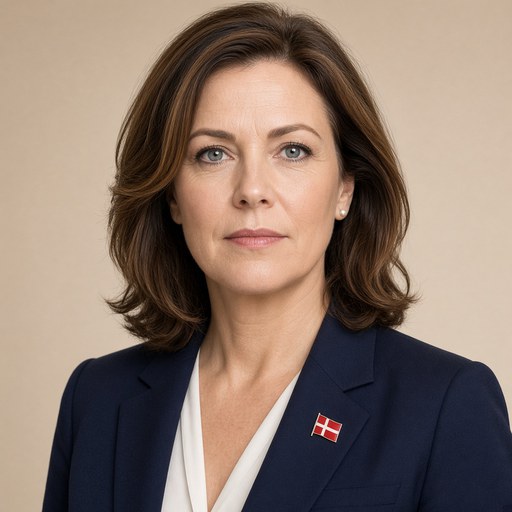
Prime Minister Helle Thorning-Schmidt's speech at the closing debate of the Folketing on May 29, 2013.
 Helle Thorning-Schmidt · Prime Minister of Denmark
- Context
- Thorning-Schmidt addressed the Danish Folketing at the closing debate of the parliamentary year on May 29, 2013, reviewing government achievements and priorities.
- Main themes
- Solidarity and social cohesion, education reform, economic crisis management, broad political cooperation, unemployment benefits, primary school improvement, student grant reform, teacher education, welfare state preservation, Denmark's adaptability
- Duration
- ~34 min
- Words
- 4,125
- Sentences
- 353
- Readability
- 58
- Grade
- 7.6
- Syntax
- 2.40
- Vocabulary
- 2.02
Translated from Danish
The broad sphere of national life a sentence belongs to. Every sentence has an Arena, so it is the denominator the other indices are read against.
Other353 sentences in 182 paragraphs
I believe in a solidarity-based Denmark, where we take care of each other.
I believe in a community where everyone is met with rights and responsibilities.
I believe that we must change in order to hold on to our community in a world where the fundamental condition is precisely change.
The places on the planet that will fare well through the crisis are those that understand how to change what needs to be changed. Where action is taken in time to preserve the uniqueness of one's country.
And such a place on the planet is Denmark.
We are a country with great equality and great security. This matters for how Danes meet new conditions. We are good at turning changes into opportunities. We are open to the outside world. We solve problems together.
We have made many important decisions in the parliamentary year that we are concluding very soon. And perhaps most importantly, we have made them together.
I would like to thank the parties in the Folketing for a good and broad collaboration.
There has been a willingness to reach out for the common good, rather than to have the best for oneself alone.
Block politics is a thing of the past. The future belongs to broad cooperation.
Broad agreements provide security in a time when the crisis is far from over. Broad agreements give robustness to our economy. And that is necessary.
The crisis is not a minor fluctuation that can be solved with a fiscal fix or a quick savings plan.
We live in a new reality where all tools must be taken out of the toolbox when we need to change Denmark.
* * *
We must hold on to our solidarity. We must take care of each other, even in a crisis.
That is why we are providing a higher elderly benefit to the pensioners who have the least.
We are helping families so they are not evicted from their apartments.
We are ensuring that children are better protected against abuse.
And we are correcting the Liberal Party's, the Conservative Party's, and the Danish People's Party's all too rapid phasing in of the short unemployment benefit period. For it was an unwise decision made without regard to the crisis. And it created insecurity for thousands of families.
My government safeguards security. We will phase in the two-year unemployment benefit period calmly over the next three years.
We must change our society. But it must happen in a proper and secure manner. Everyone must be included.
* * *
One of the areas where the government is implementing major changes is our education system.
The last 100 years of Danish history is a story of how more and more people have taken an education, escaped poverty, and achieved a better life.
One hundred years ago, you had to combine two school classes to find one student who went to high school. Today, more than half of a class goes to high school.
We have come a long way through education. We must go even further.
It is my goal that the next generation will be the best educated in our history.
We must continue to invest in people. But we must spend the money where we get the most out of it.
That is why we have changed the student grant system. We require that young people study actively and take their exams to receive grants. And we provide less in grants to young people who live at home.
Denmark will still have the world's most generous student grant system. But we are using the money more wisely than before. We hold each other accountable.
* * *
Higher demands make us reach for higher goals.
Today, there are three or four students in the oldest classes of primary school who do not read well enough. Who do not calculate well enough. We cannot accept that.
All Danish children must be more skilled.
That is why the government will make a good primary school even better.
Emil and all the other children will have more hours in Danish and mathematics. English from the first grade. And a coherent and varied school day where teaching, new learning methods, and well-being go hand in hand.
Teachers must have better opportunities for further education. We will allocate an additional billion kroner so that teachers can achieve competencies equivalent to subject-specific qualifications in the subjects they teach. In addition to the money that municipalities are already spending on further education.
We have just gone through a collective bargaining conflict. For almost a month, children and teachers could not go to school. It was a difficult time for the children and the parents. And of course also for the teachers, who were locked out of their workplace.
It was a special situation. And it requires an extra effort from all of us to restore the good cooperation regarding our primary school.
The government and the other primary school parties are working diligently to reach an agreement on a comprehensive reform of the primary school. It requires a willingness to compromise from all sides.
We have a shared responsibility to lay a solid foundation for our children's and Denmark's future.
But the work is not done with an agreement between the parties in the Folketing. Or with the laws we pass here in the Folketing.
When it is hopefully successful to reach an agreement here in the chamber, teachers, school leaders, and municipal councils will face a significant task in implementing the changes. So that the children can benefit from them.
It is a task that we must give the primary school the peace to solve. The primary school must have the peace to develop. Peace to make a good school even better.
* * *
Then we can tackle the step after primary school – the youth education programs.
Here, the biggest challenges are in our vocational schools. They have been treated as stepchildren for many years.
Therefore, it may not be so surprising that fewer young people are willing to pursue vocational education. Today, only one in five young people begins a vocational education after primary school. Ten years ago, it was one in three.
That is a dramatic decline in just ten years.
And it is serious. For Denmark needs skilled tradespeople.
I want to say to Denmark's youth: If you are good at care, craftsmanship, technology, or trade, then seriously consider a vocational education.
In return, I will work to ensure that you receive a good youth education where you learn what you will need in your work.
The workplaces of the future do not resemble those of the past.
Today, a shop assistant must not only be able to sell a product. He must also be able to advise customers on the environment, sustainability, and health.
And a machinist should not stand at the lathe and mill a piece of iron. She must manage production using a computer. This requires knowledge of technology, mathematics, and English.
The demands in the workplaces are increasing.
Therefore, our demands for vocational education must also be high.
We have already created thousands of internships. So more can complete their education.
Now teachers will have the same working conditions as everyone else – this also applies to teachers in vocational schools. So that students can receive more instruction.
The government is preparing fundamental changes to vocational education. We are in dialogue with the labor market partners. And we will present our proposals in the fall.
Our young people deserve a good and solid education.
And it does not stop with completing vocational education. Change is a fundamental condition for all of us throughout life. That is why we have allocated an additional billion kroner for further education.
What can you get for a billion? You can, for example, elevate almost 20,000 unskilled workers to skilled levels.
* * *
Everyone should have an education. Everyone should have a job.
More private jobs are a high priority for the government.
Some ask why it is so important.
The answer is short and clear: we have lost well over 100,000 private jobs during the crisis. The people who have lost their jobs need new ones. And as a country, we need jobs to finance our welfare.
The Danish economy is expected to enter a period of growth – this year only a rather weak growth, next year a bit more. We are doing what we can to move Denmark forward. But much naturally depends on the developments in the countries we trade with. We still have significant challenges.
Therefore, we must use all the tools in the toolbox.
We are supporting employment here and now – with public investments in kindergartens, schools, nursing homes, and renovation of public housing. This provides work for craftsmen all over Denmark.
We have control over the economy. Budgets used to slip. They do not anymore. This ensures a low interest rate. And thus private jobs.
We are ensuring more labor. With a student grant reform that will get young people into the vibrant labor market faster. And a welfare reform where fewer are left to passive support.
And with Growth Plan DK, we are allocating more than 90 billion kroner to strengthen competitiveness and our jobs.
We are lowering the corporate tax – except for banks and oil companies. We are reducing a number of taxes. And increasing public investments.
This is the first time in many years that a government has implemented such a large overall plan that specifically improves the framework conditions for businesses.
And the effect of the entire large effort is greater than the sum of the individual parts. The purpose is also to create trust. We must create a belief in the future.
So that businesses invest. So that consumers spend money instead of saving. So that more people get jobs. So that Denmark moves forward.
* * *
Europe must also move forward.
And we are on our way. There is greater calm in the financial markets. There is better control over budgets. But growth in the EU is still too low and unemployment too high – especially far too high among the young.
Therefore, we must continue to change our countries and strengthen competitiveness. And the many decisions that have already been made in the EU must be implemented in all countries.
One of the important decisions that we must implement in Denmark is the common patent. This will mean that a company only needs to register its invention in one place instead of in each individual EU country.
This is at the core of European cooperation. We find common solutions that make life easier for our businesses and ensure more jobs.
The government will present a bill on Denmark's participation in the common European patent in the next parliamentary year. That decision – with all the technical questions it entails – we should be able to make here in the Folketing.
Another important decision in the EU is the new budget. The EU's expenditures must reflect the new economic reality.
And I am very pleased that Denmark has finally achieved a reasonable rebate in the budget. We save 1 billion kroner every year. We have good use for that money here at home.
The EU has also decided to take action against tax havens. We must address the bank secrecy that shields companies and individuals from paying what they should. And we must close the loopholes that multinational companies exploit to avoid paying taxes.
The crisis has changed the EU in several ways. The eurozone countries are moving closer together. This is entirely natural, but it challenges Denmark's position in European cooperation.
We need a new European political agreement that complements the agreement from 2008. And that reflects the new era. The government's starting point is clear: the EU must continue to be a strong and binding community with Denmark as close to the core of cooperation as possible.
* * *
Cooperation with the world around us has always been a Danish path to growth and jobs.
That must also be our path in a changing world. But it requires that we are where the growth is. We have not been good enough at that. Denmark has lagged behind in the new growth markets for ten years.
This backlog is being caught up by Danish companies. That is impressive. We are well on our way to reclaiming what was lost.
Last month, Fudan University in China chose to establish its European research center at the University of Copenhagen. Among other things, because they are interested in the Danish welfare model.
Last year, the Danish company Haldor Topsøe signed an investment agreement in Tianjin – one of China's largest cities.
Topsøe's production of catalysts for trucks will help China achieve its environmental goals. And there will also be more to do at the factory back home in Frederikssund.
Welfare. Environment. Green energy. We can do something special in Denmark. We can provide something that the Chinese need.
Skilled Danish companies understand how to leverage that. And the government supports the business community's efforts.
In a country like China or Vietnam, it matters a lot that, for example, an investment agreement is discussed at a political level. That is why the government and Danish businesses are working shoulder to shoulder to ensure that Danish companies can thrive in the countries where growth is. This creates jobs back home in Denmark.
* * *
In the 1990s, we made Denmark a world champion in climate and energy.
In the 2000s, that ambition was neglected.
In the 2010s, we are well on our way to placing Denmark back where we belong: in a green first place.
The government desires a green transition for Denmark. It is a binding task. The Denmark we leave behind must be in better condition than the one we took over. Sustainable. Green. And in balance.
That is why we are working on electrifying our railways. And Denmark must be even better connected with the so-called hour model.
With the Train Fund DK, we have found financing to get started. The common values in the North Sea will benefit Denmark.
And we have allocated one and a half billion kroner for the development of green technology, for example in the form of green loans and subsidies for green projects.
MAN Diesel in Copenhagen has developed a new fuel valve for ship engines, so they pollute less. We get cleaner air, greater exports, and more jobs. Green loans work.
HeSaLight, a small lighting company in Zealand, has developed LED lighting. We save energy, achieve a cleaner environment – and gain more export revenues and jobs. Subsidies for green projects work.
The government's next step is how we can turn waste into a good business.
One company has a waste product it wants to get rid of. Another company needs raw materials. Imagine if we can match the two. Then we can use decommissioned wind turbine blades for noise barriers on highways.
That is innovative thinking in the new reality.
The green transition shows what we can do when the private sector and the public sector work together.
The public and the private are not opposites. The public sector is not a problem, but part of the solution.
We will spend more money in the public sector – an additional 25 billion until 2020.
I do not advocate for zero growth. I advocate for a public sector that grows and develops.
Denmark's social and health care assistants, educators, teachers, and many others perform the tasks that ensure equal opportunities for all. They uphold the solidarity on which our country is built.
But we, who care about the public sector, also have a special responsibility to constantly ask how we can solve the tasks better.
Let me give you an example from our healthcare system.
Take an elderly man suffering from COPD – smoker's lungs, if you will – who is admitted to the hospital. There he lies in a hospital bed in an overcrowded ward. Perhaps out in the hallway. Possibly for too long. And the longer he is in the hospital, the weaker and more insecure he feels.
Unfortunately, this is an image that I believe many can recognize.
And in many cases, an elderly man with COPD – and other people with chronic illnesses – can be better helped outside the hospital. With the right effort from his own doctor – in collaboration with municipal nursing and the hospital.
We need to strengthen the role of the family doctor for the benefit of the patient.
We will improve the collaboration between the general practitioner, the hospital, and home care. We will ensure that everyone receives treatment of the same high quality.
And we will give all Danes access to a general practitioner close to where they live. Today, it is difficult to get doctors to practice far from the cities and in socially disadvantaged areas.
Therefore, the government has presented a bill that establishes the framework for a modern general practice with the patient at the center.
The bill has been put out for consultation. The government has, of course, listened to the reactions that have come.
The major patient associations support the proposal.
The general practitioners have been more skeptical. I believe that the doctors' reaction is partly due to uncertainty about the intentions of the bill.
We are now trying to clear that uncertainty from the table by making as many clarifications and accommodations as we can, without compromising our ambitions.
For me, it is actually quite simple: We need to have a healthcare system that is there for the patient.
The family doctor is the most important person if we or our loved ones become ill. Therefore, there must be safe and good access to the doctor for everyone in all of Denmark – also in Lolland and North Jutland.
* * *
Denmark is a safe country. We can walk safely on the street. Our children can walk home from school by themselves, and they can play outside in the evening.
We must hold on to safety, even as the world changes. And it is possible. Fewer young people commit crimes than a few years ago. And fewer people commit violence.
But when shots are fired in Værebroparken, and when knives are used in Odense, our safe everyday life is under pressure. There are neighborhoods where one no longer feels safe.
The confrontations in the recent gang conflict are completely unacceptable.
And I find it shocking to see that very young people are involved in serious crime. Some of them are hardly more than children.
I cannot help but ask: Where are the parents? What do they think their children are up to?
I want to emphasize that it is and will remain the parents' responsibility to take care of their children and raise them.
The police have made an extraordinary effort to put a stop to serious crime.
They have detained many individuals connected to the gang environment. They have seized weapons. They have seized drugs.
The police are fulfilling the task they must. Parents must also fulfill their task.
And municipalities must fulfill theirs.
Municipalities today have a number of tools. They can require a young person to clean up after themselves and rectify a damage. They can require parents to ensure that the young person attends school and is home in the evening. And ultimately, parents can be penalized in their child family allowance.
The latest figures show that less than one in three municipalities use parental requirements. And that most of those municipalities have only issued requirements at most three times.
Municipalities need to be better at using the opportunities they have.
Children should not be part of a food chain where they end up as new gang members. A small hard core of criminals must not ruin it for many others. Denmark must continue to be a safe and secure country.
* * *
For eleven years, Denmark has fought in Afghanistan for our security here at home.
Next year, the Afghan security forces will take full responsibility for security in Afghanistan.
Denmark and our allies will step further back. And Task Force 15 will be the last Danish unit with infantry soldiers. When they return home in August, it will mark the end of a long and unique effort with Danish combat soldiers at the forefront.
I have just visited our soldiers and deployed personnel in Helmand to mark the new chapter in the Danish effort in Afghanistan. And to thank them for their tremendous effort.
We can be proud of Denmark's effort in Afghanistan. Our deployed personnel should be proud.
We have made a difference both in terms of our own and the Afghans' security. We have paved the way for the Afghan security forces to take responsibility for security themselves. And that is the only way forward for Afghanistan.
We have also made a significant effort to improve the everyday lives of the Afghan population – especially for children and women. Now millions of Afghan children are in school – including girls.
These are important results. And we must protect them. Therefore, Denmark will also continue to take significant responsibility in Afghanistan – with a strong focus on development, but also with support for the Afghan security forces.
Denmark's support is conditional on the Afghan government fulfilling its obligations in the long term. Particularly regarding good governance, human rights, women's rights, and combating corruption.
We all know that Afghanistan faces great challenges. And that the progress we have seen in Afghanistan is fragile. Therefore, we must be realistic. And be prepared for setbacks.
I am glad that a very broad majority here in the Folketing has supported Denmark's policy in Afghanistan all along.
* * *
I am also pleased with the good debate about the Kingdom of Denmark that we had in February here in the Folketing. It showed that there is a serious and respectful approach to the Kingdom of Denmark across the Folketing. I would like to acknowledge that.
Greenland needs new economic development if Greenlanders are to have an economic basis for developing their land.
The Greenlandic government and the Danish government are working together to promote economic development on commercial terms.
And it is positive that the universities of Nuuk and Copenhagen are collaborating to ensure that Greenland's natural resources can benefit Greenlanders.
And that business organizations in Denmark and Greenland are working together on how Greenlandic and Danish companies can participate in resource extraction.
The Greenlandic government wishes to lift the zero-tolerance principle regarding radioactive substances. A Danish-Greenlandic working group has been established to analyze the consequences of potential extraction and export of uranium.
In the Faroe Islands, fishing is crucial for the economy. It is serious that the Faroe Islands are facing sanctions from the EU due to disagreements over the distribution of fishing quotas in the North Atlantic.
For the government, consideration for the Kingdom of Denmark weighs heavily, while we also, of course, understand the need for sustainable fishing. And we must work together on the challenge that the Kingdom of Denmark faces if the Faroe Islands are hit by sanctions.
And I look forward to my visit to the Faroe Islands next month.
The Kingdom of Denmark is special for all of us. The three parts of the Kingdom are different. But connected through history, culture, and not least through people in a way that creates something that is invaluable for all of us.
* * *
The parliamentary year is not quite over yet. But I must conclude my speech.
We have made many important decisions this year. We have entered into more broad and significant agreements than in many years.
All with the aim of changing Denmark to maintain our community.
The unemployment benefit agreement provides security for the many families who have been put in a very difficult situation. Now they can continue their everyday lives.
The Growth Plan DK provides significantly better conditions for tens of thousands of businesses and their employees. So fewer will receive a layoff notice and more will gain a new colleague.
And a new public school will mean that hundreds of thousands of children will have the opportunity to learn more.
The decisions we make here in the Folketing make a difference for people all over Denmark. We give everyone the opportunity to participate and contribute what they can. Everyone is met with demands, but no one is left behind.
I believe in a Denmark where safety and change go hand in hand.
And I believe that we can create that Denmark together.
The original Danish. The tags above are read on the English translation's sentences.
Jeg tror på et solidarisk Danmark, hvor vi passer på hinanden.
Jeg tror på et fællesskab, hvor alle bliver mødt med rettigheder og pligter.
Jeg tror på, at vi skal forandre for at holde fast i vores fællesskab i en verden, hvor grundvilkåret netop er forandring.
De steder på kloden, som vil klare sig godt gennem krisen, er dér, hvor man forstår at ændre det, der skal ændres. Hvor man handler i tide for at bevare det særlige ved sit land.
Og sådan et sted på kloden er Danmark.
Vi er et land med stor lighed og stor tryghed. Det betyder noget for, hvordan danskerne møder nye vilkår. Vi er gode til at vende forandringer til muligheder. Vi er åbne over for omverdenen. Vi løser problemer i fællesskab.
Vi har truffet mange vigtige beslutninger i det Folketingsår, som vi afslutter meget snart. Og nok så vigtigt har vi truffet dem sammen.
Jeg vil gerne takke Folketingets partier for et godt og bredt samarbejde.
Der har været en vilje til at række ud efter det fælles bedste, i stedet for at have det bedst alene for sig selv.
Blokpolitikken er fortid. Fremtiden tilhører det brede samarbejde.
Brede aftaler giver tryghed i en tid, hvor krisen langt fra er ovre. Brede aftaler giver robusthed til vores økonomi. Og det er nødvendigt.
Krisen er ikke et mindre udsving, som kan løses ved et finanspolitisk fiks eller en hurtig spareplan.
Vi lever i en ny virkelighed, hvor alle redskaberne skal op af værktøjskassen, når vi skal forandre Danmark.
* * *
Vi skal holde fast i vores solidaritet. Vi skal passe på hinanden, selvom det er krise.
Derfor giver vi en højere ældrecheck til de pensionister, der har mindst.
Vi hjælper familier, så de ikke bliver sat ud af deres lejlighed.
Vi sørger for, at børn bliver bedre beskyttet mod overgreb.
Og vi retter op på Venstres, Konservatives og Dansk Folkepartis alt for hurtige indfasning af den korte dagpengeperiode. For det var en uklog beslutning, som blevet taget uden skelen til krisen. Og som skabte utryghed for tusindvis af familier.
Min regering værner om trygheden. Vi indfaser den to-årige dagpengeperiode i ro og mag over de næste tre år.
Vi skal forandre vores samfund. Men det skal ske på en ordentlig og tryg måde. Alle skal med.
* * *
Et af de områder, hvor regeringen er ved at gennemføre store ændringer, er vores uddannelser.
De sidste 100 års danmarkshistorie er en historie om, hvordan flere og flere har taget en uddannelse, er kommet fri af fattigdom og har fået et bedre liv.
For 100 år siden skulle man lægge to skoleklasser sammen for at finde én elev, der kom i gymnasiet. I dag går mere end halvdelen af en klasse i gymnasiet.
Vi er nået langt gennem uddannelse. Vi skal nå endnu længere.
Det er mit mål, at den næste generation, bliver den bedst uddannede i vores historie.
Vi skal blive ved med at investere i mennesker. Men vi skal bruge pengene dér, hvor vi får mest ud af dem.
Derfor har vi ændret på SU’en. Vi stiller krav om, at de unge skal læse aktivt og tage deres eksaminer for at få SU. Og vi giver mindre i SU til de unge, der bor hjemme.
Danmark vil stadig have verdens mest generøse SU-system. Men vi bruger pengene klogere end før. Vi stiller krav til hinanden.
* * *
Større krav får os til at række efter højere mål.
I dag sidder der i folkeskolens ældste klasser tre eller fire elever, som ikke læser godt nok. Som ikke regner godt nok. Det kan vi ikke være bekendt.
Alle danske børn skal være dygtigere.
Derfor vil regeringen gøre en god folkeskole endnu bedre.
Emil og alle de andre børn skal have flere timer i dansk og matematik. Engelsk fra første klasse. Og en sammenhængende og afvekslende skoledag, hvor undervisning, nye indlæringsformer og trivsel går hånd i hånd.
Lærerne skal have bedre muligheder for at efteruddanne sig. Vi vil sætte en milliard kroner ekstra af til, at lærerne kan opnå kompetencer, der svarer til linjefag i de fag, de underviser i. Oveni de penge, kommunerne allerede bruger på efteruddannelse.
Vi har lige været igennem en overenskomstkonflikt. I næsten en måned kunne børn og lærere ikke komme i skole. Det var en vanskelig tid for børnene og forældrene. Og selvfølgelig også for lærerne, som blev lukket ude fra deres arbejdsplads.
Det var en særlig situation. Og det kræver en ekstra indsats af os alle sammen at få det gode samarbejde om vores folkeskole tilbage.
Regeringen og de øvrige folkeskolepartier gør et ihærdigt arbejde for at nå til enighed om en omfattende ændring af folkeskolen. Det kræver vilje til kompromis fra alle sider.
Vi har et fælles ansvar for at lægge et solidt fundament for vores børns og Danmarks fremtid.
Men arbejdet er ikke gjort med en aftale mellem Folketingets partier. Eller med de love, vi vedtager her i Folketinget.
Når det forhåbentligt er lykkedes at nå til enighed her i salen, så vil lærere, skoleledere og kommunalbestyrelser stå over for en stor opgave med at føre ændringerne ud i livet. Så børnene får gavn af dem.
Det er en opgave, som vi skal give folkeskolen arbejdsro til at løse. Folkeskolen skal have ro til at udvikle sig. Ro til at gøre en god skole endnu bedre.
* * *
Så kan vi tage fat på trinnet efter folkeskolen – ungdomsuddannelserne.
Her er de største udfordringer på vores erhvervsskoler. De er blevet stedmoderligt behandlet gennem mange år.
Derfor er det måske ikke så mærkeligt, at færre unge har mod på en erhvervsuddannelse. I dag er det kun hver femte unge, der begynder på en erhvervsuddannelse efter grundskolen. For ti år siden var det hver tredje.
Det er et dramatisk fald på kun ti år.
Og det er alvorligt. For Danmark har brug for dygtige faglærte.
Jeg vil sige til Danmarks unge: Hvis I er gode til omsorg, håndværk, teknik eller handel, så overvej alvorligt en erhvervsuddannelse.
Så vil jeg til gengæld arbejde for, at I får en god ungdomsuddannelse, hvor I lærer det, I får brug for i jeres arbejde.
Fremtidens arbejdspladser ligner ikke fortidens.
I dag skal en butiksassistent ikke kun kunne sælge en vare. Han skal også kunne rådgive kunder om miljø, bæredygtighed og sundhed.
Og en maskinarbejder skal ikke stå ved drejebænken og fræse et stykke jern. Hun skal styre produktionen ved hjælp af en computer. Det kræver viden om teknologi, matematik og engelsk.
Kravene på arbejdspladserne stiger.
Derfor skal vores krav til erhvervsuddannelserne også være høje.
Vi har allerede skabt tusindvis af praktikpladser. Så flere kan gøre uddannelsen færdig.
Nu får lærerne samme arbejdsforhold som alle andre – det gælder også lærerne på erhvervsskolerne. Så kan eleverne få mere undervisning.
Regeringen er ved at forberede grundlæggende forandringer af erhvervsuddannelserne. Vi har en dialog med arbejdsmarkedets parter. Og vi vil fremlægge vores forslag til efteråret.
Vores unge har krav på en god og solid uddannelse.
Og det stopper ikke med fuldført erhvervsuddannelse. Forandring er et grundvilkår for os alle sammen hele livet. Derfor har vi sat én milliard kroner ekstra af til efteruddannelse.
Hvad kan man få for en milliard? Man kan for eksempel løfte næsten 20.000 ufaglærte til faglært niveau.
* * *
Alle skal have en uddannelse. Alle skal have et arbejde.
Flere private arbejdspladser har meget høj prioritet for regeringen.
Der er nogle, som spørger, hvorfor det er så vigtigt.
Svaret er kort og klart, at vi har mistet langt over 100.000 private arbejdspladser under krisen. De mennesker, der har mistet deres arbejde, har brug for et nyt. Og som land har vi brug for arbejdspladser til at finansiere vores velfærd.
Dansk økonomi forventes at komme ind i en periode med vækst – i år kun en ret svag vækst, til næste år lidt mere. Vi gør, hvad vi kan for at bringe Danmark videre. Men meget afhænger naturligvis af udviklingen i de lande, vi handler med. Vi har stadig store udfordringer.
Derfor må vi bruge alle redskaber i værktøjskassen.
Vi holder hånden under beskæftigelsen her og nu – med offentlige investeringer i børnehaver, skoler, plejehjem og renovering af almene boliger. Det giver arbejde til håndværkere over hele Danmark.
Vi har styr på økonomien. Før skred budgetterne. Det gør de ikke mere. Det sikrer en lav rente. Og dermed private arbejdspladser.
Vi sikrer mere arbejdskraft. Med en SU-reform, som skal få de unge hurtigere ud i det pulserende arbejdsliv. Og en kontanthjælpsreform, hvor færre bliver overladt til passiv forsørgelse.
Og med Vækstplan DK sætter vi mere end 90 milliarder kroner af til at styrke konkurrenceevnen og vores arbejdspladser.
Vi sætter selskabsskatten ned – undtagen for bankerne og olieselskaberne. Vi sænker en række afgifter. Og øger de offentlige investeringer.
Det er første gang i mange år, at en regering har gennemført en så stor samlet plan, som målrettet forbedrer virksomhedernes rammevilkår.
Og effekten af hele den store indsats er større end summen af de enkelte dele. Formålet er også at skabe tillid. Vi skal skabe en tro på fremtiden.
Så virksomhederne investerer. Så forbrugerne bruger penge i stedet for at spare op. Så flere kommer i arbejde. Så Danmark kommer videre.
* * *
Europa skal også videre.
Og vi er på vej. Der er større ro på de finansielle markeder. Der er bedre styr på budgetterne. Men væksten i EU er stadig for lav og arbejdsløsheden for høj – især alt for høj blandt de unge.
Derfor skal vi fortsætte med at forandre vores lande og styrke konkurrenceevnen. Og de mange beslutninger, der allerede er truffet i EU, skal føres ud i livet i alle landene.
En af de vigtige beslutninger, som vi skal gennemføre i Danmark, er det fælles patent. Det vil betyde, at en virksomhed kun skal registrere sin opfindelse ét sted i stedet for i hvert enkelt EU-land.
Det er kernen i det europæiske samarbejde. Vi finder fælles løsninger, der gør livet lettere for vores virksomheder og sikrer flere arbejdspladser.
Regeringen vil i næste folketingsår fremsætte lovforslag om dansk deltagelse i det fælles europæiske patent. Den beslutning – med alle de tekniske spørgsmål, den indebærer – bør vi kunne træffe her i Folketinget.
Endnu en vigtig beslutning i EU er det nye budget. EU’s udgifter skal afspejle den nye økonomiske virkelighed.
Og jeg er meget tilfreds med, at Danmark endelig har opnået en rimelig rabat i budgettet. Vi slipper hvert år 1 milliard kroner billigere. De penge har vi god brug for herhjemme.
EU har også besluttet at sætte ind over for skattely. Vi skal gøre noget ved den bankhemmelighed, som skærmer for, at virksomheder og personer betaler det, de skal. Og vi skal lukke de huller, som multinationale selskaber udnytter til at slippe for at betale skat.
Krisen har på flere måder ændret EU. Eurolandene rykker tættere sammen. Det er helt naturligt, men det udfordrer Danmarks placering i det europæiske samarbejde.
Vi har brug for en ny europapolitisk aftale, som supplerer aftalen fra 2008. Og som afspejler den nye tid. Regeringens udgangspunkt er klart: EU skal fortsat være et stærkt og forpligtende fællesskab med Danmark så tæt på kernen af samarbejdet som muligt.
* * *
Samarbejde med verden omkring os har altid været en dansk vej til vækst og arbejdspladser.
Det skal også være vores vej i en verden i forandring. Men det kræver, at vi er dér, hvor væksten er. Det har vi ikke været gode nok til. Danmark har i ti år været bagud på de nye vækstmarkeder.
Det efterslæb er danske virksomheder ved at indhente. Det er flot. Vi er i fuld gang med at vinde det tabte tilbage.
I sidste måned valgte det kinesiske Fudan Universitet at lægge sit europæiske forskningscenter på Københavns Universitet. Blandt andet fordi de er interesserede i den danske velfærdsmodel.
Sidste år underskrev den danske virksomhed Haldor Topsøe en investeringsaftale i Tianjin – en af Kinas største byer.
Topsøes produktion af katalysatorer til lastbiler skal hjælpe Kina med at nå deres miljømål. Og der bliver også mere at lave på fabrikken hjemme i Frederikssund.
Velfærd. Miljø. Grøn energi. Vi kan noget særligt i Danmark. Vi kan noget, som kineserne har brug for.
Det forstår dygtige danske virksomheder at udnytte. Og regeringen støtter erhvervslivets indsats.
I et land som Kina eller Vietnam betyder det meget, at for eksempel en investeringsaftale drøftes på politisk plan. Derfor arbejder regeringen og dansk erhvervsliv skulder ved skulder for, at danske virksomheder kan få fremgang i de lande, hvor væksten er. Det skaber arbejdspladser hjemme i Danmark.
* * *
I 1990’erne gjorde vi Danmark til verdensmester på klima- og energiområdet.
I nullerne blev den ambition forsømt.
I 10’erne er vi i fuld gang med igen at placere Danmark dér, hvor vi hører til: På en grøn førsteplads.
Regeringen ønsker en grøn omstilling af Danmark. Det er en bunden opgave. Det Danmark, vi efterlader, skal være i en bedre stand end det, vi overtog. Bæredygtigt. Grønt. Og i balance.
Derfor arbejder vi på en elektrificering af vores jernbaner. Og Danmark skal hænge endnu bedre sammen med den såkaldte timemodel.
Med Togfonden DK har vi fundet finansiering til at gå i gang. De fælles værdier i Nordsøen kommer Danmark til gavn.
Og vi har sat halvanden milliard kroner af til udvikling af grøn teknologi, for eksempel i form af grønne lån og tilskud til grønne projekter.
MAN Diesel i København har udviklet en ny brændselsventil til skibsmotorer, så de forurener mindre. Vi får renere luft, større eksport og flere arbejdspladser. Grønne lån virker.
HeSaLight, en lille lysvirksomhed på Sjælland, har udviklet en LED-belysning. Vi sparer energi, får et renere miljø – og flere eksportindtægter og arbejdspladser. Tilskud til grønne projekter virker.
Regeringens næste skridt er, hvordan vi kan gøre affald til en god forretning.
En virksomhed har et spildprodukt, den gerne vil af med. En anden virksomhed har brug for råvarer. Tænk nu, hvis man kan matche de to. Så kan vi bruge udtjente vindmøllevinger til støjafskærmning på motorvejene.
Det er nytænkning i den ny virkelighed.
* * *
Den grønne omstilling viser, hvad vi kan gøre, når den private sektor og den offentlige sektor arbejder sammen.
Det offentlige og det private er ikke modsætninger. Den offentlige sektor er ikke et problem, men en del af løsningen.
Vi vil bruge flere penge i den offentlige sektor – 25 milliarder ekstra frem til 2020.
Jeg går ikke ind for nul-vækst. Jeg går ind for en offentlig sektor, som vokser og udvikler sig.
Danmarks sosu-assistenter, pædagoger, lærere og mange andre udfører de opgaver, som sikrer lige muligheder for alle. Som værner om den solidaritet, som vores land er bygget på.
Men vi, der holder af den offentlige sektor, har også et særligt ansvar for hele tiden at spørge, hvordan vi kan løse opgaverne bedre.
Lad mig komme med et eksempel fra vores sundhedsvæsen.
Tag en ældre mand, som lider af KOL – rygerlunger om man vil – og bliver indlagt. Der ligger han så i en sygehusseng på en overbelagt afdeling. Måske ude på gangen. Muligvis for længe. Og jo længere han er på hospitalet, jo mere svag og utryg føler han sig.
Det er desværre et billede, som jeg tror, mange kan genkende.
Og i mange tilfælde kan en ældre mand med KOL – og andre mennesker med kroniske sygdomme – hjælpes bedre uden for sygehuset. Med den rigtige indsats fra sin egen læge – i samarbejde med den kommunale sygepleje og sygehuset.
Vi skal styrke familielægens rolle til gavn for patienten.
Vi vil forbedre samarbejdet mellem egen læge, sygehuset og hjemmesygeplejen. Vi vil sikre, at alle får behandling af samme høje kvalitet.
Og vi vil give alle danskere adgang til en praktiserende læge tæt på, hvor de bor. I dag er det svært at få læger til at praktisere langt fra byerne og i socialt belastede områder.
Derfor har regeringen fremsat et lovforslag, der fastlægger rammerne for en moderne almen praksis med patienten i centrum.
Lovforslaget har været i høring. Regeringen har naturligvis lyttet til de reaktioner, der er kommet.
De store patientforeninger bakker forslaget op.
De praktiserende læger har været mere skeptiske. Jeg tror, at lægernes reaktion blandt andet skyldes en usikkerhed om lovforslagets intentioner.
Den usikkerhed forsøger vi nu at rydde af bordet ved at lave så mange præciseringer og imødekommelser, som vi kan, uden at slække på vores ambitioner.
For mig er det egentlig ret enkelt: Vi skal have et sundhedsvæsen, der er til for patienten.
Familielægen er den vigtigste person, hvis vi selv eller vores nærmeste bliver syge. Derfor skal der være tryg og god adgang til lægen for alle i hele Danmark – også på Lolland og i Nordjylland.
* * *
Danmark er et trygt land. Vi kan gå trygt på gaden. Vores børn kan selv gå hjem fra skole, og de kan lege ude om aftenen.
Vi skal holde fast i trygheden, selvom verden forandrer sig. Og det kan lade sig gøre. Færre unge begår kriminalitet end for nogle år siden. Og færre mennesker begår vold.
Men når der skydes med skarpt i Værebroparken, og når der stikkes med knive i Odense, så er vores trygge dagligdag presset. Så er der boligområder, hvor man ikke længere føler sig tryg.
Konfrontationerne i den sidste tids bandekonflikt er fuldstændig uacceptable.
Og jeg synes, det er rystende at se, at helt unge mennesker er indblandet i hård kriminalitet. Nogle af dem er jo ikke meget mere end børn.
Jeg kan ikke lade være med at spørge: Hvor er forældrene henne? Hvad tror de, deres børn render rundt og laver?
Jeg vil understrege, at det er og bliver forældrenes ansvar at passe på deres børn og opdrage dem.
Politiet har ydet en ekstraordinær indsats for at sætte en stopper for den hårde kriminalitet.
De har varetægtsfængslet mange personer med tilknytning til bandemiljøet. De har beslaglagt våben. De har beslaglagt narkotika.
Politiet løser den opgave, de skal. Forældrene skal også løse deres opgave.
Og kommunerne skal løse deres.
Kommunerne har i dag en række redskaber. De kan pålægge en ung at rydde op efter sig og rette op på en skade. De kan pålægge forældre at sikre, at den unge passer sin skole og er hjemme om aftenen. Og i sidste ende kan forældrene blive trukket i børnefamilieydelsen.
De seneste tal viser, at mindre end hver tredje kommune bruger forældrepålæg. Og at langt de fleste af de kommuner højst har givet pålæg tre gange.
Kommunerne skal være bedre til at bruge de muligheder, de har.
Børn skal ikke indgå i en fødekæde, hvor de ender som nye bandemedlemmer. En lille hård kerne af kriminelle må ikke ødelægge det for mange andre. Danmark skal fortsat være et trygt og sikkert land.
* * *
Gennem elleve år har Danmark kæmpet i Afghanistan for vores sikkerhed herhjemme.
Til næste år overtager de afghanske sikkerhedsstyrker det fulde ansvar for sikkerheden i Afghanistan.
Danmark og vores allierede træder mere i baggrunden. Og hold 15 bliver det sidste danske hold med infanterisoldater. Når de tager hjem i august, vil der blive sat punktum for en lang og enestående indsats med danske kampsoldater i forreste linje.
Jeg har netop besøgt vores soldater og udsendte i Helmand for at markere det nye kapitel i den danske indsats i Afghanistan. Og for at sige tak for deres meget store indsats.
Vi kan være stolte af Danmarks indsats i Afghanistan. Vores udsendte skal være stolte.
Vi har gjort en forskel både i forhold til vores egen og afghanernes sikkerhed. Vi har banet vejen for, at de afghanske sikkerhedsstyrker selv kan tage ansvar for sikkerheden. Og det er den eneste vej frem for Afghanistan.
Vi har også gjort en stor indsats for at forbedre hverdagen for den afghanske befolkning – særligt for børn og for kvinder. Nu går millioner af afghanske børn i skole – også pigerne.
Det er vigtige resultater. Og dem skal vi passe på. Derfor vil Danmark også fremover tage et stort ansvar i Afghanistan – med et stærkt fokus på udvikling, men også med støtte til de afghanske sikkerhedsstyrker.
Danmarks støtte er betinget af, at den afghanske regering på lang sigt opfylder sine forpligtelser. Særligt i forhold til god regeringsførelse, menneskerettigheder, kvinders rettigheder og korruptionsbekæmpelse.
Vi ved alle, at Afghanistan står over for store udfordringer. Og at de fremskridt, vi har set i Afghanistan, er skrøbelige. Derfor må vi være realistiske. Og være forberedt på tilbageslag.
Jeg er glad for, at et meget bredt flertal her i Folketinget har stået bag Danmarks politik i Afghanistan hele vejen.
* * *
Jeg er også glad for den gode debat om rigsfællesskabet, vi havde i februar her i Folketinget. Den viste, at der bredt i Folketinget er en seriøs og respektfuld tilgang til rigsfællesskabet. Det vil jeg gerne kvittere for.
Grønland har brug for ny erhvervsudvikling, hvis grønlænderne skal have et økonomisk grundlag for at udvikle deres land.
Det grønlandske landsstyre og den danske regering arbejder sammen om at fremme en erhvervsudvikling på kommercielle vilkår.
Og det er positivt, at Nuuks og Københavns universiteter arbejder sammen om, at Grønlands naturressourcer kan komme grønlænderne til gode.
Og at erhvervsorganisationer i Danmark og i Grønland arbejder sammen om, hvordan grønlandske og danske virksomheder kan komme med i råstofudvindingen.
Grønlands landsstyre ønsker at ophæve nul-toleranceprincippet vedrørende radioaktive stoffer. Der er nedsat en dansk-grønlandsk arbejdsgruppe, der skal analysere konsekvenser af en eventuel udvinding og eksport af uran.
På Færøerne er fiskeriet helt afgørende for økonomien. Det er alvorligt, at Færøerne står over for sanktioner fra EU på grund af uenighed om fordelingen af fiskekvoter i Nordatlanten.
For regeringen vejer hensynet til rigsfællesskabet tungt, samtidig med at vi selvfølgelig også forstår hensynet til et bæredygtigt fiskeri. Og vi skal arbejde sammen om den udfordring, som rigsfællesskabet bliver stillet over for, hvis Færøerne rammes af sanktioner.
Og så glæder jeg mig til mit besøg på Færøerne i næste måned.
Rigsfællesskabet er særligt for os alle sammen. Rigets tre dele er forskellige. Men forbundne gennem historien, kulturen og ikke mindst gennem mennesker på en måde, som skaber noget, der er uvurderligt for os alle.
* * *
Folketingsåret er ikke helt slut endnu. Men jeg skal til at slutte min tale.
Vi har truffet mange vigtige beslutninger i år. Vi har indgået flere brede og store aftaler end i mange år.
Alle med det formål at forandre Danmark for at holde fast i vores fællesskab.
Dagpengeforliget giver tryghed til de mange familier, som var blevet bragt i en meget vanskelig situation. Nu kan de fortsætte hverdagen.
Vækstplan DK giver markant bedre vilkår til titusindvis af virksomheder og deres medarbejdere. Så færre får en fyreseddel og flere en ny kollega.
Og en ny folkeskole vil betyde, at hundredetusinder af børn får mulighed for at lære mere.
De beslutninger, som vi træffer her i Folketinget, gør en forskel for mennesker i hele Danmark. Vi giver alle mulighed for at være med og yde det, de kan. Alle bliver mødt med krav, men ingen bliver ladt tilbage.
Jeg tror på et Danmark, hvor tryghed og forandring går hånd i hånd.
Og jeg tror på, at vi kan skabe det Danmark i fællesskab.