




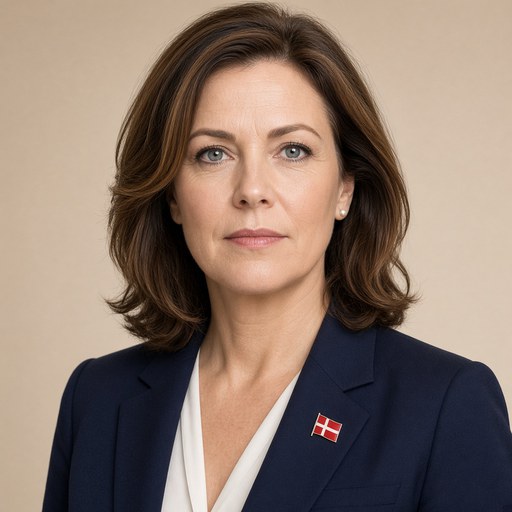
Prime Minister Helle Thorning-Schmidt's speech at the closing debate of the Folketing on June 10, 2014.
 Helle Thorning-Schmidt · Prime Minister of Denmark
- Context
- Thorning-Schmidt addressed the Folketing's closing debate on June 10, 2014, reviewing Denmark's economic recovery and the government's welfare and fiscal achievements.
- Main themes
- Economic recovery, welfare state, public sector investment, elderly care, healthcare reform, job growth, balanced fiscal policy, social solidarity, psychiatry, green infrastructure, Danish society, public spending growth
- Duration
- ~35 min
- Words
- 4,161
- Sentences
- 355
- Readability
- 60
- Grade
- 7.4
- Syntax
- 2.43
- Vocabulary
- 2.04
Translated from Danish
The broad sphere of national life a sentence belongs to. Every sentence has an Arena, so it is the denominator the other indices are read against.
Other355 sentences in 162 paragraphs
At Fabriksvej 8 in Odense lies the company Claus Andersen Stainless Steel. Here, blacksmiths and metalworkers work on welding, bending, and cutting steel.
They produce cabinets for storing defibrillators. They make elements for canteens. They carry out subcontracting for other companies.
Claus Andersen is one of the many Danish manufacturing companies that had to lay off staff during the crisis. But which has now begun to hire again.
I visited the company a month ago. It is busy. The order book is full. And the biggest concern is whether they can get everything done before the summer industrial holiday in July. There is a new optimism in Danish business.
Two months ago, I visited Slotsgården in Horsens. Here, 16 elderly people with dementia live.
Slotsgården is one of the many elderly centers and nursing homes around Denmark, where dedicated staff work hard to ensure that those who have worked hard throughout their lives can have a safe and dignified old age.
It is one of the most important tasks of the welfare society. Therefore, we are providing an extra billion kroner for our most vulnerable elderly.
More jobs and better welfare.
That is the balance in the government's policy.
From the day we took office, it has been our goal to guide Denmark safely through the crisis. Without cracks in our solidarity-based society.
And Denmark has moved on. Today, we are in a completely different place than we were three years ago.
The economy grew by almost 1 percent in the first three months of the year. This is shown by the preliminary figures from Statistics Denmark. And in the past year, 28,000 more people have entered the workforce.
Unemployment has fallen. Exports have risen. And the housing market is doing better.
Piece by piece, the picture is becoming clearer. Denmark is on the rise. And there is much to suggest that the upswing will take hold and increase in the coming years. This is the expectation from both the government and most economists.
And it is not only the economy that has improved. We have also implemented significant social improvements. For vulnerable children. For the elderly. For those who need it the most.
Denmark is back on track.
* * *
Some see the welfare society as a cost that needs to be kept down so that the private sector can grow.
That is not how I see it. I want a Denmark with both a strong public sector and a strong private sector.
I believe in a society where we take responsibility for each other and include everyone. I believe in a country with security and decency. I believe in a free, equal, and solidarity-based Denmark.
That is why the government has structured our economic policy so that public consumption can grow by a little more than 3 billion kroner each year. By the time we reach the year 2020, that will amount to an additional 22 billion kroner per year – compared to zero growth.
And 22 billion kroner is a difference that can be felt. It is more than we spend on all our high schools and vocational education combined.
But it is not a high growth in public spending when you look at what we have been used to in Denmark.
It is not luxury. It is what we need.
We will need more money when more elderly people need to see a doctor and go to the hospital. When we need to introduce new and better cancer treatments. And when more young people need an education.
If there is zero growth, where will that money come from? By cutting funding for kindergartens? By saving on nursing homes? We still lack answers to that.
The government has a clear answer: 22 billion kroner.
And we will not only provide more money. We will also do things smarter and more efficiently.
One example: When a citizen is rehabilitated at home rather than in the hospital, it is both easier for the individual and cheaper for the municipality and region.
Leading up to 2020, we will free up 12 billion kroner by organizing work better. And the public sector will become more efficient. The money we find in this way will stay in the public sector and be used where it benefits Danes the most.
* * *
The government pursues a balanced policy.
We have economic goals up to 2020. And we have social 2020 goals.
We invest our shared oil revenues in a green Train Fund.
And in the health sector, we prioritize free and equal access above all else. We will not accept that the size of your bank account determines when you get an appointment with the doctor. That is why we have abolished tax deductions for health insurance.
The government wants a strong public healthcare system.
We have agreed with the regions that they will have 1 billion kroner more next year for new treatment methods, more elderly patients, and more chronically ill individuals. And municipalities can strengthen their health tasks with 350 million kroner.
The government will also not accept that some forms of illness are considered more prestigious than others.
For many years, psychiatry was neglected.
I do not know if it is due to prejudice. Or that mental illnesses are less visible than physical ones. But I have never understood why it should be more serious to have diabetes than to have depression.
People with mental illness should have the same conditions as all other patients – of course they should.
And the conditions for those who work in psychiatry should also be better. The two things are connected.
We have experienced situations that have harmed patients and staff. We have witnessed tragic cases – where it ended in murder. It is terrible. And no one can guarantee that it will not happen again. But we can and must prevent better.
And first and foremost, we are working purposefully to elevate the entire psychiatric field. We have provided more beds for psychiatric departments. More people can receive subsidies for psychological treatment. And vulnerable children and young people receive help more quickly.
Now we are taking a big step forward. Three weeks ago, the government announced a long-term plan for a new and modern psychiatry.
We will allocate 1.6 billion kroner to psychiatry over the next four years. We will increase capacity and expand outpatient psychiatry. It is a historic investment. I think it is about time.
And fortunately, it is possible to recover from a mental illness. We must help people move on to a good and active life. That is why we will also strengthen rehabilitation.
The government will put an end to discrimination against people with mental illnesses.
Many of us need to work together to make this succeed.
Leaders and staff in hospitals and care facilities. The general practitioner. The caseworker in the job center. And you and I – as neighbors, colleagues, patients, or relatives.
* * *
People must be treated properly and with respect. This also applies to those who have lost their jobs.
Today, the unemployed are met with too much bureaucracy and meaningless activation. And too little respect for their situation.
This is not the fault of the staff in the job centers or unemployment insurance funds. I want to emphasize that. They do their best within the framework of the law. It is the law that we need to change.
The government will put the individual at the center. Because unemployed people are not the same. They are individuals with different experiences and dreams.
We will create a clear division of labor between unemployment insurance funds and job centers. So that unemployment insurance funds take care of those who – to put it simply – just need to find a job. And job centers take care of those who need more help.
We will put an end to pointless courses and provide the unemployed with real education.
The government will spend nearly 500 million kroner extra each year on the education of the unemployed. And we will spend the most money on those unemployed individuals who have the least education. They are next in line. It is fair and reasonable.
The goal is for more unemployed individuals to find permanent employment.
* * *
The best thing we can do for the individual and for the community is to give people the opportunity to get a job.
When we have historically high public investments, it creates jobs for painters, bricklayers, and electricians across the country.
And when it is so important for the government that our businesses have good conditions, it is with one goal in mind: Jobs.
For many years, Denmark has lagged behind countries like Sweden and Germany when it comes to becoming more productive. And our competitiveness has weakened.
We must strengthen the conditions for businesses. So that we can retain good and well-paid jobs in Denmark.
And we are already underway. Last year, a broad majority here in the Folketing implemented the largest growth plan in many years. With significant tax and duty reductions.
This year, the government has presented a large growth package with nearly 90 proposals.
I want to be clear: The two major growth initiatives should not do the same thing. They should complement each other. Together, they represent a very significant improvement in the conditions for creating jobs in Denmark.
With the new growth package, we will make it easier to create jobs. We will reduce the time it takes for the state and municipalities to process cases for businesses – for example, the 50,000 building cases that municipalities handle each year.
We will improve access to financing. We will extend the Growth Loan Scheme for smaller businesses that cannot provide sufficient collateral to obtain bank loans.
We will make goods and services cheaper. Therefore, the utility sector must be more efficient. This will lead to lower prices for electricity, water, and heating for businesses and consumers.
Lower costs are particularly important for our manufacturing companies. They are up against tough international competition.
The government is committed to ensuring that there continue to be industrial jobs in Denmark. Production is important for creating jobs outside the major cities, for our exports, and for retaining research and development in Denmark.
At the same time, we have high ambitions for our environment and climate. This creates green jobs. But we also have to consider the businesses that do not rely on building wind turbines or solar panels.
That is why we are easing companies' expenses for space heating by a total of 5 billion kroner leading up to 2020. We are reducing PSO fees on energy by 6 billion kroner.
And we have agreed with the labor market parties on how we will specifically use the billion kroner we have set aside for better adult and continuing education. Well-educated employees at all levels are one of Denmark's best cards in global competition.
Therefore, we must provide more education to those who have the least. Now, 180,000 more students can take Danish courses, obtain a bus driving license, get a crane certificate, take a marketing course, or something entirely different.
* * *
The opportunity to become more skilled is perhaps the strongest force to change a person's life and to change our society. That is why education will always be a hallmark for the government.
In two months, children will start at a new public school.
These days, many teachers are receiving their schedules for the next school year. There will be new ways of working. Different demands will be placed. And there are new opportunities.
Children, teachers, parents, educators, and school leaders are engaged in the largest transformation of the public school in many years.
It is a shared challenge to make it work. There are new teaching methods and forms of collaboration that need to be tested, and which may work better on the second attempt than on the first. It is rare that everything works just as it should from day one.
Changes require something from us. But they give us more in return.
I encourage everyone to work together towards the goal: To make a good public school even better. So that all children can thrive and become more skilled.
Some schools are already well underway. What experiences have they gained?
At Gladsaxe School, the youngest students have received an extra hour from 1 PM to 2 PM, where educators and teachers lead games with letter sounds or mathematics. It is going so well that the school also wants to use the educators in the older classes.
At Naur Sir School in Holstebro, students have tried staying longer at school for homework help. Especially to the delight of those who cannot get help at home.
At Alkestrup School in Tureby on Zealand, there is academic reading in all subjects. When students receive a math assignment about the Great Wall of China, the class also reads texts about the wall. It takes time to delve into the material – but it gives students a much better understanding of the subject.
Time for homework help, academic immersion, and new ways of learning – these are examples of the coherent and varied school day that more than half a million children will experience after the summer holiday.
Right now, about 100,000 students are taking the public school exams after 9th and 10th grade. What will they do after the summer holiday?
Most will start a youth education. And for the first time in many years, a few more have chosen a vocational education.
I am glad that it is going that way.
We need to have balance in our education policy. No education is finer than another. We must recognize a pride and joy in performing good practical work. Denmark needs process operators, media graphic designers, dental clinic assistants, and many other skilled workers.
Vocational education was neglected for 10 years. Now we have entered into a broad agreement on better vocational education. A higher level, more hours, and a fixed number of hours. With the clear goal of training more and better in vocational education.
The government will continue to work on improving our education.
How can we make our high schools better? When so many young people take supplementary courses after high school, something is not good enough.
And how can we raise the quality of universities? Are we training too many in some areas and too few in others? These are some of the questions we need to address.
Our education must be of high quality. It is a shared task. It requires collaboration in schools and educational institutions. It requires collaboration here in the Folketing.
That is why I am glad that a broad group of parties is involved in the agreement on public schools and in the agreement on vocational education.
* * *
There is also broad support here in the Folketing for cooperation in the realm of the Kingdom. That was confirmed by the debate we had not long ago.
We have a modern Kingdom that can accommodate our differences and equal countries. We have a collaboration where we speak openly with each other and find solutions – even on difficult issues. And where we show that we can achieve more together than separately.
The EU, Norway, and the Faroe Islands have successfully reached an agreement on mackerel fishing. I hope that we will also succeed in finding a solution for herring fishing.
This is a matter that could have challenged our realm community. But both the Faroe Islands and Denmark have had a strong desire not to undermine our relationship. The Government has understood Denmark's situation as a member of both the EU and the realm community.
In Greenland, those who are legally fatherless have been in a difficult situation. These are the Greenlanders who were born out of wedlock before the Child Law of 1962.
Now we in the Folketing have decided that they can be informed of who their father is. I am sure we can all understand how important this is for a person.
And I am pleased that there is also very broad support here in the Folketing for Denmark and Greenland to work together on how we can give the legally fatherless the opportunity to process their past and move on.
Greenland needs to develop its industries and create new revenues. It will make a significant difference if the country can better utilize its resources. Tomorrow we will pass the accompanying law to the Greenlandic large-scale law. And thus, the legal framework for foreigners' residence and work permits for large-scale projects in Greenland is in place.
This is a prerequisite for, for example, the large iron ore project in Isukasia to be initiated.
* * *
In Greenland, the sea ice is thinning. And the ice sheet is retreating. Few places are this clearer than at the Jakobshavn Glacier near Ilulissat, which I visited in March together with UN Secretary-General Ban Ki-moon.
With the visit, we aimed to strengthen global attention on climate change. The conditions for Greenlandic hunters are changing as the ice melts. In other parts of the world, people are challenged by drought or heavy rainfall.
The government will work for an ambitious outcome at the UN climate summit in Paris next year. And we are working for the EU to lead with high goals for climate and energy policy.
Denmark has an interest in ambitious international goals. Danish companies are leaders in pumps, wind turbines, and energy technology. And as a society, we are far along in the green transition.
That is why we are being listened to. Danish expertise gives Denmark influence in the world.
Green technology was also an important part of this year's two major business missions – the largest Danish missions in Asia ever. Her Majesty the Queen led a very successful state visit to China in the spring with a record number of Danish companies. And I myself was in Japan with a large delegation of business leaders.
China is the country in the world that uses the most energy. And large parts of the Japanese energy sector need to be restructured after the disaster at the Fukushima nuclear power plant three years ago.
Danish exports of energy technology have never been greater. Denmark has a strong image as a green and sustainable society. We must continue to raise awareness of this in China, in Japan, and in the rest of the world.
* * *
Danish expertise is in demand. This also applies in the world's conflict areas.
Denmark is not standing on the sidelines. We are engaging.
We take responsibility that extends far beyond our borders. And this gives us influence in the world.
Denmark took a leading role in removing chemical substances from Syria. An important task that we are carrying out on behalf of the international community. And a mission without precedent.
I am proud of the efforts our deployed personnel have made on the Danish ships.
In Afghanistan, our tanks have completed their last operation. And now the Danish camp can be completely packed down. After eight years of effort in Helmand Province.
I have visited Helmand several times, and each time it has filled me with pride to see how Danish soldiers and deployed personnel have taken on the task. I want to thank all of you who have made a great effort under difficult conditions.
The mission in Afghanistan is tough. Also for the families back home. They have had to bear fear and uncertainty. And some must today live with a loss that cannot be put into words.
Now we are putting a period at the end of a significant chapter in Danish foreign policy. But we are not closing the book. The international community must ensure the results we have achieved. Therefore, the government will discuss with the parties how Danish engagement in Afghanistan should be structured from January 1, 2015.
Peace and security are not a given. Not even in countries closer to Denmark.
We have sent F-16 aircraft to Estonia to support the monitoring of airspace over the Baltic countries. And we have reached out a hand to the beleaguered population in Ukraine. Denmark has helped ensure that EU countries stand together to put pressure on Russia to change course.
We have shown that solidarity for us in Denmark is not just words – it is also action.
* * *
An effective defense for peace and freedom in Europe requires that we work closely with the other member states in the EU. The crisis in Ukraine is a clear example of this.
Denmark is not an isolated island. The economy in Europe and the rest of the world has consequences for Danish jobs. Organized crime knows no borders. And global climate change also affects our country.
We cannot choose to ignore this. But we can choose whether we want to be part of making the decisions that affect our everyday lives in Denmark.
The patent court is a practical and concrete example of the opportunities we have in European cooperation. In the referendum two weeks ago, a resounding majority of voters said yes to Denmark being part of the common patent to benefit our jobs.
The election to the European Parliament also gave a solid majority to the parties that want a strong European community. At the same time, the skeptics received significant support. They have so far provided much criticism. And only a few proposals for realistic solutions. Now it is up to them to deliver results for the voters.
But results require that we cooperate in Europe.
Some believe that Denmark can determine more by cooperating less. I have no doubt: It is the other way around.
We increase our self-determination when we actively participate in European cooperation. That is why the government is working to be as close to the core of the EU as possible.
One example: Europe must reduce its dependence on imported energy. For the sake of the environment. For the sake of our security.
This is a Danish hallmark. And it is on a Danish proposal that the Commission presented a comprehensive plan two weeks ago to limit Europe's energy dependence. This is a current and concrete example of how we are making a difference in cooperation.
A well-functioning internal market is important for Denmark's prosperity. And everyone who sells goods in the EU must meet common standards so that we do not compete on poor environmental protection or inadequate consumer protection. These are again Danish hallmarks where we are making a difference.
The question of welfare benefits and the free movement of labor has been a significant topic in the Danish debate. Also here in this chamber.
My position is clear: EU citizens should use the free movement of labor to move to where they can find work. It should not be used to travel to where one can receive the best welfare benefits.
The EU is not one large welfare state. And it should not be.
That is why the government has initiated a dialogue with the Commission. We will work to ensure that EU rules in the future reflect a reality where there are significant differences in income and welfare benefits between member states.
This is a dialogue that I encourage the responsible parties in the Folketing to support. Instead of demanding that the government deny EU citizens their rights – as has unfortunately been the case with the child benefit.
That has no place in a rule of law.
Danish EU policy has always been based on a broad range of parties taking a common responsibility. A solid consensus is the way for Denmark to act effectively in the EU in favor of our interests.
But this requires that the solid support is there in the daily work. I urge that we in the Folketing work together to promote Denmark's interests and values in Europe – even when it is difficult.
* * *
We must have the courage to make difficult decisions. We must have the will to cooperate and move forward.
And Denmark has moved forward.
Do you remember what it was like three years ago?
Jobs were disappearing. Families were struggling. And uncertainty was high.
That is no longer the case. Now we are moving forward.
Those Danes who have found work feel it. Those who no longer fear for their jobs feel it. Our children and young people feel it, as they receive an even better public school education.
Denmark is back on track. We are picking up speed. Now we must stay the course.
I want to be clear: The time is not for experiments. Neither with unfunded tax cuts. Nor with unfunded welfare.
The time is for responsible politics, where the goal is both more jobs and better welfare. A Denmark in balance.
The original Danish. The tags above are read on the English translation's sentences.
På Fabriksvej 8 i Odense ligger virksomheden Claus Andersen Rustfrit Stål. Her arbejder smede og metalarbejdere med at svejse, bukke og skære stålet.
De producerer skabe til at opbevare hjertestartere. De laver elementer til kantiner. De udfører underentrepriser for andre virksomheder.
Claus Andersen er en af de mange danske produktionsvirksomheder, der måtte fyre folk under krisen. Men som nu er begyndt at ansætte igen.
Jeg besøgte virksomheden for en måned siden. Der er travlt. Ordrebogen er fuld. Og den største bekymring er, om de nu kan nå det hele inden industriferien i juli. Der er en ny optimisme i dansk erhvervsliv.
For to måneder siden besøgte jeg Slotsgården i Horsens. Her bor 16 ældre med demens.
Slotsgården er et af de mange ældrecentre og plejehjem rundt om i Danmark, hvor engagerede medarbejdere knokler for, at de mennesker, der selv har arbejdet hårdt gennem livet, kan få en tryg og værdig alderdom.
Det er en af velfærdssamfundets allervigtigste opgaver. Derfor giver vi en milliard kroner ekstra til vores svageste ældre.
Flere job og bedre velfærd.
Dét er balancen i regeringens politik.
Fra den dag vi trådte til, har det været vores mål at bringe Danmark trygt gennem krisen. Uden skår i vores solidariske samfund.
Og Danmark er kommet videre. I dag står vi et helt andet sted end for tre år siden.
Økonomien voksede med næsten 1 procent i de første tre måneder af året. Det viser Danmark Statistiks foreløbige tal. Og det seneste år er 28.000 flere kommet i arbejde.
Ledigheden er faldet. Eksporten er steget. Og boligmarkedet har det bedre.
Brik for brik bliver billedet mere klart. Danmark er i fremgang. Og meget tyder på, at fremgangen vil bide sig fast og tage til i de kommende år. Det er forventningen både fra regeringen og de fleste økonomer.
Og det er ikke kun økonomien, der har fået det bedre. Vi har også gennemført markante sociale forbedringer. For udsatte børn. For de ældre. For dem, der har mest brug for det.
Danmark er tilbage på sporet.
* * *
Nogle ser velfærdssamfundet som en omkostning, der skal holdes nede, så den private sektor kan vokse.
Sådan ser jeg det ikke. Jeg ønsker et Danmark med både en stærk offentlig sektor og en stærk privat sektor.
Jeg tror på et samfund, hvor vi tager ansvar for hinanden og får alle med. Jeg tror på et land med tryghed og ordentlighed. Jeg tror på et frit, lige og solidarisk Danmark.
Derfor har regeringen tilrettelagt vores økonomiske politik, så det offentlige forbrug kan vokse med lidt mere end 3 milliarder kroner hvert år. Når vi kommer frem til år 2020 er det blevet til 22 milliarder kroner ekstra om året – sammenlignet med nulvækst.
Og 22 milliarder kroner er en forskel, der kan mærkes. Det er mere, end vi bruger på alle vores gymnasier og erhvervsuddannelser tilsammen.
Men det er ikke en høj vækst i de offentlige udgifter, hvis man ser på, hvad vi har været vant til i Danmark.
Det er ikke luksus. Det er, hvad vi har brug for.
Vi får brug for flere penge, når der kommer flere ældre, der skal til lægen og på sygehuset. Når vi skal indføre ny og bedre kræftbehandling. Og når flere unge skal have en uddannelse.
Hvis der er nulvækst, hvor skal de penge så komme fra? Ved at skære i børnehaverne? Ved at spare på plejehjemmene? Det mangler vi stadig svar på.
Regeringen har et klart svar: 22 milliarder kroner.
Og vi vil ikke bare komme med flere penge. Vi vil også gøre tingene smartere og mere effektivt.
Et eksempel: Når borgeren bliver genoptrænet hjemme og ikke på hospitalet, så er det både lettere for den enkelte og billigere for kommunen og regionen.
Frem mod 2020 vil vi frigøre 12 milliarder kroner ved, at arbejdet bliver tilrettelagt bedre. Og den offentlige sektor bliver mere effektiv. De penge, vi finder på den måde, skal blive i den offentlige sektor og bruges dér, hvor de gør mest gavn for danskerne.
* * *
Regeringen fører en politik i balance.
Vi har mål for økonomien frem til 2020. Og vi har sociale 2020-mål.
Vi investerer vores fælles oliepenge i en grøn Togfond.
Og på sundhedsområdet sætter vi den frie og lige adgang over alt andet. Vi vil ikke acceptere, at bankkontoens størrelse bestemmer, hvornår du får en tid hos lægen. Derfor har vi afskaffet fradrag for sundhedsforsikringer.
Regeringen ønsker et stærkt offentligt sundhedsvæsen.
Vi har aftalt med regionerne, at de til næste år har 1 milliard kroner mere til nye behandlingsformer, flere ældre patienter og flere kronisk syge. Og kommunerne kan styrke deres sundhedsopgaver med 350 millioner kroner.
Regeringen vil heller ikke acceptere, at nogle former for sygdom regnes for finere end andre.
I mange år blev psykiatrien forsømt.
Jeg ved ikke, om det skyldes fordomme. Eller at psykiske sygdomme er mindre synlige end de fysiske. Men jeg har aldrig forstået, at det skulle være mere alvorligt at få diabetes end at få en depression.
Mennesker med psykisk sygdom skal have samme vilkår som alle andre patienter – selvfølgelig skal de det.
Og forholdene for dem, der arbejder i psykiatrien, skal også være bedre. De to ting hænger sammen.
Vi har oplevet situationer, der har skadet patienter og medarbejdere. Vi har oplevet tragiske tilfælde – hvor det endte med drab. Det er forfærdeligt. Og ingen kan garantere, at det ikke sker igen. Men vi kan og skal forebygge bedre.
Og først og fremmest arbejder vi målrettet på at løfte hele psykiatrien. Vi har givet flere sengepladser til de psykiatriske afdelinger. Flere kan få tilskud til psykolog. Og sårbare børn og unge får hurtigere hjælp.
Nu tager vi et stort skridt videre. For tre uger siden offentliggjorde regeringen en langsigtet plan for en ny og moderne psykiatri.
Vi vil tilføre psykiatrien 1,6 milliarder kroner over de næste fire år. Vi vil øge kapaciteten og udbygge den ambulante psykiatri. Det er en historisk investering. Jeg synes, det er på tide.
Og så er det heldigvis muligt at komme sig efter en psykisk sygdom. Vi skal hjælpe mennesker videre til et godt og aktivt liv. Derfor vil vi også styrke rehabiliteringen.
Regeringen vil gøre op med forskelsbehandling af mennesker med psykiske sygdomme.
Vi er mange, der skal arbejde sammen for at få det til at lykkes.
Ledere og medarbejdere på sygehuse og botilbud. Lægen i almen praksis. Sagsbehandleren i jobcentret. Og du og jeg – som naboer, kolleger, patienter eller pårørende.
* * *
Mennesker skal behandles ordentligt og med respekt. Det gælder også dem, der har mistet deres arbejde.
I dag bliver de ledige mødt af for meget bureaukrati og meningsløs aktivering. Og for lidt respekt for deres situation.
Det skyldes ikke medarbejderne på jobcentrene eller i a-kassen. Det vil jeg gerne understrege. De gør deres bedste inden for lovens rammer. Det er loven, vi skal lave om.
Regeringen vil sætte den enkelte i centrum. For arbejdsløse er ikke ens. De er mennesker med forskellige erfaringer og drømme.
Vi vil lave en klar arbejdsdeling mellem a-kasser og jobcentre. Så a-kasserne tager sig af de ledige, der – sagt lidt forenklet – bare skal finde et job. Og jobcentrene tager sig af de ledige, der har brug for mere hjælp.
Vi vil gøre op med pipfuglekurser og give de ledige en reel uddannelse.
Regeringen vil bruge tæt på 500 millioner kroner ekstra hvert år på uddannelse af de arbejdsløse. Og vi vil bruge flest penge på de ledige, der har mindst uddannelse. De står for tur. Det er ret og rimeligt.
Målet er, at flere ledige skal i varig beskæftigelse.
* * *
Det bedste, vi kan gøre for den enkelte og for fællesskabet, er at give folk mulighed for at få et arbejde.
Når vi har historisk høje offentlige investeringer, så giver det arbejde til malere, murere og elektrikere rundt om i landet.
Og når det er så vigtigt for regeringen, at vores virksomheder har gode vilkår, så er det med ét mål for øje: Arbejdspladser.
Gennem mange år har Danmark haltet efter for eksempel Sverige og Tyskland, når det handler om at blive mere produktive. Og vores konkurrenceevne er blevet svækket.
Vi skal styrke erhvervslivets vilkår. Så vi kan fastholde gode og vellønnede job i Danmark.
Og vi er i fuld gang. Sidste år gennemførte et bredt flertal her i Folketinget den største vækstplan i mange år. Med markante skatte- og afgiftslettelser.
I år har regeringen fremlagt en stor vækstpakke med næsten 90 forslag.
Jeg vil sige det helt klart: De to store vækstudspil skal ikke gøre det samme. De skal supplere hinanden. Tilsammen betyder de en meget markant forbedring af vilkårene for at skabe arbejdspladser i Danmark.
Med den nye vækstpakke vil vi gøre det nemmere at skabe job. Vi vil nedbringe den tid, som stat og kommuner er om at klare sager for virksomhederne – for eksempel de 50.000 byggesager, som kommunerne behandler hvert år.
Vi vil forbedre adgangen til finansiering. Vi forlænger Vækstlåneordningen for mindre virksomheder, der ikke kan stille tilstrækkelig sikkerhed til at få banklån.
Vi vil gøre varer og serviceydelser billigere. Derfor skal forsyningssektoren være mere effektiv. Det vil give lavere priser på el, vand og varme til virksomheder og forbrugere.
Lavere omkostninger er særligt vigtige for vores produktionsvirksomheder. De er oppe mod en hård international konkurrence.
Regeringen er optaget af, at der fortsat skal være industriarbejdspladser i Danmark. Produktion er vigtig for at skabe job uden for de store byer, for vores eksport og for at beholde forskning og udvikling i Danmark.
Samtidig har vi høje ambitioner for vores miljø og klima. Det giver grønne arbejdspladser. Men vi har også et hensyn til de virksomheder, der ikke lever af at bygge vindmøller eller solceller.
Derfor lemper vi virksomhedernes udgifter til rumvarme med samlet 5 milliarder kroner frem mod 2020. Vi sænker PSO-afgifter på energi med 6 milliarder kroner
Og vi har aftalt med arbejdsmarkedets parter, hvordan vi konkret skal bruge den milliard, vi har sat af til bedre voksen- og efteruddannelser. Veluddannede medarbejdere på alle niveauer er et af Danmarks bedste kort i den globale konkurrence.
Derfor skal vi give mere uddannelse til dem, der har mindst. Nu kan 180.000 flere kursister komme på danskkursus, tage et buskørekort, få et krancertifikat, tage et kursus i markedsføring eller noget helt femte.
* * *
Muligheden for at blive dygtigere er nok den stærkeste kraft til at forandre et menneskes liv og til at forandre vores samfund. Derfor vil uddannelse altid være en mærkesag for regeringen.
Om to måneder starter børnene i en ny folkeskole.
I de her dage får mange lærere deres skemaer for næste skoleår. Der skal arbejdes på nye måder. Der bliver stillet andre krav. Og der er nye muligheder.
Børn, lærere, forældre, pædagoger og skoleledere er i gang med den største forandring af folkeskolen i mange år.
Det er en fælles udfordring at få det til at fungere. Der er nye undervisningsmetoder og samarbejdsformer, som skal prøves af, og som måske bliver bedre i andet forsøg end i første. Det er sjældent, alting virker, lige som det skal fra dag ét.
Forandringer kræver noget af os. Men de giver os mere tilbage.
Jeg vil opfordre alle til at arbejde sammen mod målet: At gøre en god folkeskole endnu bedre. Så alle børn kan trives og blive dygtigere.
Nogle skoler er godt i gang. Hvilke erfaringer har de gjort sig?
På Gladsaxe Skole har de yngste elever fået en ekstra time fra klokken 13 til 14, hvor pædagoger og lærere står for lege med bogstavlyde eller matematik. Det går så godt, at skolen også vil bruge pædagogerne i de ældre klasser.
På Naur Sir skolen i Holstebro har eleverne prøvet at blive længere på skolen til lektiehjælp. Især til glæde for dem, der ikke kan få hjælp hjemme.
På Alkestrupskolen i Tureby på Sjælland er der faglig læsning i alle fag. Når eleverne får en matematikopgave, som handler om den kinesiske mur, så læser klassen også tekster om muren. Det kræver tid at fordybe sig – til gengæld giver det eleverne en langt bedre forståelse af stoffet.
Tid til lektiehjælp, faglig fordybelse og nye måder at lære på – det er eksempler på den sammenhængende og afvekslende skoledag, som mere end en halv million børn vil møde efter sommerferien.
Lige nu er omkring 100.000 elever i gang med folkeskolens prøver efter 9. og 10. klasse. Hvad vil de efter sommerferien?
De fleste skal i gang med en ungdomsuddannelse. Og for første gang i mange år er der lidt flere, der har valgt en erhvervsuddannelse.
Jeg er glad for, at det går den vej.
Vi skal have balance i vores uddannelsespolitik. Ingen uddannelser er finere end andre. Vi skal anerkende en stolthed og en glæde ved at udføre et godt praktisk arbejde. Danmark har brug for procesoperatører, mediegrafikere, tandklinikassistenter og de mange andre faglærte.
Erhvervsuddannelserne var forsømt i 10 år. Nu har vi indgået en bred aftale om bedre erhvervsuddannelser. Et højere niveau, flere timer og et fast timetal. Med det klare mål at uddanne flere og bedre på de faglige uddannelser.
Regeringen vil arbejde videre med at forbedre vores uddannelser.
Hvordan kan vi gøre vores gymnasier bedre? Når så mange unge tager supplerende kurser efter gymnasiet, så er der noget, som ikke er godt nok.
Og hvordan kan vi hæve kvaliteten på universiteterne? Uddanner vi for mange nogle steder og for få andre steder? Det er nogle af de spørgsmål, vi skal tage fat på.
Vores uddannelser skal have høj kvalitet. Det er en fælles opgave. Den kræver samarbejde på skoler og uddannelsesinstitutioner. Den kræver samarbejde her i folketinget.
Derfor er jeg glad for, at en bred kreds af partier er med i aftalen om folkeskolen og i aftalen om erhvervsuddannelserne.
* * *
Der er også bred opbakning her i Folketinget til samarbejdet i rigsfællesskabet. Det bekræftede den debat, vi havde for kort tid siden.
Vi har et moderne rigsfællesskab, der kan rumme, at vi er forskellige og ligeværdige lande. Vi har et samarbejde, hvor vi taler åbent med hinanden og finder løsninger – også på vanskelige sager. Og hvor vi viser, at vi kan mere sammen end hver for sig.
Det er lykkedes EU, Norge og Færøerne at blive enige om en aftale for makrelfiskeriet. Jeg håber, at det også lykkes at finde en løsning for sildefiskeriet.
Det er en sag, som kunne have udfordret vores rigsfællesskab. Men både Færøerne og Danmark har haft et stærkt ønske om ikke at slå skår i vores forhold. Landsstyret har haft forståelse for Danmarks situation som medlem af både EU og rigsfællesskabet.
I Grønland har de juridisk faderløse stået i en svær situation. Det er de grønlændere, der er født uden for ægteskab før børneloven fra 1962.
Nu har vi her i Folketinget besluttet, at de kan få at vide, hvem der er deres far. Jeg er sikker på, vi alle sammen kan forstå, hvor vigtigt det er for et menneske.
Og jeg er glad for, at der også er meget bred opbakning her i Folketinget til, at Danmark og Grønland arbejder sammen om, hvordan vi kan give de juridisk faderløse mulighed for at bearbejde deres fortid og komme videre.
Grønland har brug for at udvikle sine erhverv og skabe nye indtægter. Og det vil få stor betydning, hvis landet kan udnytte sine råstoffer bedre. I morgen vedtager vi følgeloven til den grønlandske storskalalov. Og dermed er juraen om udlændinges opholds- og arbejdstilladelser på plads for storskalaprojekter i Grønland.
Det er en forudsætning for, at for eksempel det store jernmineprojekt i Isukasia kan sættes i gang.
* * *
Ved Grønland bliver havisen tyndere. Og indlandsisen trækker sig tilbage. Få steder er det tydeligere end ved Jakobshavn Isbræ ved Ilulissat, som jeg besøgte i marts måned sammen med FN’s generalsekretær Ban Ki-moon.
Med besøget ønskede vi at styrke den globale opmærksomhed om klimaforandringer. De grønlandske fangeres vilkår ændrer sig, når isen smelter. I andre dele af verden bliver mennesker udfordret af tørke eller kraftige regnskyl.
Regeringen vil arbejde for et ambitiøst resultat ved FN’s klimatopmøde i Paris til næste år. Og vi arbejder for, at EU går foran med høje mål for klima- og energipolitikken.
Danmark har en interesse i ambitiøse internationale mål. Danske virksomheder er førende inden for pumper, vindmøller og energiteknologi. Og som samfund er vi langt med den grønne omstilling.
Derfor bliver der lyttet til os. Dansk ekspertise giver dansk indflydelse i verden.
Grøn teknologi var også en vigtig del af årets to store erhvervsfremstød – de største danske fremstød i Asien nogensinde. H.M. Dronningen stod i foråret i spidsen for et meget succesfyldt statsbesøg til Kina med et rekordstort antal danske virksomheder. Og jeg var selv i Japan med en stor delegation af erhvervsledere.
Kina er det land i verden, der bruger mest energi. Og store dele af den japanske energisektor skal omlægges efter katastrofen ved Fukushima atomkraftværket for tre år siden.
Den danske eksport af energiteknologi har aldrig været større. Danmark har et stærkt image som et grønt og bæredygtigt samfund. Det skal vi blive ved med at gøre opmærksom på i Kina, i Japan og i resten af verden.
* * *
Dansk ekspertise er efterspurgt. Det gælder også i verdens konfliktområder.
Danmark står ikke ved sidelinjen. Vi engagerer os.
Vi tager et ansvar, der rækker langt ud over vores grænser. Og det giver os indflydelse i verden.
Danmark påtog sig en ledende rolle med at få kemiske stoffer væk fra Syrien. En vigtig opgave, som vi løser på vegne af det internationale samfund. Og en mission uden fortilfælde.
Jeg er stolt af den indsats, vores udsendte har ydet på de danske skibe.
I Afghanistan har vores kampvogne afsluttet deres sidste operation. Og nu kan den danske lejr pakkes helt ned. Efter otte års indsats i Helmand-provinsen.
Jeg har besøgt Helmand flere gange, og hver gang har det fyldt mig med stolthed at se, hvordan danske soldater og udsendte har løftet opgaven. Jeg vil sige tak til alle jer, der har ydet en stor indsats under svære vilkår.
Missionen i Afghanistan er hård. Også for familierne herhjemme. De har måttet bære frygt og usikkerhed. Og nogle må i dag leve med et savn, som der ikke er ord for.
Nu sætter vi punktum for et markant kapitel i dansk udenrigspolitik. Men vi lukker ikke bogen i. Det internationale samfund skal sikre de resultater, vi har opnået. Derfor vil regeringen drøfte med partierne, hvordan det danske engagement i Afghanistan skal sammensættes fra 1. januar 2015.
Fred og sikkerhed er ingen selvfølge. Heller ikke i lande tættere på Danmark.
Vi har sendt F-16-fly til Estland for at støtte overvågningen af luftrummet over de baltiske lande. Og vi har rakt en hånd ud til den trængte befolkning i Ukraine. Danmark har været med til at sikre, at EU-landene står sammen om at lægge pres på Rusland, så landet ændrer kurs.
Vi har vist, at solidaritet for os i Danmark ikke bare er ord – det er også handling.
* * *
Et effektivt forsvar for fred og frihed i Europa forudsætter, at vi arbejder tæt sammen med de andre medlemslande i EU. Det er krisen i Ukraine et tydeligt eksempel på.
Danmark er ikke en isoleret ø. Økonomien i Europa og resten af verden har konsekvenser for danske arbejdspladser. Organiseret kriminalitet kender ingen grænser. Og globale klimaforandringer påvirker også vores land.
Det kan vi ikke vælge til eller fra. Men vi kan vælge, om vi vil være med til at træffe de beslutninger, der påvirker vores hverdag i Danmark.
Patentdomstolen er et praktisk og konkret eksempel på de muligheder, vi har i det europæiske samarbejde. Ved folkeafstemningen for to uger siden sagde et rungende flertal af vælgerne ja til, at Danmark skal være med i det fælles patent til gavn for vores arbejdspladser.
Valget til Europa-Parlamentet gav også et sikkert flertal til de partier, som ønsker et stærkt europæisk fællesskab. Samtidig fik skeptikerne stor opbakning. De er hidtil kommet med megen kritik. Og kun med få bud på realistiske løsninger. Nu er det op til dem at levere resultater for vælgerne.
Men resultater kræver jo netop, at vi samarbejder i Europa.
Nogle mener, at Danmark kan bestemme mere ved at samarbejde mindre. Jeg er ikke i tvivl: Det er lige omvendt.
Vi øger vores selvbestemmelse, når vi deltager aktivt i det europæiske samarbejde. Derfor arbejder regeringen på at være så tæt på kernen i EU som muligt.
Et eksempel: Europa skal begrænse sin afhængighed af importeret energi. Af hensyn til miljøet. Af hensyn til vores sikkerhed.
Det er en dansk mærkesag. Og det er på dansk forslag, at Kommissionen for to uger siden fremlagde en samlet plan til at begrænse Europas energiafhængighed. Det er et aktuelt og konkret eksempel på, at vi gør en forskel i samarbejdet.
Et velfungerende indre marked er vigtigt for Danmarks velstand. Og alle, der sælger varer i EU, skal leve op til fælles standarder, så vi ikke konkurrerer på dårlig miljøbeskyttelse eller mangelfuld forbrugerbeskyttelse. Det er igen danske mærkesager, hvor vi gør en forskel.
Spørgsmålet om velfærdsydelser og arbejdskraftens frie bevægelighed har fyldt meget i den danske debat. Også her i salen.
Min holdning er klar: EU-borgere skal bruge arbejdskraftens fri bevægelighed til at flytte derhen, hvor de kan få arbejde. Den skal ikke bruges til at rejse derhen, hvor man kan få de bedste velfærdsydelser.
EU er ikke én stor velfærdsstat. Og det skal EU heller ikke være.
Derfor har regeringen indledt en dialog med Kommissionen. Vi vil arbejde for, at EU-reglerne fremover afspejler en virkelighed, hvor der er store forskelle i indkomster og velfærdsydelser mellem medlemsstaterne.
Det er en dialog, som jeg vil opfordre de ansvarlige partier i Folketinget til at bakke op om. I stedet for at kræve, at regeringen nægter EU-borgere deres rettigheder – som det desværre har været tilfældet med børnechecken.
Det hører ikke hjemme i en retsstat.
Dansk EU-politik har altid bygget på, at en bred kreds af partier har taget et fælles ansvar. En solid enighed er vejen til, at Danmark kan handle effektivt i EU til fordel for vores interesser.
Men det forudsætter, at den solide opbakning er der i det daglige arbejde. Jeg vil opfordre til, at vi her i Folketinget arbejder sammen om at fremme Danmarks interesser og værdier i Europa – også når det er besværligt.
* * *
Vi skal have modet til at træffe svære beslutninger. Vi skal have viljen til at samarbejde og komme videre.
Og Danmark er kommet videre.
Kan I huske, hvordan det var for tre år siden?
Arbejdspladser forsvandt. Familier havde det svært. Og usikkerheden var stor.
Sådan er det ikke mere. Nu går det fremad.
Det mærker de danskere, der har fået arbejde. Det mærker de, der ikke længere frygter for deres job. Det mærker vores børn og unge, der får en endnu bedre folkeskole.
Danmark er tilbage på sporet. Vi er ved at komme op i fart. Nu skal vi holde kursen.
Jeg vil sige det helt klart: Tiden er ikke til eksperimenter. Hverken med ufinansierede skattelettelser. Eller med ufinansieret velfærd.
Tiden er til en ansvarlig politik, hvor målet både er flere job og bedre velfærd. Et Danmark i balance.