




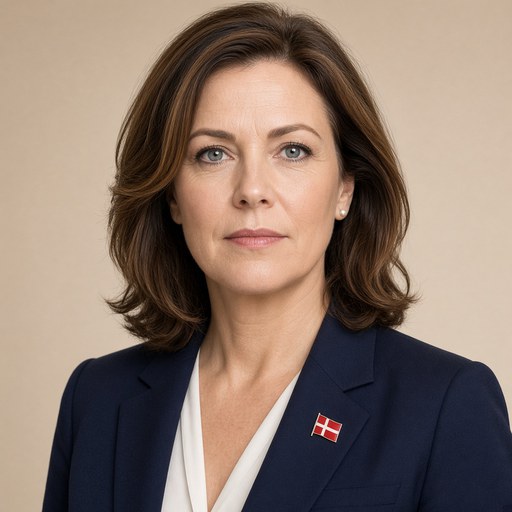
Prime Minister Helle Thorning-Schmidt's speech at the Danish Construction Association's Annual Day on April 24, 2014.
 Helle Thorning-Schmidt · Prime Minister of Denmark
- Context
- Thorning-Schmidt addressed the Danish Construction Association's Annual Day at the Tivoli Congress Center on April 24, 2014, discussing economic recovery and industry challenges.
- Main themes
- Construction industry recovery, economic growth and optimism, public investment, vocational education and skilled trades, social dumping and labor standards, infrastructure development, government economic policy, private and public sector balance, workplace inspections and enforcement, craftsmanship and trade pride
- Duration
- ~17 min
- Words
- 2,054
- Sentences
- 195
- Readability
- 64
- Grade
- 6.7
- Syntax
- 2.37
- Vocabulary
- 1.96
Translated from Danish
The broad sphere of national life a sentence belongs to. Every sentence has an Arena, so it is the denominator the other indices are read against.
Other195 sentences in 81 paragraphs
Dear everyone.
Have you thought about how much time we spend in buildings?
Right now, we are in the Tivoli Congress Center. I have heard that we spend more than 20 out of the 24 hours of the day in buildings like the ones you have built.
And what do we do in the last three or four hours? Well, in part, we drive on roads that you have constructed. Lit by electric cables that you have laid out. Or we check our phones thanks to antennas that you have set up.
You shape our everyday lives. You build our country. And you provide jobs for thousands of people in Denmark.
The construction industry was among the first to be hit by the economic crisis. And you are particularly dependent on growth picking up again.
There are signs that it is happening. The mood is starting to change. Danes are beginning to regain faith in the future. Families and businesses are more optimistic.
Last year, the Danish economy grew. Employment increased. Unemployment fell.
Some of you here in the room are starting to feel it. But I also know that there are many who cannot feel it yet. Because we still need Danes to feel confident enough to order a new bathroom. And for businesses to start new construction projects.
We are not there yet. But we have reason to believe in progress this year.
Most expect that growth will pick up. Because things are improving abroad. Because uncertainty is less than before. And because of the government's economic policy.
* * *
I believe in a Denmark where we have both a strong private sector and a strong public sector. The government pursues a balanced policy. We provide businesses with better conditions to create jobs, and at the same time, we find money to develop our welfare.
That is why we have also raised public investments to the highest level in more than 30 years.
Schools and kindergartens are being renovated. Public housing is being refurbished for the benefit of the families living there. And that creates new jobs for you.
Roads are being built. This improves transportation. And it provides work for craftsmen and contractors.
And when the investments from the large Railway Fund get underway, it will not only mean shorter travel times. It will also mean activity in your industry.
And we need to get started on a Fehmarn connection.
Public investments are historically high.
We need jobs in Denmark. But they must be on decent terms. And for a salary that allows one to support their family.
There are foreign companies that deliberately circumvent Danish rules. And that is unfair to those who play by the rules – all of you sitting here today. It is unfair to Danish wage earners. And it costs Danish jobs.
The parties in the construction industry have agreed on an effort against social dumping. Also in the collective agreements that were made a couple of months ago. That is good.
You are moving in the right direction. And you should not do it alone.
The government has increased control at workplaces. We have strengthened cooperation between the police, the tax authority, and the Working Environment Authority. They are now working closely together on nationwide joint actions. There have been 1,500 inspections, many of them at construction sites.
And it works when the three authorities show up together.
Unfortunately, the inspections also show that there is a real problem to address. Therefore, we must continue to take strong action against the companies that disregard working conditions and circumvent Danish rules.
And we must do it together. You also have a responsibility.
The government does not support chain liability. It would simply be far too burdensome for you if you had to monitor your subcontractors down to the smallest detail. I do not believe it is reasonable to impose that burden on you.
But that does not mean that you should just turn a blind eye if your subcontractors are openly violating the rules. For example, regarding safety.
Another task that we share is our education system. To have well-paid jobs in Denmark, we need to be skilled so that we are worth a high salary. Education has never been more important.
But that does not mean that we all need to be nuclear physicists. We need good education for all functions in our society. And we especially need skilled tradespeople.
In the past, it seemed that some educational paths were considered finer than others. That is no longer the case.
I am pleased that we have achieved a broad majority behind a reform where young people receive the vocational education they deserve: With more hours, better teaching, and more manageable programs.
Where we recognize a solid tradition of good craftsmanship. And respect the joy of doing a good piece of skilled work.
The pride in craftsmanship is alive and well among people who use both their heads and hands in their professions. It lives in you. It also lives in the young.
I experienced it in full bloom this winter when I was invited to open the DM in Skills in Aalborg. A fantastic event, of which Danish Construction is one of the driving forces. I am sure that several from this room were in Aalborg. And just like I felt the enthusiasm from the young carpenters, painters, roofers, civil engineers, and many more.
And this year, for the first time in many years, a few more young people have chosen a vocational education. I am glad that it is slowly moving in the right direction.
But we must continue to tell young people that a vocational education can lead to good and exciting jobs. I say this at every opportunity – such as at the DM in Skills.
But I have no doubt that it works even better when it comes from you. From the companies that will hire the skilled workers of the future. That you tell the young: We need you.
And how can you show that concretely? Well, you can offer them an internship.
That has been a bit of a struggle in recent years. You have taken too few students.
This is, of course, related to the fact that you have been through a tough time. I know that.
I have also seen the very new figures for the first months of this year. They indicate that you have started to make a few more agreements about internships. That is positive. It shows a new faith in the future. And it is also necessary if you are to continue to have qualified skilled workers in construction.
We have a shared task to get more young people to choose a vocational education. We have a shared responsibility to make it succeed.
* * *
Construction is an important industry. And therefore, it is also important to look at what challenges you face. Or should I say, what challenges we face? Because the challenges of construction are also Denmark's.
A lot has happened in construction. You have adapted after the crisis. You are exposed to competition. You are exploring new paths.
And you are ready for new tasks. As we need to develop our welfare, as the number of elderly people increases. As climate change creates new needs along our coasts. As new green solutions need to be developed. These are some of the topics that the Minister for Climate, Energy, and Building will elaborate on later today.
And when you come up with new ideas, you should be able to patent them. I am glad that Danish Construction, together with eight other important organizations, actively supports the new common patent court in Europe.
Your campaign clearly shows that the common patent ultimately comes down to one thing – our jobs. We have a shared task to spread that message ahead of the referendum on May 25.
Danish Construction also has a sustained and constructive focus on where and how there is a need for new development in your industry. That is good.
In March, I visited Japan. There was great interest in Danish urban development and new green solutions.
But it also requires a lot when Danish companies are to compete globally – whether as subcontractors or in direct international competition. It has become harder to run a business.
That is why the government also takes your conditions seriously. Right now, we need to follow up on the Productivity Commission's report.
Denmark's productivity growth has been lower than in countries like Sweden and Germany. It went the wrong way in the last 10 years.
Now the government is looking at the many concrete recommendations from the commission. I know that Danish Construction has also closely followed the work.
I note that the commission clearly states that there are no simple solutions. There is not one thing that can significantly improve productivity on its own.
A broad and sustained effort is needed.
That is how the government is also working.
We have strengthened education so that we can become more skilled. We invest in good infrastructure – the Railway Fund, for example. And we improve the conditions for businesses so that you can invest and create jobs in Denmark.
Last year, we implemented a major growth plan. We allocated 90 billion kroner to strengthen competitiveness and our jobs. We lowered taxes and duties.
But I will say it plainly: When we come up with new growth initiatives this spring, it will not be with significant tax and duty reductions. Because we do not have the money for that when we also want to expand our welfare. And the government does not support zero growth in the public sector.
But we can also increase productivity and improve the conditions for businesses without spending a lot of money.
For example, we can remove and simplify cumbersome regulations. The public sector can process your cases faster. And we can eliminate regulations that hinder productivity and protect industries from competition.
That will be part of the content when the government presents its growth proposal very soon.
We are also looking at the challenges that the Productivity Commission has pointed out in your industry.
For example, building permit processing.
Municipalities process about 50,000 building cases each year.
But what takes a week in one municipality can take a month in another. The price you have to pay can vary just as much. And if one of you wants to build exactly the same type of housing in two municipalities, you must apply for a separate permit in both municipalities.
All of this is cumbersome for you. And it makes construction more expensive.
Another example is the national standards.
Today, we have Danish special rules in several areas of construction. This makes it difficult for foreign companies to enter the Danish market. It does not help that the rules are only available in Danish.
Special rules mean hassle for you. And they mean less competition and thus higher prices for businesses and consumers.
The Productivity Commission has pointed out a number of challenges. They have made some concrete recommendations. And very soon, the government will follow up with a new growth proposal.
* * *
In construction companies belong to an important industry. And when you do something that affects many people, many will also have an opinion about it. For example, those who feel that they did not get exactly what they were promised. Perhaps the situation is different. And the building plan has changed.
But when it all works out. When vision, collaboration, and good craftsmanship come together in a higher unity. Then you have the opportunity to help build something great. That makes Denmark a better country. And of which you can rightly be proud.
A bridge that arches over the water. A road through the landscape. A building that rises. You create results that last for generations.
We can see a budding recovery in Denmark. It should also be sustainable. In the 2010s, the recovery must be durable.
It was not in the 2000s, where the upswing was fueled by exceeded budgets and unsustainable economics. A lasting recovery, where good jobs are created on decent terms, with professional pride and solid work – that is our shared responsibility.
Thank you for your attention.
The original Danish. The tags above are read on the English translation's sentences.
Kære alle sammen.
Har I tænkt over, hvor meget tid vi opholder os i bygninger?
Lige nu opholder vi os i Tivoli Congress Center. Jeg har hørt, at vi opholder os i bygninger mere end 20 ud af døgnets 24 timer. I huse som dem, I har bygget.
Og hvad mon vi laver de sidste tre-fire timer? Ja, i en del af dem kører vi rundt på veje, som I har anlagt. Oplyst via elkabler, som I har lagt ud. Eller vi tjekker vores telefoner takket være antenner, I har sat op.
I former vores hverdag. I bygger vores land. Og I giver arbejde til tusindvis af mennesker i Danmark.
Byggeriet var nogle af de første, der blev ramt af den økonomiske krise. Og I er om nogen afhængige af, at der kommer gang i væksten igen.
Det er der tegn på, at der gør. Stemningen er ved at skifte. Danskerne er ved at få ny tro på fremtiden. Familier og virksomheder er mere optimistiske.
Sidste år voksede dansk økonomi. Beskæftigelsen steg. Arbejdsløsheden faldt.
Nogle af jer her i salen mærker det så småt. Men jeg ved også, at I er en del, der ikke kan mærke det. Ikke endnu. For vi mangler stadig, at danskerne får mod på at bestille et nyt badeværelse. Og at virksomhederne får gang i nye byggerier.
Dér er vi ikke. Men vi har grund til at tro på fremgang i år.
De fleste forventer, at væksten vil tage til. Fordi det går bedre i udlandet. Fordi usikkerheden er mindre end tidligere. Og på grund af regeringens økonomiske politik.
* * *
Jeg tror på et Danmark, hvor vi både har en stærk privat sektor og en stærk offentlig sektor. Regeringen fører en politik i balance. Vi giver virksomhederne bedre forhold til at skabe arbejdspladser, og på samme tid finder vi penge til at udvikle vores velfærd.
Derfor har vi også hævet de offentlige investeringer til det højeste niveau i mere end 30 år.
Skoler og børnehaver bliver sat i stand. Almene boliger bliver renoveret til glæde for de familier, der bor der. Og det giver nye arbejdspladser til jer.
Der bliver bygget veje. Det giver bedre transport. Og det giver arbejde til håndværkere og entreprenører.
Og når investeringerne fra den store Togfond kommer i gang, vil det ikke alene give kortere rejsetider. Det vil også betyde aktivitet i jeres branche.
Og vi skal i gang med en Femernforbindelse.
De offentlige investeringer er historisk høje.
Vi skal have arbejdspladser i Danmark. Men det skal være på ordentlige vilkår. Og til en løn, så man kan forsørge sin familie.
Der er udenlandske virksomheder, som bevidst omgår de danske spilleregler. Og det er unfair over for dem, der spiller efter reglerne – alle jer, der sidder her i dag. Det er unfair over for danske lønmodtagere. Og det koster danske arbejdspladser.
Parterne i byggeriet har aftalt en indsats mod social dumping. Også i de overenskomster, der blev indgået for et par måneder siden. Det er godt.
I går den rigtige vej. Og I skal ikke gå den alene.
Regeringen har øget kontrollen ude på arbejdspladserne. Vi har styrket samarbejdet mellem politi, SKAT og Arbejdstilsynet. De arbejder nu tæt sammen om landsdækkende fælles aktioner. Der er gennemført 1500 kontrolbesøg, mange af dem på byggepladser.
Og det virker, når de tre myndigheder møder op sammen.
Desværre viser kontrolbesøgene også, at der er et reelt problem at tage fat på. Derfor skal vi blive ved med at sætte hårdt ind over for de firmaer, som ser stort på arbejdsmiljøet og omgår danske regler.
Og vi skal gøre det sammen. I har også et ansvar.
Regeringen går ikke ind for kædeansvar. Det vil simpelthen være alt for besværligt for jer, hvis I ned til mindste detalje skal holde øje med jeres underleverandører. Den byrde mener jeg ikke, at det er rimeligt at pålægge jer.
Men det betyder ikke, at I bare skal lukke øjnene, hvis jeres underleverandører åbenlyst overtræder reglerne. For eksempel i forhold til sikkerhed.
En anden opgave, som vi er fælles om, er vores uddannelser. For at have vellønnede job i Danmark, skal vi være dygtige, så vi er en høj løn værd. Uddannelse har aldrig været vigtigere.
Men det betyder ikke, at vi alle sammen skal være atomfysikere. Vi har brug for gode uddannelser til alle funktioner i vores samfund. Og ikke mindst har vi brug for dygtige faglærte.
Før i tiden var det, som om nogle uddannelser var finere end andre. Sådan er det ikke mere.
Jeg er glad for, at vi har fået et bredt flertal bag en reform, hvor de unge får den faglige uddannelse, de fortjener: Med flere timer, bedre undervisning og mere overskuelige forløb.
Hvor vi anerkender en solid tradition for godt håndværk. Og respekterer glæden ved at udføre et godt stykke faglært arbejde.
Den faglige stolthed lever i bedste velgående hos mennesker, der både bruger hoved og hænder i deres fag. Den lever hos jer. Den lever også hos de unge.
Det oplevede jeg for fuld udblæsning i vinter, da jeg var inviteret til at åbne DM i Skills i Aalborg. Et fantastisk arrangement, som Dansk Byggeri er en af drivkræfterne bag. Jeg er sikker på, at flere her fra salen var med i Aalborg. Og ligesom jeg selv mærkede entusiasmen fra de unge tømrere, malere, taglæggere, anlægsstruktører og mange flere.
Og i år er der for første gang i mange år lidt flere unge, der har valgt en erhvervsuddannelse. Jeg er glad for, at det så småt går den rigtige vej.
Men vi må blive ved med at fortælle de unge, at en faglig uddannelse kan føre til gode og spændende job. Det siger jeg selv ved hver en lejlighed – som for eksempel ved DM i Skills.
Men jeg er ikke i tvivl om, at det virker endnu bedre, når det kommer fra jer. Fra de virksomheder, der skal ansætte fremtidens faglærte. At I siger til de unge: Vi har brug for jer.
Og hvordan kan I vise det helt konkret? Jo, I kan tilbyde dem en praktikplads.
Det har det knebet noget med de seneste år. I har taget for få elever.
Det hænger selvfølgelig sammen med, at I har været gennem en barsk tid. Det ved jeg godt.
Jeg har også set de helt nye tal for årets første måneder. De tyder på , at I er begyndt at indgå lidt flere aftaler om praktikpladser. Det er positivt. Det vidner om en ny tro på fremtiden. Og det er også nødvendigt, hvis I fortsat skal have kvalificerede faglærte i byggeriet.
Vi har den fælles opgave at få flere unge til at vælge en erhvervsuddannelse. Vi har det fælles ansvar at få det til at lykkes.
* * *
Byggeriet er et vigtigt erhverv. Og derfor er det også vigtigt at se på, hvad der udfordrer jer. Eller skal jeg sige, hvad der udfordrer os? For byggeriets udfordringer er også Danmarks.
Der er sket meget inden for byggeriet. I har tilpasset jer efter krisen. I er udsat for konkurrence. I går nye veje.
Og I har mod på de nye opgaver. Når vi skal udvikle vores velfærd, i takt med at der kommer flere ældre. Når klimaforandringer skaber nye behov langs vores kyster. Når der skal udvikles nye grønne løsninger. Det er nogle af de emner, som klima-, energi- og bygningsministeren vil uddybe senere i dag.
Og når I får nye idéer, skal I kunne tage patent på dem. Jeg er glad for, at Dansk Byggeri sammen med otte andre vigtige organisationer bakker aktivt op om den nye fælles patentdomstol i Europa.
Jeres kampagne viser meget klart, at det fælles patent i sidste ende handler om én ting – vores arbejdspladser. Vi har en fælles opgave med at få det budskab bredt ud frem til folkeafstemningen den 25. maj.
Dansk Byggeri har også et vedvarende og konstruktivt fokus på, hvor og hvordan der er brug for en ny udvikling i jeres erhverv. Det er godt.
I marts måned besøgte jeg Japan. Her var stor interesse for dansk byudvikling og nye grønne løsninger.
Men det kræver også en del, når danske virksomheder skal klare sig globalt – uanset om det er som underleverandør eller i direkte international konkurrence. Det er blevet hårdere at drive virksomhed.
Derfor tager regeringen også jeres vilkår alvorligt. Helt aktuelt skal vi til at følge op på Produktivitetskommissionens rapport.
Danmarks produktivitetsvækst har været lavere end i lande som Sverige og Tyskland. Det gik den forkerte vej i de seneste 10 år.
Nu ser regeringen på de mange konkrete anbefalinger fra kommissionen. Jeg ved, at Dansk Byggeri også har fulgt arbejdet tæt.
Jeg hæfter mig ved, at kommissionen meget klart siger, at der ikke findes nogen enkle løsninger. Der findes ikke én ting, som alene kan forbedre produktiviteten markant.
Der er brug for en bred og vedvarende indsats.
Sådan arbejder regeringen også.
Vi har styrket uddannelserne, så vi kan blive dygtigere. Vi investerer i god infrastruktur – Togfonden for eksempel. Og vi forbedrer virksomhedernes vilkår, for at I kan investere og skabe arbejdspladser i Danmark.
Sidste år gennemførte vi en stor vækstplan. Vi satte 90 milliarder kroner af til at styrke konkurrenceevnen og vores arbejdspladser. Vi sænkede skatter og afgifter.
Men jeg vil sige det lige ud: Når vi kommer med nye vækstinitiativer her i foråret, bliver det ikke med markante skatte- og afgiftslettelser. For det har vi ikke pengene til, når vi også vil udbygge vores velfærd. Og regeringen går ikke ind for nulvækst i den offentlige sektor.
Men vi kan også øge produktiviteten og forbedre virksomhedernes vilkår uden at bruge mange penge.
Vi kan for eksempel fjerne og forenkle bøvlede regler. Det offentlige kan behandle jeres sager hurtigere. Og vi kan fjerne regulering, der hæmmer produktiviteten og beskytter brancher mod konkurrence.
Det vil være en del af indholdet, når regeringen fremlægger sit vækstudspil meget snart.
Vi ser også på de udfordringer, som Produktivitetskommissionen har peget på i jeres branche.
For eksempel byggesagsbehandling.
Kommunerne behandler ca. 50.000 byggesager hvert år.
Men det, der tager en uge i én kommune, kan tage en måned i en anden. Den pris, I skal betale, kan svinge lige så meget. Og hvis en af jer vil opføre præcis samme type boliger i to kommuner, så skal I søge om særskilt tilladelse i begge kommuner.
Alt det er besværligt for jer. Og det gør byggeriet dyrere.
Et andet eksempel er de nationale standarder.
I dag har vi danske særregler på flere områder inden for byggeriet. Det gør det svært for udenlandske virksomheder at komme ind på det danske marked. Det hjælper heller ikke, at reglerne kun findes på dansk.
Særregler betyder bøvl for jer. Og de betyder mindre konkurrence og dermed højere priser til virksomheder og forbrugere.
Produktivitetskommissionen har peget på en række udfordringer. De er kommet med nogle konkrete anbefalinger. Og meget snart vil regeringen følge op med et nyt vækstudspil.
* * *
I byggevirksomheder tilhører et vigtigt erhverv. Og når man laver noget, som påvirker mange mennesker, så er der også mange, der har en mening om det. For eksempel dem, der føler, at de ikke fik præcis det, de blev lovet. Måske er situationen en anden. Og byggeplanen ændret.
Men når det hele lykkes. Når vision, samarbejde og godt håndværk går op i en højere enhed. Så har I muligheden for at være med til at bygge noget stort. Som gør Danmark til et bedre land. Og som I med rette kan være stolte af.
En bro, der svinger sig over vandet. En vej gennem landskabet. En bygning, der rejser sig. I skaber resultater, der står i generationer.
Vi kan se en spirende fremgang i Danmark. Den skal også gerne blive stående. I 10’erne skal fremgangen være holdbar.
Det var den ikke i 00’erne, hvor opsvinget fik næring af overskredne budgetter og uholdbar økonomi. En varig fremgang, hvor der skabes gode job på ordentlige vilkår, med faglig stolthed og solidt arbejde – det er vores fælles ansvar.
Tak for ordet.