




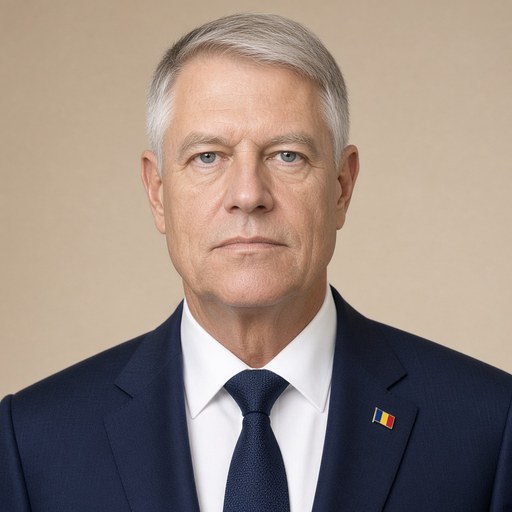
The speech of the President of Romania, Mr. Klaus Iohannis, at the meeting with Romanian students in Italy.
 Klaus Iohannis · President of Romania
- Context
- Iohannis addressed Romanian students and scholars at the Accademia di Romania in Rome during an official visit to Italy in April 2015.
- Main themes
- Education and culture, Romanian students abroad, public diplomacy, Romanian Cultural Institute (ICR), youth encouragement, Romania's development, cultural exchange, academic excellence, educational reform, Romanian-Italian relations
- Duration
- ~6 min
- Words
- 703
- Sentences
- 35
- Readability
- 54
- Grade
- 10.8
- Syntax
- 2.89
- Vocabulary
- 1.99
Translated from Romanian
The broad sphere of national life a sentence belongs to. Every sentence has an Arena, so it is the denominator the other indices are read against.
Other35 sentences in 7 paragraphs
"Mr. Director, Madam Ambassador, Esteemed Guests, Dear Students, Ladies and Gentlemen, My presence here today is linked to the importance I place on education, culture, and public diplomacy, a topic I will return to towards the end of my speech.
It is a great pleasure for me to be here today with you at the Accademia di Romania. During this visit to Italy, I wanted to meet, in addition to high-ranking Italian officials – whom I have met, as many representatives of the Romanian community as possible. I met many of them last night.
Our meeting today, at the headquarters of the Accademia di Romania, carries significant symbolic weight. The Accademia is a prestigious institution and a bridge between Romanian and Italian culture. You, the students, whether you are "Vasile Pârvan" scholarship holders or "Erasmus" students or beneficiaries of other study scholarships, through your academic and professional training are on your way to becoming the future elites of Romania. This is a very good thing. I know that the number of Romanians studying in Italy is extremely high, and through my meeting with you, I want to convey a message of encouragement and appreciation to all Romanian students. And today I had the great joy, when I met with Prime Minister Matteo Renzi, to learn that he also wishes for a greater number of Romanian students in Italy, a sentiment with which I completely agree.
I believe in the power that education and culture have for the development of a society and the future of a nation. We have many things to rebuild in Romania. There is much talk about how necessary it is to reform education. And it is necessary. I strongly believe this. But I also believe something else. That this process begins with regaining respect in society for everything that means education and culture. From understanding that these are engines of development, that they move society forward, that we draw our models from here.
Through my meetings in recent months, through the events I have attended and the gestures I have made, I wanted to convey this message. I have encouraged young people, and not just them, to rediscover the importance of reading, of knowing history, to value cultural institutions. We must reposition education and culture in their rightful place in the hierarchy of things that matter for the success of an individual but also of a society. Without such a change in approach, we will pass another law tomorrow, as many have been passed before, which leads to no results. We adopt some temporary measures that complicate things more, we sign a pact that no one respects. I want to bring to light excellence, hard work, and determination, to value them, to spotlight those who embody them. That is why I am even more pleased to be with you today.
And in this context, I cannot help but say a few words about the institution you are connected to, the ICR. The Romanian Cultural Institute is an institution that is part of what we call public diplomacy. It is an institution created to promote the positive image of Romania further, to show the whole world the enormous value of Romanian culture, what our values are, what our beliefs are. All of this is not done easily; it is done with dedicated people and well-thought-out, bold, and visible projects. For this reason, what is happening right now at the ICR, where the leadership is being changed quietly, worries me. I believe there is a need for a public debate to succeed together in seeing what we actually want from the ICR, how we want to structure the Romanian Cultural Institute, how we want to make it effective in the mentioned sense. There is a need for professionals, for people who know how to build a cultural project, for people who understand what cultural management means in the 21st century. And, after we know all these things, perhaps we can extract the ICR from the realm of political barter and introduce it into the realm of public diplomacy.
Thank you for your attention, I am very glad that you came today, here, to this meeting. I wish you much, much success!"
The original Romanian. The tags above are read on the English translation's sentences.
„Domnule director, Doamnă ambasador, Stimați invitați, Dragi studenţi, Doamnelor și domnilor, Prezența mea astăzi, aici, este legată de importanța pe care o acord învățământului, culturii și diplomației publice, lucru la care voi reveni spre sfârșitul alocuțiunii mele. Îmi face o deosebită plăcere să mă aflu astăzi alături de dumneavoastră, aici, la Accademia di Romania. Cu ocazia acestei vizite în Italia am ţinut să întâlnesc, pe lângă înalţi oficiali italieni – pe care i-am întâlnit, cât mai mulţi reprezentanţi ai comunităţii românești. Pe mulți i-am întâlnit deja aseară. Întâlnirea noastră de azi, în sediul Accademiei di Romania, are o încărcătură simbolică importantă. Accademia este o instituție prestigioasă și o punte de legătură între cultura românească și cea italiană. Dumneavoastră, studenții, fie că sunteţi bursierii “Vasile Pârvan” sau "Erasmus" sau beneficiarii altor burse de studiu, prin formarea dumneavoastră academică și profesională sunteţi pe cale să deveniţi viitoare elite ale României. Acesta este un lucru foarte bun. Ştiu că numărul românilor aflaţi la studii în Italia este extrem de ridicat, iar prin întâlnirea cu dumneavoastră doresc să le transmit tuturor studenţilor români un mesaj de încurajare și apreciere. Iar astăzi am avut marea bucurie, când m-am întâlnit cu primul ministru Matteo Renzi, să aflu că și domnia sa dorește să existe un număr mai mare de studenți români în Italia, lucru cu care am fost perfect de acord. Eu cred în forța pe care educația și cultura o au pentru dezvoltarea unei societăți și viitorul unei națiuni. Avem multe lucruri de reconstruit în România. Se vorbește foarte mult despre cât de necesară este reformarea educației. Și este necesară. Cred cu tărie acest lucru. Dar mai cred ceva. Că acest proces începe de la recâștigarea respectului în societate pentru tot ce înseamnă educație și cultură. De la înțelegerea faptului că acestea sunt motoare ale dezvoltării, că ele duc societatea înainte, că de aici ne extragem modelele. Prin întâlnirile mele din ultimele luni, prin evenimentele la care am participat și gesturile pe care le-am făcut am vrut să trasmit acest mesaj. I-am încurajat pe tineri, și nu numai pe ei, să redescopere importanța lecturii, a cunoașterii istoriei, să prețuiască instituțiile de cultură. Trebuie să reașezăm educația și cultura la locul potrivit în ierarhia lucrurilor care contează pentru succesul unui individ dar și al unei societăți. Fără o asemenea schimbare de abordare, mai facem mâine o lege, cum s-au mai făcut atâtea, care nu duce la niciun rezultat. Mai adoptăm câte o măsură de conjunctură, care mai mult încurcă lucrurile, mai semnăm un pact pe care nu-l respectă nimeni. Vreau să scoatem la suprafață excelența, munca asiduă și determinarea, să le prețuim, să punem în lumina reflectoarelor și pe cei care le întruchipează. De aceea mă bucur, cu atât mai mult, să fiu alături de voi astăzi. Și în această circumstanță nu pot să nu spun câteva cuvinte și despre instituția de care sunteți legați, de ICR. Institutul Cultural Român este o instituție care ține de ceea ce numim diplomație publică. Este o instituție creată pentru a duce imaginea pozitivă a României mai departe, pentru a arăta unei lumi întregi care este valoarea enormă a culturii românești, care sunt valorile noastre, care sunt credințele noastre. Toate acestea nu se fac ușor, toate acestea se fac cu oameni dăruiți și cu proiecte bine gândite, îndrăznețe și vizibile. Din acest motiv, ceea ce se întâmplă chiar în aceste zile la ICR, unde tocmai pe șest se schimbă conducerea, mă îngrijorează. Eu cred că ar fi nevoie de o dezbatere publică pentru a reuși împreună să vedem ce dorim de fapt de la ICR, cum vrem să structurăm Institutul Cultural Român, cum vrem să-l facem performant în sensul menționat. Este nevoie de profesioniști, de oameni care știu cum se construiește un proiect cultural, de oameni care știu ce înseamnă managementul cultural în secolul XXI. Și, după ce știm toate aceste lucruri, poate reușim să extragem ICR-ul din zona trocurilor politice și să-l introducem în zona diplomației publice. Vă mulțumesc pentru atenție, mă bucur mult că ați venit astăzi, aici, la această întâlnire. Vă doresc mult, mult succes!”