




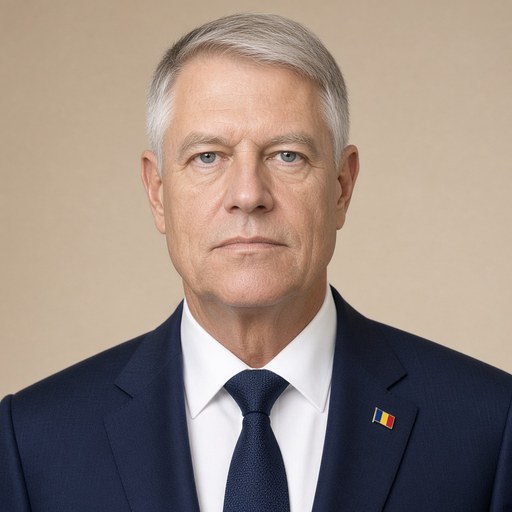
The speech of the President of Romania, Mr. Klaus Iohannis, during the meeting with Romanian students studying in pontifical educational institutions in Rome.
 Klaus Iohannis · President of Romania
- Context
- Iohannis addressed Romanian students at the Pontifical College Pio Romeno in Rome on May 15, 2015, marking 25 years of restored Romania-Holy See diplomatic relations.
- Main themes
- Romania-Holy See diplomatic relations, Romanian Greek-Catholic Church, Pontifical College Pio Romeno, ecumenical dialogue, anti-communist resistance and martyrdom, bilateral collaboration, religious freedom and historical reparation, solidarity and dialogue in society, formation of priests, Romanian spirituality and culture
- Duration
- ~3 min
- Words
- 415
- Sentences
- 12
- Readability
- 32
- Grade
- 17.4
- Syntax
- 3.46
- Vocabulary
- 2.60
Translated from Romanian
The broad sphere of national life a sentence belongs to. Every sentence has an Arena, so it is the denominator the other indices are read against.
Other12 sentences in 6 paragraphs
"Your Excellency, Father Rector, Honorable Fathers, Excellencies, Dear students, Distinguished guests, I am pleased to be here at the Pontifical College 'Pio Romeno' and to meet you today, May 15, as we celebrate 25 years since the restoration of diplomatic relations between Romania and the Holy See. His Holiness Pope Francis has given us this festive occasion for which I express my utmost gratitude.
I would also like to tell you that Romania pays special attention to its relationship with the Holy See and particularly appreciates His Holiness's vision of the need to create more solidarity, more dialogue in our societies, as well as the urgency of combating the scourges that affect the contemporary world. Romania has, through its history and culture, the vocation of a special relationship with the Holy See, a vocation that it has expressed numerous times through ecumenical dialogue and through the role it recognizes for the Churches in society. Our desire is to develop and deepen the excellent collaboration that currently exists in the realm of bilateral relations.
I know that this Pontifical College, under the care of the Congregation for the Eastern Churches, is a Romanian heart in the center of Rome. Dedicated to the formation of priests of the Romanian Greek-Catholic Church, the 'Pio Romeno' College was, in the past, before the brutal interruption caused by the communist regime, and continues to be today a place of radiance of spirituality and culture, a space for dialogue and encounter, following the high model of dignity and sacrifice of the Greek-Catholic hierarchs who experienced persecution and martyrdom during the years of communism: Valeriu Traian Frențiu, Iuliu Hossu, Alexandru Rusu, Ioan Bălan, Ioan Suciu, Vasile Aftenie, Tit Liviu Chinezu.
The last 25 years have witnessed a true renaissance of the activity of the 'Pio Romeno' College. Generations of students have prepared here and have lived moments of high recognition of the Greek-Catholic Church in Romania through the creation in 1991 of Cardinal Alexandru Todea, a symbol of anti-communist resistance, and in 2012 of Cardinal Lucian Mureșan. The visit of Pope John Paul II to Bucharest, the elevation of the Greek-Catholic Church to the rank of Major Archdiocese, the establishment of the Greek-Catholic Eparchy of Bucharest in 2014 are all signs of a path that constitutes a historical reparation.
I am convinced that the coming years will continue to bring the fruits that the Church you represent has cultivated through its history and its present activity.
Thank you for the warm welcome!"
The original Romanian. The tags above are read on the English translation's sentences.
„Preasfinţia Voastră Părinte Rector, Preacucernici părinţi, Excelenţe, Dragi studenţi, Distinși invitaţi, Sunt bucuros să mă aflu aici, la Colegiul pontifical „Pio Romeno”, și să vă întâlnesc astăzi, 15 mai, când aniversăm 25 de ani de la restabilirea relaţiilor diplomatice dintre România și Sfântul Scaun. Sanctitatea Sa Papa Francisc ne-a oferit acest prilej sărbătoresc pentru care îmi exprim întreaga gratitudine. Aș dori, totodată, să vă spun că România acordă o atenţie specială relaţiei cu Sfântul Scaun și apreciază în mod deosebit viziunea Sanctităţii Sale despre nevoia de a crea mai multă solidaritate, mai mult dialog în societăţile noastre, precum și despre urgenţa combaterii plăgilor care afectează lumea contemporană. România are, prin istoria și cultura sa, vocaţia unei relaţii speciale cu Sfântul Scaun, vocaţie pe care a exprimat-o în numeroase rânduri prin dialogul ecumenic și prin rolul pe care îl recunoaște Bisericilor în societate. Dorinţa noastră este să dezvoltăm și să aprofundăm colaborarea excelentă existentă în prezent în planul relaţiilor bilaterale. Știu că acest Colegiu pontifical, aflat în grija Congregaţiei pentru Bisericile Orientale, este o inimă românească în centrul Romei. Dedicat formării preoţilor Bisericii Române Unite cu Roma, Greco-Catolică, Colegiul „Pio Romeno” a fost în trecut, înainte de întreruperea brutală provocată de regimul comunist, și continuă să fie și în prezent un loc de iradiere a spiritualităţii și a culturii, un spaţiu de dialog și de întâlnire, urmând modelul înalt de demnitate și de sacrificiu al ierarhilor greco-catolici care au cunoscut prigoana și martiriul în anii comunismului: Valeriu Traian Frenţiu, Iuliu Hossu, Alexandru Rusu, Ioan Bălan, Ioan Suciu, Vasile Aftenie, Tit Liviu Chinezu. Ultimii 25 de ani au cunoscut o adevărată renaștere a activităţii Colegiului „Pio Romeno”. Generaţii de studenţi s-au pregătit aici și au trăit momente înalte de recunoaștere a Bisericii Greco-Catolice din România prin crearea în 1991 a Cardinalului Alexandru Todea, simbol al rezistenţei anticomuniste, și în 2012 a Cardinalului Lucian Mureșan. Vizita Papei Ioan Paul al II-lea la București, ridicarea la rang de Arhiepiscopie majoră a Bisericii Greco-Catolice, înfiinţarea Eparhiei greco-catolice de București în 2014 sunt tot atâtea semne ale unui parcurs care constituie o reparaţie istorică. Sunt convins că anii următori vor continua să aducă roadele pe care Biserica pe care o reprezentaţi le-a cultivat prin istoria sa și prin activitatea sa din prezent. Vă mulţumesc pentru primirea călduroasă!”