




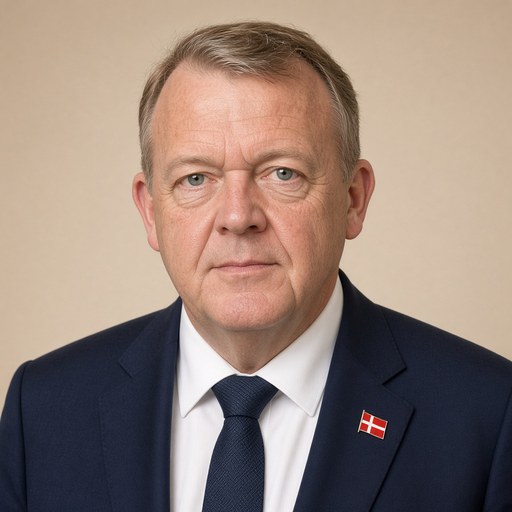
The Prime Minister's speech at the Marienborg meeting on sports, September 25, 2017.
 Lars Løkke Rasmussen · Prime Minister of Denmark
- Context
- Rasmussen addressed sports organizations and stakeholders at a Marienborg meeting on September 25, 2017, to discuss the future of Danish sports and association life.
- Main themes
- Sports participation, association life, community and social cohesion, physical health and activity, Danish values, volunteerism, integration and parallel societies, childhood habits, labor market inclusion, mental well-being, Denmark's economic progress
- Duration
- ~11 min
- Words
- 1,329
- Sentences
- 127
- Readability
- 67
- Grade
- 6.4
- Syntax
- 2.44
- Vocabulary
- 1.95
Translated from Danish
The broad sphere of national life a sentence belongs to. Every sentence has an Arena, so it is the denominator the other indices are read against.
Other127 sentences in 74 paragraphs
Welcome to Marienborg.
Thank you for coming.
I have been looking forward to today – I hope you have too.
They say that when two Danes meet, they shake hands. When three Danes meet, they form an association.
That is not entirely wrong.
I once wrote the Association Handbook. Back then, I knew all the numbers. I do not anymore.
In return, I have started a small running club.
It typically meets on Monday mornings here at Marienborg. The route is the same. 5.6 kilometers around Lyngby Lake. Afterwards, we have breakfast. It is not registered with either DIF or DGI. Also because I am the only consistent member. The participants vary from time to time.
It gives a good start to the week. Not only physically – but also mentally.
For me, it provides insight into how Denmark is doing.
Fortunately, things are not so bad after all.
Since the parliamentary election in 2015, more than 100,000 new private jobs have been created.
The number of people on public assistance is the lowest in 10 years.
We have the lowest unemployment in 40 years, except for two years during the overheating in the 2000s.
There are 10,800 fewer people in the cash assistance system than just one year ago.
Today, we have a foreign asset – instead of a foreign debt.
There is progress in all parts of Denmark.
This is due to several factors.
Here, I could mention the government, but I will not.
I believe that one of the most important reasons is that we have both created freedom for the individual and a strong community.
That we have an understanding of each other. And deep down know that the chain is only as strong as its weakest link.
We can thank the volunteer associations for that perspective, among other things.
When Danes, for example, are willing to give up nearly half of what they earn for the community, I believe that part of the reason can be found in the interconnectedness that many learn from childhood in association life. Where it is not just about enjoying – but also about participating and taking responsibility.
So if we let go of the community of associations, we lose a special Danish value.
We have a strong association life. We have a really good sports participation in Denmark. And it has only progressed since the mid-60s.
Now, something suggests that the curve has flattened out. That sports participation has stagnated. And that overall participation in sports associations is also stagnating.
If this trend continues, it is concerning in several ways. Because the number should ideally be increasing. Both the number of physically active and association-active individuals.
First, it is concerning from a health perspective. It is important to stay active.
Fortunately, many Danes engage in sports and exercise. In associations. But also alone or in small individual, loose networks. That is of course good.
But we cannot just assume that Danes will automatically become more active. And we cannot afford to just hope.
Exercise and healthy habits are established in childhood. The same goes for bad habits.
And unfortunately, we see a tendency that the groups with low or no physical activity also appear in the disease statistics and have weaker ties to the labor market. They end up living a life on the periphery. We cannot afford that – neither economically nor humanly.
We need to reach out to them.
Secondly, it concerns me from a human perspective.
Community associations contribute not only to health.
They also contribute to the understanding of what it means to be part of committed communities.
To gain respect for each other's strengths, but also insight into each other's weaknesses. It creates respect among people. It creates trust – and that is what our society is built on.
Denmark only functions if we maintain that.
And I can ask myself: Where else do children and young people learn about committed communities?
I hope that they learn about it in school – but I would argue that many only truly experience it in associations.
I carry that with me as well. I remember from scouting that students who did not function in the classroom could, on the other hand, climb high up in the trees.
It fosters respect and tolerance when you are together.
Thirdly – and this applies to both children and adults: Where else do we meet people who do not look like us?
Who do not have the same type of job. The same beliefs. The same income level? The same ethnic background.
Denmark is and should be characterized by the fact that we live together. Not next to each other in small isolated pockets.
Here, the association life is also unique. Not least in a time when we face the challenge that there are several places where holes have been punched in the map of Denmark.
Small enclaves with parallel cultures. Where it has not been possible to effectively address parallel societies.
Areas where individuals live without contact to the rest of society. Do not wish for contact. Perhaps even actively oppose it.
The task of closing the holes in the map of Denmark cannot be solved by the association life alone. Not at all.
But a strong association culture is part of the solution.
It is here that people are built up – and walls are torn down.
***
This is part of the background for the government's, DIF's, and DGI's 25, 50, 75 goals.
That is, the ambition that by 2025, 50 percent of Danes should be members of a sports association. And 75 percent should be sports active.
It is a large and impressive ambition. And it sounds good too. 25, 50, 75.
But it requires an extraordinary effort to reach the goal. If it is to succeed, 600,000 more citizens need to be active by 2025. And 325,000 of them need to be active in associations.
That is many people. There is a long way to go.
That is why we are here today.
Today, we will try to take – not the first – but the next steps towards the goal.
The first steps have been taken by DGI and DIF themselves.
Among other things, with a new vision and a strong collaboration to develop new exciting sports offerings that will get more people to move and engage in sports.
It is a journey we have started – and I look forward to following it.
The government has also taken some steps. For example, by allocating more lottery funds to volunteer associations. This has happened after a strong desire from, among others, sports organizations. We have delivered on that.
I am also pleased that last month – with Minister of Employment Troels Lund Poulsen at the helm – a broad political agreement was reached, which means that, for example, unemployed individuals can perform volunteer work for several hours a week without having their benefits reduced.
And which also allows more sports associations to benefit from these opportunities.
But we need to pick up the pace if we are to reach the 25, 50, 75 goal.
When I was a scout, I learned that no one can do everything – but everyone can do something. That applies here as well.
None of us can lift this cause alone. But we can each contribute a little. And together we can go a long way.
Thank you to DGI and DIF for your persistent efforts. And for pushing forward.
Thank you to all the volunteers across the country who every day make a great and invaluable effort for others. For the community.
And thank you to all of you who have come here today.
I hope and believe that we can have some fruitful hours together. For the benefit of all of Denmark's volunteer association life.
With that: Welcome.
I will now give the floor to the Minister of Culture, who will guide us through the day.
The original Danish. The tags above are read on the English translation's sentences.
Velkommen til Marienborg.
Tak fordi I er kommet.
Jeg har glædet mig til i dag – det håber jeg også, at I har.
Man siger jo, at når to danskere mødes, så giver de hinanden hånden. Når tre danskere mødes, så danner de en forening.
Det er ikke helt forkert.
Jeg skrev engang Foreningshåndbogen. Dengang kunne jeg alle tallene. Det kan jeg ikke mere.
Til gengæld har jeg selv oprettet en lille løbeklub.
Den samles typisk mandag morgen her på Marienborg. Ruten er den samme. 5,6 kilometer rundt om Lyngby Sø. Bagefter spiser vi morgenmad. Den er ikke registreret hos hverken DIF eller DGI. Også fordi jeg er det eneste gennemgående medlem. Deltagerkredsen er forskellig fra gang til gang.
Det giver en god start på ugen. Ikke kun fysisk – men også mentalt.
For mig giver det et indblik i, hvordan Danmark har det.
Heldigvis går det ikke så skidt endda.
Siden folketingsvalget i 2015 er der skabt mere end 100.000 nye private job.
Antallet af mennesker på offentlig forsørgelse er det laveste i 10 år.
Vi har den laveste ledighed i 40 år, på nær to år under overophedningen i 00’erne.
Der er 10.800 færre personer i kontanthjælpssystemet end for bare ét år siden.
Vi har i dag en udlandsformue – i stedet for en udlandsgæld.
Der er fremgang i alle egne af Danmark.
Det skyldes flere ting.
Her kunne jeg nævne regeringen, men det vil jeg ikke.
Jeg tror, at en af de vigtigste årsager er, at vi både har skabt frihed for den enkelte og et stærkt fællesskab.
At vi har en forståelse for hinanden. Og inderst inde ved, at kæden ikke er stærkere end det svageste led.
Det perspektiv kan vi blandt andet takke de frivillige foreninger for.
Når danskerne for eksempel er villige til at give afkald på op mod halvdelen af, hvad de tjener til fællesskabet. Så tror jeg, at en del af årsagen skal findes i den indbyrdes forbundenhed, som mange lærer fra barnsben i foreningslivet. Hvor det ikke bare handler om at nyde – men også om at være med og tage ansvar.
Så hvis vi giver slip på foreningsfælleskabet, mister vi en særlig dansk værdi.
Vi har et stærkt foreningsliv. Vi har i Danmark en rigtig flot idrætsdeltagelse. Og det er kun gået fremad siden midten af 60’erne.
Nu kunne noget tyde på, at kurven er fladet ud. At idrætsdeltagelsen er stagneret. Og at den samlede deltagelse i idrætsforeninger også stagnerer.
Hvis denne trend fortsætter, er det bekymrende på flere måder. For tallet skulle meget gerne stige. Både tallet for fysisk aktive og foreningsaktive.
For det første, er det bekymrende ud fra et sundhedsperspektiv. Det vigtigt at holde sig i gang.
Heldigvis dyrker mange danskere sport og motion. I foreningerne. Men også alene eller i små individuelle, løse netværk. Det er selvfølgelig godt.
Men vi kan ikke bare regne med, at danskerne per automatik bliver mere aktive. Og vi har ikke råd til bare håbe.
Motion og sunde vaner grundlægges i barndommen. Det samme gør de dårlige vaner.
Og vi ser desværre en tendens til, at de grupper med lav eller ingen fysisk aktivitet også er sygdomsstatistikken og har svagere tilknytning til arbejdsmarkedet. Som kommer til at leve et liv i periferien. Det har vi ikke råd til – hverken økonomisk eller menneskeligt.
Dem skal vi række hånden ud til.
For det andet, bekymrer det mig ud fra et menneskeligt perspektiv.
Foreningsfællesskaberne bidrager ikke kun til sundheden.
De bidrager også til forståelsen af, hvad det vil sige, at indgå i forpligtende fællesskaber.
Til at få respekt for hinandens styrker, men også indblik i hinandens svagheder. Det skaber respekt mellem mennesker. Det skaber tillid – og det er jo det vores samfund er bygget på.
Danmark fungerer kun, hvis vi bevarer den.
Og jeg kan godt spørge mig selv: Hvor lærer børn og unge ellers om forpligtende fællesskaber?
Jeg håber, at de blandt andet lærer om det i skolen – men jeg vil påstå, at mange først for alvor udlever det i foreningerne.
Det har jeg også selv med mig. Jeg husker selv fra spejder, at elever, som ikke fungerede i skoleklassen, så til gengæld kravle højt op i træerne.
Det giver respekt og tolerance, når man er sammen.
For det tredje – og det gælder både børn og voksne: Hvilke andre steder møder vi mennesker, som ikke ligner os selv?
Som ikke har samme type job. Samme overbevisning. Samme indkomstniveau? Samme etniske baggrund.
Danmark er og bør være kendetegnet ved, at vi lever sammen med hinanden. Ikke ved siden af hinanden i små isolerede lommer.
Her er foreningslivet også unikt. Ikke mindst i en tid, hvor vi står med den udfordring, at der flere steder er slået hul i danmarkskortet.
Små enklaver med parallelkultur. Hvor det ikke er lykkes at sætte effektivt ind over for parallelsamfund.
Områder, hvor personer lever uden kontakt til resten af samfundet. Ikke ønsker kontakten. Måske ligefrem modarbejder den.
Det med at få lukket hullerne i danmarkskortet, kan foreningslivet ikke løse alene. Slet ikke.
Men en stærk foreningskultur er en del af løsningen.
Det er her mennesker bygges op – og mure rives ned.
***
Det er en del af baggrunden for, at regeringen, DIFs og DGIs 25, 50, 75-målsætning.
Altså, ambitionen om at i 2025 skal 50 pct. af danskerne være medlem af en idrætsforening. Og 75 pct. være idrætsaktive.
Der er en stor og flot ambition. Og den lyder også godt. 25, 50, 75.
Men det kræver en ekstraordinær indsats at nå målet. Hvis det skal lykkes, skal 600.000 flere borgere være aktive i 2025. Og 325.000 af dem skal være det i foreningslivet.
Det er mange mennesker. Der er lang vej.
Det er derfor vi her her i dag.
I dag skal vi forsøge at tage – ikke de første – men de næste skridt mod målet.
De første skridt har DGI og DIF selv taget.
Blandt andet med en ny vision og et stærkt samarbejde om at udvikle nye spændende idrætstilbud, der skal få flere til at bevæge sig og dyrke idræt.
Det er en rejse, vi er startet på – og som jeg glæder mig til at følge.
Regeringen har også taget nogle skridt. For eksempel ved at allokere flere udlodningsmidler til frivillige foreninger. Det er sket efter et stærkt ønske fra bl.a. idrætsorganisationer. Det har vi leveret på.
Jeg er også glad for, at der i sidste måned – med beskæftigelsesminister Troels Lund Poulsen i spidsen – blev indgået en bred politisk aftale, som dels betyder, at for eksempel ledige kan udføre frivilligt arbejde flere timer om ugen uden at blive trukket i deres ydelse.
Og som dels gør, at flere idrætsforeninger kan få gavn af disse muligheder.
Men vi skal have mere fart på, hvis vi skal nå 25, 50. 75 målet.
Da jeg var spejder, lærte jeg, at ingen kan alt – men alle kan noget. Det gælder også her.
Ingen af os kan løfte denne sag alene. Men vi kan yde lidt hver især. Og sammen kan vi komme rigtig langt.
Tak til DGI og DIF for jeres vedholdende indsats. Og for at presse på.
Tak til alle frivillige i hele landet, som hver dag yder en stor og uvurderlig indsats for andre. For fællesskabet.
Og tak til alle jer, som er kommet her i dag.
Jeg håber og tror, at vi kan få nogle frugtbare timer sammen. Til gavn for hele Danmarks frivillige foreningsliv.
Med det: Velkommen.
Så vil jeg give ordet til kulturministeren, som vil lede os igennem dagen.