





- Context
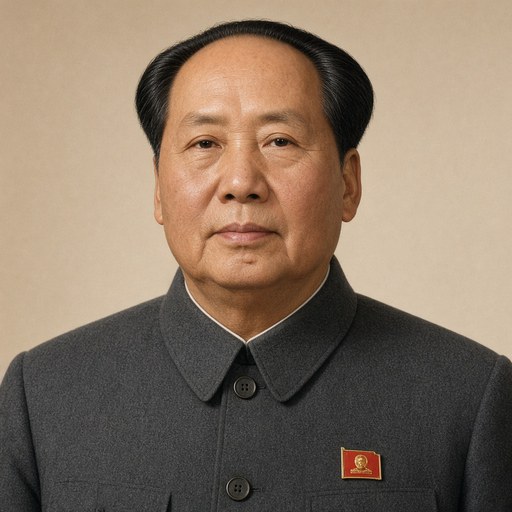
- Mao addressed writers and artists at the Yan'an Forum on Literature and Art, giving an introduction on May 2, 1942 and a conclusion on May 23, 1942, and setting out that literature and art must serve workers, peasants and soldiers.
- Main themes
- Stand of workers in literature and art, serving workers, peasants and soldiers, popularization and raising of standards, the life of the people as the sole source of literature, remoulding of petty-bourgeois intellectuals, study of Marxism-Leninism, attitudes toward enemy, allies and the people, motive and effect in criticism, rectification movement in Yan'an, literature and art as part of the revolutionary machine, Lu Xun as a model, integration with the masses in the base areas
- Duration
- ~111 min
- Words
- 13,269
- Sentences
- 464
- Readability
- 43
- Grade
- 14.2
- Syntax
- 3.27
- Vocabulary
- 2.20
Translated from Chinese Source: GitHub qinglee/maoxuan (毛泽东选集) ↗
The broad sphere of national life a sentence belongs to. Every sentence has an Arena, so it is the denominator the other indices are read against.
Other464 sentences in 59 paragraphs
May 2, 1942
Introduction
Comrades! The purpose of inviting you all here today to hold this forum is to exchange views with you, to study the relation between work in literature and art and revolutionary work in general, to seek the correct development of revolutionary literature and art, and to seek better assistance from revolutionary literature and art to other revolutionary work, so as thereby to overthrow the enemy of our nation and accomplish the task of national liberation.
In our struggle for the liberation of the Chinese people there are various fronts, among which there may also be said to be two fronts, the civil and the military, that is, the cultural front and the military front. If we are to defeat the enemy, we must first of all rely on the army that holds guns in its hands. But this army alone is not enough; we must also have a cultural army, an army indispensable for uniting our own ranks and defeating the enemy. Since the May Fourth Movement, this cultural army has taken shape in China and has helped the Chinese revolution, gradually reducing the domain of China's feudal culture and of the comprador culture adapted to imperialist aggression, and gradually weakening their strength. By now, the Chinese reactionaries can only put forward the so-called method of "pitting quantity against quality" to contend with the new culture; that is to say, what the reactionaries have is money, and although they cannot produce anything good, they can desperately turn out a great deal. On the cultural front since the May Fourth Movement, literature and art have been an important sector that has had achievements. The revolutionary movement in literature and art had a great development during the period of the ten years' civil war. This movement and the revolutionary war of that time were consistent in their general direction, but in actual work they were not integrated with each other, and this was because the reactionaries of that time cut these two fraternal armies off from each other. After the outbreak of the War of Resistance Against Japan, revolutionary workers in literature and art coming to Yan'an and the various anti-Japanese base areas became more numerous; this is a very good thing. But arrival in the base areas does not mean that they have already become completely integrated with the masses of the people of the base areas. If we are to push revolutionary work forward, we must make these two completely integrate. Our meeting today is precisely to make literature and art become, in a proper way, a component part of the whole revolutionary machine, a powerful weapon for uniting the people, educating the people, striking the enemy and destroying the enemy, and to help the people fight the enemy with one heart and one mind. For this purpose, what problems ought to be solved? I think there are these problems: the problem of the stand of workers in literature and art, the problem of attitude, the problem of the object of their work, the problem of work, and the problem of study.
The problem of stand. We stand on the stand of the proletariat and of the masses of the people. For members of the Communist Party, this means standing on the stand of the Party, standing on the stand of Party spirit and Party policy. On this question, are there still some among our workers in literature and art whose understanding is incorrect, or whose understanding is not clear? I think there are. Many comrades often lose their own correct stand.
The problem of attitude. Following upon stand, there arises the concrete attitude we adopt toward all kinds of concrete things. For instance, extol, or expose? This is the problem of attitude. Which attitude, after all, is the one we need? I say both are needed; the question lies in toward whom. There are three kinds of people: one kind is the enemy, one kind is the allies in the united front, and one kind is our own people; this third kind is the masses of the people and their vanguard. Toward these three kinds of people, three attitudes are needed. Toward the enemy, toward Japanese imperialism and all the enemies of the people, the task of revolutionary workers in literature and art lies in exposing their cruelty and their deceit, and in pointing out the tendency of their inevitable defeat, so as to encourage the anti-Japanese army and people to be of one heart and one mind and resolutely overthrow them. Toward the various different allies in the united front, our attitude should be that there is alliance and there is criticism, that there are various different alliances and various different criticisms. Their resistance to Japan we approve of; if they have achievements, we also praise them. But if their resistance is not active, we should criticize. If anyone wants to oppose the Communist Party and oppose the people, and is day by day taking the road of reaction, then we must resolutely oppose them. As for the masses of the people, the labour and the struggle of the people, the army of the people and the political parties of the people, we should of course praise them. The people also have shortcomings. Among the proletariat there are still many who retain petty-bourgeois ideas; the peasants and the urban petty bourgeoisie all have backward ideas; these are their burdens in the struggle. We should, over a long period and with patience, educate them, help them cast off the baggage on their backs, and struggle against their own shortcomings and errors, so that they can advance in great strides. They have already remoulded themselves, or are remoulding themselves, in the struggle, and our literature and art should depict this process of their remoulding. So long as they are not people who persist in their errors, we should not, seeing only one side, go and wrongly ridicule them, or even regard them with hostility. What we write should make them unite, make them progress, make them of one heart and one mind, struggle forward, cast off what is backward and develop what is revolutionary, and certainly not the opposite.
The problem of the object of work is the problem of for whom works of literature and art are intended. In the Shaanxi-Gansu-Ningxia Border Region, and in the various anti-Japanese base areas of north China and central China, this problem is different from that in the Kuomintang-controlled areas, and still more different from that in Shanghai before the War of Resistance. In the Shanghai period, the recipients of revolutionary works of literature and art were mainly a section of the students, office workers and shop assistants. In the Kuomintang-controlled areas after the War of Resistance, the range was at one time somewhat enlarged, but basically it was still these people who predominated, because the government there cut the workers, peasants and soldiers off from revolutionary literature and art. In our base areas it is entirely different. The recipients of works of literature and art in the base areas are the workers, peasants and soldiers, and the revolutionary cadres. There are also students in the base areas, but these students are not the same as students of the old type; they are either cadres of the past or cadres of the future. Cadres of all kinds, fighters in the armed forces, workers in the factories and peasants in the villages, once they have learned to read, want to read books and read newspapers; those who cannot read also want to see plays, look at pictures, sing songs and listen to music; they are the recipients of our works of literature and art. Take the cadres alone: do not suppose that this section of people is small in number; they are far more numerous than the readers of a book published in the Kuomintang-controlled areas. There, one edition of a book ordinarily has only two thousand copies, and even three editions come to only six thousand; but as for the cadres of the base areas, in Yan'an alone those who can read books number more than ten thousand. Moreover, many of these cadres are revolutionaries long tempered, they have come from all parts of the country, and they will also go to all parts to work; therefore, to do educational work among these people is of great significance. Our workers in literature and art should do their work well toward them.
Since the object of work in literature and art is the workers, peasants and soldiers and their cadres, there arises a problem of understanding them and being familiar with them. And in order to understand them and be familiar with them, in order, in Party and government organs, in the villages, in the factories, and in the Eighth Route Army and the New Fourth Army, to understand all kinds of people and be familiar with all kinds of people, to understand all kinds of things and be familiar with all kinds of things, a great deal of work needs to be done. Our workers in literature and art need to do their own work in literature and art, but this work of understanding people and being familiar with people is the work of the first order. How did our workers in literature and art stand in regard to these things before? I say that before, it was unfamiliarity, incomprehension, a hero with no place to display his prowess. What is unfamiliarity? Unfamiliarity with people. Workers in literature and art are unfamiliar with the objects of their own depiction and with the recipients of their works, or are simply very much strangers to them. Our workers in literature and art are not familiar with workers, not familiar with peasants, not familiar with soldiers, and not familiar with their cadres either. What is incomprehension? Incomprehension of language; that is to say, a lack of sufficient knowledge of the rich and lively language of the masses of the people. Many workers in literature and art, because they themselves are divorced from the masses and their lives are empty, are of course also unfamiliar with the language of the people; therefore their works not only appear insipid in language, but often have mixed into them some nondescript phrases, invented by themselves, which stand opposed to the language of the people. Many comrades love to talk of "massification," but what is meant by massification? It means that the thoughts and feelings of our workers in literature and art become one with the thoughts and feelings of the masses of workers, peasants and soldiers. And to become one, they must earnestly study the language of the masses. If they do not even understand much of the language of the masses, what literary and artistic creation is there to speak of? A hero with no place to display his prowess means that your set of great principles is not appreciated by the masses. The more you parade your seniority before the masses, the more you look like a "hero," the more you try to peddle this set of things, the less the masses will buy what you are selling. If you want the masses to understand you, if you want to become one with the masses, you must make up your mind to go through a long and even painful tempering. Here I may say something about my own experience of a change in feelings. I am a person who came from a student background; at school I formed a student habit, and before a great crowd of students who could carry nothing on their shoulders and lift nothing in their hands, to do a bit of labour — for instance, to carry my own luggage — also felt unseemly. At that time I felt that the only clean people in the world were the intellectuals, and that the workers and peasants were always comparatively dirty. The clothes of intellectuals, those belonging to others, I could wear, thinking them clean; the clothes of workers and peasants I was unwilling to wear, thinking them dirty. Having made the revolution, and being together with workers and peasants and with the fighters of the revolutionary army, I gradually became familiar with them, and they also gradually became familiar with me. At this time, and only at this time, did I fundamentally change those bourgeois and petty-bourgeois feelings which the bourgeois schools had taught me. At this time, comparing unreformed intellectuals with workers and peasants, I felt that the intellectuals were not clean, and that the cleanest were still the workers and peasants; even though their hands were black and there was cow shit on their feet, they were still cleaner than the bourgeois and petty-bourgeois intellectuals. This is what is called a change in feelings, a change from one class to another. If our workers in literature and art who come from an intellectual origin want their own works to be welcomed by the masses, they must bring about a change in their own thoughts and feelings, must carry out a remoulding. Without this change, without this remoulding, nothing can be done well, and everything will be out of joint.
The last problem is study; what I mean is the study of Marxism-Leninism and the study of society. A revolutionary writer who styles himself a Marxist, and especially a writer who is a Party member, must have a knowledge of Marxism-Leninism. But now some comrades lack the basic viewpoints of Marxism. For example, one basic viewpoint of Marxism is that being determines consciousness, that the objective reality of class struggle and national struggle determines our thoughts and feelings. But some of our comrades have turned this problem upside down, saying that everything should start from "love." Take love, for instance: in a class society there is only class love; but these comrades want to pursue some love transcending classes, abstract love, as well as abstract freedom, abstract truth, abstract human nature, and so on. This shows that these comrades have been very deeply influenced by the bourgeoisie. They should very thoroughly liquidate this influence, and very modestly study Marxism-Leninism. Workers in literature and art should study literary and artistic creation; this is right; but Marxism-Leninism is a science which all revolutionaries should study, and workers in literature and art cannot be an exception. Workers in literature and art must study society; that is to say, they must study the various classes in society, study their mutual relations and their respective conditions, study their features and their psychology. Only when these things have been made clear can our literature and art have rich content and a correct direction.
Today I have only raised these few problems, as a lead-in, and I hope everyone will express opinions on these problems and on other related problems.
May 23, 1942
Conclusion
Comrades! This meeting of ours has been held three times in one month. In the pursuit of truth, everyone has carried on heated debate; several dozen Party and non-Party comrades have spoken, the problems have been unfolded, and they have been made concrete. I consider this of great benefit to the whole movement in literature and art.
In discussing problems, we should start from actualities, not from definitions. If, following the textbooks, we were to find a definition of what literature is and what art is, and then, according to those definitions, prescribe the guiding policy of today's movement in literature and art, and judge the various views and controversies that have arisen today, this method would be incorrect. We are Marxists, and Marxism tells us that in looking at problems we should not start from abstract definitions, but should start from objectively existing facts, and from an analysis of these facts find out guiding policies, policies and methods. In now discussing work in literature and art, we should also do this.
What, then, are the facts of the present? The facts are: China's War of Resistance Against Japan, which has already been going on for five years; the worldwide anti-fascist war; the vacillation of China's big landlords and big bourgeoisie in the War of Resistance Against Japan, and their policy of high-handed oppression of the people; the revolutionary movement in literature and art since the May Fourth Movement — the great contribution of this movement to the revolution over twenty-three years, and its many shortcomings; the anti-Japanese democratic base areas of the Eighth Route Army and the New Fourth Army, and, inside these base areas, the integration of large numbers of workers in literature and art with the Eighth Route Army and the New Fourth Army and with the workers and peasants; the difference in environment and in tasks between workers in literature and art in the base areas and workers in literature and art in the Kuomintang-controlled areas; and the controversial problems that have already arisen in the work of literature and art in Yan'an and the various anti-Japanese base areas at present. — These are the actually existing and undeniable facts, and we must consider our problems on the basis of these facts.
What, then, is the centre of our problems? I think that our problems are basically a problem of for the masses, and a problem of how to be for the masses. If these two problems are not solved, or if these two problems are not properly solved, it will make our workers in literature and art out of harmony with their own environment and tasks, and it will make our workers in literature and art run into a whole series of problems from outside and from inside. My conclusion takes these two problems as its centre, and at the same time also speaks of some other problems related to them.
1
The first problem: for whom is our literature and art?
This problem was solved long ago by Marxists, and especially by Lenin. As early as 1905 Lenin emphatically pointed out that our literature and art ought to "serve the millions upon millions of labouring people." Among the comrades engaged in literary and artistic work in our various anti-Japanese base areas, this problem seems already to have been solved, and not to need speaking of again. In fact it is not so. Many comrades have not obtained a clear solution of this problem. Therefore, in their mood, in their works, in their actions, and in their opinions on questions of the guiding policy for literature and art, there unavoidably occurs, to a greater or lesser degree, a state of affairs that does not conform to the needs of the masses and does not conform to the needs of the actual struggle. Of course, the large numbers of men of culture, writers, artists and workers in literature and art in general who are now, together with the Communist Party, the Eighth Route Army and the New Fourth Army, engaged in the great struggle for liberation, although among them there may also be some who are temporary opportunists, are in their overwhelming majority working hard for the common cause. Relying on these comrades, our whole work in literature, our work in drama, our work in music and our work in the fine arts have all had very great achievements. Of these workers in literature and art, many began their work after the War of Resistance; many had already done revolutionary work for a long time before the War of Resistance, had gone through much hardship, and had influenced the broad masses with their work and their works. But why do we still say that even among these comrades there are some for whom the problem of for whom literature and art exists has not been clearly solved? Can it be that they still maintain that revolutionary literature and art is not for the masses of the people but for the exploiters and oppressors?
Indeed, literature and art for the exploiters and oppressors does exist. Literature and art for the landlord class is feudal literature and art. The literature and art of the ruling classes of China's feudal age was just this sort of thing. Down to the present day, this literature and art still has quite a large influence in China. Literature and art for the bourgeoisie is bourgeois literature and art. People of the sort of Liang Shiqiu, whom Lu Xun criticized, although they put forward in words the idea that literature and art transcends classes, in fact advocate bourgeois literature and art and oppose proletarian literature and art. Literature and art for the imperialists — Zhou Zuoren, Zhang Ziping and that lot are like this; this is called traitor literature and art. With us, literature and art is not for the various kinds of people mentioned above, but for the people. We have said that the new culture of China at the present stage is an anti-imperialist, anti-feudal culture of the masses of the people under the leadership of the proletariat. What truly belongs to the masses of the people must now be under the leadership of the proletariat. What is under the leadership of the bourgeoisie cannot belong to the masses of the people. The new literature and new art within the new culture are naturally also like this. The rich legacy of literature and art and the fine tradition of literature and art left to us by past ages in China and in foreign countries we are to inherit, but the aim is still for the sake of the masses of the people. The literary and artistic forms of past ages we also do not refuse to utilize, but these old forms, once in our hands, having been remoulded and having had new content added to them, also become revolutionary things in the service of the people.
Who, then, are the masses of the people? The broadest people, the people who make up more than ninety per cent of the whole population, are the workers, the peasants, the soldiers and the urban petty bourgeoisie. Therefore our literature and art is, first, for the workers; this is the class that leads the revolution. Second, it is for the peasants; they are the broadest and most resolute ally in the revolution. Third, it is for the workers and peasants who have taken up arms, that is, the Eighth Route Army, the New Fourth Army and the other armed forces of the people; this is the main force of the revolutionary war. Fourth, it is for the labouring masses of the urban petty bourgeoisie and the intellectuals; they too are allies of the revolution, and they are capable of co-operating with us over a long period. These four kinds of people are the greatest part of the Chinese nation, the broadest masses of the people.
Our literature and art should be for the four kinds of people spoken of above. If we are to serve these four kinds of people, we must stand on the stand of the proletariat, and cannot stand on the stand of the petty bourgeoisie. Today, a writer who persists in the individualist stand of the petty bourgeoisie cannot truly serve the masses of revolutionary workers, peasants and soldiers; their interest is placed mainly on a small number of petty-bourgeois intellectuals. And the crux of why a section of our comrades cannot now correctly solve the problem of for whom literature and art exists lies precisely here. In saying this, I am not speaking in terms of theory. In theory, or in words, there is not one person in our ranks who regards the masses of workers, peasants and soldiers as even less important than the petty-bourgeois intellectuals. I am speaking in terms of practice, in terms of action. In practice, in action, do they regard the petty-bourgeois intellectuals as still more important than the workers, peasants and soldiers? I think it is so. There are many comrades who pay comparatively more attention to studying petty-bourgeois intellectuals, analysing their psychology, laying stress on depicting them, excusing and defending their shortcomings, rather than leading them to approach, together with themselves, the masses of workers, peasants and soldiers, to take part in the practical struggles of the masses of workers, peasants and soldiers, to depict the masses of workers, peasants and soldiers, and to educate the masses of workers, peasants and soldiers. There are many comrades who, because they themselves come from a petty-bourgeois origin and are themselves intellectuals, seek friends only within the ranks of the intellectuals, and place their own attention on studying and describing intellectuals. If this study and description stood on the proletarian stand, it would be as it should be. But they do not, or do not entirely. They stand on the petty-bourgeois stand; they create their own works as a self-expression of the petty bourgeoisie; we see this sort of thing in a considerable number of works of literature and art. Many times, they bestow wholehearted sympathy on intellectuals of petty-bourgeois origin, and give sympathy to, or even boost, even their shortcomings. Toward the masses of workers, peasants and soldiers, they lack contact, lack understanding, lack study, lack intimate friends, and are not good at describing them; if they do describe them, the clothes are those of the labouring people, but the faces are those of petty-bourgeois intellectuals. In certain respects they also love the workers, peasants and soldiers, and also love cadres of worker, peasant and soldier origin, but at some times they do not love them, and in some respects they do not love them: they do not love their feelings, do not love their manner, do not love their literature and art in its embryonic state (wall newspapers, murals, folk songs, folk tales, and so on). Sometimes they also love these things, and that is for the sake of hunting the exotic, for the sake of decorating their own works, or even for the sake of pursuing what is backward in them. Sometimes they openly despise them, and are partial instead to the things of petty-bourgeois intellectuals and even of the bourgeoisie. The footing of these comrades is still on the side of the petty-bourgeois intellectuals, or, to put it in more elegant words, in the depths of their souls there is still a kingdom of the petty-bourgeois intellectual. In this way, the problem of for whom, for them, is still not solved, or not clearly solved. This is not said only of people who have not long arrived in Yan'an; even among people who have been to the front and have done several years of work in the base areas, in the Eighth Route Army and in the New Fourth Army, there are many for whom it has not been thoroughly solved. To solve this problem thoroughly, there is no doing without a long time of ten years or eight. But however long the time, we must solve it, must clearly and thoroughly solve it. Our workers in literature and art must accomplish this task, must shift their footing over, must, in the process of going deep among the masses of workers, peasants and soldiers and going deep into the practical struggle, and in the process of studying Marxism and studying society, gradually shift it over, shift it over to the side of the workers, peasants and soldiers, shift it over to the side of the proletariat. Only in this way can we have a literature and art truly for the workers, peasants and soldiers, a truly proletarian literature and art.
The problem of for whom is a fundamental problem, a problem of principle. The controversies, divergences, antagonisms and disunity among some comrades in the past were not on this fundamental problem of principle, but on some comparatively secondary, or even unprincipled, problems. And as for this problem of principle, the two sides in the controversy had, on the contrary, no divergence to speak of, and were, on the contrary, almost at one, both having, to some degree, a tendency to look down on the workers, peasants and soldiers and to divorce themselves from the masses. I say to some degree, because, generally speaking, the looking down on the workers, peasants and soldiers and the divorcing themselves from the masses of these comrades is different from the Kuomintang's looking down on the workers, peasants and soldiers and divorcing itself from the masses; but in any case, this tendency exists. If this fundamental problem is not solved, many other problems will also not be easy to solve. Take, for instance, sectarianism in literary and art circles; this too is a problem of principle, but if sectarianism is to be got rid of, the aim can be reached only by putting forward the slogans of for the workers and peasants, for the Eighth Route Army and the New Fourth Army, and of going among the masses, and by carrying them out in earnest; otherwise the problem of sectarianism can absolutely not be solved. Lu Xun once said: "A common aim is the necessary condition of a united front. ... That our front cannot be united proves that our aims cannot be at one, or that it is only for the sake of a small group, or that in fact it is still only for the sake of the individual. If the aim in every case is the masses of workers and peasants, then of course the front will also be united." This problem existed in Shanghai then, and it exists in Chongqing now. In those places, this problem is very hard to solve thoroughly, because the rulers of those places oppress revolutionary workers in literature and art and do not allow them the freedom to go among the masses of workers, peasants and soldiers. Here with us, the situation is entirely different. We encourage revolutionary workers in literature and art actively to draw close to the workers, peasants and soldiers, give them complete freedom to go among the masses, and give them complete freedom to create a truly revolutionary literature and art. Therefore this problem, here with us, is close to being solved. Being close to solution is not the same as complete and thorough solution; when we say that Marxism must be studied and society must be studied, it is for the sake of completely and thoroughly solving this problem. The Marxism we speak of is living Marxism that actually takes effect in the life of the masses and the struggle of the masses, not Marxism in words. If Marxism in words is turned into Marxism in actual life, there will be no sectarianism. Not only can the problem of sectarianism be solved, but many other problems can also be solved.
2
Once the problem of whom to serve has been solved, the problem that follows is how to serve. In the words of the comrades, it is: devote effort to raising standards, or devote effort to popularization?
Some comrades, in the past, rather, or seriously, belittled and neglected popularization; they unduly overemphasized the raising of standards. The raising of standards ought to be emphasized, but to emphasize the raising of standards one-sidedly and in isolation, to emphasize it to an undue degree, is wrong. The fact, which I spoke of earlier, of not having clearly solved the problem of for whom also shows itself on this point. And, because they have not made clear for whom, the popularization and the raising of standards they speak of both lack a correct criterion, and of course the correct relation between the two is still less to be found. Since our literature and art is basically for the workers, peasants and soldiers, then what is called popularization is popularization among the workers, peasants and soldiers, and what is called raising standards is raising standards from the workers, peasants and soldiers. With what are they to be popularized? With things needed by the feudal landlord class, and easy for it to accept? With things needed by the bourgeoisie, and easy for it to accept? With things needed by the petty-bourgeois intellectuals, and easy for them to accept? None of these will do; only with things needed by the workers, peasants and soldiers themselves, and easy for them to accept. Therefore, before the task of educating the workers, peasants and soldiers, there is first a task of learning from the workers, peasants and soldiers. The problem of raising standards is even more so. Raising standards must have a basis. A bucket of water, for instance, is not raised from the ground — is it to be raised from mid-air? From what basis, then, is the raising of standards in literature and art to be carried out? From the basis of the feudal class? From the basis of the bourgeoisie? From the basis of the petty-bourgeois intellectuals? None of these; it can only be raised from the basis of the masses of workers, peasants and soldiers. Nor is it a matter of raising the workers, peasants and soldiers to the "height" of the feudal class, the bourgeoisie and the petty-bourgeois intellectuals, but of raising standards along the direction in which the workers, peasants and soldiers themselves advance, along the direction in which the proletariat advances. And here, too, the task of learning from the workers, peasants and soldiers is posed. Only by starting from the workers, peasants and soldiers can we have a correct understanding of popularization and of the raising of standards, and can we also find the correct relation between popularization and the raising of standards.
From where, after all, does the source of every kind of literature and art come? Works of literature and art, as ideological forms, are all products of the reflection of a given social life in the human brain. Revolutionary literature and art is the product of the reflection of the life of the people in the brains of revolutionary writers. In the life of the people there inherently exist deposits of the raw material of literature and art; these are things in their natural form, rough things, but they are also the most lively, the richest and the most basic things; in this respect, they make all literature and art seem pale by comparison; they are the sole source, inexhaustible and unfailing, of all literature and art. This is the sole source, because there can only be such a source; besides it there cannot be a second source. Some people say: are not the works of literature and art in books, the works of literature and art of ancient times and of foreign countries, also sources? In fact, the works of literature and art of the past are not the source but the stream; they are things created by the ancients and by foreigners on the basis of the raw material of literature and art in the life of the people which they obtained in their own time and their own place. We must inherit all the excellent legacy of literature and art, critically absorb everything beneficial in it, and take it as a reference when we create works out of the raw material of literature and art in the life of the people of this time and this place. Having this reference and not having this reference are different; here there is the difference between the refined and the crude, the difference between the fine and the rough, the difference between the high and the low, the difference between the fast and the slow. Therefore we must on no account refuse to inherit from the ancients and the foreigners and to take them as a reference, even if they are things of the feudal class and the bourgeoisie. But inheriting and taking as a reference must on no account be turned into a substitute for one's own creation; this can on no account be substituted for. The uncritical, mechanical copying and imitation of the ancients and the foreigners in literature and art is the most unpromising and the most harmful literary dogmatism and artistic dogmatism. China's revolutionary men of letters and artists, men of letters and artists who have promise, must go among the masses; they must, over a long period, unconditionally and wholeheartedly, go among the masses of workers, peasants and soldiers, go into the heat of the struggle, go to the sole, broadest and richest source, and observe, experience, study and analyse all people, all classes, all the masses, all the lively forms of life and forms of struggle, and all the raw material of literature and art, and only then is it possible to enter the process of creation. Otherwise your labour has no object, and you can only be the kind of phoney man of letters, or phoney artist, whom Lu Xun, in his will, earnestly and repeatedly enjoined his son never on any account to become.
Although the social life of mankind is the sole source of literature and art, and although, compared with the latter, it has an incomparably lively and rich content, the people are still not satisfied with the former and demand the latter. Why is this? Because, although both are beautiful, the life reflected in works of literature and art can and should be higher, more intense, more concentrated, more typical, more ideal, and therefore more universal, than ordinary actual life. Revolutionary literature and art should, on the basis of actual life, create all kinds of characters, and help the masses push history forward. For example, on the one hand people suffer hunger, suffer cold and suffer oppression, and on the other hand man exploits man and man oppresses man; this fact exists everywhere, and people also look upon it as very ordinary; literature and art takes this everyday phenomenon and concentrates it, typifies the contradictions and struggles within it, and makes of it a literary work or a work of art, and it can then make the masses of the people wake up, make them stir with feeling, and push the masses of the people toward unity and struggle, and toward carrying out the transformation of their own environment. If there were no such literature and art, then this task could not be accomplished, or could not be accomplished powerfully and rapidly.
What are popularization and the raising of standards in the work of literature and art? What is the relation between these two tasks? Things that are popularized are comparatively simple and plain, and therefore also comparatively easy for the broad masses of the people at present to accept rapidly. Works of a higher grade are comparatively refined, and therefore also comparatively hard to produce, and often comparatively hard to spread rapidly among the broad masses of the people at present. The problem before the workers, peasants and soldiers now is that they are waging a cruel and bloody struggle with the enemy, and yet, because of the long rule of the feudal class and the bourgeoisie, they are illiterate and without culture; therefore they urgently demand a universal movement of enlightenment, and urgently demand to obtain the cultural knowledge and the works of literature and art which they urgently need and can easily accept, so as to raise their enthusiasm for struggle and their confidence in victory, strengthen their unity, and make it easy for them to fight the enemy with one heart and one mind. For them, what is needed at the first step is still not "adding flowers to the brocade," but "sending charcoal in snowy weather." Therefore, under present conditions, the task of popularization work is the more urgent. An attitude of belittling and neglecting popularization work is wrong.
But popularization work and the work of raising standards cannot be sharply separated. Not only do a portion of excellent works now also have the possibility of being popularized, but the cultural level of the broad masses is also constantly rising. If popularization work stops forever at one level — one month, two months, three months, one year, two years, three years, always the same goods, the same "Little Cowherd," the same "man, hand, mouth, knife, ox, sheep" — then are not the educators and the educated six of one and half a dozen of the other? What significance does such popularization work still have? The people demand popularization, and following upon that they also demand the raising of standards, demand that standards be raised year by year and month by month. Here, popularization is the people's popularization, and the raising of standards is also the people's raising of standards. And this raising of standards is not raising from mid-air, not raising behind closed doors, but raising on the basis of popularization. This raising of standards is determined by popularization, and at the same time gives guidance to popularization. As far as the scope of China is concerned, the development of the revolution and of revolutionary culture is not even, but spreads gradually. In one place there has been popularization, and standards have been raised on the basis of popularization, while elsewhere popularization has not yet begun. Therefore the good experience of one place, of raising standards by way of popularization, can be applied elsewhere, so that the popularization work and the work of raising standards elsewhere receive guidance and take many fewer detours. As far as the international scope is concerned, the good experience of foreign countries, and especially the experience of the Soviet Union, also has the effect of guiding us. Therefore, our raising of standards is a raising of standards on the basis of popularization; our popularization is popularization under the guidance of the raising of standards. Precisely because of this, the popularization work we speak of not only does not hinder the raising of standards, but gives a basis to the work of raising standards, limited in scope, of the present, and also prepares the necessary conditions for the work of raising standards, greatly broadened in scope, of the future.
Besides the raising of standards directly needed by the masses, there is also a raising of standards indirectly needed by the masses; this is the raising of standards needed by the cadres. The cadres are the advanced elements among the masses; the education they have received is in general more than that received by the masses; literature and art of a comparatively higher grade is entirely necessary for them, and to neglect this point is wrong. To be for the cadres is also entirely to be for the masses, because only through the cadres can the masses be educated and the masses be guided. If this aim is violated, if what we give the cadres cannot help the cadres to educate the masses and guide the masses, then our work of raising standards is shooting without a target, and departs from the fundamental principle of being for the masses of the people.
To sum up: the raw material of literature and art in the life of the people, passing through the creative labour of revolutionary writers, takes form as a literature and art, in ideological form, for the masses of the people. In the midst of this, there is both a higher literature and art, developed from a foundation of elementary literature and art, needed by the masses whose level has been raised, or needed first of all by the cadres among the masses, and, in turn, under the guidance of this higher literature and art, an elementary literature and art, often needed first of all by the broadest masses of today. Whether higher or elementary, our literature and art is all for the masses of the people, and first of all for the workers, peasants and soldiers; it is created for the workers, peasants and soldiers, and used by the workers, peasants and soldiers.
Since we have solved the problem of the relation between the raising of standards and popularization, the problem of the relation between the specialists and the workers in popularization can also be solved along with it. Our specialists are not only for the cadres, but mainly still for the masses. Our specialists in literature should pay attention to the wall newspapers of the masses, and pay attention to the reportage literature in the army and in the villages. Our specialists in drama should pay attention to the small theatrical troupes in the army and in the villages. Our specialists in music should pay attention to the singing of the masses. Our specialists in the fine arts should pay attention to the fine arts of the masses. All these comrades should form close links with the comrades who do the work of popularizing literature and art among the masses, on the one hand helping them and guiding them, and on the other hand learning from them, absorbing from them the nourishment that comes from the masses, filling themselves out and enriching themselves, so that their own speciality does not become a castle in the air, divorced from the masses, divorced from actuality, without any content and without any life. We should respect the specialists; specialists are very precious to our cause. But we should tell them that only when all revolutionary men of letters and artists link themselves with the masses, give expression to the masses, and take themselves as faithful spokesmen of the masses, does their work have significance. Only by representing the masses can one educate the masses; only by being a pupil of the masses can one be a teacher of the masses. If one regards oneself as the master of the masses, as an aristocrat seated high above the heads of the "lower orders," then, however great their talent, they are still not needed by the masses, and their work has no future.
Is this attitude of ours utilitarianism? Materialists do not oppose utilitarianism in general, but they oppose the utilitarianism of the feudal class, of the bourgeoisie and of the petty bourgeoisie, and they oppose those hypocrites who in words oppose utilitarianism but in fact embrace the most selfish and most short-sighted utilitarianism. There is no such thing in the world as a utilitarianism transcending utility; in a class society, it is either the utilitarianism of this class or the utilitarianism of that class. We are proletarian revolutionary utilitarians; we take as our point of departure the unity of the present interests and the future interests of the broadest masses, who make up more than ninety per cent of the whole population; therefore we are revolutionary utilitarians who take the broadest and the furthest as our aim, and not narrow utilitarians who see only the partial and the immediate. For example, a certain work is favoured only by a few, is not needed by the majority, and is even harmful to the majority, and yet one insists on putting it on the market and propagandizing it to the masses, in order to seek the utility of oneself or of a narrow group, and then goes on to blame the masses for their utilitarianism — this not only insults the masses, but also shows too great a lack of self-knowledge. Anything must be able to bring the masses of the people real benefit before it is a good thing. Even supposing that what you have is "Sunny Spring, White Snow," since for the time being this is something enjoyed by a minority, and the masses are still there singing "Song of the Rustic Poor," then if you do not go and raise it, and only care about scolding people, then however you scold it is empty. The question now is the question of the unity of "Sunny Spring, White Snow" and "Song of the Rustic Poor," the question of the unity of the raising of standards and popularization. Without unity, the highest art of any specialist cannot but become the narrowest utilitarianism; if one says that this too is lofty purity, that is only self-styled lofty purity, and the masses will not approve it.
After the basic problem of policy, of being for the workers, peasants and soldiers and of how to be for the workers, peasants and soldiers, has been solved, the other problems — for example, the problem of writing about the bright and writing about the dark, the problem of unity, and so on — are all solved together. If everyone agrees with this basic policy, then our workers in literature and art, our schools of literature and art, our publications of literature and art, our organizations of literature and art, and all activities in literature and art, should act in accordance with this policy. To depart from this policy is wrong; what is somewhat out of accord with this policy must be duly corrected.
3
Since our literature and art is for the masses of the people, we can go on to discuss a problem of relations within the Party, the problem of the relation between the Party's work in literature and art and the whole work of the Party, and another problem of relations outside the Party, the problem of the relation between the Party's work in literature and art and non-Party work in literature and art — the problem of the united front in literary and art circles.
First, the first problem. In the world of the present, all culture, or literature and art, belongs to a definite class and belongs to a definite political line. Art for art's sake, art transcending classes, and art parallel to politics or independent of it, do not in fact exist. Proletarian literature and art is a part of the whole revolutionary cause of the proletariat; as Lenin said, it is the "gears and screws" in the whole revolutionary machine. Therefore, the place of the Party's work in literature and art in the whole revolutionary work of the Party is fixed and set; it is subordinate to the revolutionary tasks prescribed by the Party in a given revolutionary period. To oppose this way of placing it is bound to lead to dualism or pluralism, and its essence is like that of Trotsky: "Politics — Marxist; art — bourgeois." We do not favour overemphasizing the importance of literature and art to an erroneous degree, but neither do we favour underestimating the importance of literature and art. Literature and art is subordinate to politics, but in turn it exerts a great influence upon politics. Revolutionary literature and art is a part of the whole revolutionary cause, it is gears and screws, and compared with other, more important parts, it naturally has its differences of weight and urgency, of first and second; but it is gears and screws indispensable to the whole machine, an indispensable part of the whole revolutionary cause. If there were not even literature and art in the broadest and most ordinary sense, then the revolutionary movement could not proceed, and could not be victorious. Not to recognize this is wrong. Furthermore, when we say that literature and art is subordinate to politics, this politics means the politics of classes, the politics of the masses, not the so-called politics of a few politicians. Politics, whether revolutionary or counter-revolutionary, is the struggle of class against class, not the activity of a few individuals. Revolutionary ideological struggle and artistic struggle must be subordinate to political struggle, because only through politics can the needs of classes and of the masses be expressed in a concentrated way. Revolutionary politicians, political specialists who understand the science of revolutionary politics or the art of politics, are only the leaders of the millions upon millions of mass politicians; their task lies in concentrating the opinions of the mass politicians, refining them, and then returning them to the masses, to be accepted by the masses and practised by the masses, and not in being that kind of aristocratic so-called "politician" who works behind closed doors, fancies himself clever, and is the only shop of its kind, with no other branch — this is the difference in principle between proletarian politicians and the decayed politicians of the bourgeoisie. Precisely because of this, the political character and the truthfulness of our literature and art can be completely consistent. Not to recognize this, and to vulgarize the politics and the politicians of the proletariat, is wrong.
Next, the problem of the united front in literary and art circles. Literature and art is subordinate to politics, and the first fundamental problem of Chinese politics today is resistance to Japan; therefore the Party's workers in literature and art should first of all unite, on this point of resistance to Japan, with all men of letters and artists outside the Party (from sympathizers of the Party and petty-bourgeois workers in literature and art to all workers in literature and art of the bourgeoisie and the landlord class who favour resistance to Japan). Next, they should unite on the point of democracy; on this point, a section of the anti-Japanese workers in literature and art do not agree, and therefore the scope of unity will unavoidably be somewhat smaller. Next again, they should unite on the special problems of literary and art circles — on the point of artistic method and artistic style; we advocate socialist realism, and again a section of people do not agree, and the scope of this unity will be still smaller. On one problem there is unity, and on another problem there is struggle, there is criticism. The various problems are separate from one another and yet linked, and thus even on a problem that gives rise to unity, such as resistance to Japan, there is at the same time struggle, there is criticism. Inside a united front, to have only unity and no struggle, or only struggle and no unity, to practise, as some comrades practised in the past, Right-deviation capitulationism and tailism, or "Left"-deviation exclusivism and sectarianism, are all wrong policies. It is so in politics, and it is also so in art.
Among the various forces in the united front of literary and art circles, petty-bourgeois workers in literature and art are an important force in China. Their thinking and their works both have many shortcomings, but they are comparatively inclined toward the revolution, and comparatively close to the labouring people. Therefore, to help them overcome their shortcomings and win them over to the front of serving the labouring people is an especially important task.
4
One of the principal methods of struggle in literary and art circles is literary and art criticism. Literary and art criticism should be developed; in the past, work in this respect was done very inadequately, and the comrades are right to point this out. Literary and art criticism is a complex problem and requires much specialized study. Here I shall lay stress only on one basic problem of criteria of criticism. In addition, as to some individual problems and some incorrect views raised by some comrades, I shall also briefly state my opinion.
Literary and art criticism has two criteria: one is the political criterion, and one is the artistic criterion. According to the political criterion, everything that is beneficial to resistance to Japan and to unity, that encourages the masses to be of one heart and one mind, that opposes retrogression and promotes progress, is good; and everything that is not beneficial to resistance to Japan and to unity, that incites the masses to be of divided heart and divided mind, that opposes progress and pulls people backward, is bad. As for the good and the bad spoken of here, are we, after all, to look at motive (subjective wish), or to look at effect (social practice)? Idealists emphasize motive and deny effect; mechanical materialists emphasize effect and deny motive; we are the opposite of both; we are advocates, in dialectical materialism, of the unity of motive and effect. The motive of being for the masses and the effect of being welcomed by the masses cannot be separated; the two must be united. A motive for the individual and for a narrow group is not good; to have a motive of being for the masses, but not to have an effect of being welcomed by the masses and of benefiting the masses, is also not good. To test whether a writer's subjective wish, that is, his motive, is correct, whether it is good, is not to look at his declarations, but to look at the effect produced among the masses of society by his actions (chiefly his works). Social practice and its effect are the criterion for testing subjective wish or motive. Our literary and art criticism does not want sectarianism; under the great principle of unity for resistance to Japan, we should permit the existence of works of literature and art containing all sorts of political attitudes. But our criticism also adheres to a principled stand; all works of literature and art containing views that are anti-national, anti-scientific, anti-mass and anti-Communist must be given strict criticism and refutation; because these so-called works of literature and art, in their motive and in their effect, are both destructive of unity for resistance to Japan. According to the artistic criterion, everything of higher artistry is good, or better; what is of lower artistry is bad, or worse. This distinction, of course, must also be judged by social effect. There is hardly a worker in literature and art who does not consider his own works beautiful; our criticism should also permit the free competition of works of art of all sorts; but to give correct criticism according to the criteria of the science of art, so that art of a lower grade is gradually raised to become art of a higher grade, and so that art unsuited to the demands of the struggle of the broad masses is changed into art suited to the demands of the struggle of the broad masses, is also entirely necessary.
There is the political criterion, and there is the artistic criterion; what is the relation between the two? Politics is not the same as art, and a general world outlook is also not the same as a method of artistic creation and artistic criticism. We not only deny an abstract and absolutely unchanging political criterion; we also deny an abstract and absolutely unchanging artistic criterion; the various classes in the various class societies all have different political criteria and different artistic criteria. But any class in any class society always puts the political criterion in the first place and the artistic criterion in the second place. The bourgeoisie, toward the literary and artistic works of the proletariat, always rejects them, however high their artistic achievement. The proletariat, toward the literary and artistic works of past ages, must also first examine what their attitude toward the people was, and whether they had progressive significance in history, and adopt different attitudes accordingly. Some things fundamentally reactionary in politics may also have a certain artistry. The more reactionary the content of a work, and the more artistic it is, the more it can poison the people, and the more it should be rejected. The common characteristic of the literature and art of all exploiting classes in their period of decline is the contradiction that exists between their reactionary political content and their artistic form. What we demand is the unity of politics and art, the unity of content and form, the unity of revolutionary political content and as perfect an artistic form as possible. A work of art lacking in artistry, however progressive politically, is also without force. Therefore we both oppose works of art whose political viewpoint is erroneous, and oppose the so-called "poster-and-slogan style" tendency, which has only a correct political viewpoint and no artistic force. We should carry on a struggle on two fronts on questions of literature and art.
These two tendencies exist in the thinking of many of our comrades. Many comrades have a tendency to neglect art, and therefore attention should be paid to the raising of art. But what has now become more of a problem, I think, is still on the political side. Some comrades lack elementary political common knowledge, and so all sorts of muddled ideas have arisen. Let me give some examples from Yan'an.
"The theory of human nature." Is there such a thing as human nature? Of course there is. But there is only concrete human nature; there is no abstract human nature. In class society there is only human nature bearing a class character, and there is no human nature transcending classes. We uphold the human nature of the proletariat, the human nature of the masses of the people, while the landlord class and the bourgeoisie uphold the human nature of the landlord class and the bourgeoisie, only they do not say so in words, but speak of it as the sole human nature. The human nature boosted by some petty-bourgeois intellectuals is also divorced from the masses of the people, or opposed to the masses of the people; their so-called human nature is in essence nothing but bourgeois individualism, and therefore, in their eyes, the human nature of the proletariat does not conform to human nature. The "theory of human nature" which some people in Yan'an now advocate as the basis of a so-called theory of literature and art is put in just this way, and this is completely wrong.
"The basic point of departure of literature and art is love, the love of humanity." Love can be a point of departure, but there is still a basic point of departure. Love is something of the idea; it is a product of objective practice. Fundamentally we do not start from ideas, but start from objective practice. That our workers in literature and art of intellectual origin love the proletariat is the result of society making them feel that they have a common fate with the proletariat. That we hate Japanese imperialism is the result of Japanese imperialism oppressing us. In the world there is absolutely no love without cause or reason, and no hatred without cause or reason. As for the so-called "love of humanity," ever since mankind divided into classes, there has never been this unified love. All the ruling classes of the past liked to advocate this thing, and many so-called sages and worthies also liked to advocate this thing, but no one has ever truly practised it, because in class society it is impossible to practise. A true love of humanity will exist; that will be after classes have been eliminated throughout the world. Classes make society divide into many opposites; after classes are eliminated, there will then be a love of the whole of humanity, but now there is not yet. We cannot love the enemy, we cannot love the ugly phenomena of society; our aim is to eliminate these things. This is the common knowledge of people; can it be that our workers in literature and art still do not understand it?
"Works of literature and art have always laid equal stress on writing of the bright and of the dark, half and half." This contains many muddled ideas. Works of literature and art have not always been like this. Many petty-bourgeois writers have never found the bright; their works only expose the dark, and are called "literature of exposure," and there are even some that simply specialize in propagating pessimism and world-weariness. On the contrary, the literature of the Soviet Union in the period of socialist construction takes the writing of the bright as the main thing. They also write of shortcomings in work, and also write of negative characters, but this kind of depiction can only be a setting-off of the brightness of the whole, and is not the so-called "half and half." The bourgeois workers in literature and art of a reactionary period write the revolutionary masses as mobs, and write themselves as sacred; the so-called bright and dark are reversed. Only truly revolutionary workers in literature and art can correctly solve the problem of extolling and exposing. All dark forces that harm the masses of the people must be exposed; all the revolutionary struggles of the masses of the people must be extolled; this is the basic task of revolutionary workers in literature and art.
"The task of literature and art has always lain in exposure." This way of putting it, like the previous one, is a view lacking in knowledge of historical science. Literature and art has never lain solely in exposure; this has already been spoken of above. For revolutionary workers in literature and art, the object of exposure can only be the aggressors, the exploiters, the oppressors, and the evil influence they have left among the people, and cannot be the masses of the people. The masses of the people also have shortcomings; these shortcomings ought to be overcome by criticism and self-criticism within the people, and the carrying out of this criticism and self-criticism is also one of the most important tasks of literature and art. But this should not be called "exposing the people." Toward the people, it is basically a problem of educating them and raising them. Only counter-revolutionary workers in literature and art have the so-called depictions of the people as "stupid by nature," and of the revolutionary masses as "tyrannical mobs."
"It is still the age of the satirical essay; Lu Xun's way with the pen is still needed." Lu Xun lived under the rule of the dark forces and had no freedom of speech, and so he fought in the form of the satirical essay, with freezing irony and burning satire; Lu Xun was entirely correct. We also need to ridicule sharply fascism, the Chinese reactionaries, and everything that harms the people; but in the Shaanxi-Gansu-Ningxia Border Region and the various anti-Japanese base areas behind the enemy lines, where revolutionary workers in literature and art are given full democracy and freedom, and only counter-revolutionary elements are not given democracy and freedom, the form of the satirical essay should not simply be the same as Lu Xun's. We can cry out at the top of our voices, and need not be obscure and roundabout, making it hard for the masses of the people to understand. If it was not toward the enemies of the people, but toward the people themselves, then Lu Xun of the "age of the satirical essay" also never ridiculed and attacked the revolutionary people and the revolutionary parties, and the way of writing the satirical essay was also entirely different from that toward the enemy. The shortcomings of the people need to be criticized; we have already said this above; but it must be truly standing on the stand of the people, and speaking with a heart full of enthusiasm for protecting the people and educating the people. If one treats a comrade as an enemy, that is to put oneself on the stand of the enemy. Do we abolish satire? No. Satire is always needed. But there are several kinds of satire: there is satire to deal with the enemy, there is satire to deal with allies, and there is satire to deal with one's own ranks; the attitudes are each different. We do not oppose satire in general, but the misuse of satire must be abolished.
"I am not one who sings of merits and chants of virtues; the works of those who extol the bright are not necessarily great, and the works of those who depict the dark are not necessarily paltry." If you are a bourgeois worker in literature and art, you do not extol the proletariat but extol the bourgeoisie; if you are a proletarian worker in literature and art, you do not extol the bourgeoisie but extol the proletariat and the labouring people: it must be one or the other. The works of those who extol the brightness of the bourgeoisie are not necessarily great, the works of those who depict the darkness of the bourgeoisie are not necessarily paltry, the works of those who extol the brightness of the proletariat are not necessarily not great, and the works of those who depict the so-called "darkness" of the proletariat are bound to be paltry — is this not a fact of the history of literature and art? As for the people, the creators of the history of the human world, why should they not be extolled? The proletariat, the Communist Party, New Democracy, socialism — why should they not be extolled? There is also this kind of person: they have no enthusiasm for the cause of the people; toward the battles and the victories of the proletariat and its vanguard they take the attitude of looking on coldly from the side; what they feel interest in, and want to extol tirelessly, is only themselves, or, in addition, a few characters in the little group they run. Such petty-bourgeois individualists are of course unwilling to extol the merits and virtues of the revolutionary people, and to inspire the revolutionary people's courage in struggle and confidence in victory. Such people are nothing but borers in the revolutionary ranks; the revolutionary people really have no need of such "singers."
"It is not a problem of stand; the stand is correct, the heart is good, the meaning is understood, it is only that the expression is not good, and the result, on the contrary, has a bad effect." On the dialectical-materialist view of motive and effect, I have already spoken above. Now I ask: is the problem of effect a problem of stand? A person who does things relying only on motive, and does not ask about effect, is like a doctor who only cares about writing prescriptions, and does not care how many patients are killed by taking them. Or again, a party that only cares about issuing declarations, and does not care whether they are carried out or not. Is such a stand also correct? Is such a heart also good? To take account beforehand of the effect afterward may of course give rise to error, but when the facts have already proved that the effect is bad, and one still goes on in the old way, is such a heart also good? In judging a party, or a doctor, we must look at practice, look at effect; in judging a writer, it is also so. A truly good heart must take account of effect, sum up experience and study method; in creation, this is called the technique of expression. A truly good heart must have completely sincere self-criticism of the shortcomings and errors in one's own work, and the determination to correct these shortcomings and errors. The method of self-criticism of Communists is adopted in just this way. Only this stand is the correct stand. And only in this serious and responsible process of practice can one, step by step, understand what the correct stand is, and, step by step, grasp the correct stand. If one does not advance in this direction in practice, but is merely self-opinionated, and says one "understands," in fact one has not understood.
"To advocate the study of Marxism is to repeat the error of the creative method of dialectical materialism, and will impair the creative mood." To study Marxism is to have us observe the world, observe society, and observe literature and art with the viewpoint of dialectical materialism and historical materialism; it is not to have us write philosophical lectures into works of literature and art. Marxism can only embrace, and cannot replace, realism in literary and artistic creation, just as it can only embrace, and cannot replace, the atomic theory and the electronic theory in physical science. Empty, dry dogmatic formulas do destroy the creative mood; but they not only destroy the creative mood, they first of all destroy Marxism. Dogmatic "Marxism" is not Marxism, but anti-Marxism. Then, does Marxism not destroy the creative mood? It does destroy it; it decidedly destroys those creative moods that are feudal, bourgeois, petty-bourgeois, liberal, individualist, nihilist, art-for-art's-sake, aristocratic, decadent, pessimistic, and all the other creative moods that are not of the masses of the people and not of the proletariat. For proletarian workers in literature and art, should these moods be destroyed? I think they should; they should be thoroughly destroyed, and at the same time as they are destroyed, new things can be built up.
5
That the various problems spoken of above exist in our literary and art circles in Yan'an — what fact does this explain? It explains this fact: that in literary and art circles there still seriously exist things of an incorrect style of work, and that among the comrades there are still many shortcomings, such as idealism, dogmatism, empty fantasies, empty talk, contempt for practice, divorce from the masses, and so on, and that there needs to be a practical and serious rectification movement.
Many of our comrades are still not very clear about the difference between the proletariat and the petty bourgeoisie. There are many Party members who have joined the Party organizationally, but have not completely joined the Party ideologically, or have not joined the Party ideologically at all. Such people, who have not joined the Party ideologically, still have a lot of the dirty things of the exploiting classes stuffed in their heads, and do not know at all what proletarian thinking is, what communism is, what the Party is. They think: what proletarian thinking — is it not just that same old stuff? How should they know that to get this stuff is not easy; some people, all their lives, never have the flavour of a Communist Party member, and can only leave the Party and have done with it. Therefore our Party, our ranks, although the greater part of them are pure, must, if they are to lead the revolutionary movement to develop better and to be completed more quickly, in all seriousness set things to rights ideologically and organizationally. And if things are to be set to rights organizationally, they must first be set to rights ideologically, and a struggle of proletarian thinking against non-proletarian thinking must be unfolded. In the literary and art circles of Yan'an an ideological struggle has now already been unfolded, and this is very necessary. People of petty-bourgeois origin always, by all sorts of methods, and also by the methods of literature and art, stubbornly express themselves, propagate their own propositions, and demand that people remould the Party and remould the world according to the features of the petty-bourgeois intellectual. In these circumstances, our work is to shout at them loudly, and say: "Comrades," that set of yours will not do; the proletariat cannot accommodate you; to comply with you is in fact to comply with the big landlords and the big bourgeoisie, and there is the danger of the destruction of the Party and the destruction of the country. Whom, then, can we comply with? We can only remould the Party and remould the world in accordance with the features of the vanguard of the proletariat. We hope that the comrades in literary and art circles will recognize the seriousness of this great debate, and actively rise and take part in this struggle, so that every comrade becomes sound, and so that our whole ranks become truly united, and consolidated, both ideologically and organizationally.
Because there are many problems ideologically, many of our comrades are also not very well able truly to distinguish the revolutionary base areas from the Kuomintang-controlled areas, and from this they produce many errors. Many of the comrades have come from the garrets of Shanghai; from the garrets to the revolutionary base areas is not only to have passed through two kinds of region, but to have passed through two historical epochs. One is a semi-feudal, semi-colonial society ruled by the big landlords and the big bourgeoisie; the other is a revolutionary new-democratic society led by the proletariat. To arrive in the revolutionary base areas is to arrive in an epoch, unprecedented in the several thousand years of Chinese history, in which the masses of the people hold power. The people around us, the objects of our propaganda, are completely different. The epoch of the past has already gone, never to return. Therefore we must integrate with the new masses, and there can be no hesitation whatsoever. If the comrades, among the new masses, are still, as I said last time, "unfamiliar, uncomprehending, heroes with no place to display their prowess," then not only will difficulties arise in going down to the villages; even without going down to the villages, even in Yan'an, difficulties will arise. Some comrades think: I had better still write for the readers of the "great rear area"; it is familiar, and it has "national significance." This way of thinking is completely incorrect. The "great rear area" too is going to change; the readers of the "great rear area" do not need to hear, from the writers of the revolutionary base areas, those old stories they have long since grown tired of hearing; they hope that the writers of the revolutionary base areas will tell them of new people, of a new world. Therefore, the more a work is written for the masses of the revolutionary base areas, the more national significance it has. Fadeyev's The Rout describes only a very small guerrilla detachment; it did not try to cater to the taste of readers of the old world, yet it produced an influence throughout the world; at least in China, as everyone knows, it produced a very great influence. China is moving forward, not backward; what leads China forward is the revolutionary base areas, not any backward and retrogressive place. Comrades, in the course of rectification, must first of all recognize this fundamental problem.
Since we must integrate with the epoch of the new masses, we must thoroughly solve the problem of the relation between the individual and the masses. Lu Xun's two lines of verse, "Fierce-browed, I coolly face a thousand men's pointing fingers; head bowed, I am glad to be an ox for the children," should become our motto. The "thousand men" here means the enemy; toward however ferocious an enemy, we will never yield. The "children" here means the proletariat and the masses of the people. All Communist Party members, all revolutionaries, all revolutionary workers in literature and art, should learn from Lu Xun's example, be an "ox" for the proletariat and the masses of the people, bend their backs to the task until they are worn out, and cease only in death. For intellectuals to integrate with the masses, and to serve the masses, requires a process of mutual recognition. In this process there may, and certainly will, arise much pain and much friction, but so long as everyone has the determination, these demands can be attained.
What I have spoken of today is only some problems of fundamental direction in our movement of literature and art; there are still many concrete problems that need to be studied further hereafter. I believe that the comrades have the determination to take this direction. I believe that the comrades, in the course of rectification, and in the long study and work hereafter, will certainly be able to transform themselves and the features of their own works, will certainly be able to create many excellent works warmly welcomed by the masses of the people, and will certainly be able to push the movement of literature and art in the revolutionary base areas, and the movement of literature and art of the whole of China, forward to a glorious new stage.
The original Chinese. The tags above are read on the English translation's sentences.
一九四二年五月二日
引言
同志们!今天邀集大家来开座谈会,目的是要和大家交换意见,研究文艺工作和一般革命工作的关系,求得革命文艺的正确发展,求得革命文艺对其它革命工作的更好的协助,借以打倒我们民族的敌人,完成民族解放的任务。
在我们为中国人民解放的斗争中,有各种的战线,就中也可以说有文武两个战线,这就是文化战线和军事战线。我们要战胜敌人,首先要依靠手里拿枪的军队。但是仅仅有这种军队是不够的,我们还要有文化的军队,这是团结自己、战胜敌人必不可少的一支军队。“五四”以来,这支文化军队就在中国形成,帮助了中国革命,使中国的封建文化和适应帝国主义侵略的买办文化的地盘逐渐缩小,其力量逐渐削弱。到了现在,中国反动派只能提出所谓“以数量对质量”的办法来和新文化对抗,就是说,反动派有的是钱,虽然拿不出好东西,但是可以拚命出得多。在“五四”以来的文化战线上,文学和艺术是一个重要的有成绩的部门。革命的文学艺术运动,在十年内战时期有了大的发展。这个运动和当时的革命战争,在总的方向上是一致的,但在实际工作上却没有互相结合起来,这是因为当时的反动派把这两支兄弟军队从中隔断了的缘故。抗日战争爆发以后,革命的文艺工作者来到延安和各个抗日根据地的多起来了,这是很好的事。但是到了根据地,并不是说就已经和根据地的人民群众完全结合了。我们要把革命工作向前推进,就要使这两者完全结合起来。我们今天开会,就是要使文艺很好地成为整个革命机器的一个组成部分,作为团结人民、教育人民、打击敌人、消灭敌人的有力的武器,帮助人民同心同德地和敌人作斗争。为了这个目的,有些什么问题应该解决的呢?我以为有这样一些问题,即文艺工作者的立场问题,态度问题,工作对象问题,工作问题和学习问题。
立场问题。我们是站在无产阶级的和人民大众的立场。对于共产党员来说,也就是要站在党的立场,站在党性和党的政策的立场。在这个问题上,我们的文艺工作者中是否还有认识不正确或者认识不明确的呢?我看是有的。许多同志常常失掉了自己的正确的立场。
态度问题。随着立场,就发生我们对于各种具体事物所采取的具体态度。比如说,歌颂呢,还是暴露呢?这就是态度问题。究竟哪种态度是我们需要的?我说两种都需要,问题是在对什么人。有三种人,一种是敌人,一种是统一战线中的同盟者,一种是自己人,这第三种人就是人民群众及其先锋队。对于这三种人需要有三种态度。对于敌人,对于日本帝国主义和一切人民的敌人,革命文艺工作者的任务是在暴露他们的残暴和欺骗,并指出他们必然要失败的趋势,鼓励抗日军民同心同德,坚决地打倒他们。对于统一战线中各种不同的同盟者,我们的态度应该是有联合,有批评,有各种不同的联合,有各种不同的批评。他们的抗战,我们是赞成的;如果有成绩,我们也是赞扬的。但是如果抗战不积极,我们就应该批评。如果有人要反共反人民,要一天一天走上反动的道路,那我们就要坚决反对。至于对人民群众,对人民的劳动和斗争,对人民的军队,人民的政党,我们当然应该赞扬。人民也有缺点的。无产阶级中还有许多人保留着小资产阶级的思想,农民和城市小资产阶级都有落后的思想,这些就是他们在斗争中的负担。我们应该长期地耐心地教育他们,帮助他们摆脱背上的包袱,同自己的缺点错误作斗争,使他们能够大踏步地前进。他们在斗争中已经改造或正在改造自己,我们的文艺应该描写他们的这个改造过程。只要不是坚持错误的人,我们就不应该只看到片面就去错误地讥笑他们,甚至敌视他们。我们所写的东西,应该是使他们团结,使他们进步,使他们同心同德,向前奋斗,去掉落后的东西,发扬革命的东西,而决不是相反。
工作对象问题,就是文艺作品给谁看的问题。在陕甘宁边区,在华北华中各抗日根据地,这个问题和在国民党统治区不同,和在抗战以前的上海更不同。在上海时期,革命文艺作品的接受者是以一部分学生、职员、店员为主。在抗战以后的国民党统治区,范围曾有过一些扩大,但基本上也还是以这些人为主,因为那里的政府把工农兵和革命文艺互相隔绝了。在我们的根据地就完全不同。文艺作品在根据地的接受者,是工农兵以及革命的干部。根据地也有学生,但这些学生和旧式学生也不相同,他们不是过去的干部,就是未来的干部。各种干部,部队的战士,工厂的工人,农村的农民,他们识了字,就要看书、看报,不识字的,也要看戏、看画、唱歌、听音乐,他们就是我们文艺作品的接受者。即拿干部说,你们不要以为这部分人数目少,这比在国民党统治区出一本书的读者多得多。在那里,一本书一版平常只有两千册,三版也才六千册;但是根据地的干部,单是在延安能看书的就有一万多。而且这些干部许多都是久经锻炼的革命家,他们是从全国各地来的,他们也要到各地去工作,所以对于这些人做教育工作,是有重大意义的。我们的文艺工作者,应该向他们好好做工作。
既然文艺工作的对象是工农兵及其干部,就发生一个了解他们熟悉他们的问题。而为要了解他们,熟悉他们,为要在党政机关,在农村,在工厂,在八路军新四军里面,了解各种人,熟悉各种人,了解各种事情,熟悉各种事情,就需要做很多的工作。我们的文艺工作者需要做自己的文艺工作,但是这个了解人熟悉人的工作却是第一位的工作。我们的文艺工作者对于这些,以前是一种什么情形呢?我说以前是不熟,不懂,英雄无用武之地。什么是不熟?人不熟。文艺工作者同自己的描写对象和作品接受者不熟,或者简直生疏得很。我们的文艺工作者不熟悉工人,不熟悉农民,不熟悉士兵,也不熟悉他们的干部。什么是不懂?语言不懂,就是说,对于人民群众的丰富的生动的语言,缺乏充分的知识。许多文艺工作者由于自己脱离群众、生活空虚,当然也就不熟悉人民的语言,因此他们的作品不但显得语言无味,而且里面常常夹着一些生造出来的和人民的语言相对立的不三不四的词句。许多同志爱说“大众化”,但是什么叫做大众化呢?就是我们的文艺工作者的思想感情和工农兵大众的思想感情打成一片。而要打成一片,就应当认真学习群众的语言。如果连群众的语言都有许多不懂,还讲什么文艺创造呢?英雄无用武之地,就是说,你的一套大道理,群众不赏识。在群众面前把你的资格摆得越老,越像个“英雄”,越要出卖这一套,群众就越不买你的账。你要群众了解你,你要和群众打成一片,就得下决心,经过长期的甚至是痛苦的磨练。在这里,我可以说一说我自己感情变化的经验。我是个学生出身的人,在学校养成了一种学生习惯,在一大群肩不能挑手不能提的学生面前做一点劳动的事,比如自己挑行李吧,也觉得不像样子。那时,我觉得世界上干净的人只有知识分子,工人农民总是比较脏的。知识分子的衣服,别人的我可以穿,以为是干净的;工人农民的衣服,我就不愿意穿,以为是脏的。革命了,同工人农民和革命军的战士在一起了,我逐渐熟悉他们,他们也逐渐熟悉了我。这时,只是在这时,我才根本地改变了资产阶级学校所教给我的那种资产阶级的和小资产阶级的感情。这时,拿未曾改造的知识分子和工人农民比较,就觉得知识分子不干净了,最干净的还是工人农民,尽管他们手是黑的,脚上有牛屎,还是比资产阶级和小资产阶级知识分子都干净。这就叫做感情起了变化,由一个阶级变到另一个阶级。我们知识分子出身的文艺工作者,要使自己的作品为群众所欢迎,就得把自己的思想感情来一个变化,来一番改造。没有这个变化,没有这个改造,什么事情都是做不好的,都是格格不入的。
最后一个问题是学习,我的意思是说学习马克思列宁主义和学习社会。一个自命为马克思主义的革命作家,尤其是党员作家,必须有马克思列宁主义的知识。但是现在有些同志,却缺少马克思主义的基本观点。比如说,马克思主义的一个基本观点,就是存在决定意识,就是阶级斗争和民族斗争的客观现实决定我们的思想感情。但是我们有些同志却把这个问题弄颠倒了,说什么一切应该从“爱”出发。就说爱吧,在阶级社会里,也只有阶级的爱,但是这些同志却要追求什么超阶级的爱,抽象的爱,以及抽象的自由、抽象的真理、抽象的人性等等。这是表明这些同志是受了资产阶级的很深的影响。应该很彻底地清算这种影响,很虚心地学习马克思列宁主义。文艺工作者应该学习文艺创作,这是对的,但是马克思列宁主义是一切革命者都应该学习的科学,文艺工作者不能是例外。文艺工作者要学习社会,这就是说,要研究社会上的各个阶级,研究它们的相互关系和各自状况,研究它们的面貌和它们的心理。只有把这些弄清楚了,我们的文艺才能有丰富的内容和正确的方向。
今天我就只提出这几个问题,当作引子,希望大家在这些问题及其它有关的问题上发表意见。
一九四二年五月二十三日
结论
同志们!我们这个会在一个月里开了三次。大家为了追求真理,进行了热烈的争论,有党的和非党的同志几十个人讲了话,把问题展开了,并且具体化了。我认为这是对整个文学艺术运动很有益处的。
我们讨论问题,应当从实际出发,不是从定义出发。如果我们按照教科书,找到什么是文学、什么是艺术的定义,然后按照它们来规定今天文艺运动的方针,来评判今天所发生的各种见解和争论,这种方法是不正确的。我们是马克思主义者,马克思主义叫我们看问题不要从抽象的定义出发,而要从客观存在的事实出发,从分析这些事实中找出方针、政策、办法来。我们现在讨论文艺工作,也应该这样做。
现在的事实是什么呢?事实就是:中国的已经进行了五年的抗日战争;全世界的反法西斯战争;中国大地主大资产阶级在抗日战争中的动摇和对于人民的高压政策;“五四”以来的革命文艺运动——这个运动在二十三年中对于革命的伟大贡献以及它的许多缺点;八路军新四军的抗日民主根据地,在这些根据地里面大批文艺工作者和八路军新四军以及工人农民的结合;根据地的文艺工作者和国民党统治区的文艺工作者的环境和任务的区别;目前在延安和各抗日根据地的文艺工作中已经发生的争论问题。——这些就是实际存在的不可否认的事实,我们就要在这些事实的基础上考虑我们的问题。
那末,什么是我们的问题的中心呢?我以为,我们的问题基本上是一个为群众的问题和一个如何为群众的问题。不解决这两个问题,或这两个问题解决得不适当,就会使得我们的文艺工作者和自己的环境、任务不协调,就使得我们的文艺工作者从外部从内部碰到一连串的问题。我的结论,就以这两个问题为中心,同时也讲到一些与此有关的其它问题。
一
第一个问题:我们的文艺是为什么人的?
这个问题,本来是马克思主义者特别是列宁所早已解决了的。列宁还在一九〇五年就已着重指出过,我们的文艺应当“为千千万万劳动人民服务”。在我们各个抗日根据地从事文学艺术工作的同志中,这个问题似乎是已经解决了,不需要再讲的了。其实不然。很多同志对这个问题并没有得到明确的解决。因此,在他们的情绪中,在他们的作品中,在他们的行动中,在他们对于文艺方针问题的意见中,就不免或多或少地发生和群众的需要不相符合,和实际斗争的需要不相符合的情形。当然,现在和共产党、八路军、新四军在一起从事于伟大解放斗争的大批的文化人、文学家、艺术家以及一般文艺工作者,虽然其中也可能有些人是暂时的投机分子,但是绝大多数却都是在为着共同事业努力工作着。依靠这些同志,我们的整个文学工作,戏剧工作,音乐工作,美术工作,都有了很大的成绩。这些文艺工作者,有许多是抗战以后开始工作的;有许多在抗战以前就做了多时的革命工作,经历过许多辛苦,并用他们的工作和作品影响了广大群众的。但是为什么还说即使这些同志中也有对于文艺是为什么人的问题没有明确解决的呢?难道他们还有主张革命文艺不是为着人民大众而是为着剥削者压迫者的吗?
诚然,为着剥削者压迫者的文艺是有的。文艺是为地主阶级的,这是封建主义的文艺。中国封建时代统治阶级的文学艺术,就是这种东西。直到今天,这种文艺在中国还有颇大的势力。文艺是为资产阶级的,这是资产阶级的文艺。像鲁迅所批评的梁实秋一类人,他们虽然在口头上提出什么文艺是超阶级的,但是他们在实际上是主张资产阶级的文艺,反对无产阶级的文艺的。文艺是为帝国主义者的,周作人、张资平这批人就是这样,这叫做汉奸文艺。在我们,文艺不是为上述种种人,而是为人民的。我们曾说,现阶段的中国新文化,是无产阶级领导的人民大众的反帝反封建的文化。真正人民大众的东西,现在一定是无产阶级领导的。资产阶级领导的东西,不可能属于人民大众。新文化中的新文学新艺术,自然也是这样。对于中国和外国过去时代所遗留下来的丰富的文学艺术遗产和优良的文学艺术传统,我们是要继承的,但是目的仍然是为了人民大众。对于过去时代的文艺形式,我们也并不拒绝利用,但这些旧形式到了我们手里,给了改造,加进了新内容,也就变成革命的为人民服务的东西了。
那末,什么是人民大众呢?最广大的人民,占全人口百分之九十以上的人民,是工人、农民、兵士和城市小资产阶级。所以我们的文艺,第一是为工人的,这是领导革命的阶级。第二是为农民的,他们是革命中最广大最坚决的同盟军。第三是为武装起来了的工人农民即八路军、新四军和其它人民武装队伍的,这是革命战争的主力。第四是为城市小资产阶级劳动群众和知识分子的,他们也是革命的同盟者,他们是能够长期地和我们合作的。这四种人,就是中华民族的最大部分,就是最广大的人民大众。
我们的文艺,应该为着上面说的四种人。我们要为这四种人服务,就必须站在无产阶级的立场上,而不能站在小资产阶级的立场上。在今天,坚持个人主义的小资产阶级立场的作家是不可能真正地为革命的工农兵群众服务的,他们的兴趣,主要是放在少数小资产阶级知识分子上面。而我们现在有一部分同志对于文艺为什么人的问题不能正确解决的关键,正在这里。我这样说,不是说在理论上。在理论上,或者说在口头上,我们队伍中没有一个人把工农兵群众看得比小资产阶级知识分子还不重要的。我是说在实际上,在行动上。在实际上,在行动上,他们是否对小资产阶级知识分子比对工农兵还更看得重要些呢?我以为是这样。有许多同志比较地注重研究小资产阶级知识分子,分析他们的心理,着重地去表现他们,原谅并辩护他们的缺点,而不是引导他们和自己一道去接近工农兵群众,去参加工农兵群众的实际斗争,去表现工农兵群众,去教育工农兵群众。有许多同志,因为他们自己是从小资产阶级出身,自己是知识分子,于是就只在知识分子的队伍中找朋友,把自己的注意力放在研究和描写知识分子上面。这种研究和描写如果是站在无产阶级立场上的,那是应该的。但他们并不是,或者不完全是。他们是站在小资产阶级立场,他们是把自己的作品当作小资产阶级的自我表现来创作的,我们在相当多的文学艺术作品中看见这种东西。他们在许多时候,对于小资产阶级出身的知识分子寄予满腔的同情,连他们的缺点也给以同情甚至鼓吹。对于工农兵群众,则缺乏接近,缺乏了解,缺乏研究,缺乏知心朋友,不善于描写他们;倘若描写,也是衣服是劳动人民,面孔却是小资产阶级知识分子。他们在某些方面也爱工农兵,也爱工农兵出身的干部,但有些时候不爱,有些地方不爱,不爱他们的感情,不爱他们的姿态,不爱他们的萌芽状态的文艺(墙报、壁画、民歌、民间故事等)。他们有时也爱这些东西,那是为着猎奇,为着装饰自己的作品,甚至是为着追求其中落后的东西而爱的。有时就公开地鄙弃它们,而偏爱小资产阶级知识分子的乃至资产阶级的东西。这些同志的立足点还是在小资产阶级知识分子方面,或者换句文雅的话说,他们的灵魂深处还是一个小资产阶级知识分子的王国。这样,为什么人的问题他们就还是没有解决,或者没有明确地解决。这不光是讲初来延安不久的人,就是到过前方,在根据地、八路军、新四军做过几年工作的人,也有许多是没有彻底解决的。要彻底地解决这个问题,非有十年八年的长时间不可。但是时间无论怎样长,我们却必须解决它,必须明确地彻底地解决它。我们的文艺工作者一定要完成这个任务,一定要把立足点移过来,一定要在深入工农兵群众、深入实际斗争的过程中,在学习马克思主义和学习社会的过程中,逐渐地移过来,移到工农兵这方面来,移到无产阶级这方面来。只有这样,我们才能有真正为工农兵的文艺,真正无产阶级的文艺。
为什么人的问题,是一个根本的问题,原则的问题。过去有些同志间的争论、分歧、对立和不团结,并不是在这个根本的原则的问题上,而是在一些比较次要的甚至是无原则的问题上。而对于这个原则问题,争论的双方倒是没有什么分歧,倒是几乎一致的,都有某种程度的轻视工农兵、脱离群众的倾向。我说某种程度,因为一般地说,这些同志的轻视工农兵、脱离群众,和国民党的轻视工农兵、脱离群众,是不同的;但是无论如何,这个倾向是有的。这个根本问题不解决,其它许多问题也就不易解决。比如说文艺界的宗派主义吧,这也是原则问题,但是要去掉宗派主义,也只有把为工农,为八路军、新四军,到群众中去的口号提出来,并加以切实的实行,才能达到目的,否则宗派主义问题是断然不能解决的。鲁迅曾说:“联合战线是以有共同目的为必要条件的。……我们战线不能统一,就证明我们的目的不能一致,或者只为了小团体,或者还其实只为了个人。如果目的都在工农大众,那当然战线也就统一了。”这个问题那时上海有,现在重庆也有。在那些地方,这个问题很难彻底解决,因为那些地方的统治者压迫革命文艺家,不让他们有到工农兵群众中去的自由。在我们这里,情形就完全两样。我们鼓励革命文艺家积极地亲近工农兵,给他们以到群众中去的完全自由,给他们以创作真正革命文艺的完全自由。所以这个问题在我们这里,是接近于解决的了。接近于解决不等于完全的彻底的解决;我们说要学习马克思主义和学习社会,就是为着完全地彻底地解决这个问题。我们说的马克思主义,是要在群众生活群众斗争里实际发生作用的活的马克思主义,不是口头上的马克思主义。把口头上的马克思主义变成为实际生活里的马克思主义,就不会有宗派主义了。不但宗派主义的问题可以解决,其它的许多问题也都可以解决了。
二
为什么人服务的问题解决了,接着的问题就是如何去服务。用同志们的话来说,就是:努力于提高呢,还是努力于普及呢?
有些同志,在过去,是相当地或是严重地轻视了和忽视了普及,他们不适当地太强调了提高。提高是应该强调的,但是片面地孤立地强调提高,强调到不适当的程度,那就错了。我在前面说的没有明确地解决为什么人的问题的事实,在这一点上也表现出来了。并且,因为没有弄清楚为什么人,他们所说的普及和提高就都没有正确的标准,当然更找不到两者的正确关系。我们的文艺,既然基本上是为工农兵,那末所谓普及,也就是向工农兵普及,所谓提高,也就是从工农兵提高。用什么东西向他们普及呢?用封建地主阶级所需要、所便于接受的东西吗?用资产阶级所需要、所便于接受的东西吗?用小资产阶级知识分子所需要、所便于接受的东西吗?都不行,只有用工农兵自己所需要、所便于接受的东西。因此在教育工农兵的任务之前,就先有一个学习工农兵的任务。提高的问题更是如此。提高要有一个基础。比如一桶水,不是从地上去提高,难道是从空中去提高吗?那末所谓文艺的提高,是从什么基础上去提高呢?从封建阶级的基础吗?从资产阶级的基础吗?从小资产阶级知识分子的基础吗?都不是,只能是从工农兵群众的基础上去提高。也不是把工农兵提到封建阶级、资产阶级、小资产阶级知识分子的“高度”去,而是沿着工农兵自己前进的方向去提高,沿着无产阶级前进的方向去提高。而这里也就提出了学习工农兵的任务。只有从工农兵出发,我们对于普及和提高才能有正确的了解,也才能找到普及和提高的正确关系。
一切种类的文学艺术的源泉究竟是从何而来的呢?作为观念形态的文艺作品,都是一定的社会生活在人类头脑中的反映的产物。革命的文艺,则是人民生活在革命作家头脑中的反映的产物。人民生活中本来存在着文学艺术原料的矿藏,这是自然形态的东西,是粗糙的东西,但也是最生动、最丰富、最基本的东西;在这点上说,它们使一切文学艺术相形见绌,它们是一切文学艺术的取之不尽、用之不竭的唯一的源泉。这是唯一的源泉,因为只能有这样的源泉,此外不能有第二个源泉。有人说,书本上的文艺作品,古代的和外国的文艺作品,不也是源泉吗?实际上,过去的文艺作品不是源而是流,是古人和外国人根据他们彼时彼地所得到的人民生活中的文学艺术原料创造出来的东西。我们必须继承一切优秀的文学艺术遗产,批判地吸收其中一切有益的东西,作为我们从此时此地的人民生活中的文学艺术原料创造作品时候的借鉴。有这个借鉴和没有这个借鉴是不同的,这里有文野之分,粗细之分,高低之分,快慢之分。所以我们决不可拒绝继承和借鉴古人和外国人,哪怕是封建阶级和资产阶级的东西。但是继承和借鉴决不可以变成替代自己的创造,这是决不能替代的。文学艺术中对于古人和外国人的毫无批判的硬搬和模仿,乃是最没有出息的最害人的文学教条主义和艺术教条主义。中国的革命的文学家艺术家,有出息的文学家艺术家,必须到群众中去,必须长期地无条件地全心全意地到工农兵群众中去,到火热的斗争中去,到唯一的最广大最丰富的源泉中去,观察、体验、研究、分析一切人,一切阶级,一切群众,一切生动的生活形式和斗争形式,一切文学和艺术的原始材料,然后才有可能进入创作过程。否则你的劳动就没有对象,你就只能做鲁迅在他的遗嘱里所谆谆嘱咐他的儿子万不可做的那种空头文学家,或空头艺术家。
人类的社会生活虽是文学艺术的唯一源泉,虽是较之后者有不可比拟的生动丰富的内容,但是人民还是不满足于前者而要求后者。这是为什么呢?因为虽然两者都是美,但是文艺作品中反映出来的生活却可以而且应该比普通的实际生活更高,更强烈,更有集中性,更典型,更理想,因此就更带普遍性。革命的文艺,应当根据实际生活创造出各种各样的人物来,帮助群众推动历史的前进。例如一方面是人们受饿、受冻、受压迫,一方面是人剥削人、人压迫人,这个事实到处存在着,人们也看得很平淡;文艺就把这种日常的现象集中起来,把其中的矛盾和斗争典型化,造成文学作品或艺术作品,就能使人民群众惊醒起来,感奋起来,推动人民群众走向团结和斗争,实行改造自己的环境。如果没有这样的文艺,那末这个任务就不能完成,或者不能有力地迅速地完成。
什么是文艺工作中的普及和提高呢?这两种任务的关系是怎样的呢?普及的东西比较简单浅显,因此也比较容易为目前广大人民群众所迅速接受。高级的作品比较细致,因此也比较难于生产,并且往往比较难于在目前广大人民群众中迅速流传。现在工农兵面前的问题,是他们正在和敌人作残酷的流血斗争,而他们由于长时期的封建阶级和资产阶级的统治,不识字,无文化,所以他们迫切要求一个普遍的启蒙运动,迫切要求得到他们所急需的和容易接受的文化知识和文艺作品,去提高他们的斗争热情和胜利信心,加强他们的团结,便于他们同心同德地去和敌人作斗争。对于他们,第一步需要还不是“锦上添花”,而是“雪中送炭”。所以在目前条件下,普及工作的任务更为迫切。轻视和忽视普及工作的态度是错误的。
但是,普及工作和提高工作是不能截然分开的。不但一部分优秀的作品现在也有普及的可能,而且广大群众的文化水平也是在不断地提高着。普及工作若是永远停止在一个水平上,一月两月三月,一年两年三年,总是一样的货色,一样的“小放牛”,一样的“人、手、口、刀、牛、羊”,那末,教育者和被教育者岂不都是半斤八两?这种普及工作还有什么意义呢?人民要求普及,跟着也就要求提高,要求逐年逐月地提高。在这里,普及是人民的普及,提高也是人民的提高。而这种提高,不是从空中提高,不是关门提高,而是在普及基础上的提高。这种提高,为普及所决定,同时又给普及以指导。就中国范围来说,革命和革命文化的发展不是平衡的,而是逐渐推广的。一处普及了,并且在普及的基础上提高了,别处还没有开始普及。因此一处由普及而提高的好经验可以应用于别处,使别处的普及工作和提高工作得到指导,少走许多弯路。就国际范围来说,外国的好经验,尤其是苏联的经验,也有指导我们的作用。所以,我们的提高,是在普及基础上的提高;我们的普及,是在提高指导下的普及。正因为这样,我们所说的普及工作不但不是妨碍提高,而且是给目前的范围有限的提高工作以基础,也是给将来的范围大为广阔的提高工作准备必要的条件。
除了直接为群众所需要的提高以外,还有一种间接为群众所需要的提高,这就是干部所需要的提高。干部是群众中的先进分子,他们所受的教育一般都比群众所受的多些;比较高级的文学艺术,对于他们是完全必要的,忽视这一点是错误的。为干部,也完全是为群众,因为只有经过干部才能去教育群众、指导群众。如果违背了这个目的,如果我们给予干部的并不能帮助干部去教育群众、指导群众,那末,我们的提高工作就是无的放矢,就是离开了为人民大众的根本原则。
总起来说,人民生活中的文学艺术的原料,经过革命作家的创造性的劳动而形成观念形态上的为人民大众的文学艺术。在这中间,既有从初级的文艺基础上发展起来的、为被提高了的群众所需要、或首先为群众中的干部所需要的高级的文艺,又有反转来在这种高级的文艺指导之下的、往往为今日最广大群众所最先需要的初级的文艺。无论高级的或初级的,我们的文学艺术都是为人民大众的,首先是为工农兵的,为工农兵而创作,为工农兵所利用的。
我们既然解决了提高和普及的关系问题,则专门家和普及工作者的关系问题也就可以随着解决了。我们的专门家不但是为了干部,主要地还是为了群众。我们的文学专门家应该注意群众的墙报,注意军队和农村中的通讯文学。我们的戏剧专门家应该注意军队和农村中的小剧团。我们的音乐专门家应该注意群众的歌唱。我们的美术专门家应该注意群众的美术。一切这些同志都应该和在群众中做文艺普及工作的同志们发生密切的联系,一方面帮助他们,指导他们,一方面又向他们学习,从他们吸收由群众中来的养料,把自己充实起来,丰富起来,使自己的专门不致成为脱离群众、脱离实际、毫无内容、毫无生气的空中楼阁。我们应该尊重专门家,专门家对于我们的事业是很可宝贵的。但是我们应该告诉他们说,一切革命的文学家艺术家只有联系群众,表现群众,把自己当作群众的忠实的代言人,他们的工作才有意义。只有代表群众才能教育群众,只有做群众的学生才能做群众的先生。如果把自己看作群众的主人,看作高踞于“下等人”头上的贵族,那末,不管他们有多大的才能,也是群众所不需要的,他们的工作是没有前途的。
我们的这种态度是不是功利主义的?唯物主义者并不一般地反对功利主义,但是反对封建阶级的、资产阶级的、小资产阶级的功利主义,反对那种口头上反对功利主义、实际上抱着最自私最短视的功利主义的伪善者。世界上没有什么超功利主义,在阶级社会里,不是这一阶级的功利主义,就是那一阶级的功利主义。我们是无产阶级的革命的功利主义者,我们是以占全人口百分之九十以上的最广大群众的目前利益和将来利益的统一为出发点的,所以我们是以最广和最远为目标的革命的功利主义者,而不是只看到局部和目前的狭隘的功利主义者。例如,某种作品,只为少数人所偏爱,而为多数人所不需要,甚至对多数人有害,硬要拿来上市,拿来向群众宣传,以求其个人的或狭隘集团的功利,还要责备群众的功利主义,这就不但侮辱群众,也太无自知之明了。任何一种东西,必须能使人民群众得到真实的利益,才是好的东西。就算你的是“阳春白雪”吧,这暂时既然是少数人享用的东西,群众还是在那里唱“下里巴人”,那末,你不去提高它,只顾骂人,那就怎样骂也是空的。现在是“阳春白雪”和“下里巴人”统一的问题,是提高和普及统一的问题。不统一,任何专门家的最高级的艺术也不免成为最狭隘的功利主义;要说这也是清高,那只是自封为清高,群众是不会批准的。
在为工农兵和怎样为工农兵的基本方针问题解决之后,其它的问题,例如,写光明和写黑暗的问题,团结问题等,便都一齐解决了。如果大家同意这个基本方针,则我们的文学艺术工作者,我们的文学艺术学校,文学艺术刊物,文学艺术团体和一切文学艺术活动,就应该依照这个方针去做。离开这个方针就是错误的;和这个方针有些不相符合的,就须加以适当的修正。
三
我们的文艺既然是为人民大众的,那末,我们就可以进而讨论一个党内关系问题,党的文艺工作和党的整个工作的关系问题,和另一个党外关系的问题,党的文艺工作和非党的文艺工作的关系问题——文艺界统一战线问题。
先说第一个问题。在现在世界上,一切文化或文学艺术都是属于一定的阶级,属于一定的政治路线的。为艺术的艺术,超阶级的艺术,和政治并行或互相独立的艺术,实际上是不存在的。无产阶级的文学艺术是无产阶级整个革命事业的一部分,如同列宁所说,是整个革命机器中的“齿轮和螺丝钉”。因此,党的文艺工作,在党的整个革命工作中的位置,是确定了的,摆好了的;是服从党在一定革命时期内所规定的革命任务的。反对这种摆法,一定要走到二元论或多元论,而其实质就像托洛茨基那样:“政治——马克思主义的;艺术——资产阶级的。”我们不赞成把文艺的重要性过分强调到错误的程度,但也不赞成把文艺的重要性估计不足。文艺是从属于政治的,但又反转来给予伟大的影响于政治。革命文艺是整个革命事业的一部分,是齿轮和螺丝钉,和别的更重要的部分比较起来,自然有轻重缓急第一第二之分,但它是对于整个机器不可缺少的齿轮和螺丝钉,对于整个革命事业不可缺少的一部分。如果连最广义最普通的文学艺术也没有,那革命运动就不能进行,就不能胜利。不认识这一点,是不对的。还有,我们所说的文艺服从于政治,这政治是指阶级的政治、群众的政治,不是所谓少数政治家的政治。政治,不论革命的和反革命的,都是阶级对阶级的斗争,不是少数个人的行为。革命的思想斗争和艺术斗争,必须服从于政治的斗争,因为只有经过政治,阶级和群众的需要才能集中地表现出来。革命的政治家们,懂得革命的政治科学或政治艺术的政治专门家们,他们只是千千万万的群众政治家的领袖,他们的任务在于把群众政治家的意见集中起来,加以提炼,再使之回到群众中去,为群众所接受,所实践,而不是闭门造车,自作聪明,只此一家,别无分店的那种贵族式的所谓“政治家”,——这是无产阶级政治家同腐朽了的资产阶级政治家的原则区别。正因为这样,我们的文艺的政治性和真实性才能够完全一致。不认识这一点,把无产阶级的政治和政治家庸俗化,是不对的。
再说文艺界的统一战线问题。文艺服从于政治,今天中国政治的第一个根本问题是抗日,因此党的文艺工作者首先应该在抗日这一点上和党外的一切文学家艺术家(从党的同情分子、小资产阶级的文艺家到一切赞成抗日的资产阶级地主阶级的文艺家)团结起来。其次,应该在民主一点上团结起来;在这一点上,有一部分抗日的文艺家就不赞成,因此团结的范围就不免要小一些。再其次,应该在文艺界的特殊问题——艺术方法艺术作风一点上团结起来;我们是主张社会主义的现实主义的,又有一部分人不赞成,这个团结的范围会更小些。在一个问题上有团结,在另一个问题上就有斗争,有批评。各个问题是彼此分开而又联系着的,因而就在产生团结的问题比如抗日的问题上也同时有斗争,有批评。在一个统一战线里面,只有团结而无斗争,或者只有斗争而无团结,实行如过去某些同志所实行过的右倾的投降主义、尾巴主义,或者“左”倾的排外主义、宗派主义,都是错误的政策。政治上如此,艺术上也是如此。
在文艺界统一战线的各种力量里面,小资产阶级文艺家在中国是一个重要的力量。他们的思想和作品都有很多缺点,但是他们比较地倾向于革命,比较地接近于劳动人民。因此,帮助他们克服缺点,争取他们到为劳动人民服务的战线上来,是一个特别重要的任务。
四
文艺界的主要的斗争方法之一,是文艺批评。文艺批评应该发展,过去在这方面工作做得很不够,同志们指出这一点是对的。文艺批评是一个复杂的问题,需要许多专门的研究。我这里只着重谈一个基本的批评标准问题。此外,对于有些同志所提出的一些个别的问题和一些不正确的观点,也来略为说一说我的意见。
文艺批评有两个标准,一个是政治标准,一个是艺术标准。按照政治标准来说,一切利于抗日和团结的,鼓励群众同心同德的,反对倒退、促成进步的东西,便都是好的;而一切不利于抗日和团结的,鼓动群众离心离德的,反对进步、拉着人们倒退的东西,便都是坏的。这里所说的好坏,究竟是看动机(主观愿望),还是看效果(社会实践)呢?唯心论者是强调动机否认效果的,机械唯物论者是强调效果否认动机的,我们和这两者相反,我们是辩证唯物主义的动机和效果的统一论者。为大众的动机和被大众欢迎的效果,是分不开的,必须使二者统一起来。为个人的和狭隘集团的动机是不好的,有为大众的动机但无被大众欢迎、对大众有益的效果,也是不好的。检验一个作家的主观愿望即其动机是否正确,是否善良,不是看他的宣言,而是看他的行为(主要是作品)在社会大众中产生的效果。社会实践及其效果是检验主观愿望或动机的标准。我们的文艺批评是不要宗派主义的,在团结抗日的大原则下,我们应该容许包含各种各色政治态度的文艺作品的存在。但是我们的批评又是坚持原则立场的,对于一切包含反民族、反科学、反大众和反共的观点的文艺作品必须给以严格的批判和驳斥;因为这些所谓文艺,其动机,其效果,都是破坏团结抗日的。按着艺术标准来说,一切艺术性较高的,是好的,或较好的;艺术性较低的,则是坏的,或较坏的。这种分别,当然也要看社会效果。文艺家几乎没有不以为自己的作品是美的,我们的批评,也应该容许各种各色艺术品的自由竞争;但是按照艺术科学的标准给以正确的批判,使较低级的艺术逐渐提高成为较高级的艺术,使不适合广大群众斗争要求的艺术改变到适合广大群众斗争要求的艺术,也是完全必要的。
又是政治标准,又是艺术标准,这两者的关系怎么样呢?政治并不等于艺术,一般的宇宙观也并不等于艺术创作和艺术批评的方法。我们不但否认抽象的绝对不变的政治标准,也否认抽象的绝对不变的艺术标准,各个阶级社会中的各个阶级都有不同的政治标准和不同的艺术标准。但是任何阶级社会中的任何阶级,总是以政治标准放在第一位,以艺术标准放在第二位的。资产阶级对于无产阶级的文学艺术作品,不管其艺术成就怎样高,总是排斥的。无产阶级对于过去时代的文学艺术作品,也必须首先检查它们对待人民的态度如何,在历史上有无进步意义,而分别采取不同态度。有些政治上根本反动的东西,也可能有某种艺术性。内容愈反动的作品而又愈带艺术性,就愈能毒害人民,就愈应该排斥。处于没落时期的一切剥削阶级的文艺的共同特点,就是其反动的政治内容和其艺术的形式之间所存在的矛盾。我们的要求则是政治和艺术的统一,内容和形式的统一,革命的政治内容和尽可能完美的艺术形式的统一。缺乏艺术性的艺术品,无论政治上怎样进步,也是没有力量的。因此,我们既反对政治观点错误的艺术品,也反对只有正确的政治观点而没有艺术力量的所谓“标语口号式”的倾向。我们应该进行文艺问题上的两条战线斗争。
这两种倾向,在我们的许多同志的思想中是存在着的。许多同志有忽视艺术的倾向,因此应该注意艺术的提高。但是现在更成为问题的,我以为还是在政治方面。有些同志缺乏基本的政治常识,所以发生了各种糊涂观念。让我举一些延安的例子。
“人性论”。有没有人性这种东西?当然有的。但是只有具体的人性,没有抽象的人性。在阶级社会里就是只有带着阶级性的人性,而没有什么超阶级的人性。我们主张无产阶级的人性,人民大众的人性,而地主阶级资产阶级则主张地主阶级资产阶级的人性,不过他们口头上不这样说,却说成为唯一的人性。有些小资产阶级知识分子所鼓吹的人性,也是脱离人民大众或者反对人民大众的,他们的所谓人性实质上不过是资产阶级的个人主义,因此在他们眼中,无产阶级的人性就不合于人性。现在延安有些人们所主张的作为所谓文艺理论基础的“人性论”,就是这样讲,这是完全错误的。
“文艺的基本出发点是爱,是人类之爱。”爱可以是出发点,但是还有一个基本出发点。爱是观念的东西,是客观实践的产物。我们根本上不是从观念出发,而是从客观实践出发。我们的知识分子出身的文艺工作者爱无产阶级,是社会使他们感觉到和无产阶级有共同的命运的结果。我们恨日本帝国主义,是日本帝国主义压迫我们的结果。世上决没有无缘无故的爱,也没有无缘无故的恨。至于所谓“人类之爱”,自从人类分化成为阶级以后,就没有过这种统一的爱。过去的一切统治阶级喜欢提倡这个东西,许多所谓圣人贤人也喜欢提倡这个东西,但是无论谁都没有真正实行过,因为它在阶级社会里是不可能实行的。真正的人类之爱是会有的,那是在全世界消灭了阶级之后。阶级使社会分化为许多对立体,阶级消灭后,那时就有了整个的人类之爱,但是现在还没有。我们不能爱敌人,不能爱社会的丑恶现象,我们的目的是消灭这些东西。这是人们的常识,难道我们的文艺工作者还有不懂得的吗?
“从来的文艺作品都是写光明和黑暗并重,一半对一半。”这里包含着许多糊涂观念。文艺作品并不是从来都这样。许多小资产阶级作家并没有找到过光明,他们的作品就只是暴露黑暗,被称为“暴露文学”,还有简直是专门宣传悲观厌世的。相反地,苏联在社会主义建设时期的文学就是以写光明为主。他们也写工作中的缺点,也写反面的人物,但是这种描写只能成为整个光明的陪衬,并不是所谓“一半对一半”。反动时期的资产阶级文艺家把革命群众写成暴徒,把他们自己写成神圣,所谓光明和黑暗是颠倒的。只有真正革命的文艺家才能正确地解决歌颂和暴露的问题。一切危害人民群众的黑暗势力必须暴露之,一切人民群众的革命斗争必须歌颂之,这就是革命文艺家的基本任务。
“从来文艺的任务就在于暴露。”这种讲法和前一种一样,都是缺乏历史科学知识的见解。从来的文艺并不单在于暴露,前面已经讲过。对于革命的文艺家,暴露的对象,只能是侵略者、剥削者、压迫者及其在人民中所遗留的恶劣影响,而不能是人民大众。人民大众也是有缺点的,这些缺点应当用人民内部的批评和自我批评来克服,而进行这种批评和自我批评也是文艺的最重要任务之一。但这不应该说是什么“暴露人民”。对于人民,基本上是一个教育和提高他们的问题。除非是反革命文艺家,才有所谓人民是“天生愚蠢的”,革命群众是“专制暴徒”之类的描写。
“还是杂文时代,还要鲁迅笔法。”鲁迅处在黑暗势力统治下面,没有言论自由,所以用冷嘲热讽的杂文形式作战,鲁迅是完全正确的。我们也需要尖锐地嘲笑法西斯主义、中国的反动派和一切危害人民的事物,但在给革命文艺家以充分民主自由、仅仅不给反革命分子以民主自由的陕甘宁边区和敌后的各抗日根据地,杂文形式就不应该简单地和鲁迅的一样。我们可以大声疾呼,而不要隐晦曲折,使人民大众不易看懂。如果不是对于人民的敌人,而是对于人民自己,那末,“杂文时代”的鲁迅,也不曾嘲笑和攻击革命人民和革命政党,杂文的写法也和对于敌人的完全两样。对于人民的缺点是需要批评的,我们在前面已经说过了,但必须是真正站在人民的立场上,用保护人民、教育人民的满腔热情来说话。如果把同志当作敌人来对待,就是使自己站在敌人的立场上去了。我们是否废除讽刺?不是的,讽刺是永远需要的。但是有几种讽刺:有对付敌人的,有对付同盟者的,有对付自己队伍的,态度各有不同。我们并不一般地反对讽刺,但是必须废除讽刺的乱用。
“我是不歌功颂德的;歌颂光明者其作品未必伟大,刻画黑暗者其作品未必渺小。”你是资产阶级文艺家,你就不歌颂无产阶级而歌颂资产阶级;你是无产阶级文艺家,你就不歌颂资产阶级而歌颂无产阶级和劳动人民:二者必居其一。歌颂资产阶级光明者其作品未必伟大,刻画资产阶级黑暗者其作品未必渺小,歌颂无产阶级光明者其作品未必不伟大,刻画无产阶级所谓“黑暗”者其作品必定渺小,这难道不是文艺史上的事实吗?对于人民,这个人类世界历史的创造者,为什么不应该歌颂呢?无产阶级,共产党,新民主主义,社会主义,为什么不应该歌颂呢?也有这样的一种人,他们对于人民的事业并无热情,对于无产阶级及其先锋队的战斗和胜利,抱着冷眼旁观的态度,他们所感到兴趣而要不疲倦地歌颂的只有他自己,或者加上他所经营的小集团里的几个角色。这种小资产阶级的个人主义者,当然不愿意歌颂革命人民的功德,鼓舞革命人民的斗争勇气和胜利信心。这样的人不过是革命队伍中的蠹虫,革命人民实在不需要这样的“歌者”。
“不是立场问题;立场是对的,心是好的,意思是懂得的,只是表现不好,结果反而起了坏作用。”关于动机和效果的辩证唯物主义观点,我在前面已经讲过了。现在要问:效果问题是不是立场问题?一个人做事只凭动机,不问效果,等于一个医生只顾开药方,病人吃死了多少他是不管的。又如一个党,只顾发宣言,实行不实行是不管的。试问这种立场也是正确的吗?这样的心,也是好的吗?事前顾及事后的效果,当然可能发生错误,但是已经有了事实证明效果坏,还是照老样子做,这样的心也是好的吗?我们判断一个党、一个医生,要看实践,要看效果;判断一个作家,也是这样。真正的好心,必须顾及效果,总结经验,研究方法,在创作上就叫做表现的手法。真正的好心,必须对于自己工作的缺点错误有完全诚意的自我批评,决心改正这些缺点错误。共产党人的自我批评方法,就是这样采取的。只有这种立场,才是正确的立场。同时也只有在这种严肃的负责的实践过程中,才能一步一步地懂得正确的立场是什么东西,才能一步一步地掌握正确的立场。如果不在实践中向这个方向前进,只是自以为是,说是“懂得”,其实并没有懂得。
“提倡学习马克思主义就是重复辩证唯物论的创作方法的错误,就要妨害创作情绪。”学习马克思主义,是要我们用辩证唯物论和历史唯物论的观点去观察世界,观察社会,观察文学艺术,并不是要我们在文学艺术作品中写哲学讲义。马克思主义只能包括而不能代替文艺创作中的现实主义,正如它只能包括而不能代替物理科学中的原子论、电子论一样。空洞干燥的教条公式是要破坏创作情绪的,但是它不但破坏创作情绪,而且首先破坏了马克思主义。教条主义的“马克思主义”并不是马克思主义,而是反马克思主义的。那末,马克思主义就不破坏创作情绪了吗?要破坏的,它决定地要破坏那些封建的、资产阶级的、小资产阶级的、自由主义的、个人主义的、虚无主义的、为艺术而艺术的、贵族式的、颓废的、悲观的以及其它种种非人民大众非无产阶级的创作情绪。对于无产阶级文艺家,这些情绪应不应该破坏呢?我以为是应该的,应该彻底地破坏它们,而在破坏的同时,就可以建设起新东西来。
五
我们延安文艺界中存在着上述种种问题,这是说明一个什么事实呢?说明这样一个事实,就是文艺界中还严重地存在着作风不正的东西,同志们中间还有很多的唯心论、教条主义、空想、空谈、轻视实践、脱离群众等等的缺点,需要有一个切实的严肃的整风运动。
我们有许多同志还不大清楚无产阶级和小资产阶级的区别。有许多党员,在组织上入了党,思想上并没有完全入党,甚至完全没有入党。这种思想上没有入党的人,头脑里还装着许多剥削阶级的脏东西,根本不知道什么是无产阶级思想,什么是共产主义,什么是党。他们想:什么无产阶级思想,还不是那一套?他们哪里知道要得到这一套并不容易,有些人就是一辈子也没有共产党员的气味,只有离开党完事。因此我们的党,我们的队伍,虽然其中的大部分是纯洁的,但是为要领导革命运动更好地发展,更快地完成,就必须从思想上组织上认真地整顿一番。而为要从组织上整顿,首先需要在思想上整顿,需要展开一个无产阶级对非无产阶级的思想斗争。延安文艺界现在已经展开了思想斗争,这是很必要的。小资产阶级出身的人们总是经过种种方法,也经过文学艺术的方法,顽强地表现他们自己,宣传他们自己的主张,要求人们按照小资产阶级知识分子的面貌来改造党,改造世界。在这种情形下,我们的工作,就是要向他们大喝一声,说:“同志”们,你们那一套是不行的,无产阶级是不能迁就你们的,依了你们,实际上就是依了大地主大资产阶级,就有亡党亡国的危险。只能依谁呢?只能依照无产阶级先锋队的面貌改造党,改造世界。我们希望文艺界的同志们认识这一场大论战的严重性,积极起来参加这个斗争,使每个同志都健全起来,使我们的整个队伍在思想上和组织上都真正统一起来,巩固起来。
因为思想上有许多问题,我们有许多同志也就不大能真正区别革命根据地和国民党统治区,并由此弄出许多错误。同志们很多是从上海亭子间来的;从亭子间到革命根据地,不但是经历了两种地区,而且是经历了两个历史时代。一个是大地主大资产阶级统治的半封建半殖民地的社会,一个是无产阶级领导的革命的新民主主义的社会。到了革命根据地,就是到了中国历史几千年来空前未有的人民大众当权的时代。我们周围的人物,我们宣传的对象,完全不同了。过去的时代,已经一去不复返了。因此,我们必须和新的群众相结合,不能有任何迟疑。如果同志们在新的群众中间,还是像我上次说的“不熟,不懂,英雄无用武之地”,那末,不但下乡要发生困难,不下乡,就在延安,也要发生困难的。有的同志想:我还是为“大后方”的读者写作吧,又熟悉,又有“全国意义”。这个想法,是完全不正确的。“大后方”也是要变的,“大后方”的读者,不需要从革命根据地的作家听那些早已听厌了的老故事,他们希望革命根据地的作家告诉他们新的人物,新的世界。所以愈是为革命根据地的群众而写的作品,才愈有全国意义。法捷耶夫的《毁灭》,只写了一支很小的游击队,它并没有想去投合旧世界读者的口味,但是却产生了全世界的影响,至少在中国,像大家所知道的,产生了很大的影响。中国是向前的,不是向后的,领导中国前进的是革命的根据地,不是任何落后倒退的地方。同志们在整风中间,首先要认识这一个根本问题。
既然必须和新的群众的时代相结合,就必须彻底解决个人和群众的关系问题。鲁迅的两句诗,“横眉冷对千夫指,俯首甘为孺子牛”,应该成为我们的座右铭。“千夫”在这里就是说敌人,对于无论什么凶恶的敌人我们决不屈服。“孺子”在这里就是说无产阶级和人民大众。一切共产党员,一切革命家,一切革命的文艺工作者,都应该学鲁迅的榜样,做无产阶级和人民大众的“牛”,鞠躬尽瘁,死而后已。知识分子要和群众结合,要为群众服务,需要一个互相认识的过程。这个过程可能而且一定会发生许多痛苦,许多磨擦,但是只要大家有决心,这些要求是能够达到的。
今天我所讲的,只是我们文艺运动中的一些根本方向问题,还有许多具体问题需要今后继续研究。我相信,同志们是有决心走这个方向的。我相信,同志们在整风过程中间,在今后长期的学习和工作中间,一定能够改造自己和自己作品的面貌,一定能够创造出许多为人民大众所热烈欢迎的优秀的作品,一定能够把革命根据地的文艺运动和全中国的文艺运动推进到一个光辉的新阶段。