




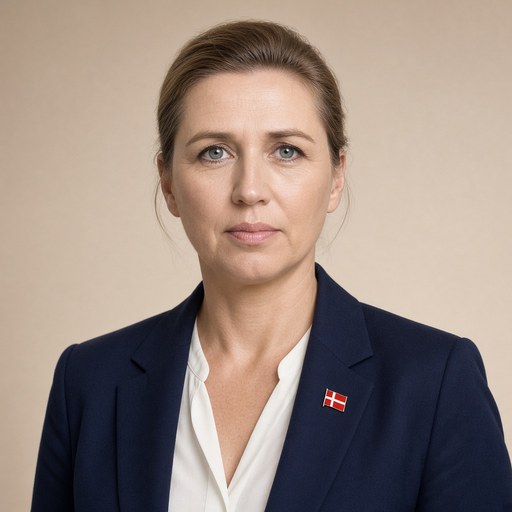
Prime Minister Mette Frederiksen's speech at the Trade Union Congress on August 31, 2021.
 Mette Frederiksen · Prime Minister of Denmark
- Context
- Frederiksen addressed the Danish Trade Union Congress on August 31, 2021, outlining post-pandemic reform priorities and responding to the nurses' labor dispute.
- Main themes
- Post-pandemic recovery, labor movement solidarity, early retirement rights, nurses' strike and equal pay, public sector reform, trust in welfare institutions, green transition, employment and education, collective bargaining, decentralization, welfare model renewal
- Duration
- ~10 min
- Words
- 1,144
- Sentences
- 119
- Readability
- 68
- Grade
- 6.0
- Syntax
- 2.26
- Vocabulary
- 1.95
Translated from Danish
The broad sphere of national life a sentence belongs to. Every sentence has an Arena, so it is the denominator the other indices are read against.
Other119 sentences in 60 paragraphs
Dear everyone.
Dear Lizette.
You were ready. The labor movement was ready when Denmark needed you. A warm thank you for a formidable and responsible effort during the coronavirus crisis.
I am convinced that we have the worst behind us. Now we must move forward after the crisis. Here, you are also prepared. You are already at it.
Today, FH has published a wise and good reform proposal. It beautifully follows up on the conference about the future of Denmark from a week ago.
We need to set a new reform course.
The starting point is good. The economy is booming.
Danish employees are going to work. Unemployment did not take hold, as we have seen during other major crises.
We have shown that it is possible to conduct an active and resolute crisis policy.
Do you remember the first Workers' Summit – in 2019? Back then, I promised you – that if I became Prime Minister, my government would introduce a new right to early retirement.
Do you remember what was said back then two years ago?
It was a bluff. It could never be done.
It could be done.
A couple of weeks ago, I stood at Rådhustorvet in Vejle handing out red roses. There I met – not Arne, but Kjeld. He told me that he had just received the right to early retirement.
He was not sure if he would use it when the time came. Maybe he would continue to work. And that would just be a win-win for society.
The crucial thing is that he has the choice and the dignity.
A choice and a right that many people who can afford it have had for many years. That choice and that right are now available to more people. Those who need it the most.
That is the solidarity on which we have built Denmark.
* * *
When I look back at the last few decades in Danish politics and societal debate, we have been too powerless in the face of the major development trends.
Centralization. Bureaucratization. Relocation of jobs. There was a prevailing sentiment that we could not do anything about it.
Now we must take back responsibility and action. Show that we can do something. That is our most important lesson from the pandemic: That we as a country and a people can do what we decide to do.
We need to get more people into work. We need to get more people into education. Green transition. Growth. Innovation.
We must address the major societal problems.
This brings me to a current issue – the nurses' fight for better pay and working conditions.
I have not said anything about the conflict while it was ongoing. That is the way the rules work.
Now the government and the Parliament have intervened. It is not a decision we have made with joy. But it is also part of the rules.
The conflict is over. Therefore, I would like to say something today.
I want to send a direct message to you nurses who are watching:
I can hear that some of you are disappointed and angry.
I also want to say to you: You have raised an important debate about equal pay. It will not be forgotten. It does not stop here.
But it is about more than just allocating more billions.
How should it be done the right way? How should it be financed? It is not straightforward.
I am convinced that it is wise to thoroughly investigate the pay conditions in the entire public sector. As you have suggested.
We must also ensure that the parties reach a common understanding and a basis for negotiating pay in the future.
I know it may sound hollow to some of you nurses. A wage structure committee. That was not what you went on strike for over ten weeks.
Perhaps it also sounds hollow in your ears when I and others say that you nurses are important in our welfare society.
The interplay between the public and private sectors makes a society strong. Everyone has worked hard and taken on great responsibility during the pandemic.
That does not change the fact that you deserve respect. You have the respect of the Danish people. You have my respect.
But I also believe that the collective bargaining negotiations have become a platform for other issues beyond pay and working conditions.
I see a public sector that is bogged down in detailed management – instead of trust.
We are allocating more money to welfare. 1,000 more nurses. The Welfare Law. We are making progress step by step along a long road.
But it all means nothing if we continue to run the public sector in the same way.
Just one example: In nursing homes – what a name, by the way? – they measure the elderly's BMI. Instead of ensuring that they get out for some fresh air.
We are draining the world's best welfare model of what is most important.
The trust that genuine, heartfelt welfare is created in the meeting between people.
Others have said it before me. Without the problems being solved. But we must succeed this time.
A warmer welfare society with trust, with professionalism – not all sorts of other things – is one of the ten advancements that the government has outlined for Denmark over the next ten years.
It would take too long to go through all ten advancements in the government's proposal here today. I have been given ten minutes to speak and must soon wrap up.
But all ten areas have one common denominator: Denmark must be richer, greener, and more skilled. More Danes must go to work.
We need to restore respect for work.
Everyone can work – not everyone can handle 37 hours. But we have done thousands of people a disservice by not setting demands.
45,000 young people aged 15-24 are doing nothing – 45,000.
Without an alarm clock. Without demands. They do not have an education. They do not have a job after primary school.
It is a catastrophe. But no one is demonstrating. No one is raising their voice about it. We cannot accept that.
If we cannot engage the young people now – with the economic boom we are entering – when then?
We do not have high unemployment. But if you are unemployed, you must take the work that is available and be proud of it.
We need to look at our education system. Many boys feel school-weary. I would like to invite a discussion about whether we have created a school that is too academic and theoretical?
We must never lose faith that all young people can get an education or a job. That we can build a fairer society with genuinely equal opportunities. That we need everyone in Denmark.
Denmark can do more.
The original Danish. The tags above are read on the English translation's sentences.
Kære alle sammen.
Kære Lizette.
Du stod klar. Fagbevægelsen stod klar, da Danmark havde brug for jer. En varm tak for en formidabel og ansvarlig indsats under coronakrisen.
Jeg er overbevist om, at vi har det værste bag os. Nu skal vi videre efter krisen. Her er I også parate. I er allerede i gang.
I dag har FH offentliggjort et klogt og godt reformoplæg. Det ligger smukt i forlængelse af konferencen om fremtidens Danmark for en uge siden.
Vi skal sætte en ny reformkurs.
Udgangspunktet er godt. Økonomien buldrer derudaf.
Danske lønmodtagere går på arbejde. Ledigheden bed sig ikke fast, som vi ellers har set det under andre store kriser.
Vi har vist, at man kan føre en aktiv og resolut krisepolitik.
Kan I huske det første Lønmodtagernes Topmøde – i 2019? Dengang lovede jeg jer – at hvis jeg blev statsminister, så ville jeg og min regering indføre en ny ret til tidlig pension.
Husker I, hvad man sagde dengang for to år siden?
Det var et blufnummer. Det kunne aldrig lade sig gøre.
Det kunne det.
For et par uger siden stod jeg på Rådhustorvet i Vejle og delte røde roser ud. Her mødte jeg – ikke Arne, men Kjeld. Han fortalte, at han netop havde fået ret til tidlig pension.
Han var ikke sikker på, at han ville bruge den, når den tid kom. Måske ville han fortsætte med at arbejde. Og det vil jo bare være win-win for samfundet.
Det afgørende er, at han har valget og værdigheden.
Et valg og en ret, som mange mennesker, der har pengene til det, har haft i mange år. Det valg og den ret er der nu flere, som har. De, der har allermest brug for den.
Det er den solidaritet, vi har bygget Danmark på.
* * *
Når jeg ser tilbage på de seneste årtier i dansk politik og samfundsdebat. Så har vi været for afmægtige over for de store udviklingstendenser.
Centralisering. Bureaukratisering. Udflytning af arbejdspladser. Der bredte sig en stemning af, at det kunne vi ikke gøre noget ved.
Nu skal vi tage ansvaret og handlekraften tilbage. Vise, at vi kan gøre noget. Det er vores vigtigste erfaring fra pandemien: At vi som land og folk kan gøre det, vi beslutter os for.
Vi skal have flere i arbejde. Vi skal have flere i uddannelse. Grøn omstilling. Vækst. Innovation.
Vi skal adressere de store samfundsproblemer.
Det leder mig hen til et aktuelt spørgsmål – sygeplejerskernes kamp for bedre løn og arbejdsvilkår.
Jeg har ikke sagt noget om konflikten, mens den var i gang. Sådan er spillereglerne.
Nu har regeringen og Folketinget grebet ind. Det er ikke en beslutning, vi har truffet med glæde. Men det er også en del af spillereglerne.
Konflikten er stoppet. Derfor vil jeg gerne sige noget i dag.
Jeg vil sende en direkte hilsen til jer sygeplejersker, som ser med:
Jeg kan godt høre, at nogle er skuffede og vrede.
Jeg vil også sige til jer: I har rejst en vigtig debat om ligeløn. Den vil ikke blive glemt. Den stopper ikke her.
Men det handler om mere end at sætte flere milliarder af.
Hvordan skulle det gøres på den rigtige måde? Hvordan skulle det finansieres? Det er ikke helt ligetil.
Jeg er overbevist om, at det er klogt at undersøge lønforholdene i hele den offentlige sektor til bunds. Som foreslået af jer.
Vi skal også sikre os, at parterne får en fælles forståelse og et grundlag at forhandle løn på fremover.
Jeg ved godt, det kan lyde hult for nogle af jer sygeplejersker. En lønstrukturkomité. Det var ikke det, I strejkede for gennem ti uger.
Måske lyder det også hult i jeres ører, når jeg og andre siger, at I sygeplejersker er vigtige i vores velfærdssamfund.
Samspillet mellem offentlige og private gør et samfund stærkt. Alle har arbejdet hårdt og løftet et stort ansvar under pandemien.
Det ændrer ikke ved, at I fortjener respekt. I har danskernes respekt. I har min respekt.
Men jeg tror også, at overenskomstforhandlingerne er blevet talerør for andet og mere end løn og arbejdsvilkår.
Jeg oplever en offentlig sektor, der sander til i detailstyring – i stedet for tillid.
Vi giver flere penge til velfærden. 1.000 flere sygeplejersker. Velfærdsloven. Vi er på vej skridt for skridt ad en lang vej.
Men det nytter alt sammen ikke noget, hvis vi bliver ved med at drive den offentlige sektor på den samme måde.
Bare ét eksempel: På plejecentre – hvilket navn er det i øvrigt? – måler man de ældres bmi. I stedet for at sørge for, at de komme ud en tur i den friske luft.
Vi er ved at dræne verdens bedste samfundsmodel for det vigtigste.
Tilliden til, at ægte, hjertevarm velfærd skabes i mødet mellem mennesker.
Andre har sagt det før mig. Uden at problemerne er blevet løst. Men vi skal lykkes den her gang.
Et varmere velfærdssamfund med tillid, med faglighed – ikke alt muligt andet – det er et af de ti fremskridt, som regeringen har stillet op for Danmark de næste ti år.
Det vil føre for vidt at gennemgå alle ti fremskridt i regeringens oplæg her i dag. Jeg har fået ti minutters taletid og skal snart runde af.
Men alle ti områder har én fællesnævner: Danmark skal være rigere, grønnere og dygtigere. Flere danskere skal gå på arbejde.
Vi skal have respekten for arbejdet tilbage.
Alle kan arbejde – ikke alle kan klare 37 timer. Men vi har gjort tusindvis af mennesker en bjørnetjeneste ved ikke at stille krav.
45.000 unge i alderen 15-24 år laver ingenting – 45.000.
Uden vækkeur. Uden krav. De har ikke en uddannelse. De har ikke et arbejde efter folkeskolen.
Det er en katastrofe. Men ingen demonstrerer. Ingen råber op om det. Det kan vi ikke være bekendt.
Hvis vi ikke kan få de unge med nu – med den højkonjunktur vi er på vej ind i – hvornår så?
Vi har ikke en høj arbejdsløshed. Men er man arbejdsløs, må man tage det arbejde, der er og være stolt ved det.
Vi skal se på vores uddannelser. Mange drenge oplever at være skoletrætte. Jeg vil gerne invitere til en diskussion af, om vi har skabt en skole, der er for boglig og teoretisk?
Vi må aldrig miste troen på, at alle unge kan få en uddannelse eller et arbejde. At vi kan bygge et mere retfærdigt samfund med reelt lige muligheder. At vi har brug for alle i Danmark.
Danmark kan mere.