




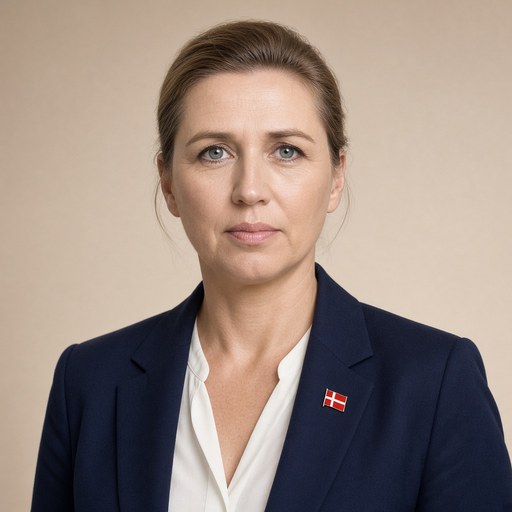
Prime Minister Mette Frederiksen's speech on Flag Day, September 5, 2020.
 Mette Frederiksen · Prime Minister of Denmark
- Context
- Frederiksen addressed veterans, relatives, and representatives at Kastellet, Copenhagen on Denmark's Flag Day 2020, honoring deployed soldiers and fallen servicemembers.
- Main themes
- Honoring deployed military personnel, Flag Day ceremony, fallen soldiers and their families, Al Asad Air Base attack in Iraq, COVID-19 impact on military missions, Danish defense contributions abroad, gratitude and sacrifice, international missions and alliances, counter-terrorism efforts in Mali and Sahel
- Duration
- ~9 min
- Words
- 1,083
- Sentences
- 123
- Readability
- 77
- Grade
- 4.7
- Syntax
- 2.21
- Vocabulary
- 2.02
Translated from Danish
The broad sphere of national life a sentence belongs to. Every sentence has an Arena, so it is the denominator the other indices are read against.
Other123 sentences in 62 paragraphs
Your Royal Highnesses.
Dear representatives. Dear veterans. Dear relatives.
Today we honor the men and women who have been deployed and are deployed for Denmark.
We honor you.
This year's Flag Day is different from what it usually is. Most of you are listening from a distance. Unfortunately, that is the case in the time of corona.
But that does not change the fact that Flag Day is your day.
On behalf of all of Denmark and all Danes: Thank you.
Thank you for your efforts. Thank you for your values. Thank you for your sacrifices.
Thank you for doing your part to make the world more just and more secure.
You fight for Denmark's security, interests, and future.
You fight for peace. You fight for democracy.
And with that fight comes a price. For peace is not a given thing. And democracy – it costs. You know that better than anyone else.
We are here at Kastellet by the monument for the fallen in Denmark's service. For those who have paid the highest price.
You, who gave your lives. So that the rest of us can live our lives in safety and freedom.
And you who are here today – you who are sitting right here in front – you are partners or spouses. Mothers or fathers. Sons and daughters. Or in other ways relatives of the fallen and seriously wounded.
The names of your loved ones are carved into the stone of the memorial. Those who are closest to you gave everything that a human being can give.
Your grief and loss are a burden that never disappears. But I know that you support each other. And I hope that we others, as time goes by, will get better at supporting you, so that the burden, if possible, becomes a little lighter to bear.
We owe Denmark's fallen gratitude and respect.
Honor their memory.
This year, fortunately, we have neither lost lives nor had seriously wounded. But it was close.
On the night of Wednesday, January 8, Al Asad Air Base in Iraq was subjected to one of the most violent attacks Danish soldiers have experienced in recent times.
That night, there were about 130 Danish soldiers on the base.
Soldiers who trained Iraqi colleagues to lead the fight against ISIL themselves. It doesn't get more important than that.
That night in January – some of you were out in the desert in vehicles. From a distance, you had to watch. While violent explosions hit exactly where your comrades were still located.
The comrades inside the base were in shelters. And experienced explosions so violent that they could afterwards tell how the dust in the air moved under the pressure.
Destruction rained down.
No one knew when it would end. No one knew how it would end. No one could know if the next missile would hit oneself or a good friend and comrade.
For all of you – both outside and inside the base – it was the case that you could do nothing but wait.
Soldiers are used to acting. It was heavy for you to feel that helplessness.
The evening before, we were a few back home who received intelligence that an attack on the base might take place.
We and I sat with our hearts in our throats. We also waited in uncertainty. We also feared that the worst possible would happen that night.
We back home naturally trusted you out there.
Your training. Your preparedness. Your values. Your compass.
And after the attack, you all displayed the professionalism that characterizes Danish soldiers.
You took care of each other.
That night in January, we managed without losses.
The violent attack in Iraq at the beginning of January was before the world was hit by the pandemic that has affected us all.
Covid-19 has left its mark on all missions.
With you, who defend Europe's borders in Frontex. Work in the refugee camps in Greece. Are deployed to NATO's missions in, among others, Afghanistan and Estonia. Support the building of the police in the Horn of Africa and elsewhere in the world. And with all of you others.
Whether you are soldiers, police officers, nurses, doctors, emergency responders, advisors, or other specialists.
Whether you work on the front line. Or behind the front line. In the countless functions that are all necessary cogs in the Danish effort.
Covid-19 has been an extra challenge both out there with you and at home with your relatives.
In Mali, a Danish transport plane participated in the UN mission. Due to covid-19, you were extended on very short notice.
It was difficult for your relatives, who had been looking forward to your return. And now had to wait even longer for the reunion.
It was difficult for you out there. Also because the UN, due to corona, limited activity. You could see that the civilian population needed you. But the soldiers had to stay in the camps.
Your colleagues, who work together with our French allies, could, however, take to the skies. Even during corona.
You are helping to combat the threat of terrorism. It must not spread from the Sahel region to Europe.
One of you has told that when you fly over the country, people wave to you. You are necessary, wanted, and welcome.
You are not many. But you mean a lot.
These stories testify that our deployed personnel make a difference. For us. For the world. For the people who need help and support the most.
Since 1948, up to 60,000 Danes have been deployed.
That means that many of us meet you in everyday life. Even when it can be difficult.
A friend. A neighbor. A father of a daughter’s classmate. For my part, my brother.
I want to say to all of you. And to all your relatives:
You should know that all of Denmark stands behind you. We are deeply grateful that you have chosen to fight for something that is greater than yourselves.
A better world.
That obliges us here at home. We must welcome you well. When you return home. Of course, we must do that.
Also better than we do today.
Some of you struggle with harsh experiences. We need to have a safe and solid veteran policy. It has improved. But it is still not good enough yet.
It is with great humility that I stand here today.
You have my utmost respect.
Today, Denmark raises the flag only for you.
The original Danish. The tags above are read on the English translation's sentences.
Deres kongelige højheder.
Kære udsendte. Kære veteraner. Kære pårørende.
I dag hylder vi de mænd og de kvinder, som har været udsendt og er udsendt for Danmark.
Vi hylder jer.
Flagdagen i år er anderledes, end den plejer at være. De fleste af jer lytter med på afstand. Sådan er det desværre i corona’ens tid.
Men det ændrer selvfølgelig ikke ved. At flagdagen er jeres dag.
På vegne af hele Danmark og alle danskere: Tak.
Tak for indsatsen. Tak for værdierne. Tak for ofrene.
Tak, fordi I gør jeres til, at verden bliver mere retfærdig og mere tryg.
I kæmper for Danmarks sikkerhed, interesser og fremtid.
I kæmper for fred. I kæmper for demokrati.
Og med den kamp kommer en pris. For fred er ikke en given ting. Og demokrati – det koster. Det ved I bedre end nogen andre.
Vi er her på Kastellet ved monumentet for de faldne i Danmarks tjeneste. For dem, som har betalt den højeste pris.
Jer, som gav jeres liv. For at vi andre kan leve vores liv i tryghed og frihed.
Og I der er med her i dag – I der sidder lige her foran – I er kærester eller ægtefæller. Mødre eller fædre. Sønner og døtre. Eller på anden måde pårørende til faldne og alvorligt sårede.
Navnene på jeres kære er hugget ind i mindesmærkets sten. De, som står jer allernærmest, gav alt, hvad et menneske overhovedet kan give.
Jeres sorg og savn er en byrde, som aldrig forsvinder. Men jeg ved, at I støtter hinanden. Og jeg håber, at vi andre, som tiden går, bliver bedre til at støtte jer, så byrden, om muligt, bliver en smule lettere at bære.
Vi skylder Danmarks faldne taknemmelighed og respekt.
Ære være deres minde.
I år har vi heldigvis hverken mistet liv eller haft alvorligt sårede. Men det var tæt på.
Natten til onsdag den 8. januar blev Al Asad Air Base i Irak udsat for et af de mest voldsomme angreb danske soldater har oplevet i nyere tid.
Den nat var der omkring 130 danske soldater på basen.
Soldater, som uddannede irakiske kolleger til selv at lede kampen mod ISIL. Vigtigere bliver det ikke.
Den nat i januar – var nogle af jer ude i ørkenen i køretøjer. På afstand måtte I se til. Mens voldsomme eksplosioner ramte netop dér, hvor jeres kammerater stadig befandt sig.
Kammeraterne inde på basen sad i beskyttelsesrum. Og oplevede eksplosioner så voldsomme, at de bagefter kunne fortælle, hvordan støvet i luften bevægede sig under trykket.
Ødelæggelsen regnede ned.
Ingen vidste, hvornår det ville ende. Ingen vidste, hvordan det ville ende. Ingen kunne vide, om det næste missil ville ramme én selv eller en god ven og kammerat.
For jer alle – både uden for og inde på basen – gjaldt, at I ikke kunne gøre andet end at vente.
Soldater er vant til at handle. Det var tungt for jer at føle den magtesløshed.
Aftenen inden var vi få herhjemme, som fik efterretninger om, at et angreb på basen måske ville finde sted.
Vi og jeg sad med hjertet oppe i halsen. Vi ventede også i uvished. Vi frygtede også, at det værst tænkelige ville ske den nat.
Vi herhjemme stolede selvfølgelig på jer derude.
Jeres træning. Jeres beredskab. Jeres værdier. Jeres kompas.
Og efter angrebet udviste I alle den professionalisme, som kendetegner danske soldater.
I passede på hinanden.
Den nat i januar klarede vi os uden tab.
Det voldsomme angreb i Irak i starten af januar var før, verden blev ramt af den pandemi, som har påvirket os alle.
Covid-19 har sat sit præg på alle missioner.
Hos jer, der forsvarer Europas grænser i Frontex. Arbejder i flygtningelejrene i Grækenland. Er udsendt til NATO’s missioner i blandt andet Afghanistan og Estland. Støtter opbygningen af politiet på Afrikas Horn og andre steder i verden. Og hos alle jer andre.
Uanset om I er soldater, politifolk, sygeplejersker, læger, beredskabsfolk, rådgivere eller andre specialister.
Uanset om I arbejder på frontlinjen. Eller bag frontlinjen. I det utal af funktioner, som alle er nødvendige tandhjul i den danske indsats.
Covid-19 har været en ekstra udfordring både ude hos jer og hjemme hos jeres pårørende.
I Mali deltog et dansk transportfly i FN’s mission. På grund af covid-19 blev I forlænget med meget kort varsel.
Det var svært for jeres pårørende, som havde glædet sig til, I kom hjem. Og nu måtte vente endnu længere på gensynet.
Det var vanskeligt for jer derude. Også fordi FN på grund af corona begrænsede aktiviteten. I kunne se, at civilbefolkningen havde brug for jer. Men soldaterne måtte blive i lejrene.
Jeres kolleger, der arbejder sammen med vores franske allierede, kunne derimod komme på vingerne. Også under corona.
I er med til at bekæmpe truslen fra terrorisme. Den må ikke sprede sig fra Sahel-regionen til Europa.
En af jer har fortalt, at når I flyver over landet, så vinker folk til jer. I er nødvendige, ønskede og velkomne.
I er ikke mange. Men I betyder meget.
De her historier vidner om, at vores udsendte gør en forskel. For os. For verden. For de mennesker, som har allermest brug for hjælp og støtte.
Siden 1948 har op mod 60.000 danskere været udsendt.
Det betyder, at mange af os møder jer i hverdagen. Også når det kan være svært.
En ven. En nabo. En far til datterens klassekammerat. For mit eget vedkommende min bror.
Jeg vil sige til jer alle sammen. Og til alle jeres pårørende:
I skal vide, at hele Danmark står bag jer. Vi er dybt taknemmelige for, at I har valgt at kæmpe for noget, som er større end jer selv.
En bedre verden.
Det forpligter os herhjemme. Vi skal tage godt imod jer. Når I vender hjem. Selvfølgelig skal vi det.
Også bedre end vi gør det i dag.
Nogle af jer kæmper med barske oplevelser. Vi skal have en tryg og solid veteranpolitik. Den er blevet bedre. Men den er slet ikke god nok endnu.
Det er med stor ydmyghed, jeg står her i dag.
I har min største respekt.
I dag hejser Danmark flaget kun for jer.