




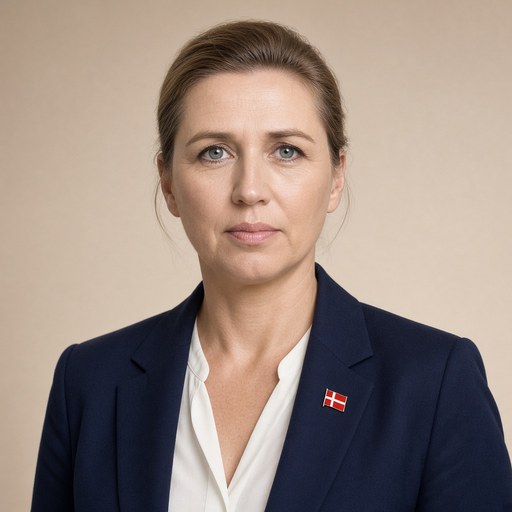
Prime Minister Mette Frederiksen's speech at the reunification event at Dybbøl Banke on June 15, 2020.
 Mette Frederiksen · Prime Minister of Denmark
- Context
- Frederiksen addressed the 100th anniversary reunification ceremony at Dybbøl Banke on June 15, 2020, coinciding with the reopening of the Danish-German border after COVID-19 restrictions.
- Main themes
- Danish reunification centenary, Danish-German friendship and minorities, border reopening after COVID-19, Southern Jutland history, national identity and language, trust and coexistence, promises to minorities, pandemic recovery
- Duration
- ~6 min
- Words
- 665
- Sentences
- 64
- Readability
- 73
- Grade
- 5.6
- Syntax
- 2.46
- Vocabulary
- 2.00
Translated from Danish
The broad sphere of national life a sentence belongs to. Every sentence has an Arena, so it is the denominator the other indices are read against.
Other64 sentences in 27 paragraphs
We often mark the 100th anniversary of the reunification. Southern Jutland has come home.
The celebration is taking place in a somewhat different way than it was planned.
What we were supposed to gather around, we must this time mark from a distance. We will figure it out – but we miss the closeness.
Instead of singing together here at Skansen Four – we must instead sing with our nearest ones.
This is how we have gotten through many difficult times. As humans. As a people. As a country.
In the years from the loss of Southern Jutland in 1864 until the reunification in 1920, it was song and language that bound many Danish Southern Jutlanders together here in the region.
One had to be Danish despite everything. Fight for one's right. "It has recently rained."
In World War I, thousands of Danish-minded individuals had to fight in the trenches for a country they did not feel was theirs. With the reunification, the question was brought to a head. Are you Danish? Are you German?
The answer was to be given in the ballot box. It was and is a unique way to establish a border. And that is why the border still stands firm.
Not everyone's wishes were fulfilled. Minorities arose on both sides.
Over time, understanding for one another grew. On both sides of the border.
Trust grew, and friendship took flight. Therefore, we do not only celebrate the reunification. We also celebrate the Danish-German cultural friendship year.
Today, Danish and German schools, libraries, and kindergartens stand door to door, side by side.
The children and young people of the minorities grow up, often with both languages. You probably have a stronger awareness of culture, history, and identity than many others. Many of you also live your lives on both sides of the border.
You may not think about it in your daily lives. But it makes you an inspiration and a role model for the rest of us.
In a time when division simmers around us, in the whole world – we need the spirit that lives in the borderland. That one can be who one is. Carry one's roots, traditions, one's language – with pride. And at the same time embrace one another.
When all is said and done, bonds are formed between people – by people. In the small. In the daily. The unspoken trust – that we take care of each other.
At the celebration of the reunification 100 years ago – which was held right here at Dybbøl Banke in 1920 – the then Danish Prime Minister Niels Neergaard made a promise. The minority that remained in Germany would not be forgotten.
We would like to renew that promise today: You have not been forgotten, and you shall not be forgotten.
But today I also want to make a new promise. To all of you who live on our side and who feel German:
You too belong to Denmark. There is room for all voices.
Today we are not only celebrating the 100th anniversary of the reunification. We can also rejoice today over the reopening of the border that it is all about. One might almost think it was planned. But that is not the case after all.
The coronavirus was an unwelcome guest. Now it has fortunately come under control.
The partial closure of our society has affected all places in Denmark and all people. But I know that it has hit the borderland particularly hard. Because your everyday life and cooperation have become so rooted.
From today, tourists can again come to Denmark. And we welcome you. And you, who live here, can again travel back and forth or just cross the border again. Everyday life is slowly returning.
Think about how far we have come when the question of the border is no longer about where we should part – but how we come together.
It gives hope for the future on a historic day.
The original Danish. The tags above are read on the English translation's sentences.
I aften markerer vi 100-året for genforeningen. Sønderjylland kom hjem.
Fejringen sker på en noget anden måde, end den var planlagt.
Det, vi skulle samles om, må vi den her gang markere på afstand. Vi finder ud af det – men vi savner nærheden.
I stedet for at synge sammen her på skanse fire – må vi i stedet synge med vore nærmeste.
Sådan er vi kommet igennem mange svære tider. Som mennesker. Som folk. Som land.
I årene fra tabet af Sønderjylland i 1864 og frem til genforeningen i 1920 var det sangen og sproget, der bandt mange danske sønderjyder sammen her i landsdelen.
Man måtte være dansk på trods. Kæmpe for sin ret. ”Det haver så nyligen regnet”.
I første verdenskrig måtte tusinder af dansksindede kæmpe i skyttegravene for et land, som de ikke følte var deres. Med genforeningen blev spørgsmålet sat på spidsen. Er du dansk? Er du tysk?
Svaret skulle gives i stemmeboksen. Det var og er en enestående måde at fastsætte en grænse på. Og det er grunden til, at grænsen stadig ligger fast.
Ikke alles ønske blev opfyldt. Mindretal på begge sider opstod.
Med tiden voksede forståelsen for hinanden. På begge sider af grænsen.
Tilliden voksede, og venskabet fik vinger. Derfor fejrer vi ikke kun genforeningen. Vi fejrer også det dansk-tyske kultur-venskabsår.
I dag ligger danske og tyske skoler, biblioteker og børnehaver dør om dør, side ved side.
Mindretallenes børn og unge vokser op, ofte med begge sprog. I har nok en stærkere bevidsthed om kultur, historie og identitet end mange andre. Mange af jer lever også jeres liv på begge sider af grænsen.
I tænker måske ikke over det i hverdagen. Men det gør jer til en inspiration og et forbillede for os andre.
I en tid, hvor splittelsen ulmer omkring os, i hele verden – har vi brug for den ånd, som lever i grænselandet. At man kan være den, man er. Bære sine rødder, traditioner, sit sprog – med stolthed. Og samtidig rumme hinanden.
Når alt kommer til alt, bindes bånd mellem mennesker – af mennesker. I det små. I det daglige. Den usagte tillid – at vi passer på hinanden.
Ved fejringen af genforeningen for 100 år siden – som blev holdt lige her på Dybbøl Banke i 1920 – gav den daværende danske statsminister Niels Neergaard et løfte. Det mindretal, som blev i Tyskland, skulle ikke blive glemt.
Det løfte vil vi gerne forny i dag: I er ikke blevet glemt, og I skal ikke blive glemt.
Men i dag vil jeg også give et nyt løfte. Til alle jer, som bor på vores side, og som føler sig tyske:
Auch ihr gehört zu Dänemark. Der er plads til alle stemmer.
I dag fejrer vi ikke alene 100-året for genforeningen. Vi kan i dag også glæde os over genåbningen af den grænse, som det hele handler om. Man skulle næsten tro, at det var planlagt. Men sådan er det trods alt ikke.
Coronaen var en ubuden gæst. Nu er den heldigvis kommet under kontrol.
Den delvise lukning af vores samfund har påvirket alle steder i Danmark og alle mennesker. Men jeg ved, at den har ramt grænselandet særligt hårdt. Fordi jeres hverdag og samarbejde er blevet så rodfæstet.
Fra i dag kan turister igen komme til Danmark. Og vi ønsker jer velkommen. Og I, der bor her, kan igen rejse frem og tilbage eller bare tage hen over grænsen igen. Hverdagen vender så småt tilbage.
Tænk, hvor langt vi er kommet, når spørgsmålet om grænsen ikke længere handler om, hvor vi skal skilles – men hvordan, vi samles.
Det giver tro på fremtiden på en historisk dag.