




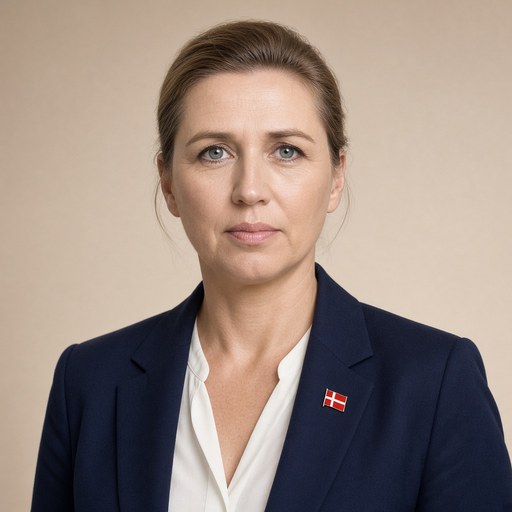
Prime Minister Mette Frederiksen's speech at the final debate of the Folketing on June 22, 2020.
 Mette Frederiksen · Prime Minister of Denmark
- Context
- Frederiksen addressed the Danish Folketing at the closing debate of the parliamentary year on June 22, 2020, reflecting on Denmark's response to the COVID-19 pandemic.
- Main themes
- COVID-19 pandemic response, national unity and community, healthcare system resilience, economic protection and jobs, parliamentary cooperation, frontline workers recognition, Greenland and Faroe Islands, democratic strength, public health measures, reopening strategy
- Duration
- ~36 min
- Words
- 4,348
- Sentences
- 508
- Readability
- 58
- Grade
- 7.3
- Syntax
- 2.15
- Vocabulary
- 2.05
Translated from Danish
The broad sphere of national life a sentence belongs to. Every sentence has an Arena, so it is the denominator the other indices are read against.
Other508 sentences in 257 paragraphs
Today we conclude a parliamentary year. A year that turned out to be completely different from what we had imagined.
Denmark and the world were struck by an unknown, contagious, and deadly virus.
In an instant, the everyday problems became small. Something greater was at stake. Life and death.
In that situation, all of Denmark stood together.
We took care of the elderly and the vulnerable.
We held each other's fates in our hands. Quite literally.
Never has it been more evident how dependent we are on each other.
In Denmark, 600 people have died with corona. Every lost life is a loss.
Against this serious backdrop, we have saved lives together. Prevented even more from becoming victims of the virus. We can be proud of that.
We can also be proud that our healthcare system managed through the spring.
It succeeded in adapting the hospitals so that there was enough capacity. New departments were opened in record time. Healthcare personnel worked long shifts.
The sick received help.
A huge thank you to all of you who work in our healthcare system.
To all of you in elder care.
To all of you who take care of vulnerable and at-risk citizens.
Corona has placed entirely special demands on the frontline staff.
At the same time, we have taken action to protect jobs and the economy. We have also done this together – businesses, employees, parliament.
Right from the start, it was obvious. That corona was not only a health crisis but also a societal crisis.
The virus spread from country to country. The economic problems did too. Production stops in China immediately impacted the global economy and Danish exports. Uncertainty increased.
For the sake of the economy, we did not shut down the entire society. But only parts of society.
Most in the public sector were sent home. This made room for many in the private sector to go to work. In production, the energy sector, supply, stores, and transportation.
When we reopened. Step by step. We also took into account both health and jobs.
These were dramatic months. Where we acted together. Where we acted quickly. Better to take a step too far than a step too short.
This became crucial for us to be in a good place today.
We have, through our collective strength, won the first half of the battle against corona.
What we have achieved together – everyone in Denmark – will go down in history.
We can be grateful. We can be proud.
Denmark, well done.
But we are not through. There is also a second half. Yes, perhaps even more. The infection is still here.
We see that around the world. We are reminded of it here at home. Just last week.
For the first time in several months, we are meeting today in the parliamentary chamber without restrictions. As in all other workplaces, things are different. We must keep more distance. And be considerate. Of each other. Especially the latter suits us quite well.
The Greenlandic and Faroese members are also back. It is lovely to see you again.
I am full of admiration for the efforts in your countries.
In the Faroe Islands and Greenland, things have gone beyond all expectations. Efficiently. You have found your own answers to the corona crisis.
You have shown the strength of small communities.
In Denmark, we relied on old strengths. Community. Social responsibility.
But we also discovered something new.
Things were turned upside down.
The waste worker, the cleaning assistant, the bus driver, the truck driver. The person at the checkout in the supermarket. And many more.
Far too often, we have taken you for granted.
Now you stayed at work while others were sent home. We cannot do without you. Surely that has commanded a new respect?
Teachers, educators, and educational assistants. You have organized emergency care, emergency teaching, and reopening.
You had the opportunity to rethink things from scratch. Without the usual bureaucracy.
Both in the public sector and in private companies, we have been quick to adapt to a new situation. Use the knowledge we gained along the way.
Everyone has been flexible. Pragmatic.
Where does that come from?
We have a shared awareness that we help each other. As something completely natural.
Public aid packages for private companies.
Private companies that adapt production to visors and hand sanitizer.
Employers and trade unions taking responsibility in a completely extraordinary situation.
Here in Parliament, we have entered into 38 political agreements on corona. All ten parties support the most important decisions.
This shows our strong democracy. It is reassuring for the Danes.
The community has brought us to where we stand today. It is also the community that will take us further.
It was not only lives and hospitals that were at stake. It was also our societal economy.
Our way of tackling the crisis – with a quick and partial shutdown – has created security for employees and businesses.
And all parts of society have contributed to getting jobs and companies through the crisis as best as possible.
Parliament released extra capital. Provided guarantees. This gave banks a better opportunity to lend money to the small business that was in dire straits.
So the hairdresser, the craftsman, and the café could keep their employees. At the same time, Danes bought locally and supported the stores.
In just one week in March, we agreed on two large economic aid packages. And entered into a historic tripartite agreement with labor market partners on wage compensation.
A united parliament stood behind the agreements.
All of this we have achieved together.
We have supported thousands of businesses and close to a quarter of a million employees.
The tripartite agreement shows the strength of our social contract. The public sector and the private sector work closely together. It is unique.
The state paid wage compensation to furloughed employees. Companies held back on layoffs. Employees gave up five vacation days.
Everyone found pragmatic solutions.
Together we expanded the aid packages. Solved the problems that arose. Made the arrangements better.
When we put it all together, we succeeded in both keeping the working Denmark going. And in stretching a safety net under the businesses and jobs that were hard hit by corona.
The entire large effort rests on a broad responsibility throughout our society.
But the effort was only possible because we have a fundamentally healthy Danish economy.
Low debt. Robust public finances. The money lasts many years into the future. High employment. Low unemployment.
The healthy economy is also a result of a collective effort.
For decades, successive governments and parties have shown great responsibility. Reforms of education, the tax system, and the labor market. And not least the Welfare Agreement from 2006.
This gives us a good starting point to get out of the crisis we are in now.
The setback for the Danish economy will be significant this year. The government estimates a decline in gross domestic product of over 5 percent. That is more than during the financial crisis.
The assessment is that the crisis will be deep. But that we will recover faster than during the financial crisis.
The significant setback has roots in several factors.
A pandemic means uncertainty. And uncertainty means that many of us have held back. The same goes for businesses on investments.
The global economy has come to a sudden halt. Nearly 800,000 Danish jobs depend on exports.
Restrictions have limited opportunities for economic activity.
Fortunately, there are sectors that are doing well: grocery trade, hardware stores.
But many are hard hit.
Tourism, hotels, the travel industry, restaurants, culture, and experiences.
Small self-employed individuals have not only lost their means of support. Many have also seen a lifetime's work lost.
Even more will be affected. Order books are becoming empty. There is a backlog.
The aid packages are running out. They were the right effort at the right time. But they are, by their nature, temporary.
We have agreed to phase them out after the summer holidays. It is the right decision – even though it will be felt in businesses and among employees.
Many people have lost their jobs. More will come. Unemployment is the ugly face of any crisis.
We have all seen what it does to a person to be without work. What it does to a family.
Deprivation. Uncertainty. Hopes extinguished.
Unemployment is a societal problem.
It will always be the main task of a social democratic government to combat unemployment.
We must not lose a generation of young people to long-term unemployment.
And we must be particularly aware that many of you who have become unemployed during the crisis cannot return to the job you had before. Because the job no longer exists.
Some businesses are closing down. Others are emerging. The labor market is changing.
I know that some of you who have had unskilled jobs may not have the best memories from your school days. But you will need new skills.
You should have the opportunity to use your time without a job as best as possible.
An apprenticeship. Further specialization.
I encourage everyone who is without a job to take advantage of the opportunities you get.
730 million kroner for upskilling and education of the unemployed.
110 percent in unemployment benefits for unskilled workers who take vocational training where there is a shortage of people.
And more than 5 billion kroner to support apprentices, students, and businesses.
It is a societal responsibility to restore the economy.
It is a responsibility that this government takes seriously. It is a responsibility that I take seriously. It is a responsibility we must take on here in Parliament.
A broad green housing agreement. The largest ever – 30 billion kroner until 2026. To renovate the public housing sector, which is a cornerstone of our society.
It is good for tenants, the climate, and employment.
An extraordinary boost to municipal and regional capital investments this year and next year.
I can feel that optimism is already taking hold in Denmark. That is wonderful. And I share it.
It is rare that we from this podium directly ask the Danes to spend money. I would like to do that today. If you can afford an extra evening at a restaurant or a trip out into the summer countryside, then do it. We need to get the wheels turning.
Therefore, we will pay out three weeks of the frozen holiday pay. And give 1,000 kroner to everyone who does not have holiday pay – you who are on old-age pension, disability pension, unemployment benefits, social assistance, and other transfer income.
We must not only bring businesses through the crisis. But also into the future. Build new strengths. Increase international market shares. So Danish companies can produce more, export more, and hire more.
Therefore, an extra deduction for expenses for research and development this year and next year. And a new state fund of 10 billion kroner, which will help large, socially significant companies affected by the corona crisis.
We are doing a lot together. Now everything should be allowed to work.
After the summer, we will assess what more is needed. This depends, among other things, on the development of the global economy.
We will reassess the situation again when we can better see how the recovery is developing.
A recovery must happen wisely and in phases. We do not need a bidding war. Haste can be both costly and the wrong consideration. We must be careful that the crisis does not make us blind to speed.
We have spent a lot of money very quickly. That was necessary. The aid packages are an investment in the future.
But after the summer, we all need to return to a more normal routine, where we both finance proposals and prioritize rigorously.
The framework for the government's economic policy remains a balance between revenues and expenditures in 2025.
We have a responsibility to ensure that we have something to stand against when a new crisis strikes.
We must continue the responsible line in economic policy. Borrowing money in a crisis can be more responsible than the opposite. But only if we use the money to invest in making our society both smarter and more skilled.
We will maintain healthy structures in the labor market. And ensure good conditions for Danish businesses.
A healthy economy provides the opportunity to act. Especially during a crisis. And therefore it is also important for those who have the least. For those who are most vulnerable when the crisis strikes.
The recovery of the Danish economy must be done thoughtfully.
The government has three principles:
Responsible. Fair. And green.
We must not only restore. We must also reinvent. Transform our society.
Last week, a broad majority in Parliament passed the climate law.
It commits us to aim high – a 70 percent reduction in greenhouse gas emissions.
Last week, we also entered into a broad agreement on a green waste sector.
More recycling. Less incineration. Real reductions.
Last night, we reached a climate agreement on energy and industry.
On the world's first energy island. Better use of green electricity. A principled decision on a green tax reform.
In the fall, the government will present its climate program.
Here we will gather the concrete measures we will implement. We will also clarify what is needed to reach our goals.
We must be honest with each other. When we transform our society, it will have consequences. There will be costs. There will be dilemmas. Considerations we must take.
For social balance. For employment. For growth and competitiveness.
If one were to decide the path to 70 percent now. With the technological possibilities we have today. It would have far too great consequences.
Businesses would close. Unemployment would rise even more. That would be completely unsustainable.
We do not know the path to 70 percent. That condition is a shared recognition among all of us who entered into the climate law agreement.
Therefore, we must invest, innovate, and research. So we can develop the technologies and solutions that can significantly reduce emissions.
For that reason, we have reached out to the business community – among other things with the 13 climate partnerships.
Denmark has shown before what we can do.
Offshore wind turbines. Energy efficiency. District heating.
Solutions that we today sell all over the world.
At the same time, we are creating green jobs here at home.
Thousands of employees make a difference for the climate every day, simply by doing their jobs.
Forward-looking companies take responsibility for the climate.
Right now, the world's attention is on managing the coronavirus. But soon, the focus will again be on the climate crisis and green investments. Denmark must be ready.
Sell green solutions on the global market today. Develop the new solutions we will live off tomorrow.
Now is the time to connect business promotion, innovation, climate law, action plans, and education.
Out in the world, Denmark is known as a green pioneer. With a unique public-private partnership. A responsible labor movement. Common solutions to common problems.
It is the same strengths that will carry us through the coronavirus crisis. Our joint handling of the coronavirus enjoys international recognition.
The Danish welfare model is gaining momentum. We must take advantage of that.
We must seize the opportunity for a green shift.
It is natural to compare the situation today with the last major crisis. The financial crisis of the 2000s.
After the financial crisis, many were left with a feeling of greater division. Increased inequality. Less trust.
In the fight against the coronavirus, we have set the opposite course. We must hold on to that. If we do, we can emerge even stronger as a society.
On Saturday, it will be a year since the government stepped in.
What we wanted back then, we still want today.
Welfare. More opportunities for vulnerable children. Fair pensions. Climate and environment. Development in all parts of the country. A progressive business policy.
What was important before the coronavirus is also important after the coronavirus.
Some things have been postponed – nothing has been canceled.
There is still a need for those who have worked hard through a long and often tough working life. To have the opportunity to retire early.
The government will present our proposal after the summer break.
We still prioritize welfare. When more children and elderly come, the money will follow.
The new agreements with municipalities and regions continue the line from last year's agreements and from the budget law.
And regardless of the coronavirus, we must still pursue an immigration policy that protects Denmark.
We must do what we can to avoid a situation like in 2015. With refugees on the Danish motorways.
It left long-lasting scars. I believe many in the population lost trust in the asylum system. And rightly so.
Thousands of people are drowning in the Mediterranean. It is a humanitarian catastrophe. Some of those who arrive are denied asylum. After risking everything.
At the same time, human traffickers profit from the misfortune of others.
I believe we all understand that people flee from war and poverty. In search of better living conditions.
We need a more just and humane asylum system with reception centers outside the EU. This is a very high priority for the government.
We should not receive more refugees than we can integrate.
We must set requirements for those who come here.
Rights and obligations must go hand in hand. Therefore, all foreigners with an integration need must contribute what corresponds to a 37-hour work week. The government will propose this in the new parliamentary year.
Regardless of whether our family has roots in Denmark or in another country. Good integration, equality between men and women, support for democratic values, and for Danish society must be what binds us together.
We have come so far with the coronavirus that it is time for reflection.
Will we make mistakes? Yes.
Will I make mistakes? Yes.
When one says that. On nationwide television. One must expect that the next question will be: What mistakes were made?
Of course, there are reflections that arise. In all of us. Including me.
I would like to let you into the room where I ponder my thoughts.
What weighs on me is the responsibility for those who risk becoming seriously ill and perhaps dying from the coronavirus.
You, who are older. Living in nursing homes. You, who have cancer. A weak heart. Suffer from a chronic illness. Or are vulnerable for other reasons.
Out in the world, we saw nursing homes where the virus was allowed in. We saw how bad it could get. Yes, how bad it can get. Right now, Hjørring is hard hit. Unfortunately, with deaths in nursing homes.
It is deeply ingrained in me that we must protect the vulnerable. It is our shared responsibility in a welfare society. That is the country we are.
But there is also a dilemma.
On one hand, we must protect you from the virus. On the other hand, we must not take away the joy and comfort from your lives. We must not create loneliness and despair.
It is not an easy balancing act. And we must ask ourselves whether we found the right balance.
A couple who had been married for 57 years could not hug each other.
A man had to wave to his demented wife from the sidewalk on the other side of the street.
A mother could not visit her disabled daughter at the care home.
It has been hard for many. Too hard.
Now we have opened most of society again.
We must continue to take care of the elderly and vulnerable. But we must also remember that life must be lived.
We must remember self-determination. Respect.
The dignity of life. And in death.
The dilemma remains.
When the coronavirus struck, we as a society were not well enough prepared. That is clear.
We lacked capacity to test. We did not have enough protective equipment. Face shields. Masks. Hand sanitizer.
We found ourselves in a situation with a completely unknown virus. We saw the number of infected rise explosively in just a few days. We saw horrifying images from abroad. We saw serious risks to both human lives and the economy.
I am convinced that the lockdown of parts of our society was the right decision. To be cautious when faced with an unknown, unpredictable, and deadly virus – that was right.
Today, we find ourselves in a different and better situation.
The number of new infections is low. The virus is under control. But the virus is still among us and can flare up.
We bought ourselves time to stockpile protective equipment and significantly increase our testing capacity.
This benefits us now, as we see new cases of infection. A nursing home in Hjørring Municipality. A mink farm. A demonstration in Copenhagen. A flight to Copenhagen with infected passengers.
Now the authorities have the prerequisites for quick and precise local interventions. Testing. Contact tracing. Isolation of the infected.
In the autumn, when we risk new or higher infections, we will base our efforts on a national warning system. Where the authorities, based on objective data on the spread of infection, will formulate a risk assessment. Which is also linked to the measures that can be initiated to reduce the spread of infection.
In this way, it will be clear and transparent for everyone where we are now. And what we will do if the infection flares up again.
Next time, we will be better prepared.
Across Europe, we are beginning to open our societies again.
But several of the countries we know so well. Our European neighbors – our European friends. Are hard hit with great costs for their populations.
Europe has shown strength. We have decided on historically large aid packages. More than 4,000 billion kroner. Support through the EU budget. And more.
We can be proud of those decisions. The solidarity that has been shown. We can take joy in that as Danes. And as Europeans.
We have now truly begun discussions about the EU's next budget and about the next phase of economic recovery. The government's approach will be both solidary and responsible.
It matters that Europe is able to provide common answers to common challenges.
The government supports the idea of a European recovery fund.
It is crucial that all countries quickly recover after the coronavirus. It is important for the populations. It is important for Danish exports.
And it is important for Europe's position in a world where we need our own continent to remain strong – both in terms of security policy, trade, the international community, and common rules and in relation to the green transition.
But: There must also be room to invest in welfare and the green transition here at home in both five years and ten years.
Therefore, we will fight for a modern budget focused on climate, digitalization, and migration.
If we collectively dare to modernize by, for example, cutting outdated agricultural subsidies and targeting funds from the structural funds to the regions that have the least, we do not need the very large budget that the Commission has proposed.
The budget we are negotiating extends seven years into the future. It should make us look ahead.
Denmark is also fighting for the economic recovery in Europe to be green. Europe must lead the climate fight.
Because what was important before the coronavirus is still important after the coronavirus. The government's European policy priorities remain.
This year marks 75 years since the end of World War II.
The post-war period taught us the value of international solidarity. European cooperation rose from the ashes of war.
Europe is shaped by crises.
Europe must also emerge stronger from the coronavirus crisis. We need that.
The past few months have shown something about Denmark. Our community. Our social consciousness.
All that we can achieve when we stand together.
I also believe we have learned something about ourselves as human beings.
A new reflection.
A gratitude for all that we may have taken for granted.
I will conclude my speech with a few words about a part of our society that is the nerve in understanding ourselves and our world.
Art and culture.
When libraries, theaters, museums, cinemas, concert halls, and folk high schools closed – we discovered how much we missed them.
Culture shut down when we needed it the most.
But the cultural life found new ways.
We have seen this before in times of crisis. Last month, we celebrated the 75th anniversary of Denmark's liberation. During the occupation, the Danes found comfort and hope in songs, literature, and film.
It has been the same during the coronavirus.
Morning songs on television and at home in living rooms. The songbook of folk high schools on the bestseller list. Drive-in concerts and film screenings. Concerts in front of nursing homes. Theater online. The list is long.
We need art and culture to plant hope when things look bleak. To understand life and ourselves as human beings. To reflect on our experiences and look forward again.
All that has happened can honestly remind one of a novel or a film. Works will be created about the coronavirus. The first ones have already come.
Art explores the world. And makes our world larger.
We have gained an increased awareness of how important cultural life is.
We must carry that with us. Now that theaters, cinemas, museums, and libraries are open again.
A country is not only built of stone. But even more of spirit, thought, and reflections.
What we have experienced together is historic.
What we have achieved in community is historic.
This time will be remembered by generations after us.
The world after the coronavirus is changed.
But our values are more firmly rooted than before.
Our community is strengthened.
We stood together – to keep our distance. We showed social consciousness.
Now we must stand together for our common future.
The original Danish. The tags above are read on the English translation's sentences.
I dag afslutter vi et folketingsår. Som blev helt anderledes, end vi havde forestillet os.
Danmark og verden blev ramt af en ukendt, smitsom og dødelig virus.
Med et slag blev hverdagens problemer små. Noget større var på spil. Liv og død.
I den situation stod hele Danmark sammen.
Vi passede på de ældre og de sårbare.
Vi bar hinandens skæbner i vores hænder. Helt bogstaveligt.
Aldrig har det været mere tydeligt, hvor afhængige vi er af hinanden.
I Danmark er 600 mennesker døde med corona. Hvert mistet liv er et tab.
På den alvorlige baggrund har vi reddet menneskeliv sammen. Hindret, at endnu flere blev virussens ofre. Det kan vi være stolte af.
Vi kan også være stolte over, at vores sundhedsvæsen klarede sig gennem foråret.
Det lykkedes at omstille sygehusene, så der var nok kapacitet. Nye afdelinger blev åbnet på rekordtid. Sundhedspersonalet sled på lange vagter.
De syge fik hjælp.
En kæmpe tak til alle jer, der arbejder i vores sundhedsvæsen.
Til alle jer i ældreplejen.
Til alle jer, der passer på udsatte og sårbare borgere.
Corona har stillet helt særlige krav til personalet i frontlinjen.
Samtidig har vi sat ind for at beskytte arbejdspladser og økonomi. Det har vi også gjort i fællesskab – virksomheder, lønmodtagere, folketing.
Helt fra start var det åbenlyst. At corona ikke kun var en sundhedskrise, men også en samfundskrise.
Virussen spredte sig fra land til land. Det gjorde de økonomiske problemer også. Produktionsstop i Kina satte sig straks i verdensøkonomien og i dansk eksport. Usikkerheden steg.
Af hensyn til økonomien lukkede vi ikke hele samfundet ned. Men kun dele af samfundet.
De fleste i den offentlige sektor blev sendt hjem. Det gav plads til, at mange i den private sektor kunne gå på arbejde. I produktionen, energisektoren, forsyningen, butikkerne, transportsektoren.
Da vi åbnede igen. Skridt for skridt. Tog vi også hensyn til både sundhed og arbejdspladser.
Det var dramatiske måneder. Hvor vi handlede i fællesskab. Hvor vi handlede hurtigt. Hellere gik et skridt for langt end et skridt for kort.
Det blev helt afgørende for, at vi i dag står et godt sted.
Vi har ved fælles kraft vundet første halvleg i kampen mod corona.
Det vi har udrettet sammen – alle i Danmark – vil gå over i historien.
Vi kan være taknemmelige. Vi kan være stolte.
Danmark, det er godt gået.
Men vi er ikke igennem. Der er også en anden halvleg. Ja, måske endda flere. Smitten er her endnu.
Det ser vi ude i verden. Det bliver vi mindet om herhjemme. Så sent som i sidste uge.
For første gang i flere måneder holder vi i dag møde i folketingssalen uden restriktioner. Som på alle andre arbejdspladser er tingene anderledes. Vi skal holde mere afstand. Og tage hensyn. Til hinanden. Især det sidste klæ’r os vist meget godt.
De grønlandske og færøske medlemmer er også tilbage. Det er dejligt at se jer igen.
Jeg er fuld af beundring over indsatsen i jeres lande.
På Færøerne og i Grønland er det gået over al forventning. Effektivt. I har fundet jeres egne svar på coronakrisen.
I har vist de små samfunds styrke.
I Danmark vandt vi på gamle styrker. Fællesskab. Samfundssind.
Men vi opdagede også noget nyt.
Ting blev vendt på hovedet.
Renovationsarbejderen, rengøringsassistenten, buschaufføren, lastbilchaufføren. Ham eller hende, der sidder i kassen i supermarkedet. Og mange flere.
Alt for ofte har vi taget jer for givet.
Nu blev I på arbejde, mens andre var sendt hjem. Vi kan ikke undvære jer. Mon ikke det har aftvunget en ny respekt?
Lærere, pædagoger og pædagogiske assistenter. I har organiseret nødpasning, nødundervisning, genåbning.
I fik mulighed for at tænke ting forfra. Uden det sædvanlige bureaukrati.
Både i den offentlige sektor og i de private virksomheder har vi været hurtige til at tilpasse os en ny situation. Bruge den viden, vi fik undervejs.
Alle har været fleksible. Pragmatiske.
Hvor kommer det fra?
Vi har en fælles bevidsthed om, at vi hjælper hinanden. Som noget helt naturligt.
Offentlige hjælpepakker til private virksomheder.
Private virksomheder, som omstiller produktionen til visirer og håndsprit.
Arbejdsgivere og fagforeninger, der tager ansvar i en helt ekstraordinær situation.
Her i Folketinget har vi indgået 38 politiske aftaler om corona. Alle ti partier står bag de vigtigste beslutninger.
Det viser vores stærke folkestyre. Det er trygt for danskerne.
Fællesskabet har bragt os hertil, hvor vi står i dag. Det er også fællesskabet, der skal få os videre.
Det var ikke alene menneskeliv og sygehuse, der stod på spil. Det var også vores samfundsøkonomi.
Vores måde at tackle krisen på – med en hurtig og delvis nedlukning – har skabt tryghed for lønmodtagere og virksomheder.
Og alle dele af samfundet har ydet deres til at få arbejdspladser og virksomheder bedst muligt gennem krisen.
Folketinget frigav ekstra kapital. Stillede garantier. Det gav bankerne bedre mulighed for at låne penge til den lille virksomhed, der var hårdt trængt.
Så kunne frisøren, håndværkeren og caféen holde på deres medarbejdere. Samtidig købte danskerne lokalt og støttede butikkerne.
På kun én uge i marts aftalte vi to store økonomiske hjælpepakker. Og indgik en historisk trepartsaftale med arbejdsmarkedets parter om lønkompensation.
Et enigt folketing stod bag aftalerne.
Alt det har vi udrettet sammen.
Vi har holdt hånden under tusindvis af virksomheder og tæt på en kvart million lønmodtagere.
Trepartsaftalen viser styrken ved vores samfundskontrakt. Den offentlige sektor og den private sektor arbejder tæt sammen. Det er unikt.
Staten betalte lønkompensation til hjemsendte medarbejdere. Virksomhederne holdt igen med fyresedlerne. Lønmodtagerne gav fem feriedage.
Alle fandt pragmatiske løsninger.
I fællesskab udvidede vi hjælpepakkerne. Løste de problemer, som viste sig. Gjorde ordningerne bedre.
Når vi lægger det hele sammen, så lykkedes det os både at holde det arbejdende Danmark i gang. Og at spænde et sikkerhedsnet ud under de virksomheder og arbejdspladser, som blev hårdt ramt af corona.
Hele den store indsats hviler på en bred ansvarlighed overalt i vores samfund.
Men indsatsen var kun mulig, fordi vi har en kernesund dansk økonomi.
Lav gæld. Robuste offentlige finanser. Pengene passer mange år ud i fremtiden. Høj beskæftigelse. Lav ledighed.
Den sunde økonomi er også et resultat af en fælles indsats.
Gennem årtier har skiftende regeringer og partier udvist stor ansvarlighed. Reformer af uddannelserne, skattesystemet og arbejdsmarkedet. Og ikke mindst Velfærdsaftalen fra 2006.
Det giver os et godt afsæt for at komme ud af den krise, vi står i nu.
Tilbageslaget for dansk økonomi bliver stort i år. Regeringen skønner et fald i bruttonationalproduktet på over 5 procent. Det er mere end under finanskrisen.
Vurderingen er, at krisen bliver dyb. Men at vi vil komme hurtigere tilbage end under finanskrisen.
Det store tilbageslag har rod i flere forhold.
En pandemi betyder usikkerhed. Og usikkerhed betyder, at mange af os har holdt igen. Det samme har virksomhederne på investeringer.
Verdensøkonomien er standset brat op. Næsten 800.000 danske arbejdspladser er afhængige af eksporten.
Restriktioner har begrænset mulighederne for økonomisk aktivitet.
Heldigvis er der brancher, som klarer sig godt: dagligvarehandel, byggemarkeder.
Men mange er hårdt ramt.
Turisme, hoteller, rejsebranchen, restauranter, kultur og oplevelser.
Små selvstændige har ikke alene mistet deres forsørgelsesgrundlag. Flere har også set et livsværk gå tabt.
Endnu flere vil blive ramt. Ordrebøgerne bliver tomme. Der er det efterslæb.
Hjælpepakkerne løber ud. De var den rigtige indsats på det rigtige tidspunkt. Men de er i deres natur midlertidige.
Vi har aftalt at udfase dem efter sommerferien. Det er den rigtige beslutning – også selvom det vil kunne mærkes i virksomheder og hos ansatte.
Mange mennesker har mistet deres job. Flere vil komme til. Arbejdsløshed er enhver krises grimme ansigt.
Vi har alle set, hvad det gør ved et menneske at stå uden arbejde. Hvad det gør ved en familie.
Afsavn. Usikkerhed. Håb, der slukkes.
Arbejdsløsheden er et samfundsproblem.
Det vil altid være en socialdemokratisk regerings hovedopgave at bekæmpe arbejdsløshed.
Vi må ikke tabe en generation af unge til langtidsledighed.
Og vi skal være særligt opmærksomme på, at mange af jer, som er blevet arbejdsløse under krisen, ikke kan komme tilbage til det job, I havde før. For jobbet findes ikke længere.
Nogle virksomheder lukker ned. Andre skyder op. Arbejdsmarkedet ændrer sig.
Jeg ved godt, at en del af jer, der har haft ufaglærte job. Måske ikke har de bedste minder fra jeres skoletid. Men I vil få brug for nye kompetencer.
I skal have mulighed for at bruge tiden uden job bedst muligt.
En læreplads. Yderligere specialisering.
Jeg vil opfordre alle, som står uden job, til at bruge de muligheder, I får.
730 millioner kroner til opkvalificering og uddannelse af de ledige.
110 procent i dagpenge til ufaglærte, som tager en erhvervsuddannelse dér, hvor der mangler folk.
Og mere end 5 milliarder kroner til at holde hånden under lærlinge, elever og virksomheder.
Det er et samfundsansvar at genoprette økonomien.
Det er et ansvar, denne regering tager alvorligt. Det er et ansvar, jeg tager alvorligt. Det er et ansvar, vi skal tage på os her i Folketinget.
En bred grøn boligaftale. Den største nogensinde – 30 milliarder kroner frem til 2026. Til at renovere den almene boligsektor, som er en grundsten i vores samfund.
Det er godt for lejerne, klimaet og beskæftigelsen.
Et ekstraordinært løft af de kommunale og regionale anlægsinvesteringer i år og til næste år.
Jeg kan mærke, at optimismen har godt tag i Danmark allerede. Det er dejligt. Og jeg deler den.
Det er sjældent, at vi her fra talerstolen direkte beder danskerne om at bruge penge. Det vil jeg gerne gøre i dag. Hvis du har råd til en ekstra aften på en restaurant eller en tur ud i sommerlandet, så gør det. Vi skal have gang i hjulene.
Derfor vil vi udbetale tre uger af de indefrosne feriepenge. Og give 1.000 kroner til alle, som ikke har feriepenge – jer, der er på folkepension, førtidspension, dagpenge, kontanthjælp og anden overførselsindkomst.
Vi skal ikke alene bringe virksomhederne gennem krisen. Men også ind i fremtiden. Opbygge nye styrkepositioner. Øge internationale markedsandele. Så danske virksomheder kan producere mere, eksportere mere og ansætte flere.
Derfor et ekstra fradrag for udgifter til forskning og udvikling i år og næste år. Og en ny statslig fond på 10 milliarder kroner, som skal hjælpe store samfundsbærende virksomheder, der er ramt af coronakrisen.
Vi gør meget sammen. Nu skal det hele have lov til at virke.
Efter sommer vil vi vurdere, hvad der mere skal til. Det afhænger blandt andet af udviklingen i verdensøkonomien.
Vi vil tage bestik af situationen på ny, når vi bedre kan se, hvordan genopretningen udvikler sig.
En genopretning skal ske klogt og i faser. Vi har ikke brug for overbudspolitik. Hastværk kan være både dyrt og det forkerte hensyn. Vi må passe på, at krisen ikke gør os fartblinde.
Vi har brugt mange penge meget hurtigt. Det var der brug for. Hjælpepakkerne er en investering i fremtiden.
Men efter sommer skal vi alle tilbage i en mere normal gænge, hvor man både finansierer forslag og prioriterer benhårdt.
Rammen om regeringens økonomiske politik er fortsat balance mellem indtægter og udgifter i 2025.
Vi har et ansvar for, at vi har noget at stå imod med, når en ny krise rammer.
Vi skal fortsætte den ansvarlig linje i den økonomiske politik. At låne penge i en krise kan være mere ansvarligt end det modsatte. Men kun hvis vi bruger pengene til at investere i at gøre vores samfund både klogere og dygtigere.
Vi vil holde fast i sunde strukturer på arbejdsmarkedet. Og sørge for gode vilkår for dansk erhvervsliv.
En sund økonomi giver mulighed for at handle. Særligt under en krise. Og derfor er den også vigtig for dem der har mindst. For dem, der er mest udsatte, når krisen rammer.
Genopretningen af dansk økonomi skal ske med omtanke.
Regeringen har tre principper:
Ansvarlig. Retfærdig. Og grøn.
Vi skal ikke kun genoprette. Vi skal også genopfinde. Omstille vores samfund.
I sidste uge vedtog et bredt flertal i Folketinget klimaloven.
Den forpligter os på at sigte højt – 70 procents reduktion af udledningen af drivhusgasser.
I sidste uge indgik vi også en bred aftale om en grøn affaldssektor.
Mere genanvendelse. Mindre forbrænding. Reelle reduktioner.
I nat indgik vi en klimaaftale om energi og industri.
Om verdens første energi-ø. Bedre brug af den grønne strøm. Principbeslutning om en grøn skattereform.
Til efteråret fremlægger regeringen sit klimaprogram.
Her vil vi samle de konkrete tiltag, vi vil gennemføre. Vi vil også anskueliggøre, hvad der skal til for at nå i mål.
Vi skal være ærlige over for hinanden. Når vi omstiller vores samfund, vil det få konsekvenser. Der vil være omkostninger. Der vil være dilemmaer. Hensyn, vi skal tage.
Til den sociale balance. Til beskæftigelsen. Til vækst og konkurrencekraft.
Hvis man besluttede vejen til de 70 procent nu. Med de teknologiske muligheder, vi har i dag. Så ville det have alt for store konsekvenser.
Virksomheder ville lukke. Arbejdsløsheden ville stige endnu mere. Det ville være helt uholdbart.
Vi kender ikke vejen til de 70 procent. Det vilkår er en fælles erkendelse hos alle os, der indgik aftalen om klimaloven.
Derfor skal vi investere, innovere, forske. Så vi kan udvikle de teknologier og løsninger, som kan reducere udledningerne markant.
Af den grund har vi rakt ud til erhvervslivet – blandt andet med de 13 klimapartnerskaber.
Danmark har før vist, hvad vi kan.
Havvindmøller. Energieffektivitet. Fjernvarme.
Løsninger, som vi i dag sælger over hele verden.
Samtidig skaber vi grønne arbejdspladser herhjemme.
Tusindvis af lønmodtagere gør hver dag en forskel for klimaet, alene fordi de passer deres arbejde.
Fremsynede virksomheder tager ansvar for klimaet.
Lige nu er verdens opmærksomhed på håndteringen af corona. Men snart vil fokus igen være på klimakrisen og grønne investeringer. Så skal Danmark stå klar.
Sælge grønne løsninger på verdensmarkedet i dag. Udvikle de nye løsninger, vi skal leve af i morgen.
Det er nu, vi skal koble erhvervsfremme, innovation, klimalov, handlingsplaner og uddannelse.
Ude i verden er Danmark kendt som et grønt foregangsland. Med et unikt offentligt-privat samarbejde. En ansvarlig fagbevægelse. Fælles løsninger på fælles problemer.
Det er de samme styrker, som bringer os gennem coronakrisen. Vores fælles håndtering af corona nyder international anerkendelse.
Den danske samfundsmodel har medvind. Det skal vi udnytte.
Vi skal gribe muligheden for et grønt sporskifte.
Det er nærliggende at sammenligne situationen i dag med den seneste store krise. Finanskrisen i 00’erne.
Efter finanskrisen sad mange tilbage med en følelse af mere splittelse. Større ulighed. Mindre tillid.
I kampen mod corona har vi sat den modsatte kurs. Det skal vi holde fast i. Gør vi det, kan vi komme til at stå endnu stærkere som samfund.
På lørdag er det et år siden, regeringen trådte til.
Det, vi ville dengang, vil vi også i dag.
Velfærd. Flere muligheder til udsatte børn. Retfærdig pension. Klima og miljø. Udvikling i alle dele af landet. En progressiv erhvervspolitik.
Det, som var vigtigt før corona, er også vigtigt efter corona.
Noget er udskudt – intet er aflyst.
Der er fortsat brug for, at de, som har knoklet gennem et langt og ofte hårdt arbejdsliv. Får en mulighed for at gå tidligere på pension.
Regeringen vil fremlægge vores udspil efter sommerferien.
Vi sætter stadig velfærden først. Når der kommer flere børn og gamle, så følger pengene med.
De nye aftaler med kommuner og regioner fortsætter linjen fra sidste års aftaler og fra finansloven.
Og uanset corona, så skal vi stadig føre en udlændingepolitik, hvor vi passer på Danmark.
Vi skal gøre, hvad vi kan for at undgå en situation som i 2015. Med flygtninge på de danske motorveje.
Det trak lange spor. Jeg tror, at mange i befolkningen mistede tilliden til asylsystemet. Og med rette.
Tusindvis af mennesker drukner i Middelhavet. Det er en humanitær katastrofe. En del af dem, der når frem, får afslag på asyl. Efter at have risikeret alt.
Samtidig tjener menneskesmuglerne på andres ulykke.
Jeg tror, vi alle forstår, at mennesker flygter fra krig og fattigdom. Mod bedre livsvilkår.
Vi har brug for et mere retfærdigt og humant asylsystem med modtagecentre uden for EU. Det har meget høj prioritet for regeringen.
Vi skal ikke modtage flere flygtninge, end vi kan integrere.
Vi skal stille krav til dem, der kommer hertil.
Ret og pligt skal følges ad. Derfor skal alle udlændinge med et integrationsbehov bidrage med, hvad der svarer til en 37 timers arbejdsuge. Det vil regeringen foreslå i det nye folketingsår.
Uanset om vores familie har rødder i Danmark eller i et andet land. Så skal god integration, ligestilling mellem mænd og kvinder, opbakningen til demokratiske værdier og til det danske samfund være det, der binder os sammen.
Vi er kommet så langt med coronaen, at det er tid til – eftertanke.
Kommer vi til at begå fejl? Ja.
Kommer jeg til at begå fejl? Ja.
Når man siger sådan. På landsdækkende tv. Så må man forvente, at det næste spørgsmål bliver: Hvilke fejl blev der begået?
Selvfølgelig er der eftertanker, som melder sig. Hos os alle. Også hos mig.
Jeg vil gerne lukke jer ind i det rum, hvor jeg gør mig mine tanker.
Det, som fylder hos mig, er ansvaret for de mennesker, der risikerer at blive alvorligt syge og måske dø af corona.
Jer, der er ældre. Bor på plejehjem. Jer, der har kræft. Dårligt hjerte. Lider af en kronisk sygdom. Eller er sårbare af andre årsager.
Ude i verden så vi plejehjem, hvor smitten blev lukket ind. Vi så, hvor galt det kunne gå. Ja, hvor galt det kan gå. Lige nu er Hjørring hårdt ramt. Desværre med dødsfald på plejehjem.
Det ligger dybt i mig, at vi skal beskytte de sårbare. Det er vores fælles ansvar i et velfærdsamfund. Det er det land, vi er.
Men der er også et dilemma.
På den ene side skal vi beskytte jer mod smitten. På den anden side må vi ikke tage glæden og trøsten væk fra jeres liv. Ikke skabe ensomhed og mismod.
Det er ikke nogen let afvejning. Og vi må spørge os selv, om vi fandt den rette balance.
Et ægtepar, som havde været gift i 57 år, kunne ikke give hinanden et knus.
En mand måtte vinke til sin demente hustru fra fortovet på den anden side af vejen.
En mor måtte ikke besøge sin handicappede datter på bostedet.
Der har været hårdt for mange. Også for hårdt.
Nu har vi åbnet det meste af samfundet igen.
Vi skal fortsat passe på de ældre og sårbare. Men vi skal også huske, at livet skal leves.
Vi skal huske selvbestemmelsen. Respekten.
Værdigheden i livet. Og i døden.
Dilemmaet står ved magt.
Da corona ramte, var vi som samfund ikke godt nok forberedt. Det står klart.
Vi manglede kapacitet til at teste. Vi havde ikke nok værnemidler. Visirer. Masker. Håndsprit.
Vi stod i en situation med en helt ukendt virus. Vi så på få dage antallet af smittede stige eksplosivt. Vi så rædselsvækkende billeder fra udlandet. Vi så ind i alvorlige risici for både menneskeliv og samfundsøkonomi.
Jeg er overbevist om, at nedlukningen af dele af vores samfund var rigtig. At være forsigtig, når vi stod med en ukendt, uforudsigelig og dødelig virus – det var rigtigt.
I dag står vi i en anden og bedre situation.
Antallet af nye smittede er lavt. Smitten er under kontrol. Men virussen er stadig blandt os og kan blusse op.
Vi vandt os tid til at få fyldt lagrene med værnemidler og forøge vores testkapacitet markant.
Det kommer os til gode nu, hvor vi ser nye tilfælde af smitte. Et plejehjem i Hjørring Kommune. En minkfarm. En demonstration i København. Et fly til København med smittede passagerer.
Nu har myndighederne forudsætningerne for hurtige og præcise lokale indgreb. Test. Opsporing af kontakter. Isolation af smittede.
Til efteråret, hvor vi risikerer ny eller højere smitte, vil vi basere indsatsen på et nationalt varslingssystem. Hvor myndighederne på baggrund af objektive tal for smittespredningen udformer en risikovurdering. Som samtidig er knyttet til de indsatser, der kan sættes i gang for at reducere smittespredning.
På den måde bliver det tydeligt og gennemsigtigt for alle, hvor vi er nu. Og hvad vi gør, hvis smitten blusser op igen.
Næste gang er vi bedre forberedt.
I hele Europa er vi ved at åbne vores samfund igen.
Men flere af de lande, vi kender så godt. Vores europæiske naboer – vores europæiske venner. Er hårdt ramt med store omkostninger for befolkningerne.
Europa har vist styrke. Vi har besluttet historisk store hjælpepakker. Mere end 4.000 milliarder kroner. Støtte via EU-budgettet. Og mere til.
De beslutninger kan vi være stolte af. Den solidaritet, der er vist. Det kan vi glæde os over som danskere. Og som europæere.
Vi har nu for alvor taget hul på drøftelserne om EU’s næste budget og om næste fase i den økonomiske genopretning. Regeringens tilgang vil være både solidarisk og ansvarlig.
Det betyder noget, at Europa er i stand til at give fælles svar på fælles udfordringer.
Regeringen støtter ideen om en europæisk genopretningsfond.
Det er helt afgørende, at alle lande hurtigt rejser sig efter corona. Det er vigtigt for befolkningerne. Det er vigtigt for dansk eksport.
Og det er vigtigt for Europas placering i en verden, hvor vi har brug for, at vores eget kontinent forbliver stærkt – både hvad angår sikkerhedspolitik, samhandel, det internationale verdenssamfund og fælles spilleregler og i forhold til den grønne omstilling.
Men: Der skal selvfølgelig også være råd til at investere i velfærd og den grønne omstilling herhjemme om både fem år og ti år.
Derfor vil vi kæmpe for et moderne budget med fokus på klima, digitalisering og migration.
Hvis vi i fællesskab tør modernisere ved for eksempel at skære i den gammeldags landbrugsstøtte og målrette midlerne fra strukturfondene til de regioner, der har mindst, så behøver vi ikke det meget store budget, som kommissionen har foreslået.
Det budget, som vi forhandler, rækker syv år ind i fremtiden. Det skal få os til at se fremad.
Danmark kæmper også for, at den økonomiske genopretning i Europa bliver grøn. Europa skal gå forrest i klimakampen.
Fordi det, der var vigtigt før corona, stadig er vigtigt efter corona. Regeringens europapolitiske prioriteter består.
I år er det 75 år siden, Anden Verdenskrig sluttede.
Efterkrigstiden lærte os værdien af international solidaritet. Det europæiske samarbejde rejste sig af krigens aske.
Europa er formet af kriser.
Europa skal også komme styrket ud af coronakrisen. Det har vi brug for.
De seneste måneder har vist noget om Danmark. Vores fællesskab. Vores samfundssind.
Alt det vi kan, når vi står sammen.
Jeg tror også, vi har lært noget om os selv som mennesker.
En ny eftertænksomhed.
En taknemmelighed over alt det, vi måske tog for givet.
Jeg vil slutte min tale med nogle ord om en del af vores samfund, som er nerven i at forstå os selv og vores verden.
Kunst og kultur.
Da biblioteker, teatre, museer, biografer, koncertsale og højskoler lukkede – opdagede vi, hvor meget vi savnede dem.
Kulturen lukkede ned, da vi havde mest brug for den.
Men kulturlivet fandt nye veje.
Det har vi set før i krisetider. I sidste måned fejrede vi 75-året for Danmarks befrielse. Under besættelsen fandt danskerne trøst og håb i sange, litteratur og film.
Sådan har det også været under corona.
Morgensang i fjernsynet og hjemme i stuerne. Højskolesangbogen på bestsellerlisten. Drive-in-koncerter og filmvisninger. Koncerter foran plejehjem. Teater på nettet. Listen er lang.
Vi har brug for kunst og kultur til at plante håbet, når det ser sort ud. Til at forstå livet og os selv som mennesker. Til at samle op på vores erfaringer og igen se fremad.
Alt det, der er sket, kan ærlig talt minde om en roman eller en film. Der vil blive lavet værker om corona. De første er allerede kommet.
Kunsten undersøger verden. Og gør vores verden større.
Vi har fået en øget bevidsthed om, hvor vigtigt kulturlivet er.
Den skal vi tage med os. Nu hvor teatre, biografer, museer og biblioteker er åbne igen.
Et land er ikke kun bygget af sten. Men endnu mere af ånd, tanke og refleksioner.
Det, vi har oplevet sammen, er historisk.
Det, vi har udrettet i fællesskab, er historisk.
Den her tid vil blive husket af generationer efter os.
Verden efter corona er forandret.
Men vores værdier er mere grundfæstede end før.
Vores fællesskab er styrket.
Vi stod sammen – om at holde afstand. Vi udviste samfundssind.
Nu skal vi stå sammen om vores fælles fremtid.