





- Context
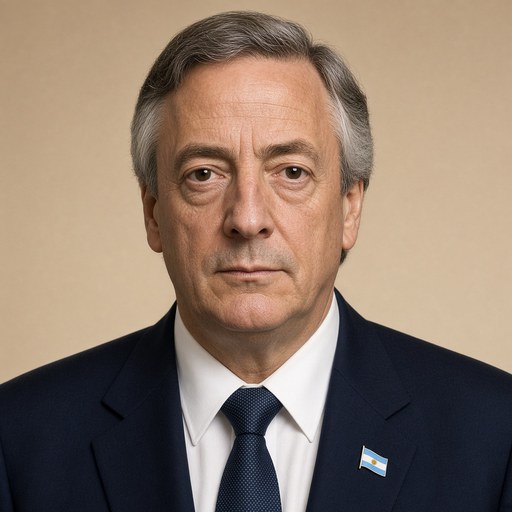
- Kirchner addressed fellow heads of state at the Mercosur Summit in Ouro Preto, Brazil, in December 2004 to review the bloc's progress and future direction.
- Main themes
- Mercosur regional integration, Latin American unity, Argentina's economic recovery, debt restructuring and default exit, social justice and equity, sustainable growth and employment, trade liberalization and Doha Round, democracy consolidation, south-south cooperation, institutional strengthening, reduction of inequality, human rights promotion
- Duration
- ~11 min
- Words
- 1,329
- Sentences
- 44
- Readability
- 29
- Grade
- 16.5
- Syntax
- 3.45
- Vocabulary
- 2.30
Translated from Spanish
The broad sphere of national life a sentence belongs to. Every sentence has an Arena, so it is the denominator the other indices are read against.
Other44 sentences in 19 paragraphs
Mr. President of the Federative Republic of Brazil; fellow presidents; fellow vice presidents; Mr. President of the Commission of Permanent Representatives of Mercosur; distinguished delegations; ladies and gentlemen: first of all, I would like to thank the hospitality that the people and Government of the Federative Republic of Brazil extend to us every time we arrive in these lands; we do not say this out of mere protocol obligation.
It is important for us to take advantage of this meeting to express out loud some reflections that we believe are necessary for the evaluation of the progress of Mercosur, its future prospects, and the practical measures that, in our opinion, should be adopted to ensure the best fulfillment of its objectives.
The Argentine Republic is striving to consolidate a national project of sustainable growth, employment, and production, with inclusion, social justice, and equity. Economic activity has grown at an annual rate of 8.7 percent in 2003, and we assume it will exceed 8 percent this year. We have made significant progress in reducing indigence, reducing poverty, increasing employment, and consequently decreasing unemployment rates. This is within a framework of low inflation, increased fiscal revenue, a significant surplus, prudent and predictable monetary policy, growth of reserves, and improvement of the internal market in terms of consumption and investment; with significant action in social development aimed at promoting a culture of work, and strong public investment in infrastructure.
We are about to begin the final phase of the process of exiting default by addressing the restructuring of the gigantic external debt, and we intend to shape a process of structural debt reduction, disengagement, and autonomy that guarantees the solidity in the medium and long term of the country we are rebuilding.
We want to integrate into the world in an intelligent way, and for that, we must evidently achieve sufficient internal sustainability. Our priority lies in building a stable, prosperous, and united Latin America, based on the ideals of democracy and social justice, drastically reducing the gaps between the rich and the poor.
Mercosur and Latin American integration must be part of a true regional political project. For us, in that framework, strengthening Mercosur constitutes a strategic step, as its deepening into other institutional aspects that must accompany economic integration and expand by seeking new members will help to achieve a better presence in the current international framework, strengthening our positions.
Regional integration must promote the economic, social, and political development of each of the member states and provide well-being to our peoples, helping to reduce inequalities and end exclusion.
The countries that make up Mercosur and the associated states have expressed a firm will to give integration in this space the character of a true and substantial state policy. In practice, as important accumulated assets of this process of regional integration, we can account for its undeniable contribution to the consolidation of an environment of peace and democracy on the continent, the establishment of closer economic ties between the countries of the region and their entrepreneurs, and a more active international presence that could not have been achieved by each country in isolation.
It is commendable that in the functioning of the international financial system we have begun to play a common role that will require greater degrees of consultation and coordination, asserting joint positions as a region in multilateral organizations, without ignoring the situations of each country.
Also among the positive actions should be the role of some Mercosur members within the Group of 20, which has allowed us to play an active and relevant role in the trade relations of the Doha Round. That position must be strengthened together with developing countries from various areas of the world, as there will be no free trade without agriculture and if agribusinesses are not fully integrated into the trade liberalization process.
We must also add to the asset that in the south-south negotiation round Argentina and Brazil have played the role of promoters; that has been important.
The developing world is integrating and opening its economies; the legal framework that ensures the generalized system of preferences among developing countries offers us a great opportunity for commercial expansion.
Mercosur is also acquiring an increasing political and social dimension; our progress in areas such as the promotion and defense of human rights, the promotion of women's rights, social development, education, culture, justice, public security, migration, and the fight against drugs and terrorism is important.
However, it is fair to point out some difficulties that have arisen and that it is important to address with a constructive purpose. First, the level of commitment expressed by the presidents at each summit does not correspond to the subsequent advances between meetings. Presidential decisions are not reflected in the subsequent negotiation tables, where local short-term problems seem to prevail over the regional strategic perspective. Second, there is the impression that Mercosur, which has had the positive results that we all recognize, is still far below the potential that we have as a region. The field of possibilities that opens up for our association is immense, while the achievements reach a still modest percentage of realizations. Finally, it is necessary that we are prepared to act according to the difficulties that each stage of Mercosur's development presents. At this point, it is necessary to distinguish the initial stage, more valuable and at the same time simpler, marked by the automatic reduction of tariffs, from the current stage in which many perceive a certain lethargy and that evidently faces many more difficulties. It is as if the possible integration had been left solely to the market, relegating the proactive work that States must assume to produce concrete economic effects.
Now we must advance in common productive and industrial policies that ensure the initial commitment of the project, which was intra-industrial development, the balance of investment processes, and joint technological advances. The way to channel that progress we propose lies in the full compliance with the Treaty of Asunción, which offers the appropriate framework to achieve these purposes. The Treaty of Asunción must be rescued from the files and put into full force. It will not be useful to advance in other institutional matters if the very basis of the Agreement is not revalued as it should be.
We must be absolutely clear that what matters are the objectives, not the instruments. The instruments can and must be corrected when they exist and are insufficient or ineffective, and must be created where they do not exist, to precisely achieve those objectives.
Mercosur is our regional bloc of belonging, but the benefits cannot have a single direction. Mercosur must also constitute a block of reciprocal assistance for balanced development and better performance of our productive sectors, without ignoring the existing asymmetries or harming the internal sectors of our countries, as this would affect the integration itself.
As we point out, these are the logical problems of deepening our regional alliance. Everything indicates that once we solve the current issues and move in the right direction towards greater degrees of integration, new problems will also arise that we will have to solve. The important thing is that we can talk about these issues and not delay in advancing towards common objectives, generating mechanisms that mitigate asymmetries and favor a balanced relationship among the members of the bloc.
It is a propitious time to adjust the current reality of Mercosur to its original idea; the alternative cannot be to let things happen, as if we were drifting and waiting for better winds. Knowing which port we are heading to is what matters, as the best integration is within reach of the actions we can produce. On the other hand, none of our countries is by itself either so large or so strong as to disregard the regional destiny in the face of the strong winds that characterize globalization. A better Mercosur awaits us; let us get to work. Thank you very much.
The original Spanish. The tags above are read on the English translation's sentences.
Señor presidente de la República Federativa de Brasil; señores presidentes; señores vicepresidentes; señor presidente de la Comisión de Representantes Permanentes del Mercosur; distinguidas delegaciones; señoras y señores: en primer lugar quiero agradecer la hospitalidad que el pueblo y el Gobierno de la República Federativa del Brasil nos prodigan cada vez que a estas tierras llegamos, no lo decimos por simple compromiso protocolar.
Es para nosotros importante aprovechar esta reunión para expresar en voz alta algunas reflexiones que entendemos necesarias para la evaluación de la marcha del Mercosur, sus perspectivas de futuro y las medidas prácticas que a nuestro juicio deben adoptarse para garantizar el mejor cumplimiento de sus objetivos.
La República Argentina se esfuerza por consolidar un proyecto nacional de crecimiento sustentable, empleo y producción, con inclusión, justicia social y equidad. La actividad económica ha crecido a un ritmo anual del 8,7 por ciento en el 2003, y suponemos que superará el 8 por ciento en este año. Hemos concretado importantes avances en cuanto a disminución de la indigencia, disminución de la pobreza, crecimiento del empleo y por ende disminución de los índices de desocupación. Esto en un marco de baja inflación, incremento de la recaudación fiscal, importante superávit, política monetaria prudente y previsible, crecimiento de las reservas y mejora del mercado interno en cuanto a consumo e inversión; con una acción importante en el desarrollo social que busca promover la cultura del trabajo, y una fuerte inversión pública en infraestructura.
Nos disponemos a iniciar la última fase del proceso de salida del default encarando la reestructuración de la gigantesca deuda externa, y pretendemos dar forma a un proceso de desendeudamiento estructural, desintervención y autonomía que garantice la solidez en el mediano y largo plazo del país que estamos reconstruyendo.
Queremos integrarnos al mundo de una manera inteligente y para ello debemos lograr evidentemente la suficiente sustentabilidad interna. Nuestra prioridad se ubica en la construcción de una América Latina estable, próspera y unida, con base en los ideales de democracia y justicia social, disminuyendo drásticamente las brechas entre ricos y pobres.
El Mercosur y la integración latinoamericana deben ser parte de un verdadero proyecto político regional. Para nosotros, en ese marco, el fortalecimiento del Mercosur constituye un paso estratégico, pues su profundización hacia otros aspectos institucionales que deben acompañar a la integración económica y ampliarse buscando nuevos miembros, ayudará a una mejor presencia en el marco internacional actual fortaleciendo nuestras posturas.
La integración regional debe favorecer el desarrollo económico, social y político de cada uno de los estados miembros y proveer bienestar a nuestros pueblos, ayudando a disminuir las desigualdades y terminar con la exclusión.
Los países que integramos el Mercosur y los estados asociados hemos expresado la firme voluntad de dar a la integración en este espacio el carácter de una verdadera y sustancial política de estado. En la práctica, como importantes activos acumulados de este proceso de integración regional, podemos contabilizar su innegable contribución a la consolidación de un ambiente de paz y democracia en el continente, el establecimiento de vínculos económicos más estrechos entre los países de la región y sus empresarios, y una presencia internacional más activa que no hubiera podido lograrse por cada país en forma aislada.
Es valorable que en el plano del funcionamiento del sistema financiero internacional hayamos comenzado a jugar un papel común que exigirá mayores grados de consulta y coordinación, haciendo valer posturas conjuntas como región en los organismos multilarerales, sin ignorar las situaciones de cada país.
También entre las acciones positivas debe ubicarse el papel de algunos de los miembros del Mercosur dentro del Grupo de los 20, que ha permitido jugar un rol activo y relevante en las relaciones comerciales de la ronda de Doha. Esa posición debe ser afianzada en conjunto con los países en desarrollo de diversas áreas del mundo, pues no habrá libre comercio sin agricultura y si los agro-negocios no son plenamente integrados en el proceso de liberación comercial.
Debemos sumar también al activo que en la ronda de negociaciones sur-sur Argentina y Brasil hayan tenido el papel de impulsores, eso ha sido importante.
El mundo en desarrollo está integrándose y abriendo sus economías, el marco legal que asegura el sistema generalizado de preferencia entre países en desarrollo nos ofrece una gran oportunidad de expansión comercial.
El Mercosur además está adquiriendo una creciente dimensión política y social, es importante nuestro avance en áreas como la promoción y defensa de los derechos humanos, la promoción de los derechos de la mujeres, el desarrollo social, la educación, la cultura, la justicia, la seguridad pública, la migración, el combate contra la droga y el terrorismo.
Sin embargo es justo que señalemos algunas dificultades que han ido apareciendo y que es importante abordar con propósito constructivo. Primero, el nivel de compromiso que se manifiesta por los presidentes en cada cumbre no se condice con los avances posteriores entre reunión y reunión. Las decisiones presidenciales no se reflejan en las mesas de negociaciones posteriores, donde parecen primar los problemas coyunturales locales por sobre la perspectiva estratégica regional. Segundo, queda la impresión de que el Mercosur, que ha tenido los resultados positivos que todos reconocemos, se ubica todavía muy por debajo del potencial que como región tenemos. El campo de las posibilidades que se le abren a nuestra asociación es inmenso, mientras las concreciones alcanzan a un porcentaje aún modesto de realizaciones. Por último, es preciso que estemos preparados para actuar conforme a las dificultades que cada etapa del desarrollo del Mercosur presenta. En el punto es necesario distinguir la etapa inicial, más valiosa y a la vez más simple, signada por la rebaja automática de aranceles, de la etapa actual en la que muchos advierten un cierto letargo y que evidentemente enfrenta muchas más dificultades. Es como si se hubiera dejado librada sólo al mercado la posible integración, relegando la labor proactiva que los Estados deben asumir para producir efectos económicos concretos.
Ahora tenemos que avanzar en políticas productivas e industriales comunes, que aseguren el compromiso inicial del proyecto, que era el desarrollo intraindustrial, el del equilibrio de los procesos de inversión, el de los avances tecnológicos conjuntos. La manera de encauzar ese avance que proponemos está en el cumplimiento pleno del Tratado de Asunción que ofrece el marco adecuado para alcanzar estos propósitos. Hay que rescatar el Tratado de Asunción de entre los papeles del archivo y ponerlo en plena vigencia. No servirá avanzar en otras cuestiones institucionales si la base misma del Acuerdo no es revalorizada como se debe.
Debemos tener absolutamente claro que lo importante son los objetivos, no los instrumentos. Los instrumentos pueden y deben ser corregidos cuando existen y son insuficientes o ineficaces, y deben ser creados allí donde no existen, para concretar precisamente esos objetivos.
El Mercosur es nuestro bloque de pertenencia regional, pero los beneficios no pueden tener una sola dirección. El Mercosur tiene que constituirse también en un bloque de asistencia recíproca para el desarrollo equilibrado y el mejor desempeño de nuestros sectores productivos, sin ignorar las asimetrías existentes ni perjudicar a los sectores internos de nuestros países, pues ello afectaría a la propia integración.
Como se advierte en lo que apuntamos, se trata de los problemas lógicos de la profundización de nuestra alianza regional. Todo indica que una vez que solucionemos los actuales temas y avancemos en la dirección correcta hacia mayores grados de integración, aparecerán nuevos problemas que deberemos también solucionar. Lo importante es que podamos hablar de estos temas y no demoremos en avanzar hacia los objetivos comunes, generando mecanismos que atenúen las asimetrías y favorezcan una relación equilibrada entre los miembros del bloque.
Es un tiempo propicio para ajustar la realidad actual del Mercosur a su idea original, la alternativa no puede ser dejar que las cosas ocurran, como si marcháramos a la deriva y a la espera de mejores vientos. Saber a qué puerto vamos es lo importante, ya que la mejor integración está al alcance de los hechos que podamos producir. Por otra parte, ninguno de nuestros países es por sí mismo ni tan grande ni tan fuerte como para prescindir del destino regional ante los fuertes vientos que caracterizan a la globalización. Un mejor Mercosur nos espera, pongamos manos a la obra. Muchísimas gracias.