




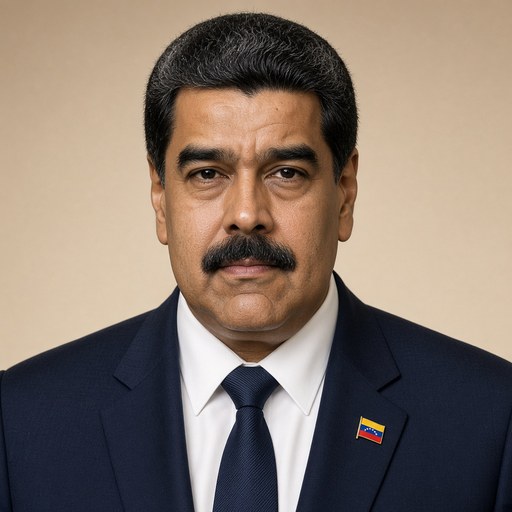
Speech by President Nicolás Maduro during the presentation of the Anti-Blockade Law.
 Nicolás Maduro · President of Venezuela
- Context
- Maduro addressed Venezuela's National Constituent Assembly on September 30, 2020, presenting a draft Anti-Blockade Law to counter U.S.-imposed sanctions and alleged imperial aggression.
- Main themes
- Anti-Blockade Law, U.S. regime change doctrine, economic blockade and sanctions, Venezuelan sovereignty, Bolivarian Revolution, imperialism, natural resource control, Latin American politics, neoliberalism and neo-colonialism, National Constituent Assembly
- Duration
- ~42 min
- Words
- 4,987
- Sentences
- 194
- Readability
- 32
- Grade
- 15.0
- Syntax
- 3.14
- Vocabulary
- 2.42
Translated from Spanish
The broad sphere of national life a sentence belongs to. Every sentence has an Arena, so it is the denominator the other indices are read against.
Other194 sentences in 157 paragraphs
INTRODUCTION
I come today before this sovereign and plenipotentiary National Constituent Assembly, an expression of the original constituent power, which I convened three years ago to miraculously defend and guarantee the peace of our people, to present to the country and our people a proposal for the historical moment that Venezuela is living, gravely threatened by imperial powers and victim of a criminal blockade.
I come today to request the Constituent Power to debate a draft Constitutional Law that will equip the Venezuelan State with the institutional, legal capacities and management tools to confront and overcome the most perverse, widespread, and brutal aggression that our Homeland has suffered in 200 years of republican life.
BACKGROUND
OF THE BLOCKADE: THE REGIME CHANGE
Since the Venezuelan people elected Commander Hugo Chávez President of the Republic on December 6, 1998, the U.S. empire defined a strategic doctrine, a plan that has dominated relations between the United States and Venezuela since then: the doctrine of regime change.
This ideology establishes that the United States will not allow the consolidation in Venezuela of a political project and a democracy governed by the principles of independence, self-determination, sovereignty, and equality among states.
The U.S. empire does not tolerate the existence in Venezuela of a Social State of Law and Justice, a popular, participatory, and protagonist democracy, whose center is the pursuit of equality, collective well-being, and social happiness.
The regime change doctrine establishes that the United States will do everything in its power to prevent Venezuela from peacefully and democratically building its own path towards development, social justice, and well-being: the path to Socialism.
Over more than two decades, this hegemonic doctrine has been applied and carried out by three U.S. presidents: George W. Bush, Barack Obama, and Donald Trump.
The regime change posits that to replace the Bolivarian project, the United States will apply all available options in its relations with Venezuela, “all options on the table,” as Donald Trump likes to say.
Overthrowing the legitimate government of Venezuela, destroying our democratic model, annihilating the political and social forces that lead the revolutionary process, and taking control of the country. That is, in summary, the plan that guides the empire's conduct towards Venezuela.
It is an anachronistic and reactionary ideology, which revives the darkest times of the Monroe Doctrine and has two major objectives:
First, to politically discipline the peoples of the continent, uprooting the dangerous example of the Bolivarian Revolution, and ensuring control over the “backyard,” as they derogatorily call Latin America and the Caribbean in the White House.
The U.S. elite believes that by liquidating the Bolivarian project, they will send a message to all the peoples of the continent: that no one should dare even minimally to propose a democratic and popular model, for they will be put in the empire's sights and will not have, like the condemned lineages of a hundred years of solitude by García Márquez, a second chance on earth.
The realization of this outdated ambition, revived in the 21st century by the supremacism and extremism embodied by Donald Trump, is seen in the renewed blockade against Cuba; in the cowardly aggression against Sandinista Nicaragua, in the coups against Evo Morales, Dilma Rousseff, Fernando Lugo, Mel Zelaya, and in the betrayal in Ecuador of the Citizen Revolution project.
It is the same doctrine that uses the governments of sister nations as puppets, instrumentalizes them, and with total disregard for their peoples uses their territories as a platform for aggression against Venezuela.
The two clearest examples of this political, extremist, and criminal perversion are today, to the shame of Latin America, the Colombia of Iván Duque and the Brazil of Jair Bolsonaro.
The second major objective of this crusade against Venezuela is, of course, economic.
Assaulting political power in Venezuela and changing the political model ultimately aims to plunder our country.
The ultimate goal is to take absolute control of the immense resources and wealth of our country, resources that are the exclusive and inalienable property of the Venezuelan people, and leverage for our development. To do this, the empire needs to destroy the State, raze it, and “redesign” it under the atrocious formula of neoliberalism and neo-colonialism.
This and nothing else is what the imperial hawk seeks in Venezuela: to appropriate our hydrocarbons, our minerals, our vast expanses of land, the gigantic reservoirs of water and biodiversity with which nature has blessed our Homeland.
The plan of Washington and its internal operators is to lay their hands on the material and spiritual heritage of the Venezuelan people and deliver it to serve the corporate and geostrategic interests of the decaying U.S. empire.
To this plan, which seeks to reduce us to the condition of vassals, of lapdogs, of a new colony, we have been facing since 1999.
To this project of destruction of our State, which aims to install a satellite government to franchise the country and hand it over to global power brokers, to that anti-patriotic project, the Bolivarian Revolution with Chávez and me at the forefront has stood up against for 20 years.
THE REGIME CHANGE WAR
The empire's strategy is executed through war. An undeclared, invisible war, which we do not see, but whose effects we feel every day in our lives, in work, families, affections, and consciousness.
The war for regime change is a multifaceted war, and like all wars, it is cruel, inhumane, and criminal.
Behind a hypocritical rhetoric, the cynical discourse that extols democracy and humanitarian concerns, lies the most abject ambition.
The United States does not want democracy or elections in Venezuela. To subjugate us, it executes a targeted attack to destroy our economy, to raze the material foundations that sustain the life of our people.
THE BLOCKADE AND ITS ECONOMIC AND SOCIAL IMPACTS
The economic, financial, and commercial blockade that has been executed against our country since 2015 is the materialization in the field of the economy of that war policy.
Its objective is to besiege, suffocate, and choke the Venezuelan economy until it implodes, and generate an internal crisis that justifies external intervention and a regime change in Venezuela.
The blockade, executed through the so-called sanctions policy, which the clinical discourse of the Venezuelan Right denies, is not a simple list of people whose visas are revoked, as the imperialism's disinformation media hypocritically say.
The war is total, and it extends over our way of life, over our way of working, producing, and consuming. The blockade is, as Von Clausewitz would say, the continuation of war by other means, in this case through economic means.
Suffocation, it can be said, was the first phase. In five years, the blockade managed to cut off financing to the country in one fell swoop, preventing the State from having the foreign currency, the oxygen it needs to acquire essential food, medicines, supplies, spare parts, and raw materials for economic activity.
The economic, financial, and commercial short circuit induced by the blockade prevents us from obtaining the resources to strengthen the salaries and benefits of workers, to feed ourselves, to save lives, to educate our children, to sustain the social protection system of the population.
Between 2014 and 2019, Venezuela experienced the sharpest drop in external income in its history. In six years, we lost 99% of the volume of income in foreign currency.
In other words: Of every 100 dollars or euros that the country obtained from the sale of oil in 2014, today it obtains less than 1.
This unprecedented collapse, undoubtedly an earthquake at the very foundations of our economy, had as its initial cause the declared war against oil prices, designed by imperialism and the energy multinationals to attack producing countries.
Subsequently, when prices began a relative recovery, achieved by the political will of producing countries inside and outside OPEC, we then moved to phase two: the collapse, the total blockade of the economy.
The fall of Venezuela's external income accelerated from 2015 when the financial persecution against PDVSA began, culminating in 2019 with the theft of CITGO, the largest dispossession operation ever committed in recent history against any nation in the world.
From 2015 onwards, the rate of decline in Venezuela's external income rose to 30 billion dollars a year. This figure defies imagination. It is impossible to even imagine the size of the pressure that has been applied to our economy and the suffering to which our people have been subjected.
I invite you to do a scenario exercise: look for any country, I do not say a developing or poor country, look for any developed economy in the world, and ask its economists what would happen if that economy stopped receiving 30 billion dollars every year for five years.
What kind of crisis would a developed economy in the world go through if that were to happen, what would happen to its population, to its children, to its elderly, to its women?
The abrupt fall in external income deeply deteriorated macroeconomic balances, severely affecting all its indicators: the country's reserves, the trade balance, the gross domestic product, the price index, monetary liquidity, and interest rates.
An unrelenting attack was unleashed on the monetary sign; a crisis was induced in the normal functioning of the circuits of production, distribution, and consumption of the productive economy, creating de facto a chaotic and speculative process of economic informalization.
All of this led to serious consequences for the real economy: industry, commerce, agricultural production.
THE BLOCKADE ON PDVSA
To undermine our economy and bring the country to its knees, imperialism knew it had to strike at PDVSA.
This was expressed in a statement from the U.S. State Department in January 2018… “The pressure campaign against Venezuela is working. The financial sanctions we have imposed have forced the government to begin to default, both on sovereign debt and on PDVSA debt, its oil company. And what we are seeing (…) is a total economic collapse in Venezuela. So, our policy works, our strategy works, and we will maintain it.”
This is the confession of an international crime, of an act of economic savagery with the sole intention of harming a country and its people.
This is the confession of a crime against humanity.
Since 2015, the criminal persecution against our oil industry has followed several simultaneous courses of action:
First: the financial persecution to economically suffocate it.
Second: the legal-political operations in foreign courts to strip it of its assets.
Third: the embargo on the international trade of Venezuelan oil.
And fourth: internal sabotage to produce a drop in production.
The confiscation of resources and assets of PDVSA, including several refineries and the CITGO company, whose assets exceed 40 billion dollars, will go down in history as the most despicable act of infamy between a powerful nation, its courts, and a mafia and criminal gang.
The executive orders of Donald Trump prevented PDVSA from financing itself in financial markets; this diminished its capacity for investment and production, in an industry like oil, whose main characteristic is the capital-intensive use.
Between 2014 and 2019, Venezuela's oil production fell by 66.5%. By 2019, we only produced one-third of the oil we produced in 2014.
Between 2015 and 2019, Venezuela ceased to produce a total of nearly 1.195 billion barrels of oil, that is: 1.19 billion barrels.
Independent studies estimate that the sanctions were responsible for approximately 58% of the total decline in PDVSA's production since 2015.
Those same investigations calculate that the income not received by the Republic due to the drop in oil production between 2015 and 2019 amounts to around 65 billion dollars.
The latest of these acts of economic piracy constitutes the assault on ships and shipments that bring to Venezuela the products that will allow us to reactivate the refineries, produce gasoline, and supply the domestic fuel market.
The de facto embargo on Venezuela's crude oil sales to the world, the blatant pressure against companies from various countries to cease their operations in Venezuela, the blackmail on industry suppliers to deny spare parts and services, all, absolutely all, is written in the executive orders of Donald Trump against the national oil industry.
This mafia operation has been applauded by the vulture companies that hope to seize CITGO and all Venezuelan assets abroad, and by the leadership of the extremist Venezuelan Right.
How much more could we have done, how much more could we have achieved with those resources, how many homes would we have built, how many lives would we have saved, how much food and medicine could we have bought or produced, if the United States and its internal pawns had not unleashed their wrath against PDVSA?
SOCIAL IMPACTS OF THE BLOCKADE
When we say that the blockade and sanctions constitute the most perverse crime committed against the Venezuelan people, it is because they directly attack the right to life, the essential rights, and the dignity of all of us.
During the first decade of this century, Venezuela achieved the highest social indicators on the entire continent; the push of the social policies of the Revolution, the policies of inclusion and equality created by Commander Chávez, in less than ten years, allowed Venezuela to reduce poverty and extreme poverty to historic levels; it flattened the social pyramid, reducing inequality and transferring more than 20% of the wealth from high-income sectors to the middle classes, the poor, and historically excluded sectors.
Commander Chávez designed the System of Missions and Great Missions that, in a few years, with creative energy and popular participation, provided a strong response to the social debt accumulated with the Venezuelan people for almost a century: Barrio Adentro, Robinson, Ribas, Identidad, Milagro, Mercal, Negra Hipólita, José Gregorio Hernández... the system grew and extended towards the great missions, the Misión Hábitat led to the Gran Misión Vivienda Venezuela, and the Misión Abastecimiento Soberano led to the Gran Misión Alimentación.
The Missions, that wonderful concept, a heroic creation of Commander Chávez and the Venezuelan people, allowed for the execution of the most gigantic transfer of resources and wealth to the middle sectors, the poor, and the excluded in all our history.
Even suffering from health issues, Chávez wrote by hand the most advanced labor law on this continent. A struggle began to end landholding, and millions of hectares were rescued and transferred to the peasant people.
The inhabitants of the hills and slums became owners, and the most ambitious social housing construction project in the world was initiated, which has delivered homes to more than 3 million 200 thousand families to date.
In a decade, the State dedicated almost 800 billion dollars to social investment. Venezuela became a nation of rights, more egalitarian and genuinely inclusive.
Thanks to the rescue of our natural resources and the democratization of income, we live a social Revolution.
We created a true Welfare State, centered on social justice, on the effort to achieve the common good, and in the tireless pursuit, as Simón Bolívar dreamed, of supreme social happiness.
The criminal blockade and the multifaceted aggression have attacked the heart of that social justice project.
All our social indicators have been significantly affected: infant morbidity and mortality, the nutritional levels of the population, caloric consumption, access to food, have suffered the impact of the measures, or have been largely determined by the impacts of the blockade.
The Center for Economic Policy Studies in the United States has stated this in a profound investigation on the blockade against Venezuela.
American economists Mark Weisbrot and Jeffrey Sachs assert that due to their effects on the population, the sanctions must be considered a "collective punishment of the Venezuelan people" and maintain that the blockade and coercive measures against Venezuela are responsible for at least 40,000 deaths in our country in recent years.
A LEGAL FRAMEWORK THAT LEGITIMIZES ECONOMIC AGGRESSION
The architecture of this plan against Venezuela has been meticulously designed from the United States, through the financial system, international and American courts, with the support of the group of political puppets that Washington has tasked with legitimizing the plunder against our Homeland.
The association between the supremacist hawks of the White House, the vulture companies that aspire to seize Venezuela's assets, and the band of Venezuelan criminals led by Mr. Juan Guaidó, today forms a true criminal organization. A mafia organization that lacks scruples, that does not respect legality, and that is willing to do anything to achieve its objective.
Since 2014, the United States has enacted one law, seven decrees or executive orders, one signed by Barack Obama in March 2015, and six by Donald Trump, in addition to 300 administrative measures that together constitute the policy of sanctions, blockade, and multifaceted aggression against Venezuela.
These legal instruments are the enforcement arm of the most savage blockade the world has ever known, cruelly applied against the Venezuelan people.
It is the same policy that Jeffrey Sachs and Mark Weisbrot, American economists, define in their studies on Venezuela as "collective punishment of the Venezuelan people"; and it is exactly the same that the UN independent expert on human rights, Alfred de Zayas, describes as "a crime against humanity."
We always talk about the same policy: the illegal application of unilateral coercive measures, cruelly euphemized as sanctions, a policy rejected by the United Nations General Assembly, defined as an act contrary to International Law and a violation of the UN Charter.
The blockade of the Venezuelan economy is anchored to a global, long-term strategy of a bipartisan nature, reflecting the consensus of the American elite regarding relations with our country.
The criminal aggression against our Homeland, the entire country must understand, is part of a strategic action of the empire and is based on two laws of the U.S. Congress from 1976 and 1977, which grant special powers to the President of the United States in situations of national emergency.
That is why Barack Obama, in 2015, declared Venezuela an "unusual and extraordinary threat to the national security of the United States." What then seemed an absurd gesture responded to a strategic logic: to be able to devastate Venezuela, it was necessary to demonize it as a "threat" and from then on invoke and apply laws that were written for a wartime situation.
It is, therefore, a policy legally sustained on a situation of exceptionality, which allows the head of the empire to threaten and attack other nations, pursue and sanction individuals and institutions, both inside and outside the United States, confiscate funds and assets, and even execute military actions.
All Venezuelans must understand that we are not facing a capricious, partial, or personal policy, dependent on who occupies the White House, or that can be reversed by an electoral outcome.
A NEW STRATEGY: WHAT TO DO IN THE FACE OF THE BLOCKADE
The blockade is a state policy and must be responded to with actions and state tools that are commensurate with the gravity of the problem.
On February 13, a month before we began the fight against COVID-19 in Venezuela, we went to the International Criminal Court to denounce those from the United States who have committed these atrocious crimes against humanity.
We are confident that, sooner or later, international justice will look at Venezuela objectively and see the enormous damage that the United States has inflicted on a peaceful, loving, and hardworking people.
But that single action, while necessary, is not enough.
It is time for our nation, with the participation of all its good citizens, all patriots, its productive sectors, its intellectuals and scientists, its Armed Forces, and its Popular Power, to respond to the blockade and sanctions with a strategy at the same level.
The damage caused by imperialism and its lackeys to our country and our people is immeasurable and, to a large extent, irreparable.
To the imperialist act of aggression, we must respond with a flexible strategic action of defense and counterattack, which allows us to confront the blockade and prevent it from causing more pain and damage to our Homeland.
To this exceptional policy of the United States, we must respond with audacity and creativity, adapting and flexibly modifying our legal and administrative framework, and adjusting to the sanctioning threats and complex, changing circumstances.
We cannot continue to allow our resources and assets to be frozen, blocked, or confiscated. It is obligatory, it is a patriotic duty to defend the heritage of Venezuelans. Protect our resources to produce more and distribute better.
It is time to invent without erring.
We need to seek formulas to trade freely and legally with the world without fear of reprisals from the United States. We need to recover the country's income by relying on our strengths and capabilities to defend our people from the terrible effects of the blockade.
That is the reason for my presence here today, and why, on behalf of the Venezuelan people, I come before this body of the original constituent power, to ask you to discuss, debate, and approve a Constitutional Law to confront and overcome the blockade.
I have called it the Anti-Blockade Law for National Development and the Guarantee of the Rights of the Venezuelan People.
GENERAL DESCRIPTION OF THE LAW, MAIN ELEMENTS
The Constitutional Law that we present today for consideration by this sovereign National Constituent Assembly represents a first and necessary legal response to confront the blockade.
Through this Law, mechanisms are created that will strengthen public management, improve the nation's income, and create rational and adequate incentives under flexible controls to stimulate internal economic activity and external productive alliances that favor national development.
All countries blocked and besieged by sanctions have developed legal instruments to respond to the unilateral aggression of the United States.
The Anti-Blockade Law is the first response of the State that, within the current constitutional and legal framework, and in a special and temporary regulatory framework, will allow the State to:
Protect our internal and external assets from the threat of confiscation, theft, and plunder by foreign governments or companies aligned with the blockade, through efficient management of them.
Form alliances or partnerships with productive sectors and companies inside and outside Venezuela, to develop economic sectors or businesses in strategic areas such as hydrocarbons, mining, industrial production, agricultural production, and services.
Design temporary mechanisms to accelerate the management of economic sectors, attract large-scale productive investments, and improve national income, by flexibly adjusting, for example, the state's shareholding in mixed companies.
Efficiently manage the state's assets and liabilities in order to increase the nation's income.
Create frameworks for labor and tax incentives, and strengthen legal stability for the development of specific productive sectors or areas.
Enhance the use of the Petro and other cryptocurrencies in internal and external trade.
The Anti-Blockade Law for National Development prioritizes obtaining the resources that the country needs and that have been stolen from it by the government of the United States.
The law opens doors for administrative innovation, legal management, and for finding original and unique paths that allow us to emerge from the crisis induced by the blockade.
The Law reaffirms the full validity of job stability for all workers and the full enjoyment of their social rights, in those sectors where they carry out the actions contemplated in it.
It orders that the new income that the country will obtain be directed especially to:
Strengthen the real income of workers and the compensation policies for the progressive recovery of wages.
Strengthen and expand the network and social protection policies of the State and its priorities such as food and health. The extraordinary income generated by productive alliances will be mandatorily invested in programs such as CLAP and in the social protection of children, adolescents, mothers, and the most vulnerable sectors.
Improve the provision of public services: water, electricity, domestic gas, transportation, and telecommunications.
The Anti-Blockade Law is an instrument to shield the 16 productive engines that we have designed together with the people to relaunch our economy.
To create, based on the priorities defined in those 16 strategic sectors, the new productive model of the country: a real and productive economy based on work, innovation, scientific knowledge, national industrial and agricultural production, and the development of all our economic potential.
It is an instrument to continue advancing in the Plan of the Homeland that Commander Chávez bequeathed to us, as the supreme guide for the construction of a powerful Venezuela, of the new Homeland.
The Constitutional Law that we present today to the country responds to a strategic need of the State in light of the multifaceted aggression being executed against Venezuela, and the mechanisms created by this legal instrument will remain in effect exceptionally while the blockade lasts, or until the effects of the sanctions and threats against the economy cease.
Dear Constituent Assembly members.
People of Venezuela:
As we have demonstrated here today, Venezuela faces the largest, cruelest, and most widespread aggression in our history, executed by the most soulless and cruel empire that humanity has ever known.
We are up against a true international criminal organization that brings together powerful financial, corporate, and political interests on a global scale.
This conspiracy will not stop until it destroys Venezuela, subjugates us, and takes control of our homeland. That is why it is necessary, urgent, and vital to unite the country.
After five years of infamy, blockade, and sanctions, Venezuela is moving peacefully towards an electoral process on December 6 to elect a new National Assembly.
Nothing that has been done against our homeland would have reached the level of atrocity it shows if the United States had not had the complicity of a group of soulless and unpatriotic politicians, who gained control of the National Assembly through electoral means only to betray the country and try to hand it over, like Judas, to its executioners.
That is why, on the path we are taking to overcome the problems generated by the blockade, it is so important that we strengthen our patriotic consciousness and together, with our differences, march in peace towards the election on December 6.
When I say together, I mean together, respecting our visions. Venezuela does not belong to one person, one group, or one faction. Venezuela belongs to all of us. And that is why all of us who, as Augusto Mijares said, feel the homeland "even in our veins," have a commitment to it on December 6. Let us not fail it.
The main task of Venezuela in the coming years will be to overcome and defeat the blockade and the sanctions; to defeat this hybrid war that is waged through the economy.
For that reason, it is essential to equip the National Executive with the support of all state institutions with the capabilities to confront and defeat the gigantic theft being carried out against our nation. It is necessary to shield and protect our economy.
Just as in 1902, when Cipriano Castro called all patriots beyond their differences to confront the insolent foreign power that blocked our coasts, today I call for unity, for national unity, for a single national will to overcome the blockade.
We are obliged by our history, by our Constitution, by the heroic memory of the Liberator Simón Bolívar, and by the legacy of the eternal Commander Hugo Chávez to stand up and reverse this historical outrage.
Venezuela did not seek this war or this conflict with the United States. Venezuela loves peace and wants to be at peace with the United States. It is the United States, in its imperial ambition, that has declared a silent and invisible war on Venezuela.
We have endured five years of the most perverse and inhumane aggressions. It has fallen to this generation of Venezuelans to face this harsh historical test, and we do not regret it.
The blockade and the sanctions have deeply wounded our people, it is true, but they have not been able to erase the smile from their faces, nor the tenderness, nor the love, nor the infinite solidarity that dwells in our souls. We are the sons and daughters of Bolívar, of Guaicaipuro, of Zamora, of Chávez. Today we are stronger. And tomorrow we will be even stronger.
Our people have resisted with dignity and firmness against imperial aggression. And today we are here, after the United States launched against Venezuela "the blackest spiders from its nest," as the Spanish poet Miguel Hernández referred to fascism, we are standing tall telling the Yankee empire: Criminal empire, you have not been able to defeat us, and you will never be able to defeat us!
We are here with our heads held high, alongside our people. We have paid a high price to defend the heritage, sovereignty, and dignity of our homeland.
Now it is our historical task to open paths to the future.
Today, the words of José Felix Ribas to the young seminarians and soldiers in the heroic city of La Victoria, the night before February 12, 1814, resonate like never before: "We cannot choose between victory or death; it is necessary to win."
Brothers and sisters Constituent Assembly members. Heroic people of Venezuela:
When receiving the Nobel Prize in Literature in 1971, the great poet of America, Pablo Neruda, spoke to the workers, to the good men and women, and told them: "Our main stars are struggle and hope."
And quoting the great poet Arthur Rimbaud, he added: "Only with a burning patience will we conquer the splendid city that will bring light, justice, and dignity to all men."
And I add: with burning patience, with work, with consciousness, and with unity, we will defeat the darkness of the blockade and elevate the people of Venezuela to their historical destiny: development and well-being, along the path of Socialism.
Venezuelan people, here we are today, your good sons and daughters to defend you, to love you, to walk together the path to victory.
We will overcome the blockade and the sanctions together!
We will prevail!
The original Spanish. The tags above are read on the English translation's sentences.
INTRODUCCIÓN
Acudo hoy ante esta soberanísima y plenipotenciaria Asamblea Nacional Constituyente, expresión del poder constituyente originario, y que convoqué hace tres años para que de forma milagrosa defendiera y garantizara la paz de nuestro pueblo, para presentar al país y a nuestro pueblo una propuesta para el momento histórico que vive Venezuela, gravemente amenazada por poderes imperiales y víctima de un bloqueo criminal.
Vengo hoy a solicitar al Poder Constituyente que debata un proyecto de Ley Constitucional que dotará al Estado venezolano de las capacidades institucionales, jurídicas y de herramientas de gestión para enfrentar y superar la más perversa, extendida y brutal agresión que haya sufrido nuestra Patria en 200 años de vida republicana.
ANTECEDENTES
DEL BLOQUEO: EL CAMBIO DE RÉGIMEN
Desde que el pueblo venezolano eligiera al Comandante Hugo Chávez Presidente de la República el 6 de diciembre de 1998, el imperio estadounidense definió una doctrina estratégica, un plan que ha dominado desde entonces las relaciones entre Estados Unidos y Venezuela: la doctrina del cambio de régimen.
Esta ideología establece que Estados Unidos no permitirá la consolidación en Venezuela de un proyecto político y de una democracia regida por los principios de independencia, auto determinación, soberanía e igualdad entre los Estados.
El imperio estadounidense no tolera que en Venezuela exista un Estado Social de Derecho y de Justicia, una democracia popular, participativa y protagónica, cuyo centro es la búsqueda de la igualdad, el bienestar colectivo y la felicidad social.
La doctrina del cambio de régimen establece que Estados Unidos hará todo lo que esté a su alcance para evitar que Venezuela construya pacífica y democráticamente un camino propio hacia el desarrollo, la justicia social y bienestar: el camino al Socialismo.
En más de dos décadas, esta doctrina hegemonista ha sido aplicada y llevada adelante por tres presidentes estadounidenses: George W. Bush, Barack Obama y Donald Trump.
El cambio de régimen plantea que para sustituir el proyecto bolivariano Estados Unidos aplicará en sus relaciones con Venezuela todas las opciones disponibles, “todas las opciones sobre la mesa”, como le gusta decir a Donald Trump.
Derrocar al Gobierno legítimo de Venezuela, destruir nuestro modelo democrático, aniquilar las fuerzas políticas y sociales que lideran el proceso revolucionario y tomar control del país. Ese es, en resumen, el plan que guía la conducta del imperio hacia Venezuela.
Se trata de una ideología anacrónica y reaccionaria, que revive los más oscuros tiempos de la Doctrina Monroe y que tiene dos grandes objetivos:
En primer lugar, disciplinar políticamente a los pueblos del continente, arrancando de raíz el peligroso ejemplo de la Revolución Bolivariana, y asegurando el control sobre el “patio trasero”, como despectivamente llaman en la Casa Blanca a la América Latina y el Caribe.
Cree la élite estadounidense que liquidando el proyecto bolivariano enviarán un mensaje a todos los pueblos del continente: que nadie se atreva mínimamente a proponer un modelo democrático y popular, pues será puesto en la mira del imperio y no tendrá como las estirpes condenadas a cien años de soledad de García Márquez una segunda oportunidad sobre la tierra.
La concreción de esta ambición trasnochada, revivida en el siglo XXI por el supremacismo y el extremismo que encarna Donald Trump, la vemos en el renovado bloqueo contra Cuba; en la cobarde agresión contra la Nicaragua sandinista, en los golpes de Estado contra Evo Morales, Dilma Rouseff, Fernando Lugo, Mel Zelaya, y en la traición en Ecuador al proyecto de la Revolución Ciudadana.
Es la misma doctrina que usa como títeres a Gobiernos de naciones hermanas, los instrumentaliza, y con total desprecio por sus pueblos utiliza sus territorios como plataforma de agresión contra Venezuela.
Los dos más claros ejemplos de esta perversión política, extremista y criminal, lo representan hoy para vergüenza de América Latina, la Colombia de Iván Duque y el Brasil de Jair Bolsonaro.
El segundo gran objetivo de esta cruzada contra Venezuela tiene que ver, por supuesto, con la economía.
Asaltar el poder político en Venezuela y cambiar el modelo político tiene como fin último saquear nuestro país.
El objetivo final es tomar control absoluto de los inmensos recursos y riquezas de nuestro país, recursos que son propiedad exclusiva e irrenunciable del pueblo venezolano, y palanca para nuestro desarrollo. Para hacerlo, el imperio necesita destruir al Estado, arrasarlo y “rediseñarlo” bajo la fórmula atroz del neoliberalismo y el neo coloniaje.
Es esto y no otra cosa es lo que busca el halcón imperial en Venezuela: apropiarse de nuestros hidrocarburos, de nuestros minerales, de nuestra inmensas extensiones de tierra, de los gigantescos reservorios de agua y biodiversidad con que la naturaleza ha bendecido a nuestra Patria.
El plan de Washington y de sus operadores internos es ponerle las manos al patrimonio material y espiritual del pueblo venezolano, y entregarlo al servicio de los intereses corporativos y geoestratégicos del decadente imperio estadounidense.
A este plan, que busca reducirnos a la condición de vasallos, de perros falderos, de nueva colonia, es a lo que nos hemos enfrentado desde 1999.
A este proyecto de destrucción de nuestro Estado, que pretende instalar un Gobierno satélite para que franquicie al país, y lo entregue a los poderes fácticos globales, a ese proyecto de anti patria, es a lo que la Revolución Bolivariana con Chávez y conmigo hoy al frente ha plantado cara durante 20 años.
LA GUERRA DEL CAMBIO DE RÉGIMEN
La estrategia del imperio se ejecuta a través de la guerra. Una guerra no declarada, invisible, que no vemos, pero cuyos efectos sentimos todos los días en nuestra vida, en el trabajo, las familias, los afectos y la conciencia.
La guerra para el cambio de régimen es una guerra multiforme, y como toda guerra es cruel, inhumana, criminal.
Detrás de una retórica hipócrita, del cínico discurso que ensalza la democracia y las preocupaciones humanitarias, se esconde la más abyecta ambición.
Estados Unidos no quiere democracia ni elecciones en Venezuela. Para poder sojuzgarnos, ejecuta un ataque dirigido a destruir nuestra economía, a arrasar las bases materiales que sustentan la vida de nuestro pueblo.
EL BLOQUEO Y SUS IMPACTOS ECONÓMICOS Y SOCIALES
El bloqueo económico, financiero y comercial que se ejecuta contra nuestro país desde el año 2015 es la materialización en el campo de la economía de esa política de guerra.
Su objetivo es asediar, ahogar, asfixiar la economía venezolana hasta implosionarla, y generar una crisis interna que justifique una intervención externa y un cambio de régimen en Venezuela.
El bloqueo, ejecutado través de la llamada política de sanciones, que el clínico discurso de la Derecha venezolana niega, no se trata de una simple lista de personas a las que se le retira la visa, como hipócritamente dicen los medios de desinformación del imperialismo.
La guerra es total, y se extiende sobre nuestra forma de vida, sobre nuestra forma de trabajar, de producir, de consumir. El bloqueo es, como diría Von Clausewitz, la continuación de la guerra por otros medios, en este caso a través de medios económicos.
Asfixia, puede decirse, fue la primera fase. En cinco años, el bloqueo logró cortar de un tajo el financiamiento al país, impidiendo que el Estado disponga de las divisas, del oxígeno que requiere para adquirir alimentos, medicinas, insumos, repuestos y materia prima esenciales para la actividad económica.
El cortocircuito económico, financiero y comercial inducido por el bloqueo nos impide obtener los recursos para fortalecer el salario y los beneficios de los trabajadores, para alimentarnos, para salvar vidas, para educar a nuestros niños y niñas, para sostener el sistema de protección social de la población.
Entre 2014 y 2019 Venezuela experimentó la más brusca caída de ingresos externos de su historia. En seis años, perdimos 99% del volumen de ingresos en divisas.
Dicho de otra manera: De cada 100 dólares o euros que el país obtenía por la venta de petróleo en 2014, hoy obtiene menos de 1.
Ese desplome sin precedentes, sin dudas un terremoto en los cimientos mismos de nuestra economía, tuvo como causa inicial la guerra declarada contra los precios del petróleo, diseñada por el imperialismo y las transnacionales de la energía con el fin atacar a los países productores.
Posteriormente, cuando los precios iniciaron una relativa recuperación, alcanzada por la voluntad política de los países productores dentro y fuera de la OPEP, se pasó entonces a la fase dos: el colapso, el bloqueo total a la economía.
La caída de los ingresos externos de Venezuela se acelera a partir de 2015 cuando comienza la persecusión financiera contra PDVSA, que culmina en 2019 con el robo de CITGO, la operación de despojo más grande que se haya cometido en la historia reciente contra alguna nación el mundo.
Desde 2015 en adelante, el ritmo de caída de los ingresos externos de Venezuela se eleva a 30 mil millones de dólares al año. Esta cifra desafían la imaginación. Resulta imposible imaginar siquiera el tamaño de la presión que ha sido aplicada a nuestra economía y del sufrimiento a que ha sido sometido nuestro pueblo.
Yo los invito a que hagan un ejercicio de escenarios: busquen cualquier país, no digo un país subdesarrollado o pobre, busquen cualquier economía desarrollada del mundo, y pregúntenle a sus economistas qué pasaría si esa economía dejara de recibir 30 mil millones de dólares cada año durante cinco años?.
¿Qué clase de crisis atravesaría una economía del mundo desarrollada si eso llegase a ocurrir, que pasaría con su población, con sus niños, niñas, con sus ancianos, con sus mujeres?.
La abrupta caída de los ingresos externos, deterioró profundamente los equilibrios macroeconómicos, afectando severamente todos sus indicadores: las reservas del país, la balanza comercial, el producto interno, el índice de precios, la liquidez monetaria, las tasa de interés.
Se desató un implacable ataque al signo monetario; se indujo una crisis en el funcionamiento normal de los circuitos de producción, distribución y consumo de la economía productiva, creando de facto un proceso de informalización económica caótico y especulativo.
Todo ello derivó en graves consecuencias para la economía real: la industria, el comercio, la producción agrícola.
EL BLOQUEO A PDVSA
Para minar nuestra economía y arrodillar al país el imperialismo sabía que debía golpear a PDVSA.
Así lo expresaba una Declaración del Departamento de Estado de Estado Unidos en enero de 2018… “La campaña de presión contra Venezuela está funcionando. Las sanciones financieras que hemos impuesto han obligado al Gobierno a comenzar a caer en default, tanto en la deuda soberana como en la deuda de PDVSA, su compañía petrolera. Y lo que estamos viendo (…) es un colapso económico total en Venezuela. Entonces, nuestra política funciona, nuestra estrategia funciona y la mantendremos”.
Esta es la confesión de un delito internacional, de un acto de salvajismo económico con la única intención de hacerle daño a un país y a su pueblo.
Esta es la confesión de un crimen de lesa humanidad.
Desde el año 2015, la criminal persecusión contra nuestra industria petrolera ha seguido de manera simultánea varios cursos de acción:
Primero: la persecución financiera para asfixiarla económicamente.
Segundo: las operaciones jurídico-políticas en tribunales extranjeros para despojarla de sus activos.
Tercero: el embargo al comercio internacional del petróleo venezolano.
Y cuarto: el sabotaje interno para producir la caída de la producción.
La confiscación de los recursos y activos ese PDVSA, incluyendo varias refinerías y la empresa CITGO, cuyos activos superan los 40 mil millones de dólares, pasarán a la historia como el más canalla acto de infamia entre una nación poderosa, sus tribunales y una banda mafiosa y criminal.
Las órdenes ejecutivas de Donald Trump impidieron que PDVSA lograse financiarse en los mercados financieros; ello mermó su capacidad de inversión y de producción, en una industria como el petróleo, cuya característica principal es el uso intensivo de capital.
Entre 2014 y 2019, la producción petrolera de Venezuela cayó 66,5%. Para el año 2019 sólo generamos un tercio del petróleo que producíamos en 2014.
Entre 2015 y 2019, Venezuela dejó de producir en total cerca de mil 195 millones barriles de petróleo, es decir: 1,19 millardos de barriles.
Estudios independientes estiman que las sanciones fueron responsables de aproximadamente 58% de la caída total de la producción de PDVSA desde 2015.
Esas mismas investigaciones calculan que el ingreso no percibido por la República debido a la caída de la producción petrolera entre 2015 y 2019 se ubica en el orden de los 65 mil millones de dólares.
El último de estos actos de filibusterismo económico, lo constituye el asalto de buques y despachos que traen a Venezuela los productos que nos permitirán reactivar las refinerías, producir gasolina y surtir el mercado interno de combustibles.
El embargo de facto a las ventas de crudo de Venezuela hacia el mundo, la descarada presión contra empresas de varios países para que cesen sus operaciones en Venezuela, el chantaje sobre los proveedores de la industria para que nieguen repuestos y servicios, todo, absolutamente todo, está escrito en las órdenes ejecutivas de Donald Trump contra la industria petrolera nacional.
Esta operación mafiosa ha sido aplaudida por los empresas buitres que esperan quedarse con CITGO y con todos los activos venezolanos en el extranjero, y por la dirigencia de la Derecha extremista venezolana.
¿Cuánto más de lo que hemos hecho, cuánto más podríamos haber realizado con esos recursos, cuántas viviendas habríamos construido, cuántas vidas hubiésemos salvado, cuánto alimento y medicinas habríamos podido comprar o producir, si Estados Unidos y sus peones internos no se hubiesen ensañado contra PDVSA?
IMPACTOS SOCIALES DEL BLOQUEO
Cuando decimos que el bloqueo y las sanciones constituyen el más perverso delito cometido contra el pueblo venezolano, es porque atacan directamente el derecho a la vida, los derechos esenciales y la dignidad de todos nosotros.
Durante la primera década de este siglo, Venezuela obtuvo los mayores indicadores sociales de todo el continente, el impulso de las políticas sociales de la Revolución, las políticas de inclusión y de igualdad creadas por el Comandante Chávez, en menos de diez años, permitió que Venezuela redujera la pobreza y la pobreza extrema a niveles históricos; aplanó la pirámide social, reduciendo la desigualdad y transfiriendo más de 20% de la riqueza de los sectores de alto nivel de ingreso hacia las clases medias, los pobres y los sectores históricamente incluidos.
El Comandante Chávez diseñó el Sistema de Misiones y de Grandes Misiones que en pocos años con la energía creadora y la participación popular dieron respuesta contundente a la deuda social acumulada con el pueblo venezolano de casi un siglo: Barrio Adentro, Robinson, Ribas, Identidad, Milagro, Mercal, Negra Hipólita, José Gregorio Hernández … el sistema fue creciendo y se extendió a hacia las grandes misiones, la Misión Hábitat derivó en la Gran Misión Vivienda Venezuela, la Misión Abastecimiento Soberano derivó en la Gran Misión Alimentación.
Las Msiiones, ese concepto maravilloso, creación heroica del Comandante Chávez y el pueblo venezolano, permitió ejecutar la más gigantesca transferencia de recursos y riquezas hacia los sectores medios, los pobres y excluidos de toda nuestra historia.
Aún aquejado de salud, Chávez redactó de su puño y letra la ley laboral más avanzada de este continente. Se inició una lucha para acabar con el latifundio y se rescataron y transfirieron millones de hectáreas al pueblo campesino.
Se convirtió a los habitantes de los cerros y barriadas en propietarios y se inició el proyecto de construcción de viviendas sociales más ambicioso del mundo, que a este año ha entregado vivienda a más de 3 millones 200 mil familias.
En una década, el Estado dedicó a la inversión social casi 800 mil millones de dólares. Venezuela se convirtió en una nación de derechos, más igualitaria y auténticamente incluyente.
Gracias al rescate de nuestros recursos naturales y de la democratización de la renta, vivimos una Revolución social.
Creamos una auténtico Estado del Bienestar, centrado en la justicia social, en el empeño por alcanzar el bien común y en la búsqueda incansable, como lo soñó el Simón Bolívar, de la suprema felicidad social.
El criminal boqueo y la agresión multiforme ha atacado el corazón de ese proyecto de justicia social.
Todos nuestros indicadores sociales han sido afectados de manera importante: la morbi mortalidad infantil, los niveles de nutrición de la población, el consumo calórico, el acceso a los alimentos, han sufrido el impacto de las medidas, o han sido en buena medidas determinados por los impactos del bloqueo.
El Centro de Estudios de Política Económica de Estados Unidos lo ha dicho en una profunda investigación sobre el bloqueo a Venezuela.
Los economistas estadounidenses Mark Weisbrot y Jeffrey Sachs afirman que por sus efectos sobre la población las sanciones deben ser consideradas como un “castigo colectivo al pueblo venezolano” y sostienen que el bloqueo y las medidas coercitivas contra Venezuela son responsables de al menos 40 mil muertes en nuestro país en los últimos años.
UN MARCO JURIDICO QUE LEGITIMA LA AGRESION ECONÓMICA
La arquitectura de este plan contra Venezuela ha sido diseñada en detalle desde los Estados Unidos, través del sistema financiero, de tribunales internacionales y estadounidenses, con el apoyo del grupo de marionetas políticas que Washington ha encargado de legitimar el latrocinio contra nuestra Patria.
La asociación entre los halcones supremacistas de la Casa Blanca, las empresas buitre que aspiran quedarse con los activos de Venezuela y la banda de delincuentes venezolanos que encabeza el señor Juan Guaidó, conforma hoy en día una auténtica organización criminal. Una organización mafiosa que carece de escrúpulos, que no respeta la legalidad, y que está dispuesta a todo para lograr su objetivo.
Desde el año 2014 Estados Unidos ha promulgado una ley, siete decretos u órdenes ejecutivas, una firmada por Barack Obama en marzo de 2015, y seis por Donald Trump, además de 300 medidas administrativas que conforman en conjunto la política de sanciones, de bloqueo, de agresión multiforme contra Venezuela.
Estos instrumentos jurídicos son el brazo de aplicación del más salvaje bloqueo que haya conocido el mundo aplicado cruelmente contra el pueblo venezolano.
Es la misma política que Jeffrey Sachs y Mark Weisbrot, economistas estadounidenses, definen en sus estudios sobre Venezuela como ”castigo colectivo al pueblo venezolano”; y es exactamente la misma que el experto independiente de la ONU en derechos humanos, Alfred de Zayas, describe como “crimen de lesa humanidad”..
Hablamos siempre de la misma política: la ilegal aplicación de medidas coercitivas unilaterales, denominadas con el cruel eufemismo de sanciones, política rechazada por la Asamblea General de las Naciones Unidas, definida como un hecho contrario del Derecho Internacional y violatorio de la Carta de la ONU.
El bloqueo a la economía venezolana está anclado a una estrategia global, de largo plazo, de carácter bipartidista, que refleja el consenso de la élite estadounidense acerca de las relaciones con nuestro país.
La criminal agresión contra nuestra Patria, debe entenderlo todo el país, se inserta en una acción estratégica del imperio y está fundamentada en dos leyes del Congreso estadounidense, de los años 1976 y 1977, que otorgan poderes especiales al Presidente de Estados Unidos ante situaciones de emergencia nacional.
Esa es la razón por la cual Barack Obama, en el año 2015, declaró a Venezuela una “amenaza inusual y extraordinaria a la seguridad nacional de Estados Unidos”. Lo que parecía entonces un gesto absurdo, respondió a una lógica estratégica: para poder arrasar a Venezuela, era necesario demonizarla como una “amenaza” y de ahí en adelante invocar y aplicar leyes que fueron escritas para una situación de guerra.
Se trata, pues, de una política sustentada jurídicamente sobre una situación de excepcionalidad, que permite al jefe del imperio amenazar y agredir a otras naciones, perseguir y sancionar personas e instituciones, dentro y fuera de Estados Unidos, confiscar fondos y activos, hasta ejecutar acciones militares.
Todos los venezolanos y venezolanas debemos comprender que no estamos ante una política caprichosa, parcial o personal, que dependa de quien ocupe la Casa Blanca, o que pueda ser revertida por un resultado electoral.
UNA NUEVA ESTRATEGIA: QUÉ HACER FRENTE AL BLOQUEO
El bloqueo es una política de Estado y debe ser respondida con acciones y herramientas de Estado que estén a la altura la gravedad del problema.
El pasado 13 de febrero, un mes antes de que iniciáramos la lucha contra el COVID19 en Venezuela, acudimos a la Corte Penal Internacional para denunciar a quienes desde Estados Unidos han cometido estos atroces crímenes de lesa humanidad.
Tenemos confianza en que, más temprano que tarde, la justicia internacional mirará a Venezuela con objetividad y verá el daño gigantesco que Estados Unidos le ha producido a un pueblo pacífico, amoroso y trabajador.
Pero esa sola acción, aunque necesaria, no es suficiente.
Es tiempo de que nuestra nación, con el concurso de todos sus ciudadanos de bien, de todos y todas las patriotas, de sus sectores productivos, de sus intelectuales y científicos, de sus Fuerzas Armadas, de su Poder Popular, responda al bloqueo y las sanciones con una estrategia al mismo nivel.
El daño causado por el imperialismo y sus lacayos a nuestro país y a nuestro pueblo es inconmensurable y en buena parte, irremediable.
A la acción de agresión del imperialismo, debemos responder con una acción estratégica flexible, de defensa y contra ataque, que permita enfrentar el bloqueo, y evitar que siga produciendo más dolor y daño a nuestra Patria.
A esta política excepcional de Estados Unidos, debemos responder con audacia y creatividad, adaptando y flexibilizando nuestro marco jurídico y administrativo, y adaptándonos a las amenazas sancionatorias y a complejas, y cambiantes circunstancias.
No podemos seguir permitiendo que nuestros recursos y activos sean congelados, bloqueados o confiscados. Es obligante, es un deber patriótico defender el patrimonio de los venezolanos. Proteger nuestros recursos para producir más distribuir mejor.
Es tiempo de inventar sin errar.
Necesitamos buscar fórmulas para poder comerciar libre y legalmente con el mundo sin temor a las represalias de Estados Unidos. Necesitamos recuperar los ingresos del país apoyándonos en nuestra fortalezas y capacidades para poder defender a nuestro pueblo de los terribles efectos del bloqueo.
Esa es la razón de mi presencia hoy aquí, y del por qué en nombre del pueblo venezolano, acudo hoy ante este órgano del poder constituyente originario, para pedirle que discuta, debata y apruebe una Ley Constitucional para plantarle cara y superar el bloqueo.
La he denominado Ley antibloqueo para el desarrollo nacional y la garantía de los derechos del pueblo venezolano.
DESCRIPCION GENERAL DE LA LEY, PRINCIPALES ELEMENTOS
La Ley Constitucional que hoy presentamos a consideración de esta soberana Asamblea Nacional Constituyente representa una primera y necesaria respuesta jurídica para hacer frente al bloqueo.
A través de esta Ley se crean mecanismos que fortalecerán la gestión publica, mejorarán los ingresos de la nación y crearán incentivos racionales y adecuados bajo controles flexibles para estimular la actividad económica interna y alianzas productivas externas que favorezcan el desarrollo nacional.
Todos los países bloqueados y asediados por sanciones han desarrollado instrumentos jurídicos para responder a la agresión unilateral de Estados Unidos.
La Ley anti bloqueo es la primera respuesta del Estado que, dentro del ordenamiento constitucional y jurídico vigente, y en un marco normativo especial y temporal, permitirá al Estado:
Proteger nuestros activos internos y externos de la amenaza de confiscación, robo y saqueo por parte de gobiernos extranjeros o empresas alineadas al bloqueo, mediante una gestión eficiente de los mismos.
Realizar alianzas o asociaciones con sectores productivos y empresas dentro y fuera de Venezuela, para desarrollar sectores económicos o negocios en áreas estratégicas como hidrocarburos, minería, producción industrial, producción agrícola y servicios.
Diseñar mecanismos temporales para acelerar la gestión de sectores económicos, atraer inversiones productivas a gran escala y mejorar el ingreso nacional, flexibilizando, por ejemplo, la participación accionaria del Estado en empresas mixtas.
Gestionar eficientemente activos y pasivos del Estado a fin de aumentar los ingresos de la nación.
Crear marcos de incentivos laborales y tributarios, y fortalecer la estabilidad jurídica para el desarrollo de sectores o áreas productivas específicas.
Potenciar el uso del Petro y otras criptomonedas en el comercio interno y externo.
La Ley anti bloqueo para el desarrollo nacional pone como prioridad la obtención de los recursos que el país necesita y que le han diodos robados por el gobierno de Estados Unidos.
La ley abre puertas para la innovación administrativa, la gestión legal y para encontrar caminos originales y propios que nos permitan salir de la crisis inducida por el bloqueo.
La Ley reafirma la plena vigencia de la estabilidad laboral para todos los trabajadores y trabajadoras y el pleno disfrute de sus derechos sociales, en aquellos sectores donde ejerzan las acciones de contempladas en la misma.
Ordena que los nuevos ingresos que obtendrá el país se dirijan especialmente a:
Fortalecer el ingreso real de las y los trabajadores y las políticas de compensación para la recuperación progresiva del salario.
Fortalecer y ampliar la red y las políticas de protección social del Estado y de sus prioridades como son la alimentación y la salud. Los ingresos extraordinarios generados por las alianzas productivas se invertirán de forma obligatoria en programas como el CLAP y en la protección social de niños niñas adolescentes, madres y sectores más vulnerables.
Mejorar la provisión de servicios públicos: agua, energía eléctrica, gas doméstico, transporte y telecomunicaciones.
La Ley Anti Bloqueo es un instrumento para blindar los 16 motores productivos que hemos diseñado junto al pueblo para relanzar nuestra economía.
Para crear, a partir de las prioridades definidas en esos 16 sectores estratégicos, el nuevo modelo productivo del país: una economía real y productiva basada en el trabajo, la innovación, el conocimiento científico, la producción industrial y agrícola nacional y el desarrollo de todas nuestras potencialidades económicas.
Es un instrumento para seguir avanzando en el Plan de la Patria que nos legara el Comandante Chávez, como guía suprema para construcción de la Venezuela Potencia, de la Patria nueva.
La Ley Constitucional que hoy presentamos al país, responde a una necesidad estratégica del Estado en virtud de la agresión multiforme que se ejecuta contra Venezuela, y los mecanismos creados por este instrumento jurídico, estarán vigentes de manera excepcional mientras dure el bloqueo, o hasta tanto cesen los efectos de las sanciones y amenazas contra la economía.
Queridos y queridas constituyentes.
Pueblo de Venezuela:
Como hemos demostrado hoy aquí, Venezuela enfrenta la más grande, cruel y extendida agresión de nuestra historia, ejecutada por el imperio más desalmado y cruel que haya conocido la humanidad.
Enfrentamos a una verdadera organización criminal internacional que reúne a poderosos intereses financieros, corporativos y políticos globales.
Esta conspiración no se detendrá hasta destruir a Venezuela, avasallarnos y tomar control de nuestra Patria. Por ello es necesario, es urgente, es vital unir al país.
Tras cinco años de infamia , bloqueo y sanciones Venezuela marcha en paz a un proceso electoral el próximo 6 de diciembre para elegir al nuevo Parlamento Nacional.
Nada de lo que ha hecho contra nuestra Patria, hubiese alcanzado el nivel de atrocidad que muestra, si Estados Unidos no hubiese contado con la complicidad de un grupo de políticos sin alma y sin patria, que alcanzaron por la vía electoral el control de la Asamblea Nacional sólo para traicionar al país y tratar de entregarlo, como Judas, a sus verdugos.
Por eso, en el camino que transitamos hacia la superación de los problemas generados por el bloqueo, es tan importante que reforcemos nuestra conciencia patria y juntos todos y todas, con nuestras diferencias, marchemos en paz hacia la elección del 6 de diciembre.
Cuando digo juntos, digo juntos, respetando nuestras visiones. Venezuela no le pertenece a una persona, a un grupo o a una parcialidad. Venezuela nos pertenece a todas y todos. Y por eso, todas y todos los que, como decía Augusto Mijares, sentimos la Patria “hasta en las venas”, tenemos un compromiso con ella el próximo 6 de diciembre. No le fallemos.
La principal tarea de Venezuela en los próximos años será superar y vencer bloqueo y las sanciones; derrotar esta guerra híbrida que se libra a través de la economía.
Por esa razón es fundamental dotar al Ejecutivo Nacional con el respaldo de todas las instituciones del Estado de las capacidades para enfrentar y vencer el gigantesco latrocinio que se ejecuta contra nuestra nación. Es necesario blindar y proteger nuestra economía.
Al igual que en 1902, cuando Cipriano Castro convocó a todos los patriotas más allá de sus diferencias para hacerle frente a la planta insolente del extranjero que bloqueaba nuestras costas, hoy convoco a la unión, a la unidad nacional, a una sola voluntad nacional para superar el bloqueo.
Estamos obligados por nuestra historia, por nuestra Constitución, por la memoria heroica del Libertador Simón Bolívar y por el legado del Comandante eterno Hugo Chávez a plantarle cara y revertir esta canallada histórica.
Venezuela no buscó esta guerra ni este conflicto con Estados Unidos. Venezuela ama la paz y quiere estar en paz con Estados Unidos. Es Estados Unidos, en su ambición imperial, el que le ha declarado una guerra silenciosa e invisible a Venezuela.
Hemos soportado cinco años de la más perversas e inhumanas agresiones. Nos tocó a esta generación de venezolanas y venezolanos enfrentar esta dura prueba histórica y no nos arrepentimos ello.
El bloqueo y las sanciones han herido profundamente a nuestro pueblo, es verdad, pero no han podido borrarle la sonrisa de su rostro, ni la ternura, ni el amor, ni la solidaridad infinita que anida en nuestra alma. Somos los hijos e hijas de Bolívar, de Guaicaipuro, de Zamora, de Chávez. Hoy estamos mas fuertes. Y mañana lo estaremos aún más.
Nuestro pueblo ha resistido con dignidad y firmeza la agresión imperial. Y hoy estamos aquí, después de que Estados Unidos lanzara contra Venezuela “las arañas más negras de su nido” como dijera el poeta español Miguel Hernández refiriéndose al fascismo, estamos de pie diciéndole al imperio yanqui: ¡Imperio criminal no ha podido con nosotros, y jamás podrás con nosotros!.
Estamos aquí con la frente en alto, al lado de nuestro pueblo. Hemos pagado un alto precio por defender el patrimonio, la soberanía y la dignidad de nuestra Patria.
Nos toca ahora la tarea histórica de abrir caminos al futuro.
Hoy resuenan como nunca antes las palabras de José Felix Ribas a los jóvenes seminaristas y soldados en la heroica ciudad de La Victoria, la noche previa al 12 de febrero de 1814: “No podemos optar entre vencer o morir, necesario es vencer”.
Hermanos y hermanas Constituyentes. Heroico pueblo de Venezuela:
Al recibir el premio Nobel de literatura en 1971, el gran poeta de América, Pablo Neruda, le habló a los trabajadores, a los hombres y mujeres de bien, y les dijo: “Nuestras estrellas principales son la lucha y la esperanza”.
Y citando al gran poeta Artur Rimbaud agregó: “sólo con una ardiente paciencia conquistaremos la espléndida ciudad que dará luz, justicia y dignidad a todos los hombres.”
Y yo agrego: con ardiente paciencia, con trabajo, con conciencia y con unión, derrotaremos la oscuridad del bloqueo y elevaremos al pueblo de Venezuela a su destino histórico: el desarrollo y el bienestar, por el camino del Socialismo.
Pueblo venezolano, aquí estamos hoy, tus hijos e hijas de bien para defenderte, para amarte, para transitar juntos el camino hacia la victoria.
¡Superaremos juntos el bloqueo y las sanciones!
¡Nosotros, venceremos