




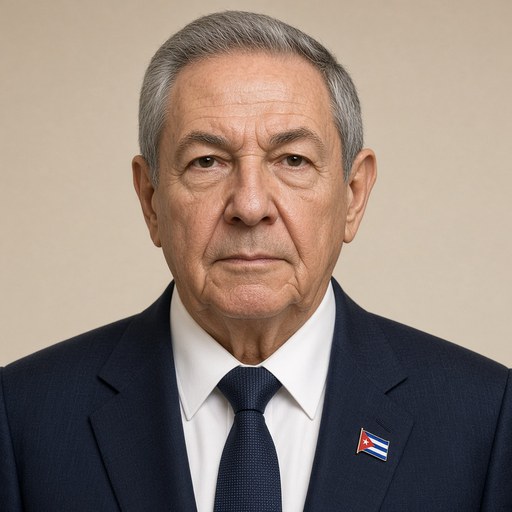
Raúl Castro: A Caribbean that is increasingly prosperous, equitable, secure, sustainable, and united is possible.
 Raúl Castro · President of Cuba
- Context
- Castro addressed the Sixth CARICOM-Cuba Summit in Antigua and Barbuda on December 8, 2017, marking 45 years of Cuba-Caribbean diplomatic ties.
- Main themes
- Caribbean integration and cooperation, Cuba-CARICOM relations, regional solidarity, hurricane recovery, educational and health cooperation, trade and investment, international law and sovereignty, Fidel Castro's legacy, climate and environmental challenges, diplomatic history
- Duration
- ~12 min
- Words
- 1,428
- Sentences
- 50
- Readability
- 15
- Grade
- 18.2
- Syntax
- 3.12
- Vocabulary
- 2.44
Translated from Spanish
The broad sphere of national life a sentence belongs to. Every sentence has an Arena, so it is the denominator the other indices are read against.
Other50 sentences in 35 paragraphs
Honorable Gaston Browne, Prime Minister of Antigua and Barbuda;
Honorable Keith Mitchell, Prime Minister of Grenada and President of the Conference of Heads of Government of the Caribbean Community (Caricom);
Honorable Prime Ministers and Presidents of the other Caricom member countries;
Excellency Ambassador Irwin Larocque, Secretary General of Caricom;
Excellency Mr. Didacus Jules, Director General of the Organization of Eastern Caribbean States;
Excellency Ms. June Soomer, Secretary General of the Association of Caribbean States;
Distinguished Heads of Delegations, Ministers, and Special Guests:
I wish to express to the people and authorities of Antigua and Barbuda our sincere gratitude for the expressions of friendship we have received since we arrived in this country and to convey the appreciation and gratitude of the Cuban people and government for the expressions of solidarity from our Caribbean brothers following the physical passing of the Commander in Chief of the Cuban Revolution, Fidel Castro Ruz, who was the initiator, guide, and foremost promoter of the political and cooperative ties between our countries.
I recall his words on December 8, 2002: “The only way out for our peoples is integration and cooperation, not only among states but also among the various regional schemes and organizations.” I thank the determination of Honorable Gaston Browne and his government team, who despite the difficulties they face following the destructive passage of Hurricane Irma, did not relent in their efforts to ensure the conditions for the successful celebration of this, the Sixth Caricom-Cuba Summit.
On a day like today, 45 years ago, the prime ministers of four English-speaking Caribbean countries, having just achieved their independence, Errol Barrow of Barbados; Forbes Burnham of Guyana; Michael Manley of Jamaica; and Eric Williams of Trinidad and Tobago, decided to establish diplomatic relations with Cuba.
We will never forget that decision, which constituted a fundamental step in breaking the diplomatic and commercial blockade against Cuba. It also allowed for a deepening of relations among the peoples of Our America, united by centuries of history, culture, and neighborhood.
With pride, we also celebrate the fifteenth anniversary of the Caricom-Cuba Summits, from which agreements and results have emerged that have led to a deeper and more effective relationship based on solidarity and cooperation.
A testament to that enduring friendship was the support we mutually offered each other in the wake of the two intense hurricanes that struck our region last September. I wish to thank the expressions of Caribbean brotherhood and solidarity that we received.
In this regard, the signing today of a Memorandum of Understanding for cooperation between the Civil Defense of Cuba and the Caribbean Disaster Emergency Management Agency constitutes a significant step. In the next three years, we foresee the continuation of joint projects, the result of the political will of our governments, such as the Regional School of Arts in Jamaica and the Center for the Stimulation of Development of Children, Adolescents, and Young People with Special Educational Needs, based in Guyana, which have advanced in their implementation process.
We will continue to welcome Caribbean students in our universities. The 5,432 young people from the Caribbean who have trained and the 723 who are currently studying there, as well as the 1,762 Cuban collaborators present in all Caricom countries, of whom 1,469 are in the health sector, are part of Cuba's contribution to the development of Caribbean peoples.
We aim to advance in the development of trade and investments. Between 2014 and 2016, trade exchange grew by 70%. This year is progressing well. The broad and diverse participation of Caribbean companies and agencies in the Havana Fair last month heralds greater growth.
We welcome the implementation, in January 2018, of the Second Protocol to the Bilateral Trade and Cooperation Agreement, a document that expands the tariff preferences granted by Cuba and facilitates access to our markets.
Esteemed Presidents and Prime Ministers and Guests:
How do we face the challenge of advancing towards development amid the profound economic, social, political, and environmental crisis that afflicts this hemisphere and the world? We must do so with unity, in our diversity, integration, and genuine cooperation among us.
The dangers to the survival of the human species are increasing. The consequences of applying concepts not universally accepted, such as “humanitarian intervention” and “responsibility to protect,” are used to cover up interventionist and aggressive actions that threaten international peace and security and call us to defend International Law and the full observance of the purposes and principles enshrined in the Charter of the United Nations.
We should articulate to demand a fair action from the industrialized powers for the mitigation and adaptation to the effects of climate change, particularly with financial resources and technology transfer; coordinate approaches on the 2030 Agenda for Sustainable Development and, especially, to collectively confront the mechanisms of domination imposed on us by the unjust international financial system.
I reiterate Cuba's unwavering position to support, under all circumstances, the right of small island states and developing nations to receive special and differentiated treatment in access to trade and investments.
We support the equally just demand to receive cooperation according to their real situation and needs, and not based on per capita income statistics that schematically classify them as middle-income countries and exclude them from the flows of financial resources essential for their development.
We raise our voice against the persecution by the centers of transnational financial capital that seek to damage the international reputation of Caribbean countries and hinder their economic development through inclusion in spurious and unilateral lists and the targeting in dangerous supranational endeavors, supposedly to combat corruption.
We firmly support the just demand of the Caribbean Community for compensation from the colonial powers for the horrors of slavery and the slave trade.
We also have the urgent duty to our peoples to advance with increasingly solid steps towards the political, economic, and social integration of Latin America and the Caribbean.
Today, the successful trajectory of Caricom, the participation of all its member states and Cuba in the Community of Latin American and Caribbean States and in the Association of Caribbean States, as well as the membership of some of us in the Bolivarian Alliance for the Peoples of Our America, have contributed to the advancement of regional integration, which we must continue to promote. On the other hand, participation in Petrocaribe has represented a significant guarantee and contribution to the development of our countries.
I highlight the signing by the Heads of State and Government of the region of the Proclamation of Latin America and the Caribbean as a Zone of Peace, on the occasion of the II CELAC Summit held in Havana in January 2014, which constitutes the basis for the development of relations of mutual respect among states and their commitment to strictly comply with their obligation not to intervene, directly or indirectly, in the internal affairs of any other state and to observe the principles of national sovereignty, equality of rights, and the self-determination of peoples.
That is why we must not allow the Bolivarian Republic of Venezuela, one of our Latin American and Caribbean nations, to suffer continuous actions that seek to destroy its constitutional order. Cuba reiterates its permanent solidarity and support for the heroic Venezuelan people, their civic-military union, and the Bolivarian and Chavista government led by President Nicolás Maduro Moros.
I emphasize the historical and ethical responsibility of our nations towards the sister Republic of Haiti and the need for contribution to its development, strictly adhering to the will of its government and the legitimate needs of its people.
Cubans deeply appreciate our Caribbean brothers for their unwavering position of respect and solidarity towards our homeland. We will never forget the constant support for the resolutions against the blockade on Cuba, as well as the numerous expressions of solidarity in the general debates of the General Assembly of the United Nations and in other international forums.
This support is even more relevant in light of the setbacks represented by the actions of the new government of the United States against Cuba. The blockade constitutes the greatest obstacle to the economic and social development of our country and to Cuba's economic, commercial, and financial relations with the world.
Caribbean brothers:
“In the balance of America are the Antilles,” wrote José Martí, the most universal of Cubans, in 1894. His ideas, now widely shared, give us the certainty that a Caribbean that is increasingly prosperous, equitable, secure, sustainable, and united is possible; that it will always be able to count on the eternal friendship, gratitude, and support of Cuba.
Thank you very much.
The original Spanish. The tags above are read on the English translation's sentences.
Honorable Gaston Browne, primer ministro de Antigua y Barbuda;
Honorable Keith Mitchell, primer ministro de Granada y presidente de la Conferencia de Jefes de Gobierno de la Comunidad del Caribe (Caricom);
Honorables Primeros Ministros y Presidentes de los demás países miembros de Caricom;
Excelentísimo Embajador Irwin Larocque, Secretario General de Caricom;
Excelentísimo Señor Didacus Jules, director general de la Organización de Estados del Caribe Oriental;
Excelentísima señora June Soomer, secretaria general de la Asociación de Estados del Caribe;
Distinguidos Jefes de delegaciones, Ministros e Invitados Especiales:
Deseo expresar al pueblo y a las autoridades de Antigua y Barbuda el sincero agradecimiento por las muestras de amistad que hemos recibido desde que llegamos a este país y trasmitirles el aprecio y gratitud del pueblo y gobierno cubanos por las expresiones de solidaridad de los hermanos caribeños tras la desaparición física del Comandante en Jefe de la Revolución Cubana, Fidel Castro Ruz, quien fuera iniciador, guía y máximo impulsor de los vínculos políticos y de cooperación entre nuestros países.
Rememoro sus palabras el 8 de diciembre de 2002: “La única salida para nuestros pueblos es la integración y la cooperación, no solo entre los Estados, sino también entre los diversos esquemas y organizaciones regionales”. Agradezco la determinación del Honorable Gaston Browne y su equipo de gobierno, quienes a pesar de las dificultades que enfrentan tras el paso destructor del huracán Irma no cejaron en su empeño de garantizar las condiciones para la exitosa celebración de esta, la Sexta Cumbre Caricom-Cuba.
Un día como hoy, 45 años atrás, los primeros ministros de cuatro países del Caribe anglófono, recién alcanzada su independencia, Errol Barrow, de Barbados; Forbes Burnham, de Guyana; Michael Manley, de Jamaica, y Eric Williams, de Trinidad y Tobago, decidieron establecer relaciones diplomáticas con Cuba.
Nosotros jamás olvidaremos esa decisión, que constituyó un paso fundamental para la ruptura del cerco diplomático y comercial contra Cuba. También permitió profundizar las relaciones entre los pueblos de Nuestra América, unidos por siglos de historia, cultura y vecindad.
Con orgullo también celebramos el decimoquinto aniversario de las Cumbres Caricom-Cuba, de cuyos acuerdos y resultados ha emanado una relación más profunda y efectiva, basada en la solidaridad y la cooperación.
Muestra de esa amistad imperecedera fue el apoyo que mutuamente nos ofrecimos ante el paso de los dos intensos huracanes que azotaron a nuestra región en septiembre pasado. Deseo agradecer las expresiones de hermandad y solidaridad caribeña que recibimos.
En este sentido, la firma hoy de un Memorándum de Entendimiento para la cooperación entre la Defensa Civil de Cuba y la Agencia Caribeña para el Manejo de Desastres y Emergencias constituye un paso significativo. En el próximo trienio prevemos la continuidad de proyectos conjuntos, resultado de la voluntad política de nuestros gobiernos, como el de la Escuela Regional de Artes en Jamaica y el Centro de Estimulación del Desarrollo de Niños, Adolescentes y Jóvenes con Necesidades Educativas Especiales, con sede en Guyana, que han avanzado en su proceso de implementación.
Continuaremos recibiendo a estudiantes caribeños en nuestras universidades. Los 5 432 jóvenes del Caribe que se han formado y los 723 que actualmente estudian en ellas, así como los 1 762 colaboradores cubanos presentes en todos los países de Caricom, de ellos 1 469 en el sector de la salud, son parte de la contribución de Cuba al desarrollo de los pueblos caribeños.
Nos proponemos avanzar en el desarrollo del comercio y las inversiones. Entre 2014 y 2016 el intercambio comercial creció un 70 %. Este año marcha a buen ritmo. La amplia y diversa participación de empresas y agencias caribeñas en la Feria de La Habana, el mes pasado, augura mayores crecimientos.
Acogemos con beneplácito la implementación, en enero de 2018, del Segundo Protocolo al Acuerdo de Comercio y Cooperación bilateral, documento que amplía las preferencias arancelarias otorgadas por Cuba y que facilita el acceso a nuestros mercados.
Estimados Presidentes y Primeros Ministros e Invitados:
¿Cómo enfrentar el desafío de avanzar hacia el desarrollo en medio de la profunda crisis económica, social, política y ambiental que sufren este hemisferio y el mundo? Debemos hacerlo con la unidad, en nuestra diversidad, la integración y la cooperación genuina entre nosotros.
Los peligros para la sobrevivencia de la especie humana se incrementan. Las consecuencias de la aplicación de conceptos no aceptados universalmente como “intervención humanitaria” y “responsabilidad de proteger” se utilizan para encubrir acciones intervencionistas y agresivas que amenazan la paz y seguridad internacionales y nos convocan a defender el Derecho Internacional y la plena vigencia de los propósitos y principios que consagra la Carta de las Naciones Unidas.
Debiéramos articularnos para reclamar una actuación justa de las potencias industrializadas para la mitigación y adaptación de los efectos del cambio climático, en particular con recursos financieros y transferencia de tecnología; concertar enfoques sobre la Agenda 2030 para el Desarrollo Sostenible y, en especial, para enfrentar colectivamente los mecanismos de dominación que nos impone el injusto sistema financiero internacional.
Reitero la invariable posición de Cuba de apoyar, en todas las circunstancias, el derecho de los pequeños Estados insulares y naciones en desarrollo a recibir un trato especial y diferenciado en el acceso al comercio y las inversiones.
Respaldamos el reclamo, igualmente justo, de recibir cooperación de acuerdo con su situación real y necesidades, y no sobre la base de estadísticas de ingreso per cápita que los clasifican esquemáticamente como países de renta media y los excluyen de los flujos de recursos financieros indispensables para su desarrollo.
Unimos nuestra voz contra la persecución por parte de los centros del capital financiero transnacional que buscan dañar la reputación internacional de los países caribeños y obstaculizan su desarrollo económico a través de la inclusión en listas espurias y unilaterales y la singularización en peligrosos empeños supranacionales, supuestamente para el enfrentamiento a la corrupción.
Apoyamos firmemente la justa demanda de la Comunidad del Caribe de compensación por parte de las potencias coloniales por los horrores de la esclavitud y la trata.
Tenemos también el deber impostergable con nuestros pueblos de avanzar con pasos cada vez más sólidos hacia la integración política, económica y social de América Latina y el Caribe.
Hoy, la exitosa trayectoria de Caricom, la participación de todos sus Estados miembros y de Cuba en la Comunidad de Estados Latinoamericanos y Caribeños y en la Asociación de Estados del Caribe, así como la membresía de algunos de nosotros en la Alianza Bolivariana para los Pueblos de Nuestra América, han contribuido al avance de la integración regional, la que debemos continuar impulsando. Por otra parte, la participación en Petrocaribe ha representado una garantía y contribución significativa al desarrollo de nuestros países.
Destaco la firma por los Jefes de Estado y de Gobierno de la región de la Proclama de América Latina y el Caribe como Zona de Paz, en ocasión de la II Cumbre de la Celac, celebrada en La Habana en enero de 2014, que constituye la base para el desarrollo de relaciones de respeto mutuo entre los Estados y el compromiso de estos con el estricto cumplimiento de su obligación de no intervenir, directa o indirectamente, en los asuntos internos de cualquier otro Estado y observar los principios de soberanía nacional, la igualdad de derechos y la libre determinación de los pueblos.
Es por ello que no debemos permitir que la República Bolivariana de Venezuela, una de nuestras naciones latinoamericanas y caribeñas, sufra acciones continuas que persiguen la destrucción de su orden constitucional. Cuba reitera su permanente solidaridad y apoyo al heroico pueblo venezolano, a su unión cívico-militar y al gobierno bolivariano y chavista encabezado por el presidente Nicolás Maduro Moros.
Subrayo la responsabilidad histórica y ética de nuestras naciones con la hermana República de Haití y la necesidad de la contribución a su desarrollo, con estricto apego a la voluntad de su gobierno y a las legítimas necesidades de su pueblo.
Los cubanos agradecemos profundamente a nuestros hermanos caribeños por su inalterable posición de respeto y solidaridad hacia nuestra patria. Nunca olvidaremos el permanente respaldo a las resoluciones contra el bloqueo a Cuba, así como las numerosas expresiones de solidaridad en los debates generales de la Asamblea General de la Organización de las Naciones Unidas y en otras tribunas internacionales.
Este apoyo es aún más relevante frente al retroceso que significan las acciones del nuevo gobierno de los Estados Unidos contra Cuba. El bloqueo constituye el mayor obstáculo para el desarrollo económico y social de nuestro país, y para las relaciones económicas, comerciales y financieras de Cuba con el mundo.
Hermanos caribeños:
“En el fiel de América están las Antillas”, escribió en 1894 José Martí, el más universal de los cubanos. Sus ideas, hoy ampliamente compartidas, nos dan la certeza de que un Caribe cada vez más próspero, equitativo, seguro, sostenible y unido es posible; que siempre podrá contar con la eterna amistad, gratitud y el apoyo de Cuba.
Muchas gracias (Aplausos).
Especiales
Política
1 de Mayo: Ultra ricos y trabajadores pobres en la Argentina de Llao Llao 5 mayo 2026 | 3
Confesiones del Secretario de Estado 5 mayo 2026 | 9
Medicina Natural y Tradicional: Usos comunes para tres cítricos 5 mayo 2026 | 3
¿Cómo la crisis y la guerra impactan en la clase obrera del mundo? (+ Video) 5 mayo 2026 | 2
Pequeña entrevista marxiana a Néstor Kohan 5 mayo 2026 | 5
ir aEspeciales »
La deshistorización del tiempo 6 mayo 2026 | +
Canciller cubano: “El secretario de Estado afirmó que no existe un bloqueo petrolero a Cuba. Ha optado sencillamente por mentir” 5 mayo 2026 | 10
La nueva orden ejecutiva del presidente de EEUU: Una agresión inédita contra Cuba 5 mayo 2026 | 10 |
1 de Mayo: Ultra ricos y trabajadores pobres en la Argentina de Llao Llao 5 mayo 2026 | 3
Confesiones del Secretario de Estado 5 mayo 2026 | 9
ir aPolítica »