




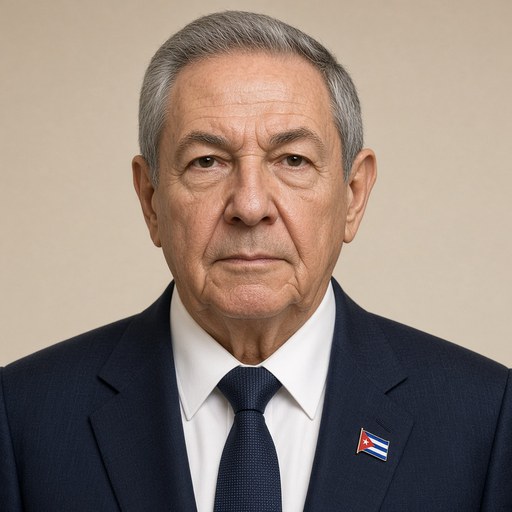
Intervention in the First Ordinary Session of the VIII Legislature of the National Assembly of the Pod
 Raúl Castro · President of Cuba
- Context
- Castro addressed the First Ordinary Session of the VIII Legislature of Cuba's National Assembly on July 7, 2013, presenting conclusions on economic performance and policy implementation.
- Main themes
- Economic performance and GDP growth, implementation of Economic and Social Policy Guidelines, monetary duality and currency unification, socialist economic model update, agricultural production reform, state enterprise autonomy, non-agricultural cooperatives and self-employment, wage and pension reform, order, discipline, and demand in Cuban society, preservation of socialism in Cuba
- Duration
- ~25 min
- Words
- 3,041
- Sentences
- 78
- Readability
- 19
- Grade
- 20.1
- Syntax
- 3.65
- Vocabulary
- 2.35
Translated from Spanish
The broad sphere of national life a sentence belongs to. Every sentence has an Arena, so it is the denominator the other indices are read against.
Other78 sentences in 60 paragraphs
Comrades:
I have the responsibility to present the conclusions of this, the First Ordinary Session of the VIII Legislature of the National Assembly, within which, fulfilling what was agreed upon, our deputies received a comprehensive explanation regarding the performance of the economy in the first half of the year, as well as the progress of the implementation of the Guidelines of the Economic and Social Policy of the Party and the Revolution, matters that were previously analyzed in the meeting of the Council of Ministers held on June 28 and in the Seventh Plenary of the Central Committee last Monday.
Considering the information provided to our people by the media, it is not necessary to elaborate on these matters, and I will only point out those aspects of greater importance.
The national economy has continued to show positive behavior amid external tensions, the damage caused by Hurricane Sandy, and our own shortcomings.
As has already been reported, the Gross Domestic Product (GDP) grew by 2.3 percent, which, while not reaching the planned target, exceeds by two-tenths the figure achieved in the first half of last year. It is true that the behavior of the GDP is still not felt in the economy of the average Cuban family.
The growing trend of productive activities is reaffirmed, while social services to the entire population are maintained at similar levels.
The deputies also received a detailed overview of the progress of the implementation of the Guidelines of the Economic and Social Policy of the Party and the Revolution approved by the Sixth Congress, a process that constitutes the main task of all, as its success will depend on the preservation and development of socialism in Cuba, a prosperous and sustainable socialism, which, while reaffirming social ownership—as comrade Murillo has already explained—over the fundamental means of production, recognizes the role of other non-state forms of management; reaffirms planning as an indispensable instrument in the direction of the economy, without denying the existence of the market.
I wish to reiterate the conviction that in this strategically significant front, progress has continued, and the first encouraging results are beginning to be observed, although it is also true that a long and complex road remains to update our economic and social model, ensuring the majority support of the population for this process, which excludes the use of shock therapies and the abandonment of millions of people that characterize the adjustment policies applied in recent years in several nations of wealthy Europe.
The phenomenon of monetary duality constitutes one of the most important obstacles to the progress of the nation, and as stated in Guideline number 55, we must advance towards unification, taking into account labor productivity. The Guideline itself recognizes the complexity of this goal, which will require rigorous preparation and execution, both on the objective and subjective levels.
On this matter, I can inform you that studies have continued for the orderly and comprehensive elimination of monetary duality, which will allow us to undertake transformations of greater scope and depth in terms of wages and pensions, prices and tariffs, subsidies and taxes. In short, we aim to ensure that all capable citizens feel incentivized to work legally by restoring the validity of the law of socialist distribution, "from each according to his ability, to each according to his work," which will help to end the unjust "inverted pyramid," or in other words, greater responsibility should lead to greater compensation.
At the same time, we must give the highest priority to improving the agricultural production system, ensuring that the approved experiments to remove the obstacles that hinder its development achieve the proposed objectives.
Likewise, with the introduction of the approved directives into the plans for the coming year, state enterprises will achieve greater autonomy in their management and in the distribution of results—as was explained in more detail this morning.
In the same way, we will decisively support the creation of non-agricultural cooperatives, which, together with the continued expansion of self-employment, will help to free the State from non-essential productive and service activities and concentrate on the long-term development program.
The implementation of the Guidelines implicitly carries the need to systematically evaluate the effects of the changes that have been introduced and to promptly correct any deviations. It also demands the establishment of a permanent climate of ORDER, DISCIPLINE, AND DEMAND in Cuban society, an essential premise for consolidating the progress of the updating of the economic model and not allowing counterproductive setbacks.
Precisely, I will dedicate the majority of my intervention to this issue, as I expressed to you on February 24 in the Constitutive Session of the current Legislature of Parliament, on the occasion of which we had the presence of comrade Fidel, who on this matter stated, I quote: "the great battle that is imposed is the need for a vigorous and relentless struggle against the bad habits and errors that many citizens, including militants, commit daily in the most diverse spheres," end of quote.
This topic is not pleasant for anyone, but I adhere to the conviction that the first step to effectively overcome a problem is to recognize its existence in all its dimensions and to delve into the causes and conditions that have fostered this phenomenon over many years.
I imagine the news in the coming days from the major international press, specialized in denigrating Cuba and subjecting it to frenzied scrutiny; we have already become accustomed to living under siege and we must not restrict ourselves to discussing the reality with all its harshness if what motivates us is the firmest intention to overcome the environment of indiscipline that has taken root in our society and causes significant moral and material damage.
We have painfully perceived, over more than 20 years of the special period, the increased deterioration of moral and civic values, such as honesty, decency, shame, decorum, integrity, and sensitivity to the problems of others.
Let us remember Fidel's words in the Aula Magna of the University of Havana on November 17, 2005, when he said that this Revolution could not be destroyed by the enemy, but by ourselves, and it would be our fault, he warned.
Thus, a part of society has come to see the theft from the State as normal. Illegal constructions have spread with relative impunity, as well as unauthorized occupation of housing, illicit commercialization of goods and services, non-compliance with schedules in workplaces, theft and illegal slaughter of livestock, capture of endangered marine species, use of mass fishing methods, logging of forest resources, including in the magnificent Botanical Garden of Havana; hoarding of scarce products and their resale at higher prices, participation in illegal gambling, price violations, acceptance of bribes and favors, harassment of tourism, and violations of established regulations regarding cybersecurity.
Behaviors, once characteristic of marginality, such as shouting loudly in the street, the indiscriminate use of obscene language, and vulgarity in speech, have begun to be incorporated into the actions of many citizens, regardless of their educational level or age.
The perception of civic duty regarding wrongdoing has been affected, and it is tolerated as something natural to throw waste in the street; to relieve oneself in streets and parks; to mark and deface walls of buildings or urban areas; to consume alcoholic beverages in inappropriate public places and to drive vehicles while intoxicated; disrespect for the rights of neighbors is not confronted, loud music flourishes that disrupts people's rest; the breeding of pigs in the middle of cities proliferates impunely, posing a risk to the health of the people; there is coexistence with the mistreatment and destruction of parks, monuments, trees, gardens, and green areas; public telephony, electrical and telephone lines, sewers, and other elements of aqueducts, traffic signs, and metal barriers on roads are vandalized.
Likewise, the payment of fares in state transport is evaded or appropriated by some workers in the sector; groups of young people throw stones at trains and motor vehicles, time and again in the same places; the most basic norms of courtesy and respect towards the elderly, pregnant women, mothers with small children, and physically disabled individuals are ignored. All this happens right before our eyes, without eliciting public outrage and confrontation.
The same occurs at different levels of education, where school uniforms are transformed to the point of not resembling them, some teachers teach classes improperly dressed, and there are cases of teachers and relatives participating in acts of academic fraud.
It is well known that home and school form the sacred binomial of individual formation in function of society, and these acts represent not only a social detriment but also serious cracks of a familial and educational nature.
These behaviors in our classrooms are doubly incompatible, as in addition to the indiscipline in themselves, it must be kept in mind that from childhood, family and school must instill in children respect for the rules of society.
The most sensitive issue is the real and perceived deterioration of the integrity and good manners of Cubans. It cannot be accepted to identify vulgarity with modernity, nor crudeness or shamelessness with progress; living in society entails, first and foremost, assuming norms that preserve respect for the rights of others and decency. Of course, none of this contradicts the typical joy of Cubans, which we must preserve and develop.
I have limited myself to recounting the most representative negative phenomena, without the intention of listing them one by one, as that would unnecessarily extend these words.
With the collaboration of the Party and government agencies, a first survey was conducted that revealed 191 manifestations of this type—aware that these are not the only ones and that there are many more—classified into four different categories: social indiscipline, illegalities, contraventions, and crimes as defined in the Penal Code.
The fight against these harmful behaviors and acts must be carried out using various methods and avenues. The loss of ethical values and disrespect for good customs can be reversed through the concerted action of all social factors, starting with the family and school from early ages and the promotion of Culture, seen in its most comprehensive and enduring concept, which leads everyone to the conscious rectification of their behavior. This will, however, be a complex process that will take considerable time.
Crime, illegalities, and contraventions are faced more straightforwardly: by enforcing what is established in the law, and for this, any State, regardless of ideology, has the necessary instruments, whether through persuasion or, as a last resort, if necessary, applying coercive measures.
The reality is that the nobility of the Revolution has been abused, refraining from resorting to the use of the force of the law, however justified it may be, privileging persuasion and political work, which we must recognize has not always been sufficient.
State and government bodies, each in their respective roles, including the Police, the General Comptroller of the Republic, the Prosecutor's Office, and the Courts must contribute to this effort, being the first to set an example of unwavering adherence to the Law; thus reinforcing their authority before society and ensuring the support of the population, as has been demonstrated in the recent confrontation with shameful cases of administrative corruption involving officials from agencies and enterprises.
It is time for the workers' and farmers' collectives, students, youth, teachers and professors, our intellectuals and artists, journalists, religious entities, authorities, leaders, and officials at every level, in short, all dignified Cubans, who undoubtedly constitute the majority, to take on the duty to comply with and enforce what is established, both in civic norms and in laws, provisions, and regulations.
When I reflect on these lamentable manifestations, I think that despite the undeniable educational achievements attained by the Revolution and recognized worldwide by specialized United Nations agencies, we have regressed in culture and civic-mindedness. I have the bitter feeling that we are an increasingly educated society, but not necessarily a more cultured one.
In this sense, it is worth recalling that phrase attributed to various authors, including the Spanish philosopher and writer Miguel de Unamuno, who, to summarize his experiences regarding the norms of coexistence of some peasants from Castile, expressed: "How cultured these illiterates are!"
Nothing is more foreign to a revolutionary than resignation, or in other words, surrender in the face of difficulties. Therefore, what we must do is lift our spirits and combativeness and focus on the gigantic and patient task of reversing the created situation.
In my opinion, the common denominator of this entire phenomenon has been and is the lack of demand from those responsible for enforcing what is established, the absence of systematic work at the different levels of leadership, and the disrespect, first and foremost, by state entities for the current institutional framework, which, on the other hand, undermines their capacity and authority to demand that the population adhere to existing regulations.
Just to cite one example: how many violations of the Physical Planning regulations have been detected in the state sector throughout the country, some of which have been reported in the press? We must reinforce, as we are already doing, order and discipline in all government agencies.
At the same time, leaders from national levels down to the grassroots must abandon passivity and inertia in their behavior; they must stop looking the other way when the problem is right here, in order not to see it. Enough of being afraid to seek problems in fulfilling our duties, and adopt as our own a mentality of order, discipline, and demand, without fear of seeking problems by insisting on compliance with what is established.
Confronting social indiscipline cannot become just another campaign, but rather a permanent movement whose evolution will depend on the ability to mobilize the population and the different actors in each community, excluding no one, with rigor and political intent.
Let us take stock of the forces that the Revolution has, and we will understand that they are more than sufficient to achieve success.
The initial actions taken by the Party, the Youth, and mass organizations to strengthen prevention and confrontation have shown, in just four months, that as political, social, and administrative institutions have deepened their actions in this area, the population has demonstrated its support and is joining in denouncing and combating acts and behaviors that violate legality.
If we want to succeed in this task, we must involve the people, every citizen, not through empty slogans and speeches in heated meetings, but by instilling in each one the motivation to be better and leading by personal example.
That was the central theme of my words, approved by the Political Bureau yesterday morning. On this topic that I have just concluded, one could speak for several hours, but what I have said is sufficient; the rest should be published.
As is natural, this will be published in all our press. I suggest to all of you and to those listening to me that you read it calmly and reflect individually; I only ask that you meditate personally.
Moving on to another topic, yesterday our deputies issued a Call to all parliaments of the world and to personalities committed to justice to demand from the authorities of the United States the immediate release and return of Gerardo, Ramón, Antonio, and Fernando, who will complete 15 years of unjust imprisonment on September 12.
We also applaud the heartfelt words of the Hero of the Republic of Cuba, René González, who has come to reinforce the struggle for this noble cause, which will not stop until all return to the Homeland.
Finally, I must express that the recent revelations by American citizen Edward Snowden have confirmed the existence of global espionage systems by the United States, which violate the sovereignty of nations, including those of its allies, and human rights.
Cuba, which has historically been one of the most attacked and also most spied-upon countries on the planet, was already aware of the existence of these espionage systems.
What is new and unusual has been the way in which media control and censorship have been imposed to divert attention from the fundamental issue, that is, the enormous power of the U.S. government in the mass control of information technologies and media, and to focus instead on the international persecution of the whistleblower.
Taking advantage of its international media power—supranational already because these media transcend nations—they are now concentrating on the international persecution of the young whistleblower of these activities.
The threats to apply economic measures against Ecuador and the concerted action of several European countries to prevent the overflight or landing of President Evo Morales demonstrate that we live in a world where the powerful feel entitled to violate International Law, undermine the sovereignty of States, and trample on the rights of citizens.
In the face of this philosophy of domination, all countries of the South are and will continue to be in danger.
We support the legitimate claims and statements of the Presidents of Venezuela, Ecuador, Argentina, Bolivia, Nicaragua, Brazil, Uruguay, and other Latin American and Caribbean leaders.
We call for the mobilization of international public opinion, for a vigorous denunciation and firm condemnation of the threats against Ecuador and the assault against the President of Bolivia, against all Our America.
We support the sovereign right of the Bolivarian Republic of Venezuela and all States in the region to grant asylum to those persecuted for their ideals or struggles for democratic rights, according to our tradition.
We do not accept double standards, interference, or pressure of any kind. As President Nicolás Maduro has pointed out, one cannot grant refuge and deny the extradition to Venezuela of an international terrorist like Posada Carriles, author, among other crimes, of the mid-air bombing of a Cubana de Aviación plane with 73 human beings, and at the same time pretend that this sister nation does not exercise its legitimate right.
Today is July 7, and we are just a few days away from commemorating the 60th anniversary of the assault on the Moncada and Carlos Manuel de Céspedes barracks. Let us face the new challenges with the same determination and unwavering faith in victory that the Leader of the Cuban Revolution, Fidel Castro Ruz, has always instilled in us.
Thank you very much.
The original Spanish. The tags above are read on the English translation's sentences.
Compañeras y compañeros:
Me corresponde realizar las conclusiones de este, el Primer Período Ordinario de Sesiones de la VIII Legislatura de la Asamblea Nacional , marco en el cual, cumpliendo lo acordado, nuestros diputados recibieron una amplia explicación acerca del desempeño de la Economía en el primer semestre, así como de la marcha de la implementación de los Lineamientos de la Política Económica y Social del Partido y la Revolución , asuntos que previamente fueron analizados en la reunión del Consejo de Ministros, efectuada el 28 de junio y en el Séptimo Pleno del Comité Central el pasado lunes.
Considerando la información brindada a nuestro pueblo por los medios de prensa, no es necesario abundar sobre estos asuntos y solo señalaré aquellos aspectos de mayor importancia.
La economía nacional ha continuado mostrando un comportamiento positivo en medio de las tensiones externas, los daños ocasionados por el huracán Sandy y nuestras propias insuficiencias.
Como ya fue divulgado, el Producto Interno Bruto (P.I.B) creció un 2,3 por ciento, que sin llegar a lo planificado, supera en dos décimas el alcanzado en el primer semestre del año pasado. Cierto es que todavía el comportamiento del P.I.B no se nota en la economía de la familia cubana promedio.
Se reafirma la tendencia creciente de las actividades productivas, al tiempo que se preservan en niveles similares los servicios sociales a toda la población.
También los diputados recibieron una detallada panorámica de la marcha de la implementación de los Lineamientos de la Política Económica y Social del Partido y la Revolución aprobados por el Sexto Congreso, proceso que constituye la principal tarea de todos, por cuanto de su éxito dependerá la preservación y el desarrollo del socialismo en Cuba, un socialismo próspero y sostenible, que a la vez que ratifica la propiedad social como ya explicó el compañero Murillo sobre los medios fundamentales de producción, reconoce el papel de otras formas de gestión no estatales; reafirma a la planificación como instrumento indispensable en la dirección de la economía, sin negar la existencia del mercado.
Deseo reiterar la convicción de que en este frente de significación estratégica ha continuado el avance y ya comienzan a observarse los primeros resultados alentadores, aunque también es verdad que falta un largo y complejo camino para actualizar nuestro modelo económico y social, asegurando el apoyo mayoritario de la población a este proceso, lo cual excluye la utilización de terapias de choque y el desamparo de millones de personas que caracterizan a las políticas de ajuste aplicadas en los últimos años en varias naciones de la rica Europa.
El fenómeno de la dualidad monetaria constituye uno de los obstáculos más importantes para el progreso de la nación, y tal como señala el Lineamiento número 55, deberá avanzarse hacia la unificación, teniendo en cuenta la productividad del trabajo. El propio Lineamiento reconoce la complejidad de este propósito, que exigirá una rigurosa preparación y ejecución, tanto en el plano objetivo como subjetivo.
Sobre el particular puedo comunicarles que han proseguido los estudios para la supresión de la dualidad monetaria de forma ordenada e integral, lo cual nos permitirá acometer transformaciones de mayor alcance y profundidad en materia de salarios y pensiones, precios y tarifas, subsidios y tributos. En pocas palabras, lograr que todos los ciudadanos aptos se sientan incentivados a trabajar legalmente a partir de restablecer la vigencia de la ley de distribución socialista, de cada cual según su capacidad, a cada cual según su trabajo, lo que propiciará terminar con la injusta pirámide invertida, o lo que es lo mismo, a mayor responsabilidad, menor retribución.
Al propio tiempo, debemos otorgar la máxima prioridad al perfeccionamiento del sistema de producción agropecuaria, asegurando que los experimentos aprobados para liberar las trabas que frenan su desarrollo alcancen los objetivos propuestos.
Asimismo, con la introducción en los planes para el próximo año de las directivas aprobadas, las empresas estatales lograrán mayor autonomía en su gestión y en la distribución de los resultados como fue más ampliamente explicado en la mañana de hoy.
Del mismo modo, apoyaremos decididamente la creación de cooperativas no agropecuarias, las cuales, de conjunto con el continuado despliegue del trabajo por cuenta propia, facilitarán liberar al Estado de actividades productivas y de servicios no fundamentales y concentrarse en el programa de desarrollo a largo plazo.
La implementación de los Lineamientos lleva implícita la necesidad de evaluar sistemáticamente los efectos de los cambios que se han venido introduciendo y corregir con prontitud cualquier desviación. También demanda el establecimiento de un clima permanente de ORDEN, DISCIPLINA Y EXIGENCIA en la sociedad cubana, premisa imprescindible para consolidar el avance de la actualización del modelo económico y no admitir retrocesos contraproducentes.
Precisamente, a este asunto dedicaré la mayor parte de mi intervención, tal y como les expresé a ustedes el 24 de febrero en la Sesión de Constitución de la actual Legislatura del Parlamento, ocasión en la que contamos con la presencia del compañero Fidel, quien sobre el particular expresó, cito : la gran batalla que se impone es la necesidad de una lucha enérgica y sin tregua contra los malos hábitos y los errores que en las más diversas esferas cometen diariamente muchos ciudadanos, incluso militantes , fin de la cita .
Este tema no resulta agradable para nadie, pero me atengo al convencimiento de que el primer paso para superar un problema de manera efectiva es reconocer su existencia en toda la dimensión y hurgar en las causas y condiciones que han propiciado este fenómeno a lo largo de muchos años.
Imagino las noticias en los próximos días de la gran prensa internacional, especializada en denigrar a Cuba y someterla a un frenético escrutinio; ya nos hemos acostumbrado a vivir bajo el asedio y no debemos restringirnos a debatir con toda crudeza la realidad, si lo que nos motiva es el más firme propósito de rebasar el ambiente de indisciplina que se ha arraigado en nuestra sociedad y ocasiona daños morales y materiales nada despreciables.
Hemos percibido con dolor, a lo largo de los más de 20 años de período especial, el acrecentado deterioro de valores morales y cívicos, como la honestidad, la decencia, la vergüenza, el decoro, la honradez y la sensibilidad ante los problemas de los demás.
Recordemos las palabras de Fidel en el Aula Magna de la Universidad de La Habana, el 17 de noviembre de 2005, cuando dijo que a esta Revolución no podría destruirla el enemigo, pero sí nosotros mismos y sería culpa nuestra, advirtió.
Así, una parte de la sociedad ha pasado a ver normal el robo al Estado. Se propagaron con relativa impunidad las construcciones ilegales , además en lugares indebidos, la ocupación no autorizada de viviendas, la comercialización ilícita de bienes y servicios, el incumplimiento de los horarios en los centros laborales, el hurto y sacrificio ilegal de ganado, la captura de especies marinas en peligro de extinción, el uso de artes masivas de pesca, la tala de recursos forestales, incluyendo en el magnífico Jardín Botánico de La Habana ; el acaparamiento de productos deficitarios y su reventa a precios superiores, la participación en juegos al margen de la ley, las violaciones de precios, la aceptación de sobornos y prebendas, el asedio al turismo y la infracción de lo establecido en materia de seguridad informática.
Conductas, antes propias de la marginalidad, como gritar a viva voz en plena calle, el uso indiscriminado de palabras obscenas y la chabacanería al hablar, han venido incorporándose al actuar de no pocos ciudadanos, con independencia de su nivel educacional o edad.
Se ha afectado la percepción respecto al deber ciudadano ante lo mal hecho y se tolera como algo natural botar desechos en la vía; hacer necesidades fisiológicas en calles y parques; marcar y afear paredes de edificios o áreas urbanas; ingerir bebidas alcohólicas en lugares públicos inapropiados y conducir vehículos en estado de embriaguez; el irrespeto al derecho de los vecinos no se enfrenta, florece la música alta que perjudica el descanso de las personas; prolifera impunemente la cría de cerdos en medio de las ciudades con el consiguiente riesgo a la salud del pueblo, se convive con el maltrato y la destrucción de parques, monumentos, árboles, jardines y áreas verdes; se vandaliza la telefonía pública, el tendido eléctrico y telefónico, alcantarillas y otros elementos de los acueductos, las señales del tránsito y las defensas metálicas de las carreteras.
Igualmente, se evade el pago del pasaje en el transporte estatal o se lo apropian algunos trabajadores del sector; grupos de muchachos lanzan piedras a trenes y vehículos automotores, una y otra vez en los mismos lugares; se ignoran las más elementales normas de caballerosidad y respeto hacia los ancianos, mujeres embarazadas, madres con niños pequeños e impedidos físicos. Todo esto sucede ante nuestras narices, sin concitar la repulsa y el enfrentamiento ciudadanos.
Lo mismo pasa en los diferentes niveles de enseñanza, donde los uniformes escolares se transforman al punto de no parecerlo, algunos profesores imparten clases incorrectamente vestidos y existen casos de maestros y familiares que participan en hechos de fraude académico.
Es sabido que el hogar y la escuela conforman el sagrado binomio de la formación del individuo en función de la sociedad y estos actos representan ya no solo un perjuicio social, sino graves grietas de carácter familiar y escolar.
Esas conductas en nuestras aulas son doblemente incompatibles, pues además de las indisciplinas en sí mismas, hay que tener presente que desde la infancia la familia y la escuela deben inculcar a los niños el respeto a las reglas de la sociedad.
Lo más sensible es el deterioro real y de imagen de la rectitud y los buenos modales del cubano. No puede aceptarse identificar vulgaridad con modernidad, ni chabacanería ni desfachatez con el progreso; vivir en sociedad conlleva, en primer lugar, asumir normas que preserven el respeto al derecho ajeno y la decencia. Por supuesto, nada de esto entra en contradicción con la típica alegría de los cubanos, que debemos preservar y desarrollar.
Me he limitado a hacer un recuento de los fenómenos negativos más representativos, sin el ánimo de relacionarlos uno por uno, ya que ello extendería innecesariamente estas palabras.
Con el concurso del Partido y los organismos del Gobierno, se efectuó un primer levantamiento que arrojó 191 manifestaciones de este tipo conscientes estamos de que no son las únicas y de que hay muchas más, separadas en cuatro categorías diferentes : la indisciplina social, las ilegalidades, las contravenciones y los delitos recogidos en el Código Penal.
El combate contra esas nocivas conductas y hechos debe efectuarse utilizando diversos métodos y vías. La pérdida de valores éticos y el irrespeto a las buenas costumbres puede revertirse mediante la acción concertada de todos los factores sociales, empezando por la familia y la escuela desde las edades tempranas y la promoción de la Cultura, vista en su concepto más abarcador y perdurable, que conduzca a todos a la rectificación consciente de su comportamiento. Este será, no obstante, un proceso complejo que tomará bastante tiempo.
El delito, las ilegalidades y las contravenciones se enfrentan de manera más sencilla : haciendo cumplir lo establecido en la ley y para ello cualquier Estado, con independencia de la ideología, cuenta con los instrumentos requeridos, ya sea mediante la persuasión o, en última instancia, si resultase necesario, aplicando medidas coercitivas.
Lo real es que se ha abusado de la nobleza de la Revolución, de no acudir al uso de la fuerza de la ley, por justificado que fuera, privilegiando el convencimiento y el trabajo político, lo cual debemos reconocer que no siempre ha resultado suficiente.
Los órganos estatales y del gobierno, cada uno en lo que les corresponde, entre ellos la Policía, la Contraloría General de la República, la Fiscalía y los Tribunales deben contribuir a este empeño, siendo los primeros en dar ejemplo de apego irrestricto a la Ley; reforzando así su autoridad ante la sociedad y asegurando el apoyo de la población, como ha quedado demostrado en el enfrentamiento reciente a bochornosos casos de corrupción administrativa, en los que se involucraron funcionarios de organismos y empresas.
Es hora ya de que los colectivos obreros y campesinos, los estudiantes, jóvenes, maestros y profesores, nuestros intelectuales y artistas, periodistas, las entidades religiosas, las autoridades, los dirigentes y funcionarios a cada nivel, en resumen, todas las cubanas y cubanos dignos, que constituyen indudablemente la mayoría, hagan suyo el deber de cumplir y hacer cumplir lo que está establecido, tanto en las normas cívicas como en leyes, disposiciones y reglamentos.
Cuando medito sobre estas lamentables manifestaciones, pienso que a pesar de las innegables conquistas educacionales alcanzadas por la Revolución y reconocidas en el mundo entero por los organismos especializados de las Naciones Unidas, hemos retrocedido en cultura y civismo ciudadanos. Tengo la amarga sensación de que somos una sociedad cada vez más instruida, pero no necesariamente más culta.
En tal sentido, vale la pena recordar aquella frase que se ha atribuido a distintos autores, entre ellos al filósofo y escritor español Miguel de Unamuno, quien para resumir sus vivencias acerca de las normas de convivencia de unos campesinos de Castilla expresó: ¡Qué cultos son estos analfabetos!
Nada es más ajeno a un revolucionario que la resignación, o lo que es lo mismo, la rendición ante las dificultades. Por tanto, lo que nos corresponde es levantar el ánimo y el espíritu de combate y enfocarnos en la gigantesca y paciente tarea de revertir la situación creada.
En mi criterio, el denominador común de todo este fenómeno ha sido y es la falta de exigencia de los encargados de hacer cumplir lo establecido, la ausencia de sistematicidad en el trabajo a los diferentes niveles de dirección y el irrespeto, en primer lugar, por las entidades estatales de la institucionalidad vigente, lo cual, por otra parte, menoscaba su capacidad y autoridad para exigir a la población que se atenga a las regulaciones existentes.
Por solo citar un ejemplo : ¿cuántas violaciones de las normativas de Planificación Física han sido detectadas en el sector estatal a lo largo y ancho del país, algunas de ellas denunciadas en la prensa? Hay que reforzar, como ya lo estamos haciendo, el orden y la disciplina en todos los organismos del gobierno.
Al propio tiempo, los dirigentes desde las instancias nacionales hasta la base, deben abandonar la pasividad y la inercia en su conducta; deben dejar de mirar al otro lado, cuando el problema está aquí, para no verlo. Basta ya de tener miedo a buscarse problemas en el cumplimiento de nuestros deberes, y asumir como propia una mentalidad de orden, disciplina y exigencia, sin temor a buscarse problemas por reclamar el cumplimiento de lo establecido.
El enfrentamiento a la indisciplina social no puede convertirse en una campaña más, sino en un movimiento permanente cuya evolución dependerá de la capacidad de movilizar a la población y a los diferentes actores de cada comunidad, sin excluir a nadie, con rigor e intencionalidad política.
Hagamos balance de las fuerzas con que cuenta la Revolución y comprenderemos que son más que suficientes para alcanzar el éxito.
Las primeras acciones realizadas por el Partido, la Juventud y las organizaciones de masas para fortalecer la prevención y el enfrentamiento han evidenciado, en apenas cuatro meses, que a medida en que las instituciones políticas, sociales y administrativas han profundizado su actuación en esta esfera, la población ha patentizado su respaldo y se suma denunciando y combatiendo hechos y conductas violatorias de la legalidad.
Si queremos triunfar en esta tarea hay que incorporar al pueblo, a cada ciudadano, no mediante arengas y consignas vacías en encendidas reuniones, sino sembrando en cada uno la motivación por ser mejores y llevando por delante el ejemplo personal.
Ese era el tema central de mis palabras, aprobadas por el Buró Político en la mañana de ayer. Sobre este tema que acabo de concluir se puede estar hablando varias horas, pero es suficiente lo que he dicho, lo demás se debe publicar.
Como es natural esto se publicará en toda nuestra prensa. Yo les sugiero a todos ustedes y a los que me escuchan, que se lo lean con calma, y mediten individualmente, solo les pido que mediten personalmente.
Pasando a otro tema, ayer nuestros diputados emitieron un Llamamiento a todos los parlamentos del mundo y a las personalidades comprometidas con la justicia para que reclamen a las autoridades de Estados Unidos la liberación y el regreso inmediato de Gerardo, Ramón, Antonio y Fernando, quienes el próximo 12 de septiembre cumplirán 15 años de injusta prisión.
También aplaudimos las emotivas palabras del Héroe de la República de Cuba, René González, quien ha venido a reforzar la lucha por esta noble causa, que no se detendrá hasta que todos retornen a la Patria.
Finalmente debo expresar que las recientes revelaciones del ciudadano norteamericano Edward Snowden permitieron confirmar la existencia de sistemas de espionaje global de Estados Unidos, que violan la soberanía de las naciones, incluso, de sus aliados, y los derechos humanos.
Cuba que ha sido históricamente uno de los países más agredidos y también más espiados del planeta, ya conocía de la existencia de estos sistemas de espionaje.
Lo nuevo e inusitado ha sido la manera en que se ha impuesto el control mediático y la censura para desviar la atención de lo fundamental, o sea, el enorme poder del gobierno norteamericano en el control masivo de las tecnologías de la información y de los medios de comunicación y centrarse, entonces, en la persecución internacional del denunciante.
Aprovechándose de su poderío mediático internacional ─supranacional ya porque estos medios se van por encima de las naciones─ se concentran ahora en la persecución internacional del joven denunciante de estas actividades.
Las amenazas de aplicar medidas económicas contra Ecuador y la acción concertada de varios países europeos para impedir el sobrevuelo o aterrizaje del Presidente Evo Morales, demuestran que vivimos en un mundo en el que los poderosos se sienten en condiciones de violentar el Derecho Internacional, vulnerar la soberanía de los Estados y pisotear los derechos de los ciudadanos.
Ante esta filosofía de dominación, todos los países del Sur estamos y continuaremos estando en peligro.
Apoyamos los legítimos reclamos y pronunciamientos de los Presidentes de Venezuela, Ecuador, Argentina, Bolivia, Nicaragua, Brasil, Uruguay y de otros líderes latinoamericanos y caribeños.
Llamamos a la movilización de la opinión pública internacional, a la enérgica denuncia y firme condena de las amenazas contra Ecuador y del atropello contra el Presidente de Bolivia, contra toda Nuestra América.
Respaldamos el derecho soberano de la República Bolivariana de Venezuela y de todos los Estados de la región de conceder asilo a los perseguidos por sus ideales o luchas por los derechos democráticos, según nuestra tradición.
No aceptamos dobles raseros, interferencias ni presiones de ningún tipo. Como ha señalado el Presidente Nicolás Maduro, no se puede dar refugio y negar la extradición a Venezuela de un terrorista internacional como Posada Carriles, autor, entre otros crímenes, de la voladura en pleno vuelo de un avión de Cubana de Aviación con 73 seres humanos, y al mismo tiempo pretender que esta hermana nación no ejerza su derecho legítimo.
Hoy estamos a 7 de julio, nos separan pocos días para conmemorar el 60 aniversario del asalto a los cuarteles Moncada y Carlos Manuel de Céspedes. Enfrentemos los nuevos retos con la misma decisión e inconmovible fe en la victoria que siempre nos ha inculcado el Jefe de la Revolución Cubana, Fidel Castro Ruz.
Muchas gracias (Aplausos).