




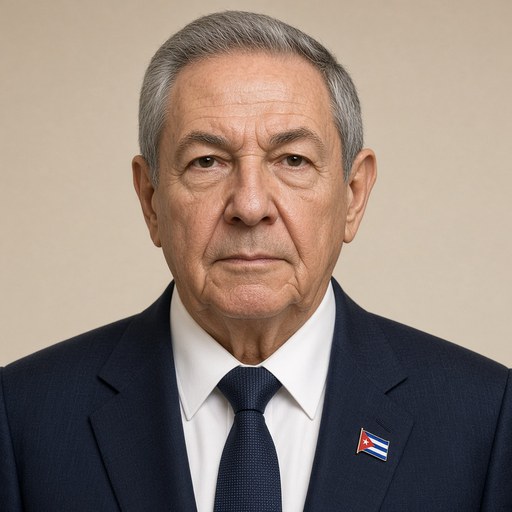
Speech delivered at the closing of the IV Ordinary Period of Sessions of the VIII Legislature of
 Raúl Castro · President of Cuba
- Context
- Raúl Castro addressed Cuba's National Assembly at the close of its IV Ordinary Period of Sessions in December 2014, reviewing economic performance and announcing the normalization with the U.S.
- Main themes
- Cuban economic performance, GDP growth, 2015 economic plan, monetary unification, state budget and fiscal policy, U.S. blockade, economic reforms and guidelines, return of Cuban Five, CARICOM and ALBA summits, debt restructuring, social services preservation, tax reform
- Duration
- ~30 min
- Words
- 3,628
- Sentences
- 106
- Readability
- 26
- Grade
- 18.0
- Syntax
- 3.48
- Vocabulary
- 2.30
Translated from Spanish
The broad sphere of national life a sentence belongs to. Every sentence has an Arena, so it is the denominator the other indices are read against.
Other106 sentences in 81 paragraphs
Comrades:
We have had intense and emotional days in recent days.
This very month of December, we successfully celebrated the V Caricom-Cuba Summit and last Sunday the XIII Summit of the Bolivarian Alliance for the Peoples of Our America, an occasion on which we paid deserved tribute to its architects: the beloved Bolivarian president Hugo Chávez Frías and the Commander in Chief of the Cuban Revolution, comrade Fidel Castro Ruz.
Joining us in this session are Gerardo, Ramón, and Antonio, a genuine source of joy and happiness for our entire people — I will elaborate on this important matter in the final part of my speech. Also present are comrades Fernando and René and the families of the Five Heroes, as well as young Elián González, his father Juan Miguel, and Colonel Orlando Cardoso Villavicencio, Hero of the Republic of Cuba, who suffered severe imprisonment for more than 10 years in Somalia.
As has been customary in the sessions of our Parliament, it is my responsibility to review the performance of the economy in the year that is concluding and the Plan and Budget for 2015, issues that have been deeply debated by the deputies in the 10 commissions and also in yesterday's plenary session.
The Ninth Plenary of the Central Committee of the Party, held last Thursday, also dedicated itself to the analysis of these matters. Therefore, I will only make a brief reference to these topics.
It was explained that the Gross Domestic Product, known as GDP, had a growth of 1.3%, lower than initially planned, influenced by insufficient performance in the first half of the year, during which significant financial limitations were faced due to the failure to meet external income, adverse weather conditions, and internal shortcomings in economic management. In fact, in the second half of the year, that trend was modestly reversed, and a better result was achieved.
The plan for next year consolidates and reinforces the direction of a more solid growth of the Cuban economy, based on enhancing internal efficiency reserves, revitalizing productive sectors, particularly manufacturing, more efficient use of energy carriers, and higher investments in infrastructure and material production, while preserving social services such as public health and education for our population.
For the year 2015, a GDP growth of just over 4% is projected, an achievable goal considering that we have sufficient advance planning for better financial assurance compared to the beginning of 2014. This does not mean that it will be easy, far from it. We will have to continue facing the effects of the global economic crisis and the American blockade that remains in place, generating undeniable obstacles to the development of our economy.
At the same time, we will continue to strictly honor the commitments made in the restructuring of debts with our main creditors and thus contribute to the gradual recovery of the international credibility of the Cuban economy.
Yesterday afternoon, the National Assembly approved the State Budget Law for the year 2015, which contemplates a deficit of 6.2% of GDP, which has been considered acceptable under the current circumstances. New taxes are incorporated, and the tax burden on the business system is reduced in accordance with the gradual implementation of the Tax Law.
At the same time, various measures have been adopted to strengthen fiscal control in the face of indiscipline and tax evasion by legal and natural persons.
In this matter, it is not only necessary to sanction those who fail to comply, as impunity would encourage the transgression of existing legal norms; we believe it is also necessary to promote a culture of fiscal civility in institutions, companies, cooperatives, and self-employed workers, and to understand that taxes are the main formula for redistributing national income in the interest of all citizens.
On the other hand, the process of implementing the Guidelines of the Economic and Social Policy of the Party and the Revolution, approved by the 6th Congress, has continued to advance. As has been reported, we are in a qualitatively superior stage in this matter, where tasks of extreme complexity are being addressed, the solution of which will impact all facets of national activity.
I refer, first of all, to the process of monetary unification, where solid progress has been made in the second half of this year from a conceptual point of view, and a comprehensive program of measures has been outlined in the interest of avoiding negative impacts on the economy and the population.
The decision to generalize the sale in CUP in the foreign currency collection stores has been favorably received among citizens, and it will continue to be gradually expanded.
The occasion is opportune to reaffirm two concepts that we must not overlook.
The first is that Monetary Unification is not the universal or immediate solution to all the problems facing our economy.
This important decision must be complemented by a set of macroeconomic measures that favor the monetary ordering of the country through instruments that ensure the balance of national finances, which will decisively contribute to improving the functioning of the economy and the construction of a prosperous and sustainable socialism in Cuba.
The second concept, no less important, is that bank deposits in foreign currencies, convertible Cuban pesos (CUC), and Cuban pesos (CUP), as well as cash in the hands of the population and national and foreign legal persons, will be guaranteed.
We know that opinions have continued to manifest both inside and outside the country, with healthy and not-so-healthy intentions, regarding the pace of the process of updating our economic model.
There have also been open exhortations from abroad to hasten privatization, even of the main productive and service sectors, which would amount to laying down the banners of socialism in Cuba.
It seems that these latter individuals have not bothered to read the Guidelines, where it is clearly stated, I quote: "The economic system that will prevail in our country will continue to be based on the socialist property of all the people over the fundamental means of production, where the socialist principle 'from each according to his ability, to each according to his work' must prevail," end of quote.
We will continue to make the agreements of the 6th Congress of the Communist Party of Cuba a reality with responsibility and firmness, at the pace that we sovereignly decide here, without jeopardizing the unity of Cubans, without leaving anyone abandoned to their fate, without applying shock therapies, and without ever renouncing the ideals of social justice of this Revolution of the humble, by the humble, and for the humble.
Next year, we will begin the preparatory activities for the celebration in April 2016 of the 7th Congress of the Party, prior to which a broad and democratic debate will be held with the communist membership and the entire people regarding the progress of the implementation of the Guidelines.
Closely associated with the updating of the model is the process of gradual, I repeat, gradual decentralization of powers from the ministries to the business system.
This is not something that can be done overnight if we want to succeed. A reasonable time is required to prepare and train, as we have been doing, the cadres at all levels, to change the archaic mentality and discard old habits, as well as to develop and implement the legal framework and precise procedures that allow everyone to control that decisions are applied appropriately, to rectify errors in a timely manner, and thus avoid unnecessary setbacks.
In favor of greater autonomy for the socialist state enterprise, among other measures, its social purpose has been expanded and made more flexible, the state mandate has been defined, and powers have been granted for the marketing of productive surpluses. Likewise, administrative limits for salary payments linked to results have been eliminated.
These transformations must be executed gradually, without haste, with order, discipline, and demand.
The just aspiration to earn higher salaries is a very sensitive issue, in which we cannot afford to make mistakes, nor can we be led by desire or improvisation.
We are pleased that the salaries of those workers who work in activities with more efficient results and report benefits of particular economic and social impact are gradually increasing.
However, it must be made very clear that we cannot distribute wealth that we have not been able to create; doing so would have serious consequences for the national economy and for each citizen. Flooding the streets with money without a corresponding increase in the supply of goods and services would generate inflation, a phenomenon that, among many other harmful effects, would reduce the purchasing power of salaries and pensions, hitting the most humble first. And we cannot allow that.
During the first year of the implementation of the new salary policy, in not a few companies, there has been a violation of the salary expenditure index per peso of gross value added; in other words, higher salaries have been paid without the corresponding productive backing. I have warned on several occasions that this must be considered a serious indiscipline, very serious, and must be resolutely faced by administrative leaders and also by the trade union organizations.
It is no secret to anyone that in our social system, trade unions defend the rights of workers, and to achieve this effectively, they must be the first to look out not only for the interests of a specific labor collective but for the interests of the entire working class, which are essentially the same that sustain the entire nation.
We cannot leave room for selfishness and greed to develop and strengthen among our workers. We all want and need better salaries, but first, we must create the wealth to then distribute it according to each person's contribution.
Of course, there are many other issues related to the updating of the economic model that I have not mentioned, in several of which deviations have occurred that we are obliged to rectify in a timely manner, in the spirit of not having to turn back, but for this, we must work with great seriousness and responsibility.
No one in the world can deny Cuba's outstanding international performance in the year that is coming to a close. The challenge that we Cubans have ahead is very great: We must place the economy at the level of the political prestige that this small Caribbean island has achieved thanks to the Revolution, the heroism, and the resilience of our people. The economy is the main pending subject, and we have the duty to steer it definitively towards the sustainable and irreversible development of socialism in Cuba.
As I said at the beginning, the deputies and the entire people feel the enormous emotion and joy of sharing the presence in the Homeland of Gerardo, Ramón, Antonio, Fernando, and René, making the promise of comrade Fidel a reality thirteen years ago. The extraordinary example of firmness, sacrifice, and dignity of the Five makes the Nation proud, which fought tirelessly for their liberation and now welcomes them as true heroes.
I must reiterate profound and sincere gratitude to all the solidarity movements and committees that fought to achieve their freedom and to countless governments, parliaments, organizations, institutions, and personalities that contributed their valuable support.
The Cuban people thank this just decision of the President of the United States, Barack Obama. With this, an obstacle in the relations between our countries has been removed.
The entire world has reacted positively to the announcements made last Wednesday, valuing their importance in international relations and especially for the ties of the United States with the region, which has prompted favorable statements from governments, presidents, and recognized personalities, for which we are sincerely grateful.
This has been the result of high-level conversations, held in strict confidentiality and which counted on the contribution of Pope Francis and facilities offered by the Government of Canada.
This result has also been made possible thanks to the profound changes that have occurred in Latin America and the Caribbean, whose governments and peoples share the demand for a new policy of the United States towards Cuba.
We welcome President Obama's proposal to open a new chapter in the ties between both nations and to introduce the most significant changes in U.S. policy in the last 50 years.
We also recognize the willingness expressed by him to hold a debate with the U.S. Congress on the lifting of the blockade, as well as his desire to achieve a better future for both peoples, our hemisphere, and the world.
We share the idea that a new stage can open between the United States and Cuba, which begins with the reestablishment of diplomatic relations, which must be based on the Conventions on Diplomatic and Consular Relations that regulate the conduct of Diplomatic and Consular Missions and their officials.
To the high-level contacts between both governments, we will approach with a constructive spirit, of respect and reciprocity, with the purpose of advancing towards the normalization of bilateral relations.
As I expressed on December 17, an important step has been taken, but the essential issue remains to be resolved, which is the cessation of the economic, commercial, and financial blockade against Cuba, which has intensified in recent years, particularly in the area of financial transactions, with the imposition of enormous and illegitimate fines against banks from various countries.
Our people must understand that, under the announced conditions, this will be a long and difficult struggle that will require international mobilization and the American society to continue demanding the lifting of the blockade.
All data indicates that a majority of American citizens, and an even broader majority of the Cuban diaspora, favor the normalization of bilateral relations. In the United States Congress, which turned the provisions of the blockade into law, opposition to this policy is also growing.
We hope that the President of the United States will decisively use his executive prerogatives to substantially modify the application of the blockade in those aspects that do not require Congressional approval.
At the same time, we will study the scope and manner of application of the positive executive measures announced by President Obama.
His instruction to review the unjustifiable inclusion of Cuba in the List of State Sponsors of International Terrorism is encouraging. The facts demonstrate that Cuba has been the victim of multiple terrorist attacks, many of whose perpetrators enjoy impunity today, as we all know, costing us thousands of dead and mutilated.
The pretexts put forward for this purpose are absolutely baseless, as the whole planet knows. They only serve political interests as a false argument to justify the tightening of the blockade, especially in the financial sector.
From Cuba, no terrorist act has ever been organized, financed, or executed against people, interests, or territory of the United States, nor will it be allowed. Whenever we have learned of any information about terrorist plans against the United States, we have informed its government, to which we have proposed establishing a cooperation agreement in this area for years.
We have always been willing to engage in respectful dialogue, based on equality, to address the most diverse issues reciprocally, without shadowing our national independence and self-determination and, as Fidel pointed out, without renouncing a single one of our principles.
I reiterate that it is only possible to advance from mutual respect, which implies adherence to the principles of International Law and the United Nations Charter, among them, the sovereign equality of states, equality of rights and the self-determination of peoples, the peaceful settlement of international disputes, refraining from resorting to threats or the use of force against the territorial integrity or independence of any state, and the obligation not to intervene in matters that are within the internal jurisdiction of states, which implies that any form of interference or threat to the political, economic, and cultural elements of a state constitutes a violation of International Law.
In accordance with the Proclamation of Latin America and the Caribbean as a Region of Peace, signed by Heads of State and Government on January 29, in Havana, during the CELAC Summit, every state has the inalienable right to choose its political, economic, social, and cultural system, without interference in any form by another state, which constitutes a principle of International Law. This document was signed here in Havana by all the Heads of State and Government of this continent, with the exception of the United States and Canada, which were not invited to it.
There are profound differences between the governments of the United States and Cuba that include, among others, different conceptions of the exercise of national sovereignty, democracy, political models, and international relations.
We reiterate our willingness to engage in respectful and reciprocal dialogue about the discrepancies. We have firm convictions and many concerns about what is happening in the United States regarding democracy and human rights, and we accept to discuss, on the stated bases, any topic, everything they want to discuss, from here, but also from the United States.
It should not be expected that in order to improve relations with the United States, Cuba will renounce the ideas for which it has fought for more than a century, for which its people have shed much blood and taken the greatest risks.
It is necessary to understand that Cuba is a sovereign state whose people, in a free referendum to approve the Constitution, decided its socialist path and political, economic, and social system.
Just as we have never sought for the United States to change its political system, we will demand respect for ours.
Both governments must adopt mutual measures to prevent and avoid actions that could affect progress in the bilateral relationship, based on respect for the laws and constitutional order of the parties.
We are not unaware of the virulent criticisms that President Obama has had to endure due to the aforementioned announcements, from forces that oppose the normalization of relations with Cuba, including legislators of Cuban origin and leaders of counter-revolutionary groups who resist losing the support that decades of confrontation between our countries have provided them. They will do everything possible to sabotage this process, not ruling out provocative actions of all kinds. For our part, a prudent, moderate, and reflective, but firm conduct will prevail.
In Cuba, there are numerous and diverse mass organizations, trade unions, peasant organizations, women's groups, student organizations, writers and artists, social organizations, even represented in the State Council, and non-governmental organizations, many of which are represented by deputies to this Assembly, who would be offended if they were confused with a few hundred individuals who receive money, instructions, and oxygen from abroad.
In multilateral organizations, such as the United Nations, we will continue our defense of peace, International Law, and just causes, as well as denouncing the threats to the survival of the human species posed by climate change and nuclear arsenals.
We will continue to promote the exercise of human rights, including economic, social, and cultural rights, for all people and the right to peace and development of peoples.
The Cuban Revolution owes deep gratitude to the peoples, parties, and governments from whom it has received unwavering and permanent solidarity and will continue to guide its foreign policy on unshakeable bases of fidelity to principles.
A symbol of the above is the special relationship we maintain with the Bolivarian Republic of Venezuela, to which we will continue to provide support against attempts to destabilize the legitimate government led by our comrade President Nicolás Maduro Moros, and we reject the attempts to impose sanctions on that sister nation.
As I pointed out days ago, we are willing to cooperate with the United States in the multilateral and bilateral sphere in the face of dangers that require collective and effective humanitarian responses, which should never be politicized.
This is the case of the fight against Ebola in West Africa and prevention in the Americas, as proclaimed by the recent Extraordinary Summit of ALBA that we held in Havana on the subject last October.
As I have stated at the recent CARICOM and ALBA Summits, I appreciate the invitation from the President of Panama, Juan Carlos Varela, to participate in the VII Summit of the Americas and confirm that I will attend to express our positions, with sincerity and respect for all Heads of State and Government, without exception.
Cuba's participation is the result of the solid and unanimous consensus of Latin America and the Caribbean, which is living a new era and has united, within its diversity, in the Community of Latin American and Caribbean States (CELAC), which Cuba was honored to preside over last year.
We do not forget that ALBA, with its permanent demand and the support of all the countries in the region, achieved the elimination of those old and disgraceful sanctions against Cuba established in 1962 by the Organization of American States, in the Republic of Honduras, where just a month later, they overthrew, by a coup d'état, the president of that country, our comrade Zelaya.
Comrades:
In a few days, we will be celebrating the new year and the 56th anniversary of the Triumph of the Revolution, and just two days ago, on December 18, we marked 58 years since the reunion with Fidel in Cinco Palmas de Vicana in the Sierra Maestra, in the heart of the Sierra Maestra, and his historic exclamation upon learning that we had a total of seven rifles to restart the struggle: "Now we will win the war!"
The unbreakable faith in victory that Fidel instilled in us will continue to guide our entire people in the defense and perfection of the work of his Revolution.
Happy New Year!
We greet the new Year 57 of the Cuban Revolution!
Thank you very much.
The original Spanish. The tags above are read on the English translation's sentences.
Compañeras y compañeros:
Hemos tenido intensas y emotivas jornadas en los últimos días.
Este propio mes de diciembre celebramos exitosamente la V Cumbre Caricom -Cuba y el pasado domingo la XIII Cumbre de la Alianza Bolivariana para los Pueblos de Nuestra América, ocasión en que rendimos merecido homenaje a sus artífices: el entrañable presidente bolivariano Hugo Chávez Frías y el Comandante en Jefe de la Revolución Cubana, compañero Fidel Castro Ruz (Aplausos).
Nos acompañan en esta sesión Gerardo, Ramón y Antonio, motivo de genuino regocijo y alegría para todo nuestro pueblo sobre este importante asunto ampliaré en la parte final de mi intervención. Se encuentran también presentes los compañeros Fernando y René y los familiares de los Cinco Héroes, al igual que el joven Elián González, su padre Juan Miguel y el Coronel Orlando Cardoso Villavicencio, Héroe de la República de Cuba, quien sufrió severa prisión por más de 10 años en Somalia.
Como ha sido habitual en las sesiones de nuestro Parlamento, me corresponde pasar revista al desempeño de la economía en el año que concluye y el Plan y Presupuesto para el 2015, cuestiones que han sido profundamente debatidas por los diputados en las 10 comisiones y también en la sesión plenaria de ayer.
Al análisis de esos asuntos se dedicó igualmente el Noveno Pleno del Comité Central del Partido, efectuado el pasado jueves. Por tanto, solo haré una breve referencia a estos temas.
Fue explicado que el Producto Interno Bruto, conocido como PIB, tuvo un crecimiento del 1,3%, inferior a lo planificado inicialmente, en lo que influyó el insuficiente desempeño en el primer semestre, durante el cual se afrontaron limitaciones financieras de envergadura a causa del incumplimiento de ingresos externos, condiciones climatológicas adversas e insuficiencias internas en la gestión económica. Realmente en la segunda mitad del año se logró revertir modestamente esa tendencia y se alcanzó un resultado superior.
El Plan del próximo año consolida y refuerza la dirección de un crecimiento más sólido de la economía cubana, basado en la potenciación de las reservas internas de eficiencia, reanimación de los sectores productivos, en particular de la industria manufacturera, utilización más eficiente de los portadores energéticos e inversiones superiores en infraestructuras y la producción material, a la vez que se preservan los servicios sociales como la salud pública y educación a nuestra población.
Para el año 2015 se proyecta un crecimiento del PIB de poco más del 4%, objetivo alcanzable teniendo en cuenta que se dispone con suficiente antelación de un mejor aseguramiento financiero en comparación con el inicio del 2014. Ello no quiere decir que resultará fácil ni mucho menos. Deberemos seguir enfrentando los efectos de la crisis económica global y del bloqueo norteamericano que se mantiene en pie, generando innegables obstáculos al desarrollo de nuestra economía.
Al mismo tiempo, continuaremos honrando estrictamente los compromisos asumidos en el reordenamiento de las deudas con nuestros principales acreedores y así contribuir a la paulatina recuperación de la credibilidad internacional de la economía cubana.
En la tarde de ayer la Asamblea Nacional aprobó la Ley del Presupuesto del Estado para el año 2015, el cual contempla un déficit del 6,2% del PIB, que se ha considerado aceptable en las actuales circunstancias. Se incorporan nuevos tributos y se reduce la carga impositiva al sistema empresarial en correspondencia con la aplicación gradual de la Ley Tributaria.
Al propio tiempo, se han adoptado diferentes medidas para reforzar el control fiscal ante indisciplinas y la evasión de impuestos por las personas jurídicas y naturales.
En esta materia no solo debe sancionarse a quienes incumplen, pues la impunidad equivaldría alentar a la transgresión de las normas legales vigentes, consideramos que también es necesario fomentar en las instituciones, empresas, cooperativas y trabajadores por cuenta propia una cultura de civismo fiscal y que se comprenda que los tributos constituyen la fórmula principal para redistribuir la renta nacional en interés de todos los ciudadanos.
Por otra parte, ha mantenido su avance el proceso de implementación de los Lineamientos de la Política Económica y Social del Partido y la Revolución, aprobados por el 6to Congreso. Como se ha informado, nos encontramos en una etapa cualitativamente superior en esta materia, en la que se abordan tareas de extrema complejidad, cuya solución impactará todas las facetas del quehacer nacional.
Me refiero, en primer lugar, al proceso de unificación monetaria, donde se ha progresado sólidamente en la segunda mitad del presente año desde el punto de vista conceptual y se ha logrado delinear un abarcador programa de medidas en interés de evitar afectaciones a la economía y la población.
Favorable acogida entre los ciudadanos ha tenido la decisión de generalizar la venta en CUP en las tiendas recaudadoras de divisas, la que continuará ampliándose gradualmente.
La ocasión es propicia para ratificar dos conceptos que no debemos soslayar.
El primero es que la Unificación Monetaria no es la solución universal o inmediata de todos los problemas que afronta nuestra economía.
Esta importante decisión deberá complementarse por un conjunto de medidas macroeconómicas que favorezcan el ordenamiento monetario del país mediante instrumentos que aseguren el equilibrio de las finanzas nacionales, lo cual contribuirá decisivamente a mejorar el funcionamiento de la economía y la construcción en Cuba de un socialismo próspero y sostenible.
El segundo concepto y no menos importante, es que se garantizarán los depósitos bancarios en divisas extranjeras, pesos cubanos convertibles (CUC) y pesos cubanos (CUP), así como el efectivo en manos de la población y las personas jurídicas nacionales y foráneas.
Conocemos que no han dejado de manifestarse dentro y fuera del país criterios, con sanas y no muy sanas intenciones, acerca del ritmo del proceso de actualización de nuestro modelo económico.
Tampoco han faltado desde el exterior exhortaciones abiertas a apresurar la privatización, incluso de los principales sectores productivos y de servicios, lo que equivaldría a deponer las banderas del socialismo en Cuba.
Tal parece que estos últimos no se han molestado en dar una lectura a los Lineamientos, donde con toda claridad se expresa, cito: El sistema económico que prevalecerá en nuestro país continuará basándose en la propiedad socialista de todo el pueblo sobre los medios fundamentales de producción, donde deberá regir el principio socialista de cada cual según su capacidad y a cada cual según su trabajo, fin de la cita.
Proseguiremos haciendo realidad los acuerdos del 6to Congreso del Partido Comunista de Cuba con responsabilidad y firmeza, a la velocidad que soberanamente decidamos aquí, sin poner en riesgo la unidad de los cubanos, sin dejar a ninguno abandonado a su suerte, sin aplicar terapias de choque y sin renunciar jamás a los ideales de justicia social de esta Revolución de los humildes, por los humildes y para los humildes.
Ya el próximo año iniciaremos las actividades preparatorias para la celebración en abril del 2016 del 7mo. Congreso del Partido, previo al cual se desarrollará un amplio y democrático debate con la militancia comunista y todo el pueblo acerca de la marcha de la implementación de los Lineamientos.
Estrechamente asociado a la actualización del modelo se encuentra el proceso de paulatina, repito, paulatina descentralización de facultades desde los ministerios hacia el sistema empresarial.
No es algo que pueda hacerse de la noche a la mañana si queremos tener éxito. Se requiere un tiempo prudencial para preparar y capacitar, como lo venimos haciendo, a los cuadros a todos los niveles, modificar la mentalidad arcaica y desechar viejos hábitos, así como elaborar e instrumentar el marco jurídico y procedimientos precisos que permitan a unos y otros controlar que las decisiones se apliquen de manera adecuada, rectificar oportunamente los errores y de ese modo evitar retrocesos innecesarios.
A favor de una mayor autonomía de la empresa estatal socialista, entre otras medidas, se amplió y flexibilizó su objeto social, se definió el encargo estatal y se otorgaron facultades para la comercialización de los excedentes productivos. Asimismo, se dispuso la eliminación de límites administrativos para el pago de salarios vinculados a los resultados.
Estas transformaciones deberán ejecutarse de manera gradual, sin apresuramientos, con orden, disciplina y exigencia.
La justa aspiración a devengar mayores salarios es una cuestión muy sensible, en la cual no nos está permitido equivocarnos, ni dejarnos conducir por el deseo o la improvisación.
Nos alegra que aumenten de manera gradual los salarios de aquellos trabajadores que laboran en las actividades con resultados más eficientes y reportan beneficios de particular impacto económico y social.
Sin embargo, debe quedar bien claro que no se puede distribuir una riqueza que no hemos sido capaces de crear, hacerlo conllevaría serias consecuencias para la economía nacional y de cada ciudadano. Soltar dinero a las calles sin un incremento correspondiente de las ofertas de bienes y servicios generaría inflación, fenómeno que entre muchos otros efectos nocivos reduciría la capacidad adquisitiva de los salarios y de las pensiones, golpeando en primer lugar a los más humildes. Y eso no lo podemos permitir.
Durante el primer año de la aplicación de la nueva política salarial, en no pocas empresas se ha producido la violación del índice del gasto de salario por peso de valor agregado bruto, en otras palabras, se han pagado mayores salarios sin el correspondiente respaldo productivo. He alertado en varias ocasiones que esto hay que considerarlo como una indisciplina grave , muy grave y debe ser enfrentada resueltamente por los dirigentes administrativos y también por las organizaciones sindicales.
Para nadie es un secreto que en nuestro sistema social los sindicatos defienden los derechos de los trabajadores y para lograrlo efectivamente deben ser los primeros en velar no solo por el interés de un colectivo laboral determinado, sino por los intereses de toda la clase obrera, que son en esencia los mismos que sostiene la nación entera.
No podemos dejar espacio a que se desarrolle y fortalezca el egoísmo y la codicia entre nuestros trabajadores. Todos queremos y necesitamos mejores salarios, pero antes hay que crear la riqueza para luego distribuirla según el aporte de cada cual.
Por supuesto, existen otras muchas cuestiones vinculadas a la actualización del modelo económico que no he mencionado, en varias de las cuales se han presentado desviaciones que estamos en la obligación de rectificar a tiempo, en el ánimo de no tener que dar marcha atrás, pero para ello hay que trabajar con mucha seriedad y responsabilidad.
Nadie en el mundo puede negar la destacada ejecutoria internacional de Cuba en el año que culmina. El reto que tenemos por delante los cubanos es muy grande: Hay que situar la economía a la altura del prestigio político que esta pequeña isla del Caribe ha conquistado gracias a la Revolución, al heroísmo y a la capacidad de resistencia de nuestro pueblo. La economía es la principal asignatura pendiente y tenemos el deber de encarrilarla definitivamente hacia el desarrollo sostenible e irreversible del socialismo en Cuba.
Como dije al principio, los diputados y todo el pueblo sentimos la enorme emoción y alegría de compartir la presencia en la Patria de Gerardo, Ramón, Antonio, Fernando y René, convirtiendo en realidad la promesa del compañero Fidel hace trece años. El extraordinario ejemplo de firmeza, sacrificio y dignidad de los Cinco enorgullece a la Nación, que batalló incansablemente por su liberación y ahora los acoge como verdaderos héroes (Aplausos).
Debo reiterar la profunda y sincera gratitud a todos los movimientos y comités de solidaridad que lucharon para conseguir su libertad y a innumerables gobiernos, parlamentos, organizaciones, instituciones y personalidades que aportaron su valiosa contribución.
El pueblo cubano agradece esta justa decisión del Presidente de los Estados Unidos, Barack Obama. Con ello se ha eliminado un obstáculo en las relaciones entre nuestros países.
El mundo entero ha reaccionado positivamente ante los anuncios que se hicieron el pasado miércoles, valorando su importancia en las relaciones internacionales y especialmente para los vínculos de Estados Unidos con la región, lo que ha suscitado declaraciones favorables de gobiernos, presidentes y reconocidas personalidades, las cuales agradecemos sinceramente.
Ha sido fruto de conversaciones al más alto nivel, sostenidas en estricta discreción y que contaron con la contribución del Papa Francisco y facilidades ofrecidas por el Gobierno de Canadá.
Este resultado ha sido posible, además, gracias a los profundos cambios ocurridos en América Latina y el Caribe cuyos gobiernos y pueblos comparten el reclamo de una nueva política de Estados Unidos hacia Cuba.
Saludamos el planteamiento del Presidente Obama de abrir un nuevo capítulo en los vínculos entre ambas naciones y de introducir los más significativos cambios en la política estadounidense de los últimos 50 años.
Igualmente, reconocemos la disposición expresada por él de sostener con el Congreso norteamericano un debate sobre el levantamiento del bloqueo, así como su anhelo de lograr un futuro mejor para ambos pueblos, nuestro hemisferio y el mundo.
Compartimos la idea de que puede abrirse una nueva etapa entre los Estados Unidos y Cuba, que se inicia con el restablecimiento de relaciones diplomáticas, las cuales deberán estar basadas en las Convenciones sobre Relaciones Diplomáticas y Consulares que regulan la conducta de las Misiones Diplomáticas y Consulares y de sus funcionarios.
A los contactos de alto nivel entre ambos gobiernos, acudiremos con espíritu constructivo, de respeto y reciprocidad, con el propósito de avanzar hacia la normalización de las relaciones bilaterales.
Como expresé el pasado 17 de diciembre, se ha dado un paso importante, pero queda por resolver lo esencial, que es el cese del bloqueo económico, comercial y financiero contra Cuba, recrudecido en los últimos años, en particular en el ámbito de las transacciones financieras, con la aplicación de enormes e ilegítimas multas contra bancos de diversos países.
Nuestro pueblo debe comprender que, en las condiciones anunciadas, esta será una lucha larga y difícil que requerirá que la movilización internacional y de la sociedad norteamericana continúe reclamando el levantamiento del bloqueo.
Todos los datos indican que una mayoría de los ciudadanos norteamericanos , y aun más amplia de la emigración cubana, favorece la normalización de las relaciones bilaterales. En el Congreso de los Estados Unidos, que convirtió en Ley las disposiciones del bloqueo, también crece la oposición a esta política.
Esperamos que el Presidente de los Estados Unidos utilice con determinación sus prerrogativas ejecutivas para modificar sustancialmente la aplicación del bloqueo, en aquellos aspectos que no requiera la aprobación del Congreso.
Al propio tiempo, estudiaremos el alcance y forma de aplicación de las positivas medidas ejecutivas anunciadas por el Presidente Obama.
Es alentadora su instrucción de revisar la injustificable inclusión de Cuba en la Lista de Estados Patrocinadores del Terrorismo Internacional. Los hechos demuestran que Cuba ha sido víctima de múltiples ataques terroristas, muchos de cuyos responsables gozan hoy de impunidad , como todos sabemos, nos han costado miles de muertos y mutilados.
Los pretextos esgrimidos con ese fin carecen absolutamente de base, como todo el planeta conoce. Solo sirven a intereses políticos como falso argumento para justificar el endurecimiento del bloqueo, especialmente en el sector financiero.
Desde Cuba jamás se ha organizado, financiado ni ejecutado un acto terrorista contra personas, intereses o territorio alguno de los Estados Unidos, ni se permitirá. Cada vez que hemos conocido cualquier información sobre planes terroristas contra Estados Unidos, se lo informamos a su Gobierno, al cual desde hace años hemos propuesto establecer un acuerdo de cooperación en esa materia.
Siempre estuvimos dispuestos al diálogo respetuoso, sobre la base de la igualdad para tratar los más diversos temas de forma recíproca, sin sombra a nuestra independencia nacional y autodeterminación y, como Fidel señalara, sin renunciar a uno solo de nuestros principios.
Reitero que solo es posible avanzar a partir del respeto mutuo, que implica la observancia de los principios del Derecho Internacional y de la Carta de las Naciones Unidas, entre ellos, la igualdad soberana de los Estados, la igualdad de derechos y la libre determinación de los pueblos, el arreglo de las controversias internacionales por medios pacíficos, abstenerse de recurrir a la amenaza o al uso de la fuerza contra la integridad territorial o la independencia de cualquier Estado, y la obligación de no intervenir en los asuntos que son de la jurisdicción interna de los Estados, lo que implica que cualquier forma de injerencia o de amenaza a los elementos políticos, económicos y culturales de un Estado constituye una violación del Derecho Internacional.
En consonancia con la Proclama de América Latina y el Caribe como Región de Paz, firmada por los Jefes de Estado y Gobierno el pasado 29 de enero, en La Habana, durante la Cumbre de la CELAC, todo Estado tiene el derecho inalienable a elegir su sistema político, económico, social y cultural, sin injerencia en ninguna forma por parte de otro Estado, lo que constituye un principio de Derecho Internacional. Este documento fue firmado aquí en La Habana por todos los Jefes de Estado y de Gobierno de este continente, con excepción de los Estados Unidos y de Canadá, que no fueron invitados a la misma.
Entre los gobiernos de los Estados Unidos y Cuba hay profundas diferencias que incluyen, entre otras, distintas concepciones sobre el ejercicio de la soberanía nacional, la democracia, los modelos políticos y las relaciones internacionales.
Reiteramos la disposición al diálogo respetuoso y recíproco sobre las discrepancias. Tenemos firmes convicciones y muchas preocupaciones sobre lo que ocurre en los Estados Unidos en materia de democracia y derechos humanos y aceptamos conversar, sobre las bases enunciadas, acerca de cualquier tema , de todo lo que quieran discutir, de aquí, pero también de los Estados Unidos.
No debe pretenderse que para mejorar las relaciones con los Estados Unidos, Cuba renuncie a las ideas por las que ha luchado durante más de un siglo, por las que su pueblo ha derramado mucha sangre y ha corrido los mayores riesgos.
Es necesario comprender que Cuba es un Estado soberano cuyo pueblo, en libre referendo para aprobar la Constitución, decidió su rumbo socialista y sistema político, económico y social (Aplausos).
De la misma forma que nunca nos hemos propuesto que los Estados Unidos cambien su sistema político, exigiremos respeto al nuestro (Aplausos).
Ambos gobiernos debemos adoptar medidas mutuas para prevenir y evitar hechos que puedan afectar los progresos en la relación bilateral, basados en el respeto a las leyes y el ordenamiento constitucional de las partes.
No ignoramos las virulentas críticas que ha debido soportar el Presidente Obama, a causa de los citados anuncios, por parte de fuerzas que se oponen a la normalización de las relaciones con Cuba, incluyendo legisladores de origen cubano y cabecillas de grupúsculos contrarrevolucionarios que se resisten a perder el sustento que les han proporcionado décadas de confrontación entre nuestros países. Harán todo lo posible por sabotear este proceso, sin descartar acciones provocativas de toda índole. Por nuestra parte primará una conducta prudente, moderada y reflexiva, pero firme (Aplausos).
En Cuba existen numerosas y diversas organizaciones de masas, sindicales, campesinas, femeninas, estudiantiles, de escritores y artistas, sociales, incluso representados en el Consejo de Estado, y no gubernamentales, muchas de ellas representadas por diputados a esta Asamblea, a las que ofendería que se les confundiera con unos pocos cientos de individuos que reciben dinero, instrucciones y oxígeno del exterior.
En los organismos multilaterales, como la Organización de Naciones Unidas continuaremos nuestra defensa de la paz, del Derecho Internacional y de las causas justas, así como la denuncia de las amenazas a la supervivencia de la especie humana que implican el cambio climático y los arsenales nucleares.
Continuaremos promoviendo el ejercicio de los derechos humanos, incluidos los derechos económicos, sociales y culturales, por parte de todas las personas y del derecho a la paz y al desarrollo de los pueblos.
La Revolución Cubana debe profunda gratitud a los pueblos, partidos y gobiernos de quienes ha recibido invariable y permanente solidaridad y seguirá orientando su política exterior sobre bases inamovibles de fidelidad a los principios (Aplausos).
Símbolo de lo anterior son las especiales relaciones que mantenemos con la República Bolivariana de Venezuela a la que seguiremos brindando apoyo frente a los intentos de desestabilizar al gobierno legítimo que encabeza el compañero presidente Nicolás Maduro Moros y rechazamos las pretensiones de imponer sanciones a esa hermana nación (Aplausos).
Como señalé días atrás tenemos la disposición a cooperar con Estados Unidos en el ámbito multi y bilateral ante peligros que requieren respuestas humanitarias colectivas y eficaces, que no debieran nunca politizarse.
Este es el caso del enfrentamiento al Ébola en África Occidental y la prevención en las Américas, tal como proclamó la reciente Cumbre Extraordinaria del ALBA que sostuvimos en La Habana sobre el tema el pasado mes de octubre.
Como he declarado en las recientes Cumbres de CARICOM y del ALBA, agradezco la invitación del presidente de Panamá, Juan Carlos Varela, a participar en la VII Cumbre de las Américas y confirmo que asistiré para expresar nuestras posiciones, con sinceridad y respeto por todos los Jefes de Estado y Gobierno, sin excepción.
La participación de Cuba es resultado del sólido y unánime consenso de la América Latina y el Caribe, que vive una nueva época y se ha unido, dentro de su diversidad, en la Comunidad de Estados Latinoamericanos y Caribeños (CELAC) que Cuba se honró en presidir el pasado año.
No olvidamos que el ALBA, con su permanente reclamo y el apoyo de todos los países de la región, logró la eliminación de aquellas viejas y oprobiosas sanciones a Cuba establecidas en 1962 por la Organización de Estados Americanos, e n la República de Honduras, donde apenas un mes después derrocaron, por un golpe de Estado, al presidente de dicho país, el compañero Zelaya.
Compañeras y compañeros:
Dentro de pocas jornadas estaremos celebrando el nuevo año y el aniversario 56 del Triunfo de la Revolución, y hace solo dos días, el 18 de diciembre, se cumplieron 58 años del reencuentro con Fidel en Cinco Palmas de Vicana en la Sierra Maestra (Aplausos), en el corazón de la Sierra Maestra, y de su histórica exclamación al conocer que en total contábamos con siete fusiles para reiniciar la lucha ¡Ahora sí ganamos la guerra! (Aplausos).
La inquebrantable fe en la victoria que nos inculcó Fidel continuará conduciendo a todo nuestro pueblo en la defensa y perfeccionamiento de la obra de su Revolución.
¡Felicidades en el nuevo año!
¡Saludamos el nuevo Año 57 de la Revolución Cubana!
Muchas gracias (Ovación).