




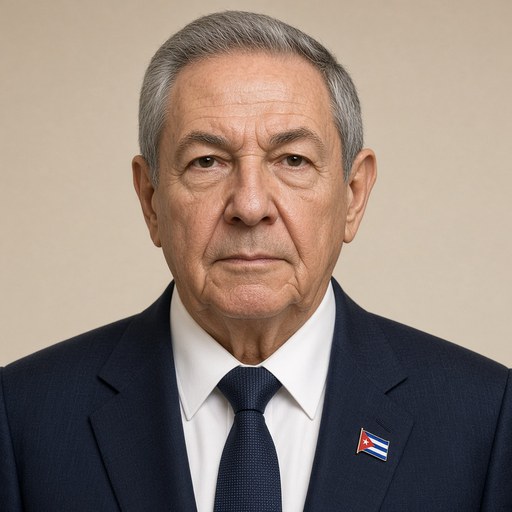
Towards the essential political, economic, and social integration of Latin America and the Caribbean
 Raúl Castro · President of Cuba
- Context
- Castro addressed CARICOM heads of state and government at a triennial Cuba-CARICOM Summit in Havana on December 8, 2014, marking 42 years of diplomatic relations.
- Main themes
- Latin American and Caribbean integration, Cuba-CARICOM relations, regional cooperation and solidarity, diplomatic relations anniversary, Cuban medical cooperation, Ebola pandemic response, climate change and small island states, economic challenges, CELAC and ALBA-TCP, post-2015 development agenda, colonial history and independence
- Duration
- ~12 min
- Words
- 1,434
- Sentences
- 53
- Readability
- 24
- Grade
- 16.7
- Syntax
- 3.17
- Vocabulary
- 2.34
Translated from Spanish
The broad sphere of national life a sentence belongs to. Every sentence has an Arena, so it is the denominator the other indices are read against.
Other53 sentences in 31 paragraphs
Honorable Gaston Alphonso Browne, Prime Minister of Antigua and Barbuda and current President of CARICOM;
Honorable Heads of State and Government of CARICOM member countries;
His Excellency Irwin Larocque, Secretary General of CARICOM;
Excellency Mr. Didacus Jules, Director General of the Organization of Eastern Caribbean States;
Excellency Mr. Alfonso Múnera Cavadía, Secretary General of the Association of Caribbean States:
I extend a warm welcome to you and wish you a pleasant stay in our country.
We are delighted to receive the leaders and representatives of the Caribbean family. We share a common history of colonialism, slavery, and struggles for freedom, independence, and development, which is the crucible in which our cultures have been forged. We also face common challenges that we can only overcome with the closest unity and effective cooperation.
This is the sense and purpose of these triennial Summits that we celebrate: to promote and strengthen our fraternal bonds of collaboration, consultation, and solidarity, to advance the necessary Latin American and Caribbean integration dreamed of by the Founding Fathers of independence and postponed for more than 200 years. Today, it is a vital necessity for our survival.
The successful trajectory of CARICOM, the participation of all its member states and Cuba in the Community of Latin American and Caribbean States (CELAC) and in the Association of Caribbean States, as well as the membership of some of us in the Bolivarian Alliance for the Peoples of Our America (ALBA-TCP) and Petrocaribe, have contributed to the advancement of regional integration, and we must continue to promote its consolidation.
Dear Heads of State and Government and guests:
Every year, on this day, we celebrate the anniversary of the establishment of diplomatic relations with Cuba by the first four independent states of the Caribbean Community.
As our comrade Fidel Castro Ruz said at the commemorative event for the 30th anniversary of this important event: “Probably, the leaders of these countries, also considered founding fathers of the independence of their nations and Caribbean integration, Errol Barrow of Barbados; Forbes Burnham of Guyana; Michael Manley of Jamaica; and Eric Williams of Trinidad and Tobago, when deciding to establish diplomatic relations with Cuba, understood that they were charting the path for what would later be the foreign policy of the Caribbean Community, which has to this day three fundamental characteristics: independence, courage, and concerted action.” These words remain as relevant as ever.
Forty-two years after that bold decision, we take pride in the excellent relations we maintain with all Caribbean countries, and in each capital, we have our respective embassies. You also have your representations in Havana, which was completed with the inauguration, on June 25, of the Embassy of Saint Kitts and Nevis, with the honorable presence of the Prime Minister, our esteemed friend, the Most Honorable Denzil Douglas.
This is a good moment to reiterate that, despite the economic difficulties and the changes we are making to perfect the economic and social model, we will maintain our commitment to cooperate and share our modest achievements with our Caribbean brothers.
Currently, we have 1,806 collaborators in all CARICOM countries, of which 1,461 are in the field of health. A total of 4,991 Caribbean youth have graduated, and currently, 1,055 are studying in Cuba.
Additionally, we are collaborating with the Caribbean and will continue to do so in the prevention and confrontation of the Ebola pandemic on a bilateral level and in the context of ALBA and CELAC, with the support of the Pan American Health Organization (PAHO) and the World Health Organization (WHO). The Meeting of Experts held at the end of October in Havana included specialists from across the hemisphere, including representatives from still dependent Caribbean territories. In recent weeks, 61 officials, doctors, health experts, and others from CARICOM countries have received training in Cuba. In addition, we are addressing the request of nine CARICOM states that have sought Cuban assistance to train medical personnel in their countries.
As small island states and developing nations, we face the challenge of surviving and advancing in a world convulsed by a global economic crisis, with all its manifestations in the financial, energy, environmental, and food sectors, deadly diseases, and wars. I reiterate today Cuba's unwavering position to support, under all circumstances, the right of small and vulnerable countries to receive special and differentiated treatment in access to trade and investments.
The challenges of the 21st century compel us to unite to face natural disasters, the effects of climate change, to coordinate approaches on the post-2015 development agenda, and, in particular, to collectively confront the mechanisms of domination imposed on us by the unjust international financial system.
We join our voices with those of the Caribbean Community to demand the immediate removal of our nations from unilateral lists that hinder economic development and trade with other countries.
Cooperation to address the consequences of climate change deserves special attention. The rise in sea levels threatens the existence of many of our countries. Increasingly frequent hurricanes, heavy rains, and other phenomena cause great human and economic damage. We have no choice but to strengthen coordination to face this reality and mitigate the tremendous impact on water resources, coastal areas, marine species, biodiversity, agriculture, and human settlements. Cuba has studies on hazards, vulnerability, and risk, and is implementing the Macroproject “Coastal Hazards and Vulnerability 2050-2100,” which includes projects on the health status of mangroves and coastal dunes, beach assessments, coastal settlements, and infrastructure, experiences we are willing to share with our CARICOM brothers.
We have much work ahead. As we have announced, in the next triennium, the Regional School of Arts in Jamaica and the Center for the Development of Children, Adolescents, and Young People with Special Educational Needs based in Guyana will begin operations, with Cuba's modest support. More Caribbean students will be able to access university studies in our country, particularly in the field of Medicine. We will also assist in training experts from CARICOM countries on issues related to disaster risk mitigation and response, as well as in the difficult recovery phase following such events.
Likewise, we will continue to offer our solidarity assistance in human resource training and medical care. In this regard, we highlight the opportunity we will provide to doctors graduated in Cuba who are practicing in their countries to study a second specialty free of charge.
The development of trade and investments between our countries remains an outstanding issue. Difficulties with air and maritime transportation in the subregion and the deterioration of our economies, due to the international crisis, hinder progress in these sectors. We must find innovative, feasible, and convenient solutions for all. In this regard, we welcome the joint efforts to update and revise the Bilateral Trade and Cooperation Agreement, which will allow for zero-tariff access for 297 products from CARICOM countries and 47 from our country.
I take this opportunity to reiterate our firm support for CARICOM's just demand for compensation from colonial powers for the horrors of slavery and for the equally just claim to receive cooperation according to their real situation and needs, and not based on per capita income statistics that schematically classify them as middle-income countries and exclude them from essential financial resource flows.
It is imperative to commit to supporting the reconstruction and development of the sister Republic of Haiti, the cradle of the first independence revolution in Latin America and the Caribbean, to whose heroic and suffering people we all owe a debt of gratitude.
As I have said on other occasions, Cubans deeply appreciate our Caribbean brothers for their steadfast position of respect and solidarity towards our Homeland.
We will never forget the constant support for the resolution against the blockade on Cuba, as well as the numerous expressions of solidarity in the general debate of the UN General Assembly and in other international forums, rejecting the spurious inclusion of Cuba on the list of state sponsors of terrorism.
Distinguished Heads of State and Government and guests:
At this V CARICOM-Cuba Summit, I propose that we exchange ideas and viable proposals to continue working together on the development of our bilateral cooperation; on the increase and diversification of our economic and trade relations; on confronting the challenges imposed by the unjust and unequal globalized world in which we live, plagued by serious problems that threaten the existence of humanity; and above all, on how to advance with increasingly solid steps towards the essential political, economic, and social integration of Latin America and the Caribbean. We have this urgent duty to our peoples.
Without further ado, I declare the V CARICOM-Cuba Summit open.
Thank you very much.
The original Spanish. The tags above are read on the English translation's sentences.
Honorable Gaston Alphonso Browne, primer ministro de Antigua y Barbuda y presidente en ejercicio de CARICOM;
Honorables Jefes de Estado y de Gobierno de los países miembros de CARICOM;
Su Excelencia Irwin Larocque, Secretario General de CARICOM;
Excelentísimo Señor Didacus Jules, director general de la Organización de Estados del Caribe Oriental;
Excelentísimo Señor Alfonso Múnera Cavadía, secretario general de la Asociación de Estados del Caribe:
Les doy la más cordial bienvenida y les deseo una grata estancia en nuestro país.
Nos regocija recibir a los líderes y representantes de la familia caribeña. Compartimos una historia común de colonialismo, esclavitud y luchas por la libertad, independencia y desarrollo, que es el crisol en el que se han fundido nuestras culturas. También enfrentamos retos comunes que solo podremos vencer con la más estrecha unidad y eficaz cooperación.
Este es el sentido y el propósito de estas Cumbres trienales, que celebramos: impulsar y fortalecer nuestros vínculos fraternales de colaboración, concertación y solidaridad, para avanzar en la necesaria integración latinoamericana y caribeña soñada por los Próceres de laindependencia y postergada durante más de 200 años. Hoy es una necesidad vital para nuestra supervivencia.
La exitosa trayectoria de CARICOM, la participación de todos sus estados miembros y de Cuba en la Comunidad de Estados Latinoamericanos y Caribeños (CELAC) y en la Asociación de Estados del Caribe, así como la membresía de algunos de nosotros en la Alianza Bolivariana para los Pueblos de Nuestra América (ALBA-TCP) y a Petrocaribe, han contribuido al avance de la integración regional y debemos continuar impulsando su consolidación.
Estimados Jefes de Estado y de Gobierno e invitados :
Cada año, celebramos en este día, el aniversario del establecimiento de relaciones diplomáticas con Cuba de los primeros cuatro Estados independientes de la Comunidad del Caribe.
Como dijera el compañero Fidel Castro Ruz, en el acto conmemorativo del 30 aniversario de este importante acontecimiento: “Probablemente, los líderes de estos países, considerados igualmente padres fundadores de la independencia de sus naciones y de la integración caribeña, Errol Barrow, de Barbados; Forbes Burnham, de Guyana; Michael Manley, de Jamaica, y Eric Williams, de Trinidad y Tobago, al decidir el establecimiento de relaciones diplomáticas con Cuba, comprendían que estaban trazando el camino para lo que sería después la política exterior de la Comunidad del Caribe, que tiene hasta el día de hoy tres características fundamentales: la independencia, la valentía y la acción concertada”. Estas palabras mantienen toda su vigencia.
A 42 años de aquella audaz decisión, nos enorgullecemos de las excelentes relaciones que mantenemos con todos los países del Caribe, y en cada capital disponemos de las embajadas respectivas. Ustedes también tienen sus representaciones en La Habana, lo que se completó con la inauguración, el pasado 25 de junio, de la Embajada de San Cristóbal y Nieves, con la honrosa presencia del Primer Ministro, nuestro estimado amigo, el Muy Honorable Denzil Douglas.
Este es un buen momento para reiterar que, a pesar de lasdificultades económicas y de los cambios que estamos haciendo para perfeccionar el modelo económico y social, mantendremos el compromiso de cooperar y compartir nuestros modestos logros con los hermanos del Caribe.
En la actualidad, tenemos mil 806 colaboradores en todos los países de CARICOM, de ellos mil 461 en el campo de la salud. Se han graduado 4 mil 991 jóvenes caribeños y actualmente mil 55 estudian en Cuba.
Adicionalmente, estamos colaborando con el Caribe y continuaremos haciéndolo, en la prevención y el enfrentamiento a la pandemia del ébola en el plano bilateral y en el contexto del ALBA y de la CELAC, con el apoyo de la Organización Panamericana de la Salud (OPS) y de la Organización Mundial de la Salud (OMS). La Reunión de Expertos celebrada a fines de octubre en La Habana contó con especialistas de todo el hemisferio, incluso con representantes de territorios caribeños aún dependientes. En las últimas semanas 61 funcionarios, médicos, expertos de la salud y otras esferas de los países de CARICOM han recibido entrenamiento en Cuba. En adición, se atiende la solicitud de nueve Estados de CARICOM que solicitaron la asistencia cubana para capacitar al personal médico de sus países.
Como pequeños estados insulares y naciones en desarrollo enfrentamos el reto de sobrevivir y avanzar en medio de un mundo convulsionado por una crisis económica global, con todas sus manifestaciones en el orden financiero, energético, ambiental y alimentario, enfermedades mortales y guerras. Reitero hoy la invariable posición de Cuba de apoyar, en todas las circunstancias,el derecho de los países pequeños y vulnerables a recibir un trato especial y diferenciado en el acceso al comercio y las inversiones.
Los desafíos del siglo XXI nos obligan a unirnos para enfrentar juntos los desastres naturales, los efectos del cambio climático, concertar enfoques sobre la agenda de desarrollo post-2015 y, en especial, para enfrentar colectivamente los mecanismos de dominación que nos impone el injusto sistema financiero internacional.
Unimos nuestras voces a las de la Comunidad del Caribe para exigir la inmediata supresión de nuestras naciones de las listas unilaterales que obstaculizan el desarrollo económico y el intercambio comercial con otros países.
La cooperación para enfrentar las consecuencias del cambio climático merece una atención especial. La elevación del nivel del mar amenaza la existencia de muchos de nuestros países. Los cada vez más frecuentes huracanes, lluvias intensas y otros fenómenos, causan grandes daños humanos y económicos. No nos queda otra opción que fortalecer la concertación para enfrentar esta realidad y mitigar el tremendo impacto que causan en los recursos hídricos, las zonas costeras y especies marinas, la diversidad biológica, la agricultura y los asentamientos humanos. Cuba tiene estudios de peligro, vulnerabilidad y riesgo, e implementa el Macroproyecto “Peligros y Vulnerabilidad Costera 2050-2100”, que incluye proyectos sobre el estado de salud de los manglares y dunas costeras, evaluación de las playas, asentamientos costeros e infraestructura, experiencias que estamos dispuestos a compartir con los hermanos de CARICOM.
Tenemos mucho trabajo por delante. Como hemos anunciado, en el próximo trienio comenzarán a funcionar, con el modesto apoyo de Cuba, la Escuela Regional de Artes en Jamaica y el Centro de estimulación del desarrollo de niños, adolescentes y jóvenes con necesidades educativas especiales con sede en Guyana. Más estudiantes caribeños podrán acceder a estudios universitarios en nuestro país, en particular en la especialidad de Medicina. Ayudaremos también en la preparación de expertos de los países de CARICOM en temáticas relacionadas con la mitigación y el enfrentamiento de riesgos ante los desastres naturales, así como en la difícil etapa de recuperación posterior a estos.
Asimismo, continuaremos ofreciendo nuestra ayuda solidaria en la formación de recursos humanos y en la atención médica. En este sentido se destaca la oportunidad que otorgaremos a médicos graduados en Cuba que estén ejerciendo en sus países para que estudien una segunda especialidad de manera gratuita.
El desarrollo del comercio y las inversiones entre nuestros países sigue siendo un tema pendiente. Las dificultades con la transportación aérea y marítima en la subregión y el deterioro de nuestras economías, producto de la crisis internacional, atentan contra el avance en estos sectores. Debemos encontrar soluciones novedosas, factibles y convenientes para todos. En este sentido, acogemos con beneplácito los esfuerzos conjuntos para la actualización y revisión del Acuerdo de Comercio y Cooperación bilateral, que permitirá el libre acceso, con arancel cero, de 297 productos de países de CARICOM y de 47 de nuestro país.
Aprovecho la ocasión para reiterar nuestro firme apoyo a la justa demanda de CARICOM de compensación por parte de las potencias coloniales por los horrores de la esclavitud y al reclamo, igualmente justo, de recibir cooperación de acuerdo con su situación real y necesidades, y no sobre la base de estadísticas de ingreso per cápita que los califican esquemáticamente como países de renta media y excluyen de flujos de recursos financieros indispensables.
Es ineludible elcompromiso de apoyar la reconstrucción y el desarrollo de la hermana República de Haití, cuna de la primera revolución independentista en América Latina y el Caribe, con cuyo heroico y sufrido pueblo tenemos todos una deuda de gratitud.
Como he dicho en otras ocasiones, los cubanos agradecemos profundamente a nuestros hermanos caribeños por su vertical posición de respeto y solidaridad hacia nuestra Patria.
Jamás olvidaremos el permanente respaldo a la resolución contra el bloqueo a Cuba, así como las numerosas expresiones de solidaridad en el debate general de la Asamblea General de la ONU y en otras tribunas internacionales, rechazando la espuria inclusión de Cuba en la lista de países patrocinadores del terrorismo.
Distinguidos Jefes de Estado y de Gobierno e invitados:
En esta V Cumbre CARICOM-Cuba les propongo intercambiar ideas y propuestas viables para continuar trabajando de conjunto en el desarrollo de nuestra cooperación bilateral; en el incremento y la diversificación de nuestras relaciones económicas y comerciales; en el enfrentamiento a los retos que nos impone el mundo globalizado, injusto y desigual en que vivimos, plagado de graves problemas que amenazan la existencia de la humanidad; y sobre todo, en la manera de avanzar con pasos cada vez más sólidos hacia la imprescindible integración política, económica y social de América Latina y el Caribe. Tenemos ese deber impostergable con nuestros pueblos.
Sin más, declaro inaugurada la V Cumbre CARICOM-Cuba.
Muchas gracias.
COMPARTIR facebook twitter google +