




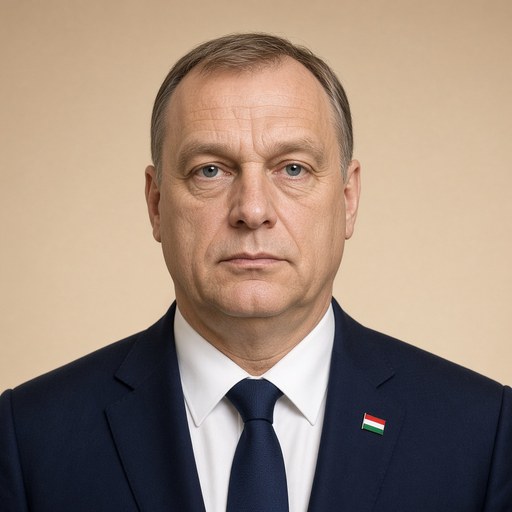

- Context
- Orbán addressed the Hungarian National Assembly at its opening session, reporting on government decisions made during the intersession amid the Ukraine war and energy crisis.
- Main themes
- Ukraine-Russia war, Western sanctions and global economic war, energy price crisis, inflation, Hungary's peace stance, national sovereignty, border security, defense spending, economic history of Hungary, Central European economic impact, disinformation and external influence
- Duration
- ~29 min
- Words
- 3,521
- Sentences
- 238
- Readability
- 45
- Grade
- 10.7
- Syntax
- 2.68
- Vocabulary
- 2.15
Translated from Hungarian
The broad sphere of national life a sentence belongs to. Every sentence has an Arena, so it is the denominator the other indices are read against.
Other238 sentences in 32 paragraphs
Mr. President! Honorable Members of Parliament!
I welcome you to the opening session of the Hungarian National Assembly. According to our constitutional traditions, I will report to you on the decisions made by the government during the intersession. As you know, in recent months, Europe has faced severe, shock-like changes due to the drastic increase in energy prices. The global economy is threatened by recession, and the European economy is on the brink of collapse. What is happening around us is now more strongly defining our lives than ever before.
Honorable House!
There is war. The war is taking place in our eastern neighborhood between Ukraine and Russia. Yet, step by step, an increasingly larger part of the world is becoming a victim of this war. The war between Ukraine and Russia is a local war – or would be. However, the Western economic sanctions have turned it into a global economic war. Therefore, today we are facing both a local armed conflict and a global economic war at the same time. The first question is: how long will this war last? In the spring, many hoped for a short war lasting a few weeks or months. Today, it is clear to everyone that we must expect a protracted war. Ukraine is being supported with weapons and money by America and the European Union, while Russia's reserves are infinite, both in terms of manpower and weaponry. We must therefore prepare for the fact that this war will continue here, in our neighborhood, this year and next. Ukraine is Hungary's neighbor. Perhaps that is why Hungary's position differs from the majority Western stance. The West is currently on the side of war, while Hungary is on the side of peace. Instead of continuing and deepening the war, we demand an immediate ceasefire and peace negotiations. In this globally expanded economic war, every country has its own interests. For Hungary, the protection of security, economic, and national sovereignty is the most important. That is why we have created a defense fund in our budget. Beyond regular budgetary resources, we must spend on the development of the army, the protection of our borders, and the strengthening of national security services. We are withdrawing soldiers from the protection of the southern borders. We have established border guard units to take their place. We are strengthening the national security services so that they can protect our sovereignty in all areas. There will be and are attempts at external influence. A disinformation war is also underway. The country must be protected from these as well.
Honorable House!
The war is troubling people. But today, families are most directly affected by the economic consequences of the war. First and foremost, inflation and rising prices. Not only in our country, but throughout Europe and the Anglo-Saxon world. Inflation is surging at levels not seen in forty years in developed countries. In some countries of the Eurozone, inflation has already exceeded 20 percent. The Estonians, Latvians, Lithuanians, Czechs, Bulgarians, Poles, Romanians, Slovenians, Slovaks, Croats, Greeks, and Spaniards are all struggling with inflation exceeding the EU average, similar to Hungary. The countries of Central Europe are affected by this to a far greater extent than the average. Our region has the highest inflation, and central banks have begun significant interest rate hikes. Country risk premiums have risen significantly, budget deficits are increasing everywhere, and public debt is growing. The rate of price increases in our country has reached levels not seen for decades. This is not the first time. I have witnessed several economic crises. I saw 35 percent inflation during the Antall government, I saw inflation above 28 percent during the Horn government, and then as Prime Minister, I experienced the 1999 Russian and Far Eastern financial crisis. The younger generation may also remember that in 2008, a financial crisis caused headaches worldwide, including in Hungary. Those torments were caused by the banking system, indebtedness, and foreign currency loans. Additionally, at that time, we had a government that had lost its ability to act and was falling apart. Two years ago, we also experienced an economic downturn caused by the pandemic. At that time, workplaces were closed due to the pandemic, and the closing borders posed a great danger to an open, export-oriented economy like Hungary.
Now, in 2022, the cause of economic troubles is the response to the Russian-Ukrainian war, namely the war sanctions and the skyrocketing energy prices resulting from them. The increase in energy prices raises inflation in every country. These extreme energy prices are not caused by economic processes. The drastic increase in energy prices is clearly caused by the sanctions. Thus, it is not the economy but politics, specifically the political decisions made in Brussels, that are responsible for the drastic increase in energy prices. The price of natural gas was around 100 euros in April 2022, in the second month of the war. Before the April elections in Hungary, the European stance, led by Germany, was that sanctions must be reasonable. We must not destroy European economies, so sanctions should not extend to energy. This was a sensible position, as sanctions should always be imposed on economic sectors where we are stronger than those we want to sanction. However, in the energy sector, we, Europe, are dwarfs, while Russia is a giant. For the first time, I see a dwarf imposing sanctions on a giant.
Honorable Members of Parliament!
In April, we rightly thought that although the energy situation was more challenging, the economic conditions would remain predictable despite the war. But in June 2022, Brussels adopted economic and trade sanctions, including sanctions on oil shipments. Moreover, they put gas purchase sanctions on the agenda, which is why, starting in June 2022, the price of natural gas doubled in one month and then tripled in the following month. As you may know, Brussels' rules link the price of electricity to the price of gas. Therefore, the same happened in the electricity market as well. The market price of electricity in Europe was 100 euros in April 2022; today, it ranges between 400 and 600 euros. Meanwhile, the price of gas and electricity in the United States is a fraction of European prices. Let’s speak plainly: today, European countries are paying a sanctions premium for oil, natural gas, and electricity! The increase in energy prices also affects food prices. The rising production costs are driving up grain prices. Fertilizer prices have tripled in half a year. In Hungary, the 100 percent increase in energy prices generates an immediate, general inflation of 3-5 percent. In other words, the current three- to fourfold increase in energy prices immediately translates to a 15-20 percent increase in prices. This is the reality we live in today. Let’s say it openly: if the sanctions were lifted, prices would immediately fall by half, and inflation would at least be halved. Without sanctions, the European economy would regain strength and could avoid the looming recession.
Honorable House!
When these sanctions were imposed on Europe in early summer in Brussels, the bureaucrats did not promise this. They promised that these sanctions would hurt Russia, not the European people. Since then, it has become clear that the sanctions imposed are causing enormous damage to Europe as well. Moreover, since the war began, in just half a year, Russia has earned 158 billion euros from increased energy exports. This is more than Russia's total annual export revenue in 2021 in just half a year. Furthermore, half of this money, 85 billion euros, was paid by the countries of the European Union. We can confidently say: as a result of the sanctions, the European people have become poorer, while Russia has not been brought to its knees. This weapon has backfired; with the sanctions, Europe has shot itself in the foot. In Brussels, in June, the bureaucrats also promised that the sanctions would bring an end to the war. Today, we still do not see the end of the war, and energy bills have skyrocketed. European businesses cannot, or can only with great difficulty, absorb the sanctioned energy prices. We expect an answer; all of Europe expects an answer from Brussels to the question of how long we will continue this. If this continues, all of Europe will suffer. It is time to speak honestly with our American friends as well. Before it is too late. There are increasingly more angry people in Europe. To be honest, we are among them. The Brussels bureaucrats must understand that they cannot gamble with the fate of entire national economies and millions of people. This is irresponsible! Responding to high energy bills by saying we should send them to Moscow is an offensive and insulting flippancy. It is no wonder that angry people who feel deceived are successively replacing the governments of countries that support the sanctions. Glory to Italy! Avanti ragazzi, but of course, this does not apply to tonight…
Honorable Members of Parliament!
Hungary has always approached economic sanctions with reservations. We have openly represented our concerns at every European forum, even when we stood alone with our opinion. Our arguments were ignored, and sanctions were imposed on all countries in Europe. In Brussels, it is fashionable to think they are smarter than everyone else, and they know everything better. When they run out of arguments, or the facts do not support them, they accuse those who oppose them, such as us, of violating European values. This is not intellectually inspiring. Moreover, the European treaties place democracy at the forefront of European values. And let’s be honest, the imposition of sanctions did not happen in a democratic manner. The Brussels bureaucrats and European elites made the decisions about the sanctions. No one asked the European people. However, the price of the sanctions is paid by the European people! I personally believe that before sanctions become irrevocably and long-term part of economic life, we must also know the opinions of the people. Therefore, Hungary will be the first in Europe to ask the people for their opinion on the sanctions. We have done this regarding migration, the COVID pandemic, and gender ideology. We have succeeded in creating national unity, thus establishing a common basis for crisis management. Now we are also launching a national consultation where the Hungarian people can express their opinions: do they agree with the sanctions, do they support the imposition of further sanctions or not? I ask Hungarians to share their opinions. Speak up, because the sanctions affect and will affect the lives of every Hungarian family.
Mr. President! Honorable Members of Parliament!
As long as the sanctions are in place and the energy crisis caused by the sanctions continues, Hungary's most important task is to guarantee secure energy supply. Against the sanctioned energy prices – to the best of our ability, but perhaps even beyond – we must protect Hungarian families and jobs. I report to the National Assembly that the government is capable of ensuring Hungary's energy supply. In fact, with the decisions we made in the summer, we have already ensured it. There is enough natural gas, there is electricity, and there is oil as well. We have filled the gas storage facilities, and we have agreed with the Russians on new shipments that are continuously arriving in the country. With the stored gas, we have covered 41 percent of Hungary's annual consumption. We have also resolved our oil supply. We fought for an exemption from the general Russian oil embargo – not just for ourselves but also for the Czechs and Slovaks. It is a pity that in the midst of the Brussels battle, they were nowhere to be seen. And they did not even thank us for it. No matter. We are happy to help!
Honorable House!
We have our own electricity production, and we are capable of producing 65 percent of domestic demand, which gives us greater influence over the price of electricity. However, we are 85 percent dependent on imports for natural gas, so we cannot significantly influence its price either. Therefore, we must reduce domestic natural gas consumption. This is what the state, state-owned companies, state institutions, families, and businesses must do. I inform the Honorable House that beyond the exemption from the Brussels oil sanctions and the gas storage, we have made the following decisions during the summer. Currently, 35 percent of Hungary's energy consumption is natural gas. We will reduce this to 31 percent by the end of 2023 and below 30 percent by 2025. We have ordered an increase in domestic gas production from 1.5 billion cubic meters per year to 2 billion cubic meters per year. We have ordered the restart of the Mátra Power Plant. We will extend the operational period of the Paks Nuclear Power Plant, and we will finally begin the construction of Paks2. The role of nuclear power is undeniable. Currently, it provides half of domestic electricity production and 36 percent of domestic consumption. I urge the left-wing parties not to further obstruct the development of the Hungarian nuclear industry. In fact, I ask the left to support the extension of the operational period of Paks1 and the construction of Paks2.
Honorable Members of Parliament!
The government continues to protect Hungarian families. This year, a total of 1,127 billion forints remained with families in the form of tax benefits and income tax refunds. We have paid the thirteenth month pension, we are providing inflation pension supplements, and at the end of the year, we will also pay a pension premium. The tax exemption for those under 25 is in effect and will remain. We have extended the price cap on fuel and food. We will also extend the interest rate cap, which expires on January 1, until the middle of next year. I inform the Honorable House that the Hungarian government provides the greatest assistance regarding energy prices in the entire European Union. We maintain the utility price reductions for average consumption, allowing every Hungarian family to save an average of 181 thousand forints per month. Moreover, the price of electricity that households must pay above the average consumption is actually half of the actual market price. We are able to do this because we also have significant domestic production of electricity.
My friends! Honorable Members of Parliament!
In a European comparison, this means that in Germany, energy support accounts for 20 percent of a family's monthly income, in Austria 6 percent, and in Hungary 30 percent. In other words, the Hungarian support constitutes 36 percent of the average wage, while for the Germans it is 13 percent, and in Austria, it is 5 percent. We generate the funds necessary to protect families by imposing an extra profit tax on certain sectors of the economy. This includes banks, energy companies, telecommunications companies, and large retail chains. The amount collected is sufficient for this year's price support, and we have good hopes for the year 2023 as well. In order to replace natural gas, we have announced a discounted firewood and lignite program. Overall, we are helping families in six ways: reduced utility prices, a firewood program, a lignite program, a gasoline price cap, a food price cap, and an interest rate cap. In the government's view, dear colleagues, helping families comes first, but right after that come Hungarian businesses. To counter high energy prices, we will need all the strength, leadership skills, and talent of entrepreneurs. The government provides assistance in three ways. We have launched a program worth over 200 billion forints for small and medium-sized enterprises that are energy-intensive and production-oriented. We will have a factory rescue program, and if necessary, there will also be a new job protection action plan.
Dear colleagues!
If we manage to avert the energy crisis, we must do the same thing that has previously led us to success. A work-based economy and support for investments. Currently, approximately 9,400 billion forints of state investment is underway in Hungary. We will carry these out without exception. We will not initiate any new state investments due to the uncertain economic situation, as we cannot guarantee that we will be able to complete them. At this time, we only see resources and opportunities to support job-creating private investments, because we need to put one forint where they will add two more. If the European economic situation becomes predictable again, we will restart the state investments that are currently suspended.
Honorable House!
Due to the energy prices resulting from sanctions, the government has also updated its medium- and long-term energy strategy. Based on Hungary's characteristics, we anticipate that our country will remain a net oil importer in the long term. Currently, 59 percent of imports come from Russia, 20 percent from Kazakhstan, 8 percent from Iraq, and another 8 percent from Croatia. The plan for the complete transformation of our electricity system has also been prepared. This includes network development, the construction of new power plants, Paks2, and the extension of the operational time of Paks1. This represents an investment of 16 billion euros, or 6,400 billion forints, not including the costs of building Paks2. Together, we are talking about 28.5 billion euros, or 11,400 billion forints of development. The huge numbers clearly show that this is the largest development of the next ten years. We will implement a total of 32 major investments. Without these investments, the Hungarian energy system cannot be modernized, and the international competitiveness of the Hungarian economy cannot be ensured. Therefore, this work must be done, and we will do it. The necessary financial resources have been promised by the European Union. If the Brussels bureaucrats do not provide the money that Hungary is entitled to, we will obtain the necessary amount from other financial sources. We have already initiated negotiations on this with the European Union and our other international partners. I inform the Honorable House that the government has simplified and expedited the procedures for solar energy production and geothermal-based heating service investments.
Dear Mr. President! Dear colleagues!
The program for the complete renewal of the Hungarian energy system remains on the agenda even during the current sanctions-induced economic crisis because the government has decided not to give up its national strategic goals during the crisis management period of the next two years. In the next two years, we will continue to develop transportation networks. We will continue our family support programs. While the number of newborns has increased, families have strengthened and grown, we have not yet achieved a breakthrough. Time literally means life here. Therefore, we will further expand family support. At the beginning of December, we will finalize the 2023 budget, and new family support measures will already appear in it. Similarly, we cannot stop the program for building a development-based economy either. Alongside the work-based economy, or rather on its basis, we must also build a research and development-based Hungarian economy. The locomotives of this are our reorganized universities, which is why we will carry out our university development program and even accelerate it. We will do the same with our defense industry and military building programs. And of course, we will continue our nation-unifying policy as well.
Finally, Honorable House, I confirm that despite our disputes with Brussels, Hungary still envisions its future as a member of the European Union. We, Hungarians, are a European nation. We are just as important a shade of the community of European nations as any member state. The European Union will only be strong and viable if it retains and respects all its shades. Those who deny our rights envision a monochrome, phalanster Europe. We cling to our traditions, our national characteristics, and our own way of thinking, whether others like it or not. We are a proud nation, aware that we have always given more to the world than we have received from it. This is our Hungarian contribution to the great common achievement of the European peoples, which our friends can continue to count on in the future.
Honorable House!
What opportunities do I see in the months ahead? Hungary is turning to the economic crisis caused by sanctions in a better state today than in 2008, when the financial crisis nearly stripped Hungary bare. Since then, we have created one million new jobs, increased the value of exports by 50 percent, and we are still capable of economic growth exceeding the European Union average. We have significantly reduced taxes on labor. The personal income tax has been halved since 2010, and we have reduced the tax wedge from 55 percent to 41 percent. This is unprecedented. Hungary is stronger today than it has been at any time since the fall of communism. The sanctions also cause us serious damage, but I see a chance for the government to emerge from this crisis with renewed strength. The government will set a strong pace in the coming months. I encourage my fellow representatives to make the most of themselves in the upcoming sessions.
Thank you for your attention!
May God bless us all, Hungary above all!
The original Hungarian. The tags above are read on the English translation's sentences.
Tisztelt Elnök Úr! Tisztelt Képviselőtársaim!
Köszöntöm Önöket a Magyar Országgyűlés évadnyitó ülésén. Alkotmányos szokásaink szerint jelentést teszek Önöknek a kormány döntéseiről, melyeket a két ülésszak között hoztunk. Mint Önök is tudják, az elmúlt hónapokban súlyos, sokkszerű változások érték Európa országait az energiaárak drasztikus növekedése miatt. A világgazdaságot visszaesés, az európai gazdaságot pedig megroppanás fenyegeti. Ami körülöttünk történik, most a megszokottnál is erősebben határozza meg a mi életünket.
Tisztelt Ház!
Háború van. A háború a keleti szomszédságunkban zajlik Ukrajna és Oroszország között. Mégis, lépésről lépésre a világ egyre nagyobb része válik a háború elszenvedőjévé. Ukrajna és Oroszország háborúja lokális háború – lenne. A nyugati gazdasági szankciók azonban globális gazdasági háborúvá változtatták. Ezért ma egy lokális fegyveres háborúval és egy globális gazdasági háborúval állunk egyszerre szemben. Az első kérdés: meddig tart ez a háború? Tavasszal még sokan voltak, akik rövid, néhány hetes vagy hónapos háborúban reménykedtek. Ma már mindenki számára világos, hogy elhúzódó háborúra kell számítanunk. Ukrajnát fegyverrel és pénzzel segíti Amerika és az Európai Unió, Oroszország tartalékai pedig végtelenek, emberben és fegyverben egyaránt. Arra kell tehát készülnünk, hogy ez a háború itt, a szomszédunkban idén és jövőre is folytatódik. Ukrajna Magyarország szomszédja. Talán ezért is van az, hogy Magyarország álláspontja eltér a többségi nyugati állásponttól. A Nyugat ma a háború pártján áll, Magyarország pedig a béke oldalán. Mi a háború folytatása és mélyítése helyett azonnali fegyverszünetet és béketárgyalásokat követelünk. Ebben a globálisra szélesedett gazdasági háborúban minden országnak megvannak a saját érdekei. Magyarország számára a biztonság, a gazdasági és a nemzeti szuverenitás védelme a legfontosabb. A költségvetésünkben ezért hoztunk létre honvédelmi alapot. A rendes költségvetési forrásokon felül költenünk kell a hadsereg fejlesztésére, a határaink védelmére és a nemzetbiztonsági szolgálatok megerősítésére. A katonákat visszavonjuk a déli határok védelméről. Létrehoztuk a határvadász alakulatokat, akik a helyükbe lépnek. A nemzetbiztonsági szolgálatokat megerősítjük, hogy képesek legyenek a szuverenitás védelmére minden területen. Vannak és lesznek külső befolyásolási kísérletek. Dezinformációs háború is zajlik. Ezektől is meg kell védeni az országot.
Tisztelt Ház!
A háború aggasztja az embereket. De a családokat ma leginkább a háború gazdasági következményei érintik közvetlenül. Első helyen is az infláció, az árak emelkedése. Nemcsak nálunk, egész Európában és az angolszász világban is. Negyven éve nem látott mértékű infláció száguld a fejlett országokban. Az eurózóna országainak egy részében már a 20 százalékot is meghaladta az infláció mértéke. Az észtek, a lettek, a litvánok, a csehek, a bolgárok, a lengyelek, a románok, a szlovénok, szlovákok, a horvátok, a görögök, a spanyolok Magyarországhoz hasonlóan az uniós mértéket meghaladó inflációval küzdenek. Közép-Európa országait mindez messze az átlagot meghaladó mértékben érinti. A mi régiónkban a legmagasabb az infláció, a jegybankok markáns kamatemelési ciklusokba kezdtek. Az országkockázati felárak jelentősen felfutottak, mindenhol nő a költségvetési hiány, és növekszik az államadósság. Az áremelkedés mértéke nálunk is évtizedek óta nem látott mértéket öltött. Nem ez az első eset. Láttunk, láttam már jó néhány gazdasági válságot. Láttam az Antall-kormány idején 35 százalékos inflációval, láttam a Horn-kormány alatti 28 százalék feletti inflációt, aztán miniszterelnökként az 1999-es orosz és távol-keleti pénzügyi válságot. Arra pedig már a fiatalabbak is emlékezhetnek, hogy 2008-ban világszerte, Magyarországon is pénzügyi válság okozott fejfájást. Azokat a gyötrelmeket a bankrendszer, az eladósodás és a devizahitelek idézték elő. Ráadásként nálunk akkor éppen egy cselekvőképességét vesztett, széteső kormány volt hatalmon. Két évvel ezelőtt is átéltünk egy gazdasági visszaesést, amit a járvány okozott. Akkor a járvány miatt zártak be munkahelyek, a járvány miatt bezáruló határok jelentettek nagy veszélyt egy olyan nyitott, exportorientált gazdaságnak, mint Magyarország.
Most, 2022-ben a gazdasági bajok oka az orosz–ukrán háborúra adott válasz, vagyis a háborús szankciók és az azok miatt sokszorosára emelkedő energiaárak. Az energiaárak növekedése minden országban emeli az inflációt. Ezeket a durva energiaárakat nem gazdasági folyamatok váltják ki. Az energiaárak drasztikus növekedését egyértelműen a szankciók okozták. Így az energiaárak drasztikus növekedéséért nem a gazdaság, hanem a politika, egészen pontosan a brüsszeli politikai döntések a felelősek. A földgáz ára 2022 áprilisában, a háború második hónapjában 100 euró környékén volt. Az áprilisi magyar választások előtt az volt az európai álláspont, élén Németországgal, hogy a szankcióknak ésszerűeknek kell lenniük. Nem szabad tönkretennünk az európai gazdaságokat, ezért a szankciók nem terjedhetnek ki az energiára. Ez józan álláspont volt, hiszen szankciót mindig olyan gazdasági ágazatokra érdemes kivetni, ahol erősebbek vagyunk, mint az, akit a szankciók alá akarunk vonni. Márpedig az energia területén mi, Európa törpék vagyunk, Oroszország pedig óriás. Most látok először olyat, hogy a törpe vet ki szankciót egy óriásra.
Tisztelt Képviselőtársaim!
Áprilisban még joggal gondoltuk azt, hogy bár magasabb energiaszint mellett, de tervezhetően alakulnak a gazdasági körülmények a háború ellenére is. De 2022 júniusában Brüsszelben elfogadták a gazdasági, kereskedelmi szankciókat, köztük az olajszállítási szankciót is. Ráadásul napirendre vették a földgáz-vásárlási szankciót, ezért 2022 júniusától kezdve a földgáz ára egy hónap alatt megkétszereződött, majd újabb egy hónap alatt megháromszorozódott. Mint talán Önök is tudják, a brüsszeli szabályok összekötik a villamos energia árát a gáz árával. Ezért ugyanez ment végbe a villamosenergia-piacon is. A villamos energia piaci ára Európában 2022 áprilisában 100 euró volt, ma 400 és 600 euró között mozog. Mindeközben az amerikai gázár és villamos energia ára töredéke az európai áraknak. Beszéljünk egyenesen: Európa országai ma az olajért, a földgázért és a villamos energiáért szankciós felárat fizetnek! Az energiaárak növekedése kihat az élelmiszerárakra is. A gabonaárakat a termelési költségek növekedése felfelé hajtja. A műtrágyaárak félév alatt a háromszorosára növekedtek. Nálunk Magyarországon az energiaárak 100 százalékos növekedése 3-5 százalék közötti azonnali, általános inflációt gerjesztenek. Vagyis a mai három-négyszeresére növekedő energiaár rögtön 15-20 százalékos áremelkedést jelent. Ebben élünk ma. Mondjuk ki nyíltan: ha megszüntetnék a szankciókat, az árak rögtön a felére esnének vissza, és az infláció is legalább megfeleződne. Szankciók nélkül az európai gazdaság újra erőre kapna, és el tudná kerülni a fenyegető recessziót.
Tisztelt Ház!
Amikor ezeket a szankciókat nyár elején Brüsszelben Európára erőltették, akkor a brüsszeli bürokraták nem ezt ígérték. Azt ígérték, hogy ezek a szankciók Oroszországnak fognak fájni, nem az európai embereknek. Azóta kiderült, a bevezetett szankciók Európának is óriási károkat okoznak. Sőt, a háború óta, tehát fél év alatt Oroszország 158 milliárd euró bevételre tett szert a megemelt energiaexportból. Ez fél év alatt több mint Oroszország 2021-es teljes éves exportbevétele. Ráadásul ennek a pénznek a felét, 85 milliárd eurót az Európai Unió országai fizették ki. Nyugodtan kimondhatjuk: a szankciók következtében az európai emberek szegényebbek lettek, Oroszország pedig nem esett térdre. Ez a fegyver visszafelé sült el, a szankciókkal Európa lábon lőtte önmagát. Brüsszelben, júniusban a bürokraták azt is ígérték, hogy a szankciók elhozzák a háború végét. A háború végét ma sem látjuk, az energiaszámlák pedig az egekbe szöktek. A szankciós energiaárakat az európai vállalkozások nem, vagy csak nagy nehezen tudják kigazdálkodni. Választ várunk, egész Európa választ vár Brüsszeltől arra a kérdésre, hogy meddig fogjuk ezt csinálni. Ha ez így megy tovább, egész Európa belegebed. Ideje erről őszintén beszélni amerikai barátainkkal is. Addig, amíg nem késő. Európában egyre több a dühös ember. Mi tagadás, mi is azok vagyunk. A brüsszeli bürokratáknak meg kell érteniük, hogy nem lehet egész nemzetgazdaságok és emberek millióinak sorsával hazardírozni. Ez felelőtlenség! A magas energiaszámlákra pedig azt válaszolni, hogy küldjük őket Moszkvába, bántó és sértő nyegleség. Nem csoda, ha a feldühödött és magukat becsapva érző emberek egymás után váltják le a szankciókat támogató országok kormányait. Dicsőség Olaszországnak! Avanti ragazzi, de persze ez a mai estére nem vonatkozik…
Tisztelt Képviselőtársaim!
A gazdasági szankciókat Magyarország mindig fenntartásokkal kezelte. Aggályainkat minden európai fórumon nyíltan képviseltük akkor is, amikor egyedül maradtunk a véleményünkkel. Érveinket figyelmen kívül hagyták, és a szankciókat Európa összes országára ráerőltették. Brüsszelben az a divat, hogy mindenkinél okosabbak, és ott mindent jobban tudnak. Ha kifogynak az érvekből, vagy a tények nem őket igazolják, akkor az európai értékek megsértésével vádolják azt, aki ellenszegül, például bennünket. Intellektuálisan nem túl lelkesítő. Ráadásul az európai szerződések a demokráciát állítják az európai értékek között az első helyre. És mondjuk ki őszintén, hogy a szankciók bevezetése nem demokratikus módon történt. A szankciókról a brüsszeli bürokraták és az európai elitek döntöttek. Az európai embereket nem kérdezte meg senki. A szankciók árát azonban az európai emberek fizetik meg! Személyes meggyőződésem, hogy mielőtt a szankciók visszavonhatatlanul és hosszú távon részeivé válnak a gazdasági életnek, meg kell ismernünk az emberek véleményét is. Ezért Európában elsőként Magyarországon megkérdezzük az emberek véleményét a szankciókról. Ezt tettük a migráció, a COVID-járvány és a genderideológia esetében is. Sikerült létrehoznunk a nemzeti egységet, és ezzel megteremtettük a válságkezelés közös alapját. Most is nemzeti konzultációt indítunk, ahol a magyar emberek elmondhatják a véleményüket: egyetértenek-e a szankciókkal, támogatják-e újabb szankciók bevezetését vagy sem? Arra kérem a magyarokat, mindenki mondja el a véleményét. Mondják el, mert a szankciók minden magyar család életét érintik és érinteni is fogják.
Tisztelt Elnök Úr! Tisztelt Képviselőtársaim!
Amíg élnek a szankciók és tart a szankciós energiaválság, Magyarország legfontosabb feladata, hogy garantáljuk a biztonságos energiaellátást. A szankciós energiaárakkal szemben – erőnkhöz mérten, de talán inkább azon felül – védenünk kell a magyar családokat és védenünk kell a munkahelyeket is. Jelentem az Országgyűlésnek, hogy a kormány képes biztosítani Magyarország energiaellátását. Sőt, a nyáron hozott döntéseinkkel már biztosítottuk is. Van elegendő földgáz, van villamos energia, és van kőolaj is. A gáztározókat föltöltöttük, az oroszokkal újabb szállítmányokról állapodtunk meg, amelyek folyamatosan érkeznek az országba. A betárolt gázzal Magyarország éves fogyasztásának 41 százalékát lefedeztük. Kőolajellátásunkat is megoldottuk. Az általános orosz olajembargó alól kivételt harcoltunk ki – magunkon túl a csehek és a szlovákok számára is. Kár, hogy a brüsszeli csata forgatagában sehol sem lehetett látni őket. És köszönetet sem mondtak érte. Sebaj. Szívesen!
Tisztelt Ház!
Saját villamosenergia-termelésünk van, a hazai igények 65 százalékát képesek vagyunk előállítani, ezért a villamos energia árára is nagyobb a befolyásunk. Földgázból azonban 85 százalékban importra szorulunk, így az árát sem tudjuk érdemben befolyásolni. Ezért a hazai földgázfelhasználást csökkentenünk kell. Ezt kell tennie az államnak, az állami vállalatoknak, az állami intézményeknek, és ezt kell tenniük a családoknak és a vállalkozásoknak is. Tájékoztatom a Tisztelt Házat, hogy a brüsszeli olajszankció alóli mentesítésen és a földgáz-betárazáson túl a következő döntéseket hoztuk a nyár során. Magyarország energiafelhasználásának jelenleg 35 százaléka földgáz. Ezt 2023 végére 31 százalékra fogjuk mérsékelni, 2025-re pedig 30 százalék alá visszük. Elrendeltük a hazai gázkitermelés növelését évi 1,5 milliárd köbméterről évi 2 milliárd köbméterre. Elrendeltük a Mátrai Erőmű újraindítását. A paksi erőmű üzemidejét meghosszabbítjuk, és végre hozzákezdünk Paks2 építéséhez is. Az atomerőmű szerepe megkérdőjelezhetetlen. Jelenleg a hazai villamosenergia-termelés felét és a hazai felhasználás 36 százalékát biztosítja. Felkérem a baloldali pártokat, hogy ne akadályozzák tovább a magyar atomipar fejlesztését. Sőt, arra kérem a baloldalt, hogy támogassa Paks1 üzemidő-hosszabbítását és Paks2 megépítését is.
Tisztelt Képviselőtársaim!
A kormány továbbra is védi a magyar családokat. Ebben az évben összesen 1.127 milliárd forint maradt a családoknál adókedvezmény és jövedelemadó visszatérítés formájában. Kifizettük a tizenharmadik havi nyugdíjat, fizetünk inflációs nyugdíj-kiegészítést, és az év végén fizetünk nyugdíjprémiumot is. Érvényben van és marad a 25 év alatti fiatalok adómentessége. Meghosszabbítottuk a benzinár-stopot és az élelmiszerár-stopot. A január 1-jén lejáró kamatstopot is meghosszabbítjuk majd a következő év közepéig. Tájékoztatom a Tisztelt Házat, hogy a magyar kormány adja a legnagyobb segítséget az energiaárakban az egész Európai Unióban. Fenntartjuk a rezsicsökkentett árakat az átlagfogyasztás erejéig, és ezzel minden magyar család spórol átlagban havi 181 ezer forintot. Ráadásul a villamos energia ára, amit az átlagfogyasztás felett kell fizetni a háztartásoknak, valójában a fele a tényleges piaci árnak. Erre azért vagyunk képesek, mert a villamos energiából van komoly hazai termelésünk is.
Barátaim! Tisztelt Képviselőtársaim!
Ez európai összevetésben azt jelenti, hogy Németországban az energiatámogatás a család havi jövedelmének 20 százaléka, Ausztriában 6 százaléka, Magyarországon pedig 30 százaléka. Másképpen fogalmazva: a magyar támogatás az átlagbér 36 százalékát, a németek esetében 13 százalékát, Ausztriában pedig 5 százalékát teszi ki. A családok védelméhez szükséges pénzt úgy teremtjük elő, hogy extraprofit adót vetettünk ki a gazdaság néhány szektorára. A bankokra, az energiacégekre, a távközlési cégekre és a nagy kereskedelmi üzletláncokra is. A befolyt összeg elegendő az idei ártámogatásokra, és jó reményünk van a 2023-as évre is. A földgáz kiváltása érdekében kedvezményes tűzifa- és barnaszén-programot hirdettünk. Összességében tehát hat dologgal segítjük a családokat: rezsicsökkentett ár, tűzifa-program, barnaszén-program, benzinár-stop, élelmiszerár-stop és kamatstop. A kormány fölfogásában, tisztelt Képviselőtársaim, a családok megsegítése áll az első helyen, de rögtön utána a magyar vállalkozások következnek. A magas energiaárak kivédéséhez a vállalkozók minden erejére, vezetői képességére és tehetségére szükség lesz. A kormány három úton nyújt segítséget. Meghirdettünk egy több mint 200 milliárd forintos programot a termelő és energiaintenzív kis- és középvállalkozások számára. Lesz gyármentő programunk, és ha kell, lesz új munkahelyvédelmi akcióterv is.
Tisztelt Képviselőtársaim!
Ha az energiaválságot sikerül kivédenünk, akkor ugyanazt kell tennünk, ami korábban is sikerre vezetett minket. Munkaalapú gazdaság és a beruházások támogatása. Jelenleg mintegy 9.400 milliárd forint állami beruházás zajlik Magyarországon. Ezeket kivétel nélkül végigvisszük. Újabb állami beruházást a bizonytalan gazdasági helyzet miatt nem indítunk, mert nem tudjuk garantálni, hogy be is tudjuk fejezni őket. Most forrást és lehetőséget csak arra látunk, hogy munkahelyteremtő magánberuházásokat támogassunk, mert oda kell tennünk egy forintot, ahol hozzátesznek még kettőt. Ha az európai gazdasági helyzet kiszámítható lesz újra, akkor indítjuk meg a most felfüggesztett állami beruházásokat.
Tisztelt Ház!
A szankciós energiaárak miatt a kormány frissítette közép- és hosszú távú energiastratégiáját is. Magyarország adottságaiból kiindulva azzal számolunk, hogy hazánk hosszabb távon is nettó olajimportőr marad. Most a behozatal 59 százaléka Oroszországból, 20 százaléka Kazahsztánból, 8 százaléka Irakból, és egy másik 8 százaléka Horvátországból érkezik. A villamosenergia-rendszerünk teljes átalakításának terve is elkészült. Ez magában foglalja a hálózatfejlesztést, új erőművek építését, Paks2-t és Paks1 üzemidő-hosszabbítását is. Ez 16 milliárd euró, azaz 6.400 milliárd forint beruházást jelent, Paks2 építésének költségeit nem számítva. Azzal együtt 28,5 milliárd euró, vagyis 11.400 milliárd forintnyi fejlesztésről beszélünk. A hatalmas számok jól mutatják, hogy a következő tíz év legnagyobb fejlesztése ez. Összesen 32 nagy beruházást valósítunk meg. Ezek nélkül a beruházások nélkül a magyar energiarendszert sem lehet korszerűsíteni, és a magyar gazdaság nemzetközi versenyképessége sem biztosítható. Ezt a munkát tehát el kell és el is fogjuk végezni. A szükséges pénzügyi forrásokat az Európai Unió megígérte. Ha a brüsszeli bürokraták mégsem adják ide azt a pénzt, ami Magyarországnak jár, akkor más pénzügyi forrásokból szerezzük be a szükséges összeget. Az erről szóló tárgyalásokat az Európai Unióval és más nemzetközi partnereinkkel el is indítottuk. Tájékoztatom a Tisztelt Házat, hogy a kormány egyszerűsítette és felgyorsította a napenergiát termelő és a geotermikus alapú hőszolgáltatási beruházások eljárásrendjét.
Tisztelt Elnök Úr! Tisztelt Képviselőtársaim!
A magyar energiarendszer teljes megújításának programja azért marad napirenden a mostani szankciós gazdasági válság idején is, mert a kormány úgy döntött, hogy a következő két év válságkezelésének időszakában sem adja föl nemzetstratégiai céljait. A következő két évben is folytatjuk a közlekedési hálózatok fejlesztését. Folytatjuk a családtámogatási programjainkat. A megszületett gyerekek száma ugyan növekedett, a családok erősödtek és gyarapodtak, de még nem sikerült áttörést elérni. Az idő itt szó szerint életet jelent. Ezért a családtámogatást tovább szélesítjük. December elején alakítjuk ki a 2023-as költségvetés végleges formáját, és abban már új családtámogatási intézkedések is megjelennek majd. Hasonlóképpen nem állhatunk meg a fejlesztésalapú gazdaság kiépítésének programjával sem. A munkaalapú gazdaság mellé, pontosabban annak bázisára fel kell építenünk a kutatási és fejlesztési alapú magyar gazdaságot is. Ennek lokomotívjai az újjászervezett egyetemeink, ezért az egyetemfejlesztési programunkat is végigvisszük, sőt felgyorsítjuk. Így teszünk majd a hadiipar- és hadsereg-építési programjainkkal is. És természetesen folytatjuk a nemzetegyesítő politikánkat is.
Végezetül, Tisztelt Ház megerősítem, hogy a Brüsszellel fennálló vitáink ellenére Magyarország továbbra is az Európai Unió tagjaként képzeli el a jövőjét. Mi, magyarok európai nemzet vagyunk. Éppen olyan fontos árnyalata vagyunk az európai nemzetek közösségének, mint bármely tagállam. Az Európai Unió csak akkor lesz erős és életképes, ha minden árnyalatát megtartja és tiszteli. Azok, akik elvitatják a jogainkat, egyszínű, falanszter Európát képzelnek el. Mi ragaszkodunk a hagyományainkhoz, nemzeti sajátosságainkhoz és saját észjárásunkhoz, ha tetszik ez másoknak, ha nem. Büszke nemzet vagyunk, aki tudatában van annak, hogy mindig többet adott a világnak, mint amit kapott tőle. Ez a mi magyar hozzájárulásunk az európai népek nagy közös teljesítményéhez, amelyre barátaink a jövőben is számíthatnak.
Tisztelt Ház!
Milyen esélyeket látok az előttünk álló hónapokra? A szankciók okozta gazdasági válságra Magyarország ma jobb állapotban fordul rá, mint 2008-ban, amikor a pénzügyi válság szinte kicsontozta Magyarországot. Azóta teremtettünk egymillió új munkahelyet, az export értékét 50 százalékkal megnöveltük, és ma is képesek vagyunk az Európai Unió átlagát meghaladó gazdasági növekedésre. Jelentősen csökkentettük a munkát terhelő adókat. A személyi jövedelemadó 2010 óta felére csökkent, az adóék mértékét 55 százalékról 41 százalékra mérsékeltük. Ez párját ritkítja. Magyarország ma erősebb, mint a kommunizmus bukása óta bármikor. A szankciók nekünk is súlyos károkat okoznak, de látok esélyt arra, hogy a kormány Magyarországot ebből a válságból is megerősödve hozza ki. A kormány erős tempót diktál majd a következő hónapokban. Biztatom képviselőtársaimat is, hogy az előttünk álló üléseken a legtöbbet hozzák ki magukból.
Köszönöm a figyelmüket!
A Jóisten mindannyiunk felett, Magyarország mindenek előtt!