




SPEECH AT THE SIGNING CEREMONY OF THE DECISION ADOPTED BY THE REPUBLICAN REFERENDUM
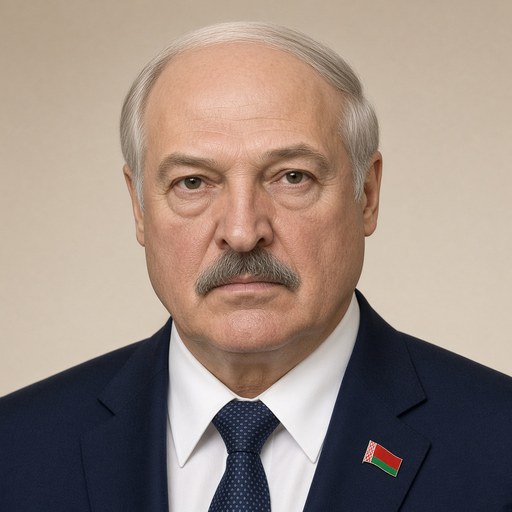
 Alexander Lukashenko · President of Belarus
- Context
- Lukashenko addressed Parliament at the signing ceremony formalizing the 2004 Belarusian constitutional referendum result allowing him to seek a third presidential term.
- Main themes
- Referendum results, parliamentary legitimacy, continuity of state course, Belarusian people's mandate, political stability, building a prosperous Belarus, resistance to Western pressure, debt to the people, future policy direction, All-Belarusian People's Assembly
- Duration
- ~30 min
- Words
- 3,595
- Sentences
- 211
- Readability
- 57
- Grade
- 9.4
- Syntax
- 2.83
- Vocabulary
- 2.09
Translated from Russian
The broad sphere of national life a sentence belongs to. Every sentence has an Arena, so it is the denominator the other indices are read against.
Other211 sentences in 13 paragraphs
Dear deputies! Dear friends! I have made the decision for this historic moment to take place in this hall, the hall of our Parliament. And this is not by chance. The recent elections, and especially the referendum, are a victory not only for the President, but a victory for all of us. Specifically, for all of us. But I would place our Belarusian people at the forefront. It is they — brave, strong-willed, and unyielding — who made their choice. Yes, according to the Constitution, I addressed the people with a question. I do not exclude, and rather anticipated, that this act of the President would be subjected to criticism not only within our country but also beyond its borders. Perhaps, from someone’s point of view, there are reasons for this. Let us not dispute this point of view held by our opponents — they have their arguments, they have the right to have their position and their perspective. We acted strictly in accordance with the laws, including the Fundamental Law, that existed at the beginning of the referendum in our country. You were the "engine" of this referendum. It was you, the people elected here, every single one of you, who went to the people, supporting this idea. And the people, placing their trust in the President, supported all our parliamentarians. Therefore, idle speculations about the alleged illegitimacy of our "appointed," as some say, Parliament are not worth a dime. Our Parliament is elected by the people based on our Constitution, and therefore it is absolutely legitimate. Dear deputies! Many have asked and continue to ask me — both journalists and politicians: "How will the course of our state change in the upcoming period?" The course of our state in the upcoming period will not change. It will remain the same. It is this course — ours together — that the Belarusian people voted for. And we have no right to change this course. But it would be wrong if we stopped and, rubbing our hands with pleasure, thought that there was nothing more to be done in our state. Life is dangerous if it does not change. Especially — the life of the people. And such a situation is practically unheard of. Life flows, and in this life, something is constantly changing. And since life itself is changing, we must, in order not to lag behind this life, change something in our politics. But the fundamental, strategic directions defined by us — the previous composition of Parliament, the Government, all branches of power, the highest officials, and the President — remain unchanged. We will build a strong and prosperous Belarus, we will build a state in which it will be comfortable for our children to live. This is our strategic goal. So what should we change in this life? What will be the essence of all these changes? I will say simply: the essence of all our politics in the upcoming period — until the third All-Belarusian People's Assembly and, apparently, in the post-congress period — will be our payment to the people for the courage and faith, for the support they provide to all of us in the recent history of our state’s development. He is not a politician who does not understand the feat accomplished by the Belarusian people in supporting us. Against us, the entire "machine" has collapsed — both in the West and, to be frank, some political forces in our fraternal Russia — all have turned against our country. Not because we have done something wrong. Some out of envy. Why is there suddenly a calm island in a raging sea, where stability is managed to be preserved, where, contrary to trends, terrible trends in the world economy, we have managed — this will still be assessed by historians and people — not only to maintain economic stability but also to create conditions for the normal life of people, why? And this human envy, like a worm, eats away at some around us. But these are their problems. We have a people, we have a country, a state that has come into being with all its attributes. We must cherish and protect this state and the people who live in it. And we have the honor to represent this people and work on their behalf. Therefore, those who are ready to start paying for this to our Belarusian people from tomorrow — welcome, stand beside us, and let us work together. Those who are psychologically, morally, or physically unprepared to fulfill this great mission — step aside. I, as the Head of State, address everyone from this high podium: we, politicians, and there are quite a few of us, must turn our faces to our own people and do everything so that this people does not regret in a year or two, in five years or a decade, that they supported us in this way. This is the essence of all politics for the foreseeable future, the tactics of our actions while maintaining the main strategic directions. But, first of all, today I would like to congratulate you, esteemed parliamentarians. I know it was difficult for you — the pressure was immense. Besides everything else, each of you, as it turned out, was feverishly thinking: are we doing the right thing, are we going the right way, what will I do when I come to Parliament — to the House of Representatives, the Council of the Republic, how will I represent the interests of the Belarusian people? This was not a simple backdrop in which you acted during the elections and the referendum. I will not hide, I am pleased to see responsible people, true statesmen, my like-minded colleagues in this hall. I am not afraid of this word: "my like-minded colleagues." And let those who today walk outside these walls and whom the people have denied trust gloat. They gloat today: "appointed parliament." Appointed by the people. And this Parliament will exercise legislative power in our country within the framework of the Constitution for the next four years. And no one will be allowed to violate the actions that will be undertaken by this Parliament in the upcoming four years until the elections. I have no doubt that we will work harmoniously and effectively — all branches of power and the Head of State. Those who advocated for the destruction of what has been built in Belarus over the past ten years did not receive support from the people. And they could not receive it. Not the notorious "administrative resource," but the common sense of the Belarusian people determined the outcome of the parliamentary elections and the referendum. But this truth, which is on the surface, the losers both in our country and abroad do not want to acknowledge. As they say, God is their judge! Whoever wants to see the reality will see it. Our task is to create, build, grow bread, strengthen and arrange our common home — our Belarus. The results of the referendum held on October 17, exactly a month ago, have become an integral part of the Belarusian Constitution. The people provided us with powerful support. And we must do everything so that the people do not regret this. They supported us precisely because for the last ten years we have been responding day by day to the hopes and needs of our people! I, like any of you, ponder the meaning of what I do. Elections, referendum, daily exhausting work — what is all this for? Our tactical goals will change depending on the situation in which the country finds itself. And if in 1994 it was necessary to steer the country away from the abyss, today, when we are already living, not just surviving, the goal is of a higher order — to build a strong and prosperous country. But I want to emphasize once again, the strategic task was, is, and will be one — to improve the lives of our people. I will consider it my personal defeat if Belarusian society (not even today, but at some point in the future) splits into a handful of super-rich and millions of the poor. Our people will not withstand this, because such a gap is incompatible with the Belarusian mentality, with the Belarusian way of life. The only true antidote against this is the middle-income people, the so-called middle class, which forms the basis of social stability in Germany, America, and other countries. To solve this task, we must thoroughly refine the course of development supported by the people, refine the course that the people supported. The adjustments will mainly concern the intersection of "power - people," "official - citizen." The nature of the daily work of the state apparatus, of civil servants must undergo radical changes. We will focus on simple things that have often been forgotten in discussions about macroeconomics. But it is from these that the daily life of a person, our voter, is formed.
Support for entrepreneurial initiative
Historically, the face of the Belarusian economy has been defined and continues to be defined by industrial giants. Leading and profitably operating enterprises remain in state ownership, and therefore, in the ownership of the entire Belarusian people. We find investments for their development ourselves. Workers at these enterprises — from laborers to directors — can earn well and can have an average or above-average income.
But industrial giants will not provide jobs for all Belarusians. And not all Belarusians aspire to work at a state enterprise with its regimen and discipline. Many tens and hundreds of thousands of people from villages and cities want to have their own business: from growing cucumbers, weaving baskets, to developing super-modern computer programs. They want to work without being prompted by bosses. To get up when they are used to (even if it is at four in the morning), to take a break as they feel like it. For health! The main thing is that there is a result, there is a product of their labor. This is what corresponds to the national character of Belarusians, who are used to being responsible for themselves and their families. In Russia, our rich Russia, they may not bend down for a ruble, but they love to take big risks. But a Belarusian will pick up even a kopeck; he is frugal and cautious. He will gladly go to open his own business, a small business. We, the authorities in general, owe a great deal to these people. What is happening now? A huge number of Belarusians in cities and villages are trying to start their own crafts. But, unable to overcome unimaginable bureaucratic hurdles, unable to withstand countless inspections and extortions, as they say, "they have thrown in the towel." If you ask any entrepreneur what he had to face to obtain a license, a certificate for products, to customs-clear goods, to rent premises — you will not hear anything good about state officials. We need to remove discriminatory measures against domestic producers. We cannot crawl before foreign capital, sweetening it with various benefits at the expense of the interests of the state and by violating the principle of equal and fair treatment for all economic entities. The conditions must be equal and clear for all entrepreneurs — both domestic and foreign. And starting from January 1, 2005, it will be so. All these years, we have only been busy accommodating foreign investors: here he has benefits, and there he has preferences. But our own worker — we suffocate and press down. It turns out that we have betrayed our Belarusian worker, putting him in worse conditions compared to foreigners. I had a conversation with ordinary people, whom I have known for a long time. "Well, what," says one of them, "Alexander Grigoryevich, I weave baskets, make handles for hammers, axe handles, scythes, and so on. But constantly from the tax inspectorate — pay, overpay, inspections." Everything needs to be simplified here. A person comes, writes an application that he will engage in crafts, doing what people need and what can be sold on the market to earn something. He registers — and sells, you have permission, you have a license. But it should be like this: you come once and know that you should pay about 10-12 dollars in taxes per year. This should be a purely symbolic amount. But people will engage: some will repair shoes, some will update clothes. And it should not be the case that as soon as it comes to the tax inspector, he comes to them and almost takes away the hammer with nails and the sewing machine. This is absurd! For such people, a declarative principle is needed for registration. First of all, for such crafts — for services to the population. And also to see for what else. Perhaps, to go by types of crafts. After all, this is not trade. There, it should indeed be stricter; this person concerns us less. But he should not be dragged through offices just because "we want it that way." In conclusion, I want to say: there should be giants in our country. We withstood not such a push when we were offered under the guise of restructuring, liberalization, privatization to cut and divide MAZ, BelAZ, MTZ, and other large enterprises on which our entire economy relied and relies. We stood firm, we did not go down that path, and this saved our country and our people from unemployment and poverty, from destitution, as they say in Belarus. Therefore, we must preserve our giants, take care of them in every way so that they live and prosper. We will continue to modernize them. But a separate part of the population, who wants a freer, more liberal life, to live and work honestly, to pay taxes and work for themselves, to be wealthy, to work for their families and protect their families, their hearth, for people who are engaged, first of all, in crafts, entrepreneurship, and business that is needed for our country, we must simplify the working order for these entrepreneurs, liberate them.
All the heads of the state apparatus are here, the entire nation hears us. Starting from January 1, do not expect any legislative framework, start acting in this direction. Moreover, our laws do not prohibit this. Especially the latest legislative acts that our outgoing Parliament adopted.
The communal sector — in the service of the people
The work of the housing and communal services practically everywhere causes mass discontent among the people. People complain about high tariffs for housing and communal services. Elderly people spend a large part of their pensions on housing payments.
I have already instructed the State Control Committee to thoroughly check the justification of tariffs for housing and communal services, down to the last ruble! as well as compliance with the regulatory deadlines for capital and current repairs of the housing stock and the justification of these very regulations. Is it in order when an ordinary five-story building is under repair for almost two years according to the "norm"? Appropriate decisions will be made based on the results of this inspection. Costs in the communal sector must be reduced by at least 30 percent. No less than the prices for communal services, people are outraged by the lawlessness that is happening in the housing maintenance services, housing and communal services, and other offices. Every call for a plumber or electrician ends with a demand for a "five." This is sheer arbitrariness! Why do housing maintenance services and housing and communal services do so little to provide the population with minor paid services? Why have half-drunk plumbers turned them into their fiefdoms for profit? Why does the private sector thrive here while we lose taxes? We need to organize a civilized system for providing communal services: as it should be - for a fee, by receipts. You know, the state invests huge amounts of money in the housing and communal sector - we are repairing heating networks, buildings. We are doing our utmost to keep tariffs for housing and communal services down. We have taken on all rural communal services, and this, believe me, is a huge and still neglected enterprise. And at the same time, we tolerate the fact that this work sometimes goes to waste simply because a person was insulted by some bureaucrat sitting in the soft chair of a housing maintenance service chief. There is no place for such personnel in these chairs anymore. As the President of the country, it seems inappropriate for me to talk about such trifles. But when I learn from people, for example, that some irresponsible officials in the Minsk district have been unable to establish normal water supply in villages for ten years, I cannot consider this a trifling matter. Remember what questions voters posed to you in the last elections? Discipline and discipline again; it must be the strictest here. A person should not have to go to housing maintenance services, housing and communal services, begging and pleading for something. We all must work for the people. For their legitimate interests. Communal services are a special concern, a special attention of the authorities. Issues of trade, communal, social, and other types of services must be resolved before the upcoming All-Belarusian People's Assembly.
However, this is not just about taking our people and carrying them on our hands, as if they were children who should either cry or wait for us to put a pacifier in their mouths to keep them from crying. No, we must organize things in such a way that a healthy, able-bodied member of any labor collective works up a sweat. But we must organize it so that they work and earn. And where our functions lie, where we must give back to these people, we must perform these functions impeccably.
Decent living conditions across the country
I think you have already been convinced that the implementation of social standards is the right line of development for the social sphere.
In recent years, we have transformed our country. We have invested a lot of money, simply labor, and initiative into the improvement of our cities, towns, and villages. Yes, thanks to that bureaucratic term - "social standards" - the authorities and their derivatives - medicine, communications, social services - have reached not only the most remote villages but also the homes of those who need our help. Services for lonely pensioners and disabled individuals have undoubtedly been in demand. However, in many areas, there is a problem - where to find a social worker directly? In cities, they are deterred by low salaries. In villages, there are a large number of settlements in the service area. And my assistants here write that we need to hire people and pay them exorbitant salaries. We, the officials, must take on this work; all of us. We are social workers, and there are probably more than 50,000 of us across the country; we must relieve some of the functions from this social worker and work. My requirement that not only veterans of the Great Patriotic War, war invalids, but also every lonely elderly person, regardless of where they live, receives assistance has still not been fully met. I have explained to the entire country and our officials using the example of the Belynichi district how to act in the most remote, isolated village. We need to account for all the elderly who are objectively alone, who have been abandoned by their own sons and children. These are our people! They need to be accounted for, to see their lives and help them. We must reach them just as we did with the participants and invalids of the Great Patriotic War. These are our people who trust us unconditionally, who believe in us. Can we leave them in solitude?! And remember - how you treat people is how they will treat you. Remember that we will be just like that. Already today, those who have left the Council of the Republic and the House of Representatives are writing me letters, especially those who have reached retirement age and have calculated what pension they will earn. For example, one writes: "I never thought I would become an ordinary citizen of our country, that it would be so difficult." Think also about your future. Let us treat the elderly humanely - just as our children and youth will treat us. Targeted assistance must be provided to a specific person or specific family. Moreover, it should be strictly differentiated, in particular for war participants, disabled individuals, lonely pensioners, expanding the range of services, home care even in the most remote corners of the country; I emphasize this particularly. More than a quarter of the population - 2.6 million people - are pensioners. In conditions where the real pension for age has increased by 17-18 percent over the year, and its minimum size has reached the level of the subsistence minimum, the pension system is experiencing colossal pressure. Despite this, we will not raise the retirement age. The level of civilization and humanity of society is determined by its attitude towards disabled individuals. There is also a vast amount of work to be done here.
We need to take additional measures for the social integration of disabled individuals into society. A barrier-free environment must be created for them. That is, access for disabled individuals to public transport, places of study, work, and recreation must be ensured.
The original Russian. The tags above are read on the English translation's sentences.
Уважаемые депутаты! Дорогие друзья! Мною было принято решение о том, чтобы этот исторический момент состоялся именно в этом зале, зале нашего Парламента. И это не случайно. Прошедшие выборы, и особенно референдум, -- это победа не только Президента, это победа наша с вами. Именно наша с вами. Но впереди бы я поставил наш белорусский народ. Это он -- мужественный, волевой и непреклонный -- сделал свой выбор. Да, согласно Конституции я обратился к народу с вопросом. Я не исключаю, и, скорее, предполагал, что это действо Президента будет подвергнуто критике не только внутри нашей страны, но и за ее пределами. Возможно, с чьей-то точки зрения на это есть причины. Не будем оспаривать эту точку зрения, которой придерживаются наши оппоненты, -- у них есть свои доводы, у них есть право иметь свою позицию и свою точку зрения. Мы поступили точно в соответствии с теми законами, в том числе и Основным Законом, которые существовали на начало референдума в нашей стране. Вы же были ”мотором“ этого референдума. Это вы, люди, избранные здесь, все до единого, пошли в народ, поддержав эту идею. И народ, оказывая доверие Президенту, поддержал всех наших парламентариев. И поэтому досужие рассуждения по поводу того, что у нас-де нелегитимный, ”назначенный“, как некоторые говорят, Парламент, выеденного яйца не стоят. Наш Парламент избран народом на основании нашей Конституции, и поэтому он абсолютно легитимен. Уважаемые депутаты! Многие задавали и задают мне вопрос -- и журналисты, и политики: ”Как изменится курс в предстоящий период нашего государства?“ Курс нашего государства в предстоящий период не изменится. Он останется прежним. Именно за этот курс -- наш с вами -- проголосовал белорусский народ. И мы не вправе менять этот курс. Но было бы неправильным, если бы мы остановились и, потирая руки с удовольствием, полагали, что больше ничего не надо делать в нашем государстве. Жизнь опасна, если она не меняется. Тем более -- народа. И такого практически не бывает. Жизнь течет, и в этой жизни постоянно что-то меняется. А коль меняется сама жизнь, мы, чтобы не отстать от этой жизни, вынуждены в нашей политике что-то менять. Но фундаментальные, стратегические направления, определенные нами -- прежним составом Парламента, Правительством, всеми ветвями власти, высшими должностными лицами и Президентом, — остаются неизменными. Мы будем строить сильную и процветающую Беларусь, мы будем строить государство, в котором будет уютно жить нашим детям. Это — наша стратегическая цель. Так что же мы должны в этой жизни поменять? Что явится сутью всех этих изменений? Скажу просто: сутью всей нашей политики на предстоящий период -- до третьего Всебелорусского народного собрания и, видимо, в послесъездовский период -- будет наша плата народу за то мужество и веру, за ту поддержку, которую он оказывает всем нам в новейшей истории развития нашего государства. Тот не политик, который не поймет того подвига, который совершил белорусский народ, поддерживая нас. Против нас обрушилась вся ”машина“ -- и на Западе, и, что греха таить, некоторые политические силы в нашей братской России -- все обрушились на нашу страну. Не потому, что мы делам что-то неправильно. Кто-то из-за зависти. Почему вдруг в бушующем море есть какой-то спокойный островок, где удается сохранить стабильность, где вопреки тенденциям, страшным тенденциям мировой экономики мы умудрились -- это еще историки и люди оценят -- не только сохранить экономическую стабильность, но и добавить, создать условия для нормальной жизни людей, почему? И вот эта человеческая зависть как червоточина кое-кого вокруг нас разъедает. Но это -- их проблемы. У нас есть народ, у нас есть страна, состоявшееся государство со всеми атрибутами. Мы должны свято хранить, беречь это государство и народ, который живет в этом государстве. И мы имеем честь представлять этот народ и работать от его имени. Поэтому тот, кто готов уже с завтрашнего дня платить за это нашему белорусскому народу, -- милости просим, вставайте рядом, будем работать вместе. Кто психологически, нравственно физически не созрел выполнить эту великую миссию -- уйдите в сторону. Я, как Глава государства, с этой высокой трибуны обращаюсь ко всем: мы, политики, а нас немало тысяч, должны повернуться лицом к собственному народу и сделать все для того, чтобы этот народ не пожалел через год-два, пятилетку и десятилетие, что он таким образом нас поддерживал. Вот суть всей политики на обозримое будущее, тактики наших действий при сохранении основных стратегических направлений. Но, прежде всего, сегодня я хотел бы поздравить вас, уважаемые парламентарии. Я знаю, вам было трудно -- давление было жесточайшее. Кроме всего прочего каждый из вас, так уж получилось, лихорадочно думал о том: правильно ли мы поступаем, правильно ли идем, что же я буду делать, придя в Парламент -- в Палату представителей, Совет Республики, как мне представлять интересы белорусского народа? Это был не простой фон, в котором вы действовали в период выборов и референдума. Не скрою, мне приятно видеть в этом зале людей ответственных, настоящих государственников, своих единомышленников. Я не боюсь этого слова: ”своих единомышленников“. И пусть злорадствуют те, кто сегодня ходит за этими стенами и кому народ отказал в доверии. Они сегодня злорадствуют: ”назначенный парламент“. Назначенный народом. И этот Парламент будет осуществлять в рамках Конституции предстоящие четыре года законодательную власть в нашей стране. И никому не будет позволено нарушить те действия, которые будут предприниматься этим Парламентом в предстоящие четыре года до выборов. Сомнений в том, что мы будем работать дружно и результативно -- все ветви власти и Глава государства, -- у меня нет. Выступавшие за разрушение того, что созидается в Беларуси в последние десять лет, поддержки у людей не получили. И не могли получить. Не пресловутый ”административный ресурс“, а здравый смысл белорусского народа решил исход парламентских выборов и референдума. Но эту правду, которая на поверхности, проигравшие как у нас в стране, так и за рубежом, признавать не хотят. Как говорится, Бог им судья! Кто захочет увидеть реальное - увидит. Наше дело - созидать, строить, выращивать хлеб, укреплять и обустраивать наш общий дом - нашу Беларусь. Итоги состоявшегося 17 октября, ровно месяц тому назад, референдума стали неотъемлемой частью белорусской Конституции. Народ оказал нам мощную поддержку. И мы должны сделать всё для того, чтобы народ об этом не пожалел. Нас и поддержали-то потому, что все десять последних лет изо дня в день отвечали чаяниям и нуждам наших людей! Я, как и любой из вас, задумываюсь над смыслом того, что делаю. Выборы, референдум, повседневная изнурительная работа - для чего всё это? Тактические наши цели будут меняться в зависимости от ситуации, в которой находится страна. И если в 1994 году надо было отвести страну от пропасти, сегодня, когда мы уже живем, а не выживаем, ставится цель более высокого порядка - построение сильной и процветающей страны. Но еще раз хочу подчеркнуть, стратегическая задача была, есть и будет одна - улучшение жизни нашего народа. Я буду считать своим личным поражением, если белорусское общество (даже не сегодня, а когда–нибудь в будущем) расколется на кучку сверхбогатых и миллионы нищих. Наши люди этого не выдержат, потому что такой перепад несовместим с белорусским менталитетом, с белорусским укладом жизни. Против этого есть только одно верное противоядие - люди среднего достатка, так называемый средний класс, который составляет основу социальной стабильности и в Германии, и в Америке, и в других государствах. Для решения этой задачи мы должны основательно подшлифовать поддержанный народом курс развития, подшлифовать тот курс, который поддержал народ. Коррективы коснутся главным образом стыка ”власть - народ“, ”чиновник - гражданин“. Характер повседневной работы государственного аппарата, государственных служащих должен претерпеть кардинальные изменения. Акцент мы сделаем на простых вещах, о которых за разговорами о макроэкономике частенько забывали. Но из них-то как раз и складывается повседневная жизнь человека, нашего с вами избирателя.
Поддержка деловой инициативы
Исторически сложилось так, что лицо белорусской экономики определяли и определяют промышленные гиганты. Ведущие и прибыльно работающие предприятия остаются в собственности государства, а значит, всего белорусского народа. Инвестиции для их развития мы находим сами. Работники этих предприятий - от рабочего до директора - могут хорошо зарабатывать и могут иметь достаток средний и выше среднего.
Но промышленные гиганты не обеспечат рабочими местами всех белорусов. И не все белорусы стремятся работать на государственном предприятии с его распорядком и дисциплиной. Многие десятки и сотни тысяч людей из сел и городов хотят иметь собственное дело: начиная от выращивания огурцов, плетения корзин и до разработки суперсовременных компьютерных программ. Они хотят трудиться без понукания начальников. Вставать, когда привыкли (пусть даже в четыре утра), передохнуть по настроению. На здоровье! Главное, чтобы был результат, был продукт их труда. Это то, что отвечает национальному характеру белоруса, который привык отвечать сам за себя и за свою семью. Это в России, богатой нашей России, за рублём могут не нагнуться, а любят рисковать по-крупному. А белорус подберет и копейку, он бережлив, осмотрителен. На открытие своего дела, небольшого дела, он пойдет с удовольствием. Вот перед этими людьми мы с вами, власть в целом, в большом долгу. Что сейчас происходит? Огромное число белорусов в городах и деревнях пытаются открыть своё ремесло. Но, не сумев преодолеть немыслимые бюрократические препоны, не выдержав бесчисленных проверок и поборов, как говорят, ”сложили ласты“. Если спросить любого предпринимателя, с чем ему пришлось столкнуться, чтобы получить лицензию, сертификат на продукцию, растаможить товар, снять в аренду помещение - ничего хорошего в адрес государственных чиновников не услышишь. Нам необходимо снять дискриминационные меры по отношению к отечественным товаропроизводителям. Нельзя пресмыкаться перед зарубежным капиталом, задабривать всякими льготами в ущерб интересам государства и за счет нарушения принципа равного и справедливого отношения ко всем субъектам хозяйствования. Условия должны быть равными, понятными для всех предпринимателей - и для своих, и для зарубежных. И с 1 января 2005 года так и будет. Мы все эти годы только и заняты обустройством зарубежного инвестора: и здесь ему льготы, и тут ему преференции. А своего работника - душим и давим. Получается, что предали своего белорусского работника, ставя его в худшие условия по сравнению с иностранцами. Был у меня разговор с обычными людьми, с которыми я давно знаком. ”Ну что, - говорит один из них, - Александр Григорьевич, корзины вот плету, ручки к молоткам делаю, топорища, косья и прочее. Так постоянно из налоговой инспекции - заплати-переплати, проверки“. Здесь надо всё упрощать. Пришел человек, заявление написал, что ремеслом будет заниматься, делать то, что людям надо и что на рынке можно продать, чтобы что-то заработать. Зарегистрировался - и продавай, у тебя разрешение есть, лицензия. Но это должно быть так: один раз пришел и знаешь, что примерно 10-12 долларов налога должен в год отдать. Это должна быть чисто символическая сумма. Но люди будут заниматься: кто ботинки подбивать, кто одежду обновлять. И не должно быть так, что, как только дело до налоговика дошло, он приходит к ним и чуть ли не отбирает молоток с гвоздями да швейную машинку. Это же абсурд! Вот для таких людей нужен заявительный принцип при регистрации. Прежде всего для таких ремесел - для услуг населению. Ну и посмотреть еще для чего. Может, пойти от видов ремесла. Это же ведь не торгаш. Там, действительно, должно быть строже, эта особа нас меньше волнует. Но тоже его тягать не надо по кабинетам, потому что ”нам так хочется“. Подводя итог, хочу сказать: гигантам в нашей стране быть. Мы выдержали с вами не такой накат, когда нам предлагали под видом реструктуризации, либерализации, приватизации разрезать и поделить МАЗ, БелАЗ, МТЗ и другие крупные предприятия, на которых держалась и держится вся наша экономика. Мы выстояли, мы этим путем не пошли, и это спасло нашу страну и наш народ от безработицы и нищеты, от голытьбы, как в Беларуси говорят. Поэтому мы должны сохранить наши гиганты, всячески заботиться, чтобы они жили и процветали. Мы их будем и дальше модернизировать. Но отдельную часть населения, которая хочет более свободной, либеральной жизни, жить и работать честно, платить налоги и работать на себя, быть богатыми, работать ради своей семьи и защищать свою семью, свой очаг, для людей, которые занимаются, прежде всего, ремеслом, предпринимательством и бизнесом, нужным для нашей страны, чтобы эти предприниматели, бизнесмены через свои фирмы и предприятия смогли оттянуть с рынка безработицы десяток-другой тысяч человек, - мы этим людям должны упростить порядок работы, раскрепостить.
Здесь находятся все руководители государственного аппарата, нас слышит весь народ. С 1 января не ожидайте никакой законодательной базы, начинайте действовать в этом направлении. Тем более, что законы наши это делать не возбраняют. Особенно последние законодательные акты, которые принял наш ушедший состав Парламента.
Коммунальную сферу – на службу людям
Работа жилищно-коммунального хозяйства практически повсеместно вызывает массовое недовольство людей. Люди жалуются на высокие тарифы на жилье, на коммунальные услуги. Пожилые люди большую часть пенсии тратят на оплату жилья.
Я уже поручил Комитету государственного контроля тщательнейшим образом - до рубля! - проверить обоснованность тарифов на жилищно-коммунальные услуги, а также соблюдение нормативных сроков капитального и текущего ремонтов жилищного фонда и обоснованность самих этих нормативов. Разве это порядок, когда обычный пятиэтажный дом по ”нормативу“ ремонтируется почти два года?! По результатам этой проверки будут приняты соответствующие решения. Затраты в коммунальной сфере должны быть снижены не менее чем на 30 процентов. Не меньше, чем цены на коммунальные услуги, возмущает людей беспредел, который творится в ЖЭСах, ЖРЭО и других конторах. Каждый вызов сантехника, электрика заканчивается требованием ”пятерки“. Это же произвол! Почему ЖЭСы, ЖРЭО мало занимаются оказанием населению мелких платных услуг? Почему полупьяные сантехники превратили их в свою вотчину для наживы? Почему здесь процветает частник, а мы теряем налоги? Надо организовать цивилизованную систему оказания коммунальных услуг: как положено - за плату, по квитанциям. Вы знаете, государство вкладывает огромные деньги в жилищно-коммунальную сферу - мы ремонтируем теплотрассы, дома. Изо всех сил держим тарифы на жилищно-коммунальные услуги. Взяли на себя всю сельскую коммуналку, а это, поверьте, огромное и пока еще запущенное хозяйство. И одновременно миримся с тем, что эта работа идет иногда насмарку только из-за того, что человеку нахамил какой-то чинуша, засевший в мягком кресле ”жэсовского“ начальника. Таким кадрам больше нет места в этих креслах. Мне, как Президенту страны, вроде бы и не с руки о таких мелочах говорить. Но когда я узнаю от людей, например, что некоторые безответственные начальники в Минском районе уже десять лет не могут наладить нормальное водоснабжение в деревнях, то я это не могу считать мелочью. Вспомните, какие вопросы избиратели ставили перед вами в последние выборы? Дисциплина и еще раз дисциплина, она должна быть здесь самая жесткая. Не должен человек ходить по ЖЭСам, ЖРЭО, что-то вымаливать и выпрашивать. Мы все должны работать на человека. На его законные интересы. Коммуналка - особая забота, особое внимание власти. Вопросы торговли, коммунальных, социальных, других видов услуг должны быть решены уже до предстоящего Всебелорусского народного собрания.
Однако это касается не только того, что мы должны взять нашего человека и носить его на руках, а он, как ребенок, должен или плакать, или ждать, пока мы ему соску сунем в рот, чтобы он не плакал. Нет, мы должны организовать дело таким образом, чтобы здоровый, трудоспособный член любого трудового коллектива напрягался до седьмого пота. Но мы должны это организовать, чтобы он работал и зарабатывал. А там, где наши функции, там, где мы должны дать отдачу этим людям, мы эти свои функции должны выполнять безукоризненно.
Достойные условия жизни по всей стране
Думаю, вы уже убедились, что внедрение социальных стандартов - это верно выбранная линия развития социальной сферы.
Мы за последние годы преобразили свою страну. Вложили немало денег, просто труда и инициативы в благоустройство наших городов, посёлков и деревень. Да, благодаря такому казённому термину - ”социальные стандарты“ - власть и ее производные - медицина, связь, социальные службы - пришли не только в самые отдаленные деревни, но и домой к человеку, который в нашей помощи нуждается. Услуги одиноко проживающим пенсионерам и инвалидам оказались, безусловно, востребованными. Однако во многих районах существует проблема - где найти непосредственно социального работника? В городах их отталкивает низкая зарплата. В деревнях - большое количество населенных пунктов в зоне обслуживания. И мне здесь помощники пишут, что надо нанимать людей и платить им бешеную зарплату. Мы, чиновники, должны заняться этой работой, все мы. Мы - социальные работники, а нас, наверное, больше 50 тысяч по стране, мы должны снять часть функций с этого социального работника и работать. До сих пор не выполнено до конца мое требование о том, чтобы не только ветеран Великой Отечественной войны, инвалид войны, но и каждый одинокий пожилой человек, независимо от того, где он живет, получил помощь. Я же на примере Белыничского района объяснял всей стране и нашим чиновникам, как надо поступить в самой глухой, отдаленной деревне. Надо взять на учет всех стариков, которые объективно оказались одинокими, оказались брошенными собственными сыновьями, детьми. Это наши люди! Их надо взять на учет, видеть их жизнь и помогать им. До них надо дойти точно так, как мы сделали с участниками и инвалидами Великой Отечественной войны. Это же наши люди, которые беспредельно нам верят, которые нам доверяют. Разве мы можем их бросить в одиночестве?! И помните - как вы к людям, так и они к вам. Помните, что мы будем точно такими. Уже сегодня ушедшие из Совета Республики и Палаты представителей пишут мне письма, особенно те, кто достиг пенсионного возраста, и посчитали, какую пенсию будут зарабатывать. Например, пишет: ”Никогда не думал, что стану обычным гражданином нашей страны, что будет так трудно“. Подумайте в том числе и о своем будущем. Давайте мы отнесемся по-человечески к старикам - точно так и к нам отнесутся наши дети и молодежь. Адресную помощь необходимо оказывать конкретному человеку или конкретной семье. Причем ее следует строго дифференцировать, в частности, участникам войны, инвалидам, одиноким пенсионерам, расширять спектр услуг, обслуживание на дому даже в самых отдаленных уголках страны, я это особо подчеркиваю. Более четверти населения - 2,6 миллиона человек - пенсионеры. В условиях, когда за год реальная пенсия по возрасту увеличилась на 17-18 процентов, а минимальный её размер достиг уровня прожиточного минимума, пенсионная система испытывает колоссальную нагрузку. Несмотря на это, повышать пенсионный возраст мы не будем. Уровень цивилизованности, гуманности общества определяется его отношением к инвалидам. Здесь тоже непочатый край работы.
Надо принимать дополнительные меры для социальной интеграции инвалидов в общество. Для них должна быть создана безбарьерная среда. То есть, обеспечен доступ инвалидов к общественному транспорту, местам учебы, работы и отдыха.