




Speech at the solemn assembly dedicated to the 65th anniversary of the liberation of the Republic of Belarus from Nazi invaders and the Day of Independence of the Republic of Belarus.
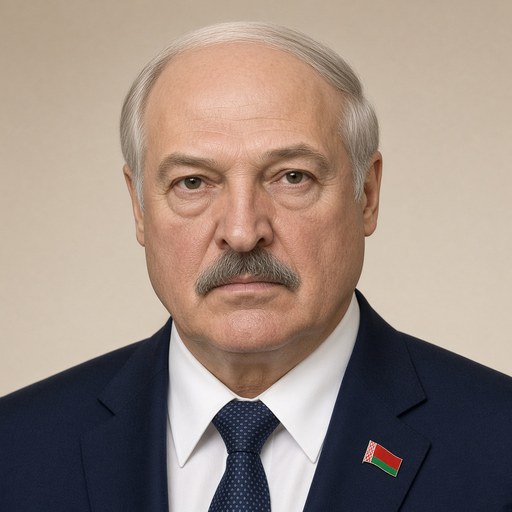
 Alexander Lukashenko · President of Belarus
- Context
- Lukashenko addressed a solemn assembly in Minsk on July 3, 2009, marking the 65th anniversary of Belarus's liberation from Nazi occupation and the country's Independence Day.
- Main themes
- 65th anniversary of liberation from Nazi occupation, Great Patriotic War commemoration, Belarusian national resilience and patriotism, partisan resistance, wartime losses and sacrifice, Independence Day of Belarus, post-war revival and sovereignty, lessons of history, peace and prosperity
- Duration
- ~24 min
- Words
- 2,861
- Sentences
- 175
- Readability
- 46
- Grade
- 10.9
- Syntax
- 2.77
- Vocabulary
- 2.32
Translated from Russian
The broad sphere of national life a sentence belongs to. Every sentence has an Arena, so it is the denominator the other indices are read against.
Other175 sentences in 84 paragraphs
Dear compatriots! Esteemed foreign guests!
In these July days, we celebrate the 65th anniversary of the liberation of Belarus from the German-fascist invaders. With heartfelt trepidation, we once again return to the tragic and heroic pages of the Great Patriotic War. We analyze its moral and political lessons. We seek real answers in history to the challenges of modernity.
What does this date mean for each of us?
First and foremost, it is a historical sanctity and a great holiday. A symbol of the triumph of life over death, freedom over slavery, good over evil.
It creates the ideological and moral foundation upon which we build our sovereign state. After all, every nation has significant events that remain forever in its memory, nurturing feelings of pride and national dignity.
It was the struggle for liberation from fascism that acquired fateful significance for the Belarusian people. It forged the best traits of our national character - patriotism, love of freedom, faith, and optimism, which helped and continue to help overcome any difficulties.
Understanding this, our people determined at the republican referendum that July 3 would be the main state holiday - Independence Day of the Republic of Belarus.
This historical date is an occasion for us to remember that literally the entire country was turned into ruins by the fascist aggressors. More than two hundred cities and district centers were destroyed. Almost ten thousand villages and settlements were annihilated, hundreds of them burned along with their inhabitants. Where today's festive Minsk stands, there were only a few half-destroyed buildings.
The occupiers set up a terrible conveyor of death on Belarusian soil, creating 260 concentration camps and 110 ghettos. They conducted over 140 punitive operations against partisans and the civilian population.
This is a reason to remember the enormous and irreparable losses that the people of Belarus suffered during the war. They are still felt today, as the tragedy touched nearly every family. In the fire of war, the lives of every third compatriot were lost.
There could have been 30 million of us. The fertile Belarusian land would have fed them all. But for more than half a century, we have not been able to make up for the human losses we suffered.
We are only now approaching a point where the population is not decreasing, but growing.
Today, as we celebrate, we pay tribute to the memory of all those who perished - the hero-liberators and the innocent victims of this bloody slaughter.
And finally, this is a reason to remember that the Belarusian people were not broken or subdued.
The fascist troops could not be stopped by the powerful French Maginot Line, the deep Dutch canals, or the high Greek mountains. Belarusian forests, swamps, and plains brought death to the invaders.
The enemy was fought in every corner of the country. Belarusian cities and towns turned into defensive strongholds. The garrison of the Brest Fortress and the border guards near Grodno displayed miracles of courage and heroism. Soviet troops, with the support of the local population, resisted the enemy to the last under Bobruisk, Zhlobin, Rogachev, Gomel, Vitebsk, and Orsha.
Mogilev became an example of nationwide struggle. 40,000 residents built defensive lines around their hometown. For 23 days, they desperately resisted the enemy ring that was tightening around them. And some European capitals surrendered to the invaders without a single shot.
Occupied but unconquered Belarus demonstrated an unprecedented phenomenon of nationwide resistance to the aggressor.
Everyone rose up against the enemy - from the young to the old, regardless of gender, nationality, or faith. According to authoritative foreign military sources, Belarusian partisans and underground fighters inflicted greater damage on the Nazis during World War II than the Allied forces in Europe. Such a powerful patriotic surge was not seen in any of the countries occupied by the fascists.
The memory of the suffering endured by the people, their courage and resilience still gives us wisdom and understanding of the world today. It suggests how to overcome difficulties, learn lessons from complex situations, and ultimately - to win.
Dear friends! 65 years is but a moment in history. But for us, it represents the arduous years of post-war revival of the republic, the restoration of its economic and human potential, the attainment of independence, and a worthy place in the world community. Millions of people, united by a common desire to make life better, performed equally significant feats on the labor front.
Thank God, the creators of this Great Military and Labor Victory are still alive, and they can tell us about that harsh and heroic time.
We need this. Because our task as descendants and heirs of the generation of victors is to learn lessons from history. To ensure that such a tragedy never happens again, so that the country lives in peace and prosperity.
Reflecting today on this great historical date, which marked the beginning of our true independence, I would like to share with you some thoughts. Perhaps they go beyond the usual festive speeches, but we cannot preserve the state if we do not firmly grasp the commandments of history.
The most important of these is that the greatness and resilience of a people are determined not by material resources, but by their spirit and unity.
It is precisely because of this that Belarusians have endured the most severe trials of wartime. They survived the Chernobyl disaster, the geopolitical tragedy of the collapse of the USSR. They chose and defended their own path of development, unafraid of sanctions, political and economic pressure from superpowers and some international organizations. Not succumbing to the panic of the global crisis, they are pragmatically overcoming its negative consequences.
All this does not happen by itself. Belarusians have convincingly shown the world that we are a united, cohesive family that can tackle any problems.
Of course, it would be presumptuous to say that we have no difficulties.
Today, Belarusians are facing great challenges in this externally imposed crisis. However, thanks to the anti-crisis state policy, we have not closed a single domestic enterprise. Even if on a small scale, we are managing to ensure growth in gross domestic product. And this is against the backdrop of a sharp decline in many countries around the world.
People are keeping their jobs, and we are trying to maintain unemployment at pre-crisis levels. Electricity and heat are supplied uninterruptedly to homes and apartments. The state is honestly fulfilling all its obligations to young and large families, and socially vulnerable citizens.
The second equally important lesson bequeathed to us is the necessity of preserving historical memory. The invaluable experience of the Great Victory is the spiritual foundation for the education of citizens.
Unfortunately, today there are many who wish to distort the events of World War II and thereby steal the Great Victory and undermine the moral foundation of our people. The most abominable sacrilege is the thesis that on the territory of Belarus there was allegedly not a nationwide liberation struggle, but a civil war between the defenders of Soviet power and the proponents of a "new European order."
Such false claims will never find support on the long-suffering Belarusian land. We will resist attempts to discredit the Great Victory and distort the heroic chronicle of our country.
Fortunately, we do not need to create special commissions to preserve historical memory. Because we never allowed anyone to raise a hand against our Victory, against a veteran with medals, against a person in military uniform.
Today, Belarus is the only country in the post-Soviet space where schools, secondary specialized, and higher educational institutions teach a course on the "Great Patriotic War." This fact speaks for itself.
Tens of thousands of pioneers and members of the Belarusian Republican Youth Union voluntarily help veterans, maintain order at memorials and military burial sites, and participate in patriotic events.
The new generation of Belarusians has an active civic stance and is capable of giving a decisive rebuff to the propagandists of neo-Nazi and racist views. We will never reconcile ourselves to the fact that somewhere in neighboring countries, fascist collaborators are honored as heroes. This is an indelible disgrace for any nation.
Respect for the past of the Fatherland, an unbreakable bond and continuity of generations - these are the traditional foundations on which the stability and well-being of Belarus have rested and continue to rest.
To immortalize the feat of the defenders of our country, on the eve of the Liberation holiday, twenty-two settlements were awarded the banner "For Courage and Resilience during the Great Patriotic War" for the first time.
Dear comrades! It is unlikely that anyone sitting in the hall will have a problem answering the question: why did the Soviet Union withstand the blow and defeat the superior forces of the aggressor? Because the USSR was a true union of republics, based on the principles of the closest unity, equality, interaction, and mutual assistance of fraternal peoples.
Today, fully supporting and developing integration processes in the post-Soviet space, we must clearly understand that it is not artificial formations that will bring our fraternal peoples closer and ensure their well-being. Concrete steps in economic, political, social, and other spheres will lead to this noble goal. Steps that must be cemented by the real political will of the leadership of the respective states. This experience we also derived from reflecting on our past.
Independent Belarus will be the most active participant in those unions that are based on mutual respect, equal, sincere relationships, and unity of goals. But under no circumstances on dictate, monopoly, or blackmail.
And this applies to all international and regional associations, whether it be the UN, the European Union, the Council of Europe, the CIS, or other structures.
From our historical past flows another lesson, the understanding of which depends on the fate of the country. Belarus has often become an arena for wars and conflicts between different states. Hordes of invaders came from the West and the East. And our land sometimes became a bargaining chip in geopolitical disputes.
We do not want this to happen in the future!
Belarus is located in the geographical center of Europe. And that says it all. It is our destiny to be a connecting bridge between East and West.
We are alien to any conjuncture, the desire to befriend someone against someone else, to speculate on interstate contradictions. Therefore, we cooperate with our traditional partners, but we extend a hand to those who want to see us as good and sincere friends.
This is reflected in our relationships with China, India, the countries of Central Asia, the Middle East, Africa, and Latin America.
The open nature of our country, its economy, history, and culture require, above all, close and balanced interaction with all neighbors.
I have repeatedly said that neighbors are not chosen; they are given to us by God. And we must live with them in peace and harmony. I emphasize: with all neighbors!
Russia is our strategic partner, and we will strive to develop genuinely allied relations with it. Genuinely allied, equal relations! Placing them above "sugar," "dairy," and other petty disputes.
Pragmatic cooperation with the countries of the European Union is also developing further.
Over the past few decades, Europe has managed to concentrate colossal financial, production, and intellectual resources. And this has happened largely because the period of the Cold War was replaced by accelerated and large-scale unification. However, this positive process also has a downside.
Perhaps some of our European partners will not like what I am about to say, but at least it will be honest and sincere on my part.
Unfortunately, in this new, united Europe, the desire to understand other peoples, their national characteristics, cultures, and established state traditions has been lost in the pursuit of geographical expansion. Today, they think more about some formal frameworks of the process than about its content.
Often, our country is assessed by those who cannot even locate it on a map. Not to mention that they are completely unaware of the suffering Belarus endured during World War II and the consequences of the Chernobyl disaster that we still feel.
One cannot treat other peoples and states with arrogance and believe that only a unified European path of development is correct, while others are inferior.
Peoples are different, and their paths should be different. But this should not be made into a problem or force everyone into one mold. History knows the futility and danger of such aspirations.
Let us remember that the fascist regime in Germany was established through democratic procedures, through freedom of speech and rallies. But if that society had had immunity against such developments, there would have been no occupation of Paris, no barbaric bombings of London. There would have been no Auschwitz, Buchenwald, or Trostenets. This means that there are things more important than the formal observance of abstract democratic principles. That is - human life.
Today, for all Europeans, the main things should be understanding common goals and tasks, striving to move towards their achievement.
It becomes evident that Belarus should not copy the Western political system.
A more productive path to a common European home is joint participation in preventing new challenges and threats of the times. In solving global financial and economic problems, in the fight against terrorism, drug trafficking, human trafficking, and a whole range of other issues that directly affect the interests of millions and millions of people. And squabbles over whose parliament is better, where there is more democracy and human rights - this is a path to nowhere, a dead end.
Confrontation will bring no benefit to anyone. It will only jeopardize the possibility of creating a just world order.
It is encouraging that recently stereotypes of biased attitudes towards Belarus are beginning to crumble in the European Union. There is an understanding that our country is an integral part of Europe, and it has its own voice. I sincerely hope that these positive trends will find further development.
And one more thought about historical lessons. A lot has been said in recent years about globalization. It is said that it will bring equal opportunities for dynamic development to all countries, and to peoples - the benefits of Western civilization.
And what do we actually have?
The poor have become even poorer, while the rich have remained as wealthy as they were. No transnational corporations have brought happiness and prosperity to the global community. For each of them, the main concern has been the private interest of preserving their profits, not the fate of people who have become unemployed.
It is precisely globalization that has spawned a chain reaction, plunging all countries into a global crisis.
The recently fashionable global anti-crisis summits only confirm the falseness of the pompous statements about existing global solidarity. While calling on each other to unite efforts and jointly overcome the crisis in words, in reality, everyone has rushed to erect interstate barriers and declare trade wars.
An analysis of these realities convinces us of the correctness of the principle we have chosen - to rely only on our own strength, rather than hope for someone from the outside.
The formula of Belarusian sovereignty consists of two equal concepts - responsibility and freedom.
On this basis, we have been able to build a strong state, ensure a decent standard of living for the population, and maintain public peace and harmony. We have established ourselves as a reliable and decent international partner.
And the turmoil we are experiencing now, we will overcome. I am firmly convinced of this.
Dear veterans!
Modern Belarus is in an unpayable debt to you for saving the world from the brown plague, restoring our country, and giving life to the present and future generations. On this bright holiday, we promise you that we will preserve the most precious legacy of the Great Victory - our free and independent Belarus.
We will do everything to ensure that Belarus is a prosperous state. That our society serves as a model of civil peace and tranquility, where there is no place for social, national, and religious strife. That in the future, veterans of the Great Patriotic War and all elderly people will be treated with respect and attention, and can count on the help of the state in solving their problems.
A low bow and gratitude to you, dear veterans, for all that you have done for us. Live as long and happily as possible.
Dear friends!
We have a great holiday. In difficult times, but a great holiday. And we have firmly decided to celebrate it as befits the Slavic branch of nations.
And I wholeheartedly congratulate you on the 65th anniversary of Liberation and Independence Day of Belarus.
A huge thank you to foreign veterans who fought for Belarus, to foreign friends and partners who celebrate this great holiday with us.
May these celebrations enter the modern history of the country as a symbol of national unity, the rise of patriotic spirit, and the cohesion of citizens.
Wishing you good health, new labor achievements, happiness, and family well-being.
Happy holiday, dear friends!
The original Russian. The tags above are read on the English translation's sentences.
Дорогие соотечественники! Уважаемые зарубежные гости!
В эти июльские дни мы отмечаем 65-летие освобождения Беларуси от немецко-фашистских захватчиков. И с душевным трепетом вновь и вновь возвращаемся к трагическим и героическим страницам Великой Отечественной войны. Анализируем ее нравственные и политические уроки. Ищем в истории реальные ответы на вызовы современности.
Что значит для каждого из нас эта дата?
Прежде всего, это историческая святыня и великий праздник. Символ торжества жизни над смертью, свободы над рабством, добра над злом.
Она создает тот мировоззренческий и нравственный фундамент, на котором мы строим свое суверенное государство. Ведь у каждого народа есть знаменательные события, которые навеки остаются в его памяти, питают чувства гордости и национального достоинства.
Именно борьба за освобождение от фашизма приобрела судьбоносное значение для белорусского народа. Выковала лучшие черты национального характера - патриотизм, свободолюбие, веру и оптимизм, которые помогали и помогают преодолевать любые трудности.
Понимая это, наш народ на республиканском референдуме определил 3 июля главным государственным праздником - Днем Независимости Республики Беларусь.
Эта историческая дата - повод для нас вспомнить о том, что буквально вся страна была превращена фашистскими агрессорами в руины. Были разрушены более двухсот городов и районных центров. Уничтожены почти десять тысяч деревень и посёлков, сотни из них сожжены вместе с людьми. На месте сегодняшнего праздничного Минска стояло лишь несколько полуразрушенных зданий.
Оккупанты устроили на белорусской земле страшный конвейер смерти, создав 260 концентрационных лагерей и 110 гетто. Провели свыше 140 карательных операций против партизан и мирного населения.
Это - повод вспомнить о тех огромных и невосполнимых потерях, которые понес народ Беларуси за время войны. Они ощутимы до сих пор, ведь трагедия коснулась практически каждой семьи. В пожаре войны сгорела жизнь каждого третьего нашего земляка.
Нас могло бы быть 30 миллионов. Благодатная белорусская земля прокормила бы всех. Но на протяжении более полувека нам не удается восполнить понесенные людские потери.
Мы только сейчас подходим к тому, чтобы численность населения не сокращалась, а росла.
Сегодня, отмечая праздник, мы отдаем дань памяти всем погибшим - героям-освободителям и невинным жертвам этой кровавой бойни.
И, наконец, это повод вспомнить о том, что белорусский народ не был сломлен и покорен.
Фашистские войска не смогли задержать ни мощная французская линия Мажино, ни глубокие голландские каналы, ни высокие греческие горы. Смерть захватчикам несли белорусские леса, болота и равнины.
С врагом сражались во всех уголках страны. Белорусские города и поселки превратились в рубежи обороны. Чудеса мужества и героизма проявили гарнизон Брестской крепости и бойцы погранотряда под Гродно. Советские войска при поддержке местного населения до последнего противостояли врагу под Бобруйском, Жлобином, Рогачевом, Гомелем, Витебском и Оршей.
Примером всенародной борьбы стал Могилев. 40 тысяч жителей возводили оборонительные рубежи вокруг родного города. 23 дня отчаянно сопротивлялись сжимавшемуся вокруг них вражескому кольцу. А ведь некоторые европейские столицы сдавались захватчикам без единого выстрела.
Оккупированная, но непокоренная Беларусь явила собой невиданный в мире феномен всенародного сопротивления агрессору.
На борьбу с врагом поднялись все - от мала до велика, независимо от пола, национальности и вероисповедания. По данным авторитетных зарубежных военных источников, белорусские партизаны и подпольщики за время Второй мировой войны нанесли гитлеровцам больший урон, чем союзнические войска в Европе. Такого мощного патриотического порыва не было ни в одном из захваченных фашистами государств.
Память о пережитых народом страданиях, его мужестве и стойкости и сегодня придает нам мудрости и миропонимания. Она подсказывает, как преодолевать трудности, извлекать уроки из сложных ситуаций. И в итоге - побеждать.
Дорогие друзья! 65 лет для истории – это один миг. Но для нас это тяжелейшие годы послевоенного возрождения республики, восстановления ее экономического и человеческого потенциала, обретения независимости и достойного места в мировом сообществе. Миллионы людей, объединенных общим стремлением сделать жизнь лучше, совершали не менее значимые подвиги на трудовом фронте.
Слава Богу, живы еще творцы этой Великой воинской и трудовой Победы, которые могут поведать о том суровом и героическом времени.
Нам это необходимо. Потому что наша задача как потомков и наследников поколения победителей - извлечь уроки из истории. Сделать так, чтобы трагедия больше не повторилась, чтобы страна жила в мире и благополучии.
Осмысливая сегодня эту великую историческую дату, которая дала отсчет нашей подлинной независимости, я хотел бы поделиться с вами некоторыми размышлениями. Возможно, они выходят за рамки общепринятых праздничных речей, но мы не сможем сберечь государство, если твердо не усвоим заповеди истории.
Самая главная из них состоит в том, что величие и стойкость народа определяются не материальными ресурсами, а его силой духа и сплоченностью.
Именно благодаря этому белорусы достойно выдержали тяжелейшие испытания военного лихолетья. Пережили чернобыльскую катастрофу, геополитическую трагедию развала СССР. Избрали и отстояли собственный путь развития, не испугавшись санкций, политического и экономического давления со стороны сверхдержав и некоторых международных организаций. Не поддавшись панике глобального кризиса, по-деловому преодолевают его негативные последствия.
Все это не происходит само по себе. Белорусы убедительно показали миру, что мы - единая сплоченная семья, которая сможет справиться с любыми проблемами.
Конечно, было бы самонадеянно говорить о том, что у нас нет никаких трудностей.
Сегодня белорусам в этом навязанном извне кризисе приходится очень непросто. Однако благодаря антикризисной государственной политике ни одно отечественное предприятие мы не закрыли. Пусть и в небольшом размере, но нам удается обеспечивать прирост валового внутреннего продукта. И это на фоне его резкого снижения во многих странах мира.
Люди сохраняют рабочие места, мы пытаемся удерживать безработицу на докризисном уровне. В дома и квартиры бесперебойно поступают свет и тепло. Государство честно выполняет все обязательства перед молодыми и многодетными семьями, социально незащищенными гражданами.
Второй не менее важный завещанный нам урок - это необходимость сохранения исторической памяти. Бесценный опыт Великой Победы - духовная основа воспитания граждан.
К сожалению, сегодня находится немало желающих извратить события Второй мировой войны и тем самым украсть Великую Победу и выбить нравственную основу у нашего народа. Самое отвратительное кощунство - это тезис о том, что на территории Беларуси якобы имела место не всенародная освободительная борьба, а гражданская война между защитниками советской власти и поборниками "нового европейского порядка".
Подобные лживые утверждения никогда не найдут поддержки на многострадальной белорусской земле. Мы будем противостоять попыткам опорочить Великую Победу и исказить героическую летопись нашей страны.
Нам, к счастью, не нужно создавать специальных комиссий по сохранению исторической памяти. Потому что мы никому в свое время не позволили поднять руку на нашу Победу, на ветерана с орденскими планками, на человека в военной форме.
Беларусь сегодня является единственной страной на постсоветском пространстве, где в школах, средних специальных и высших учебных заведениях изучается курс "Великая Отечественная война". Уже один этот факт говорит сам за себя.
Десятки тысяч пионеров и членов Белорусского республиканского союза молодежи по доброй воле помогают ветеранам, поддерживают порядок на мемориалах и в местах воинских захоронений, участвуют в патриотических акциях.
Новое поколение белорусов имеет активную гражданскую позицию и способно дать решительный отпор пропагандистам неонацистских и расистских взглядов. Мы никогда не смиримся с тем, что где-то в соседних странах чествуют фашистских пособников как героев. Это несмываемый позор для любой нации.
Уважение к прошлому Отечества, неразрывная связь и преемственность поколений - вот те традиционные устои, на которых держались и держатся стабильность и благополучие Беларуси.
Чтобы увековечить подвиг защитников нашей страны, в канун праздника Освобождения двадцать два населенных пункта были впервые награждены вымпелом "За мужество и стойкость в годы Великой Отечественной войны".
Уважаемые товарищи! Вряд ли у кого-либо из сидящих в зале возникнет проблема с ответом на вопрос: почему Советский Союз выдержал удар и победил превосходящие силы агрессора? Потому что СССР был подлинным объединением республик, основанным на принципах теснейшего единства, равенства, взаимодействия и взаимопомощи братских народов.
Сегодня, всецело поддерживая и развивая интеграционные процессы на постсоветском пространстве, мы должны отчетливо осознавать, что не искусственные образования смогут сблизить наши братские народы и обеспечить их благополучие. К этой благородной цели приведут конкретные шаги в экономической, политической, социальной и других сферах. Шаги, которые должны быть сцементированы реальной политической волей руководства соответствующих государств. Этот опыт мы тоже извлекли из осмысления нашего прошлого.
Независимая Беларусь будет самым активным участником тех союзов, которые основываются на взаимоуважении, равноправных, искренних отношениях, единстве целей. Но ни в коем случае не на диктате, монополизме или шантаже.
И это касается всех международных и региональных объединений, будь то ООН, Евросоюз, Совет Европы, СНГ или иные структуры.
Из нашего исторического прошлого вытекает еще один урок, от усвоения которого зависит судьба страны. Беларусь очень часто превращалась в арену войн и конфликтов разных государств. Полчища захватчиков приходили то с Запада, то с Востока. И наша земля иногда становилась разменной монетой в геополитических спорах.
Мы не хотим, чтобы так было впредь!
Беларусь находится в географическом центре Европы. И этим все сказано. Нам самой судьбой начертано быть связующим мостом между Востоком и Западом.
Для нас чужды любая конъюнктура, желание дружить с кем-то против кого-то, спекулировать на межгосударственных противоречиях. Поэтому мы сотрудничаем с нашими традиционными партнерами, но протягиваем руку и тем, кто хочет видеть в нас добрых и искренних друзей.
Об этом говорят наши взаимоотношения с Китаем, Индией, государствами Средней Азии, Ближнего Востока, Африки и Латинской Америки.
Открытый характер нашей страны, ее экономика, история и культура требуют, прежде всего, тесного и сбалансированного взаимодействия со всеми соседями.
Я неоднократно говорил, что соседей не выбирают, они даны нам от Бога. И нам надо жить с ними в мире и согласии. Подчеркну: со всеми соседями!
Россия - наш стратегический партнер, и мы будем стремиться к развитию подлинно союзнических отношений с ней. Подлинно союзнических равноправных отношений! Ставя их выше "сахарных", "молочных" и тому подобных мелочных споров.
Дальнейшее развитие получает прагматичное сотрудничество с государствами Евросоюза.
За последние несколько десятилетий Европа смогла сконцентрировать колоссальные финансовые, производственные и интеллектуальные ресурсы. И это произошло во многом благодаря тому, что период холодной войны сменился ускоренным и масштабным объединением. Однако этот положительный по своей сути процесс имеет и оборотную сторону.
Возможно, кому-то из наших европейских партнеров не понравится то, что я сейчас скажу, но, по крайней мере, это будет честно и искренне с моей стороны.
К сожалению, в этой новой, объединенной Европе в погоне за географическим расширением стало утрачиваться желание понимать другие народы, их национальные особенности, культуры и сложившиеся государственные традиции. Сегодня там думают больше о каких-то формальных рамках процесса, чем о его содержании.
Часто оценку нашей стране дают те, кто даже не может показать ее на карте. Не говоря уже о том, что они совершенно не знают о тех страданиях, которые пережила Беларусь во время Второй мировой войны, какие последствия чернобыльской аварии мы ощущаем до сих пор.
Нельзя надменно относиться к другим народам и государствам и считать, что только унифицированный европейский путь развития правильный, а остальные - ущербные.
Народы разные, и пути у них должны быть разные. Но из этого не надо делать проблему и подгонять всех под один шаблон. История знает бесперспективность и опасность таких устремлений.
Вспомним, что режим фашизма в Германии устанавливался через демократические процедуры, через свободу слова и митингов. Но если бы у того общества был иммунитет против такого развития событий, то не было бы оккупации Парижа, варварских бомбардировок Лондона. Не было бы Освенцима, Бухенвальда, Тростенца. Значит, есть вещи более важные, чем формальное соблюдение абстрактных демократических принципов. Это - человеческая жизнь.
Сегодня для всех европейцев главными должны быть понимание общих целей и задач, стремление двигаться к их достижению.
Очевидным становится, что Беларусь не должна копировать западную политическую систему.
Более продуктивный путь в общий европейский дом - совместное участие в упреждении новых вызовов и угроз времени. В решении мировых финансово-экономических проблем, в борьбе с терроризмом, наркотрафиком, торговлей людьми и в целом ряде других вопросов, которые самым непосредственным образом затрагивают интересы миллионов и миллионов людей. А перепалки по поводу, чей парламент лучше, где больше демократии и прав человека, - это путь в никуда, в тупик.
Конфронтация никому пользы не принесет. Она лишь поставит под угрозу возможность создания справедливого миропорядка.
Радует, что в последнее время в Евросоюзе начинают рушиться стереотипы предвзятого отношения к Беларуси. Приходит понимание, что наша страна является неотъемлемой частью Европы, причем с собственным голосом. Искренне надеюсь, что эти положительные тенденции найдут свое дальнейшее развитие.
И еще одна мысль об исторических уроках. Много в последние годы говорится о глобализации. Мол, она принесет всем странам равные возможности для динамичного развития, а народам - блага западной цивилизации.
И что мы имеем в действительности?
Бедные стали еще беднее, а богатые как были богатыми, так и остались. Никакие транснациональные корпорации не привнесли в мировое сообщество счастье и благополучие. У каждой из них главным оказался частный интерес сохранения своей прибыли, а не судьбы людей, ставших безработными.
Именно глобализм породил цепную реакцию, ввергающую все страны в мировой кризис.
Вошедшие в последнее время в моду мировые антикризисные саммиты лишь подтверждают фальшивость пафосных заявлений о существующей глобальной солидарности. На словах призывая друг друга объединять усилия и совместно преодолевать кризис, на деле все бросились возводить межгосударственные барьеры и объявлять торговые войны.
Анализ этих реалий убеждает в правильности избранного нами принципа -опираться надо только на свои силы, а не надеяться на кого-то со стороны.
Формула суверенитета Беларуси складывается из двух равнозначных понятий - ответственности и свободы.
На их основе мы смогли построить сильное государство, обеспечить достойный уровень жизни населения, сохранить общественный мир и согласие. Зарекомендовать себя надежным и порядочным международным партнером.
И то лихолетье, которое мы переживаем сейчас, мы преодолеем. Я в этом твердо убежден.
Дорогие ветераны!
Современная Беларусь находится в неоплатном долгу перед вами за то, что вы спасли мир от коричневой чумы, восстановили нашу страну, подарили жизнь нынешнему и грядущим поколениям. В этот светлый праздник мы обещаем вам, что сбережем самое драгоценное наследие Великой Победы - нашу свободную и независимую Беларусь. (Аплодисменты).
Сделаем все, чтобы Беларусь была процветающим государством. Чтобы наше общество служило образцом гражданского мира и спокойствия, где нет места социальным, национальным и религиозным распрям. Чтобы и впредь ветераны Великой Отечественной, все пожилые люди пользовались почетом и вниманием, могли рассчитывать на помощь государства в решении своих проблем.
Низкий вам, уважаемые ветераны, поклон и благодарность за все, что вы сделали для нас. Живите как можно дольше и счастливо. (Аплодисменты).
Дорогие друзья!
Большой у нас праздник. В непростое время, но большой праздник. И мы твёрдо приняли решение отметить его, как подобает славянской ветви народов.
И я от всего сердца поздравляю вас с 65-летием Освобождения и Днем Независимости Беларуси.
Огромное спасибо иностранным ветеранам, сражавшимся за Беларусь, зарубежным друзьям и партнерам, которые вместе с нами встречают великий праздник.
Пусть эти торжества войдут в новейшую историю страны как символ народного единства, подъема патриотического духа и сплоченности граждан.
Крепкого вам здоровья, новых трудовых достижений, счастья и семейного благополучия.
С праздником, дорогие друзья! (Аплодисменты).