




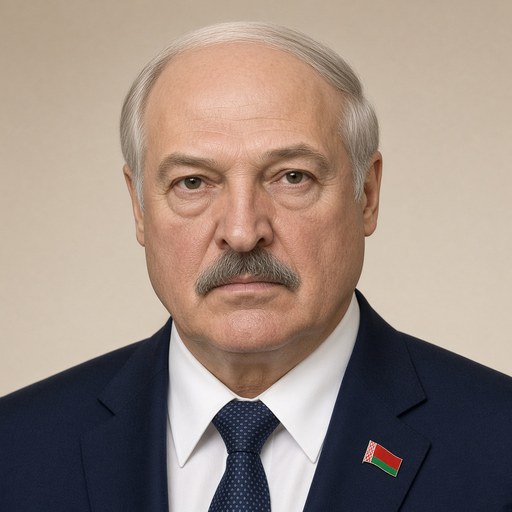
Speech by the President of the Republic of Belarus A.G. Lukashenko "Foreign Policy of the Republic of Belarus in the New World" at a meeting with the heads of foreign institutions of the Republic of Belarus.
 Alexander Lukashenko · President of Belarus
- Context
- Lukashenko addressed heads of Belarusian foreign diplomatic missions in July 2004 to outline the country's foreign policy strategy in a changing world.
- Main themes
- Belarusian foreign policy strategy, national economic achievements, state development and statehood, geopolitical positioning, CIS comparisons, diplomatic corps guidance, sovereignty and self-reliance, global change adaptation, European integration context, industrial and technological capacity
- Duration
- ~86 min
- Words
- 10,378
- Sentences
- 626
- Readability
- 50
- Grade
- 10.4
- Syntax
- 2.77
- Vocabulary
- 2.11
Translated from Russian
The broad sphere of national life a sentence belongs to. Every sentence has an Arena, so it is the denominator the other indices are read against.
Other626 sentences in 6 paragraphs
Dear comrades! The world is not standing still. Global processes are changing, as is their nature and content. Serious changes are occurring in the countries surrounding Belarus. There are many changes in our country as well. The foreign policy of the state, its strategy and tactics cannot help but respond to these changes. The time has come to think more deeply about the foreign policy of our country in a changing world. A new stage in the development of statehood The viability of a state in international relations is determined by its "internal health." A strong, hardworking country will achieve a worthy position in the world community, no matter how much it is hindered. Given this, it makes sense to start with an assessment of what our state represents today. As they say, what is it worth? The Republic of Belarus has entered a new stage of its statehood. Behind us are not only more than ten years of independence. The confusion of the early years, the disarray in minds, the dramatic shifts in expectations — from the euphoria of gained independence to the despair of the economic and social crisis of the first half of the 1990s — are also behind us. Belarus has found its path of development. Successful and effective. By 2001, we not only restored the pre-crisis level of gross domestic product, incidentally, the first in the CIS, but we are also moving forward at a rapid pace. More than 10 percent growth in gross domestic product in the first half of the year is more than serious. And this is not a one-time surge. We consistently and steadily deliver high growth results: since 1996, Belarus has outpaced all CIS countries in average annual GDP growth. We earn all this with our own hands and minds. And this is our, I dare say, strategic advantage. Ours — with our minds, heads, and hands, not from resources that are from God in the ground. The labor of Belarusians has begun to bear fruit. Data from the World Bank indicates that, in terms of purchasing power parity per capita, Belarus is ahead of all CIS countries and surpasses some candidate countries for the European Union. Curious assessments have already appeared abroad: the Belarusian economy is mentioned among the "young tigers" of Europe. And yet, starting from 1995 and until quite recently, we were consistently predicted "economic collapse" every year. Well, as they say, you count the chickens in the fall. Moreover, many of you, to be frank, actively subscribed to this point of view and believed that we were going the wrong way, that everything should have been divided, distributed, privatized, "grabbed," and that we should have simply observed how this divided economy would develop in conditions of competition. It was very difficult to resist this point of view. Today, practically no one in our state, and few remain among diplomats, supports the viewpoint that prevailed even 3–5 years ago. But there are still some. Well, that is their point of view. We will try to convince them with the results of our activities. But I would like them, as public servants, not to view and consider from the sidelines with skepticism, but to strive to work themselves. We will work with those and convince them. Those who will simply observe today, doing nothing — we will part ways with them. Today we can say: we know our worth. The years gone by and their results indicate that the Belarusian state is emerging from the age of uncertain youth and entering a period of mature development. This is directly reflected in our foreign policy: our reaction to external challenges is becoming calmer, wiser, and more confident. Foreign policy from the standpoint of dignity In assessing our state’s foreign policy resource and our tasks, we must first correctly represent our country’s place on the continent and in the world. As is now fashionable to say, we must correctly "position" ourselves. Belarus, by population and territory, is not small, as is often mistakenly believed; it is a medium-sized country by European standards. At least, for our population, we have plenty of land, there is room to expand. A country with a developed economy, based not on the extraction and sale of raw materials, but on the processing of raw materials and the production of finished products. Belarus accounts for 30 percent of the world’s output of heavy-duty trucks, 6 percent of tractors, and a significant share of a certain type of microprocessors. A country with a highly developed scientific and technical potential, "sharpened" for important technologies for the modern world: computer, information, laser, optical, complex systems management, and others. Our economy is extremely open. About 60 percent of gross domestic product is exported. This indicator is characteristic of European countries with a very high level of economic development. Belarus is located at a highly sensitive geopolitical crossroads. Objectively, this is a blessing for the state and the people: we are at the crossroads of trade and transit routes. And finally, Belarus is a country with a significant military potential. In the global list of military potentials, we are among the top fifty states. Let no one misunderstand me: I am not rattling weapons. A convincing military force is necessary for us to feel secure. Unfortunately, the recent history of both Europe and other regions of the world shows: the weak are not taken into account. They are simply sometimes not noticed. At best. The sum of these qualities of Belarus leads to certain conclusions. First. The lamentations about the "isolation" of our country are a complex of inferiority of the faint-hearted. This is a misunderstanding of the openness of our economy. This is a misunderstanding of our country and its, without exaggeration, great people. Second. The foreign policy of a country like ours must be a foreign policy from the standpoint of dignity, self-respect, and a realistic assessment of its capabilities and interests. Independence — the foundation of national consensus The foundation of such a foreign policy is state sovereignty and independence. How many discussions and forecasts — from the right and the left, from the West and the East — have we heard all these years, starting from 1991 to the present, about how Belarus will soon disappear from the political map of the world. Do these people not see the realities? I want to say today directly and confidently: Belarus exists and will remain independent in Europe and the world. Sovereignty and independence are not a bargaining chip for us, but a sacred, enduring value. It does not belong to the President or the Government. It belongs to the people and the state. And we must be worthy of this value. We will — regardless of our political disagreements and even confrontations, the colors of the electoral spectrum — strengthen the sovereignty, independence, and strength of our Fatherland. We will be worthy citizens of a worthy country. Addressing our dissenters, the so-called "opposition," I want to say — do not humiliate yourselves by slandering your country and your people. Do not crawl to the capitals, begging foreign "uncles" to impose sanctions against Belarus. Nowhere and no one in the world has respected, respects, or will respect people who behave in this way. They will simply be used as certain objects. Which, by the way, is already happening. I want to emphasize another point — the new reality that in Belarus, in the second decade of independent existence, a national consensus is forming around the basic values of the state. The young generation, whose entire conscious life takes place in independent Belarus, and the veterans with whom we recently celebrated the great date of the 60th anniversary of the liberation of the country from fascist invaders, people of different nationalities and political beliefs — all are for the strengthening, development, and prosperity of a strong and independent country. In this lies the guarantee of social and political stability and a confident future for our Motherland. The factors determining Belarus's position in the modern world that I have outlined are essentially the main directions of foreign policy. The economy — the main factor of foreign policy In the modern world, it is the economy that determines the authority, status, and role of states — even more than the possession of nuclear or other types of weapons of mass destruction. The foundation of Belarus's vitality is, of course, the economy. I apologize for the paradox, but the main weakness of this strength of ours is the external vulnerability of the economy. Let me clarify right away: any open economy — and ours is, as we have already said, extremely open — is vulnerable to external factors. It is impossible to completely eliminate vulnerability (here, there is acute competition and price fluctuations). However, it is possible and necessary to achieve a more optimal balance of vulnerability factors. Therefore, the main strategic task of the country is to reduce the vulnerability of our economy and the foreign policy risks that directly stem from this. This is a challenging task, but it is achievable. We have all the necessary prerequisites for this, including the geopolitical position of Belarus. The main pain points are obvious. First and foremost, energy. This is raw materials. This is the markets for the sale of products. Achieving the goals of eliminating energy, raw material dependence, and dependence on a single market for sales immediately and completely is, of course, impossible. However, it is necessary to urgently embark on a strategic course towards the gradual, consistent, and, most importantly, systematic achievement of these goals. This is fundamentally important, it is vital. And this is a serious task for the Government. The process of reducing and minimizing vulnerability must begin immediately. The Government must prepare specific, thoroughly thought-out long-term action plans in each of these areas. It is necessary to professionally develop a line for the consistent minimization of each vulnerability factor to an acceptable level and begin its implementation. Energy security — the main factor of economic security I have set the task for the Government to ensure, in the near future, the diversification of energy sources by 25 percent. There are three main paths that need to be explored and utilized. First, to find promising new sources and routes for energy supply. For this purpose, a specific medium-term plan from the Government is necessary. Today we must look not only to tomorrow but also to the day after tomorrow. What is expensive now may be acceptable and even profitable tomorrow. Second, we must place a serious emphasis on alternative types of energy (primarily local fuels) and the development of high-tech usage of them. Why can’t we achieve the use of bioenergy that is already successfully applied in Ireland, Sweden, Finland, and Germany? It is necessary for both science and production to work on this. This is a crucial task! And finally, we must make the reduction of energy intensity in production and consumption a true national priority. For a country that imports energy resources, it is unacceptable to spend significantly more energy on producing a unit of product than developed countries do. All these components should form the basis of a modern, advanced, and effective concept of national energy security for Belarus. Overcoming raw material dependence Regarding the raw material factor: here, too, we must make the reduction of material intensity of products a strategic goal. The high intellectual resource of the country should not be an object of abstract pride but should practically — now and today — ensure the task of transitioning to an increasing degree from material intensity to knowledge-intensive production. Such a transition will allow us to gain additional competitive advantages. Savings on raw material imports and the transportation of finished products will help overcome the negative balance of foreign trade in goods and services. Moreover, this should be done on a healthy, systematic basis, not through the use of administrative resources. This will allow us to prepare better and in advance for the future. The planet's resources are not infinite. Look at oil prices. Gas prices and other valuable raw materials are following closely behind. The intensification of price and other competition for access to energy resources and raw materials is not "far off." We will survive if we are among the leading countries in scientific and production potential. Our intellectual and educational resources allow us to achieve this. Moving away from "vulnerability of a single market" Equally important is the task of making the geography of our sales of goods and services more diverse. Without yielding an inch to competitors in those markets where we are widely and thoroughly present, constantly increasing our sales volumes there, we must simultaneously diversify our markets. We cannot, we must not, put our country in dependence on the ups and downs of the market conditions in one market. The lessons of 1998 must be fully learned and not forgotten in the wave of revived demand for our products. For this, we must make it our strategic goal to sharply increase the competitiveness of our goods. We must maximize the encouragement of the import of the latest technologies and capital for the subsequent increase of our exports. We must comprehensively support highly competitive small and medium-sized enterprises capable of quickly adapting to the needs of external and internal markets. We rightly and deservedly take pride in our industrial giants. The state helped them in difficult times, and they are helping us today to elevate our entire economy to high levels. But at the same time, we must take into account the peculiarities of modern world markets. Giants must be organically complemented by a multitude of dynamic small and medium enterprises. They turn around faster, finding and filling new niches in the markets. In the 1960s and 1970s, Germany made a "quiet revolution," taking a course to stimulate — in addition to "Thyssens" and "Siemens" — small and medium enterprises. It is precisely because of this that Germany became the leading world exporter, surpassing the United States. In Italy, 90 percent of exports come from such enterprises. The future lies in technological investment As we establish ourselves in global markets, we must think about tomorrow. And tomorrow, simply buying and selling goods in external markets will not be sustainable. The resource of such trade is quickly exhausted.
It is necessary right now, without delay, to more actively transition to the export of assembly and production based on our technologies directly to the markets. This is precisely what our current and potential clients are increasingly demanding from us. If we do not do this, we will lose both the future market and the market we have today. It is clear that this requires funding. But we cannot avoid it. In fact, we are talking about investing Belarus abroad. Our economy has reached a stage where external economic expansion is necessary. Without it, we will not establish ourselves in the markets. Therefore, the Government needs to create a systemic tool — whether it be a fund or a bank — for investing in the assembly and production of Belarusian technological goods abroad. And today we need to start doing this, at least with the Russian Federation. I am not even mentioning the establishment of service and supply of spare parts for exported equipment in external markets. Yes, one can earn just as much from this as from selling the equipment itself. Without this, our goods will be bought at best only once. The exporter will not only lose money; the country will lose much more — the reputation of a reliable partner. Exporters must ensure this fundamentally important component for establishing themselves in the market as a matter of course. The Government must develop a system of measures, both stimulating and obligating the exporter to do this. I conclude with a new important requirement for the Government, exporters, and diplomats: we must immediately begin to build our productions beyond our borders, those productions that are competitive and in demand in one region or another. Transit — a strategic resource We often and extensively talk about our geographical position in the center of Europe. And no less often we lament Belarus's lack of such advantageous natural resources as oil, gas, and other minerals. However, if we think about it, our transit position is also a natural resource, and not a small one. Are we using it effectively? Clearly not. It is enough to look at our good, but half-empty roads and the infrastructural desert along them. Let me be clear: maximizing the use of our transit potential is also a strategic task. The time has come to develop and implement a comprehensive, systematic action program. It should encompass everything: modern roads, means of transport (rail, road, air), types of transportation, and competitive transit conditions. The solution to the combination of the tasks I have outlined can ensure the achievement of the main strategic goal — a radical, albeit gradual, reduction of the vulnerability of the Belarusian economy and ensuring state independence and sovereignty on this basis. These tasks are primarily economic, but they are closely linked to the highest foreign policy interests of the country. They, in fact, form the concept and understanding of our state's foreign policy in a new, modern, rapidly changing world. We have economic goals, and we must work worldwide to ensure the reliable and effective operation of our economy. Vectors of foreign policy Recently, we have been increasingly asked, both from the East and the West, and even within our country: what are the vectors of Belarus's foreign policy? Have they changed? The answer is simple. The vectors of Belarus's foreign policy lie where its interests lie. I repeat: the vectors of our country's foreign policy lie where its interests are concentrated and located. The main priority is our neighbors. And the most important priority is our closest neighbors. This has been, is, and will be. Therefore, the vectors have not changed. The neighbors have changed. We have changed. The world has changed. Our main partner — Russia — is a country that is changing before our eyes. The bulk of our interests is still concentrated in the space of our great eastern neighbor — the Russian Federation. Significant changes have occurred here — in the economy, society, thinking, leadership, and political elite. Russian capital has actively sought to enter neighboring countries. Being large and particularly large, it cannot help but strive for dominance in its areas of interest. The Russian state has begun to emphasize its presence — economic, military, and political — in the countries of the Commonwealth of Independent States. The level of practical achievements of our integration with Russia is quite high. Freedom of movement, access to education, equal rights for citizens, huge trade turnover, and the significance of integration partners for each other: Russia is our number one trading partner; we are Russia's number two trading partner (after Germany and ahead of huge China). The potential for Belarusian-Russian economic cooperation is far from exhausted. Russian purchasing power is one of the locomotives of Belarus's economic growth today. We must work with doubled, tripled energy and respond to the growing demands of our Russian partners. The thesis of moving away from energy and raw material dependence should not be understood primitively, as a demand to leave Russia. On the contrary — we must be together with Russia on all these issues, form a single national economic complex, while simultaneously increasing cooperation with the Russian Federation, connecting to alternative energy and raw material sources, and entering other markets. If we do not do this, we will not manage the Belarusian economy; the conjuncture of the Russian economy will manage it. Our independence will then be only on paper. The main question, however, remains — what structure of our integration with Russia will be more viable and effective? The development of the situation in the last 2-3 years shows that the resource of some elements of the existing structure seems to have been exhausted. At best, it is running idle, wasting time and resources. At worst, it causes political damage to the vital idea of integration. Main principles of integration I want to emphasize: despite the low efficiency of individual elements of the Belarusian-Russian union system, the principles laid down in the Union Treaty (equality of two sovereign states, creation of equal conditions for economic activity, and others) continue to provide a healthy and mutually beneficial foundation for integration that meets the interests of both states and peoples. I think it would be premature to initiate an urgent restructuring of everything and anything in our integration policy with Russia. With President of Russia Vladimir Vladimirovich Putin, we agreed to set aside, to “put on hold” for a time the ineffective schemes and problems on which we cannot agree (they are, of course, very important, the most important — a single currency and the Constitutional Act). We have set ourselves the task of taking a timeout and working on practical, pressing issues for people's lives and economic development (energy security, transport, free movement of goods, services, capital, and people). If we have hit a wall and have not overcome it, we cannot stand before this wall today, pray to it, or, even worse, try to bang our heads against this wall. We decided to step back from it and deal with more concrete issues in the situation that has arisen in our Belarusian-Russian relations today. Perhaps this is right — here we need time, a moment, and a political decision. Because both the Constitutional Act (even in several versions) and the documents on the introduction of the Russian ruble and even a common currency, that is, a currency after the Russian ruble, have been developed. A moment is needed, time is needed. When that moment comes — we, as politicians, must catch it and make a decision. When it will come is hard to say today. I think, let the integration efforts return to the constructive field of both states, let the building of relations proceed on a natural and pragmatic basis. And then we will go, as they say, from life. Life will suggest the optimal forms of movement for the new time. The main thing, after all, is not the form, but the essence — the principles of integration laid down in the Union Treaty. It should be preserved as a fundamental basis for the further integration process. Gradual, albeit not in leaps and bounds, but practical and consistent progress on this basis will protect and ensure the interests of the sovereign Belarusian state. It will strengthen the faith of our peoples in the real strength and mutual benefit of the integration process. There is simply no other reasonable alternative that is acceptable from political, economic, and military-strategic points of view. And I am confident, and you feel it too, that the situation in the world at the borders with Russia pushes it to follow the path we once defined. We are ready to adhere to this path and walk it. Russia has stepped back from this path. I emphasize once again, but the situation in the world, the challenges — the situation in the Caucasus, in Central Asia, and in the world in general — pushes Russia to follow this path. Belarus between two giants Over the past years, significant processes with far-reaching consequences have occurred in Europe. The main one, of course, is the expansion of the European Union. A huge single market has been created, with 450 million people. It has encompassed almost all of Europe. Membership for those left out, I think, is not far off. The European Union has become our immediate neighbor. Beyond Brest and Oshmyany, it is no longer just Poland and Lithuania — behind them is a global economic giant. As of May 1 of this year, we have a fundamentally new situation. To the west, the European giant — the EU. To the east, the Eurasian giant — Russia. And between them is our country — Belarus. The world has become different. Not easier, not softer, not rosier, but different. I want to firmly and decisively state the main point: in the new situation, Belarus is not a "buffer state" and not a vassal of any country. We are not trapped. We are not a stone between millstones. On the contrary — history and geography have given us a unique chance. A modern, serious, developed, and independent state, as we have become over the last decade, must seize this chance and turn what was a historical curse in past centuries into an economic blessing. This is the main task of our state's foreign policy. But I did not start with economic realities and strategic tasks in the economy for nothing. One cannot achieve this with diplomatic tools alone. The whole country, all agencies, all exporters must work on this. The content of foreign policy has changed in the world. To paraphrase the famous strategist, it should be said: foreign policy is the continuation of domestic policy, only by other means. We are capable of doing this. Look — over the past 6-7 years, we have doubled our trade turnover with Russia and will reach 15 billion dollars this year. Five years ago, we had a billion dollars negative balance in trade with the EU. In 2003, we are in the black by a billion in trade with Europe! This means we are genuinely competitive — not only in the Russian market but also in the European market. Moreover, we are exporting not "hemp and honey" (although we need to export that too), but serious industrial goods (for example, almost 17 percent of our exports to Germany). Far from all in the CIS can boast of this. And at the same time, we are exporting what they produce themselves. This means we are forced to compete with our products in their home, and win this competition. Which we are doing in many positions. And we can do even more. The European Union — our strategic neighbor Speaking about the nature of relations with the European Union, it must be said that it has become our neighbor, and a very important one. Our foreign policy is consistent: neighbors are always a special priority. I spoke about this three and five years ago; you remember: neighbors are not chosen — they are from God. So today we have a powerful, enormous giant neighbor — the European Union. And, following our practice, our tradition — we did not choose it; this is how it has developed in the world — it is our strategic partner. The economic component is the main component of our relations with the European Union. The role of the EU and Europe as a whole in our foreign trade is constantly growing. If 10-12 years ago its share in Belarus's exports was 8-10 percent, now the share of Europe in our exports is already about 40 percent. This figure is comparable to the share of Russia. This means tens of thousands of jobs, hundreds of thousands of jobs, incomes for hundreds of thousands of our people, millions of our people. The European Union is also of key importance as a source of investment imports into our country. Modern machines and equipment, technologies and technological processes necessary for the further modernization of our industry and agriculture are largely not only created through joint efforts — our scientists with European scientists, our practitioners, designers — but are also largely purchased by us in EU countries. The rapid development of our industry requires financing, including external financing. Its main source is also the countries of the European Union. They account for 95 percent of the resources our economy receives from Western credit and financial institutions. In short, the proximity to the European Union has strategic significance for Belarus. This is obvious and objective. It would be correct to say that Belarus's main interests as a European country now and in the future will lie in the plane of Russia-EU relations. And Belarus is not just a faceless neighbor for the European Union. Let us take only the main parameters. The growing energy needs of the European Union will increasingly be met by supplies of oil and gas from Russia. The European Union is interested in expanding energy partnerships with our eastern neighbor. Such a partnership will not be effective, sustainable, and stable without the participation of Belarus, which is not only located between them but also carries out half of the transit of Russian oil and about 25 percent of Russian gas to Europe. But not only that. Take rail and road transport — these are millions of tons of cargo of finished products and raw materials that go both ways! In this strategic area, Belarus is both a significant and reliable partner for Europe.
In the February days of the gas shutdown, everyone felt it "in a chain" behind us, in the West. In the urgent resolution of the gas crisis with Russia, a significant, let’s say, principled role was played not by legal matters, no, Gazprom was responsible for that, but by the partnership and neighborly obligations of Belarus to our neighbors to the West. I will say frankly, if Kaliningrad, Lithuania, the Baltics, Poland, and Germany had not been freezing, this would not have ended so quickly. And we really had to conduct a number of confidential urgent consultations and step back from confrontation only because people were starting to freeze there, behind us, in the West. And even then, up until last month and the final settlement with Gazprom, Belarus, despite all the difficulties and twists in obtaining gas for itself, continued to pump gas to Europe without any contract. We were guided by a sense of responsibility — our country never lets down either friends or neighbors. Simply put, for six months we pumped Russian gas without receiving a single penny for it! And during this time, we pumped about 15 percent more gas compared to the level of the corresponding year. Belarus is a key transit country for the European Union. There are at least three points here. Transit through the Republic of Belarus is twice as short as through any other state. Our transport infrastructure is the most developed. We have more order. And finally, Belarus is not a criminal country; the European Union and Russia have no claims against us, and their interests are fully respected. The acute problem of illegal migration, human trafficking, drug trafficking, and border security for the European Union cannot be resolved without Belarus. We, in cooperation with international organizations and neighbors, make a fundamentally important contribution to preventing this murky flow into Europe. If we were to step back from this policy — the approximately 150,000 migrants currently unable to cross our border with the European Union would flood into Europe. We are holding them back and paying a considerable amount for it. And you, our politicians and diplomats working in Europe, must clearly and definitively convey this to the West. We are not a charitable organization. This must be paid for, not lectured to us or "hammered" at least in information wars. And do not pressure us, threatening that somewhere the accounts of government members will be made public, that Lukashenko's money will be seized in the West, that he will not be given a visa to some country. Please, always tell them to their faces: you can deny visas, let them take my money in the West for themselves. If you are given it — take it, consider it my gift to you. I want to emphasize that neighboring the European Union is not a one-way street, but a two-way street. It is mutually beneficial neighborhood. In this regard, we welcome the European Union's recognition of the high degree of interdependence between the EU and neighboring countries. Especially in terms of ensuring stability, security, and sustainable economic and social development. The goal proclaimed by the European Union of forming a "ring of friends" and a zone of stability and prosperity along the entire perimeter of its borders corresponds to our interests and resonates directly with the goal we set several years ago of creating a "belt of good neighborliness and security" around Belarus. Therefore, we received with positive interest the concept of "new neighborhood" developed by the European Union. The proposed high level of economic integration by the European Union for its neighbors in the long term, which provides for the freedom of movement of people, goods, services, and capital, meets the needs of our open economy. In fact, as we understand it, we are talking about building relationships that are essentially analogous to the relationships of the European Union with countries of the European Economic Area that are not currently part of the European Union, such as Norway, Switzerland, and others. I would not want anyone to get the impression that Belarus is trying to wear someone else's hat. Not at all. It is no secret the political difficulties that currently exist in our relations with the European Union. But we on both sides — both the EU and Belarus — are talking about strategy and perspective. And we need to think about them and work on them today. If you delve into the content, the principles on which we want to build our society and the common European values of the European Union are not only not antagonistic — they are identical. Look at our Constitution. There, the list of human rights is just a bit broader. It also includes patriotism and respect for fundamental economic and social rights. Yes, we and the countries of Western Europe have different histories and paths of different lengths and qualities. Yes, life there is apparently richer and possibly more comfortable for those who are well-off. But in some ways, it is harsher and more indifferent. At least, we do not covet their wealth. We are satisfied with our land, our state, and our life. We do not ask them for anything. We do not deny that we have much to learn from many countries of the world, especially European ones. And we are learning and are not ashamed of it. Only we, speaking in sports terms, have a different handicap. None of these states lost a third of their population in World War II. None of them lived for another 10-15 years in dugouts, restoring the country without outside help after the Nazi tactics of "scorched earth." That is why that war is still "yesterday" for us, while for them it is "a long time ago." But that’s okay. We have not become embittered. We are open to partnership, interaction — with everyone. We are working. And we are achieving something. It is no coincidence that Belarus is the only country in the CIS where the influx of migration is greater than the outflow. People see real life and strive for where it is better. I have already said, for us this is becoming a problem. If three years ago we welcomed this process and were proud of it, now it is a problem for us — an influx of 30,000 to 40,000 a year from various populations, large families. For us, this is a question. I am confident: time will pass, perhaps not long, and our relations with the European Union will improve. Life will take its course. After all, we are neighbors! And Belarusians have never been bad neighbors in their history. History knows no such examples. The strategic choice of Belarus Now I would like to answer the question that is being asked more and more frequently: do you want to become a member of the European Union, what do you choose — East or West? We are not asking to join the European Union. Neither we nor they are ready for this, neither today nor probably tomorrow. We are not knocking on their doors. But we offer the European Union and the countries that are part of it cooperation and partnership. We offer, not beg, and we do not intend to beg. We do not approach the common European table with an empty plate hoping for a handout. We are not a rich country, but we have something to offer in exchange for sincere and honest interaction, for sincere and honest cooperation with the "European house." And we are creating and will create Europe at home, in our country. We are doing and will do this. When we build it, all unnecessary questions will fall away by themselves. I will say more. The choice that is usually imposed on us as fateful — East or West? — is not a choice at all. It is not a choice for Belarus! It is a false dilemma. We do not choose East and West or East or West — WE CHOOSE BELARUS. Belarus, which, due to its economy, history, geography, culture, and mentality, will be both in the East and in the West. There are our interests, and hence our vectors. These are not detached from reality dreams. Look around and think: Russia conducts more than 50 percent of its trade turnover with the European Union. Its main trading partner, surpassing even our country, not to mention other CIS countries (11 percent), is Germany. Russia is negotiating with the EU about a common economic space; Belarus, thanks to our integration achievements, is already in a single economic space with Russia; Belarus is located between the EU and Russia. This is the future. This is the main strategy for tomorrow and the day after tomorrow: the creation of a common economic space of Russia — Belarus — EU. I will say more, in creating a common economic space between the European Union and Russia — they will not be able to do without Belarus. This is the true, not false choice between East and West. The space of the Commonwealth of Independent States At the present moment, it can be characterized as a time of prolonged search and choice. There is a search for optimal and adequate forms and configurations of integration. The Four, the Eurasian Economic Community, GUAM, the SCO, and many other formations in the seemingly unified CIS space. Created by trial and error. A lot, very much is being done that is necessary and useful, meeting the interests of all. And also quite a lot — too much! — duplication, confusion, and failure to fulfill not only oral agreements but also signed agreements. Why hide the truth — what can we say about the CIS when we have many signed agreements in our bilateral allied relations with Russia that have not been fulfilled. This is probably an inevitable stage. The main thing is that it ends successfully. What is important: in this diversity of integration structures, the Union of Belarus and Russia — the "Two" - is the most effective and productive among all these formations in the post-Soviet space. We will actively continue to work together with Russia, Ukraine, and Kazakhstan to breathe life into a unified economic space. Success will come if we are guided not by short-term but by long-term interests. We hope that all participants in the new structure, uniting 90 percent of the economic potential of the former Soviet Union, proceed from this. What worries us: the fragmentation of the CIS territory worries us, the transformation of this space into an arena of competition for influence with the participation of external forces — the USA, the European Union, and large neighboring countries. We are simply being torn apart, no longer bitten, pinched, or attempted to be pinched, but torn to pieces. Not only neighboring states fighting for their influence in the territories of the former Soviet Union but also monsters — the USA and the European Union. Belarus is not just the country hosting the CIS headquarters. We have many interests, primarily economic and energy interests across the entire CIS space. Therefore, we will support the effective, useful work of the bodies with our participation, striving to eliminate unnecessary parallelism, waste of resources, including time and effort. Regardless of how the fate of integration transformations unfolds, bilateral relations with CIS countries, especially our largest economic partners, will remain and will be in the special focus of Belarus. It is necessary to strengthen the international positions of the CIS. For this, we need to have common approaches to important international issues for all of us, jointly declare them and implement them. Then we will be respected as an organization and taken into account. This fully applies to the organization of the Collective Security Treaty. We transformed the Treaty into an Organization not to leave it as a "club of interests." We did this to create an effective system of regional collective security in the post-Soviet space. At the same time, Belarus proceeds from the fact that the CSTO is not a closed military-political bloc. The states participating in the Treaty do not consider anyone as an adversary. The Treaty is open for the accession of other states that share its goals and principles. Belarus does not view the CSTO as a confrontational entity, not as a "contribution" of its members to a new division of the world into military-political blocs; we view the CSTO and its activities as a crucial condition for creating a unified and indivisible security system throughout the Euro-Atlantic zone. A coordinated foreign policy of the member states should become the most important component and "source of strength" of the CSTO. First of all — on issues of security, arms control, and military-political interaction with third countries and organizations. The military-technical sphere of interaction is the second main component of the CSTO, which is intended to promote the defense capability of Belarus and the development of our defense industry. The CSTO is a new organization. It is all the more important that it starts working effectively right away. So far, we have to state that the inertia of other integration structures in the CIS has also transferred to the CSTO: we agree on one thing, but do something else. For us, it is incomprehensible how one can become a member of the Collective Security Organization and then make decisions about the deployment of foreign troops on one's territory without consulting the others. This directly affects the security interests of other member states. I would like to agree with my colleagues in the CSTO: either we take our obligations seriously, or this organization is not needed. Belarus is for a serious approach to the matter. And I want to add. The single economic space — the "Four" - and all the work currently being done in it and in the CSTO, Belarus's participation in these formations — is a sign of goodwill, one might say a gift to our neighbors. Why do I say this? We lived without a single economic space and can live and exist for a long time. This work on a single economic space gives us little and will give us little in the future. If this so-called economic union — territorial, economic, customs — comes to fruition, good, we will not lose anything. If it does not happen — we will not lose anything particularly either. Why? Because our economic interests primarily lie there, in that direction — in Russia and Ukraine. With other states, our trade relations, unfortunately, due to various reasons, are at the level of statistical error. As for the military organization of the CSTO, we also do not have much there. Therefore, we would like this organization to develop, strengthen, and fulfill its tasks. If it does not come to fruition, we will ensure our security and our interests in the field of security within the framework of a unified military grouping of Belarus and Russia. Here are our interests. Of course, we would very much like the CSTO to be an effective organization and to be part of the overall architecture of international security.
For our state, the activities of this organization in the western direction will be of particular interest. NATO - Belarus. New processes are also taking place here. NATO has expanded twice. Three out of five of our neighbors are now members of the alliance. The fourth - Ukraine - as you know, is striving to join NATO and is making practical steps towards this goal. The fifth and main one - Russia - has established special relations with the Alliance, special structures for this purpose, and is actively developing them. At the same time, NATO is increasing its activity in the Caucasus and Central Asia. American bases have appeared in Asian states. Their emergence in the Caucasus cannot be ruled out (perhaps this is already a settled issue). And, I must say, this is not done against the will of the leadership of those countries where they have placed their bases and troops, but often at their own initiative. NATO and its expansion, of course, pale in significance against the backdrop of EU expansion. But we cannot simply dismiss the alliance. It is one of the largest security factors on our continent. We now have a 1,200-kilometer common border with NATO. Do we need - whether now or in the future - confrontation with NATO? Undoubtedly, no. We are not seeking this confrontation, and we will not seek it. I hope the alliance is not seeking it either. Although they probably behave differently with neighbors. For example, they consult before deploying weapons and military infrastructure. Or, at the very least, they inform in advance, ensuring transparency to avoid causing excessive concerns. But the essence is not in this. The essence is that, in our opinion, the border, even the border between different military-political organizations, should not be a line of confrontation, but a line of good neighborliness. We are ready for this. Especially since there are plenty of common problems, challenges, and tasks for NATO and Belarus in the new world. I believe their number will not decrease in the foreseeable future. Belarus - a donor of security. We need to think about how to ensure the security of critical infrastructure facilities - oil and gas pipelines, power plants, including nuclear ones, and pan-European transport corridors - against modern threats through joint efforts at the regional level. Can NATO or our neighbors ensure the security of these transit routes without Belarus? Hardly. We need to secure the borders against the infiltration of terrorists, illegal migrants, drugs, and illegal arms supplies, including nuclear components. Can this be done without Belarus? The facts today eloquently testify - it is impossible. We need to work out practical measures for effective interaction in case - God forbid - of a terrorist attack or technological disaster at particularly dangerous facilities, from pipelines to nuclear power plants, three of which are in close proximity to our borders. Can this be done without our country? No. Here, as with the European Union, we do not impose our cooperation. Belarus has long been a member of the Partnership for Peace, and we proceed from a sense of partnership responsibility. And here too, unlike some participants in the expansion process, we are not beggars, but donors - to the common security fund. Belarus, practically since gaining independence, has been and remains a net supplier of security. And not only on a regional scale but also globally. The whole world was acutely concerned about the fate of Soviet nuclear weapons after the collapse of the USSR. Belarus was the first of the nuclear heirs to declare its renunciation of the nuclear arsenal, took on the corresponding international obligations, setting an example for other participants in the post-Soviet "nuclear club." And what about the elimination of huge arsenals of conventional weapons and the reduction of an almost half-million troop grouping on the territory of Belarus? About ten times. Therefore, interaction between the Republic of Belarus and NATO on new security tasks and challenges is not only theoretically possible - it is necessary and mutually beneficial. It is necessary to establish interaction between neighboring collective security organizations - NATO and the CSTO. Belarus was the initiator of this idea, as well as the proposal for a specific format of consultations within the Partnership for Peace under the formula "NATO - CSTO." And in conclusion of this part, I want to address one thing. Europeans demand from us compliance with or adoption of some policy, some step-by-step strategy. So remind them that we have taken many steps - starting from the renunciation of nuclear weapons, which is immeasurable in weight compared to their demands to change some legislation, freedom of speech, democracy, and so on, and ending with conventional weapons and so forth - we have already taken so many steps that it is time for them to take at least a couple of steps in response to these steps we have taken. This is a principled position. And our diplomats, the Ministry of Foreign Affairs, the Presidential Administration, and the Government should not deviate from it. We have taken many steps. List these steps to them. There are major ones, which I mentioned, there are medium and small ones. Let them take at least a couple of normal, medium, or small steps in response to what we have done. There is no need to constantly stuff us, push us from behind, and say: let’s take steps, let’s take steps. The United States of America: leadership must be different. Speaking about the USA, I would like to say frankly that it is a leader in the world, but leadership must be different. The Euro-Atlantic dimension of Belarus's foreign policy will, of course, be incomplete without the prospects of our relations with the USA. The question is not simple. Of course, the USA is the main and undisputed center of power in the world - economic, financial, technological, military, and political. Interaction with the United States in all these areas meets the interests of the Republic of Belarus. However, the USA, especially in recent years, has allowed a clear abuse of its world leadership. Kosovo (Yugoslavia) and Iraq are particularly notorious. Now, by the way, after everything that has happened, everyone speaks of Iraq as a major mistake and a flagrant disregard for the principles of the UN. Although we spoke about this at the very beginning of the Iraqi adventure. Remember. It was just recently. In the problem of relations with the USA, there is a short-term and a long-term component for us. The short-term consists in the fact that as long as the USA continues to try to influence Belarus through pressure, there will be no result, no normal relations between us. We understand that for the USA, in popular language, "it is neither cold nor hot." But we do not bend under pressure. If the USA understands that a sovereign, prosperous, democratic Belarus according to its own, not someone else's recipes, is in their interests and in the interests of the entire European space, and shifts from pressure to interaction - then everything will be arranged in the interests of both states. And in the long-term and much broader sense, we believe that it is in the interests of the USA themselves to change their style of leadership. Otherwise, it will no longer be leadership, but aggressive dictatorship. Cooperation with Ukraine, Poland, the Baltics. I want to return again to the topic of prioritizing neighbors. Now not at the level of world power centers and intergovernmental associations, but at the level of specific countries adjacent to us. This is how life has developed. Our objective strategic interests are highly aligned with the interests of Ukraine and significantly with the interests of Poland and the Baltics. All these countries, despite belonging to different groups, will increasingly think about ensuring their own interests, distinct from the interests of superpowers, alliances, and the largest states at a new stage. This is the objective basis for the commonality of our interests. Therefore, a calm, consistent, and systematic course towards active, comprehensive relations with these states is necessary. I believe they will respond in due measure to the freedom of their maneuver, strengthening their positions. An important area for applying these efforts could be mutually beneficial infrastructure and energy projects - both on a bilateral and regional basis. Cooperation in the cultural and historical sphere is also good ground for interaction. All our peoples will only benefit from such sub-regional interaction. In short, this "belt," as we often call it, of the Baltic-Black Sea region, from the Baltics, Belarus to the Black Sea through Ukraine, is a very interesting political and economic issue. And here we can find many specific projects and applications of intellect for our governments and our states. The Global South as a reserve for our economic growth. The main interests of Belarus, as a European state, certainly lie in the spaces of the European continent and the countries of Eurasia close to us. However, to limit ourselves to this region would mean limiting our opportunities for economic growth. And not only that: the strategic task of reducing the vulnerability of the economy requires advancing our interests in both export and credit-investment terms - in the Global South: in Arab countries, China, India, as well as in Africa and Latin America. We are not a great power; we cannot ensure a widespread diplomatic and economic presence yet. Therefore, in most of these regions, the main task is to correctly choose key countries for cooperation. And having chosen, work in them not only bilaterally but also turn them into platforms for our economic activity across the entire relevant region. We must pay special attention to established intergovernmental ties and regional integration structures. For example, from the United Arab Emirates, we need to work for the entire Gulf region and further for the entire Arab East, which will begin to form a free trade zone from 2005, from Syria and Lebanon - to Iraq and Jordan. This approach will allow us to profitably connect our technological capabilities with the positions of local entrepreneurs in their regional markets, mutually enhancing each other's capabilities. And, for example, in Gulf countries, attract their credit-investment resources to this work. About Latin America. Some assets have been accumulated in the work of Belarusian diplomacy in the Latin American direction. Recently, important signals of interest in cooperation with Belarus have come from several key states on the continent - Brazil, Argentina, Colombia, Venezuela. At the same time, at the current stage, Latin America is unjustifiably on a secondary level in our foreign policy. I must admit that we have not paid enough attention to a region that is our natural ally. With the absolute majority of Latin American countries, Belarus shares approaches to key international problems, and there are no fundamental ideological disagreements. Moreover, we have complementary economies. We do not have such resources to conduct a global diplomatic offensive across the entire region. It is necessary to choose priority countries. The main object of our foreign policy efforts should be Brazil, I think. As the leader of South America, it holds the keys with which Belarus can open doors to political and economic cooperation with other states in the region. It is time for decisive diplomatic steps in the Latin American direction. We need to establish dialogue at the highest level and strengthen beneficial and long-term trade and economic ties with the countries of this continent. If we ignore the potential of this region today, where we are awaited, tomorrow the real chances of establishing ourselves in its markets will be lost. You, dear comrades, may get the impression that I am speaking on behalf of not a Central European country, but some huge state, that our interests are everywhere. Yes, that is true. I have proven this to you. But this is not our merit. This is, if I may say so, not our fault and misfortune that we need, based on internal realities, to strive to be present both in the Global South and in Europe, and in Russia, other large states, even in Africa and Latin America. This is a gift to us from the Soviet Union. Although a heavy gift - it is that greatest economy, high-tech, rational, intelligent, which was created here with us, in Belarus. It is enormous, sometimes even, I would say, excessive for our population, our state. But since we have decided that we will not discard it, on the contrary, we will develop it, we are forced to act in different parts of our planet. We are not going there for tourist trips - we are going there to solve specific issues. And we are being called there. This means we are in demand. This is an important remark to dispel some speculations that I have almost lost touch with reality. No, I understand everything. We do not intrude where we are not awaited and where we will not accomplish anything at all. Aggressive exporters - the engine of economic expansion. I want to emphasize again: true external economic expansion cannot be achieved solely by our diplomatic missions, the Ministry of Foreign Affairs. They must help, advise, guide, create a political and contractual foundation, and organize. But the driving and main force must be our exporters. They must be truly proactive. Or rather, aggressive and armed by the Government and ministers with serious incentives. Then things will proceed on a healthy economic basis. One administrative resource, despite its importance, cannot solve this strategic task on a long-term, prospective basis - and we need exactly such a basis. Speaking of economic expansion, I cannot help but touch upon the topic of the World Trade Organization. We are doing significant state work to join this organization. I will not say that we are doing this with a light heart. Many problems have to be solved along the way. Not all obligations are fulfilled by our partners in the Eurasian Economic Union. There may be problems later, in the first years after joining. But Belarus's open economy pushes us towards this and obliges us to do so. Otherwise, we will not hold our ground in the world market. We will start to lose. And we need to win. But in the process of joining the WTO, we will fight for every percentage of the tariff - this is our duty; we must not worsen the state of our economy today or tomorrow.
Multilateral Diplomacy
It is necessary to enhance the effectiveness of our participation in the work of international organizations, primarily in the United Nations. We must decisively move away from the passive execution of often inflated and artificial agendas of multilateral forums, and not scatter our efforts on empty questions that are far removed from the needs of the Belarusian people. We need to completely stop such trips. Enough of these tourist-like individual or collective journeys to some international conferences under the slogan of "we will show ourselves there." You will show nothing there! You will simply spend thousands of dollars, waste time, step away from work for half a month, and there will be no benefit from your business trips. Therefore, I approach the trips of officials very carefully. I would like this control to be established for the middle management as well. But if you do go, then show what you have brought back. Instead, we need to thoughtfully identify among the issues that international organizations deal with those that are truly priority for Belarus. We must concentrate our not very numerous diplomatic and other resources on those areas where we can achieve not virtual, but practical returns: financial, organizational, and political. By the will of fate and history (unlike many of our neighbors), Belarus has a rich, almost sixty-year experience of working in the United Nations. Next year, another summit of world leaders will take place in New York. And I would ask and instruct the Government, the Ministry of Foreign Affairs, and the Presidential Administration to start working on a substantial, real initiative that we can announce from the podium of the UN in 2005. This initiative should significantly change the context through which the world recognizes Belarus. This context cannot be the political claims of our adversaries. Belarus should primarily be associated in the world with the powerful role of the state in ensuring sustainable development of society, the ecology of the future, the highest level of science and education, mass sports, and cultural development. I cannot fail to mention the Non-Aligned Movement. We are indeed the only country in our region that is a member of this organization. But we are not working effectively there. We should not refer today to the fact that the states and members of the Non-Aligned Movement have changed and are following the lead of the USA and other powerful nations. It is still possible to achieve certain successes and results there. Through the Non-Aligned Movement, individual states can solve their problems, as very large states are members of this Movement. This aspect in the work of the Ministry of Foreign Affairs has not yet been activated. Dear colleagues! I have only touched on the most important, strategic issues. Today, much has been said about integration structures, the expansion of unions, alliances, and military-political commitments. Reflecting on all this, I have constantly thought about the position of Belarus's neutrality enshrined in our Constitution. Of course, this formulation reflects the romanticism of the early years of independence. Global trends, as we see, have largely gone in a different direction. Neutral states are entering into political and economic unions, associating with military alliances, and considering membership in them. But I believe it has played and probably continues to play the role of an important core and support for our foreign policy. Now it is perceived not as isolation, but as independence. This formulation ensures the understanding that we must find and secure our own, special, unique, and irreplaceable place for our Belarus, one that cannot be dissolved in other peoples and states.
The original Russian. The tags above are read on the English translation's sentences.
Уважаемые товарищи! Мир не стоит на месте. Меняются глобальные процессы, их характер и содержание. Серьезные изменения происходят в государствах по периметру Беларуси. Много перемен и в нашей стране. Внешняя политика государства, ее стратегия и тактика не могут не реагировать на эти изменения. Пришло время глубже осмыслить внешнюю политику нашей страны в меняющемся мире. Новый этап развития государственности Состоятельность государства в международных отношениях определяется его ”внутренним здоровьем“. Сильная, работящая страна в любом случае добьется достойного положения в мировом сообществе, как бы ей в этом не мешали. С учетом этого логично будет начать с оценки того, что же собой представляет сегодня наша держава. Як кажуць, чаго яна варта? Республика Беларусь вступила в новый этап своей государственности. Позади не только более десяти лет независимости. Позади остались и неразбериха первых лет, разброд в умах, драматические смены ожиданий — от эйфории обретенной независимости до отчаяния экономического и социального кризиса первой половины девяностых годов. Беларусь нашла свой путь развития. Успешный и результативный. Мы не только восстановили к 2001 году докризисный уровень валового внутреннего продукта, кстати, первыми в СНГ, но и быстрыми темпами движемся вперед. Более 10 процентов прироста валового внутреннего продукта за первое полугодие — это более чем серьезно. И это не единичный всплеск. Мы последовательно и стабильно даем высокие результаты роста: по среднегодовому приросту ВВП, начиная с 1996 года, Беларусь опережает все страны СНГ. Мы это всё зарабатываем своими руками и головой. И в этом наше, не побоюсь сказать, стратегическое преимущество. Сами — умом, головой и руками, а от не ресурсов, которые находятся от Господа Бога в земле. Труд белорусов начал приносить свои плоды. Данные Мирового банка свидетельствуют: по паритету покупательной способности на душу населения Беларусь — впереди всех стран СНГ и опережает некоторые страны–кандидаты в Евросоюз. За рубежом уже появились любопытные оценки: белорусскую экономику называют в числе ”молодых тигров“ Европы. А ведь начиная с 1995 года и до совсем недавнего времени нам с завидным постоянством, каждый год предрекали ”коллапс экономики“. Ну что ж, цыплят, как говорится, по осени считают. Тем более, что и многие из вас, будем откровенны, очень активно поддавались такой точке зрения и считали, что мы идем неправильным путем, что давно надо было все поделить, раздать, приватизировать, ”прихватить“, сбросить государству с себя экономику всю, и эту поделенную экономику в условиях конкуренции нам надо было только созерцать, как она будет развиваться. Было очень сложно противостоять этой точке зрения. Сегодня уже практически никто в нашем государстве, и немного осталось среди дипломатов, не поддерживают ту точку зрения, которая бытовала даже 3–5 лет тому назад. Но еще такие есть. Что ж, это их точка зрения. Будем пытаться результатами своей деятельности их разубеждать. Но хотелось бы, чтобы они, будучи государственными служащими, не скептически созерцали и рассматривали из–за угла, а сами старались работать. С такими будем работать и их разубеждать. Тех, кто сегодня будет просто созерцать, ничего не делая, — с такими мы будем расставаться. Сегодня можно сказать: мы знаем себе цену. Пройденные годы и их результат свидетельствуют, что белорусское государство выходит из возраста неуверенной в себе юности и вступает в пору зрелого развития. Это непосредственно отражается на внешней политике: наша реакция на внешние вызовы становится спокойнее, мудрее и увереннее. Внешняя политика с позиций достоинства Оценивая наш государственный внешнеполитический ресурс и наши задачи, надо, прежде всего, правильно представить себе место нашей страны на континенте и в мире. Как теперь модно говорить, правильно ”позиционировать“ себя. Беларусь по населению и территории — не малая, как это часто и ошибочно принято считать, это средняя по европейским меркам страна. По крайней мере, для нашего населения у нас земли предостаточно, есть где развернуться. Страна с развитой экономикой, основанной не на добыче и продаже полезных ископаемых, а на переработке сырья и производстве готовой продукции. Беларусь даёт 30 процентов мирового выпуска большегрузных автомобилей, 6 процентов тракторов, значительную долю определенного типа микропроцессоров. Страна с высокоразвитым научно–техническим потенциалом, ”заостренным“ на важных для современного мира технологиях: компьютерных, информационных, лазерных, оптических, управления сложными системами и иных. Наша экономика чрезвычайно открытого типа. Около 60 процентов валового внутреннего продукта экспортируется. Такой показатель характерен для европейских стран с высочайшей степенью развития экономики. Беларусь расположена на чувствительнейшем геополитическом перекрестке. Объективно — это благословение для государства и народа: мы находимся на средоточии торговых и транзитных путей. И, наконец, Беларусь — страна с внушительным военным потенциалом. В мировом списке военных потенциалов мы в числе пятидесяти первых государств. Пусть никто не поймет меня превратно: я не бряцаю оружием. Убедительная военная сила нам нужна для того, чтобы уверенно себя чувствовать. Увы, новейшая история и Европы, и других регионов мира показывает: слабых в расчет не принимают. Их просто порой не замечают. В лучшем случае. Сумма этих качеств Беларуси приводит к определённым выводам. Первое. Стенания об ”изолированности“ нашей страны — это комплекс неполноценности малодушных. Это непонимание открытости нашей экономики. Это непонимание нашей страны и ее, без преувеличения, сказать, великого народа. Второе. Внешняя политика такой страны, как наша, должна быть внешней политикой с позиций достоинства, самоуважения и реальной оценки своих возможностей и интересов. Независимость — основа национального согласия Основа такой внешней политики — государственный суверенитет и независимость. Сколько рассуждений и прогнозов — и справа, и слева, и с Запада, и с Востока — мы слышим все эти годы, начиная с 1991 и до сих пор, о том, что вот–вот — и Беларусь исчезнет с политической карты мира. Неужели эти люди не видят реалий? Хочу сегодня сказать прямо и уверенно: Беларусь есть и будет оставаться самостоятельной в Европе и мире. Суверенитет и независимость для нас не разменная карта, а святая, непреходящая ценность. Она принадлежит не Президенту и не Правительству. Она принадлежит народу и государству. И мы должны быть достойны этой ценности. Будем — независимо от наших политических разногласий и даже противостояния, цветов предвыборного спектра — укреплять суверенитет, независимость и силу нашего Отечества. Будем достойными гражданами достойной страны. Обращаясь к нашим инакомыслящим, так называемой ”оппозиции“, хочу сказать — не надо унижать себя клеветой на свою страну и на свой народ. Не надо ползать по столицам, упрашивая зарубежных ”дядек“ ввести против Беларуси санкции. Нигде и никто в мире не уважал, не уважает и не будет уважать людей, ведущих себя таким образом. Их просто будут использовать как определенные предметы. Что, кстати, и делается. Хочу подчеркнуть и другое — ту новую реальность, что в Беларуси на втором десятке лет самостоятельного существования формируется национальное согласие по базовым ценностям державы . И молодое поколение, вся сознательная жизнь которого проходит в независимой Беларуси, и ветераны, с которыми мы вместе отпраздновали на днях великую дату 60–летия освобождения страны от фашистских захватчиков, люди разных национальностей и политических убеждений — все за укрепление, развитие и процветание сильной и независимой страны. В этом — залог социально–политической стабильности и уверенного будущего нашей Родины. Факторы, определяющие положение Беларуси в современном мире, которые я обозначил, — это фактически главные направления внешней политики. Экономика — главнейший фактор внешней политики В современном мире именно экономика определяет авторитет, статус и роль государств — даже не наличие ядерного или иного вида оружия массового уничтожения. Фундамент жизненной силы Беларуси — это, конечно же, экономика. Извините за парадокс, но главная слабость этой нашей силы — внешняя уязвимость экономики. Оговорюсь сразу: любая открытая экономика — а у нас она, как мы уже говорили, сверхоткрытая — уязвима от внешних факторов. Полностью избавиться от уязвимости (здесь и острейшая конкуренция, и скачки цен) невозможно. Но можно и нужно добиваться более оптимального баланса факторов уязвимости. Поэтому главная стратегическая задача страны — понизить уязвимость нашей экономики и непосредственно вытекающие из этого внешнеполитические риски. Задача непростая, но реализуемая. Для этого у нас есть все необходимые предпосылки, включая возможность геополитического положения Беларуси. Основные болевые точки очевидны. Это, прежде всего, энергетика. Это сырье. Это рынки сбыта продукции. Достичь целей ликвидации энергетической, сырьевой зависимости, зависимости от одного рынка сбыта немедленно и полностью, конечно, невозможно. Однако необходимо безотлагательно приступить к стратегическому курсу на постепенное, последовательное и, главное, системное достижение этих целей. Это принципиально, это жизненно важно. И это — серьезнейшая задача Правительства. Начинать процесс сокращения и минимизации уязвимости надо немедленно. Правительство должно подготовить конкретные, глубоко продуманные на перспективу планы действий на каждом из этих направлений. Надо профессионально разработать линию на последовательную минимизацию каждого из факторов уязвимости до приемлемого уровня и приступить к ее реализации. Энергетическая безопасность — главный фактор безопасности экономической Мною поставлена задача перед Правительством, обеспечить в ближайшей перспективе диверсификацию источников энергии на 25 процентов. Здесь есть три основных пути, которые необходимо проработать и задействовать. Во–первых, изыскать перспективные новые источники и маршруты поставки энергии. В этих целях необходим конкретный план Правительства на среднесрочную перспективу. Сегодня надо смотреть не только в завтрашний, но и в послезавтрашний день. Что сейчас дорого, завтра может быть приемлемым и даже выгодным. Во–вторых, надо сделать максимально серьезный акцент на альтернативные виды энергии (прежде всего, местного топлива) и разработку высокотехнологичного их использования. Почему мы не можем добиться того использования биоэнергии, которую уже успешно применяют в Ирландии, Швеции, Финляндии, Германии? Необходимо, чтобы над этим поработали и наука, и производство. Наиважнейшая задача! И, наконец, надо сделать сокращение энергоемкости производства и потребления по–настоящему национальным приоритетом. Для страны, ввозящей энергоресурсы, не годится тратить на производство единицы продукции значительно больше энергии, чем развитые государства. Все эти компоненты должны лечь в основу современной, передовой и эффективной концепции национальной энергетической безопасности Беларуси. Преодоление сырьевой зависимости По сырьевому фактору: здесь так же надо сделать сокращение материалоемкости продукции стратегической целью. Высокий интеллектуальный ресурс страны должен быть не объектом абстрактной гордости, а на практике — сейчас и сегодня — обеспечивать задачу перехода в возрастающей степени от материалоемкости к наукоемкому производству. Такой переход позволит нам получить и дополнительные конкурентные преимущества. Экономия средств на импорте сырья и транспортировке готовой продукции будет содействовать преодолению отрицательного сальдо внешней торговли товарами и услугами. Причем, на здоровой, системной основе, а не применением административного ресурса. Это позволит нам заблаговременно и лучше подготовиться к будущему. Ресурсы планеты не бесконечны. Посмотрите на цены на нефть. За ними вдогонку двигаются и цены на газ, другие ценные виды сырья. Обострение ценовой и иной конкуренции за доступ к энергоресурсам и сырью не ”за горами“. Мы выживем, если будем в передовой группе стран по научно–производственному потенциалу. Наш интеллектуальный, наш образовательный ресурс вполне позволяет нам добиться этого. Уйти от ”уязвимости одного рынка“ Не менее важная задача — сделать более разносторонней географию нашего сбыта товаров и услуг. Не уступая ни пяди конкурентам на тех рынках, где мы широко и основательно присутствуем, постоянно наращивая там в абсолютных объемах продажу продукции, необходимо одновременно диверсифицировать наши рынки. Мы не можем, не должны ставить свою страну в зависимость от взлетов и падений конъюнктуры на одном рынке. Уроки 1998 года нами должны быть в полной мере усвоены и не забыты на волне оживления спроса на нашу продукцию. Для этого мы должны сделать своей стратегической целью резкое повышение конкурентоспособности наших товаров. Максимально поощрять импорт новейших технологий и капитала для последующего наращивания своего экспорта. Всесторонне поддерживать высококонкурентные мелкие и средние производства, способные быстро перестраиваться под нужды внешнего и внутреннего рынка. Мы правильно и заслуженно гордимся своими промышленными гигантами. Государство в трудный час помогло им, а они помогают сегодня нам вывести всю нашу экономику на высокие рубежи. Но при этом мы должны учитывать особенности современных мировых рынков. Гиганты должны быть органично дополнены массой динамичных малых и средних предприятий. Они поворачиваются быстрее, отыскивая и заполняя новые ниши на рынках. В 60–е и 70–е годы Германия сделала ”тихую революцию“, взяв курс на стимулирование — в дополнение к ”Тиссенам“ и ”Сименсам“ — мелких и средних предприятий. Именно благодаря этому Германия стала ведущим мировым экспортером, опережая США. Да и в Италии 90 процентов экспорта дают именно такие предприятия. Будущее — за технологическим инвестированием Осваиваясь на мировых рынках, мы должны обязательно думать о дне завтрашнем. А завтра простой куплей–продажей товаров на внешних рынках не удержаться. Ресурс такой торговли быстро исчерпывается. Необходимо уже сейчас, не откладывая, активнее переходить к выносу сборки и производства на основе наших технологий непосредственно на рынки сбыта. Именно этого всё настойчивее требуют от нас нынешние и потенциальные клиенты. Не сделаем этого — потеряем и будущий рынок, и тот рынок, который сегодня имеем. Понятно, что дело это требует финансирования. Но без этого не обойтись. Фактически речь идет об инвестировании Беларуси за рубежом. Наша экономика подошла к этапу, когда необходимой становится внешнеэкономическая экспансия. Без нее мы не закрепимся на рынках. Значит, Правительству надо создать системный инструмент — будь то фонд или банк — инвестирования в сборку и производство белорусских технологичных товаров за рубежом. И сегодня это надо начинать делать, хотя бы с Российской Федерацией. Не говорю уже о налаживании на внешних рынках сервиса и поставки запчастей к экспортируемой технике. Да, на этом можно заработать не меньше, чем на продаже самой техники. А без этого — купят наш товар в лучшем случае один раз. Потеряет не только экспортер, он распрощается всего–навсего с деньгами. Гораздо больше потеряет страна — авторитет надёжного партнёра. Экспортерам необходимо в обязательном порядке обеспечить этот принципиально важный компонент закрепления на рынке. А Правительство должно разработать систему мер, и стимулирующих, и обязывающих экспортера к этому. Подвожу черту под новым важным требованием к Правительству, экспортерам и дипломатам: мы немедленно должны приступить к строительству своих производств за пределами нашей страны, тех производств, которые конкурентоспособны и востребованы в том или ином регионе. Транзит — стратегический ресурс Мы часто и много говорим о своем географическом положении в центре Европы. И не менее часто сетуем на обделенность Беларуси такими выгодными природными ресурсами, как нефть, газ, другие полезные ископаемые. А ведь, если вдуматься, то наше транзитное положение — это тоже природный ресурс, и немалый. Эффективно ли мы им распоряжаемся? Явно нет. Достаточно посмотреть на наши хорошие, но полупустые дороги и инфраструктурную пустыню вдоль них. Прямо скажу: использование с максимальной отдачей нашего транзитного потенциала — это также задача стратегическая. Пришло время разработать и реализовать сквозную, системную программу действий. В ней должно быть увязано всё: и современные дороги, и средства транспорта (железнодорожного, шоссейного, авиационного), и типы перевозок, и конкурентоспособные условия транзита. Решение в совокупности указанных мною задач в состоянии обеспечить достижение главной стратегической цели — кардинального, хотя и постепенного сокращения уязвимости экономики Беларуси и обеспечения на этой основе государственной независимости и суверенитета нашего государства. Задачи это преимущественно хозяйственные, но замкнуты они на самые высокие внешнеполитические интересы страны. Они, собственно говоря, и формируют понятие и понимание внешней политики нашего государства в новом, современном, быстро меняющемся мире. У нас есть экономические цели, и мы должны работать по всему миру, чтобы обеспечить надежную и результативную работу нашей экономики. Векторы внешней политики В последнее время всё чаще нам задают вопрос и с Востока, и с Запада, да и внутри нашей страны: каковы векторы внешней политики Беларуси? Изменились ли они? Ответ прост. Векторы внешней политики Беларуси лежат там, где лежат ее интересы. Я повторяю: векторы внешней политики нашей страны лежат там, где сосредоточены и находятся ее интересы. Главный приоритет — соседи. И самый главный приоритет — это самые главные соседи. Это было, есть и будет. Поэтому векторы не изменились. Изменились соседи. Изменились и мы. Изменился мир. Наш главный партнёр — Россия — страна, меняющаяся на глазах Основная сумма наших интересов по–прежнему сосредоточена на пространстве нашего великого восточного соседа — Российской Федерации. Здесь произошли крупные изменения — в экономике, обществе, мышлении, в руководстве и политической элите. Российский капитал активно устремился в соседние страны. Будучи крупным и особо крупным, он не может не стремиться к доминированию в сферах своих интересов. Российское государство стало делать акцент на своем присутствии — экономическом, военном и политическом — в странах Содружества Независимых Государств. Уровень практических достижений нашей интеграции с Россией весьма высок. Свобода передвижения, получение образования, равные права граждан, огромный товарооборот и значение партнеров по интеграции друг для друга: Россия — торговый партнер номер один для нас; мы — торговый партнер номер два для России (после Германии и впереди огромного Китая). Потенциал белорусско–российского экономического сотрудничества еще далеко не исчерпан. Российский платежеспособный спрос — сегодня один из локомотивов экономического роста Беларуси. Мы должны работать с удвоенной, утроенной энергией и отвечать на растущие запросы российских партнеров. Тезис об уходе от энергетической, сырьевой зависимости нельзя понимать примитивно, как некое требование ухода из России. Наоборот — мы должны во всех этих вопросах быть вместе с Россией, составлять единый народнохозяйственный комплекс, но одновременно, наращивая сотрудничество с Российской Федерацией, подключаться к альтернативным энергетическим и сырьевым источникам, выходить на другие рынки. Если этого не сделаем, то белорусской экономикой будем управлять не мы, а конъюнктура российской экономики. Наша самостоятельность будет в таком случае только на бумаге. Главным вопросом, однако, остается — какая конструкция нашей интеграции с Россией будет более жизнеспособной и эффективной? Развитие ситуации в последние 2–3 года показывает, что ресурс некоторых элементов существующей конструкции, похоже, исчерпал себя. В лучшем случае — он работает вхолостую, тратя впустую время и средства. В худшем — наносит политический ущерб жизненно важной идее интеграции. Главные принципы интеграции Хочу особо подчеркнуть: несмотря на низкую эффективность отдельных элементов системы белорусско–российского союза, заложенные в Союзный договор принципы (равноправие двух суверенных государств, создание равных условий хозяйствования и другие) продолжают обеспечивать здоровую и отвечающую интересам обоих государств и народов основу интеграции. Думаю, было бы преждевременно затевать срочную перестройку всего и вся в нашей интеграционной политике с Россией. С Президентом России Владимиром Владимировичем Путиным мы договорились отодвинуть, вынести ”за скобки“ на время несработавшие схемы, проблемы, по которым мы не можем договориться (они, конечно, очень важные, наиважнейшие — единая валюта и Конституционный Акт). Взять тайм–аут и поработать над практическими, остроактуальными для жизни людей и развития экономики вопросами (энергетическая безопасность, транспорт, свободное передвижение товаров, услуг, капитала и людей) — такую задачу мы перед собой поставили. Коль мы уткнулись лбом в стену и не преодолели ее, нельзя перед этой стеной сегодня стоять, молиться на нее или пытаться, еще хуже, долбить лбом эту стену. Мы решили отойти от нее и заняться более конкретными вопросами в той ситуации, которая сегодня сложилась у нас в белорусско–российских отношениях. Наверное, это правильно — здесь нужно время, момент и политическое решение. Потому что и Конституционный Акт (даже в нескольких вариантах), и документы по введению российского рубля и даже общей валюты, то есть валюты после российского рубля, — эти документы разработаны. Нужен момент, нужно время. Наступит этот момент — мы, как политики, должны его поймать и принять решение. Когда он наступит, сегодня сказать трудно. Думаю, пусть интеграционные усилия вернуться на конструктивное поле обоих государств, пусть строительство отношений идет на естественной и прагматичной основе. А дальше пойдем, как говорят, от жизни. Она подскажет оптимальные для нового времени формы движения. Главное, ведь не форма, а существо — принципы интеграции, заложенные в Союзном договоре. Он и должен быть сохранен в качестве принципиальной основы дальнейшего интеграционного процесса. Постепенный, пусть не семимильными шагами, но практический и последовательный прогресс на этой основе защитит и обеспечит интересы суверенного белорусского государства. Укрепит веру наших народов в реальную силу и взаимную выгоду интеграционного процесса. Иной разумной альтернативы, приемлемой с политической, экономической, военно–стратегической точек зрения просто нет. И я уверен, и вы это чувствуете, что обстановка в мире на границах с Россией подталкивает ее идти по тому пути, который мы когда–то определили. Мы этого пути готовы придерживаться и идти по нему. Россия отошла от этого пути. Еще раз подчеркиваю, но обстановка в мире, вызовы — ситуация на Кавказе, в Средней Азии, вообще в мире = толкает Россию идти по этому пути. Беларусь между двумя гигантами За минувшие годы крупные, с далеко идущими последствиями процессы произошли в Европе. Главный из них, конечно же, — расширение Европейского союза. Создан огромный единый рынок, в 450 миллионов человек. Он объял практически всю Европу. Членство оставшихся в стороне, надо думать, не за горами. Евросоюз стал нашим непосредственным соседом. За Брестом и за Ошмянами уже не просто Польша и Литва — за ними мировой экономический гигант. С 1 мая этого года у нас принципиально новая ситуация. На западе европейский гигант — ЕС. На востоке евразийский гигант — Россия. А между ними наша страна — Беларусь. Мир стал иным. Не проще, не мягче, не розовее, но иным. Хочу с твердостью и определенностью сказать главное: в новой ситуации Беларусь не ”буферное государство“ и не вассал той или иной страны. Мы не в западне. Мы не камешек между жерновами. Напротив — история и география дали нам уникальный шанс. Современное, серьезное, развитое и независимое государство, каковым мы стали за последнее десятилетие, должно использовать этот шанс и превратить то, что было в прошлые века историческим проклятием в экономическое благословение. В этом — главная задача внешней политики нашего государства. Но я не зря начал с экономических реалий и стратегических задач в экономике. Одними инструментами дипломатии этого не вытянешь. На это должна работать вся страна, все ведомства, все экспортеры. В мире изменилось содержание внешней политики. Перефразируя высказывание знаменитого стратега, следует сказать: внешняя политика — это продолжение внутренней политики, только другими средствами. Мы в состоянии это сделать. Посмотрите — за последние 6–7 лет мы удвоили товарооборот с нашей Россией и выйдем в этом году на 15 миллиардов долларов. Пять лет назад в торговле с ЕС (Евросоюзом) у нас был миллиард долларов отрицательного сальдо. В 2003 году мы в торговле с Европой на миллиард в плюсе! Значит, мы реально конкурентоспособны — не только на российском, но и европейском рынке. Причем мы экспортируем не ”пеньку и мед“ (хотя и это надо экспортировать, а серьезные промышленные товары (например, почти 17 процентов нашего экспорта в Германию). Далеко не все в СНГ этим могут похвастаться. И притом мы экспортируем еще и то, что они у себя производят. Значит, мы вынуждены конкурировать со своей продукцией у них, в их доме, и выигрывать эту конкуренцию. Что мы по многим позициям делаем. А можем делать еще больше. Европейский союз — наш стратегический сосед Говоря о характере отношений с Европейским союзом, надо сказать он стал нашим соседом, и очень важным. Наша внешняя политика последовательна: соседи — всегда особый приоритет. Я об этом говорил и три, и пять лет тому назад, вы помните: соседей не выбирают — они от Господа Бога. Вот и у нас сегодня мощный, огромный гигантский сосед — Европейский союз. И, следуя нашей практике, нашей традиции — мы его не выбирали, так сложилось в мире — это наш стратегический партнер. Экономическая составляющая — главный компонент наших отношений с Европейским союзом. Роль Евросоюза и Европы в целом в нашей внешней торговле постоянно растет. Если 10–12 лет назад его доля в экспорте Беларуси составляла 8–10 процентов, то сейчас доля Европы в нашем экспорте — уже около 40 процентов. Это величина, сопоставимая с долей России. Это десятки тысяч рабочих мест, сотни тысяч рабочих мест, доходы сотен тысяч наших людей, миллионов наших людей. Евросоюз имеет ключевое значение и как источник инвестиционного импорта в нашу страну. Современные машины и оборудование, технологии и технологические процессы, необходимые для дальнейшей модернизации нашей промышленности и сельского хозяйства, в значительной степени не только создаются совместным трудом — нашими учеными с европейскими учеными, нашими практиками, конструкторами — но и в значительной степени покупаются нами в странах Евросоюза. Бурное развитие нашей промышленности требует кредитования, в том числе и внешнего. Его основной источник — также страны Европейского союза. На их долю приходится 95 процентов получаемых нашей экономикой в западных кредитно–финансовых учреждениях ресурсов. Словом, соседство с Евросоюзом имеет стратегическое для Беларуси значение. Это очевидно и объективно. Правильным будет сказать, что основные интересы Беларуси как европейской страны сейчас и в перспективе будут лежать в плоскости Россия–Евросоюз. Да и Беларусь для Европейского союза не просто безликий сосед. Возьмем только главные параметры. Растущие энергетические потребности Евросоюза всё в большей степени будут удовлетворяться поставками нефти и газа из России. Европейский союз заинтересован в расширении энергетического партнерства с нашей восточной соседкой. Такое партнерство не будет эффективным, устойчивым и стабильным без участия Беларуси, которая не просто расположена между ними, но осуществляет половину транзита российской нефти и примерно 25 процентов российского газа в Европу. Но не только. Возьмите железнодорожный и автомобильный транспорт — это миллионы тонн грузов готовой продукции и сырья, которые идут в ту и другую сторону! В этой стратегической области Беларусь — и значимый, и надежный партнер для Европы. В февральские дни газового отключения это почувствовали все ”по цепочке“ у нас за спиной, на Западе. В срочном разрешении газового кризиса с Россией немалую, прямо скажем, принципиальную роль сыграли не юридические, нет, за них отвечал Газпром, а партнёрские, соседские обязательства Беларуси перед нашими соседями к Западу. Скажу прямо, если бы не замерзала Калининградская область, Литва, Прибалтика, Польша и Германия, так быстро это бы не закончилось. И мы действительно вынуждены были провести ряд конфиденциальных срочных консультаций и отойти от противостояния только потому, что там, за спиной, на Западе, люди стали замерзать. Да и потом, вплоть до прошлого месяца и окончательного урегулирования с Газпромом, Беларусь, несмотря на все сложности и перипетии получения газа для себя, продолжала прокачивать газ в Европу без какого бы то ни было контракта. Мы руководствовались при этом чувством ответственности — наша страна никогда не подводит ни друзей, ни соседей. Попросту говоря, полгода мы качали российский газ, не получая за это ни копейки! И за это время мы прокачали газа примерно на 15 процентов больше к уровню соответствующего года. Беларусь — ключевая транзитная страна для Европейского Союза. Здесь как минимум три момента. Транзит через Республику Беларусь в два раза короче, чем через любое другое государство. Транспортная инфраструктура у нас наиболее развита. Порядка у нас побольше. И, наконец, Беларусь — не криминальная страна, здесь Европейский союз и Россия к нам не имеют претензий, и интересы их полностью соблюдаются. Острейшая для Евросоюза проблема нелегальной миграции, торговли людьми, наркотрафика, безопасности границ не может быть решена без Беларуси. Мы в сотрудничестве с международными организациями, соседями вносим принципиальной важности вклад в недопущение этого мутного потока в Европу. Отойди мы от этой политики — и находящиеся сегодня порядка 150 тыс. мигрантов, которые не могут преодолеть нашу с Европейским союзом границу, хлынут в Европу. Мы их удерживаем и платим за это немалые деньги. И вы, наши политики и дипломаты, работая в Европе, должны четко и определенно доносить это до Запада. Мы — не благотворительная организация. За это надо платить, а не поучать нас и не «долбать» как минимум в информационных войнах. И не прессовать нас, пугая тем, что где–то счета членов Правительства обнародуют, деньги Лукашенко на Западе отберут, визу ему не дадут в какую–то страну. Пожалуйста, вы им всегда говорите в глаза: визы можете не давать, деньги мои на Западе пусть заберут себе. Если вам дадут — берите, считайте, что это мой подарок вам. Хочу подчеркнуть, что соседство с Европейским союзом — это улица не с односторонним, а с двусторонним движением. Это взаимовыгодное соседство. В этой связи мы приветствуем признание Европейским союзом высокой степени взаимозависимости между ЕС и соседними странами. Особенно в плане обеспечения стабильности, безопасности, устойчивого экономического и социального развития. Нашим интересам отвечает и провозглашаемая Евросоюзом цель формирования ”кольца друзей“ и зоны стабильности и процветания вдоль всего периметра его границ. Она напрямую созвучна поставленной нами еще несколько лет назад цели создания вокруг Беларуси ”пояса добрососедства и безопасности“. Поэтому мы с позитивным интересом восприняли разработанную Евросоюзом концепцию ”нового соседства“. Потребностям нашей открытой экономики отвечает предлагаемый Евросоюзом своим соседям в долгосрочном плане высокий уровень экономической интеграции, предусматривающий свободу перемещения людей, товаров, услуг и капиталов. Фактически, как мы понимаем, речь идет о построении отношений, которые по большому счету аналогичны отношениям Евросоюза со странами Европейского экономического пространства, не входящими в настоящее время в Евросоюз, такими, например, как Норвегия, Швейцария и другие. Я бы не хотел, чтобы у кого–то сложилось впечатление, что Беларусь пытается примерить на себя чужую шляпу. Отнюдь нет. Ни для кого не секрет политические трудности, которые на данный момент существуют в наших отношениях с Евросоюзом. Но ведь мы с обеих сторон — и ЕС, и Беларусь — говорим о стратегии и перспективе. А о них нужно думать и на них нужно работать уже сегодня. Если вникнуть в содержание, то принципы, на которых мы хотим построить наше общество, и общеевропейские ценности Евросоюза не только не антагонистичны — они идентичны. Посмотрите наш Основной Закон. Там перечень прав человека чуть–чуть пошире. В нем еще патриотизм и уважение основных экономических и социальных прав. Да, за нами и за странами Западной Европы — разная история и разной длины и качества путь. Да, жизнь там, видимо, богаче и для тех, кто состоятелен, возможно, повольготнее. Но в чем–то жестче и равнодушнее. По крайней мере, мы на их богатство не заримся. Мы удовлетворены своей землей, своим государством и своей жизнью. Мы у них ничего не просим. Мы не отрицаем: нам есть чему поучиться у многих стран мира, и прежде всего европейских. И мы учимся и не стесняемся этого. Только у нас, говоря спортивным языком, разный гандикап. Никто из этих государств не потерял трети своего населения во Вторую мировую войну. Никто из них не жил еще 10–15 лет в землянках, восстанавливая страну без посторонней помощи после нацистской тактики ”выжженной земли“. Вот почему та война для нас всё ещё ”вчера“, а для них — "давным–давно". Но ничего. Мы не ожесточились. Мы открыты к партнерству, взаимодействию — со всеми. Мы работаем. И у нас что–то получается. Не зря Беларусь — единственная страна в СНГ, где приток миграции больше, чем отток. Люди видят реальную жизнь и стремятся туда, где лучше. Я уже говорил, для нас это уже становится проблемой. Если три года назад мы этот процесс приветствовали и гордились им, то для нас это уже проблема — 30–40 тыс. в год приток со стороны разного населения, многодетных семей. Для нас — это вопрос. Я уверен: пройдет время, может быть и небольшое, и наши отношения с Евросоюзом выправятся. Жизнь возьмет свое. Ведь мы же соседи! А белорусы никогда и ни для кого в истории своей не были плохими соседями. История таких примеров не знает. Стратегический выбор Беларуси Теперь я бы хотел ответить на вопрос, который задают всё чаще и чаще: хотите ли вы стать членом Евросоюза, что вы выбираете — Восток или Запад? Мы в Евросоюз не просимся. К этому не готовы ни мы, ни они, ни сегодня и, наверное, ни завтра. Мы не обиваем там пороги. Но мы предлагаем Евросоюзу и входящим в него странам сотрудничество и партнерство. Предлагаем, а не выпрашиваем, и выпрашивать не намерены. Мы не идем к общеевропейскому столу с пустой тарелкой в надежде на подачку. Мы — не богатая страна, но нам есть, что предложить в обмен на искреннее и честное взаимодействие, на искреннее и честное сотрудничество с ”европейским домом“. А Европу мы создаем и будем создавать у себя дома, в своей стране. Мы делаем и сделаем это. Когда построим — все лишние вопросы отпадут сами собой. Скажу больше. Выбор, который нам обычно пытаются навязать как судьбоносный — Восток или Запад? — это вообще не выбор. Не выбор для Беларуси! Это ложная дилемма. Мы выбираем не Восток и Запад или же Восток или Запад — МЫ ВЫБИРАЕМ БЕЛАРУСЬ. Беларусь, которая в силу экономики, в силу истории, в силу географии, в силу культуры и менталитета будет и на Востоке, и на Западе. Там наши интересы, и отсюда наши векторы. Это не оторванные от реальности мечтания. Посмотрите вокруг и вдумайтесь: Россия более 50 процентов своего торгового оборота ведет с Европейским союзом. Главный ее торговый партнер, опережающий даже нашу страну, не говоря уже о других странах СНГ (11 процентов), — Германия. Россия ведет переговоры с ЕС об общем экономическом пространстве; Беларусь, благодаря нашим интеграционным достижениям, уже в едином экономическом пространстве с Россией; Беларусь расположена между ЕС и Россией. В этом будущее. В этом главная стратегия завтрашнего и послезавтрашнего дня: создание общего экономического пространства России — Беларуси — ЕС. Больше скажу, создавая общее экономическое пространство Европейского союза и России — они не обойдутся без Беларуси. В этом истинный, а не ложный выбор между Востоком и Западом. Пространство Содружества Независимых Государств В нынешний момент его можно охарактеризовать как время затянувшегося поиска и выбора. Идет поиск оптимальных и адекватных форм и конфигураций интеграции. Четверка, ЕврАзЭС, ГУУАМ, ШОС и многие другие образования на пространстве вроде бы единого СНГ. Созданные методом проб и ошибок. Много, очень много делается нужного и полезного, отвечающего интересам всех. И также немало — слишком много! — дублирования, неразберихи, невыполнения не то что устных договоренностей, а подписанных соглашений. Да что там греха таить — что говорить про СНГ, если у нас в двухсторонних союзнических отношениях с Россией много подписанных договоров, которые не выполнены. Наверное, это неизбежный этап. Главное, чтобы он завершился успешно. Что важно: в этом многообразии интеграционных структур Союз Беларуси и России — ”Двойка“ - наиболее эффективный и результативный, во всех этих образованьях на постсоветском пространстве. Активно продолжим работать вместе с Россией, Украиной и Казахстаном, чтобы вдохнуть жизнь в единое экономическое пространство. Успех будет, если руководствоваться не краткосрочными, а долгосрочными интересами. Надеемся, что все участники новой структуры, объединяющей 90 процентов экономического потенциала бывшего Советского Союза, исходят именно из этого. Что беспокоит: беспокоит фрагментация территории СНГ, превращение этого пространства в арену соперничества за влияние с участием внешних сил — США, Евросоюза, крупных сопредельных стран. Нас просто рвут, уже не кусают, не щиплют, не пытаются ущипнуть, а рвут на куски. Не только борющиеся за свое влияние на просторах бывшего Советского Союза соседние государства, но и монстры — США и Европейский Союз. Беларусь — не просто страна пребывания штаб–квартиры СНГ. У нас много интересов, прежде всего экономических и энергетических на всем пространстве СНГ. Поэтому будем поддерживать эффективную, полезную работу органов с нашим участием, добиваться устранения ненужного параллелизма, напрасной траты ресурсов, включая время и усилия. Как бы ни складывалась судьба интеграционных преобразований, двусторонние отношения со странами СНГ, особенно наиболее крупными нашими экономическими партнерами, находятся и будут находиться в поле особого внимания Беларуси. Следует укреплять международные позиции СНГ. Для этого нужно иметь общие подходы по важным для всех нас международным вопросам, совместно заявлять их и реализовывать. Тогда нас как организацию будут уважать и считаться с нами. В полной мере это касается и организации Договора о коллективной безопасности. Мы преобразовали Договор в Организацию не для того, чтобы он остался ”клубом по интересам“. Мы сделали это, чтобы создать эффективную систему региональной коллективной безопасности на постсоветском пространстве. Вместе с тем Беларусь исходит из того, что ОДКБ — не закрытый военно–политический блок. Государства–участники Договора никого не рассматривают в качестве противника. Договор открыт для присоединения к нему других государств, разделяющих его цели и принципы. Беларусь рассматривает ОДКБ не как конфронтационное образование, не как ”вклад“ его участников в новый раздел мира на военно–политические блоки, мы рассматриваем ОДКБ и его деятельность как важнейшее условие создания единой и неделимой системы безопасности во всей евроатлантической зоне. Важнейшим компонентом и ”источником силы“ ОДКБ должна стать скоординированная внешняя политика стран–членов. В первую очередь — по вопросам безопасности, контроля над вооружениями, военно–политического взаимодействия с третьими странами и организациями. Военно–техническая сфера взаимодействия является второй главной составляющей ОДКБ, которая призвана содействовать обороноспособности Беларуси и развитию нашего оборонно–промышленного комплекса. ОДКБ — организация новая. Тем более важно, чтобы она сразу заработала эффективно. Пока приходится констатировать, что инерция других интеграционных структур на пространстве СНГ перебросилась и на ОДКБ: договариваемся об одном, а делаем по–другому. Для нас непонятно, как можно становиться членом Организации коллективной безопасности, а затем принимать без консультации с остальными решения о размещении иностранных войск на своей территории. Это ведь напрямую затрагивает интересы безопасности других стран–членов. Хотелось бы договориться с коллегами по ОДКБ: либо мы серьезно относимся к своим обязательствам, либо эта организация не нужна. Беларусь — за серьезное отношение к делу. И еще хочу добавить. Единое экономическое пространство — ”четверка“ - и вся работа, которая проводится сейчас в ней и ОДКБ, участие Беларуси в этих образованиях — это знак доброй воли, можно сказать подарок нашим соседям. Почему я об этом говорю? Без единого экономического пространства мы жили и можем долго жить и существовать. Нам мало что дает и в будущем даст эта работа по единому экономическому пространству. Состоится этот так называемый экономический союз — территориальный, экономический, таможенный — хорошо, мы ничего не потеряем.. Не состоится — мы тоже ничего особенно не потеряем. Почему? Потому что наши экономические интересы, прежде всего, лежат там, в той стороне — в России и в Украине. С другими государствами у нас торговые отношения, к сожалению, в силу разных причин — на уровне статистической погрешности. Что касается военной организации ОДКБ, мы тоже там особо ничего не имеем. Поэтому мы хотели бы, чтобы эта организация развивалась, укреплялась и выполняла свои задачи. Если она не состоится, мы свою безопасность и свои интересы в сфере безопасности обеспечим в рамках единой военной группировки Беларуси и России. Здесь наши интересы. Мы, конечно, очень бы хотели, чтобы ОДКБ была эффективной организацией и входила бы в общую архитектуру международной безопасности. Для нашего государства особый интерес будет представлять деятельность этой организации на западном направлении. НАТО — Беларусь Здесь также происходят новые процессы. Дважды расширилось НАТО. Три из пяти наших соседей — теперь члены альянса. Четвертый — Украина — как вы знаете, стремится вступить в НАТО и добивается этого практическими шагами. Пятый и главный — Россия — создал особые отношения с Альянсом, специальные структуры для этого и активно их развивает. В то же время НАТО наращивает свою активность в регионе Кавказа и Средней Азии. В азиатских государствах появились американские базы. Нельзя исключать их появления и на Кавказе (может быть, это уже и решенный вопрос). И, надо сказать, делается это не вопреки воле руководства этих стран, где они разместили свои базы и войска, а зачастую по их собственной инициативе. НАТО и его расширение, конечно, сильно бледнеют по значимости на фоне расширения ЕС. Но мы не можем просто сбрасывать альянс со счетов. Это один из крупнейших факторов безопасности на нашем континенте. У нас теперь 1200 километров общей с НАТО границы. Нужна ли нам — будь то сейчас или в перспективе — конфронтация с НАТО? Бесспорно, нет. Мы ее не ищем, эту конфронтацию, и не будем искать. Надеюсь, и альянс ее не ищет. Хотя с соседями, наверное, ведут себя по–другому. Например, консультируются перед размещением вооружений и военной инфраструктуры. Или, по крайней мере, заблаговременно информируют, обеспечивают прозрачность, чтобы не вызывать излишних опасений. Но суть не в этом. Суть в том, что, по–нашему убеждению, граница, даже граница между разными военно–политическими организациями, должна быть не линией конфронтации, а линией добрососедства. Мы к этому готовы. Тем более, что общих проблем, вызовов и задач у НАТО и Беларуси в новом мире предостаточно. Думаю, их не уменьшится количество в обозримом будущем. Беларусь — донор безопасности Надо подумать о том, как обеспечить общими усилиями на региональном уровне безопасность объектов критической инфраструктуры — нефте–и газопроводов, электростанций, в том числе и атомных, общеевропейских транспортных коридоров — против современных угроз. Могут ли НАТО или наши соседи сделать безопасность этих транзитных путей без Беларуси? Вряд ли. Надо обеспечить безопасность границ против проникновения террористов, незаконных мигрантов, наркотиков, незаконных поставок оружия, в том числе ядерного компонента. Можно ли это сделать без Беларуси? Факты сегодня красноречиво свидетельствуют — невозможно. Надо отработать на практике меры эффективного взаимодействия на случай — не дай Бог — террористического удара или технологической катастрофы на особо опасных объектах, от трубопроводов до атомных станций, которых три в непосредственной близости от наших границ. Можно ли это сделать без нашей страны? Нельзя. Мы и здесь, как и по линии Евросоюза, не навязываем своего сотрудничества. Беларусь — давний член Партнерства ради мира, и мы исходим из чувства партнерской ответственности. И здесь мы тоже, в отличие от некоторых участников процесса расширения, не просители, а доноры — в общую копилку безопасности. Беларусь, практически с момента обретения независимости, была и остается нетто–поставщиком безопасности. И не только в региональном, но и в глобальном масштабе. Весь мир был остро озабочен судьбой советского ядерного оружия после развала СССР. Беларусь первой из ядерных наследников заявила об отказе от ядерного арсенала, взяла на себя соответствующие международные обязательства, показав пример остальным участникам постсоветского ”ядерного клуба“. А ликвидация огромных арсеналов обычных вооружений и сокращение почти полумиллионной группировки войск на территории Беларуси? Примерно в 10 раз. Поэтому взаимодействие между Республикой Беларусь и НАТО по новым задачам и вызовам безопасности не только теоретически возможно –оно необходимо и взаимовыгодно. Необходимо наладить и взаимодействие соседних организаций коллективной безопасности — НАТО и ОДКБ. Беларусь была инициатором этой идеи, а также предложения о конкретном формате консультаций в рамках Партнерства ради мира по формуле ”НАТО — ОДКБ“. И в заключение этой части хочу обратиться к одной вещи. Европейцы от нас требуют соблюдения или принятия некой политики, некой пошаговой стратегии. Так вы им напомните, что мы сделали очень много шагов — начиная от отказа от ядерного оружия, что несоизмеримо по весу с их требованиями изменить какое–то законодательство, свободу слова, демократию и так далее, — и заканчивая обычным вооружением и прочее–прочее — мы уже сделали столько шагов, что им пора уже сделать хотя бы пару шагов в ответ на эти наши шаги. Это принципиальное положение. И от него наши дипломаты, и Министерство иностранных дел, и Администрация Президента, и Правительство не должны отходить. Мы сделали много шагов. Перечисляйте им эти шаги. Есть крупные, о которых я сказал, есть средние и мелкие. Пусть сделают хотя бы пару нормальных, средних или маленьких, шагов в ответ на то, что сделали мы. Не надо нас постоянно пичкать, в спину толкать и говорить: давайте шаги, давайте шаги. Соединенные Штаты Америки: лидерство должно быть иным Говоря о США, хотел бы откровенно сказать, что это лидер в мире, но лидерство должно быть иным. Евроатлантическая плоскость внешней политики Беларуси будет, конечно, неполной без перспективы наших отношений с США. Вопрос непростой. Конечно, США — основной и бесспорный мировой центр силы — экономической, финансовой, технологической, военной и политической. Взаимодействие со Штатами во всех этих областях отвечает интересам Республики Беларусь. Однако США, особенно в последние годы, допускали явное злоупотребление своим мировым лидерством. Особенно одиозны Косово (Югославия) и Ирак. Сейчас, кстати, после всего того, что произошло, об Ираке как о крупной ошибке и вопиющем пренебрежении принципами ООН говорят все. Хотя мы об этом говорили ещё в самом начале иракской авантюры. Вспомните. Совсем недавно было. В проблеме отношений с США для нас есть компонент краткосрочный и долгосрочный. Краткосрочный состоит в том, что пока США будут продолжать пытаться воздействовать на Беларусь давлением — результата, нормальных отношений между нами не будет. Мы понимаем, что Штатам от этого, говоря народным языком, ”ни холодно, ни жарко“. Но мы под давлением не прогибаемся. Если США поймут, что суверенная, процветающая, демократическая по своим, а не по чужим рецептам, Беларусь — в их интересах и в интересах всего европейского пространства, и перейдут от давления к взаимодействию — тогда всё наладится в интересах двух государств. А в долгосрочном и гораздо более широком плане считаем, что в интересах самих США — изменить стиль лидерства. Иначе это уже не будет лидерством, а агрессивной диктатурой. Сотрудничество с Украиной, Польшей, Прибалтикой Вновь хочу вернуться к теме приоритета соседей. Теперь уже не на уровне мировых центров силы и межгосударственных объединений, а на уровне конкретных смежных с нами стран. Так сложилась жизнь. Наши объективные стратегические интересы в высокой степени совпадают с интересами Украины и в значительной степени с интересами Польши и Прибалтики. Все эти страны, несмотря на принадлежность к разным группам, будут на новом этапе во всё большей степени задумываться над проблемой обеспечения собственных интересов, отличных от интересов сверхдержав, союзов и крупнейших государств. В этом — объективная основа общности наших интересов. Поэтому необходим спокойный, последовательный и системный курс на активные, всеобъемлющие отношения с этими государствами. Думаю, и они будут в меру свободы своего маневра откликаться, укрепляя свои позиции. Важной сферой приложения этих усилий могли бы быть взаимовыгодные инфраструктурные и энергетические проекты — как на двухсторонней, так и на региональной основе. Сотрудничество в культурно–исторической области — также хорошая почва для взаимодействия. От такого субрегионального взаимодействия все наши народы только выиграют. Словом, этот ”пояс“, как мы его часто называем, Балто–Черноморского региона, от Прибалтики, Беларуси до Черного моря через Украину, — это весьма интересный политический и экономический вопрос. И здесь можно найти много конкретных проектов и приложения ума для наших правительств и для наших государств. Мировой Юг как резерв нашего экономического роста Основные интересы Беларуси, как европейского государства, конечно, лежат на пространствах Европейского континента и близких нам стран Евразии. Однако ограничиваться этим регионом означало бы ограничивать наши возможности экономического роста. Да и не только это: стратегическая задача сокращения уязвимости экономики требует продвижения наших интересов как экспортных, так и кредитно–инвестиционных&n bsp;— на глобальном Юге: в арабских странах, Китае, Индии, а также в Африке и Латинской Америке. Мы не великая держава, обеспечить повсеместное дипломатическое и экономическое присутствие пока не можем. Поэтому в большинстве этих регионов главная задача состоит в том, чтобы правильно выбрать ключевые в плане сотрудничества страны. А, выбрав, работать в них не только в двустороннем плане, но и превращать их в плацдармы нашей экономической деятельности на весь соответствующий регион. Особое внимание мы должны уделять устоявшимся межгосударственным связям и региональным интеграционным структурам. Назову для примера: из Объединенных Арабских Эмиратов, к примеру, надо работать на весь регион Залива и далее на весь арабский восток, который с 2005 года начнет формировать зону свободной торговли, из Сирии и Ливана — на Ирак и Иорданию. Такой подход позволит нам выгодно соединять наши технологические возможности с позициями местных предпринимателей на их региональных рынках, взаимно усиливать возможности друг друга. А, например, в странах Залива привлекать к этой работе их кредитно–инвестиционные ресурсы. О Латинской Америке Накоплен некоторый актив в работе белорусской дипломатии на латиноамериканском направлении. В последнее время поступают важные сигналы заинтересованности в сотрудничестве с Беларусью из ряда ключевых государств континента — Бразилии, Аргентины, Колумбии, Венесуэлы. Вместе с тем на сегодняшнем этапе Латинская Америка неоправданно находится на второстепенном плане нашей внешней политики. Должен признать, что пока мы уделяли недостаточно внимания региону, который является нашим естественным союзником. С абсолютным большинством латиноамериканских стран у Беларуси совпадают подходы к ключевым международным проблемам, отсутствуют принципиальные идеологические разногласия. Кроме того, у нас взаимодополняемые экономики. У нас нет таких ресурсов, чтобы вести глобальное дипломатическое наступление на весь регион. Необходимо выбрать приоритетные страны. Главным, думаю, объектом наших внешнеполитических усилий должна стать Бразилия. У неё, как у лидера Южной Америки, хранятся ключи, которыми Беларусь может открыть двери политического и экономического сотрудничества с другими государствами региона. Настало время решительных дипломатических шагов в латиноамериканском направлении. Нужно наладить диалог на высшем уровне и укрепить выгодные и долгосрочные торгово–экономические связи со странами этого континента. Если сегодня проигнорировать потенциал этого региона, где нас ждут, завтра реальные шансы закрепиться на его рынках будут упущены. У вас, уважаемые товарищи, может сложиться впечатление, что я выступаю от имени не среднеевропейской страны, а от какого–то огромного государства, что наши интересы, мол, везде. Да, это так. Я вам это доказал. Но это не наша заслуга. Это, если взять в кавычки, не наша вина и беда, что нам надо, исходя из внутренних реалий, стремится присутствовать и на большом Юге, и в Европе, и в России, других крупных государствах, даже в Африке и Латинской Америке. Это подарок нам, доставшийся от Советского Союза. Хоть и тяжелый подарок — это та величайшая экономика, наукоемкая, разумная, умная, которая была создана здесь у нас, в Беларуси. Она огромная, порой даже, я бы сказал, излишняя для нашего населения, нашего государства. Но поскольку мы решили, что не будем ее сбрасывать, наоборот, будем развивать, мы вынуждены действовать в разных точках нашей планеты. Мы же туда не для туристических поездок направляемся — мы туда едем решать конкретные вопросы. И нас туда зовут. Значит, мы востребованы. Это важное замечание, чтобы снять некоторые рассуждения о том, что я реалии чуть ли не потерял. Нет, я все понимаю. Мы не лезем туда, где нас не ждут и где мы, вообще–то, ничего и не сделаем. Агрессивные экспортеры — двигатель экономической экспансии Вновь хочу подчеркнуть: настоящей внешнеэкономической экспансии силами одних наших диппредставительств, МИДа не вытянуть. Они должны помогать, подсказывать, направлять, создавать политическую и договорную основу, организовывать. А движущей и основной силой должны быть наши экспортеры. Они должны быть по–настоящему инициативны. А правильнее сказать — агрессивны и вооружены Правительством и министрами серьезными стимулами. Тогда дело пойдет на здоровой экономической основе. Одним административным ресурсом, при всей его важности, эту стратегическую задачу на долгосрочной, перспективной основе — а нам нужна именно такая основа — не решить. Говоря об экономической экспансии, не могу не затронуть тему Всемирной торговой организации. Мы ведем большую государственную работу по вступлению в эту организацию. Не скажу, что делаем это с легким сердцем. Много проблем приходится решать по ходу. Не все обязательства выполняют наши партнеры по ЕврАзЭС. Могут быть проблемы и потом, в первые годы после вступления. Но открытая экономика Беларуси нас к этому толкает и нас к этому обязывает. Иначе мы на мировом рынке не удержимся. Станем проигрывать. А нам надо выигрывать. Но в процессе вступления в ВТО будем драться за каждый процент тарифа — в этом наш долг, мы не должны ухудшить состояние нашей экономики ни сегодня, ни завтра. Многосторонняя дипломатия Необходимо повысить эффективность нашего участия в работе международных организаций, прежде всего в Организации Объединенных Наций. Надо решительно уходить от пассивного исполнения зачастую раздутой и искусственной повестки дня многосторонних форумов, не распыляться на пустые и далёкие от нужд белорусских людей вопросы. Надо вообще прекратить такие разъезды. Хватит этих туристических одиночных или коллективных поездок на какие–то международные конференции под лозунгом того, что ”мы вот там себя покажем“. Ничего вы там не покажете! Вы просто затратите тысячи долларов, потеряете время, отойдете от работы на полмесяца, и толку от ваших командировок не будет. Поэтому я так тщательно подхожу к командировкам должностных лиц. Хотелось бы, чтобы этот контроль был налажен и за средним звеном. Но если уж поехал, то покажи, что ты привез. Вместо этого нужно вдумчиво вычленять среди проблем, которыми занимаются международные организации, реально приоритетные для Беларуси вопросы. Надо концентрировать наши не очень многочисленные дипломатические и другие силы на тех направлениях, где мы можем получить не виртуальную, а практическую отдачу: финансовую, организационную и политическую. По воле судьбы и истории (в отличие от многих наших соседей) Беларусь имеет богатый, почти шестидесятилетний опыт работы в Организации Объединенных Наций. В следующем году в Нью–Йорке состоится очередной саммит мировых лидеров. И я просил бы и поручаю это Правительству, МИДу, Администрации Президента уже сейчас приступить к проработке весомой, реальной инициативы, о которой мы можем заявить с трибуны ООН в 2005 году. Эта инициатива должна существенно изменить контекст, посредством которого в мире узнают Беларусь. Этим контекстом не могут быть политические претензии наших недругов. С Беларусью в мире должны, прежде всего, ассоциироваться мощная роль государства в обеспечении устойчивого развития общества, экология будущего, высочайший уровень науки и образования, массового спорта и развития культуры. Не могу не сказать и о Движении неприсоединения. Мы ведь единственная страна в своем регионе, которая является членом этой организации. Но мы слабо там работаем. Не надо сегодня ссылаться на то, что государства и члены Движения неприсоединения изменились и следуют в фарватере США и других сильных мира сего. И там сегодня можно добиваться определенных успехов и результатов. Через Движение неприсоединения отдельное государство может решать свои проблемы, ведь членами этого Движения являются очень крупные государства. Этот аспект в работе МИДа еще не срабатывает. Уважаемые товарищи! Я остановился лишь на важнейших, стратегических вопросах. Сегодня много пришлось говорить об интеграционных структурах, расширении союзов, альянсов, военно–политических обязательствах. Размышляя обо всем этом, я все время думал о закрепленной в нашей Конституции позиции нейтралитета Беларуси. Конечно, эта формулировка отражает романтизм первых лет независимости. Мировые тенденции, как видим, во многом пошли в другую сторону. Нейтральные государства вступают в политические и экономические союзы, ассоциируются с военными альянсами, подумывают о членстве в них. Но, думаю, она сыграла и, наверное, продолжает играть роль важного стержня и опоры для нашей внешней политики. Теперь это воспринимается больше не как обособленность, а как самостоятельность. Эта формулировка обеспечивает понимание того, что мы должны найти и обеспечить свое собственное, особое, неповторимое, нерастворимое в других народах и государствах место для нашей Беларуси.