




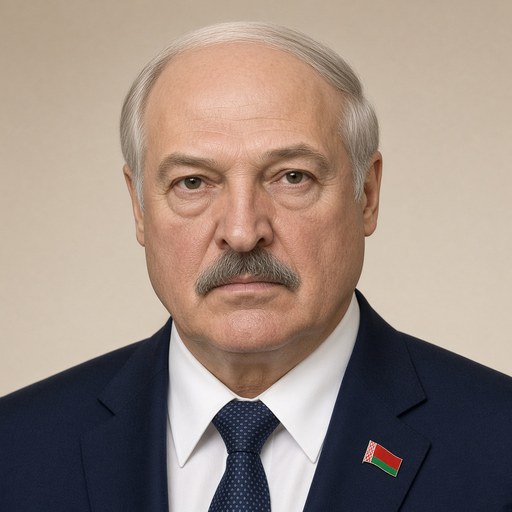
The transcript of the speech by President A.G. Lukashenko at the VI Congress of the Federation of Trade Unions.
 Alexander Lukashenko · President of Belarus
- Context
- Lukashenko addressed the VI Congress of the Federation of Trade Unions of Belarus on September 17, 2010, reviewing economic challenges and civil society policy.
- Main themes
- Trade unions and civil society, global financial and economic crisis, Belarusian economic resilience, political party development, public organizations, state-society relations, five-year economic planning, relations with Russia, presidential self-assessment, labor collective preservation
- Duration
- ~137 min
- Words
- 16,391
- Sentences
- 1,167
- Readability
- 66
- Grade
- 7.5
- Syntax
- 2.69
- Vocabulary
- 2.00
Translated from Russian
The broad sphere of national life a sentence belongs to. Every sentence has an Arena, so it is the denominator the other indices are read against.
Other1,167 sentences in 242 paragraphs
Dear friends, delegates, guests of the congress!
Before I say what I had planned in advance, I want to address the main point — if the people and the Lord still allow us to work in the appropriate capacities, then in the new five-year period we will communicate significantly more.
I believe that one of the major, perhaps the main shortcomings of the President, especially in the last 2-3 years, is precisely that I paid less attention to the work of public organizations, parties, and especially our "pillars."
You probably remember my statement from five or six years ago about civil society, in the sense of how I understand it and how we built these relationships: Councils, trade unions, youth, veteran, and women's organizations are the foundation of civil society. There is no need to invent anything or throw us theses from abroad about what civil society should be and how we should understand it. We will understand it as the situation in our country develops. And we will formulate these things in such a way as not to destroy peace and stability in our state.
All this is not so simple. It might seem, well, let's just formulate it this way. Today we formulated it this way, and tomorrow it becomes ingrained in people's consciousness, and "fighters" and "creators" for "people's happiness" appear, who divert society from pressing goals and push us to deal with the wrong problems.
That is why the aforementioned thesis was formulated. I will say frankly that after that I set myself the task that public organizations and especially political parties, of which we have more than enough, should "stew in their own pot," so to speak. Everything should crystallize on its own.
And you probably remember my statement when I was persistently suggested that we should create one, maybe two controlled parties (an alternative party, some other party, and so on). That is, to "play" at party building. I, like all of you, once belonged to one leading party of ours, and we know where such "games" lead.
I am not against party building, normal opposition parties, or some leading party. But this should be determined by life itself. All this should crystallize from life. Otherwise, we will get "United Russia-2," which in 2-3 years will be beaten from all sides, and practically it will turn from a party into a punching bag. Do we need this today in Belarus? No. Therefore, I promised myself that I would not interfere in these processes until life sets the accents.
Large public organizations have emerged. "Belaya Rus" is a very structured organization that stands on state positions. I often warn: since it has taken such a place in our society, it should by no means be a refuge for us, public servants. Otherwise, it will again be rejected by the people. On the contrary, we, the bosses and officials, should not "run" to this organization.
And I have somewhat distanced myself from the parties, including from this organization. So that there is no signal that let's all pack our bags tomorrow, change our Communist Party membership cards for membership cards of this public organization, and we will all be its members...
By the way, the state has established good relations with the Communist Party of our country and with other normally inclined parties.
And perhaps it would have been appropriate to address this topic a year or two ago. But another problem arose in society and in the state, which the President, of course, could not ignore. And it completely absorbed all the activities of the President, which did not contribute, as they say, to an increase in the President's rating recently. However, there is no escaping the problem — it is the global financial and economic crisis that has hit our country. It was necessary to save the people, preserve labor collectives during the crisis, not to destroy them, not to eliminate industrial, agricultural, and other enterprises.
They say that the whole world is emerging from the financial and economic crisis. Probably, Belarus is not standing aside from this process.
To say that we have really "broken" something in this five-year period, let's be honest — not much. And the main reason, although there are other subjective and objective reasons, is the crisis that has hit the world. You know who created this crisis. And, of course, the waves of the economic storm have also affected Belarus. And very strongly. If it were not for the last 2 years, which were extremely difficult for our economy, we would have had a completely different country. A completely different one!
But we had to twist and turn, and the main goal was to at least somewhat decently preserve the face of our country, preserve our people, preserve labor collectives. We coped with this issue. For the most part, we coped. There are still negative echoes of all this. Especially since the crisis was compounded by not very decent actions of the leadership of our fraternal allied Russia. You know about this, I think it is not necessary to remind you. And you probably already know that Belarus is by no means to blame for this. Nevertheless, we had to take this into account.
It is not easy for us to work and break into the Russian markets, including due to objective reasons. After all, Russia itself has problems up to its ears, and to expect that Russia will be some kind of "sponsor" for us... We never counted on that, and we should not count on that. If someone says that we live at someone else's expense — this is complete bluff. Today, Russia has privileges, preferences, opportunities, and rights in Belarus significantly amounting to more than we had from those prices, as they say — not world prices — for natural gas. At the same time, Gazprom has significantly higher profits from selling natural gas in Belarus than from sales in Germany.
If today the relevant organization raises prices, for example, for natural gas, the same goes for other hydrocarbon components, and wants to extract even more money from us, then we will also start, as it was two years ago, to calculate and offer them payment for certain services. Starting from the military-industrial complex and ending with all issues: movement through Belarus, transit, and so on and so forth. We have not raised this topic yet, and we would not like it to be raised. We would not like that!
Therefore, we very much hope for a constructive approach in this regard. And there is no politics here and cannot be. And references to the fact that our political campaign has begun... This is our political campaign, and we are capable, as reasonable people in our country, to sort out the nuances of this political campaign.
But in the future, we will definitely pay more attention to public organizations and parties in terms of what we need to establish, simply put, order. And to normatively adopt the relevant laws, and to build organizational assistance. Because this bacchanalia that is happening is not in the interest of either state structures or the public and party organizations themselves.
Dear friends!
I am, of course, grateful for the opportunity to speak before you and want to sincerely thank the trade union associations, and this is not just one association, that nominated me as a delegate to the forum of the most massive public organization in the country.
I came here not only as a delegate but primarily as the Head of State, as the President. And I am ready today for an open dialogue with you. You represent public organizations. And, of course, the first question that will be asked of you when you return to your production collectives will be: how did the President respond to your questions, what is his mood, what will happen next in light of the political campaign that has begun? Therefore, I am ready for a serious conversation.
Especially since the congress of trade unions is not just a summary of results, the development of prospects for the federation's work, but also an important event in the life of our entire society, since trade unions represent the interests of the absolute majority of the working population of Belarus.
And it is deeply symbolic that trade union congresses in the last decade take place on the eve of five-year plans, when prospective plans and main directions of socio-economic development of the country are developed and widely discussed.
This in itself gives our forums special significance, providing an opportunity to make a specific contribution to determining the paths of state development and increasing the well-being of the people.
We are now on the verge of a new stage. The next five-year plan should become a period of renewal, aimed at a qualitatively new development of Belarus.
The Fourth All-Belarusian People's Assembly, I am sure that many of you will be delegates of this assembly, will have to approve the Program of socio-economic development of the country for 2011-2015. It has already become a political tradition that this global document, which predetermines the further prospects of the state, is adopted not in some offices, even the highest ones, but directly by the people in the person of representatives to whom people will entrust such powers.
Very soon, the draft program will be presented for public discussion. And absolutely every citizen of our country will be able to participate in determining the strategy for the development of Belarus for the next five years. Because, no matter how large the document is, it must come from life.
I think this is a clear confirmation of the manifestation of the power of the people. Not some demagoguery, but such concrete examples that give any citizen the opportunity to participate in the governance of the state.
Today I will not detail the content of the program. But I will say that it is very intense and dynamic. Otherwise, it cannot be if we have set the goal of creating a renewed image of Belarus.
The economy needs to be given a more powerful impetus. We need to increase the gross domestic product by almost 1.7 times over the five-year period, increase the number of new and modernized jobs by more than a third, and ensure a radical increase in labor productivity.
It is on this basis that our forecasts for a significant increase in wages and real incomes of the population as a whole are based. The priority task of the authorities is to ensure that the quality of life of people does not lag behind the quality of life in the most advanced countries of our world.
We are not building "castles in the air," we are not inventing loud populist slogans to please people. Believe me, behind such attractive headlines, there is nothing. When they promise to reduce taxes and raise salaries, pensions, scholarships by tens of times, you do not need to be an economist to understand the groundlessness of such assurances. This is complete untruth.
"Millions of new jobs" — sounds very beautiful, of course. Only the authors of such ideas do not mention that such "growth" (in quotes) they plan at the expense of reducing existing jobs. Who, tell me, needs such smoke and mirrors? Moreover, millions of new jobs mean hundreds of billions of dollars. If someone has that — then it can be believed.
Of course, I would like to do everything quickly: to give people higher salaries, to raise scholarships, and to provide free housing for all who wish. But all these years, the authorities have been honest with the people and have taken on only those obligations that they were confident in fulfilling.
We have the prerequisites to do more and better. We are moving towards this, but gradually, according to our capabilities.
The modernization of the economic structure, the transition to a higher technological level of production, the widespread introduction of innovations in all areas — all this is aimed at ensuring an increase in competitiveness in the world not only of Belarusian products but also of our entire country as a whole.
We strive for our economy to develop dynamically and be attractive to both domestic and foreign investors.
Therefore, we focus on maximizing the activation of entrepreneurial initiative, using the best world experience to increase the efficiency of management in all sectors, in all enterprises.
The task of rational and extremely economical use of energy and other material resources is becoming increasingly relevant. Modern trends in rising costs force us to seek alternative sources and new markets. Our economic security and the preservation of the real sovereignty of the state depend on this.
I will say frankly: if we did not have alternatives in the supply of hydrocarbon raw materials to Belarus today, we would be speaking in a different tone on many issues of life in our society. The survival of the Belarusian state would be at stake.
In these areas, we are already finding optimal solutions to emerging problems. But they need to be developed more energetically, to increase our export potential and diversify trade and economic ties.
Experience shows that we must first of all rely on ourselves, on our reserves and capabilities, establishing exemplary order in all matters in our country. And, of course, not rejecting any opportunity to strengthen mutually beneficial relations with our strategic partners.
For the successful implementation of such large-scale goals, the consolidation of the citizens of Belarus, the unification of efforts and resources of the state and society are required.
At this stage, the federation, as one of the most massive, most patriotically inclined organizations, must clearly define: what can you give to the state, where will you lend a shoulder, what area of responsibility will you take on?
It is quite obvious that you will have to play one of the leading roles in the process of renewing the country. After all, it is the trade unions that can and should mobilize the working masses for a breakthrough.
It is in this that I see the most important aspect of constructive, truly partnership relations between the authorities and public organizations. Not in isolation, but in jointly solving the strategic tasks of the socio-economic development of the country.
After all, only an effective economy and socio-political stability guarantee the prosperity of Belarus!
Even in the early 2000s, when there were many abstract discussions about civil society, as noted above, I clearly expressed my views regarding local Councils of Deputies, trade unions, youth, women's, and veterans' public organizations.
The five years that have passed since your previous congress have shown that trade unions have become a reliable support for the state. You have occupied that niche, the importance of which we spoke about back in 2002, at the fourth congress of the Federation of Trade Unions.
But most importantly: both you and Leonid Petrovich Kozik, as the chairman of the Federation of Trade Unions of Belarus, will remain in history forever because you were at a turning point. You, first and foremost the leaders of trade union organizations sitting here, took this crumbling large trade union organization, which was falling apart at the seams, and turned it towards the people. This is the historical merit of the current generation of leaders of trade union organizations.
We have already accumulated experience in effective work, overcoming difficulties, and successfully fulfilling five-year tasks. I am deeply convinced that in the upcoming five years we will be able to achieve even greater successes and adequately cope with new responsible tasks.
Remember, at the fifth congress of the Federation of Trade Unions, when the main directions of socio-economic development for 2005-2010 were discussed, ambitious tasks were set. We planned that the gross domestic product would increase by 50 percent, and at that time we spoke about the average salary reaching 500 dollars. Average, I emphasize. And the level of poverty would be halved.
At that time, it seemed like a very high bar and was perceived skeptically by many. But we achieved these milestones, despite all the difficulties presented to us by the world economy and, let’s be frank, not only the world economy.
Some are critical of the information from the National Statistical Committee that we are almost one of the few countries in the world that, during the crisis, managed to increase the gross domestic product, albeit by one and a half percent. And no one disputes this. Before that, we were growing by 10-11 percent in terms of gross domestic product. And this year, the situation is more or less normal. The government has been tasked with ensuring that together with our enterprises, we achieve the planned GDP growth of 10-11 percent.
The question arises: why, with such decent growth, are we still not so wealthy? I can answer this very simply and give an example. Firstly, we are growing in gross domestic product in sectors where there are no super-profits and super-incomes. If we had a 12 percent growth in the oil and gas industry, we would have huge dividends because there are enormous profits there. Our tractor, for example, which we sell, has a tiny profit, while oil and gas can yield one hundred, two hundred, or even three hundred percent profitability. That is, we grew in GDP, but this GDP was too costly. This is not our fault, because in some areas, the share of energy costs reaches 80 percent. In our energy sector, 64 percent of the cost is gas, the fuel component. And do we have that in Belarus? No. It is all imported. And we are dependent on that. This includes electricity, thermal energy, and so on. Without them, the life of the people is impossible. From the bearing to the hall where our event is taking place — it all relies on energy. It is the foundation of our life.
In this regard, we can hardly influence the situation. That is why I made the harshest decision — an alternative. If we do not find an alternative, we will not be gathering in this hall. And we will not be the ones ordering the music. We will be told, as for all the decades before us, how to live, in what direction to move, and whom to fight, if we are to speak frankly.
Therefore, we need to find an alternative. Moreover, it exists. The search is very complicated and difficult. And it seems we have found it. But those who do not want this alternative are standing in the way. Just yesterday, the first vice-premier reported to me at length that we found ways for cheap supplies of oil and gas to Belarus (for example, through the Baltics). And at the same time, a well-known external lever was activated: do not let it through. Especially since the existing gas and oil arteries of the Soviet Union, you know, are in whose hands... The pipes are standing empty, they simply do not work, but are blocked for the supply of hydrocarbon raw materials to Belarus.
Therefore, the task has been set: even if it is not this pipe, which today exists up to Novopolotsk, for example, from Ventspils or wherever else, we must build our own arteries. But we must break away from dependence if we want to be a state. If we do not want to be a state and want to be "pushed around" and constantly scolded, "bent" and told what to do, where to move, then we can refrain from doing this.
I warned you when it came to independence and sovereignty that independence and sovereignty come at a very high price. Very high! We have taken this course. And I believe that none of those present here and those who will hear us will say that we do not want to live on our own piece of land, so that our children live on their own land.
The task of our generation is to ensure life and prosperity for the current and future generations on this piece of land that has been granted to us by the Lord.
Despite the negative impact of the global crisis and the sharp deterioration of the market conditions for energy resources and other resources, Belarus has managed to ensure a steady rise in the economy, preventing a decline in production and mass unemployment.
It is often said that we have 1 percent unemployment. But there are enterprises with a reduced workweek. Their number has decreased now. Leonid Petrovich (Kozik) reported to me that about 28 enterprises are still "tumbling" back and forth. However, that is 28 out of thousands, while a year ago there were many, several hundred. But back then, I gritted my teeth and endured all this. We did not throw anyone out onto the street, in fact — those who wanted to work and even those who did not want to work much. Because I knew that this period would end. You remember my words that it would be very difficult to form labor collectives afterward? I have seen this during my presidency in the mid-90s. When collectives were disbanded, where were our best specialists (they are more adaptable, better trained, educated) and scientists? On the markets. Mikhail Vladimirovich Myasnikovich (Chairman of the Presidium of the National Academy of Sciences of Belarus) remembers when we tried to pull them out one by one and make them civil servants or specialists again — because there was no one to raise the economy.
Therefore, we maintained this number. But, my dear, you understand that if we produce for one ruble, and maintain the number at ten rubles, the corresponding salary will also be there. So do not expect me to give more than I can do. But I have firmly decided for myself: if we still have to work, so that you, producers, merchants, businessmen, do not reproach the state, we will give you full freedom to manage your own funds in the upcoming five-year period.
That is, you produce, pay taxes, other mandatory payments, if you have money — divide it and live. It is difficult for someone objectively — of course, we will help, there is no doubt about that. But we will not carry anyone on our shoulders. I would carry them as long as there is such an opportunity. But I am carrying them at the expense of other enterprises. Is that fair? No. Therefore, we will give you the full right to manage this. Norms and procedures will be established. Even for state enterprises. Work. And be accountable to your labor collectives. And I, as the Head of State and the authorities I have formed together with the trade unions (this is a huge lever for the President), will ensure that the basic human rights are respected: the right to work and a decent salary.
And then the appeal will disappear: "Alexander Grigoryevich! Give us money, raise salaries, and so on." We have the state sector, we will deal with it regarding salaries, payments, and so on. If you want, orient yourself towards the state sector, as you do now. But now we are artificially supporting it so that the state sector does not lag behind the production sector in terms of salaries. Even our civil servants, I believe, are in third or fifth place. Ahead are bankers, industrialists, and even builders, I think, have surpassed civil servants, and science. And that is good.
But I have never, in essence, heard that we have, as in Russia: "look, a bureaucrat earns millions of rubles and steals even more" (recently, Russian channels broadcast statistics). Because there is nothing to reproach.
But civil servants must help. If we do not want to be rejected by the people and do not want to turn into "enemies of the people," as there, we need to be a little calmer. Our labor collectives are not so wealthy, our economy is not developing so powerfully, so we need to moderate our "appetites" accordingly in this regard. So it is now. In the future — we will also orient ourselves. I have no intention of building a policy in such a way that civil servants are detached from the people in their incomes and salaries. If you want more — reduce your numbers. The number has been established. We will not take your positions away. Reduce: instead of 100 or 110 people in the district executive committee, leave 70 and perform the same functions, and take the remaining 40 and pay them more. We will not be, you know, cruel and cut salaries. But we will adhere to the level and standard of justice that must be maintained.
Today, everyone in the world notes that the income gap between the poor and the rich is about 3-4 times. As in Sweden, where the best indicator in the world is (in Russia — 25-30 times. This is a catastrophe, a pre-revolutionary situation). Therefore, these factors must also be taken into account.
In conclusion to these reflections, I once again respond to possible questions. Starting next year, seek your happiness in your enterprises. We will control and demand strictly and will be on the side of labor collectives. But remember the immutable truth: to have something in your pocket, you must work. I am a person of strict rules, you probably know this, and I believe this: once you step over the threshold of the factory — from the general director to the worker — there is a technological iron dictatorship, you cannot escape it. When you come to the field, you must cultivate potatoes, beets, or something else — there is an iron dictatorship, not mine, not the leaders', but technological: it is necessary to sow within these deadlines — sow, it is necessary to harvest within these deadlines — harvest.
Today I tell the Prime Minister, of course, with regret, that I have to deal with this again. Because today the same potatoes and agricultural products are gold, they are more valuable than oil. Potatoes — profitability of 100 percent, even more will be at current prices...
But where to put the potatoes? There are no storage facilities. Storing them in heaps is a crime. Go, bury your family jewels in the ground, just throw them and bury them — you won't do it. Today, our products are equal to this. And it is not true that there is nowhere to store them. I have instructed the Minister of Agriculture and the Prime Minister to find places within three days with the governors and to store all the potatoes and vegetables there. Now we do not need to sell, for the most part, or not sell everything. We need to hold on to them and sell them at three times the price. And there will be no problems for Prokopovich (Petr Prokopovich — Chairman of the National Bank), where to get currency. Today, they are going directly to the field, huge refrigerated trucks are standing in line: "give, give." The world is starving, and not just Russia. You see what has happened in Europe. In Africa, there is nothing to eat at all — people are ready to pay with diamonds and jewels for food.
And I told you. Remember two years ago, when the trend started: "these pieces of land, where we toil, sowing carrots, must be given away." I said: "Convey my request to the people, or if you want, my demand — do not give anything away. Anything can happen." And it has come, two years later. And what someone has today is absolutely not superfluous.
Well, and then, what kind of person is it if he does not walk barefoot on the land and does not dip his hands into Mother Earth, and does not draw strength from there, if we are talking about these pieces of land? This is also a big program, we will pay attention to it in the upcoming five-year period. If you cannot build a house, at least take a piece of land, let it be yours. Your children may engage in this. For now, you will cultivate that poor potato for pleasure (we will provide potatoes in stores), for pleasure engage — we will provide seeds. Scientists have produced enough varieties. By the way, I brought this potato home from the field and tried it — excellent potato. We just need more of it. Because sometimes in our stores, the potatoes are such... I once asked to buy 3-4 potatoes — one is water or starch.
The new varieties that we often showcased on television are a very serious program. Do not think that I walk through the fields out of boredom. Scientists, together with producers, including from abroad, have created unique potato varieties. You do not need lard with it: you eat potatoes — it is like potatoes with lard...
But I mean that we really need to preserve this year's harvest, especially the seeds. Imagine if 30 percent of the seeds perish in the heaps, and in spring they will cost five times more than the current potatoes. If we do not preserve this, we will lose huge currency resources.
So let’s take warehouses, empty garages in the cities. And like that farmer in Gomel region, where I was recently with Alexander Serafimovich (A.S. Yakobson — Chairman of the Gomel Regional Executive Committee), at Grigory Shrub, — ordinary adapted premises, well, it is a pleasure to enter: both onions and potatoes — everything is stored neatly. Every governor must put everything there. And sell calmly in the autumn-winter period, receiving money to pay the salaries of those people about whom the trade union activists spoke here.
Tell me, what new thing have I just said to you? Absolutely nothing. But we have stopped dealing with this matter concretely. We have stopped starting from the ground. And in Mother Earth lies all our happiness. So let us turn there. And we will build our happiness based on that. And then we will forget that we are poor, that we lack something, that oil and gas are happiness...
Let us engage in concrete actions. And seek our happiness on our land.
If we talk about employment, then, frankly, with the current level of technical equipment, we may not need such a number of workers at MAZ, BelAZ, the tractor factory, "Horizont," and a number of other enterprises. But we have always prioritized issues of provision, employment, and social protection of our citizens. Always — whether in times of economic growth or decline.
And it is not even about that. I have said this from a political perspective for now. But what is important economically? Suppose there are twenty-three thousand people at MTZ today. I am sure we could probably manage with fifteen to seventeen by implementing new technologies. But we are keeping twenty-three! Let us keep in mind that in this five-year period we have created more than two hundred new enterprises, and new enterprises need people. The same goes for Minsk. It is better when new enterprises appear to offer organized workers at MTZ a transition to new productions. They will gladly go there because these are modern enterprises oriented towards the markets.
We are not building enterprises whose products cannot be sold. When the Government comes to me with a proposal to build new enterprises, I immediately ask them: "Is there demand for the products we will produce in the market?" — "There is a huge demand." — "Let’s build." And since there is high demand, there will also be wages.
Therefore, there is no need to disperse teams. We will take qualified, organized, good people from there to new productions.
The positive dynamics of economic development, stability, and tranquility in society have been and remain characteristic features of Belarus, favorably distinguishing it in the post-Soviet space. Much of this has been facilitated by the joint work of government bodies with trade unions and labor collectives.
By their nature, trade unions are called to perform many functions, sometimes diametrically opposed. On the one hand, they must strive to meet all the needs of workers. On the other hand, constructive, I would even say diplomatic relations must be established with the employer in order to find optimal solutions to problems and, if necessary, reach compromises. And now, the most important thing is that when raising a particular issue, you must realistically assess the economic situation in the country. And under no circumstances should you engage in populism.
We have already gone through this in our history. At that time, the activities of trade unions had nothing to do with the real protection of workers' rights, but were aimed at satisfying the interests of the organization's elite.
The main work of trade unions is in labor collectives.
Both during periods of economic difficulties and during modernization, the collective is in turmoil in any case. In the first case — due to problems, in the second — due to uncertainty about their future after the modernization of production.
The most important task of trade unions is to ensure a balance of interests, to create an atmosphere of partnership rather than confrontation in collectives. People must know the prospects for their industries and enterprises, as well as their personal prospects, their place in this enterprise. There must be a constant dialogue between the employer and the workers. And this is also a trade union matter.
It is not enough to provide a person with a job. We must also take care of protecting their interests as a worker. Therefore, the unconditional observance of labor legislation must become a norm of life.
At the same time, there are still frequent cases of untimely payment of wages and violations of labor protection conditions. Here, more than anywhere else, the control function of trade unions is in demand.
No matter how we are accused of being archaic, we have preserved the system of public control by trade unions. Moreover, you are the only public structure that has been left with such powers. Trade unions have functioning legal and technical labor inspections, public labor protection inspectors. Therefore, the state has the right to expect effective action from you against violations of legislation. But at the same time, you often get caught up in controlling the employer and forget that trade unions equally bear the responsibility for mercilessly opposing the indiscipline of the workers themselves, their non-compliance with labor protection rules, and above all, alcoholism.
Moreover, only trade unions have the right to exercise public control even in those organizations where there are no members of your association. When Leonid Petrovich (Kozik) asked me to grant them such a right, I immediately supported him without hesitation: "Act and do not look around, no matter who it is — whether a government official or a businessman. Act in my name." And you went ahead, you advanced. I am grateful to you for that.
This is especially relevant in the current conditions, when we have taken a course towards liberalizing the economy and simplifying business operations.
Unfortunately, sometimes private owners save on workers, do not create safe working conditions, do not pay wages, and dismiss employees without cause.
Regardless of the form of ownership of the enterprise, and who the owner is, the requirement remains unchanged: labor legislation must be fully and unconditionally observed. And trade unions must protect all workers!
It is time for you to assert yourselves more confidently in the business environment by introducing ideas of social partnership there. I also made such a decision at the request of your leader. We need to act more actively there. People are waiting for your help.
We talk a lot about high matters, innovations. But at the same time, we sometimes remain silent about the fact that one of the main reasons for the loss of life in our country remains occupational injuries.
It seems that in the 21st century, such a situation looks simply absurd.
Just in the first eight months of this year, 152 people died as a result of workplace accidents, and five hundred were injured. Often, the death of people is due to their being at work in a state of alcohol intoxication. And this is a very high percentage. It is even shameful to mention it.
Trade unions are seriously underperforming in matters of labor protection and reducing cases of occupational injuries. As a rule, the role of trade union organizations is limited to recording facts, while targeted work to identify and eliminate the causes that give rise to them is absent.
The sphere of responsibility of the trade union is not only the worker but also their family as a whole. Because one can only work productively if they know that everything is fine at home.
We have never skimped on family support. Today, around half a million children are covered by the benefits system, almost 45,000 children under the age of two are provided with free meals, and more than 19,000 families with children receive targeted assistance. No state allows itself such a policy, not even the richest one.
This has contributed to a certain stabilization of the demographic situation. However, it is too early to relax. We need to go further. A comprehensive set of effective measures for the material and moral support of families should be implemented.
The Prime Minister and the Chairman of the National Bank are present here: we must review all programs in terms of what we have already "touched," looked at the flaws and shortcomings. For example, the housing problem. Everyone raises this issue. It has been and remains the locomotive of our economy. Remember my reasoning: if there is an apartment, then there are chandeliers, carpets, beds, and so on. A person will buy if they have an apartment, thus the products of factories will be in demand. This is already very good.
But then another idea was put forward. The main problem we have today, on which the main attention will be focused in the coming five-year period, is the population. If we continue to decline in population growth and do not stop this process (although the Minister of Education calculated that by the end of the five-year period we will emerge from this "pit" and will have a slight increase in population), if we do not ensure positive growth, then we as a state will not succeed. I have already told you that we need at least 30 million people on this land. The situation would be completely different. We are not even reaching 10 million. What is 10 million in such a territory?!
Therefore, even the housing program needs to be adjusted today for this. We have done some things at my suggestion. Five children — a free apartment. We need to clearly state what kind of apartment. This is a four-room apartment, let it be small. If there are four children, then it should be no less than three rooms, because there are children of different genders (a girl and two boys and vice versa). So that they can settle down normally, but without excesses, this is a gift. Three children — a 25 percent discount on the price of the apartment.
We need to approach this more fundamentally and see: if a third child is born — a guaranteed apartment, and maybe even not at half price, but at 25 percent or even free. Then we will solve this problem.
After all, it is practically ingrained in our consciousness that one child means 100 percent selfishness. Therefore, everyone, no matter how difficult it is, tries, if everything is normal, and most families are normal families, to have two children. It is normal to have two. But a third? It is tough. So let us help, let us encourage families to have a third child. Three children will already mean growth. But if we also help with the birth of a fourth and fifth child, and help significantly, and we need to focus resources on this, you will see that we will return to a demographic situation almost like that which existed before and after the war. Did people live better? No. But there were many children, and not because it was dark, as some jokingly say.
Therefore, we will need to review and adjust all programs accordingly, including the Rural Revival Program.
Unfortunately, not all agrotowns have what they should have. But I will sort this out with the governors and the Government soon: why did they report on the creation of agrotowns, but did not meet the standards that I outlined?
In the next year and a half, we will completely resolve the issue in agrotowns. They should be real, good, solid villages, resembling a town where people would like to live.
And I say that we will continue the Rural Revival Program, but we will radically revise it. We will no longer "give every sister earrings." Just as we once took an unpopular measure regarding "Chernobyl victims." Remember? We paid 3,000 to an individual, while in total we distributed billions of rubles. This was once calculated for me by Alexander Serafimovich (Jakobson) in Gomel. And I made the decision — let’s accumulate this money, double it, and instead of 30 billion, for example, give 60 billion to the regions.
And look: we have made significant changes in water supply and public services, where no one had ever set foot. There are many problems, but we have also made significant progress. So maybe we should not scatter our money here?
I specifically emphasized, and our journalists, accompanying me on working trips, caught this, that we are touching on the topic of potato production for the last time. This is a whole pyramid. And before that — in animal husbandry. I have two topics left before "Dazhynki" this year (God willing, I will manage to address them publicly) — flax and sugar beet. Everything is organized there.
But I want to emphasize once again that I wanted to show: in agriculture, in this vast sector, we have clearly defined what to produce, how much to produce, where to produce, where to transport, and how to sell. Everything is documented and organized. This means the problem is resolved. We have shown what the farms of the future look like. And these are no longer just individual farms, but hundreds of farms that are currently increasing milk and meat production.
Therefore, in the future, we will implement the Agricultural Production Program and build support based on the principle of not lowering the level of technical equipment of farms. If we had not made a decisive decision back then, for which you called me Stalinist, many, especially scientists: "To create a combine in 2 years, yes, so many models — this is Stalinism" ... I said: "Yes, let it be Stalinism." But if it were not for this Stalinism, what would we be harvesting with today? We would have the same results as in Russia. After all, half of our country burned down. Ask Jakobson, Shapiro (S.B. Shapiro — Chairman of the Grodno Regional Executive Committee). Ask the Mogilev region.
Even in the Vitebsk region, where half of the southeast, the eastern part, and the northeastern part of the country burned down, we still managed to get something there. Why? Because we sowed on time, serviced properly, and, most importantly, harvested the crops on time. If it were not for that tractor, if it were not for that combine — we would have harvested nothing, we would have had nothing!
I have already mentioned that when I visit agro-complexes, collective farms, state farms, and other agricultural enterprises, not a single governor or leader has told me: "We have nothing to plow with, we have nothing to harvest with." There is enough equipment. And the state has certainly contributed to this. The machine yards have been put in order. Now we will take care of maintenance (you heard that I instructed the traffic police), in March — April we will shake up the governors, the chairmen of the district executive committees, the heads of farms and ask them, we will look at their responsibility for this equipment. Because, you know, what comes from someone else's resources is not valued. Therefore, we are forced to look at this issue as well.
But we will keep the technical equipment of farms at the highest level. Then you will have no grounds for complaints against the state. And we will raise the profitability of agricultural production so that you will buy tractors with your own money, not the state’s. But all resources that will go to support the village, and they will be no less than in this and last year, will be directed to innovative projects, to the creation of super-modern enterprises.
Recently, at the "Fatherland" farm in the Pruzhany district (I believe I have visited there twice in recent years), we saw how potatoes are produced and processed. It turns out that starch is needed in the world, and its profitability is 80 percent today. But there, they demonstrated a model above the European level: how to grow potatoes, how to process them, and how to sell them. And this will continue to develop. We have created 12 or 17 such centers and enterprises. We will act in this direction. We will specifically direct financial resources towards this. If you want to grow grapes and watermelons in our country, rather than bringing them from afar (as Jacobson demonstrated today in the Gomel region, how everything grows on our land; the quality and taste are no worse than what we import), at least to satisfy the needs of our people, you will receive funding for this. For potatoes, for flax, for sugar — all of this is in the past. We have created everything necessary for you, provided the equipment, the profitability is high — work, earn money, move in this direction. Only for new things, as once for the provision of onions.
I arrive, Jacobson lays out the calculations for me and says: "Alexander Grigoryevich, look at how much onion we import. We need 50 thousand — to the brim. In two years, we will produce 40 thousand. Give me 20 billion." Well, I thought: rather than importing these 50 thousand every year and losing billions, it’s better to let him produce it for 20 billion. I didn’t believe him, I said: "Okay. You will get 20 billion. But your head is on the line if you don’t deliver." In two years, he produced over 40 thousand tons of his own onions. True, half of it was sold in Russia because the prices were outrageous. And we had to import from elsewhere. And the people of Minsk were not very willing to buy it because, you see, they had agreements with others. Now everything has been settled. And there is no problem.
That’s why I am talking about grapes and other crops. We will allocate money for this. But to hope that we will distribute a little to everyone — that is a waste of money. Absolutely pointless.
Here I have shown you with these examples how programs will be adjusted. But the programs themselves will remain. The country must achieve self-sufficiency in all areas. And increase: in milk — by 2 times, in meat — in the near future by 2 times, and in other areas. And then, the National Bank calculated, we will not have a negative balance of payments.
The task is simple, earthly, and very clear to everyone. There is no need to draw up some market reforms, to build market relations. Everything is simple: if there is something to sell, and there are people who want to buy it for good money, we will be rich.
If we produce what no one needs, then we shouldn’t produce it at all, wasting money.
Returning to the topic of family, it should be noted that special attention must be paid to the problem of social orphanhood. In recent years, we have managed to significantly improve the situation. The number of children in socially dangerous situations has decreased. We have forced (whether poorly or well — I will also check soon how my order is being fulfilled) negligent parents to work and pay for the maintenance of their children. The Minister of Education reported to me that about 60 percent is now compensated by these very negligent parents, from whom we took the children and are raising and feeding them. We still need 40. But still, as I am informed, there are many shortcomings. Therefore, the Ministry of Internal Affairs, the Ministry of Health, and the Ministry of Education — prepare for a report on these issues in the near future.
Parents who abandon their children are not parents, so the attitude towards them should be the strictest. You must make them work! They must understand that they should feed their own child. And we will not allow them to raise children if they do not know how. Because a child raised in a bad family, or rather, in no family, is a future criminal, and we will have to spend huge amounts of money to neutralize him later, and perhaps even feed him in places not so distant. So let’s take this problem seriously.
The task has also been set to relocate children from all boarding houses, from these "barracks," to such villages, which I recently visited in Borovlyany. As it turned out, this is a small problem. And it is within our capabilities.
Therefore, when the previous speaker said that we need to help parents pay for renting an apartment in Minsk for students, I agree, in some cases we need to. But I immediately think, like in a computer: orphaned children, feeding these little children, something else. Our families are not that wealthy today; we are feeding (I mentioned how many thousands) in schools. Again, being in Gomel, I prohibited the reduction of feeding children in kindergartens and schools. Not every family today can feed a child well. And from the age of seven to ten or twelve, a child is just forming; he needs to eat properly first and foremost. Therefore, we feed at the expense of the state. That is, I immediately see a whole chain — where avoiding state participation, especially 100 percent participation, is impossible.
One of the problems I have already mentioned is relocating our children from these "barracks" to homes with foster mothers and fathers. They were shown by the media during the visit to Borovlyany. They have three children, and they are taking five more. Ten children live together with their own in the house, are raised, and receive assistance. We will support such parents in every way — both the state and sponsors are happy to participate in this. This work must be completed in the upcoming five-year plan.
I am not saying that we will relocate everyone from boarding houses. First of all, not all parents will take them; it is their choice. Of course, we push them a little, but still not everyone.
Secondly, some may have to be kept in these boarding houses due to certain peculiarities. But this will be only 15 percent of the total number we have today.
Therefore, I also want to draw your attention to this very important problem. And not only the attention of officials but also of trade unions. The whole country has risen to fight this evil, orphanhood. But I would like to see a more active role of trade unions here, at least in terms of control. So that Leonid Petrovich (Kozik) comes, gathers information (and trade unions are capable of doing this) and passes it to me. What is bad there, this is not being resolved, this is a show, this is so, this is not so, so that I can make decisions. I expect more effective work from you here.
The special concern of the state is the support of pensioners.
Today, they make up more than a quarter of the population of the republic. For most of them, the pension is the only source of income, and as salaries grow, we will increase it. We will soon work on the possibility of recalculating pensions. First of all, the lowest ones. We will take care of families raising children with disabilities who have not shifted the responsibility for them onto the shoulders of the state. And enterprises should help their pensioners and veterans more. Everyone loves to compare our pensions with Western ones. But there, a large part of pension income consists of corporate pensions, so if there is an opportunity, include the relevant provision in collective agreements, participate in additional insurance programs.
Now, about another sensitive topic, which was reported to me at the last meeting by the head of the Federation of Trade Unions — about the retirement age. Of course, let’s not be evasive. The retirement age in Belarus is unacceptably low. From all points of view, and primarily from an economic one. Because the burden on the working person is very high. And the contributions are gigantic. Such wealthy countries as Germany, France (recently there were whole actions there), are already dynamically raising the retirement age.
But I declare everywhere and always, and once again today. We will not go for an increase in the retirement age. I asked Leonid Petrovich (Kozik) for his opinion and whether it coincides with the trade unions. He confirmed it to me. First of all, dear friends, we do not need to raise the retirement age today because our pensioners, if there is work available, still work for 5 or 7 years and are ready to work. A smaller part of them today is unable or unwilling to work for some reasons.
So here we must definitely support pensioners. Let them work, if we say that the retirement age can be raised. A man can work until 70 if he is able, a woman — until 60 or 62 if she is able. There is work available.
The second question arises. But he is also receiving a pension. Yes, he is receiving it and should receive it. First of all, he earned it, but most importantly, listen, we do not pay thousands of dollars in pensions. Our pensions are quite low. So why should we break spears over nothing? A pensioner who wants to work will work without any of our decisions and laws, receiving some 700 or 500 thousand; he will have a pension. Well, 400 or 500, if he has a very small pension plus this salary, and that is normal for a pensioner. If two are working, they can also help their grandchildren with something. And this needs to be supported. As a result, it turns out that the salary and pension combine. We still do not pay a pensioner as much in total as is paid in Western Europe.
I proceed from this simple logic. Therefore, all discussions about the need to increase the retirement age should be forgotten once and for all. If the retirement age is to be increased, believe me, it will not be up to me, Petrov, Sidorov, or anyone else; he will come out and tell the people that that’s it, the pension fund cannot withstand any longer, people cannot endure, if we continue, as I just said, to give birth like this, then there is no way out. And of course, people, first and foremost, do not want the retirement age to be raised today. They are right in this regard for now.
Therefore, we will not go for a change in the retirement age in the near future. With the current pension amounts and the social policy we are conducting, the state is capable of sustaining all of this. And even if it becomes difficult for us, we will remove other programs and projects, any programs and projects, but we will ensure the pension fund with resources so that we can support pensioners in this way.
I will even say more. We are somewhat neglecting pensioners. Even in this situation, we can and should pay them more. Let’s think about this. We have planned to increase both salaries and benefits soon, and to recalculate pensions.
At the same time, I want to touch on a topic that is being discussed, especially by our so-called opposition. They are not opposition. They are enemies of the people. Wherever it is possible to do worse for the state — they are there. Yesterday, America and Europe were pressuring us — they were there. Today, Russia is pressuring us — they are there. The same faces, mind you. The same faces. Therefore, I do not call them the opposition. Sometimes I say "the so-called opposition."
They are stirring up this fact regarding the presidential campaign, that the state now and Lukashenko will increase salaries and pensions. My dear! The Prime Minister can immediately rise and tell you: how many times during the five-year period, moving towards the target of a 500-dollar average salary, have we increased pensions and benefits?
Sidorovsky S.S.: 18 times.
Lukashenko A.G.: 18 times we have addressed this issue. So calm down. This will be the 19th or 20th time. We have done this gradually and systematically.
And I will tell you frankly what you do not know. Leonid Petrovich (Kozik) came to me and immediately said: "Alexander Grigoryevich! Thank you. You did the right thing by raising it in September." I replied: "You know, I think it was probably wrong. What if people think we want to buy them before the elections?" And I really hesitated: should I make this decision? We have not yet decided on the elections, but I set the task for the Prime Minister — in November we will raise it one last time. Right?
Sidorovsky S.S.: From November 1 of this year.
Lukashenko A.G.: And then I tell Leonid Petrovich: "Maybe it’s better to raise it after the elections? But still, if people want, they will support us." He says: "No way. Let it be as planned. People do not think you are buying anyone. This is not the first increase." Well, there was such a conversation? We did not publicize it.
But I am afraid that I will be told that he is buying people. You understand, that is the most terrible thing. I do not need any presidency if people think that I am playing with them. On the contrary, I am setting tasks firmly now. Just as I treat the Government firmly, I treat the people. I tell them directly: "No, do not count on this. We will not give you money." Why? Because we have created conditions for you — earn. Everything is in your hands.
Therefore, regarding the talks that we are raising salaries before the elections, I will answer again: this is the 19th or 20th time during the five-year period, we are moving gradually. And still, the salary is not that great. We generally thought we would exceed 500 dollars. But the crisis has brought us down so that we are now climbing out. But we need to fulfill the promise. Not because the economy is holding. It is not holding. But we promised!
At the same time, I want to emphasize. We, dear friends, based our statements on statistical indicators. We talked about the average salary, not as it is now, exaggerating, turning it around, saying: look, we promised 500 dollars, but Petrov has 200 or 250. For example, at MTZ, the average salary today is 575 dollars, as the director says. This means that someone is receiving 250, while a super specialist or a foundry worker, working in this dirt constantly, is earning 1,000 dollars. Therefore, we were talking about the average. This is an indicator.
But when the Prime Minister reported to me a month ago, I said: "Sergey Sergeyevich! We have made a decision regarding doctors and teachers. Others are raising similar questions. We need to move forward. What is the average? An average is an average. Yes, we will fulfill it. We will reach 500. But we will also have those who today earn 200 dollars, or maybe do not earn at all. Let's raise the lower part and to hell with this grid, let's see how to turn it around. Meet with Kozyik, discuss it, but make this decision to lift the lower part. At least, in my opinion, 200 or 250?
Sidorovsky S.S.: A minimum of 200 dollars.
Lukashenko A.G.: 200 dollars, so that it is not less.
Sidorovsky S.S.: In the entire budget sphere.
Lukashenko A.G.: So let's raise it for these people. It is clear that some do not even earn 200. Well, let's go for it. This is not such a large amount for the country.
Therefore, at the moment we are approaching this average of 500, which means that someone will earn 200, and 300, and 500, and 800, and 1,000 dollars. But the average will be 500. You educated people understand this. Unfortunately, some of our simple people understood it this way: "The President promised everyone 500 dollars." No, my dear, I was talking about the average.
But there is also a second decision that we did not promise — to raise the lower threshold. And a third, which we did not promise — for doctors, teachers, and young specialists.
The Minister of Health Zharko kept pestering me — give it to the doctors. We took one step and will take another, and then there will be a third one, which I told you about in Ivacevichy. We will pay you crazy money, but only for the work of a doctor. By the way, we have already found an approach. Remember when you, the trade unions, also "pestered" me about salaries. I said: give me surgeons who perform the most complex operations at a world level. Do you have such operations? No. Think...
Zharko V.I.: Currently, the average salary for doctors is 590 dollars, and from November 1, it will be an average of 743 dollars.
Lukashenko A.G.: This is the average. But we were looking for ways to pay these "eggheads" doctors with golden hands. We arrive with the Minister of Health at some clinic in Minsk, Ladutko (N.A. Ladutko — Chairman of the Minsk City Executive Committee) accompanied us, and we meet with the head of the department. I took him aside and said: "Listen, tell me honestly, what is your salary (he operates, but not the most complex operations: he does not perform heart transplants, for example)? Are you satisfied, did we do the right thing or not?" He replies: "Alexander Grigoryevich, even I feel uncomfortable telling you." I say: "You are telling me, you see, we are aside. Is it enough for you?" "If I want more — I will earn it. They pay me — he says — for my hands."
So what else is needed? Let's operate like this person.
Or just recently we awarded people who performed heart and liver transplants and even laparoscopically removed a kidney. Few do this in the world. So why not pay such people? And this is economically justified.
Recently, the Minister of Health reported to me that we are already receiving billions for providing services to foreigners. They come to us for organ transplants, for hip joints, and so on. And if I go to the chief physician, he no longer asks me questions. They have learned to do this. But we gave them the tools. Our doctors are not bad. So we have found the path where a doctor receives a good salary and is not offended. But his threshold must be quite high.
These 30 or 50 types of complex manipulations, not only surgical operations but also the work of other specialists — if they do them, they receive big money.
And the door is open there, please, enter this door. If we have, say, 3,000 such doctors today, be the first, fifth, tenth among the 3,000. This is not a caste of the chosen, go there and earn money.
So we have already found, dear friends, practically the paths we will move along. And this is in all areas: in culture, in sports, in education, and in healthcare. In a year and a half, at most two years of the future five-year plan — and all hospitals will be brought to a European standard.
And there are results. I have always fought for low child mortality. So that mothers do not die on hospital beds.
This year, due to no fault of the doctors, only one mother died. And the Vice Prime Minister is personally responsible for this. Even when Alexander Nikolaevich Kosinets worked in the Government, I instructed him to take this issue under control. Today, the Vice Prime Minister and the Minister of Health personally monitor this statistics and hold doctors accountable.
Our child mortality rate is below four per thousand. This is the highest global indicator!
So a lot has been done in healthcare and education. Finally, we have stopped these unnecessary reforms and returned to what we should have. Foreigners come to us for higher education and ask. Even the Chinese are asking. Rectors are already telling me that there is nowhere to take students from. I respond that let's build and supplement dormitories. After all, this is a huge amount of money. And even the military. Who would have thought that today military personnel do not go to Russia to study, but come to us. Leonid Semyonovich (Mal'tsev) reported to me when he was the minister, and the current Minister of Defense supports this course. Even, I think, a group was sent from Kazakhstan for training.
So we, like blind kittens, sometimes bumped into walls, looking for these paths, but we found them. Now everything needs to be systematized, and in the future five-year plan, we need to clean it all up, so to speak. And forget it. This life should move on its own. Potatoes, corn, cabbage, bearings, tractors, cars, BelAZs...
By the way, I don’t know why the new director of BelAZ does not want to build a conveyor for promising equipment. Foreigners will bring a program for him tomorrow. There are still problems, and we will return to our directors. They, Sergey Sergeyevich (Sidorovsky), have learned to work and rest on their laurels. What exists is good.
The director of MTZ says, why should I produce so much equipment today, tomorrow I will be given 10 percent more than what I produce. What kind of talk is this? There is a market — we need to produce a thousand times more. Then come and say that I had a big growth, today there is none. We will bring you 2 percent to the indicator. This is not the point. But you will take the market. Our tractor today is worth its weight in gold everywhere, especially in Russia. And they have already realized this. There was a wild demand for BelAZs, heavy trucks, there was even a queue during crisis times. Why don’t we produce more of them — for 220, 350, or 360 tons? Why?
We need to turn around faster. We need to care about the matter, we need to see the prospects. There lies our happiness. We just need to run fast, then we will be saved. We will run away from this slackness and the pressure that is exerted on us from the outside.
Another topic. Trade unions perform a role of a kind of indicator of public opinion. In other words, you must be at the forefront of working with citizens' appeals. Frankly speaking, I thought last night and early this morning: after all, trade unions are indeed a powerful structure. Organized, structured, reaching every enterprise. And I was the initiator of this. Not without hesitation. Knowing where the trade unions got to under Goncharik and others, when it was necessary to throw people into a breakthrough to pull the trade unions out of there. You should not engage in uncharacteristic activities; you need to engage with people. I was an advocate for you to reach every person.
Working with citizens is a large, vast piece of work. And no one knows better than you how things are going. You don’t need to tell me that someone’s fence has fallen down or the roof has leaked, or something has tilted. There has always been enough of that. Here we have spoiled people a little. People sit and wait for someone to come to them and do all this. Well, what can you do? Such are our people, we do not choose people, we are "Soviet" with you, and they are also Soviet. Therefore, we need to come to terms with this and gradually push them towards the idea that they need to put things in order around their homes themselves, fix the fence. Helped once — and take care of it. This needs to be done gradually. But there are systemic shortcomings, systemic underperformance of the authorities, especially at the local level. And although I see many of them, I still visit the places, I would like to see these shortcomings through your eyes. Therefore, I expect greater commitment from you in working with the appeals of our people, our citizens.
Dear friends!
The role, place, and status of trade unions have changed significantly today. Even when talking to you about various problems, you understand that I see you in all sectors of our state’s activities. In our state, the concept of social partnership has developed significantly.
The results speak for themselves. Councils on labor and social issues have been created and are actively functioning at all levels. Their number has doubled compared to 2003. The number of tariff industry and local agreements, collective contracts is growing. Currently, 530 agreements and more than 18,000 collective contracts have been concluded in the republic.
The use of new organizational approaches has ensured effective and constructive work of the National Council on Labor and Social Issues. Through this council, trade unions participate in solving all key issues and problems in the social and labor sphere. If you are not participating somewhere, then the fault is not mine, and you are underperforming somewhere. Because there are no restrictions — act. This will be beneficial.
General agreements are regularly concluded between the Government, trade unions, and republican associations of employers. And there, disputes sometimes reach a crunch, so to speak. And it is good that you argue: both trade unions and employers. This is normal, and I very much welcome it. And when you do not reach an agreement, I perceive this very negatively. But you always find a compromise, which is reflected in the named agreement.
In recent years, collective bargaining regulation of labor relations has become quite widespread. The role of such dialogue between employers and employees has significantly increased. As a result, many issues are resolved directly in labor collectives.
When the decision was made about the employment contract, the transition to a contractual system, there were many goals. I have openly told you about this and will repeat it again, since this topic has not died, although it does not sound as it used to.
You see that we are adjusting if there is a reasonable proposal. The last time — regarding indefinite contracts. If you have worked normally for 5 years, with no complaints, then you have the right to an indefinite contract. And why not? A normal person, they see them in the collective, why shouldn’t the manager conclude an indefinite contract? Sometimes managers need to be pushed towards such contracts.
There are fewer discussions about contracts, but they exist. So the most important thing for me was when we made this decision that disputes and working conditions of the employee and the conditions that the employer must create should be lowered to the level of the labor contract. Both parties — the employee and the employer — should sit across from each other and negotiate. Not from above, nor trade unions. If intervention is needed, our legislation provides for it: anyone can intervene — from the President to the chairman of the trade union organization.
But that is not all. Without such an approach, there will be no discipline in production. And there will be no normal differentiated salary either. We wanted to teach workers to negotiate, to go, excuse me, and offer themselves, to sell their hands. For what money? — negotiate. This is a market thing. And to teach the trade union activists how to work with employees.
Why did I rush to introduce the contractual system? Because we would have nothing to patch the holes. We could only escape from the organization, from hopeless labor (although we are still far from that) from the pit we fell into. And I realized that we still need to teach people this, so that a person comes, demands what is his, concludes a contract, negotiates, goes, and works.
No matter how unpopular it sounds, we do not intend to abandon this system. But we will constantly improve it in the direction of the person. A person who wants to work and earn, not come to the enterprise, open his mouth, and shout while still drunk — give me my salary. And this exists. I was a manager and I know. We have not moved far from this today.
A manager is a manager. As they say in the church: this is from God, sacred. But the worker, if he comes, works with his hands and earns what was agreed upon — give it to him. And here I will always be on the side of the ordinary working person. Because for the manager, the contract is a very strong tool. But I want it to be a strong tool in the hands of the worker, the ordinary working person. And for that to happen, I would like trade unions to constantly keep this issue under control.
But you should not engage in populism. And if workers are offended somewhere, figure it out: if the manager is at fault — tell him directly, even publicly, even bringing it up; if the worker is at fault — tell him. If we do not openly conduct this dialogue, if we do not speak directly to each other — we will perish. Everything depends on our hands. Besides hands and brains, we have nothing. Therefore, we will do everything to mobilize hands and brains. We can obtain 25-30 percent of wealth, I am speaking in general, from normal discipline and organization in the country. No costs are needed. If we organize ourselves and do everything we do with discipline, only technologically correctly, we will get at least a 25 percent increase. Plus, there will be savings.
I want to emphasize once again: there should be no hysteria. The labor contract is a civilized form of relationship between the employee and the employer. If there are any flaws in this process, inform us. Decisions will be made immediately to make it better. Better primarily for production.
We have somewhat spoiled our people. Our people have not seen how things are in other countries. Recently, I was in Armenia. I do not want to draw any parallels; those who have been there know. And I think: it would be good to bring all our workers here to see. Of course, it is objectively difficult there; Armenia has been cornered so that it cannot turn back or move forward. But how the workers think there: they do not talk about salary levels or anything else — they just want a place to settle.
I met with a prominent businessman who, if you remember, publicly promised to build a brandy factory here. By the way, Sergey Sergeyevich (Sidorovsky) is bringing the project. It needs to be implemented in the upcoming five-year plan. What are we going to do, drink someone else's brandies? If they want to work here, let them build, bring in brandy spirits, and everything else should be like it is there. He agreed with this. Then, please, sell your products in our market. They are interested in working with us.
And so I talked to him, to ordinary people, and to his mother. She is almost eighty, managing some collective farm. He bought a dilapidated collective farm for his father and mother, helped them with money, and they produce and sell everything there.
I was struck by this woman, who is almost 80. Upon learning that I understand something about agriculture, she began to tell me: I have been keeping elite livestock for several years, but no one needs it anymore. She could have sold it or given up. But she worked in a Soviet collective farm. She is so attached to it. And she does not need money. "You," she says, "tell the president, you are friends with him, let him at least pay attention, let him look our way and say thank you, then we will take even better care." Elite seeds, elite livestock — what is left, what has been revived, because almost everything has perished. And this person, well, fortunately, has a wealthy son who has preserved it. And the elderly who worked in the collective farm, scientists (it used to be a large farm, there were many scientists) they support there. They do nothing anymore, they just come to work and are happy to be there. Well, that’s how people have gotten used to it. An ordinary woman, who was once a small specialist in accounting, today says: "You know, I am the chair of the academic council. I flew to Australia for a day (and she is 80 years old), took honey to an exhibition, and won second place." That is, they preserved elite, mountain, Armenian beekeeping. With what enthusiasm she spoke and with such resentment towards the authorities — saying that no one even said thank you to her. "But you," she says, "are not like that."
Some know, not just some, but many know how we live here. They say, people are spoiled. I respond: "I agree." Our people have not seen this. But I would very much like our workers and peasants to look around; then they would appreciate what we have created here. And they would not always point fingers and scold us for what is lacking.
Today, each person needs to shift the center of gravity and all attention onto themselves. And look: what have I done to make the country better and wealthier? As soon as they ask this question — I am sure we will add even more.
Therefore, I say once again, the contractual system must exist! But people need to be protected and supported in this. Yes, and I do not think that all our leaders are such barbarians that they cut, strangle, and conclude contracts inappropriately.
I understand that in this audience, you expect a broader discussion from me. Especially since you will be returning to your teams to inform them about the outcomes of the congress. Therefore, once again, very briefly on the main issues.
Regarding labor remuneration. The high standard of living of Belarusian citizens is not just a goal; it is the essence of all state policy being pursued.
We have done and will do everything to constantly increase the material incentives for workers in all sectors.
Liberalization in the area of labor remuneration will continue. In what direction, I have already told you. Labor collectives, leaders, and specialists will receive almost complete freedom in managing the monetary income of the enterprise, having fulfilled all their obligations to the state. In short, what you receive — divide it.
The salary level in the real sector of the economy should depend only on the efficiency of management.
We must not forget about the social sphere. Workers in healthcare, education, and culture make a huge contribution to the harmonious development of society. They too must be ensured a decent standard of living. Therefore, salaries there should also increase. I have already told you: if you want to focus on the public sector, by all means, focus on it. I think that is the right thing to do. Approximately around November 1, the minimum wage will be increased, which will significantly enhance the social protection of all workers.
We will provide material support to citizens who are temporarily unemployed, but we will gradually tighten this "office" — the so-called unemployment benefits. Why? Because today we have "needed, needed, needed."
Sidorovsky S.S.: 37 thousand unemployed, 55 thousand vacancies in the country.
Lukashenko A.G.: Therefore, go and work. Some find it convenient to sit and receive benefits with all the ensuing consequences for pension calculations, work experience, and to just hang around. Fortunately, buckwheat has disappeared in Moscow, it was exported from Belarus to Moscow, tomorrow something else will disappear, it will be taken there, and so on. Therefore, we see all this, and we will gradually tighten this "office," keeping in mind that we will support only those who are truly in a situation where they cannot find work for some time. And in this direction, the Ministry of Labor and Social Protection and the Government need to work in the near future.
On employment. It is no longer enough to just talk about employment. We need to work on ensuring economically effective employment. Today, we have a sharp problem of excess labor at a number of enterprises, but at the same time, as has already been noted, there is a shortage of qualified workers and specialists. In other words, the issue is not about throwing people out onto the street. It is necessary for the qualification characteristics of those applying for jobs to match the demands of the employer. Not everyone can be lawyers, economists, or managers. We need highly qualified personnel in skilled trades. And this is a significant shortage. Any general director (they are sitting here in the center of the hall), if you tell him that this is a qualified worker, he will immediately hire him without looking. We need qualified workers. It is time to get used to the fact that we need to exert ourselves, to think. Today, a worker is not yesterday's worker. It does not reflect well on us that there is a trend among the youth in Belarus of decreasing attractiveness of skilled professions.
Trade unions must find their niche in this process. For example, create some kind of information base about job vacancies, help with employment in general or in the search for the first job for young specialists in particular.
Belarus is constantly reproached for not respecting human rights. It would seem that an immunity against these unfounded accusations should have developed by now. But every time you think about how absurd this sounds regarding a country where unemployment is at the level of statistical error. For example, up to 30 percent even now in Spain, well, for sure 20. 10 percent — in the USA. And the percentage in Belarus.
Let’s take America. The current president is not a president of the fat cats, but a democratic president, as they call him. A representative of the middle class, although probably they are all the same. But he still went ahead to fulfill his promise regarding healthcare. Remember? Up to 50 million people (five of our republics) and even more — you might as well die on the street if you have no money, no insurance. And he wanted to pass the corresponding law. Did you see how that law was torpedoed? They will pass it — and still not implement it, not realize it. The rich do not want to pay. So, it is not all that simple.
I instructed the Prime Minister: calculate and tell the people that we are, in principle, ready to pay thousands of dollars. But let’s agree: for utilities, rent, healthcare, education — pay as in Europe. They pay for everything: for school, kindergartens — in full. There, everything is private. You come to a private kindergarten, and they tell you: here is the price. Ready, not ready — go look, there are many kindergartens. There are cheaper ones, where they feed, where they do not feed, where it is one hour, where it is two hours — choose.
Nikolai Alexandrovich Ladutko said that thousands of dollars would not be enough if our people pay without subsidies. Today, the coverage of utility costs by the population is 34 percent. And where does the other 66 come from? Subtract 34 from 100 — you get 66. Where does that come from?
Sidorovsky S.S.: More than a billion dollars we compensate to the population from the budget every year.
Lukashenko A.G.: A billion dollars! That is, more than three trillion rubles to support the people. We can distribute this money. Education, healthcare — these are huge expenses. A poor person cannot think about education; it is a rarity. Only those who have money can. When you demanded that almost everyone wants to have higher education, we created that opportunity. We are already training more specialists than in Soviet times. Back then, I insisted: if a person wants to pay, let them go get educated. And gradually we introduced competitions, started transferring students with excellent performance to budget-funded education, and so on. This also costs a lot. And it costs much more than the utility services that we compensate.
We have developed such a system. We can switch to another one. I will say frankly, I once had the idea to do this about five years ago. I thought, no, I will see how it goes in Russia. They went for it. Remember, there were riots over utilities... Now they have destroyed everything. There are no utility services, nothing. What private person will service all this for these pennies? They grabbed hold and destroyed it. Therefore, I stopped and thought: no, for now, we will refine this system, and when our economy grows twofold, when we can freely pay people good salaries, we will gradually... At one time, people covered almost half of the utility payments. Even up to 70 percent. Then we fell back again. The crisis and so on. People had nothing to pay with. Therefore, we have dropped down, you see — now it is less than forty. So gradually, gradually we will move forward without any revolutions. And people need to understand this too.
Therefore, we should not talk about the fact that we do not respect human rights...
I always emphasize in meetings with Western colleagues: you tell us, we are good students. If you see that we are doing something wrong, please advise us, but do not push us. We will return to this issue, consider it internally, from the perspective of "does it correspond to our interests or not," does it bother our neighbors or not, is it harmful or not to our neighbors — Russia, Poland, the Baltics, Ukraine, and so on. Does it contradict the interests of the whole world or not, if not, then we will go our own way. What is wrong with that?
I want to say this publicly for the fifth time, probably. The Soviet Union collapsed. Before the collapse, everything was packed. Each country on this globe had its place. And then boom, 15 new ones appeared. And each with its own leadership, interests, and sovereignty. They demanded independence, some place in the sun. And you should not think arithmetically that there was the Soviet Union, it fell apart, and here is its part. It would be good if it were so. No, new states appeared. Of course, we began to stir and look for our interests. Belarus did not particularly bother any of its neighbors, did not fight, did not interfere with anyone. We immediately concluded agreements on borders. And with Ukraine, the agreement is already ready; we ratified it. Only with Russia, due to the fact that we are allies, it remains. We immediately signed agreements, stating that we do not need anything extra or foreign: here are our borders, we agree with them, no disputes — we will live here. These are our interests. But they, it turns out, contradicted other interests.
Russia, you see, did not like it... Remember (everyone is listening and perhaps even accepting this with understanding or applause): "This is the zone of vital interests of the Russian state — Armenia, Georgia, Belarus, Ukraine." I tell them: "Guys, wait, where is our zone? Where are our interests? Why do you put your interests in Belarus, on Belarusian territory, ahead of our interests? No," I say, "Dmitry Anatolyevich (Medvedev), and I told the previous leadership — first our interests, and then yours in Belarus. In Russia — your interests, but we also have interests there. We proceed from this. Let’s build relationships based on this formula." — "No..." The choice: either on your knees under the Kremlin, or proudly, gritting your teeth, build your own state. The answer is unequivocal in this hall. And not only in this hall.
This is the main, conceptual thing, from where it all started. Further, of course, what? "Lukashenko is not satisfied. Why does he pose the question like that?" But how can I pose it? It is not about Lukashenko; it is about you. I will pose it differently — you will not accept it. You will say: we did not elect such a President; we elected a President who will stand for our interests. And I do stand. If you had other interests and you really wanted to join Russia, then God be with you, we will find a form where I will hear that you want to be another province, the northwest region of Russia. In a year, we will do everything. But you do not want that! Therefore, I conduct this policy, no matter how difficult it is for me. And what this leads to, you are now observing...
It is too late to "bend" us. We have established ourselves as a state. And we will not give our land, this small piece of land (by the standards of Russia and the entire planet), to anyone. To fight for our country, its freedom, independence, and well-being, to defend the interests of our citizens — this is the task of any President.
I will not be here; it will be Kozik, Petrov, Sidorovsky, Sidorov — they will still have to conduct this policy. No matter what. Yes, they have already absorbed this policy with blood, with their mother's milk, so to speak. They will not be able to conduct any other policy.
And yet I often emphasize: we will overcome everything in a few months. We will overcome everything and come to normal relations.
But it was said two years ago that for Belarusians it would be a happiness if they joined Russia. Then there would be equal prices for gas...
Well, listen, it's cheap to buy Belarusians! I asked the leadership of Russia to stop saying this, because they will lose popularity in Belarus altogether.
We do not have antagonism, for the most part. We just need to stop, think, based on the fact that Belarusians are still a people, a nation, and we know our place. And then, well, how do we differ from the Russians? Not at all. The tree grew from one root. Why fight today? If you don’t want to sell gas at this price, well, fine. Why frame it and insult people by saying that Belarusians are "freeloaders," "a weight on the legs," why? Just say that you want to sell at this price. We will say that we will provide you something at this price. No need for an information attack, a dirty one. This offends more than the price of gas. We will survive at any gas price...
So there is no need to worry too much, looking at all these twists and turns. We need to perceive this with understanding. You are literate and educated people, and you need to see that today there is a sovereign and independent country — Belarus. It must be on the world map. And no one, no matter what power they possess, will destroy this. And our unity, too. Whatever the relations may be, but a difficult situation has arisen for our Russian brothers, a fire hazard and so on, the prime minister called the prime minister — a team went there. And even those Russians who were sitting there without shovels, when our people arrived, found shovels. They see Belarusians extinguishing, and they followed us. And we extinguished the Ryazan region before anyone else. Together with the Russians. So what is bad about this? And they found something bad in this. "Father sent operators, journalists, now they will film all our dirt, and then talk." Why do I need yours? We have enough of our own dirt, God help us sort it out.
So we will build our relations with Ukraine and with Russia. Everything is not simple. To some extent, this is objective. And the objectivity lies in the fact that many independent states have emerged that want to determine their fate and the fate of their people as they see fit for this people, without harming our neighbors.
And if we are reproached for something, for some dictatorship, or something else, this is bluff. A smart person understands that dictatorship in Belarus is impossible. Because there is no resource for that. Today, only one state can dictate in the world, not even Russia, not China, and not Brazil — the United States of America. And they demonstrate this. They wanted to unleash a war in Iraq, killed people: now look what they have turned the country into? They withdrew troops. They entered Afghanistan, for the umpteenth time they were warned then, do not repeat the mistake of the Soviet Union, do not go there, it is impossible to win there. Obama withdraws troops from there too. This is dictatorship. And what kind of dictatorship can there be with such an open economy and such resources? The fact that the President has large powers here — well, for God's sake, what additional powers do trade unions need? We will transfer them.
Moreover, I say this seriously. Leonid Petrovich (Kozik) came to me: "Alexander Grigoryevich, this is what we want to engage in." Especially when there was a time of uncertainty, when it was unclear what trade unions should do. This is no less than five to seven areas over these years. Do you want something else? Say it. Just so that there is a result. And the President should not carry on his shoulders questions like, for example, how to preserve potatoes. The President should deal with strategic issues.
Then I will sit quietly, not interfere, and just observe. There are enough controllers and observers. They will only watch how certain functions are carried out. And I must have the resource and the right: if something is wrong in the state — to quickly correct it. Not like, let's go, arrange a dialogue, arrange a discussion, we will discuss for six months. The people are watching on television — well, what, have they gone crazy or will they deal with the state?
We have already been through this, we have gone through it, and we have moved away from it.
Decisions must always be made in a timely manner. Even if they are wrong, a decision must be made. If necessary, we will correct it. But if you stand there with your arms outstretched and there is no decision, such a state is not needed by anyone.
So there is no need to associate this with some kind of dictatorship. Everyone should work in their place and do their job. And the President is the President to intervene in any issue.
And it should not be presented as they try to present: like, he intervened when pimps were detained in the national park. But they were detained, you know, like fish in a net: whoever got caught, got caught. People were going, going to the President. I start to figure it out — where can you go, you have to figure it out. Recently I read: Lukashenko started to figure it out because he has a personal brothel there in Lyaskovichi, on the Pripyat. Lord, I think, well, you have to think...
I would not have brought this example, I do it on purpose. I want you to understand that I am not the kind of person who will walk past a discarded pack of cigarettes and not say to Ladutko: "Why is your trash lying around?" I am not that person. I am used to working this way: I go, if I see something wrong — I immediately demand to correct it. If I am not sure, I am an experienced whale, then I demand: figure it out.
So if fate allows us to work together, proceed from the fact that this is your country. You should worry about it as I worry, forgive my immodesty. When I drove past the current Victory Park, which we named with Nikolai Ladutko and his assistants (by the way, a good name), and saw that there, in the weeds, those girls are sunbathing, walking with children, this is not normal. So he did it in six months, you saw what.
Treat your country exactly as you would treat your own home. Our country must exist. We will preserve it together with you. To preserve it not only for our children. Because we also want to live on our land, so as not to bow to anyone. Let's do everything so that our country is truly strong and prosperous. In this, I am your ally, and you are my allies.
The original Russian. The tags above are read on the English translation's sentences.
Уважаемые друзья, делегаты, гости съезда!
Прежде чем сказать то, что я заранее задумал, хочу сказать о главном — если нам народ и Господь еще позволят работать в соответствующих качествах, то в новой пятилетке мы будем общаться значительно больше.
Думаю, что один из больших, пожалуй, основных недостатков Президента, особенно в последние 2 — 3 года, состоит как раз в том, что я меньше внимания уделял работе общественных организаций, партий и особенно наших «столпов».
Вы помните, наверное, мое высказывание пяти– или шестилетней давности о гражданском обществе, в том смысле, как я его понимаю и как мы строили эти отношения: Советы, профсоюзы, молодежные, ветеранские, женские организации являются основой гражданского общества. И нечего здесь выдумывать и подбрасывать нам тезисы из–за рубежа, каким должно быть гражданское общество и как мы его должны понимать. Мы его будем понимать так, как складывается ситуация в нашей стране. И будем формулировать эти вещи таким образом, чтобы не разрушить мир и стабильность в нашем государстве.
Все это не так просто. Казалось бы, подумаешь, ну сформулируем так. Сегодня так сформулировали, а завтра это укореняется в сознании людей и появляются «борцы» и «творцы» за «народное счастье», которые уводят общество от насущных целей и толкают нас к тому, чтобы мы занимались не теми проблемами.
Поэтому тогда и был сформулирован названный тезис. Скажу откровенно, что после этого я поставил перед собой задачу, чтобы общественные организации и особенно политические партии, которых у нас больше чем достаточно, «поварились в собственном котле», если можно так сказать. Все должно выкристаллизовываться само по себе.
И вы, наверное, помните мое заявление, когда мне настойчиво предлагали, что надо создать одну, может быть, две подконтрольные власти партии (альтернативную, еще какую–то партию и так далее). То есть «поиграться» в партийное строительство. Я, как и все вы, принадлежали когда–то одной ведущей нашей партии, и мы знаем, к чему приводят подобные «игры».
Я не против партийного строительства, нормальных оппозиционных партий, не против какой–то ведущей партии. Но это должна определить сама жизнь. Все это должно выкристаллизовываться из жизни. В противном случае мы получим «Единую Россию–2», которую через 2 — 3 года начнут дубасить со всех сторон, и практически она из партии превращается в мальчика для битья. Нам это надо сегодня в Беларуси? Нет. Поэтому я дал себе слово, что не буду вмешиваться в эти процессы, пока жизнь не расставит акценты.
Появились крупные общественные организации. «Белая Русь» — очень структурированная организация, которая стоит на государственных позициях. Я очень часто предупреждаю: коль она заняла такое место в нашем обществе, ни в коем случае не должна быть пристанищем для нас, государственных служащих. В противном случае это снова будет отторгнуто народом. Наоборот, нам, начальникам и чиновникам, не надо «бежать» в эту организацию.
И я несколько дистанцировался от партий, в том числе от этой организации. Чтобы не было сигнала к тому, что давайте все собирайте завтра чемоданы, партийные билеты КПСС меняйте на билеты этой общественной организации и все будем ее членами...
Кстати, у государства сложились хорошие отношения с Коммунистической партией нашей страны, с другими нормально настроенными партиями.
И, наверное, надо было бы год–два тому назад обратиться к этой теме. Но возникла другая проблема в обществе и в государстве, мимо которой Президент, конечно же, не мог пройти. И она полностью поглотила всю деятельность Президента, что не способствовало, как говорят, повышению рейтинга Президента за последнее время. Однако никуда от проблемы не деваться — это тот мировой финансово–экономический кризис, который обрушился на нашу страну. Надо было спасти народ, сохранить трудовые коллективы в период кризиса, не разрушить их, не уничтожить промышленные, сельскохозяйственные, другие предприятия.
Говорят, что весь мир выходит из финансово–экономического кризиса. Наверное, и Беларусь не стоит в стороне от этого процесса.
Говорить о том, что мы уж тут сильно «ломанули» в этой пятилетке, давайте будем откровенны — не очень. И основная причина, хотя есть и другие субъективные и объективные причины, — тот кризис, который обрушился на мир. Вы знаете, кто создал этот кризис. И, конечно же, волнами экономического шторма прихватило и Беларусь. И очень сильно. Если бы не последние 2 года, которые были для нашей экономики крайне тяжелыми, у нас была бы совершенно иная страна. Совершенно иная!
Но нам приходилось изворачиваться, выкручиваться, и главная цель состояла в том, чтобы хотя бы как–нибудь более–менее достойно сохранить лицо нашей страны, сохранить наш народ, сохранить трудовые коллективы. Мы с этим вопросом справились. В большинстве своем справились. Есть еще негативные отголоски всего этого. Тем более что на кризис наложились не весьма приличные действия руководства нашей братской союзной России. Вы об этом знаете, я думаю, не стоит об этом напоминать. И уже, наверное, знаете, что отнюдь не Беларусь виновата в этом. Тем не менее нам пришлось с этим считаться.
Нам непросто работать и пробиваться на российские рынки, в том числе и в силу объективных причин. Ведь у России у самой проблем выше крыши, и рассчитывать на то, что Россия будет каким–то «спонсором» для нас... Мы никогда на это не рассчитывали, и рассчитывать нам на это не надо. Если кто–то говорит о том, что мы за счет кого–то живем, — это полный блеф. Сегодня Россия в Беларуси имеет льгот, преференций, возможностей и прав значительно на большую сумму, чем мы имели от тех цен, как они говорят — не мировых цен, — на природный газ. При этом «Газпром» имеет в Беларуси на продаже природного газа значительно выше прибыль, чем при продажах в Германии.
Если сегодня соответствующая организация повышает цены, например, на природный газ, то же самое и по другим углеводородным составляющим, хочет еще больше выкачать из нас денежных средств, тогда мы тоже начнем, как это было два года тому назад, считать и предлагать им плату за определенные услуги. Начиная от военно–промышленного комплекса и заканчивая всеми вопросами: передвижения через Беларусь, транзит и так далее и тому подобное. Мы пока эту тему не поднимали, и не хотелось бы, чтобы она была поднята. Не хотелось бы!
Поэтому мы очень надеемся на конструктивный в этом плане подход. И никакой здесь политики нет и быть не может. И ссылок на то, что у нас там политическая кампания началась... Это наша политическая кампания, и мы в состоянии как разумные люди в своей стране разобраться в нюансах этой политической кампании.
Но в будущем мы обязательно больше внимания уделим общественным организациям и партиям в плане того, что нам надо навести, попросту говоря, порядок. И нормативным образом принять соответствующие законы, и организационно помощь выстроить. Потому что вот эта вакханалия, которая творится, не на руку ни государственным структурам, ни самим общественным и партийным организациям.
Уважаемые друзья!
Я, конечно же, признателен за предоставленную мне возможность выступить перед вами и хочу искренне поблагодарить профсоюзные объединения, а это не одно объединение, которые выдвинули меня делегатом на форум самой массовой общественной организации страны.
Я, конечно же, сюда пришел не только как делегат, но прежде всего как Глава государства, как Президент. И я готов сегодня к открытому диалогу с вами. Вы представляете общественные организации. И, естественно, первым вопросом, который вам зададут, когда вы прибудете в свои производственные коллективы, будет: как Президент, как он отвечал на ваши вопросы, как у него настроение, как будет дальше в силу той политической кампании, которая началась? Поэтому я готов к серьезному разговору.
Тем более что съезд профсоюзов — это не просто подведение итогов, выработка перспектив работы федерации, но и важное событие в жизни всего нашего общества, поскольку профсоюзы представляют интересы абсолютного большинства трудового населения Беларуси.
И глубоко символично, что профсоюзные съезды в последнее десятилетие проходят в преддверии пятилеток, когда разрабатываются и широко обсуждаются перспективные планы и основные направления социально–экономического развития страны.
Это само по себе придает нашим форумам особую значимость, предоставляя возможность вносить свой конкретный вклад в определение путей развития государства и повышение благосостояния народа.
Сейчас мы стоим на пороге нового этапа. Следующая пятилетка должна стать периодом обновления, нацеленным на качественно новое развитие Беларуси.
Четвертому Всебелорусскому народному собранию, я уверен, что многие из вас будут делегатами этого собрания, предстоит утвердить Программу социально–экономического развития страны на 2011 — 2015 годы. Уже стало политической традицией, что этот глобальный документ, предопределяющий дальнейшие перспективы государства, принимается не в чьих–то кабинетах, пусть даже самых высоких, а непосредственно народом в лице представителей, которым люди доверят такие полномочия.
Совсем скоро проект программы будет представлен для всеобщего обсуждения. И абсолютно каждый гражданин нашей страны сможет принять участие в определении стратегии развития Беларуси на ближайшие пять лет. Потому что, каким бы масштабным ни был документ, идти он должен от жизни.
Думаю, это и есть наглядное подтверждение проявления власти народа. Не какая–либо демагогия, а такие вот конкретные примеры, которые дают возможность любому гражданину осуществлять управление государством.
Сегодня я не буду детализировать содержание программы. Но скажу, что она очень напряженная и динамичная. Иначе и не может быть, если мы поставили целью создать обновленный облик Беларуси.
Подъему экономики нужно придать более мощный импульс. Нам предстоит за пятилетие увеличить почти в 1,7 раза валовой внутренний продукт, более чем на треть — количество новых и модернизированных рабочих мест, обеспечить кардинальный рост производительности труда.
Именно на этой основе базируются наши прогнозы о значительном повышении зарплаты, реальных доходов населения в целом. Приоритетная задача власти — чтобы качество жизни людей ни в чем не уступало качеству жизни самых передовых государств нашего мира.
Мы не строим «воздушных замков», не придумываем громких популистских лозунгов, чтобы понравиться людям. Поверьте, за такими привлекательными заголовками ничего не стоит. Когда обещают снизить налоги и в десятки раз поднять зарплату, пенсии, стипендии, не надо быть экономистом, чтобы понять голословность подобных заверений. Это полная неправда.
«Миллионы новых рабочих мест» — звучит, конечно, очень красиво. Только авторы подобных идей умалчивают о том, что такой «прирост» (в кавычках) они планируют за счет сокращения существующих рабочих мест. Кому, скажите, нужна такая пыль в глаза? Кроме того, миллионы новых рабочих мест — это сотни миллиардов долларов. Если они у кого–то есть — то в это можно поверить.
Конечно, хотелось бы все сделать быстро: и зарплату дать людям побольше, и стипендии поднять, и бесплатным жильем обеспечить всех желающих. Но все эти годы власть была честна перед народом и брала на себя только те обязательства, в выполнении которых была уверена.
У нас есть предпосылки для того, чтобы сделать больше и лучше. Мы к этому идем, но постепенно, по мере своих возможностей.
Модернизация экономического уклада, переход на более высокий технологический уровень производства, широкое внедрение инноваций во все сферы — все это призвано обеспечить повышение конкурентоспособности в мире не только белорусской продукции, но и всей нашей страны в целом.
Мы стремимся, чтобы наша экономика динамично развивалась и была привлекательной как для отечественных, так и зарубежных инвесторов.
Поэтому ставку делаем на максимальную активизацию предпринимательской инициативы, использование лучшего мирового опыта для повышения эффективности хозяйствования во всех отраслях, на всех предприятиях.
Все более актуальной становится задача рационального и крайне экономного использования энергетических и других материальных ресурсов. Современные тенденции повышения их стоимости заставляют нас искать альтернативные источники и новые рынки. От этого зависят наша экономическая безопасность и сохранение реального суверенитета государства.
Скажу откровенно: если бы мы сегодня не имели альтернативы в поставках углеводородного сырья в Беларусь, то говорили бы другим тоном по многим вопросам жизни нашего общества. На карту была бы поставлена выживаемость белорусского государства.
На этих направлениях мы уже находим оптимальные пути решения возникающих проблем. Но их надо более энергично развивать, наращивать свой экспортный потенциал и диверсифицировать торгово–экономические связи.
Опыт показывает, что мы должны в первую очередь полагаться на себя, на свои резервы и возможности, наводя образцовый порядок во всех делах в своей стране. И, конечно, не отбрасывая ни одной возможности для укрепления взаимовыгодных отношений с нашими стратегическими партнерами.
Для успешной реализации таких масштабных целей требуются консолидация граждан Беларуси, объединение усилий и ресурсов государства и общества.
На этом этапе федерация как одна из самых массовых, самых патриотически настроенных организаций должна четко определиться: что вы можете дать государству, где подставите плечо, какую сферу ответственности примете на себя?
Совершенно очевидно, что вам предстоит сыграть одну из ведущих ролей в процессе обновления страны. Ведь именно профсоюзы могут и должны мобилизовать трудовые массы на прорыв.
Именно в этом я вижу важнейший аспект конструктивных, по–настоящему партнерских отношений между властью и общественными организациями. Не в обособлении, а в совместном решении стратегических задач социально–экономического развития страны.
Ведь только эффективная экономика и социально–политическая стабильность гарантируют процветание Беларуси!
Еще в начале 2000–х годов, когда было много абстрактных разговоров о гражданском обществе, как выше уже отмечалось, я четко высказался по поводу местных Советов депутатов, профсоюзов, молодежных, женских, ветеранских общественных организаций.
Прошедшие после вашего предыдущего съезда пять лет показали, что профсоюзы стали надежной опорой государства. Вы заняли ту нишу, о важности которой мы говорили еще в 2002 году, на четвертом съезде Федерации профсоюзов.
Но самое главное: и вы, и Леонид Петрович Козик как председатель Федерации профсоюзов Беларуси останетесь в истории навсегда, потому что были на переломном моменте. Вы, прежде всего руководители профсоюзных организаций, сидящие здесь, подхватили эту разваливающуюся профсоюзную крупную организацию, которая трещала по всем швам, да и швов–то уже не осталось, и повернули ее лицом к народу. В этом историческая заслуга нынешнего поколения руководителей профсоюзных организаций.
У нас уже накоплен опыт эффективной работы, преодоления трудностей и успешного выполнения пятилетних заданий. Глубоко убежден, что и в предстоящее пятилетие мы сможем достичь еще больших успехов и достойно справиться с новыми ответственными задачами.
Вспомните, на пятом съезде Федерации профсоюзов, когда обсуждались основные направления социально–экономического развития на 2005 — 2010 годы, ставились амбициозные задачи. Мы планировали, что валовой внутренний продукт возрастет на 50 процентов, и тогда говорили о том, что средняя заработная плата должна достичь 500 долларов. Средняя, подчеркиваю. И вдвое сократится уровень малообеспеченности.
Тогда это казалось очень высокой планкой и многими воспринималось скептически. Но мы ведь достигли этих рубежей, несмотря на все сложности, которые нам преподнесла мировая экономика и, скажем прямо, не только мировая экономика.
Некоторые критически относятся к информации Национального статистического комитета о том, что мы чуть ли не одна из немногих стран мира, которая во времена кризиса хоть немного — полтора процента, но валовой внутренний продукт прибавила. И это никто не оспаривает. До этого мы прирастали до 10 — 11 процентов по валовому внутреннему продукту. И в этом году более–менее складывается нормальная ситуация. Правительству поставлены задачи обязательно добиться вместе с нашими предприятиями выхода на запланированный рост ВВП 10 — 11 процентов.
Встает вопрос: почему при таком неплохом росте мы все–таки не так богаты? Я вам могу ответить на это очень просто и привести пример. Во–первых, мы прирастаем по валовому внутреннему продукту в тех сферах, где нет сверхприбыли и сверхдоходов. Если бы у нас было 12 процентов прироста в нефтегазовой промышленности, мы бы имели огромные дивиденды, потому что там огромные прибыли. Наш трактор, к примеру, который мы продаем, имеет мизерную прибыль, а нефть и газ — сто, двести, а когда–то может быть и триста процентов рентабельности. То есть мы прирастали по ВВП, но этот ВВП был слишком затратным. В этом не наша вина, потому что по некоторым направлениям удельный вес себестоимости энергоносителей достигает 80 процентов. У нас в энергетике в себестоимости 64 процента — это газ, топливная составляющая. А она у нас есть в Беларуси? Нет. Она вся импортная. И мы от этого зависимы. Это электричество, тепловая энергия и так далее. Без них жизнь народа невозможна. От подшипника до сегодняшнего зала, где проходит наше мероприятие, — это все энергетика. Она лежит в основе нашей жизни.
И в этом плане мы мало чем можем повлиять на ситуацию. Вот поэтому мною было принято жесточайшее решение — альтернатива. Не найдем альтернативы, не мы будем собираться в этом зале. И не мы будем заказывать музыку. Нам будут говорить, как все десятилетия до нас, как жить, в каком направлении двигаться и с кем воевать, если уже говорить откровенно.
Поэтому нам надо найти альтернативу. Тем более что она есть. Поиски очень сложные, трудные. И нашли вроде. Но поперек становятся все те, кто сегодня не хочет этой альтернативы. Вот вчера мне первый вице–премьер долго докладывал о том, что мы нашли пути дешевых поставок нефти и газа на территорию Беларуси (допустим, через Прибалтику). И здесь же включился известный внешний рычаг: не пускать. Тем более что существующие газовые и нефтяные артерии Советского Союза, знаете, у кого в руках... Порожняком стоят трубы, они просто не работают, но блокируются по поставкам углеводородного сырья в Беларусь.
Поэтому поставлена задача: даже если не эта труба, которая сегодня существует до Новополоцка, допустим, из Вентспилса или откуда там еще, мы должны построить свои артерии. Но уйти от зависимости, если мы хотим быть государством. Если мы не хотим быть государством и хотим, чтобы нас «шпыняли» и пеняли постоянно, «наклоняя» и указывая, что делать, куда двигаться, тогда можно этого не делать.
Я вас предупреждал, когда речь шла о независимости и суверенитете, что независимость и суверенитет очень дорого стоят. Очень дорого! Мы взяли этот курс. И я думаю, что ни один из присутствующих здесь и тех, кто нас услышит, не скажет, что мы не хотим жить на своем клочке земли, чтобы дети наши жили на своей земле.
Задача нашего поколения обеспечить нынешнему и будущим поколениям жизнь и процветание на этом клочке земли, которая дарована нам Господом.
Несмотря на негативное влияние глобального кризиса и резкое ухудшение конъюнктуры рынка энергоносителей и других ресурсов, Беларусь сумела обеспечить неуклонный подъем экономики, не допустив падения производства и массовой безработицы.
Часто говорят о том, что у нас 1 процент безработицы. Но ведь есть предприятия с неполной рабочей неделей. Сейчас их стало меньше. Леонид Петрович (Козик) мне докладывал, что где–то 28 предприятий у нас пока еще «кувыркаются» туда–сюда. Однако это 28 из тысяч, а год назад было очень много, несколько сотен. Но я тогда, сжав зубы, все это терпел. Мы никого не выбросили на улицу фактически — тех, кто хотел работать и даже немножко не хотел работать. Потому что я знал, что этот период закончится. Вы помните мои слова, что потом трудовые коллективы сформировать будет очень трудно? У меня на президентской памяти это уже было в середине 90–х. Когда разогнали коллективы, когда самые лучшие специалисты (они более приспособленные, более подготовленные, образованные) и ученые наши где были? На рынках. Михаил Владимирович Мясникович (председатель президиума Национальной академии наук Беларуси) помнит, когда мы их оттуда пытались достать по одному и сделать государственными служащими или снова специалистами, — потому что не с кем было поднимать экономику.
Поэтому мы держали эту численность. Но, дорогие мои, вы же понимаете, если мы производим на рубль, а численность держим на 10 рублей, соответствующая же будет и заработная плата. Поэтому не надо от меня вытягивать больше, чем я могу сделать. Но я для себя твердо решил и определился: если нам предстоит еще работать, чтобы вы, производственники, коммерсанты, бизнесмены, не упрекали государство, мы вам в будущей пятилетке дадим полную волю распоряжаться собственными средствами.
То есть произвели, уплатили налоги, иные обязательные платежи, есть у вас деньги — делите и живите. Трудно кому–то объективно — конечно, поможем, не без этого. Но на плечах тащить никого не будем. Я бы и тащил, пока еще такая возможность есть. Но ведь я же их тащу за счет других предприятий. Это справедливо? Нет. Поэтому мы дадим вам полное право этим распоряжаться. Будут установлены нормы, порядок. Даже государственным предприятиям. Работайте. И отвечайте перед своими трудовыми коллективами. А я как Глава государства и сформированные мною органы власти вместе с профсоюзами (это огромный рычаг у Президента) буду смотреть, чтобы основные права человека соблюдались: право на труд и достойную заработную плату.
И тогда исчезнет обращение: «Александр Григорьевич! Дайте деньги, повысьте зарплату и так далее». У нас есть государственный сектор, мы им будем заниматься по зарплатам, выплатам и так далее. Хотите, ориентируйтесь на государственный сектор, как сейчас. Но сейчас мы искусственно поддерживаем, чтобы государственный сектор по зарплатам не оторвался от производственного. Даже государственные служащие у нас, по–моему, на третьем или пятом месте. Впереди банкиры, промышленники, даже строители, по–моему, обошли государственных служащих, и наука. И это хорошо.
Но зато я никогда, по большому счету, не слышал, что у нас, как в России: «вот смотрите, чиновник получает миллионы рублей и еще больше крадет» (недавно российские каналы транслировали статистику). Потому что не за что ругать.
Но и государственные служащие должны помогать. Если мы не хотим быть отвергнутыми народом и чтобы не превратились, как там, во «врагов народа» — нам надо поспокойнее немножко быть. У нас не так богаты трудовые коллективы, не так мощно развивается экономика, поэтому надо соответственно умерить свои «аппетиты» в этом плане. Так сейчас. В будущем — мы тоже будем ориентироваться. Я ни в коем случае не собираюсь строить политику таким образом, чтобы госслужащие оторвались от народа в своих доходах и заработной плате. Хотите больше — сокращайтесь. Установлена численность. Мы не будем забирать ваши ставки. Сокращайтесь: вместо 100 или 110 человек в райисполкоме оставьте 70 и выполняйте те же функции, а остальные 40 — заберите и доплачивайте людям. Мы не будем здесь, знаете, зверствовать и сокращать заработную плату. Но будем придерживаться того уровня и той планки справедливости, которая должна быть.
Все в мире сегодня отмечают, что разбежка доходов бедных, грубо говоря, и богатых у нас в 3 — 4 раза. Как в Швеции, где самый лучший показатель в мире (в России — в 25 — 30 раз. Это катастрофа, предреволюционная ситуация). Поэтому и эти факторы нужно учитывать.
Подводя итог этим рассуждениям, еще раз отвечаю на возможные вопросы. С будущего года ищите свое счастье на своих предприятиях. Мы будем контролировать и жестко спрашивать и будем на стороне трудовых коллективов. Но помните непреложную истину: для того чтобы что–то иметь в кармане, надо работать. Я человек жестких правил, вы, наверное, это знаете, и считаю так: переступил порог завода — от генерального директора до рабочего — там железная диктатура технологическая, тут никуда не денешься. Пришел на поле, и там надо возделывать картофель, свеклу или еще что–то — там диктатура железная не моя, не руководителей, а технологическая: положено в эти сроки посеять — посей, убрать положено в эти сроки — убери.
Премьер–министру я сегодня говорю, конечно, с сожалением говорю, что мне опять этим приходится заниматься. Потому что сегодня та же картошка и продукция сельского хозяйства — золото, это дороже нефти. Картофель — рентабельность 100 процентов, даже больше будет при нынешних ценах...
Но куда девать картошку? Нет хранилищ. В буртах хранить — преступление. Идите, закопайте свои семейные драгоценности в землю, вот так бросьте и закопайте — не сделаете. Так сегодня наша продукция равна этому. И неправда, что хранить негде. Вот я министру сельского хозяйства и Премьер–министру поручил в течение трех суток с губернаторами найти места и весь картофель, овощи сложить там. Сейчас не надо продавать, по большому счету, или не все продавать. Надо придержать и по цене в три раза дороже продать. И не будет проблем у Прокоповича (Петр Прокопович — Председатель Национального банка), где взять валюту. Сегодня едут прямо на поле, в очереди стоят рефрижераторы, фуры огромные: «дайте, дайте». Мир голодает, и не только Россия. Вы видите, что в Европе произошло. В Африке вообще есть нечего — люди готовы алмазами, драгоценностями платить за продовольствие.
А я ведь вам говорил. Помните 2 года назад, когда пошла тенденция: «эти клочки, где мы горбатимся, на грядках морковку высеваем, все надо отдать». Я говорил: «Передайте людям мою просьбу, а если хотите, требование — ничего не отдавайте. Всякое может быть». И вот оно пришло, через 2 года. И то, что кто–то сегодня имеет у себя, — абсолютно не лишнее.
Ну и потом, что это за человек, если он по земле не ходит босиком и руки не опустит в матушку–землю, и оттуда сил не наберется, если говорить об этих клочках. Это тоже большая программа, мы ей в будущей пятилетке уделим внимание. Если не можешь построить дом, то возьми хотя бы клок земли, пусть у тебя будет. Дети, может быть, твои будут этим заниматься. Ты пока будешь возделывать там эту несчастную бульбу для удовольствия (в магазинах мы обеспечим картошку), для удовольствия занимайтесь — семенами обеспечим. Ученые произвели достаточно сортов. Я, кстати, с поля привез домой эту картошку и попробовал — отличная картошка. Только побольше надо такой. А то у нас в магазинах порой такая картошка... Как–то попросил купить по 3 — 4 картофелины — одна вода или крахмал.
Новые сорта, которые мы часто показывали по телевидению, это очень серьезная программа. Вы не думайте, что я там по полям хожу от нечего делать. Ученые вместе с производственниками, в том числе из–за границы, создали уникальные сорта картошки. К ней сала не надо: картошки съел — как картошка с салом...
Но я к тому, что нам действительно надо в этом году урожай сохранить, особенно семена. Представьте, если в буртах погибнет 30 процентов семян, а весной они будут стоить в 5 раз дороже, чем нынешняя картошка. Если мы это не сохраним, потеряем огромные валютные ресурсы.
Поэтому давайте мы в городах возьмем ангары, гаражи пустующие. И как у того фермера на Гомельщине, где я недавно был с Александром Серафимовичем (А.С.Якобсон — председатель Гомельского облисполкома), у Григория Шруба, — обычные приспособленные помещения, ну любо–дорого зайти: и лук, и картошка — все аккуратно хранится. Каждый губернатор все должен положить туда. И продавать спокойно в осенне–зимний период, получая деньги для выплаты заработной платы тем людям, о которых здесь говорили профсоюзные активисты.
Скажите, что я сейчас сказал для вас нового? Абсолютно ничего. Но мы перестали этим заниматься предметно. Перестали идти от земли. А в земле–матушке все наше счастье. Поэтому давайте туда повернемся. И будем свое счастье строить исходя из этого. И тогда мы забудем о том, что мы бедны, что у нас чего–то не хватает, что нефть, газ — вот это счастье...
Давайте будем заниматься предметно конкретными делами. И искать свое счастье на нашей земле.
Если говорить о занятости, то, по правде, с нынешней технической оснащенностью нам, может быть, не надо такого количества работающих на МАЗе, БелАЗе, тракторном заводе, «Горизонте», ряде других предприятий. Но мы во главу угла всегда ставили вопросы обеспечения, занятости, социальной защиты наших граждан. Всегда — будь то расцвет экономики или ее спад.
И даже не в этом дело. Это я пока сказал с политической точки зрения. Но что важно экономически? Допустим, на МТЗ сегодня двадцать три тысячи человек. Я уверен, что обошлись бы, наверное, и пятнадцатью–семнадцатью, внедряя новые технологии. Но двадцать три же держим! Давайте будем иметь в виду, что в этом пятилетии мы создали больше двухсот новых предприятий, а на новые предприятия нужны люди. И в Минске то же самое. Так лучше же, когда появятся новые предприятия, предложить организованно работающим людям на МТЗ перейти на новые производства. Они с удовольствием туда пойдут, потому что это современные предприятия, ориентированные на рынки.
Мы сегодня не строим предприятия, продукцию которых невозможно продать. Когда Правительство ко мне приходит с предложением построить новые предприятия, я им сразу говорю: «Спрос на продукцию, которую будем производить, на рынке есть?» — «Бешеный спрос». — «Строим». А раз спрос большой, значит, будет и заработная плата.
Поэтому не надо разгонять коллективы. Мы оттуда возьмем квалифицированных, организованных, хороших людей на новые производства.
Положительная динамика экономического развития, стабильность и спокойствие в обществе были и остаются характерными чертами Беларуси, выгодно отличающими ее на постсоветском пространстве. Во многом этому способствовала совместная работа органов власти с профсоюзами и трудовыми коллективами.
По своей природе профсоюзы призваны выполнять много функций, порой диаметрально противоположных. С одной стороны, надо добиваться удовлетворения всех потребностей работников. С другой — с нанимателем должны быть выстроены конструктивные, я бы даже сказал, дипломатичные отношения, с тем чтобы находить оптимальные пути решения проблем, при необходимости идти на компромисс. И сейчас самое главное, поднимая тот или иной вопрос, вы должны реально оценивать экономическую ситуацию в стране. И ни в коем случае не заниматься популизмом.
Мы уже такое в нашей истории проходили. Тогда деятельность профсоюзов не имела ничего общего с реальной защитой прав рабочего человека, а была направлена на удовлетворение интересов верхушки организации.
Главная работа профсоюзов — в трудовых коллективах.
€И в период экономических трудностей, и при модернизации коллектив в любом случае лихорадит. В первом случае — от проблем, во втором — от непонимания своего будущего после обновления производства.
Наиважнейшая задача профсоюзов — обеспечивать баланс интересов, формировать атмосферу партнерства, а не конфронтации в коллективах. Люди должны знать перспективы как своих отраслей и предприятий, так и свои личные, свое место на этом предприятии. Должен быть обеспечен постоянный диалог между нанимателем и работниками. И это тоже профсоюзное дело.
Мало обеспечить человека работой. Мы должны позаботиться и о защите его интересов как трудящегося. Поэтому безусловное соблюдение законодательства о труде должно стать нормой жизни.
Вместе с тем еще нередко встречаются случаи несвоевременной выплаты зарплаты, нарушения условий охраны труда. Здесь как нигде востребована контрольная функция профсоюзов.
Как бы нас ни обвиняли в архаизме, мы сохранили систему профсоюзного общественного контроля. Причем вы единственные из общественных структур, за кем оставлены такие полномочия. У профсоюзов есть работоспособные правовая и техническая инспекции труда, общественные инспектора по охране труда. Поэтому государство вправе ожидать от вас эффективной борьбы с нарушениями законодательства. Но при этом зачастую вы увлекаетесь контролированием нанимателя и забываете, что на профсоюзах в равной мере лежит обязанность беспощадного противодействия недисциплинированности и самих работников, несоблюдению ими правил охраны труда и прежде всего пьянству.
Кроме того, только профсоюзы имеют право осуществлять общественный контроль даже в тех организациях, где нет членов вашего объединения. Когда Леонид Петрович (Козик) меня попросил им предоставить такое право, я сразу же без колебаний его поддержал: «Действуйте и не смотрите по сторонам, кто бы там ни был — или государственный чиновник, или бизнесмен. Действуйте от моего имени». И вы пошли здесь, фронтом пошли. Я вам за это благодарен.
Это особенно актуально в нынешних условиях, когда нами взят курс на либерализацию экономики, упрощение ведения бизнеса.
К сожалению, частник иногда экономит на работниках, не создает безопасные условия труда, не выплачивает зарплату, беспричинно увольняет.
Независимо от формы собственности предприятия, от того, кто на нем хозяин, неизменным является требование: законодательство о труде должно соблюдаться в полной мере и безоговорочно. И профсоюзы должны защищать всех работающих!
Вам пора увереннее заявить о себе в бизнес–среде путем внедрения там идей социального партнерства. Я тоже такое решение в свое время принимал по просьбе вашего руководителя. Надо более активно там действовать. Там люди ждут вашей помощи.
Мы много говорим о высоких материях, инновациях. Но при этом порой молчим о том, что одной из основных причин гибели людей в нашей стране остается производственный травматизм.
Думается, в XXI веке такая ситуация выглядит просто абсурдом.
Только за восемь месяцев текущего года в результате несчастных случаев на производстве погибли 152 человека, а полтысячи искалечено. Зачастую гибель людей обусловлена нахождением их на работе в состоянии алкогольного опьянения. И это очень большой процент. Стыдно даже называть его.
Профсоюзы серьезно недорабатывают в вопросах охраны труда и сокращения случаев производственного травматизма. Как правило, роль профсоюзных организаций сводится к фиксации фактов, а целенаправленная работа по выявлению и устранению причин, их порождающих, отсутствует.
Сфера ответственности профсоюза — не только работник, но и его семья в целом. Потому что плодотворно можно работать только в том случае, если знаешь — дома все в порядке.
Мы никогда не экономили на семье. Сегодня системой пособий охвачено около полумиллиона детей, почти 45 тысяч детей в возрасте до двух лет обеспечены бесплатным питанием, адресную помощь получают более 19 тысяч семей с детьми. Ни одно государство себе такой политики не позволяет, даже самое богатое.
Это способствовало определенной стабилизации демографической ситуации. Однако успокаиваться рано. Нужно идти дальше. Следует осуществить комплекс действенных мер по материальной и моральной поддержке семьи.
Здесь присутствуют Премьер–министр и Председатель Национального банка: мы должны проревизировать все программы с точки зрения того, что мы уже «пощупали» их, посмотрели изъяны и недостатки. Допустим, жилищная проблема. Все данный вопрос поднимают. Это и было, и остается локомотивом нашей экономики. Помните мои рассуждения: есть квартира — значит, нужны люстра, ковры, кровати и прочее. Человек будет покупать, если у него есть квартира, таким образом будет востребована продукция заводов и фабрик. Это уже очень хорошо.
Но следом была выдвинута другая идея. Самая главная проблема у нас сегодня, на которой будет сконцентрировано основное внимание в будущей пятилетке, — это население. Если мы и дальше будем падать в приросте населения, не остановим этот процесс (хотя министр образования просчитал, что где–то к концу пятилетки мы выйдем из этой «ямы» и чуть–чуть будем прирастать по населению), не будем обеспечивать положительного прироста, то мы как государство не состоимся. Я уже вам говорил, что нам надо хотя бы 30 миллионов человек на этой земле. Совершено была бы иная ситуация. Даже до 10 не дотягиваем. Что такое 10 миллионов на такой территории?!
Поэтому даже жилищную программу надо скорректировать сегодня под это. Мы какие–то вещи с моей подачи сделали. Пять детей — бесплатно квартира. Надо четко сказать, какая квартира. Это 4–комнатная квартира, пусть небольшая. Если 4 ребенка, то это не меньше чем 3 комнаты, потому что разнополые дети (девочка и два мальчика и наоборот). Чтобы они могли нормально устроиться, но без излишеств, это ведь подарок. 3 ребенка — 25 процентов скидка к цене квартиры.
Надо в этом плане подойти более принципиально и посмотреть: третьего ребенка родил — гарантирована квартира и, может быть, даже и не за полцены, а за 25 процентов или вовсе бесплатно. Тогда мы решим эту проблему.
Ведь у нас в сознании практически четко укоренилось, что ребенок один — это эгоист 100 процентов. Поэтому каждый, как бы ни было трудно, старается, если все нормально, а большинство семей — это нормальные семьи, иметь двоих детей. Это нормально — двоих. А третьего? Тяжеловато. Так давайте поможем, давайте подтолкнем семьи к рождению третьего ребенка. Три ребенка — это уже прирост будет. Но если мы еще будем помогать при рождении четвертого и пятого ребенка, и сильно помогать, и на этом надо сконцентрировать ресурсы, то увидите, что мы по демографии вернемся почти к той ситуации, которая была до войны и после войны. Что, лучше люди жили? Нет. Но детей было много, и не потому, что темно было, как некоторые в шутку говорят.
Поэтому нам надо будет таким образом пересматривать и корректировать все программы, в том числе Программу возрождения села.
К сожалению, не во всех агрогородках мы имеем то, что должны были иметь. Но это я в ближайшее время с губернаторами и Правительством разберусь: почему отчитались по созданию агрогородков, а стандартов, которые были мной прописаны, не обеспечили?
В ближайшие год–полтора мы полностью снимем проблему в агрогородках. Это должны быть настоящие, хорошие, добротные деревни, похожие на городок, где хотелось бы людям жить.
И говорю о том, что Программу возрождения села мы будем продолжать, но пересмотрим кардинально. Мы не будем больше «каждой сестре по серьгам дарить». Как когда–то мы пошли на непопулярную меру по «чернобыльцам». Помните? 3 тысячи платили отдельному человеку, а в целом раздавали миллиарды рублей. Это Александр Серафимович (Якобсон) в Гомеле мне когда–то подсчитал. И я принял решение — давайте эти деньги аккумулируем, в 2 раза увеличим, и не 30 миллиардов, а, к примеру, 60 миллиардов отдадим на места.
И посмотрите: и по воде большие преобразования провели, и по коммунальным услугам, там, где нога никогда не ступала. Много проблем, но многое и сдвинули. Так может быть, и здесь не распылять нам деньги?
Я специально подчеркивал, и наши журналисты, сопровождая меня в рабочих поездках, это уловили, что мы в последний раз касаемся темы картофелепроизводства. Это же целая пирамида. А до этого — в животноводстве. У меня в этом году до «Дажынак» осталось две темы (даст Бог, я успею их еще провернуть публично) — это лен и сахарная свекла. Там все выстроено.
Но еще раз подчеркну, что я хотел показать: в сельском хозяйстве, в этом огромном секторе, мы четко определились — что производить, сколько производить, где производить, куда везти, нести и как продавать. Все прописано и организовано. Значит, проблема снята. Мы показали, какие фермы будущего. И это уже не просто единичные фермы, а сотни ферм, которые дают сегодня прибавку молока и мяса.
Поэтому в будущем Программу аграрного производства мы будем реализовывать и поддержку строить исходя из того, чтобы, самое главное, не понизить уровень технического оснащения хозяйств. Если бы мы в свое время не приняли волевое решение, за что вы меня Сталиным обзывали, многие, особенно ученые: «Комбайн создать за 2 года, да столько моделей — это сталинизм»... Я говорил: «Да, пусть будет сталинизм». А если бы не было этого сталинизма, чем бы мы сегодня убирали? Мы бы точно имели тот же результат, что в России. Ведь у нас полстраны выгорело. Спросите у Якобсона, Шапиро (С.Б.Шапиро — председатель Гродненского облисполкома). Спросите у Могилевской области.
Даже в Витебской области, где половина юго–востока, восточная часть, северо–восточная часть страны — все сгорело, но мы что–то даже там получили. Почему? Потому что вовремя посеяли, обслужили как надо и, самое главное, вовремя выхватили, убрали эти хлеба. Если бы не было этого трактора, если бы не было этого комбайна — мы бы ничего не убрали, мы бы ничего не имели!
Я уже говорил о том, что, приезжая в агрокомбинаты, колхозы, совхозы, иные сельскохозяйственные предприятия, мне уже ни один губернатор, ни один руководитель не сказал: «Нечем пахать, убирать нечем». Техники хватает. И к этому, конечно, государство приложилось. Машинные дворы привели в порядок. Сейчас возьмемся за обслуживание (вы слышали, что я поручил ГАИ), в марте — апреле мы встряхнем губернаторов, председателей райисполкомов, руководителей хозяйств и спросим их, посмотрим на их ответственность за эту технику. Потому что, знаете, то, что достается не из своих средств, а от кого–то, оно не ценится. Поэтому мы вынуждены еще и на этот вопрос посмотреть.
Но техническую оснащенность хозяйств будем держать на самом высоком уровне. Тогда нечем будет у вас крыть. Какие претензии могут быть к государству? И будем поднимать рентабельность сельскохозяйственного производства, чтобы вы уже тракторы покупали за собственные деньги, а не государство. Но все ресурсы, которые пойдут на поддержку села, а их будет не меньше, чем в этом и прошлом году, будут направлены на инновационные проекты, на создание суперсовременных предприятий.
Недавно мы в хозяйстве «Отечество» в Пружанском районе (я там дважды уже, по–моему, побывал за последние годы) увидели, как производится и перерабатывается картофель. Оказывается, и крахмал нужен в мире, и рентабельность его 80 процентов сегодня. Но там показан образец выше европейского уровня: как возделывать картофель, как его перерабатывать и как продавать. И дальше это получит развитие. Таких центров, предприятий у нас создано 12 или 17. Мы в этом направлении будем действовать. Под это будем точечно направлять денежные ресурсы. Если захотите возделывать виноград и арбузы в нашей стране, а не возить за тридевять земель (а это уже Якобсон показал сегодня в Гомельской области, как на нашей земле это все произрастает; и качество, и вкус не хуже, чем мы завозим), хотя бы народу нашему удовлетворить потребности, — под это получите деньги. Под картошку, под лен, под сахар — все это в прошлом. Мы вам создали все необходимое, обеспечили техникой, рентабельность высокая — работайте, зарабатывайте деньги, двигайтесь в этом направлении. Только на новое, как когда–то под обеспечение луком.
Приезжаю, Якобсон мне выкладывает расчеты и говорит: «Александр Григорьевич, посмотрите, сколько лука завозим. Так нам надо 50 тысяч — по завязку. Мы через 2 года 40 сделаем тысяч. Дайте мне 20 миллиардов». Ну я так подумал: чем мы будем завозить эти 50 тысяч каждый год и терять миллиарды, так лучше пусть он за 20 миллиардов сделает. Я не поверил ему, говорю: «Хорошо. Ты получишь 20 миллиардов. Но голова с плеч, если не сделаешь». Через два года он выдал 40 с лишним тысяч тонн собственного лука. Правда, половину продали в России, потому что цены были бешеные. И пришлось себе завозить со стороны. И минчане не очень хотели брать, потому что, видите ли, у них договоренности были с другими. Сейчас это все урегулировали. И нет проблемы.
Поэтому я говорю о винограде, о других культурах. Вот под это мы деньги будем вам выделять. А надеяться на то, что мы будем понемножку каждому раздавать, — это пустая трата денег. Абсолютно пустая.
Вот я вам на этих примерах показал, как будут корректироваться программы. Но сами программы эти останутся. Страна должна выйти на самообеспечение по всем направлениям. И прибавить: и по молоку — в 2 раза, и по мясу — в ближайшее время в 2 раза, и по другим направлениям. И тогда, Национальный банк подсчитал, мы не будем иметь отрицательное сальдо платежного баланса.
Задача простая, земная и очень понятная всем. Не надо тут рисовать, какие–то рыночные реформы выписывать, выстраивать рыночные отношения. Все просто: есть что продать, есть люди, которые хотят купить за хорошие деньги, — будем богатыми.
Если будем производить то, что никому не надо, — так и производить не надо, тратить зря деньги.
Возвращаясь к теме семьи, следует отметить, что особое внимание необходимо уделить проблеме социального сиротства. За последние несколько лет нам удалось существенно улучшить ситуацию. Сократилось количество детей, находящихся в социально опасном положении. Мы заставили (плохо или хорошо — в ближайшее время я тоже проверю, как выполняется мое поручение) нерадивых родителей работать и платить за содержание своих детей. Министр образования мне доложил, что порядка 60 процентов сегодня компенсируется вот этими самими нерадивыми родителями, у которых мы забрали детей и их воспитываем и кормим. Надо еще 40. Но все равно, как меня информируют, есть много недостатков. Поэтому МВД, министерства здравоохранения и образования — готовьтесь к отчету в ближайшее время по этим вопросам.
Родители, которые бросили своих детей, — это не родители, поэтому к ним отношение должно быть самое жесткое. Вы должны их заставить работать! Они должны понимать, что своего ребенка они должны кормить. А мы им не позволим воспитывать детей, если они этого не умеют. Потому что ребенок, воспитанный в плохой семье, точнее, в никакой семье, — это будущий преступник, и нам придется тратить огромные деньги для того, чтобы потом его нейтрализовать, а может быть, и кормить в местах не столь отдаленных. Поэтому давайте мы за эту проблему возьмемся со всей серьезностью.
Поставлена также задача, насколько это возможно, по максимуму из всех домов–интернатов, из этих «казарм», детей переселить вот в такие деревни, которую я недавно посещал в Боровлянах. Как оказалось, это небольшая проблема. И она нам под силу.
Поэтому, когда предыдущая выступающая говорила о том, что надо помочь родителям оплачивать за наем квартиры в Минске для студента, — я согласен, где–то и надо. Но у меня, как в компьютере, сразу: дети–сироты, кормить этих маленьких детей, еще что–то. У нас не так семьи сегодня богаты, мы же кормим (я называл, сколько тысяч) и в школах. Будучи опять же в Гомеле, я запретил, чтобы сокращали кормление детей в детских садах и школах. Не каждая семья сегодня может хорошо накормить ребенка. А он же начиная с семи до десяти или двенадцати лет только формируется, ему надо прежде всего нормально поесть. Поэтому мы кормим за счет государства. То есть у меня сразу выстраивается целая цепь — там, где избежать участия государства, притом стопроцентного участия, невозможно.
Одна из проблем, о которой я уже сказал, — переселить наших детишек из этих «казарм» в дома с приемными мамой и папой. Их показывали СМИ при посещении Боровлян. У них трое детей, пятерых они еще берут. Десять детей вместе со своими в доме живут, воспитывают и получают помощь. Таких родителей мы будем всячески поддерживать — и государство, и спонсоры с удовольствием идут на это. В будущей пятилетке данную работу надо завершить.
Я не говорю, что мы всех из домов–интернатов переселим. Во–первых, не всех родители возьмут, это же их выбор. Мы, конечно, их немножко подталкиваем, но все равно не всех.
Во–вторых, наверное, кое–кого придется и в этих интернатах содержать в силу определенных особенностей. Но это будет всего 15 процентов от той численности, которую мы имеем сегодня.
Поэтому на эту очень важную проблему я тоже хочу обратить ваше внимание. И не только внимание чиновников, но и профсоюзов. На борьбу с этим злом, сиротством, поднялась вся страна. Но я бы хотел видеть здесь более активную роль профессиональных союзов, хотя бы в плане контроля. Чтобы пришел Леонид Петрович (Козик), собрал информацию (а профсоюзы в состоянии это сделать) и передал мне. Что вон там плохо, это не решается, это показуха, это так, это не так, чтобы я мог принимать решения. Я жду от вас здесь более эффективной работы.
Особой заботой государства является поддержка пенсионеров.
Сегодня их более четверти населения республики. Для большинства из них пенсия — единственный источник доходов, и мы по мере роста зарплаты будем ее повышать. Уже в ближайшее время проработаем вопрос о возможности проведения перерасчета пенсий. Прежде всего самых низких. Позаботимся о семьях, воспитывающих детей–инвалидов, которые не переложили ответственность за них на плечи государства. Да и предприятия должны больше помогать своим пенсионерам и ветеранам. Все любят сравнивать наши пенсии с западными. Но там большую часть пенсионного дохода составляют корпоративные пенсии, поэтому, если есть возможность, включайте соответствующее положение в коллективные договоры, участвуйте в программах дополнительного страхования.
Теперь еще об одной больной теме, о которой мне на последней встрече докладывал и руководитель Федерации профсоюзов, — о пенсионном возрасте. Конечно, давайте не будем темнить. Пенсионный возраст в Беларуси непозволительно низкий. Со всех точек зрения и прежде всего — с экономической. Потому что очень велика нагрузка на работающего человека. А ведь отчисления гигантские. Такие богатые страны, как Германия, Франция (недавно там целые акции устраивались), уже динамично повышают пенсионный возраст.
Но я везде и всегда и в очередной раз сегодня заявляю. Мы не пойдем на увеличение пенсионного возраста. Я у Леонида Петровича (Козика) спросил его мнение и совпадает ли оно с профсоюзами. Он мне подтвердил. Во–первых, уважаемые друзья, нам не надо сегодня поднимать пенсионный возраст, потому что наши пенсионеры, если есть где приложиться, все равно и 5, и 7 лет работают и готовы работать. Меньшая их часть сегодня не способна или не хочет работать в силу каких–то причин.
Так вот здесь мы обязательно должны поддерживать пенсионеров. Пусть работает, коль мы говорим, что можно пенсионный возраст повышать. Мужик пусть работает до 70, если он в состоянии, женщина — до 60 — 62, если в состоянии. Есть где работать.
Встает второй вопрос. Так он же и пенсию получает. Да, получает и должен получать. Во–первых, он ее заработал, но самое главное, послушайте, ведь пенсию мы платим не тысячи долларов. Пенсия у нас же совсем невысокая. Так зачем нам сегодня на ровном месте ломать копья. У пенсионера, который хочет работать и без всяких наших решений и законов будет работать, получать каких–то 700 — 500 тысяч, у него пенсия будет. Ну, 400 — 500, если у него совсем небольшая пенсия плюс к этой зарплате и нормально для пенсионера. Если двое работают, так они еще и внукам чем–то помогут. И это надо поддерживать. В результате получается заработная плата и пенсия. Мы все равно пенсионеру в сумме не платим столько, сколько платят в Западной Европе.
Я исхожу из этой простой логики. Поэтому всякие разговоры о том, что сегодня надо увеличить пенсионный возраст, надо раз и навсегда забыть. Если будет увеличиваться пенсионный возраст, поверьте, мне ли будет суждено, Петрову, Сидорову или кому–то, он выйдет и народу скажет, что все, дальше пенсионный фонд не выдерживает, люди не выдерживают, если мы будем, как я только что говорил, так рожать, тогда выхода нет. Ну и конечно, люди, прежде всего люди не хотят, чтобы сегодня пенсионный возраст повышался. Они в этом плане пока правы.
Поэтому мы не пойдем в ближайшее время на изменение пенсионного возраста. При тех размерах пенсий, которые существуют, и той социальной политике, которая у нас проводится, государство в состоянии это все выдержать. И даже если нам будет трудно, мы снимем другие программы и проекты, любые программы и проекты, но обеспечим пенсионный фонд средствами, чтобы можно было таким образом содержать пенсионера.
Даже я больше скажу. Мы немножко обижаем пенсионеров. Даже в этой ситуации мы им можем и должны больше платить. Давайте об этом подумаем. Мы наметили в ближайшее время и заработную плату, и пособия повысить, и перерасчет пенсий провести.
Притом опять хочу задеть одну тему, которая муссируется, особенно нашими, хотел сказать, оппозиционерами. Никакие они не оппозиционеры. Это враги народа. Где только можно хуже сделать для государства — они там. Вчера Америка, Европа на нас давила — они там. Сегодня Россия на нас давит — они там. Одни и те же лица, заметьте. Одни и те же лица. Поэтому я их не называю оппозицией. Иногда говорю «так называемая оппозиция».
Они муссируют этот факт по поводу того, что вот, мол, знаете, президентская кампания, государство сейчас и Лукашенко будут увеличивать заработную плату и пенсию. Родные мои! Вот Премьер может сразу подняться и вам сказать: сколько раз за пятилетку, идя к намеченной цели в 500 долларов средней зарплаты, мы увеличивали пенсию и пособия?
Сидорский С.С.: 18 раз.
Лукашенко А.Г.: 18 раз мы обращались к этой теме. Поэтому уймитесь. Это будет 19–й или 20–й раз. Мы это делали постепенно и планомерно.
И скажу вам откровенно то, чего вы не знаете. Леонид Петрович (Козик) пришел ко мне и сразу говорит: «Александр Григорьевич! Спасибо. Правильно сделали, что повысили в сентябре». Я отвечаю: «Ты знаешь, я считаю, что, наверное, неправильно. А вдруг люди подумают, что мы купить их хотим перед выборами?» И я действительно колебался: стоит ли принимать это решение? Мы еще с выборами не определились, а Премьер–министру поставил задачу — в ноябре последний раз мы повысим. Так?
Сидорский С.С.: С 1 ноября текущего года.
Лукашенко А.Г.: И потом я Леониду Петровичу говорю: «Может быть, после выборов лучше повысим? Но все равно люди, если захотят, нас поддержат». Он говорит: «Ни в коем случае. Пусть будет так, как по плану. Люди не считают, что вы там кого–то покупаете. Это же не первое повышение». Ну так же был разговор? Мы его не афишировали.
Но я боюсь, чтобы мне не сказали, что, мол, он покупает людей. Понимаете, это самое жуткое. Не надо никакого мне президентства, если люди будут думать, что я с ними заигрываю. Я, наоборот, жестко ставлю сейчас задачи. Как к Правительству жестко отношусь, так и к людям. Я им прямо говорю: «Нет, здесь не рассчитывайте. Денег не дадим». Почему? Потому что мы вам создали условия — зарабатывайте. Все в ваших руках.
Поэтому на разговоры о том, что мы вот тут перед выборами поднимаем заработную плату, еще раз отвечу: это 19 — 20–й раз за пятилетку, мы движемся постепенно. И все еще не ахти какая зарплата. Мы вообще думали, что превзойдем 500 долларов. Но нас кризис опустил так, что мы сейчас выкарабкиваемся. Но нам надо обещание выполнить. Не потому, что там экономика держит. Не держит. Но мы же пообещали!
При этом хочу подчеркнуть. Мы ведь, уважаемые друзья, исходили из показателя статистического. Говорили о средней заработной плате, а не так, как сейчас, утрируя, переворачивая, говорят: вот, пообещали 500 долларов, а у Петрова — 200 или 250. На МТЗ, например, средняя заработная плата сегодня 575 долларов, как говорит директор. Это значит, что у него кто–то 250 получает, а суперспециалист или литейщик, работая в этой грязи постоянно, — 1.000 долларов. Поэтому мы же говорили о средней. Это показатель.
Но когда мне Премьер–министр месяц назад докладывал, я сказал: «Сергей Сергеевич! Мы приняли решение по врачам, учителям. И другие ставят такие вопросы. Надо двигаться. Ну что такое средняя? Средняя есть средняя. Да, мы выполним. К 500 мы подойдем. Но у нас же будут и такие, которые сегодня и 200 долларов получают, а может быть, не получают. Давайте нижнюю часть поднимем и черт с ней, с этой сеткой, посмотрим, как ее там перевернуть. Встречайтесь с Козиком, обсуждайте, но примите это решение, чтобы нижнюю часть подтянуть. Хотя бы, по–моему, 200 или 250?
Сидорский С.С.: Минимум 200 долларов.
Лукашенко А.Г.: 200 долларов, чтобы меньше не было.
Сидорский С.С.: Во всей бюджетной сфере.
Лукашенко А.Г.: То есть давайте поднимем для этих людей. Ясно, что некоторые и не зарабатывают 200. Ну давайте на это пойдем. Это уже не такие большие деньги для страны.
Поэтому в данный момент мы подходим к этой средней в 500, это значит, что кто–то и 200 будет иметь, и 300, и 500, и 800, и 1.000 долларов. Но средняя будет 500. Вы люди образованные, это понимаете. К сожалению, это некоторыми нашими простыми людьми было понято так: «Президент всем пообещал 500 долларов». Нет, дорогие мои, я говорил о средней.
Но есть и второе решение, которое мы не обещали, — поднять нижнюю планку. И третье, которое не обещали, — врачам, учителям и молодым специалистам.
Министр здравоохранения Жарко все время меня тормошил — дайте врачам. Раз шаг сделали и еще сделаем шаг, а потом будет третий, о котором я вам в Ивацевичах сказал. Будем платить вам бешеные деньги, но только за труд врача. Кстати, мы уже нашли подход. Помните, когда вы, профсоюзы, тоже меня «шпыняли» по зарплате. Я говорю: давайте мне хирургов, которые делают сложнейшие операции на уровне мировых. Есть у вас такие операции? Нет. Думайте...
Жарко В.И.: Сейчас 590 долларов в среднем у врачей, и с 1 ноября будет средняя — 743 доллара.
Лукашенко А.Г.: Это средняя. Но мы искали пути, как же вот этим «яйцеголовым» врачам с золотыми руками заплатить. Приезжаем мы с министром здравоохранения в какую–то минскую клинику, Ладутько (Н.А.Ладутько — председатель Минского горисполкома) нас сопровождал, и встречаемся с заведующим. Я его отвел в сторонку и говорю: «Слушай, скажи честно, какая у тебя зарплата (он оперирует, но не самые сложные операции: пересадку сердца, например, он не делает)? Ты вообще доволен, правильно мы поступили или нет?» Отвечает: «Александр Григорьевич, даже мне неудобно Вам говорить». Я говорю: «Ты же мне говоришь, видишь, мы же в сторонке. Тебе хватает?» «Если я захочу больше — я заработаю. Мне — говорит — за мои руки платят».
Так что еще надо? Давайте оперируйте так, как этот человек.
Или вот недавно мы награждали людей, которые осуществили пересадку сердца, печени и даже вынули почку лапароскопически. Мало кто в мире это делает. Так почему таким не платить? И это оправданно экономически.
Мне недавно министр здравоохранения доложил, что мы уже миллиарды получаем за оказание услуг иностранцам. К нам едут по пересадке органов, по суставам тазобедренным и прочим. И если я прихожу к главврачу, он мне вопросов уже не задает. Они научились это делать. Но мы им дали инструмент. Врачи у нас неплохие. То есть мы нащупали тот путь, где врач получает хорошую заработную плату и не обижается. Но планка у него должна быть довольно высокой.
Вот эти 30 или 50 видов сложных манипуляций, не только хирургические операции, но и работа других специалистов, — если они делают, то получают большие деньги.
И там дверь открыта, пожалуйста, входите в эту дверь. Если у нас сегодня, допустим, 3 тысячи таких врачей, будьте три тысячи первым, пятым, десятым. Это же не каста избранных, идите туда и получайте деньги.
Поэтому мы уже нащупали, уважаемые друзья, практически те пути, по которым будем двигаться. И это по всем направлениям: и в культуре, и в спорте, и в образовании, и в здравоохранении. Год–полтора, максимум два будущей пятилетки — и все больницы будут приведены в европейский вид.
Так и результаты же есть. Я всегда боролся за то, чтобы была низкая детская смертность. Чтобы матери не умирали на больничной койке.
В этом году у нас, не по вине врачей, погибла всего одна мать. И за это лично отвечает вице–премьер. Еще когда в Правительстве работал Александр Николаевич Косинец, я ему поручал взять этот вопрос на контроль. Сегодня вице–премьер, министр здравоохранения лично ведут эту статистику и спрашивают с врачей.
У нас детская смертность ниже четырех на тысячу. Это же высший мировой показатель!
Поэтому очень много сделано и в здравоохранении, и в образовании. Наконец–то прекратили эти ненужные реформы, вернулись к тому, что должно у нас быть. За высшим образованием к нам едут иностранцы и просят. Даже китайцы просят. Мне уже ректоры говорят, что некуда брать. Я отвечаю, что давайте будем строить, дополнять общежития. Ведь это огромные деньги. И даже военные. Кто бы мог подумать, что уже в Россию сегодня не едут военные учиться, а едут к нам. Мне докладывал Леонид Семенович (Мальцев), будучи министром, и нынешний министр обороны поддерживает этот курс. Даже, по–моему, из Казахстана группу прислали на обучение.
То есть мы, как котята слепые, порой в стенку тыкались, искали эти пути, но мы их нашли. Сейчас все надо систематизировать и в будущей пятилетке все это, грубо говоря, зачистить. И забыть. Эта жизнь должна двигаться сама по себе. Картошка, кукуруза, капуста, подшипники, тракторы, автомобили, БелАЗы...
Кстати, не знаю, почему директор БелАЗа новый конвейер не хочет строить на перспективную технику. Уже мне иностранцы завтра принесут для него программу. Есть еще проблемы, и мы вернемся к нашим директорам. Они, Сергей Сергеевич (Сидорский), научились работать и почивают на лаврах. Вот то, что есть, — и хорошо.
Директор МТЗ говорит, зачем мне столько производить сегодня техники, завтра же мне на 10 процентов добавят к тому, что я произвожу. Что это за разговоры? Есть рынок — надо производить в тысячу раз больше. Потом приди и скажи, что у меня был большой рост, сегодня нет. Мы тебе 2 процента доведем показатель. Не в этом дело. Но ты рынок заберешь. Наш сегодня трактор на вес золота везде, особенно в России. И они это уже поняли. На БелАЗы, большегрузные автомобили дикий спрос был, очередь стояла даже в кризисные времена. Почему не производим больше их — на 220, 350 или 360 тонн? Почему?
Надо быстрее разворачиваться. Надо болеть за дело, надо видеть перспективу. Там наше счастье. Только быстро надо бежать, тогда мы спасемся. Мы убежим от этого разгильдяйства и давления, которое оказывается на нас со стороны.
Еще одна тема. Профсоюзы выполняют роль своего рода индикатора общественного мнения. Иными словами, вы должны находиться на передовой работы с обращениями граждан. Откровенно говоря, я вчера вечером, сегодня рано утром думал: все–таки профсоюзы — действительно мощная структура. Организованная, структурированная, до каждого предприятия дошедшая. И я ведь инициатором этого был. Не без колебаний. Зная, куда залезли профсоюзы при Гончарике и прочих, когда на прорыв пришлось бросать людей, чтобы увести профсоюзы, убрать оттуда. Несвойственным делом не надо заниматься, людьми надо заниматься. Я был сторонник, чтобы вы дошли до каждого человека.
Работа с гражданами — большой, необъятный кусок работы. И лучше вас никто не знает, как обстоят дела. Не надо мне рассказывать, что у кого–то забор там развалился или крыша прохудилась, или что–то наклонилось. Этого всегда хватало. Тут мы людей немножко избаловали. Люди сидят и ждут, когда к ним придут и все это сделают. Ну что поделаешь? Такие у нас люди, людей не выбирают, «совковые» мы с вами, и они тоже советские. Поэтому с этим надо мириться и потихоньку их подталкивать к тому, что порядок навести вокруг дома самим надо, заборчик поправить. Один раз помогли — и береги это. Потихоньку это надо делать. Но ведь есть системные недостатки, системные недоработки власти, особенно на местах. И хоть я их многие вижу, я все–таки бываю на местах, но хотелось бы, чтобы я вашими глазами шире взглянул на эти недостатки. Поэтому я жду от вас большей отдачи в работе с обращениями наших людей, наших граждан.
Уважаемые друзья!
Роль, место и статус профсоюзов сегодня существенно изменились. Даже разговаривая с вами по разным проблемам, вы понимаете, что я вас вижу во всех секторах деятельности нашего государства. В нашем государстве получило высокое развитие такое понятие, как социальное партнерство.
Результаты говорят сами за себя. На всех уровнях созданы и активно действуют советы по трудовым и социальным вопросам. Их число по сравнению с 2003 годом увеличилось в два раза. Растет количество тарифных отраслевых и местных соглашений, коллективных договоров. В настоящее время в республике заключено 530 соглашений и более 18 тысяч коллективных договоров.
Использование новых организационных подходов позволило обеспечить эффективную и конструктивную работу Национального совета по трудовым и социальным вопросам. Через этот совет профсоюзы участвуют в решении всех ключевых вопросов и проблем социально–трудовой сферы. Если где–то не участвуете, то вина не моя и вы где–то недорабатываете. Потому что ограничений нет — действуйте. Это будет на пользу.
На регулярной основе заключаются генеральные соглашения между Правительством, профсоюзами и республиканскими объединениями нанимателей. И там споры порой до зубодробилки, грубо говоря, доходят. И хорошо, что вы спорите: и профсоюзы, и наниматели. Это нормально, и я это очень приветствую. И когда вы не договариваетесь, очень негативно это воспринимаю. Но вы всегда находите компромисс, заключающийся в названном соглашении.
В последние годы достаточно широко стало использоваться коллективно–договорное регулирование трудовых отношений. Значительно возросла роль именно такого диалога между нанимателем и работниками. В результате многие вопросы решаются непосредственно в трудовых коллективах.
Когда принималось решение о договоре найма, переходе на контрактную систему, было много целей. Я вам откровенно об этом говорил и еще раз повторю, поскольку данная тема не умерла, хотя она уже не так звучит.
Вы видите, что мы корректируем, если есть разумное предложение. Последний раз — по бессрочным договорам. Если 5 лет отработал нормально, замечаний нет, то имеешь право на бессрочный договор. А почему нет? Нормальный человек, в коллективе их видят, почему руководителю не заключить бессрочный договор? Иногда руководителей надо подталкивать к таким договорам.
Меньше стало разговоров по контрактам, но они есть. Так вот самое главное для меня было, когда мы принимали это решение, что споры и условия труда работника и условия, которые обязан создать наниматель, должны быть опущены на уровень трудового договора. Обе стороны — работник и наниматель — должны садиться друг перед другом и договариваться. Ни сверху, ни профсоюзы. Если надо вмешаться, у нас в законодательстве предусмотрено: любой может вмешаться — от Президента до председателя профсоюзной организации.
Но и это еще не все. Без такого подхода дисциплины на производстве не будет. И нормальной дифференцированной зарплаты тоже не будет. Мы хотели этим самым приучить работников договариваться, идти, извините меня, и предлагать себя, продавать свои руки. За какие деньги? — договоритесь. Это рыночная вещь. А профсоюзный актив научить, как работать с работниками.
Почему я поторопился с введением контрактной системы? Потому что у нас нечем было бы латать дыры. Мы только от организации, от беспросветного труда (хотя такого у нас еще далеко нет) могли выскочить из той ямы, в которую попали. И я понял, что нам все равно надо людей приучать к этому, чтобы человек приходил, требовал свое, заключал договор, договаривался, шел и работал.
Как бы непопулярно это ни звучало, мы от этой системы отказываться не намерены. Но мы будем постоянно ее совершенствовать в направлении человека. Человека, который хочет трудиться и зарабатывать, а не прийти на предприятие, открыть рот и кричать еще спьяну — дай мне зарплату. И это есть. Я был руководителем и знаю. Недалеко сегодня мы ушли от этого.
Руководитель есть руководитель. Как в церкви говорят: это от Бога, святое. Но и работник, коль пришел, отработал своими ручками и заработал то, о чем договорились, — отдай ему. И тут я буду всегда на стороне обычного рабочего человека. Потому что для руководителя контракт — очень сильный инструмент. Но я хочу, чтобы он был сильным инструментом и в руках работника, обычного рабочего человека. А чтобы так оно и было, я хотел бы, чтобы профсоюзы постоянно держали эту тему на контроле.
Но вы не должны заниматься популизмом. А вот рабочие где–то там обижаются. Разберитесь: виноват руководитель — скажите ему прямо, даже публично, даже вынося это наверх; виноват рабочий — говорите ему. Не будем открыто вести этот диалог, не будем прямо говорить друг другу — погибнем. Все от наших рук зависит. Кроме рук и мозгов, у нас ничего нет. Поэтому будем делать все, чтобы мобилизовать руки и мозги. Мы 25 — 30 процентов богатств, обобщенно говорю, можем получить в стране от нормальной дисциплины и организованности. Не надо никаких затрат. Если мы организуемся и с дисциплиной будем делать все, что делаем, только технологически правильно, мы получим 25 процентов прибавки как минимум. Плюс еще экономия.
Еще раз хочу подчеркнуть: не надо никакой истерии. Трудовой контракт — это цивилизованная форма взаимоотношений между работником и нанимателем. Если будут какие–то изъяны в этом процессе, информируйте. Мгновенно будут приняты решения так, чтобы было лучше. Лучше прежде всего для производства.
Мы немножко избаловали наш народ. Наши люди не видели, как бывает в других странах. Недавно я был в Армении. Не хочу никаких параллелей проводить, кто был — тот знает. И я думаю: вот бы наших рабочих всех сюда привезти, чтобы они посмотрели. Конечно, там объективно тяжело, зажали Армению в угол так, что не повернуться ни взад, ни вперед. Но как там рассуждают рабочие: они не говорят об уровне зарплаты или еще о чем–то — было бы куда–нибудь приткнуться.
Я встречался с крупным бизнесменом, который, если помните, публично пообещал построить у нас коньячный завод. Кстати, Сергей Сергеевич (Сидорский), везет проект. Надо его реализовать в будущей пятилетке. Что мы будем пить коньяки чужие. Хотят здесь работать, пускай строят, завозят спирты коньячные, и все остальное здесь должно быть, как у них. Он с этим согласился. Тогда, пожалуйста, продавай на нашем рынке свою продукцию. Они заинтересованы у нас работать.
И вот я разговаривал с ним, с обычными людьми и с его матерью. Ей под восемьдесят, руководит каким–то колхозом. Он отцу и матери купил разваленный колхоз, помог деньгами, они там все производят и реализуют.
Меня поразила эта женщина, которой почти 80. Узнав о том, что я что–то понимаю в сельском хозяйстве, начала рассказывать: элитный скот берегу несколько лет, но это никому уже не нужно. Могла его продать или бросить. Но она работала в советском колхозе. Такая вот душой прикипевшая к этому. Да и денег ей не надо. Вы, говорит, скажите президенту, Вы же с ним дружите, пусть он хоть обратит внимание, хоть посмотрит в нашу сторону и скажет нам спасибо, так мы еще больше будем беречь. Элитные семена, элитный скот — что осталось, что там было реанимировано, ведь практически все погибло. И вот этот человек, ну благо, что сын богатый, это сберег. И стариков, которые в колхозе работали, ученых (когда–то это было крупное хозяйство, ученых много было) они там содержат. Они ничего уже не делают, только приходят на работу и радуются, что туда приходят. Ну так привыкли люди. Обычная женщина, когда–то маленьким специалистом в бухгалтерии была, а сегодня говорит: «Вы знаете, я председатель ученого совета. Я в Австралию сутки летела (а ей 80 лет), мед на выставку везла, второе место заняла». То есть сохранили пчеловодство элитное, горное, армянское. С каким воодушевлением рассказывала и с такой обидой в адрес властей — мол, даже спасибо мне никто не сказал. А у вас же, говорит, не так.
Некоторые знают, даже не некоторые, а многие знают, как мы тут живем. У вас, говорят, люди разбалованы. Я отвечаю: «Я согласен». Наши люди этого не видели. Но я бы очень хотел, чтобы наши рабочие и крестьяне посмотрели на это вокруг, тогда бы они ценили то, что мы создали здесь. И не всегда бы, может быть, пальцем показывали и ругали нас за то, что чего–то не хватает.
Сегодня надо перенести каждому человеку центр тяжести и все внимание на себя. И посмотреть: а что я сделал для того, чтобы было в стране хорошо и богаче была страна? Как только поставит так вопрос — уверен, еще прибавим наполовину.
Поэтому еще раз говорю, что контрактной системе быть! Но людей надо защищать и поддерживать при этом. Да, и не думаю, что у нас уже все руководители такие варвары, что всех там режут, душат и ненормально заключают контракты.
Понимаю, что в этой аудитории от меня ждут более широкого разговора. Тем более что вам предстоит возвращаться в свои коллективы и информировать об итогах съезда. Поэтому еще раз очень кратко по основным вопросам.
Об оплате труда. Высокий жизненный уровень белорусских граждан — не просто цель, это смысл всей проводимой государственной политики.
Мы делали и будем делать все для постоянного повышения материального стимулирования работников всех сфер.
Будет продолжена либерализация в области оплаты труда. В каком направлении, я уже вам сказал. Трудовые коллективы, руководители, специалисты получат практически полную свободу по распоряжению денежными доходами предприятия, выполнив все свои обязательства перед государством. Словом, получили — делите.
Размер зарплаты в реальном секторе экономики должен зависеть только от эффективности хозяйствования.
Нельзя забывать и о социальной сфере. В гармоничное развитие общества огромный вклад вносят работники здравоохранения, образования, культуры. Им тоже должен быть обеспечен достойный уровень жизни. Поэтому и там заработная плата должна расти. Я вам уже сказал: если вы будете ориентироваться на государственный сектор, ради Бога, ориентируйтесь. Думаю, так и надо делать. Примерно где–то с 1 ноября будет увеличен размер минимальной зарплаты, что позволит значительно усилить социальную защищенность всех работников.
Мы поддержим материально и граждан, временно оказавшихся без работы, но эту «контору» потихоньку будем сжимать — так называемое пособие по безработице. Почему? Потому что у нас сегодня «требуются, требуются, требуются».
Сидорский С.С.: 37 тысяч безработных, 55 тысяч вакансий в стране.
Лукашенко А.Г.: Поэтому идите и работайте. Кое–кому выгодно сидеть и получать пособие со всеми вытекающими последствиями при начислении пенсий, трудового стажа и где–то болтаться. Благо гречка пропала в Москве, вывезли из Беларуси в Москву, завтра еще что–то пропадет, туда повезут и так далее. Поэтому мы это все видим и эту «контору» потихоньку будем сжимать, имея в виду, что будем поддерживать только тех, кто действительно попал в ситуацию, когда не может какое–то время трудоустроиться. И в этом направлении Министерству труда и соцзащиты и Правительству надо поработать в ближайшее время.
О занятости населения. В настоящее время уже недостаточно говорить просто о занятости. Надо работать над обеспечением экономически эффективной занятости. Сегодня у нас на ряде предприятий остро стоит проблема избыточной рабочей силы, но при этом одновременно, как уже отмечалось, имеется дефицит квалифицированных рабочих и специалистов. Иными словами, вопрос не в том, чтобы выбрасывать людей на улицу. Необходимо, чтобы квалификационные характеристики претендующих на рабочие места соответствовали запросам нанимателя. Все не могут быть юристами, экономистами, менеджерами. Нужны кадры высокой квалификации по рабочим специальностям. И это большой дефицит. Любой генеральный директор (они сидят здесь в центре зала), скажи ему, что это квалифицированный рабочий, немедленно его возьмет, не глядя. Нам нужны квалифицированные работники. Пора привыкать к тому, что уже надо напрягаться, шевелить мозгами. Сегодня рабочий — это не вчерашний рабочий. Нас не красит, что в Беларуси среди молодежи обозначилась тенденция снижения привлекательности рабочих профессий.
Профсоюзы должны найти свою нишу в этом процессе. Например, создать какую–то информационную базу о вакансиях рабочих мест, помочь трудоустроиться в целом или в поисках первого рабочего места для молодых специалистов в частности.
Беларусь постоянно упрекают в том, что у нас не соблюдаются права человека. Казалось бы, уже должен выработаться иммунитет против этих голословных обвинений. Но каждый раз думаешь, насколько абсурдно это звучит в отношении страны, где безработица на уровне статистической погрешности. К примеру, до 30 процентов даже сейчас в Испании, ну за 20 — точно. 10 процентов — в США. И процент в Беларуси.
Допустим, Америка. Нынешний президент — это не президент толстосумов, а президент демократический, как его называют. Представитель более средних слоев, хотя, наверное, все они одинаковые. Но этот все–таки пошел на то, чтобы выполнить свое обещание по здравоохранению. Помните? До 50 миллионов человек (пять наших республик) и даже больше — хоть подыхай на улице, если нет денег, нет страховки. И он хотел принять соответствующий закон. Видели, как торпедировался этот закон? Примут — и все равно не введут в жизнь, не реализуют. Богатые не хотят платить. Поэтому не все так просто.
Я поручал Премьер–министру: посчитайте и скажите людям, что мы, в принципе, готовы тысячи долларов заплатить. Но давайте договоримся: за коммунальные услуги, квартирная плата, за здравоохранение, образование — платите, как в Европе. Они за все платят: за школу, детские сады — по полной программе. Там все частное. Пришел в частный детский сад, тебе говорят: вот цена. Готов, не готов — иди ищи, там много садов. Есть подешевле, где кормят, где не кормят, где один час, где два часа, — выбирай.
Николай Александрович Ладутько говорил, что тысячи долларов не хватит, если наши люди без дотаций будут сами платить. Сегодня покрытие расходов на коммунальные услуги населением — 34 процента. А 66 откуда? От 100 отнять 34 — получится 66. Это откуда?
Сидорский С.С.: Больше миллиарда долларов мы из бюджета компенсируем населению страны. Каждый год.
Лукашенко А.Г.: Миллиард долларов! То есть три триллиона с лишним рублей для того, чтобы поддержать народ. Мы можем раздать эти деньги. Образование, здравоохранение — это огромные траты. Там человек бедный не может думать об образовании, это редкость. Только у кого есть деньги. Когда вы потребовали, что чуть ли не все хотят быть с высшим образованием, мы создали такую возможность. Мы и так готовим специалистов больше, чем в советские времена. Тогда я настоял: если человек хочет за деньги, пусть идет образовывается. И потихоньку и конкурсы ввели, переводить стали при отличной успеваемости на бюджетное обучение и так далее. Это тоже дорогого стоит. И это стоит гораздо больше, чем коммунальные услуги, которые мы компенсируем.
У нас сложилась такая система. Мы можем перейти на другую. Скажу откровенно, у меня когда–то, лет пять назад, была такая задумка это сделать. Думаю, нет, я посмотрю, как это пройдет в России. Они на это пошли. Помните, бунты были по коммунальным... Сейчас развалили все. Нет ни коммунальных служб, нет ничего. Какой частник будет это все обслуживать за эти копейки? Схватились и развалили. Поэтому я остановился и думаю: нет, пока мы дошлифуем эту систему, а когда у нас экономика в два раза вырастет, когда мы свободно сможем платить людям хорошую зарплату, мы потихоньку... У нас когда–то уже было, что люди покрывали почти половину коммунальных платежей. Даже под 70 процентов. Потом скатились опять. Кризис и прочее. Людям платить нечем было. Поэтому мы опустились, видите — сейчас меньше сорока. Поэтому потихоньку, потихоньку мы будем двигаться без всяких революций. И это тоже надо людям понимать.
Поэтому не надо говорить о том, что у нас не соблюдаются права человека...
Я всегда при встрече с западными коллегами подчеркиваю: вы нам говорите, мы хорошие ученики. Если вы видите, что мы что–то не так делаем, вы нам подскажите, но не понукайте. Мы вернемся к этому вопросу, рассмотрим его внутри, с позиции «соответствует интересам нашим или нет», напрягает это наших соседей или нет, во вред или нет нашим соседям — России, Польше, Прибалтике, Украине и так далее. Всему миру это противоречит или нет, если нет, то мы будем идти своим путем. Что тут не так?
Уже в пятый, наверное, раз публично хочу сказать. Развалился Советский Союз. До развала все было упаковано. Каждая страна на этом шарике имела свое место. А тут бах, 15 появилось новых. И каждая со своим руководством, интересами, суверенитетом. Независимости потребовали, какого–то своего места под солнцем. И не надо арифметически думать, что был Советский Союз, на части развалился и вот его часть. Хорошо бы было, если бы так. Нет, появились новые государства. Конечно, мы начали шевелиться и искать свои интересы. Особо Беларусь никого из соседей не напрягала, не воевала, не мешала никому. Мы сразу заключили договор по границам. И с Украиной уже готов договор, мы его ратифицировали. Только с Россией остался в силу того, что мы союзники. Мы сразу же подписали договоры, заявив, что нам лишнего и чужого не надо: вот наши границы, мы согласны с ними, никаких споров — мы здесь будем жить. Это наши интересы. А они, оказывается, вошли в противоречие с другими интересами.
России, видите ли, не понравилось... Помните (вот все слушают и принимают это, может быть, даже с пониманием или на ура): «Это зона жизненных интересов российского государства — Армения, Грузия, Беларусь, Украина». Я им говорю: «Ребята, подождите, а наша зона где? Наши интересы где? Почему это вы ставите интересы свои в Беларуси, на белорусской территории вперед наших интересов? Нет, — говорю, — Дмитрий Анатольевич (Медведев), и прежнему руководству говорил — сначала наши интересы, а потом ваши в Беларуси. В России — ваши интересы, но и наши там есть интересы. Мы из этого исходим. Давайте из этой формулы выстаивать отношения». — «Нет...» Выход: или на колени под Кремлем, или гордо, сжав зубы, строить свое государство. Ответ однозначен в этом зале. И не только в этом зале.
Вот это главная, концептуальная вещь, откуда все началось. Дальше, конечно, что? «Лукашенко не устраивает. Что же он так вот, видите, вопрос ставит?» А как я могу поставить? Дело же не в Лукашенко, дело в вас. Я поставлю его по–другому — вы не воспримете это. Скажете: мы такого Президента не выбирали, мы выбирали Президента, который будет стоять за наши интересы. Я и стою. Если бы у вас были другие интересы и вы бы очень хотели вступить в состав России, да Господь с вами, мы найдем форму, где я услышу, что вы хотите быть очередной губернией, северо–западным краем России. Через год мы все сделаем. Но вы же так не хотите! Поэтому я и провожу эту политику, как бы мне трудно ни было. И во что это выливается, вы сейчас наблюдаете...
Нас поздно «наклонять». Мы состоялись как государство. И мы свою землю, этот небольшой клочок земли (по меркам России и всей планеты), никому не отдадим. Бороться за свою страну, ее свободу, независимость и благополучие, отстаивать интересы наших граждан — это задача любого Президента.
Не буду я, будет Козик, Петров, Сидорский, Сидоров — они все равно вынуждены будут проводить эту политику. Все равно. Да они уже с кровью, с молоком матери, можно сказать, впитали такую политику. Они не смогут проводить иную политику.
И тем не менее я часто подчеркиваю: мы все преодолеем в течение нескольких месяцев. Все преодолеем и выйдем на нормальные отношения.
Но это же было сказано два года назад, что для белорусов счастьем бы было, если бы они вступили в состав России. Тогда были бы равные цены на газ...
Ну слушайте, так дешево покупать белорусов! Я попросил руководство России больше этого не говорить, потому что популярность вообще в Беларуси потеряют.
Нет у нас антагонизма по большому счету. Надо просто остановиться, подумать, исходя из того, что белорусы все–таки народ, нация и мы знаем свое место. И потом, ну мы чем от русских отличаемся? Да ничем. Дерево от одного корня выросло. Зачем сегодня драться? Не хотите вы продавать по этой цене газ, ну ладно. Зачем это обставлять и оскорблять людей, что белорусы «нахлебники», «гиря на ногах», зачем? Скажите, что вы хотите вот по этой цене. Мы скажем, что вот по этой цене будем вам что–то предоставлять. Не надо атаки информационной, грязной. Это оскорбляет больше, чем эта цена на газ. Да выживем мы с любой ценой на газ...
Поэтому не надо особо переживать, глядя на эти все перипетии. Надо воспринимать это с пониманием. Вы люди грамотные и образованные, и надо видеть то, что есть сегодня суверенная и независимая страна — Беларусь. Ей быть на карте мира. И никто уже, какой бы силой ни обладал, это не разрушит. И наше единство в том числе. Какие бы ни были отношения, но возникла тяжелая ситуация у наших братьев–россиян, пожароопасная и прочее, премьер премьеру позвонил — отряд туда. И даже те россияне, которые там без лопат сидели, когда наши приехали, и лопаты нашли. Видят — белорусы тушат, и они пошли следом за нами. И мы ведь Рязанскую область потушили раньше, чем кто другой. Вместе с русскими, россиянами. Так что здесь плохого? И то они в этом плохое нашли. «Батька прислал операторов, журналистов, сейчас будет всю нашу грязь снимать, а потом говорить». Зачем мне ваша? У нас своей грязи хватает, дай Бог разобраться.
Поэтому выстроим мы наши отношения и с Украиной, и с Россией. Все непросто. В какой–то степени это объективно. И объективность заключается в том, что возникло много независимых государств, которые хотят определять свою судьбу и судьбу своего народа так, как они считают нужным для этого народа не в ущерб нашим соседям.
И если нас в чем–то упрекают, в какой–то диктатуре, еще в чем–то, это блеф. Умный человек понимает, что диктатура в Беларуси невозможна. Потому что для этого нет ресурса. Диктовать в мире может сегодня только одно государство, даже не Россия, и не Китай, и не Бразилия, — Соединенные Штаты Америки. Что они и демонстрируют. Захотели войну развязать в Ираке, перебили людей: сейчас вон превратили страну во что? Вывели войска. В Афганистан вошли, в который раз их тогда предупреждали, что не повторите ошибку Советского Союза, не лезьте туда, там победить невозможно. Обама выводит и оттуда войска. Вот это — диктатура. А какая тут может быть диктатура с такой открытой экономикой и с такими ресурсами? То, что Президент имеет полномочия здесь большие — да ради Бога, какие полномочия профсоюзам дополнительно надо передать? Мы передадим.
Притом это я говорю всерьез. Леонид Петрович (Козик) приходил ко мне: «Александр Григорьевич, вот этим мы хотим заняться». Особенно когда безвременье было, что неизвестно, чем заниматься профсоюзам. Это не меньше пяти — семи направлений за эти годы. Хотите еще что–то? Скажите. Только чтобы был результат. И не надо Президенту тащить на плечах вопросы, как, например, сохранить картошку. Президент должен стратегическими вопросами заниматься.
Я буду тогда сидеть тихонько, никуда не лезть и буду просто наблюдать. Контролеров и наблюдателей хватает. Они только будут смотреть, как те или иные функции осуществляются. И у меня должен быть ресурс и право: если в государстве что–то не так — быстро поправить. А не так, что пошли, устроили диалог, устроили дискуссию, полгода дискутируем. Народ по телевизору смотрит — ну что, сдурели вообще или государством будут заниматься?
Это же у нас уже было, мы это проходили, и мы от этого ушли.
Надо всегда вовремя принимать решения. Пусть даже неправильно, но решение должно быть принято. Понадобится — поправим. А если растопырившись стоишь и решения нет, такое государство никому не нужно.
Поэтому не надо это связывать с какой–то диктатурой. Каждый должен работать на своем месте и делать свое дело. А Президент на то и Президент, чтобы вмешиваться по любому вопросу.
И не надо так, как пытаются преподнести: мол, вмешался, когда в национальном парке сутенеров задержали. Но задерживали же, как, знаете, рыбу в сеть: кто попал, того и повязали. Люди ходили, ходили к Президенту. Начинаю разбираться — куда же денешься, надо разбираться. Недавно читаю: Лукашенко потому начал разбираться, что у него там, в Лясковичах, на Припяти, публичный дом личный. Господи, думаю, ну соображать же надо...
Я бы этот пример не приводил, специально это делаю. Хочу, чтобы вы понимали, что я не тот человек, который пройдет мимо брошенной пачки сигарет и не скажет Ладутько: «Почему у тебя мусор валяется?» Я не тот человек. Я привык так работать: иду, если вижу, что–то не так — сразу же требую исправить. Если я не уверен, я же опытный кит, тогда требую: разберитесь.
Поэтому если судьбе будет позволено нам с вами работать, исходите из того, что страна ваша. Переживать вы за нее должны, как я переживаю, простите за нескромность. Когда я ездил мимо нынешнего парка Победы, который мы с Николаем Ладутько и его помощниками назвали (хорошее, кстати, название), и видел, что там, в бурьяне, эти девчонки загорают, с детишками ходят, это ненормально. Так он за полгода сделал, вы видели что.
Относитесь к своей стране именно так, как к собственному дому. Нашей стране быть. Мы с вами будем ее хранить. Хранить не только для наших детей. Потому что сами еще хотим пожить на своей земле, чтобы кому–то не кланяться. Давайте сделаем все для того, чтобы наша страна действительно была сильной и процветающей. В этом и я ваш союзник, и вы мои союзники.
(Аплодисменты.)