




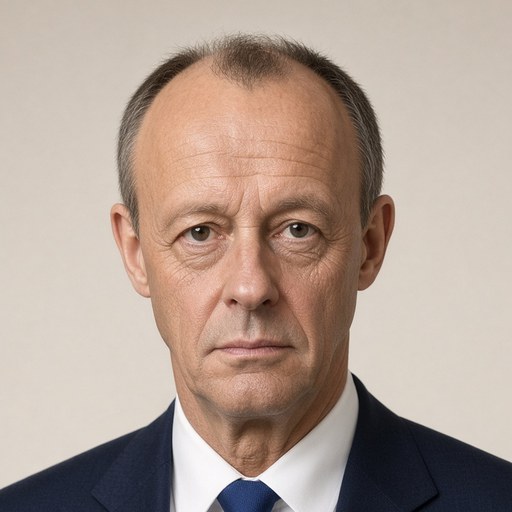
Chancellor's speech at the award ceremony for the "Prize for Understanding and Tolerance" "The fight against anti-Semitism is and will remain a task for all of us."
 Friedrich Merz · Chancellor of Germany
- Context
- Merz spoke at the Jewish Museum Berlin award ceremony for the Prize for Understanding and Tolerance, honoring scholars of democracy and remembrance.
- Main themes
- Antisemitism, tolerance and understanding, Jewish contributions to Enlightenment, diversity and pluralism, deliberative democracy, German-American friendship, culture of remembrance, open society, human dignity, transatlantic values, authoritarian challenges to democracy
- Duration
- ~12 min
- Words
- 1,461
- Sentences
- 91
- Readability
- 51
- Grade
- 10.2
- Syntax
- 2.70
- Vocabulary
- 2.31
Translated from German
The broad sphere of national life a sentence belongs to. Every sentence has an Arena, so it is the denominator the other indices are read against.
Other91 sentences in 49 paragraphs
Dear esteemed Ms. Berg,
Excellencies,
ladies and gentlemen,
above all, dear Professor Gutmann and dear Professor Zajfmann,
my ladies and gentlemen,
let me begin by saying that it is truly a great pleasure for me to participate once again in the award ceremony here at the Jewish Museum this evening, in a new role, in a new capacity. I have left this event in past years invariably wiser and enriched, also in terms of our collective heart education, and when I look at the award winners of this evening, I am confident that it will be the same this time, that it will be the same today.
Ladies and gentlemen, a few years ago, a book by the Frankfurt historian Till van Rahden was published, bearing the peculiar title "Vielheit." It states right on the first pages that in the Age of Enlightenment and until the beginning of the 20th century, what we today call the diversity of a society was referred to by the very term of Vielheit. Even linguistically, we can hear a bit of the word unity in there. This is precisely the thought that the term expresses in the Age of Enlightenment. Diversity does not destroy a free society; rather, it can make it better. Moses Mendelssohn once said:
"The unity [...] is greater the more manifold it is and the more intimately it is connected."
If you continue reading the book, you learn a great deal about how much it was Jewish thought and Jewish traditions that paved the way for this Enlightenment idea, for the commandment of tolerance, how much Jewish life has contributed to our gradual learning to deal well with the plurality that characterizes us as a free and open society, and to engage productively with the experience of diversity and conflict. We all know from personal experience how exhausting that can sometimes be.
That is why the Canadian philosopher
Charles Taylor
rightly and aptly states:
"An open society needs patience."
But, ladies and gentlemen, this patience is something we owe to ourselves and to others with whom we live in our country. We also owe it to our historical legacy, the privilege of living in a country whose constitution begins with the sentence:
"The dignity of man is inviolable."
In the Constitution of the United States, dear Ms. Gutmann, it is stated differently, but with a very similar meaning:
"We hold these truths"
– these truths –
"to be self-evident, that all men are created equal, that they are endowed by their Creator with certain unalienable Rights [...] Life, Liberty and the pursuit of Happiness."
In words very similar to these, the now-deceased Margot Friedländer said here last year: There is no Christian, Jewish, or Muslim blood. There is only human blood. Be human! That is what she called out to us.
Ladies and gentlemen, translated, this means: This is the core of what we call the "normative West." We have chosen to build societies based on a promise, namely the promise to recognize each other as human beings in our right to freedom, self-realization, and yes, also in our right to the pursuit of happiness.
At the moment, we are experiencing that these "self-evident truths" are evidently no longer self-evident. They are being called into question from the outside, but also from within the countries of the transatlantic world. They are being challenged globally. We are witnessing a newly emerging competition of systems. Authoritarian, revisionist forces are challenging our way of life. Hybrid attacks and disinformation, as they occur almost daily now, are almost bets on the vulnerability and weakness of our societies. Thus, it is not only a question of our good life together, but also of our survival as open societies, that we find, perhaps return to, the strength we have, especially in our freedom.
Awards and ceremonies are a means to this end, as they remind us of what really matters and shine a light on the people who can serve as role models for us in this time.
Today, we honor two award winners, both of whom have dedicated their lives in their own way to the service of understanding and educational work.
You, dear Ms. Gutmann, are both a theorist and a practitioner of deliberative democracy and international understanding. In your books, you have argued in your academic work that deliberative democracies function. Deliberation, that is, political decision-making based on the exchange of arguments, based on compromise, constitutes our societies and enhances our collective ability to make good and just judgments. As a diplomat, you have set impulses for deepening German-American friendship, which – honesty in our dealings with each other requires me to say – is currently facing challenges.
When you came to Berlin in 2022, it was in a way also a return for you. Your Jewish father fled to the
USA
from the Nazis in the 1930s. In an interview a few years ago, you said: The world can learn something from Germany's culture of remembrance. I do not quote this here as self-praise, but to tell you today: I understand this primarily as a mandate for us in Germany. There is no statute of limitations on the responsibility to keep the memory of the crime against humanity of the Holocaust alive. On the contrary, the responsibility demands even more from us the further the Holocaust recedes in time and the more witnesses are no longer with us. It demands of us today in the face of the new wave of anti-Semitism that we must unfortunately experience worldwide and also here in Germany.
Ladies and gentlemen, I want to emphasize here, both personally and on behalf of the Federal Government: We will do everything in our power to combat anti-Semitism in all its new and old forms consistently. We will stand by Israel, whose right to exist is still being questioned, and increasingly loudly, on the streets of Germany.
At the same time, we must all know, down to every level of society: The fight against anti-Semitism is and remains a societal task for all of us. Because when Jews who have their home here in Germany today say that they are beginning to fear for their home, that they fear being uprooted again, then we need a clear response of everyday solidarity and also of civil courage.
Dear Professor Zajfmann, when you were awarded the Harnack Medal in 2023, the then-President of the Max Planck Society, Martin Stratmann, said it was a great vote of confidence that you had decided to come to Germany in the early 2000s, to the Max Planck Institute for Nuclear Physics in Heidelberg. You are the child of Holocaust survivors. Nevertheless – and we cannot say this "nevertheless" loudly enough – you have dedicated yourself for decades to German-Israeli understanding. You have built bridges between countries and cultures through and with science, as President of the Weizmann
Institute of Science in Rechovot, as Chairman of the
Israel Science Foundation and at the
Davidson Institute of Science Education.
Let me say to you: I sincerely hope that we have not disappointed your trust. I sincerely hope that the success story of the cooperation between the Max Planck Society and the Weizmann
Institute
, in which you have played a part, has many more chapters to come.
Ladies and gentlemen, this is also a foundation of our open society: free science, the pursuit of knowledge, the search for enlightenment in the literal sense. This too is under pressure.
So, I would like to say, for this time in which we live, there can hardly be better award winners than those we honor this evening. Dear Professor Gutmann, dear Professor Zajfmann, I am very much looking forward to hearing more from you and more about you shortly.
In conclusion, I would like to thank the wonderful Jewish Museum for the initiative. I thank you for the wonderful museum work, for the work of remembrance, and for the work of understanding that you have been doing here for nearly 25 years. When I look around this room, ladies and gentlemen, when I see the life’s work of today’s award winners, I am once again not worried about the future strength we have in an open society. Let us not allow this strength to be taken from us! Let us show together this strength that lies within us!
Thank you.
Since 2002, the
Jewish Museum Berlin
(JMB) has awarded the Prize for Understanding and Tolerance. The prize honors individuals who have made outstanding contributions to the promotion of human dignity, the integration of minorities, and the coexistence of different religions and cultures. Previous award winners have included
Charlotte Knobloch, former U.S. Secretary of State
Madeleine
Albright
and former Federal President
Joachim Gauck.
The original German. The tags above are read on the English translation's sentences.
Sehr geehrte, liebe Frau Berg,
Exzellenzen,
sehr geehrte Damen und Herren,
vor allem sehr geehrte, liebe Frau Professor Gutmann und
sehr geehrter Herr Professor Zajfmann,
meine Damen und Herren,
lassen Sie mich damit beginnen, zu sagen, dass es mir eine wirklich sehr große Freude ist, heute Abend erneut an der Preisverleihung hier im Jüdischen Museum teilzunehmen, in einer neuen Aufgabe, in einer neuen Funktion. Ich habe diese Veranstaltung in den vergangenen Jahren ausnahmslos klüger und bereichert verlassen, auch im Sinne unser aller Herzensbildung, und wenn ich auf die Preisträger des heutigen Abends blicke, dann bin ich mir sicher, dass es auch dieses Mal, dass es auch heute so sein wird.
Meine Damen und Herren, vor einigen Jahren erschien ein Buch des Frankfurter Historikers Till van Rahden, das den sonderbaren Titel „Vielheit“ trägt. Man liest darin gleich auf den ersten Seiten, im Zeitalter der Aufklärung und bis zum Beginn des 20. Jahrhunderts habe man über das, was wir heute Vielfalt oder Diversität einer Gesellschaft nennten, mit eben diesem Begriff der Vielheit gesprochen. Schon sprachlich hören wir da ein bisschen auch das Wort Einheit heraus. Genau diesen Gedanken drückt der Begriff in der Zeit der Aufklärung aus. Verschiedenheit zerstört eine freie Gesellschaft nicht; sie kann sie vielmehr besser machen. Moses Mendelssohn hat einmal gesagt:
„Die Einheit […] ist desto größer, je mehr Mannigfaltiges und je inniger es verknüpft ist.“
Wenn Sie in dem Buch weiterlesen, dann lernen Sie eine ganze Menge darüber, wie sehr es gerade jüdisches Denken und jüdische Traditionen waren, die den Weg für diese aufklärerische Idee, für das Gebot der Toleranz bereitet haben, wie sehr jüdisches Leben dazu beigetragen hat, dass wir nach und nach gelernt haben, mit der Pluralität, die uns als freie und offene Gesellschaft eben ausmacht, gut umzugehen und mit der Erfahrung der Verschiedenheit und des Konflikts produktiv umzugehen. Wie anstrengend das bisweilen aber auch sein kann, wissen wir alle aus persönlicher Erfahrung.
Deshalb sagt der kanadische Philosoph
Charles Taylor
ganz zu Recht und treffend:
„Eine offene Gesellschaft braucht Geduld.“
Aber, meine Damen und Herren, diese Geduld schulden wir uns und anderen, mit denen wir in unserem Land zusammenleben. Wir schulden sie auch unserem historischen Erbe, dem Privileg, in einem Land zu leben, dessen Verfassung mit dem Satz beginnt:
„Die Würde des Menschen ist unantastbar.“
In der Verfassung der Vereinigten Staaten, liebe Frau Gutmann, heißt es anders, aber mit ganz ähnlicher Bedeutung:
„
We hold these truths
“
– diese Wahrheiten –
„
to be self-evident, that all men are created equal, that they are endowed by their Creator with certain unalienable Rights […] Life, Liberty and the pursuit of Happiness
.“
In ihren Worten etwas ganz Ähnliches hat im vergangenen Jahr an dieser Stelle die inzwischen verstorbene Margot Friedländer gesagt: Es gibt kein christliches, jüdisches oder muslimisches Blut. Es gibt nur menschliches Blut. Seid Menschen! Das hat sie uns zugerufen.
Meine Damen und Herren, übersetzt heißt das: Dies ist der Kern dessen, was wir „normativen Westen“ nennen. Wir haben uns entschieden, Gesellschaften auf der Grundlage eines Versprechens zu bauen, nämlich des Versprechens, einander als Menschen in unserem Recht auf Freiheit, Selbstentfaltung, ja, auch in unserem Recht auf das Streben nach Glück anzuerkennen.
Wir erleben im Augenblick, dass diese „
self-evident truths
“, diese selbstverständlichen Wahrheiten, offensichtlich nicht mehr selbstverständlich sind. Sie werden von außen, aber auch von innen innerhalb der Länder der transatlantischen Welt infrage gestellt. Sie werden global infrage gestellt. Wir erleben einen neu aufbrechenden Wettbewerb der Systeme. Autoritäre, revisionistische Kräfte fordern unsere Art zu leben heraus. Hybride Angriffe und Desinformationen, wie sie inzwischen fast täglich geschehen, sind fast schon Wetten auf die Verletzlichkeit und Schwäche unserer Gesellschaften. Somit ist es nicht nur eine Frage unseres guten Lebens miteinander, sondern auch unseres Überlebens als offene Gesellschaften, dass wir in diesem normativen Westen zu der Stärke finden, vielleicht zurückfinden, die wir haben, gerade in unserer Freiheitlichkeit.
Auszeichnungen und Preisverleihungen sind ein Mittel dafür, weil sie uns daran erinnern, worum es wirklich geht und weil sie ein Licht auf die Menschen werfen, die uns in dieser Zeit in besonderer Weise als Vorbild dienen können.
Wir ehren heute zwei Preisträger, die beide auf ihre Art ihr Leben in den Dienst der Verständigung und der Bildungsarbeit gestellt haben.
Sie, sehr geehrte Frau Gutmann, sind zugleich eine Theoretikerin und eine Praktikerin der deliberativen Demokratie und der Völkerverständigung. Sie haben in Ihren Büchern, Sie haben in Ihrem akademischen Wirken argumentiert, deliberative Demokratien funktionierten. Deliberation, also politische Urteilsfindung auf der Basis des Austauschs von Argumenten, auf der Basis von Kompromissfindung, mache unsere Gesellschaften aus und mache unsere kollektive Fähigkeit zum guten und gerechten Urteil besser. Sie haben als Diplomatin Impulse für eine Vertiefung der deutsch-amerikanischen Freundschaft gesetzt, die – das zu sagen, gebietet die Ehrlichkeit im Umgang miteinander – im Augenblick vor Herausforderungen steht.
Als Sie 2022 nach Berlin kamen, war es in gewisser Weise auch eine Rückkehr für Sie. Ihr jüdischer Vater ist in den Dreißigerjahren vor den Nazis in die
USA
geflohen. In einem Interview haben Sie vor ein paar Jahren den Satz gesagt: Die Welt kann etwas von Deutschlands Kultur des Erinnerns lernen. Ich zitiere das hier nicht als Selbstlob, sondern um Ihnen hier heute zu sagen: Ich verstehe das vor allem als Auftrag an uns in Deutschland. Es gibt keine Verjährung der Verantwortung dafür, dass die Erinnerung des Menschheitsverbrechens der Schoah lebendig bleibt. Im Gegenteil, die Verantwortung fordert uns umso mehr, je weiter die Schoah in der Zeit zurückliegt und je mehr Zeitzeugen nicht mehr unter uns sind. Sie fordert uns heute gegenüber der neuen Welle von Antisemitismus, die wir weltweit und die wir leider auch in Deutschland erleben müssen.
Meine Damen und Herren, ich will es deshalb hier mit allem Nachdruck persönlich, aber auch im Namen der Bundesregierung sagen: Wir werden alles in unserer Macht Stehende tun, um Antisemitismus mit all seinen neuen und alten Gesichtern konsequent zu bekämpfen. Wir werden Israel beistehen, dessen Existenzrecht nach wie vor und immer lauter auch auf deutschen Straßen in Frage gestellt wird.
Gleichzeitig müssen wir alle bis in jede Ebene der Gesellschaft hinein wissen: Der Kampf gegen den Antisemitismus ist und bleibt eine gesamtgesellschaftliche Aufgabe für uns alle. Denn wenn Jüdinnen und Juden, die hier in Deutschland ihre Heimat haben, heute sagen, dass sie um ihre Heimat zu fürchten beginnen, dass sie fürchten, wieder entwurzelt zu werden, dann brauchen wir darauf eine klare Antwort der alltäglichen Solidarität und auch der Zivilcourage.
Sehr geehrter Herr Professor Zajfmann, als Ihnen 2023 die Harnack-Medaille verliehen wurde, sagte der damalige Präsident der Max-Planck-Gesellschaft, Martin Stratmann, es sei ein großer Vertrauensvorschuss gewesen, dass Sie sich in den frühen Zweitausenderjahren entschieden hätten, nach Deutschland zu kommen, an das Max-Planck-Institut für Kernphysik in Heidelberg. Sie sind das Kind von Überlebenden der Schoah. Trotzdem – und dieses „trotzdem“ können wir gar nicht laut genug sagen – haben Sie sich für die deutsch-israelische Verständigung jahrzehntelang eingesetzt. Sie haben mit und durch Wissenschaft Brücken zwischen Ländern und Kulturen gebaut, als Präsident des Weizmann
Institute of Science
in Rechovot, als Vorsitzender in der
Israel Science Foundation
und im
Davidson Institute of Science Education
.
Lassen Sie mich zu Ihnen sagen: Ich hoffe sehr, dass wir Ihr Vertrauen nicht enttäuscht haben. Ich hoffe sehr, dass die Erfolgsgeschichte der Kooperation der Max-Planck-Gesellschaft und des Weizmann
Institute
, an der Sie mitgeschrieben haben, noch viele weitere Kapitel hat.
Sehr geehrte Damen und Herren, auch das ist eben eine Grundlage unserer offenen Gesellschaft: freie Wissenschaft, das Streben nach Wissen, die Suche nach Aufklärung im Wortsinn. Auch diese steht unter Druck.
So kann es also, möchte ich sagen, für diese Zeit, in der wir leben, kaum bessere Preisträger geben als die, die wir heute Abend ehren. Liebe Frau Professor Gutmann, sehr geehrter Herr Professor Zajfmann, ich freue mich sehr, gleich mehr von Ihnen und mehr über Sie zu hören.
Mir bleibt zum Abschluss zu sagen: Ich danke dem großartigen Jüdischen Museum für die Initiative. Ich danke Ihnen für die wunderbare Museumsarbeit, für die Erinnerungsarbeit und für die Verständigungsarbeit, die Sie hier seit bald 25 Jahren leisten. Wenn ich mich in diesem Raum umsehe, meine Damen und Herren, wenn ich auf das Lebenswerk der heutigen Preisträger sehe, dann ist mir einmal mehr nicht bange um die Zukunftskraft, die wir in einer offenen Gesellschaft haben. Lassen wir uns diese Kraft nicht nehmen! Zeigen wir gemeinsam diese Kraft, die in uns steckt!
Ich danke Ihnen.
Seit 2002 verleiht das
Jüdische Museum Berlin
(JMB) den Preis für Verständigung und Toleranz. Der Preis würdigt Persönlichkeiten, die sich auf herausragende Weise für die Förderung der Menschenwürde, die Integration von Minderheiten und das Zusammenleben unterschiedlicher Religionen und Kulturen einsetzen. Bisherige Preisträgerinnen und Preisträger waren unter anderem
Charlotte Knobloch, die ehemalige amerikanische Außenministerin
Madeleine
Albright
und Bundespräsident
a. D.
Joachim Gauck.