




Chancellor's Speech at the Economic Summit of the Süddeutsche Zeitung Restoration of Price Competitiveness
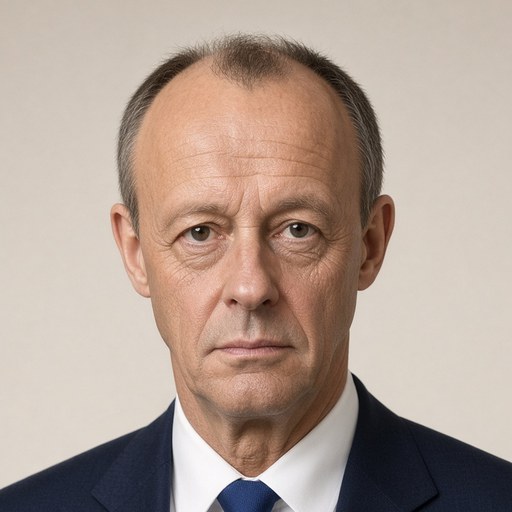
 Friedrich Merz · Chancellor of Germany
- Context
- Merz addressed the Süddeutsche Zeitung Economic Summit in November 2025, outlining Germany's reform agenda focused on restoring price competitiveness and modernizing the state.
- Main themes
- Price competitiveness, economic reforms, Germany's economic challenges, digitalization and state modernization, labor migration policy, bureaucracy reduction, transatlantic relations, war in Ukraine, trade dispute with USA, China's assertiveness, federal-state cooperation, Work-and-Stay Agency
- Duration
- ~20 min
- Words
- 2,443
- Sentences
- 114
- Readability
- 50
- Grade
- 11.5
- Syntax
- 3.02
- Vocabulary
- 2.07
Translated from German
The broad sphere of national life a sentence belongs to. Every sentence has an Arena, so it is the denominator the other indices are read against.
Other114 sentences in 45 paragraphs
Dear Ms. Wittwer,
dear Mr. Schäfer,
ladies and gentlemen,
thank you very much for the warm welcome! I am grateful to be here for the sixth time, not realizing that I would once be welcomed more warmly by the Süddeutsche Zeitung than by the Junge Union! But times change. It will be different again, for you and for the Junge Union.
Ladies and gentlemen, we meet at a time when the mood in the country and the mood in the world could hardly be more critical, much like the weather outside: gloomy and rainy. We meet at a time when we are approaching the end of 2025 and are confronted in our society, but also in the economy, with the question of what the next few years will look like, particularly in 2026, and what opportunities we as the Federal Republic of Germany and also in Europe have to meet the challenges we face.
These challenges are as diverse as they are likely rare, possibly, depending on developments, never before faced by a government in German post-war history. I say this without any lamentation. I just want to describe how comprehensive these challenges are. The keywords you have already mentioned: the war in Ukraine, the developments in China, increasingly repressive internally, increasingly aggressive externally, and the trade dispute with the USA, which is much more than just a trade dispute. A deep chasm has emerged across the Atlantic, questioning much, indeed almost everything, we have considered right and necessary in the transatlantic relationship over the past decades. Against this backdrop, there is a debate in Germany about the future viability of our country, the stability of our society, necessary reforms, and the competitiveness of the economy.
Ladies and gentlemen, the economic policy challenge we face today in Europe and in Germany more than ever in the past ten years, perhaps even in the past twenty years, is: How do we restore the price competitiveness of our economy?
I consciously speak of price competitiveness because, in my view, this is the greater problem in the competitiveness of our economy, beyond the necessary transformation towards a climate-friendly economy.
We in the coalition agree that we are facing a high mountain of necessary changes and reforms. We have begun these reforms in the first six months of our term. We have essentially identified them on two dimensions, on two levels.
One is: This country is too sluggish, too slow, and too bureaucratic. We want to change that; we will change that, and we have already changed some of it. We have not only established a Ministry for Digitalization and State Modernization for the first time, creating an institution in the federal government equipped with all responsibilities for this area and already implementing initial proposals. But we have also set ourselves the goal of launching a truly comprehensive digitalization and modernization agenda
– we have already initiated it through a cabinet decision during our retreat
– that will bring about profound changes in many processes, but will also deeply affect the relationship between the federal government, states, and municipalities.
I want to illustrate this with an example that may become the biggest construction site for this legislative period, as it encompasses all levels, namely the establishment of a so-called Work-and-Stay Agency. At first glance, this may sound very technical, but in truth, it represents a fundamental change in our immigration and foreign policy in two ways. On the one hand, we are separating the procedures between asylum and migration into the labor market. We separate them from the very beginning, right at the top, and not only somewhere along the way in a process where one can then turn left or right, one into asylum, the other into the labor market, but we separate it from the very beginning. All those who come to Germany and want to work and live here
– and we need many of them
– will soon be able to register on a digital platform that digitizes all processes and harmonizes the underlying processes.
You can already see from these few words what a mammoth task this is. Because we are deeply intervening in the structures of the federal government, states, and municipalities. We are placing behind the digital platform, for example, the procedures for issuing work permits, the procedures for issuing residence permits, and above all, the procedures for recognizing professional qualifications. This will be a significant task, and it will not be without pilot projects. I have already approached two federal states, one a large state and the other a city-state, and I hope to win them over to embark on this experiment with us.
Why are we doing this?
– First, because we urgently need migration into the labor market, and because we can no longer shape it as we have in the past, namely from the asylum procedures. But secondly, because we want to show that complex processes, which extend across all state and municipal levels, can at least be offered on a digital platform moving forward, while these processes are largely digitized in the background. This is a massive experiment. I am not sure that we will succeed on the first attempt. But we decided on it in the federal cabinet the week before last. We are taking a completely new path not only in the digitalization of administration but also in the rapid recruitment of skilled and labor for our labor market.
The second dimension, alongside the issue of digitalization and state modernization, concerns the reform of social security systems. I do not need to elaborate on this further in this circle. The price competitiveness of our economy also significantly depends on how far jobs in Germany can be maintained competitively, and I want to state this explicitly
– jobs in industry.
Perhaps I will emphasize this point again: We want, I personally want, Germany to remain a country of manufacturing industry.
– Services will come in entirely new and diverse forms. The keyword of AI has been mentioned. But we will not become a purely service society, and if we did, we could not maintain the prosperity of our country as we have it. So we want to remain an industrial location, both for large industrial companies, globally active corporations, as well as for the industrial middle class
– you will have representatives of this industrial middle class here on stage
– for the entire breadth of the medium-sized industry down to the craft sector, which constitutes a significant part of our value creation, primarily focused on industry.
If we want to achieve this, we must keep jobs in this area competitive. Reforms are also unavoidable here, both in pension insurance and in long-term care insurance and health insurance. The contributions in these three pillars of our social insurance system are currently too high. But we will keep them stable over the turn of the year. This has also been decided in the cabinet. We have made the necessary decisions so that the social insurance contribution for health insurance and long-term care insurance does not have to rise on January 1, 2026, contrary to previous assumptions. This will happen through savings and also corresponding reforms in these systems, which, however, lie ahead of us in their entirety and dimension. We will address this task next year.
The pension security system is also under scrutiny, and far more than we controversially discussed in a specific part last weekend. It is about a new overall provision level for our old age, which consists of three pillars, namely the statutory pension insurance, which will remain the basic security, but also private and occupational pension schemes, both capital-funded pillars of our old-age provision. That we have agreed with the Social Democratic Party of Germany in a coalition agreement to precisely this, that we want to reassemble a new overall provision level from these three pillars, of which two will be capital-funded, would
– I say this with all due respect
– probably not have been possible with the Social Democratic Party of Germany a few years ago. We have agreed on this in the coalition agreement. The specifics and design will need to be discussed in the coming weeks and months.
Ladies and gentlemen, before all these topics stands the big question of whether not only the German economy is becoming competitive again, whether not only Germany is able to shed the burdens of over-bureaucratization, but how we will continue to deal with this European Union, which has written a unique success story, at least in its first six decades, through the individual communities
– from the Coal and Steel Community, Euratom to the European Union and the Economic and Monetary Union
– with its core of the European internal market, which came into force on January 1, 1993, but is now threatened by an over-bureaucratization that threatens to call into question the successes of this internal market as a whole.
At this point, my commitment to the future of the European Union comes into play. Ladies and gentlemen, I do this not because I enjoy traveling around Europe, but because I am firmly convinced that we, as the strongest economy in this European Union and as the most populous country in this European Union, bear much more responsibility than anyone else to take on a piece of leadership responsibility in this European Union. But this remains an empty word if it is not filled with content. This content has expanded in recent years to a dimension that we can only guess, perhaps fear, but could not know in this level of detail, namely the necessity of making the European Union also a European defense union.
This brings us back to what I said at the beginning. We face international challenges that we as Europeans must answer together, namely with the ability to defend ourselves. This would not have been discussed here in this form a year ago, but that is the situation now, and not just since the beginning of the war in Ukraine, but for longer, but visible to everyone at least since that day. The threat to Ukraine is not only the territorial threat to a European country, but it is a permanent threat to our democracies, our freedoms, our way of living and working. I suspect that many in this room can report from their companies how, for example, cyberattacks on the data systems of companies can paralyze them for days, if not weeks, how they are extorted, how cyberattacks, drone flights, and many other threats have now become part of everyday life in their companies. All of this needs to be defended.
Ladies and gentlemen, it must also be added that the over-bureaucratized European internal market must be freed from the shackles it has imposed on itself, which was not the intention of those who successfully set it in motion 40 years ago
– I recall Jacques Delors' White Paper
– We wanted
– I say "we" because I was involved in the development phase of the European internal market
– an open space of freedom and law with the freedom of movement for persons, services, goods, and capital. In many respects, it has become a bureaucratic monster
– at least that is how it is perceived by many companies in Germany and across Europe
– that does not open up freedom but increasingly restricts freedoms. We must change this together.
That is precisely why I am determined to pursue this path together with the heads of state and government of the European Union. We have already embarked on this path. We agreed at the recent European Council three weeks ago in Brussels that we will meet on February 12 for the first time in decades for an extraordinary European Council, where we will spend an entire day discussing the future of the competitiveness of European industry. This special council is based on an initiative of mine. I wrote a letter to the President of the Council and the President of the Commission, to which 20 heads of state and government have now joined without any substantive changes, in which we called for now taking steps towards a truly comprehensive reduction of bureaucracy in Europe.
Why do I say this, ladies and gentlemen? These are not details or trivial matters; rather, we are currently facing such a fundamental change in the global political and economic centers of power that we must answer the question of whether we want to remain an object or become an active subject of a future political order far beyond Europe.
In conclusion, I would like to quote someone whose views one does not have to follow in all respects, but who, this past weekend – I regret to say: in a competing major daily newspaper – articulated exactly this thought under the headline "The Future of the World is Being Shaped in Europe." I hereby explicitly adopt this thought. The central sentence in this contribution reads: Since our great-grandparents, every generation has experienced the end of one world order and the emergence of a new world order, truly every generation.
Ladies and gentlemen, we are today in the generation in which we live, witnesses to such a fundamental new world order. We do not yet know what it will look like in a few years. But we can be quite sure that the world order we have known in the West for the last 80 years and in the East for the last 35 years has now come to an end in these days, weeks, months, today, on the day we meet here. If we want to shape this new world order, it can only be done in Europe, it can only be done together with our European neighbors. That is why I am holding the Digital Summit tomorrow with Emmanuel Macron here in Berlin. That is why we are talking about digital sovereignty. That is why we are discussing defense policy in Europe. That is why we are talking about critical raw materials and their procurement in Europe. That is why we are trying to integrate and embed exactly these issues, which we have to solve nationally and domestically, into a larger picture. This picture means for me without any doubt: This European Union must become capable of action again, economically, domestically, in foreign policy, but above all strategically, in the perception of its own interests in an increasingly challenging world that confronts us, not only us Europeans but especially us Germans in the geopolitical center of this European continent.
I thank you very much for your attention.
The original German. The tags above are read on the English translation's sentences.
Sehr geehrte Frau Wittwer,
sehr geehrter, lieber Herr Schäfer,
meine Damen und Herren,
herzlichen Dank für die freundliche Begrüßung! Vielen Dank, dass ich zum jetzt sechsten Mal hier sein darf, nicht ahnend, dass ich bei der „Süddeutschen Zeitung“ einmal freundlicher begrüßt werde als bei der Jungen Union! Aber so ändern sich die Zeiten. Es wird auch wieder anders, bei Ihnen und bei der Jungen Union.
Meine Damen und Herren, wir treffen uns zu einem Zeitpunkt, zu dem die Stimmung im Land und die Stimmung auf der Welt kaum kritischer sein könnte, ungefähr so wie das Wetter draußen: trüb und regnerisch. Wir treffen uns zu einem Zeitpunkt, an dem wir auf das Jahresende 2025 zugehen und in unserer Gesellschaft, aber auch in der Wirtschaft mit der Frage konfrontiert sind, wie es in den nächsten Jahren denn werden wird, insbesondere im Jahr 2026, und welche Chancen wir als Bundesrepublik Deutschland und auch in Europa haben, die Herausforderungen zu bestehen, vor denen wir stehen.
Diese Herausforderungen sind so vielfältig, wie sie wahrscheinlich selten, möglicherweise, je nach Entwicklung, noch nie in der deutschen Nachkriegsgeschichte für eine Regierung gewesen sind. Ich sage das ohne jede Larmoyanz. Ich will nur beschreiben, wie umfassend diese Herausforderungen sind. Die Stichworte haben Sie schon genannt: den Krieg in der Ukraine, die Entwicklung in China, nach innen immer repressiver, nach außen immer aggressiver, und den Zollstreit mit den
USA
, der viel mehr als nur ein Zollstreit ist. Im Atlantik ist ein tiefer Graben entstanden, der vieles, ja fast alles von dem infrage stellt, was wir in den vergangenen Jahrzehnten im transatlantischen Verhältnis für richtig und notwendig gehalten haben. Vor diesem Hintergrund gibt es in Deutschland eine Debatte um die Zukunftsfähigkeit unseres Landes, die Stabilität unserer Gesellschaft, notwendige Reformen und Wettbewerbsfähigkeit der Wirtschaft.
Meine Damen und Herren, die wirtschaftspolitische Herausforderung, vor der wir heute in Europa und in Deutschland mehr denn je in den vergangenen zehn Jahren, vielleicht sogar in den vergangenen zwanzig Jahren stehen, lautet: Wie schaffen wir es, die preisliche Wettbewerbsfähigkeit unserer Volkswirtschaft wiederherzustellen?
–
Ich spreche bewusst von der preislichen Wettbewerbsfähigkeit, weil diese nach meiner Einschätzung das größere Problem in der Wettbewerbsfähigkeit unserer Volkswirtschaft ist, jenseits der notwendigen Transformation hin zu einer klimaverträglichen Volkswirtschaft.
Wir sind uns in der Koalition darüber einig, dass wir vor einem hohen Berg an notwendigen Veränderungen und Reformen stehen. Wir haben diese Reformen in den ersten sechs Monaten unserer Amtszeit begonnen. Wir haben sie im Grunde auf zwei Dimensionen, auf zwei Ebenen identifiziert.
Das eine ist: Dieses Land ist zu träge, zu langsam und zu bürokratisch. Daran wollen wir etwas ändern; daran werden wir etwas ändern, und daran haben wir auch schon etwas geändert. Wir haben nicht nur durch die Einrichtung eines Ministeriums für Digitalisierung und Staatsmodernisierung erstmalig eine Institution in der Bundesregierung geschaffen, die mit allen Zuständigkeiten für diesen Bereich ausgestattet ist und bereits erste Vorschläge umgesetzt hat. Sondern wir haben uns auch vorgenommen, eine wirklich durchgreifende Digitalisierungs- und Modernisierungsagenda auf den Weg zu bringen
–
wir haben sie durch einen Kabinettsbeschluss während unserer Klausurtagung bereits auf den Weg gebracht
–
, die eine tiefgreifende Veränderung vieler Prozesse mit sich bringen wird, die aber auch in das Verhältnis zwischen Bund, Ländern und Gemeinden tief eingreift.
Ich will Ihnen dies an einem Beispiel darstellen, das möglicherweise die größte Baustelle für die Wahlperiode wird, weil es alle Ebenen mit umfasst, nämlich die Einrichtung einer sogenannten
Work-and-Stay
-Agentur. Das klingt auf den ersten Blick vielleicht sehr technisch, ist aber in Wahrheit in gleich doppelter Hinsicht eine grundlegende Veränderung unserer Einwanderungs- und Ausländerpolitik. Zum einen trennen wir die Verfahren zwischen Asyl und Migration in den Arbeitsmarkt. Wir trennen sie von Anfang an, und zwar gleich ganz oben und nicht erst irgendwo im Laufe eines Prozesses in dem man dann rechts oder links abbiegen kann, der eine in Asyl, der andere in den Arbeitsmarkt, sondern wir trennen es von Anfang an. All diejenigen, die nach Deutschland kommen und hier arbeiten und leben wollen
–
und davon brauchen wir viele
–
, können sich schon bald auf einer digitalen Plattform anmelden, die sämtliche Prozesse digitalisiert und die dahinterliegenden Prozesse harmonisiert.
Sie sehen allein schon an diesen wenigen Worten, welche Mammutaufgabe das ist. Denn wir greifen tief in die Strukturen von Bund, Ländern und Gemeinden ein. Wir legen hinter die digitale Plattform zum Beispiel die Verfahren zur Erteilung einer Arbeitserlaubnis, die Verfahren zur Erteilung einer Aufenthaltserlaubnis und vor allem die Verfahren zur Anerkennung der Berufsabschlüsse. Das wird eine große Aufgabe werden, und es wird nicht ohne Pilotprojekte gehen. Ich habe bereits zwei Bundesländer angesprochen, einen Flächenstaat und einen Stadtstaat, und hoffe, sie zu gewinnen, mit uns dieses Experiment zu wagen.
Warum tun wir das?
–
Zum Ersten, weil wir Migration in den Arbeitsmarkt dringend brauchen, und weil wir sie nicht weiterhin so gestalten können wie bisher, nämlich aus den Asylverfahren heraus. Aber zum Zweiten, weil wir damit zeigen wollen, dass sich komplexe Prozesse, die sich bei uns über sämtliche staatliche und kommunale Ebenen erstrecken, zumindest auf einer digitalen Plattform sozusagen nach vorn hin angeboten werden können, während diese Prozesse nach hinten weitgehend digitalisiert werden. Das ist ein gewaltiges Experiment. Ich bin mir nicht sicher, dass es uns wirklich schon im ersten Anlauf gelingen wird. Aber wir haben es in der vorletzten Woche im Bundeskabinett beschlossen. Wir gehen damit einen völlig neuen Weg nicht nur der Digitalisierung der Verwaltung, sondern auch der schnellen Gewinnung von Fach- und Arbeitskräften für unseren Arbeitsmarkt.
Die zweite Dimension neben dem Thema von Digitalisierung und Staatsmodernisierung betrifft die Reform der sozialen Sicherungssysteme. Ich brauche es in diesem Kreis nicht länger zu erläutern. Die preisliche Wettbewerbsfähigkeit unserer Volkswirtschaft hängt auch wesentlich davon ab, wie weit Arbeitsplätze in Deutschland wettbewerbsfähig erhalten werden können, und zwar
–
das will ich hier ausdrücklich sagen
–
Arbeitsplätze in der Industrie.
Vielleicht sage ich es an dieser Stelle noch einmal deutlich unterstrichen: Wir wollen, ich persönlich will, dass Deutschland ein Land produzierender Industrie bleibt.
–
Dienstleistungen werden in ganz neuer und vielfältigster Form hinzukommen. Das Stichwort der
KI
ist angesprochen worden. Aber wir werden keine reine Dienstleistungsgesellschaft, und wenn wir es würden, dann könnten wir den Wohlstand unseres Landes so, wie wir ihn haben, nicht erhalten. Wir wollen also ein Industriestandort bleiben, und zwar für große Industrieunternehmen, weltweit tätige Konzerne genauso wie für den industriellen Mittelstand
–
Sie werden Vertreter und Vertreterinnen dieses industriellen Mittelstandes hier auf der Bühne haben
–
, für die ganze Breite der mittelständischen Industrie bis in den Handwerksbereich, der einen wesentlichen Teil unserer Wertschöpfung ausmacht, im Wesentlichen auf Industrie ausgerichtet.
Wenn wir das schaffen wollen, dann müssen wir die Arbeitsplätze in diesem Bereich wettbewerbsfähig halten. Auch da sind Reformen unabweisbar, sowohl in der Rentenversicherung als auch in der Pflegeversicherung und in der Gesundheitsversicherung. Die Beiträge in diesen drei Säulen unseres sozialen Versicherungssystems sind im Augenblick zu hoch. Aber wir halten sie über den Jahreswechsel stabil. Auch das ist im Kabinett beschlossen. Wir haben die notwendigen Beschlüsse gefasst, damit der Sozialversicherungsbeitrag bei der Krankenversicherung und bei der Pflegeversicherung zum 1. Januar 2026, anders als ursprünglich angenommen, nicht steigen muss. Das geschieht über Einsparungen und auch entsprechende Reformen in diesen Systemen, die allerdings in ihrer ganzen Größe und Dimension noch vor uns liegen. Dieser Aufgabe werden wir uns im nächsten Jahr zuwenden.
Auch das Alterssicherungssystem steht auf dem Prüfstand, und zwar weit mehr, als wir es am vergangenen Wochenende in einem spezifischen Teil kontrovers diskutiert haben. Es geht um ein neues Gesamtversorgungsniveau für unser Alter, das aus drei Säulen besteht, nämlich der gesetzlichen Rentenversicherung, die die Basisabsicherung bleiben wird, aber auch einer privaten und betrieblichen Altersversorgung, beide kapitalgedeckte Säulen unserer Altersvorsorge. Dass wir uns mit der Sozialdemokratischen Partei Deutschlands in einem Koalitionsvertrag überhaupt genau darauf verständigt haben, dass wir nämlich aus diesen drei Säulen, von denen zwei kapitalgedeckt sein werden, ein Gesamtversorgungsniveau neu zusammensetzen wollen, wäre
–
ich sage das mit allem Respekt
–
mit der Sozialdemokratischen Partei Deutschlands vor einigen Jahren wahrscheinlich noch nicht möglich gewesen. Wir haben das im Koalitionsvertrag verabredet. Die Ausprägung und Ausgestaltung wird in den nächsten Wochen und Monaten zu diskutieren sein.
Meine Damen und Herren, vor allen diesen Themen steht die große Frage im Raum, ob nicht nur die deutsche Volkswirtschaft wieder wettbewerbsfähig ist, ob nicht nur Deutschland in der Lage ist, die Lasten einer Überbürokratisierung abzuwerfen, sondern wie wir mit dieser Europäischen Union weiter umgehen, die eine einzigartige Erfolgsgeschichte geschrieben hat, zumindest in ihren ersten sechs Jahrzehnten, über die einzelnen Gemeinschaften
–
für Kohle und Stahl die Montanunion, Euratom bis hin zur Europäischen Union und zur Europäischen Währungsunion
–
mit ihrem Herzstück des europäischen Binnenmarktes, am 1. Januar 1993 in Kraft getreten, mittlerweile allerdings bedroht von einer Überbürokratisierung, die die Erfolge dieses Binnenmarktes insgesamt infrage zu stellen droht.
An genau dieser Stelle kommt mein Einsatz für die Zukunft der Europäischen Union zur Sprache. Meine Damen und Herren, ich tue das nicht, weil ich Spaß daran habe, in Europa umherzureisen, sondern ich tue das, weil ich der festen Überzeugung bin, dass wir als die stärkste Volkswirtschaft dieser Europäischen Union und als das bevölkerungsreichste Land dieser Europäischen Union viel mehr als alle anderen in der Verantwortung stehen, ein Stück Führungsverantwortung in dieser Europäischen Union zu übernehmen. Aber das bleibt ein inhaltsleeres Wort, wenn es nicht mit Inhalt gefüllt wird. Dieser Inhalt hat sich in den letzten Jahren um eine Dimension erweitert, die wir allenfalls ahnen, vielleicht befürchten, aber in dieser Detailgenauigkeit gar nicht wissen konnten, nämlich um die Notwendigkeit, aus der Europäischen Union auch eine europäische Verteidigungsunion zu machen.
Damit schließt sich der Kreis zu dem, was ich zu Beginn gesagt habe. Wir stehen vor internationalen Herausforderungen, die wir als Europäer gemeinsam beantworten müssen, und zwar mit der Fähigkeit, uns zu verteidigen. Auch das wäre vor Jahr und Tag hier auf diesem Forum in dieser Form wahrscheinlich gar nicht zur Sprache gekommen, aber so ist nun einmal die Lage, und zwar nicht erst seit dem Beginn des Krieges in der Ukraine, sondern schon länger, aber für jeden sichtbar spätestens seit diesem Tag. Die Bedrohung der Ukraine ist nicht nur die territoriale Bedrohung eines europäischen Landes, sondern es ist eine permanente Bedrohung unserer Demokratien, unserer Freiheiten, unserer Art zu leben und zu arbeiten. Ich vermute, dass hier im Raum viele sitzen, die aus ihren Unternehmen berichten können, wie zum Beispiel
Cyber
attacken auf die Datensysteme der Unternehmen die Unternehmen tagelang, wenn nicht wochenlang stilllegen, wie sie erpresst werden, wie
Cyber
angriffe, Drohnenüberflüge und viele andere Bedrohungen mittlerweile zum Lebensalltag in ihren Unternehmen gehören. Das alles will verteidigt werden.
Meine Damen und Herren, hinzu kommt, dass der überbürokratisierte europäische Binnenmarkt von den Fesseln befreit werden muss, die er sich selbst angelegt hat, was aber nicht im Sinne derer war, die ihn vor jetzt 40 Jahren
–
ich erinnere an das Weißbuch von
Jacques Delors
–
erfolgreich auf den Weg gebracht haben. Wir wollten
–
ich sage „wir“, weil ich in der Entstehungsphase des europäischen Binnenmarktes dabei war
–
einen offenen Raum der Freiheit und des Rechts mit der Verkehrsfreiheit für Personen, Dienstleistungen, Waren und Kapital. Daraus ist in vielerlei Hinsicht ein bürokratisches Monstrum geworden
–
jedenfalls wird es von vielen Unternehmen in Deutschland und in ganz Europa so empfunden
–
, das nicht die Freiheit eröffnet, sondern die Freiheiten immer weiter einschränkt. Das müssen wir gemeinsam ändern.
Genau deshalb bin ich fest entschlossen, diesen Weg gemeinsam mit den Staats- und Regierungschefs der Europäischen Union zu gehen. Wir haben diesen Weg bereits beschritten. Wir haben auf dem jüngsten Europäischen Rat vor drei Wochen in Brüssel verabredet, dass wir uns am 12. Februar erstmalig seit Jahrzehnten zu einem außerordentlichen Europäischen Rat treffen, bei dem wir miteinander einen ganzen Tag ausschließlich über die Zukunft der Wettbewerbsfähigkeit der europäischen Industrie sprechen. Dieser Sonderrat geht auf eine Initiative von mir zurück. Ich habe einen Brief an den Ratspräsidenten und an die Kommissionspräsidentin geschrieben, dem sich mittlerweile 20 Staats- und Regierungschefs ohne jede inhaltliche Änderung angeschlossen haben und in dem wir dazu aufgefordert haben, jetzt die Schritte zu einem wirklich durchgreifenden Rückbau der Bürokratie in Europa zu gehen.
Warum sage ich das, meine Damen und Herren? Das alles sind keine Details und keine Kleinigkeiten, sondern wir stehen gegenwärtig in einer so fundamentalen Veränderung der globalen politischen und ökonomischen Machtzentren, dass wir die Frage beantworten müssen, ob wir weiterhin Objekt bleiben oder handelndes Subjekt einer zukünftigen politischen Ordnung weit über Europa hinaus werden wollen.
Zum Abschluss will ich jemanden zitieren, dem man nicht in all seinen Auffassungen folgen muss, aber der am vergangenen Wochenende
–
ich bedauere, sagen zu müssen: in einer konkurrierenden großen Tageszeitung
–
unter der Überschrift „Die Zukunft der Welt entsteht in Europa“ genau diesen Gedanken auf eine Formel gebracht hat. Ich mache mir diesen Gedanken hiermit ausdrücklich zu eigen. Der zentrale Satz in diesem Beitrag lautet: Seit unseren Urgroßeltern hat jede Generation das Ende einer Weltordnung und das Entstehen einer neuen Weltordnung erlebt, wirklich jede Generation.
Meine Damen und Herren, wir sind heute in der Generation, in der wir leben, Zeitzeugen einer solchen grundlegenden neuen Weltordnung. Wir wissen noch nicht, wie sie in einigen Jahren aussehen wird. Aber wir wissen ziemlich sicher, dass die Weltordnung, die wir im Westen in den letzten 80 Jahren und im Osten in den letzten 35 Jahren kennengelernt haben, jetzt in diesen Tagen, Wochen, Monaten, heute, an dem Tag, an dem wir uns hier treffen, an ihr Ende gekommen ist. Wenn wir diese neue Weltordnung gestalten wollen, dann geht das nur in Europa, dann geht das nur zusammen mit unseren europäischen Nachbarn. Deshalb mache ich morgen den Digitalgipfel mit
Emmanuel Macron
hier in Berlin. Deswegen sprechen wir über digitale Souveränität. Deswegen sprechen wir über Verteidigungspolitik in Europa. Deswegen sprechen wir über kritische Rohstoffe und ihre Beschaffung in Europa. Deswegen versuchen wir, genau diese Themen, die wir national und innenpolitisch zu lösen haben, in ein größeres Bild einzubinden und einzubetten. Dieses Bild heißt für mich ohne jeden Zweifel: Diese Europäische Union muss wieder handlungsfähig werden, wirtschaftspolitisch, innenpolitisch, außenpolitisch, aber vor allem strategisch, in der Wahrnehmung ihrer eigenen Interessen in einer immer schwieriger werdenden Welt, die uns herausfordert, nicht nur uns Europäer, sondern vor allem uns Deutsche im geopolitischen Zentrum dieses europäischen Kontinents.
Ich danke Ihnen herzlich für Ihre Aufmerksamkeit.