




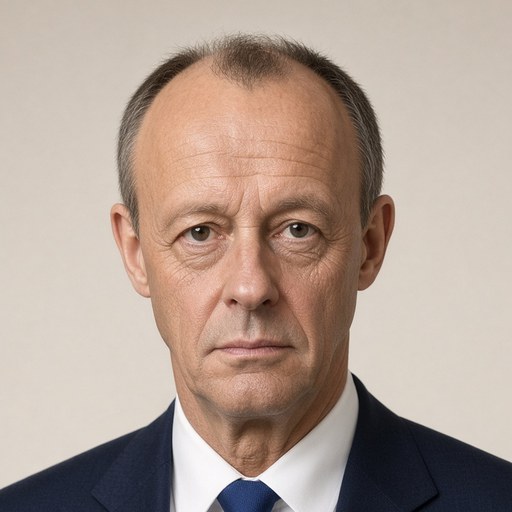
Speech by Chancellor Merz at the 125th Anniversary of the Chamber of Crafts South Westphalia Craft Shapes Germany's Future
 Friedrich Merz · Chancellor of Germany
- Context
- Merz addressed the 125th anniversary celebration of the Chamber of Crafts South Westphalia in Olsberg, praising the craft sector's role in shaping Germany's economic and social future.
- Main themes
- Crafts sector, regional identity and pride, Chamber of Crafts South Westphalia anniversary, vocational training, economic strength of Germany, future of Germany as industrial location, foreign and security policy, social and migration policy, epochal change, rural communities, civic engagement
- Duration
- ~32 min
- Words
- 3,837
- Sentences
- 191
- Readability
- 52
- Grade
- 11.0
- Syntax
- 2.99
- Vocabulary
- 2.01
Translated from German
The broad sphere of national life a sentence belongs to. Every sentence has an Arena, so it is the denominator the other indices are read against.
Other191 sentences in 38 paragraphs
Dear Mr. President of the Chamber of Crafts South Westphalia,
Vice Presidents,
Mr. Managing Director, dear Hendrik Schmitt,
Mr. Government President,
Mr. District Administrator,
on behalf of the mayors,
dear Wolfgang Fischer,
dear colleagues from the North Rhine-Westphalian State Parliament and the German Bundestag, dear master craftsmen and craftswomen, ladies and gentlemen, thank you very much for the warm welcome! I would like to extend a heartfelt welcome from my side to the President of the Central Association of German Crafts, even though he does not like the title very much, but I will mention it anyway. Dear Jörg Dittrich, welcome to the Hochsauerlandkreis, in Olsberg in South Westphalia! I say this because you are here for the first time today. We have often met over the past years and regularly see each other in Berlin. We have also met in Dresden, in your chamber district. I am very pleased that you have found your way here today. I would like to invite you not to let today be the only occasion; I would like to invite you to visit the vocational training center in Arnsberg, which Michaela Padberg has just described in detail. I am truly delighted that you are here. I must tell you, ladies and gentlemen, that we are 125 years old. In the entire Federal Republic of Germany, including the new federal states, there are only six chambers that are older. One of them is the Chamber of Crafts in Dresden. We are pleased to welcome a representative of an even older chamber of crafts here in Olsberg today. It is wonderful that you are here!
Ladies and gentlemen, usually, at major anniversaries, one looks back with gratitude and refers to it as a performance record. I am in the fortunate position today to not only address this performance record of the Chamber of Crafts South Westphalia but also to tell you: I have personally witnessed significant parts of it, not 125 years, not even half, but already a good third and more. Because I grew up in this region. I have closely followed the development of the Chamber of Crafts. Of the 125 years that this region has been shaped by crafts, I have experienced about half of that. Therefore, I can say: This region is one of the most beautiful, economically strongest, and livable regions in the entire Federal Republic of Germany, also because it is one of the strongest craft regions in the Federal Republic of Germany. I would like to sincerely congratulate you on that and thank you for it.
Because it is you, it is thousands of craftsmen and craftswomen, supported by the chamber and the guilds, who build houses and roads every day, lay cables, bake rolls, paint walls, craft furniture, and provide many other craft services. You also train young people and introduce them to exciting professions. You give them work, and work where, at the end of the day, you can see what you have created. You are, in the truest sense of the word, the driving forces of our country, not only in your profession, in training, and in further education. You are also often and disproportionately the ones who significantly shape our regions, especially in rural areas, through clubs. Without the active craftsmen and craftswomen in sports clubs, shooting clubs, and many other social groups and associations, our lives would be less livable. Thank you for your diverse contributions in your free time for us, for our region!
Now, despite all these remarkable achievements and this impressive performance record, you and we do not want to only look back with gratitude but also look forward. What comes next? How can we continue to shape the future of our region? What will happen in the business? What will happen in the family? What will happen in the town, in the village, in the city, in the community?
You know that we all in the Federal Republic of Germany often ask ourselves this question, that we must ask ourselves this question as a country, and that, of course, we as the federal government must also ask ourselves this question. Because the world around us is changing so fundamentally and at such a high speed these days, months, and years that old certainties are often lost and new uncertainties arise. However, if we have the claim – and we do, the federal government, and I personally have it too – that we want to remain a livable, a high-performing, and a secure country and an innovative economic and industrial location, then we must provide very concrete political answers to exactly these questions today.
How can we continue to shape the future of our country? This question concerns all levels, economic policy as well as foreign and security policy, social policy, and migration policy. I say it deliberately with a word that the Federal President said a few years ago when we were first confronted with the war in Ukraine. He speaks not only of a turning point in time but of a rupture in epochs. I feel the same way. Because the rupture in epochs that we are currently experiencing, the full extent of which we will probably only understand in retrospect in a few years, does not stop at the borders of our country, at the state borders of North Rhine-Westphalia, at the borders of South Westphalia, or at the district borders of Hochsauerlandkreis.
Ladies and gentlemen, in Germany, we have had the great and almost historic luck of a geopolitical situation that has developed in our favor over the past approximately 30 years without us having to do much for it. The years 1990 and 1991 were often referred to as the end of history, with the subtext: Now everything is fine, and now everything is decided. All the major political decisions for democracy, market economy, and open societies have been made. Politics faces the grateful task of only having to make smaller corrections now. This assessment has proven to be a great error. The 30 years since then have not been the end of history but a small episode in history. With the harsh realities of today, we have been confronted since the beginning of Russia's war of aggression against Ukraine. We have called it a peace dividend in these 30 years. We believed that we would hardly have to make any fundamental decisions for freedom and peace, for security, for economic growth, and for social security. These 30 years have also often made us forget – and we must say this if we are honest with each other – how valuable freedom, security, and prosperity are and what work it takes to maintain all of this. They have made us forget the efforts associated with defense capability, economic growth, social security, and, last but not least, influence in the world.
We must therefore quickly realign ourselves to a new situation and think in new contexts. I mean this especially regarding the future questions we face today and to which we must provide answers, as a society as a whole, but also in politics. We cannot provide these answers only from Berlin. Much more important is: We must seek them in conversations with many who keep this country running every day, as we casually say. We must also seek them in dialogue and in solidarity with you, with the German crafts, with the economy, with industry, with the social partners, with all those who bear responsibility in Germany, whether organized or not. The German crafts are just as much a part of this as the German medium-sized businesses, institutions for which the location is vital, which cannot relocate to foreign locations but depend on Germany functioning. That is your reality of life and your professional everyday life.
Ladies and gentlemen, your businesses – I say this with full conviction and not just because I am here today – deserve the very best framework conditions to be able to meet this future task, where performance pays off, where commitment pays off, and where craftsmanship pays off. Nevertheless, we know that the truth is: The real conditions under which we work, under which you work, have long been quite different. You all can sing a song about bureaucracy, detached regulation, rising costs, lack of appreciation, and, last but not least, very high energy prices. We in the federal government know this. That is precisely why we have set out to regain growth, employment, yes, not only that, but also confidence and courage for our country.
We have not had real growth for many years. Productivity in Germany has stagnated for ten years. The first step towards improvement is therefore to recognize that we are not only dealing with a temporary economic downturn but with a structural growth crisis in our economy. The relatively good start of the economy at the beginning of 2025 should not deceive us about this. Structural growth crisis is the result of misjudgments and wrong decisions, not only, but also in politics.
That is why we in the coalition with the Social Democrats have tried to build a launch pad for new economic growth in the coming years. For this reason, at the beginning of our term, we initiated an immediate program with investment incentives through faster depreciation, better research funding, tax relief for corporations, and a reduced retention tax rate for sole proprietorships. We already brought this through the Bundesrat on July 14. About a quarter of German craft businesses are directly affected by this, ladies and gentlemen.
But all of this is not enough. We are in the midst of preparing the two budgets for 2025 and 2026. We still do not have an approved federal budget for the current year. At the same time, we are planning the federal budget for the following year. Because this is so complicated, we have decided, despite some criticism, to initiate a so-called special fund for infrastructure and climate protection in advance to address the backlog of repairs in our country. Yes, one can rightly criticize all of this. But if it is true that we have such a massive backlog of repairs – you all probably see this backlog in your craft businesses much more clearly every day than we see it from a political perspective – then we need a breakthrough, and we are trying to achieve that. With 500 billion euros over twelve years, the so-called special fund enables the construction industry, for example, to build capacities so that roads, railways, bridges, school buildings, and hospitals can be built quickly.
However, I also want to add, ladies and gentlemen: This is by no means all that we need to achieve. In fact, when looked at closely, it is only a drop in the bucket. 500 billion euros for twelve years sounds like a lot. But it is only 40 billion euros per year and thus only a fraction of the investments necessary to seriously shape our future.
In summary: A considerable amount of work is already behind us, but the greater part lies ahead of us. We must set priorities, especially for the next three and a half years. Therefore, we are making policy with the very simple triple goal: planning security, planning acceleration, and relief for companies across the board. – That sounds very technical. But only if we make progress in all three of these areas, in the security of planning, in the acceleration of that planning, and also in the relief of companies across the board, can we truly tap into the growth potential that we undoubtedly have in Germany.
First, the acceleration of planning: I know that this is a particularly important topic in many craft businesses. From construction planning to the start of construction, far too much time passes in our country. If we do not change this, then tax relief, state investments, or lower energy prices will not help at all. We have already made significant progress in accelerating planning and approval processes, especially for industrial projects, infrastructure and energy projects, as well as in the construction sector. We will continue the process and ambitiously pursue the Pact for Accelerating Planning and Approval in collaboration with the states – I would like to add here in North Rhine-Westphalia: especially with the district governments and the counties. We want to have it fully implemented in the first half of the current legislative period, developed ambitiously and in line with the coalition agreement, and ensure a noticeable acceleration in all areas, for example, through simplifications in procedural law, the digitization of application and approval processes, and accelerated approval procedures for industrial companies. I would like to add: We have already made the first decisions in the federal cabinet that are now in the legislative process, such as the amendment to the Building Code or the Procurement Acceleration Act. Both were already in the cabinet before the summer break.
Once again: All of this may sound very technical. But those who work in their businesses know that these are precisely the issues that often contribute to the paralyzing standstill that we all, rightly, lament.
The topic of state modernization is at the top of our agenda. This is a mammoth task, yes, I admit it. Citizens are losing trust in the functionality of our democracy. We have never had such a low point in the public's confidence in the functionality of our state. This not only threatens people's trust in the state as such, but it also endangers their trust in the functionality of our democratic order. That is why we are also advocating for a genuine paradigm shift here. We no longer just call it reducing bureaucracy; we call it dismantling bureaucracy.
For this reason, we have made the decision at the federal level for the first time to create a Ministry of Digitalization and State Modernization. Now, do not say that this is an additional ministry with additional bureaucracy! No, the opposite is true. This ministry is the only one in Germany where all responsibilities for digitalization and state modernization are bundled, and the responsibilities are so concentrated that the task of state modernization and comprehensive digitalization can indeed be tackled from this ministry.
Planning security – I have already mentioned this keyword – also includes the training of skilled workers, as well as affordable, safe, and clean energy and a manageable level of social contributions. Ladies and gentlemen, let me say an open word about this as well.
Let me first say something about the issue of securing skilled workers, because my multiple visits to the vocational training center of the Chamber of Crafts in Arnsberg come to mind, and they continually show me that chambers of crafts and training companies do excellent work in training young people in our country. If applicants are still absent, then we in politics must ask more fundamental questions about how we can contribute to changing this. I want to try to answer this question with a two-part response.
First: We must empower schools and support them in training students who are capable of being trained, who can then actually be trained in a craft profession.
My second aspect concerns our societal climate and awareness regarding crafts and training. Many of you know this; I repeat it over and over again, including today: A dual education in Germany is not a second-class education. The opposite is true. Dual education, training in a craft profession, is better for many young people in Germany than the misguided path of a supposedly academic education, on which they fail. Ladies and gentlemen, let us therefore work together on the image of vocational education and training. Much has already been done in this regard, but there is still much to do in the coming years so that this is accepted by the younger generation and connected with the perspectives that thankfully do exist.
I want to say an open word about the topic of migration. First of all, thanks to all the craft businesses that have accepted and trained migrants in their companies in recent years. These are impressive success stories, and we know that this has often involved significant additional effort on the part of the training companies. Thank you for doing this work! We need these young people in Germany, including those who, as we say, have a migration background.
However, the second remark is that we must also ensure that illegal migration in Germany continues to be reduced. I want to say explicitly: I know that it has been difficult for my colleagues in the SPD parliamentary group to go along this path. But precisely for this reason, I also want to thank my colleague Dirk Wiese for walking this path together. We are successful with it. Compared to August 2024, the number of asylum seekers in Germany has decreased by over 50 percent, almost 60 percent. It was right that we made this decision, also in the interest of those who are here, who want to stay here, who want to be trained here, who want to live here, who have their families here, and who must have a future in Germany, ladies and gentlemen. Thank you very much for this understanding!
The path to what we want to achieve therefore leads through improving the framework conditions for crafts as a whole. But we also need to work much harder to ensure that there is a change in mentality regarding the appreciation of crafts and more visibility for crafts, especially in schools. We refer to ourselves in Germany, and rightly so, as a country of engineers. But we should also talk about the fact that the best engineer is helpless without electricians, without bricklayers, and without carpenters.
I have already briefly mentioned the topic of competitive energy prices. Ladies and gentlemen, the prerequisite for planning security for the German economy as a whole, but also and especially for small and medium-sized enterprises and crafts, is competitive energy prices. We have already taken initial measures in this regard, such as the permanent continuation of the electricity tax reduction for the manufacturing sector, agriculture, and forestry. I know that only a part of the craft businesses is affected by this. We want to continue this as soon as we have the financial leeway for it. But we are also reducing other levies and charges, such as the gas storage levy, which will be abolished without replacement and which we will take over into the federal budget. I know many of you would have liked even more, but I can only repeat: We must also be careful that we only spend as much money as we can subsequently take in again. It is the taxpayers of the Federal Republic of Germany who finance all of this. We achieve real planning security for the economy neither through ever-increasing debt nor through ever-higher taxes, but ultimately only through solid public budgets.
Ladies and gentlemen, I am now at the third and final point. It particularly concerns you in the craft sector. Because under the so-called demographic change, we are seeing an increasing rise in social security contributions. The pressing task remains – you know the controversial discussion of recent days – that we must make our social security systems future-proof. Here, too, I would like to thank our coalition partners. We discussed this extensively just this week. We in the coalition agree that we have enormous pressure to ensure intergenerationally fair financing of the social security systems. Reforms of pension insurance, health insurance, and long-term care insurance are needed. We need quick corrections to the so-called citizen's income. We are determined to initiate this still this year. The federal government wants and will take on the responsibility we have, especially towards the younger generations and the young employers and employees.
We will therefore initiate some fundamental reforms this autumn. We have already commissioned this in some commissions as preparation, but, ladies and gentlemen, let me say this very clearly here: We do not want quick fixes; we do not want unconsidered short-term solutions, but we want sustainable solutions so that the social state of the Federal Republic of Germany remains financially viable in the long term, and I add: so that it remains financially viable for a young generation, on whose shoulders we must not solely offload the mistakes that my generation has made in this area over the past years and decades.
There is therefore a lot of work ahead of us, for the federal government, for me personally, but also for our entire society. There are tasks ahead of us that we must not postpone but must tackle now, in a joint effort by politics, crafts, industry, labor organizations, and society. We can do this with a healthy dose of confidence. That is certainly my personal firm conviction, with which I approach my work every day. I also want to tell you where I derive this confidence from. It is fundamentally related to encounters like this one here. We have so many people in this country who roll up their sleeves every day and take responsibility for their region, for the country, and of course for their business, who also engage in volunteer work after work. I have already spoken about this. The 53 chambers of crafts that we have in our country are among the best examples of this. By the way, they are a very typically German institution that is hardly found in this form in any other country in the world. They are, in the very best sense, an institution of self-administration and local patriotism, significantly supported by people who work voluntarily in the chambers and examination committees.
So today you celebrate, and we celebrate with you, the 125th anniversary of the Chamber of Crafts South Westphalia. The Federal Republic of Germany is significantly younger. We only celebrated 75 years of the Federal Republic of Germany last year. Your tradition of the chambers is therefore 50 years older. We do not know today under what conditions we will one day celebrate 125 years of the Federal Republic of Germany, but much of how we will celebrate it depends on the decisions we make today. So let us make the good and right decisions together! We know here in the Hochsauerlandkreis, in South Westphalia, in North Rhine-Westphalia, and throughout Germany what a beautiful, great, and lovable country we are and what we must preserve for our children and grandchildren. If we do it right, ladies and gentlemen, then we may even be able to hand over this country in an even better state than we found it. That should be our goal. So let us not forget where we live and how we live and with what gratitude we can look back on what has been, but also with what confidence we can look forward to what we can make of it together!
Congratulations, Chamber of Crafts South Westphalia!
The original German. The tags above are read on the English translation's sentences.
Sehr geehrter Herr Präsident der Handwerkskammer Südwestfalen,
Vizepräsidenten,
Herr Geschäftsführer, lieber Hendrik Schmitt,
Herr Regierungspräsident,
Herr Landrat,
stellvertretend für die Bürgermeister,
lieber Wolfgang Fischer,
liebe Kolleginnen und Kollegen aus dem nordrhein-westfälischen Landtag und dem Deutschen Bundestag,
liebe Silbermeisterinnen und -meister,
liebe Handwerkerinnen und Handwerker,
meine Damen und Herren,
herzlichen Dank für die freundliche Begrüßung! Ich möchte von meiner Seite aus – er hört den Titel nicht so gern, aber ich nenne ihn trotzdem – den Präsidenten des Zentralverbandes des Deutschen Handwerks ganz herzlich begrüßen. Lieber Jörg Dittrich, herzlich willkommen im Hochsauerlandkreis, in Olsberg in Südwestfalen! Ich sage das deshalb, weil Sie heute zum ersten Mal hier sind. Wir sind uns in den vergangenen Jahren oft begegnet und treffen einander in Berlin regelmäßig. Wir haben uns auch schon in Dresden getroffen, in Ihrem Kammerbezirk. Ich freue mich, dass Sie heute den Weg hierher gefunden haben. Ich würde Sie gern einladen, das nicht mit dem heutigen Tag bewenden zu lassen; ich würde Sie gern einladen, auch einmal in das Berufsbildungszentrum nach Arnsberg zu kommen, das Michaela Padberg gerade schon ausführlich beschrieben hat. Ich freue mich wirklich sehr darüber, dass Sie hier sind. Ich darf Ihnen, meine Damen und Herren, etwas sagen. Wir sind 125 Jahre alt. In der ganzen Bundesrepublik Deutschland einschließlich der neuen Bundesländer gibt es nur sechs Kammern, die älter sind. Eine davon ist die Handwerkskammer Dresden. Wir freuen uns, dass wir heute einen Vertreter einer noch älteren Handwerkskammer hier in Olsberg begrüßen dürfen. Schön, dass Sie da sind!
Meine Damen und Herren, gewöhnlicherweise wirft man bei großen Jubiläen einen dankbaren Blick zurück und nennt das Ganze Leistungsbilanz. Ich bin heute in der glücklichen Lage, diese Leistungsbilanz der Handwerkskammer Südwestfalen nicht nur ansprechen zu können, sondern Ihnen sagen zu dürfen: Ich habe wesentliche Teile davon selbst miterlebt, nicht 125 Jahre, auch nicht die Hälfte, aber schon ein rundes Drittel und mehr. Denn ich bin in dieser Region hier groß geworden. Ich habe die Entwicklung der Handwerkskammer aus nächster Nähe mitverfolgt. Von den 125 Jahren, die diese Region auch durch das Handwerk geprägt worden ist, habe ich immerhin rund die Hälfte miterlebt. Deswegen kann ich sagen: Diese Region gehört auch deshalb zu den schönsten, wirtschaftsstärksten und lebenswertesten Regionen der ganzen Bundesrepublik Deutschland, weil sie eine der handwerksstärksten Regionen der Bundesrepublik Deutschland ist. Dazu möchte ich Ihnen einfach ganz herzlich gratulieren und Ihnen Dank dafür sagen.
Denn Sie sind es, es sind Tausende von Handwerkerinnen und Handwerkern, unterstützt von der Kammer und auch den Innungen, die jeden Tag Häuser und Straßen bauen, Kabel verlegen, Brötchen backen, Wände streichen, Möbel tischlern und viele andere Handwerksdienstleistungen mehr erbringen. Sie bilden gleichzeitig junge Menschen aus und führen sie an spannende Berufe heran. Sie geben ihnen Arbeit, und zwar eine Arbeit, bei der man am Ende des Tages sieht, was man geschaffen haben. Sie sind im wahrsten Sinne des Wortes die Leistungsträgerinnen und Leistungsträger unseres Landes, und das nicht nur im Beruf, in der Ausbildung, in der Fortbildung. Sie sind auch ganz häufig und überproportional diejenigen, die in unseren Regionen, gerade in den ländlichen Regionen, die Vereine maßgeblich prägen. Ohne die aktiven Handwerkerinnen und Handwerker in den Sportvereinen, den Schützenvereinen und in vielen anderen gesellschaftlichen Gruppen und Vereinen wäre unser Leben weniger lebenswert. Auch dafür herzlichen Dank, dass Sie in vielfältiger Weise in Ihrer Freizeit diese Arbeit für uns, für unsere Region leisten!
Nun wollen Sie und wollen wir trotz allen diesen beachtlichen Verdiensten und dieser beachtlichen Leistungsbilanz nicht nur dankbar zurückblicken, sondern auch nach vorn schauen. Wie geht es weiter? Wie können wir die Zukunft unserer Region weiter gestalten? Wie geht es im Betrieb weiter? Wie geht es in der Familie weiter? Wie geht es im Ort, im Dorf, in der Stadt, in der Gemeinde weiter?
Sie wissen, dass wir alle in der Bundesrepublik Deutschland uns diese Frage häufig stellen, dass wir uns in der Bundesrepublik insgesamt diese Frage stellen müssen und dass selbstverständlich auch wir als Bundesregierung uns diese Frage stellen. Denn die Welt um uns herum verändert sich in diesen Tagen, Monaten und Jahren so grundsätzlich und mit einer so hohen Geschwindigkeit, dass alte Gewissheiten oftmals verloren gehen und neue Unsicherheiten entstehen. Wenn wir aber den Anspruch haben – und den Anspruch haben wir, die Bundesregierung, und auch ich ganz persönlich habe ihn –, dass wir ein lebenswertes, ein leistungsstarkes und ein sicheres Land und ein innovativer Wirtschafts- und Industriestandort bleiben wollen, dann müssen wir heute sehr konkrete politische Antworten auf genau diese Fragen geben.
Wie können wir die Zukunft unseres Landes weiter gestalten? Diese Frage betrifft alle Ebenen, die Wirtschaftspolitik genauso wie die Außen- und Sicherheitspolitik, die Sozialpolitik und die Migrationspolitik. Ich sage es bewusst mit einem Wort, das der Bundespräsident vor einigen Jahren gesagt hat, als wir zuerst mit dem Krieg in der Ukraine konfrontiert wurden. Er spricht nicht nur von der Zeitenwende, sondern vom Epochenbruch. So empfinde auch ich es. Denn der Epochenbruch, den wir im Augenblick erleben und dessen ganzes Ausmaß wir vermutlich erst in einigen Jahren in der Rückschau richtig verstehen werden, macht an den Grenzen unseres Landes, an den Landesgrenzen von Nordrhein-Westfalen, an den Grenzen von Südwestfalen oder an den Kreisgrenzen des Hochsauerlandkreises nicht halt.
Wir hatten, meine Damen und Herren, in Deutschland in den vergangenen rund 30 Jahren das große und geradezu historische Glück einer weltpolitischen Lage, die sich zu unseren Gunsten entwickelt hat, ohne dass wir viel dafür haben tun müssen. Die Jahre 1990 und 1991 wurden oft als das Ende der Geschichte bezeichnet, mit dem Untertext: Jetzt ist alles gut, und jetzt ist alles entschieden. All die großen Entscheidungen der Politik für Demokratie, Marktwirtschaft und offene Gesellschaften sind getroffen. Die Politik steht vor der dankbaren Aufgabe, jetzt nur noch kleinere Korrekturen vornehmen zu müssen. Diese Einschätzung hat sich als ein großer Irrtum erwiesen. Die 30 Jahre seither sind nicht das Ende der Geschichte gewesen, sondern eine kleine Episode der Geschichte. Mit den harten Realitäten der Zeit von heute sind wir spätestens seit dem Beginn des Angriffskriegs Russlands gegen die Ukraine konfrontiert. Wir haben es in diesen 30 Jahren Friedensdividende genannt. Wir haben geglaubt, dass wir für Freiheit und Frieden, für Sicherheit, für wirtschaftliches Wachstum und für soziale Sicherheit kaum noch Grundsatzentscheidungen treffen müssten. Diese 30 Jahre haben uns auch häufig vergessen lassen das muss man sagen, wenn wir ehrlich miteinander sind , wie wertvoll Freiheit, Sicherheit und Wohlstand sind und welche Arbeit es bedeutet, dies alles zu erhalten. Sie haben uns vergessen lassen, mit welchen Anstrengungen Verteidigungsfähigkeit, wirtschaftliches Wachstum, soziale Sicherheit und nicht zuletzt Einfluss in der Welt verbunden sind.
Wir müssen uns also jetzt sehr schnell auf eine neue Lage ausrichten und in neuen Zusammenhängen denken. Ich meine das vor allem im Hinblick auf die Zukunftsfragen, vor denen wir heute stehen und auf die wir Antworten geben müssen, als Gesellschaft insgesamt, aber eben auch in der Politik. Wir können diese Antworten nicht nur von Berlin aus geben. Viel wichtiger ist: Wir müssen sie suchen, und zwar in Gesprächen mit vielen, die dieses Land jeden Tag, wie wir so salopp sagen, am Laufen halten. Wir müssen sie auch im Gespräch und im Schulterschluss mit Ihnen suchen, mit dem deutschen Handwerk, mit der Wirtschaft, mit der Industrie, mit den Sozialpartnern, mit all denen, die in Deutschland, ob verfasst oder nicht verfasst, Verantwortung tragen. Das deutsche Handwerk gehört genauso dazu wie der deutsche Mittelstand, Institutionen, für die der Standort lebensentscheidend ist, die nicht auf ausländische Standorte ausweichen können, sondern darauf angewiesen sind, dass Deutschland funktioniert. Das ist Ihre Lebenswirklichkeit und Ihr Berufsalltag.
Meine Damen und Herren, Ihre Betriebe – ich sage das wirklich aus voller Überzeugung und nicht nur, weil ich heute hier bin – verdienen die allerbesten Rahmenbedingungen, um dieser Aufgabe der Zukunft gerecht werden zu können, in denen sich Leistung lohnt, in denen sich Einsatz lohnt und in denen sich Handwerk lohnt. Trotzdem wissen wir, dass die Wahrheit ist: Die realen Bedingungen, unter denen wir arbeiten, unter denen Sie arbeiten, sind schon lange ganz andere. Sie alle können ein Lied von Bürokratie, lebensferner Regulierung, steigenden Kosten, mangelnder Wertschätzung und nicht zuletzt sehr hohen Energiepreisen singen. Wir in der Bundesregierung wissen das. Wir sind genau deshalb angetreten, Wachstum, Beschäftigung, ja, nicht nur das, sondern auch Zuversicht und Mut für unser Land zurückzugewinnen.
Wir haben seit vielen Jahren kein echtes Wachstum mehr. Die Produktivität in Deutschland stagniert seit zehn Jahren. Der erste Schritt der Besserung liegt also darin anzuerkennen, dass wir es nicht nur mit einer vorübergehenden konjunkturellen Schwächephase zu tun haben, sondern mit einer strukturellen Wachstumskrise unserer Volkswirtschaft. Darüber darf auch der relativ gute Start der Konjunktur zu Beginn des Jahres 2025 nicht hinwegtäuschen. Strukturelle Wachstumskrise ist das Resultat von Fehleinschätzungen und falschen Entscheidungen nicht nur, aber auch in der Politik.
Wir haben deshalb in der Koalition mit den Sozialdemokraten versucht, eine Startrampe für neues wirtschaftliches Wachstum in den nächsten Jahren zu bauen. Aus genau diesem Grund haben wir zu Beginn unserer Amtszeit ein Sofortprogramm mit Investitionsanreizen durch schnellere Abschreibungen, bessere Forschungsförderung, steuerliche Entlastungen für Kapitalgesellschaften und einen abgesenkten Thesaurierungssteuersatz für Personenunternehmen auf den Weg gebracht. Das haben wir schon am 14. Juli durch den Bundesrat gebracht. Rund ein Viertel der deutschen Handwerksbetriebe ist davon unmittelbar betroffen, meine Damen und Herren.
Aber das alles reicht nicht. Wir sind mitten in der Aufstellung der beiden Haushalte 2025 und 2026. Noch haben wir keinen verabschiedeten Bundeshaushalt für das laufende Jahr. Gleichzeitig planen wir den Bundeshaushalt für das Folgejahr. Weil das so kompliziert ist, haben wir uns trotz mancher Kritik entschlossen, schon vorab ein sogenanntes Sondervermögen für Infrastruktur und Klimaschutz auf den Weg zu bringen, um dem Sanierungsstau in unserem Land zu begegnen. Ja, man kann das alles mit Fug und Recht kritisieren. Aber wenn es richtig ist, dass wir einen solchen massiven Sanierungsstau haben – Sie alle sehen diesen Sanierungsstau in Ihren Handwerksbetrieben vermutlich jeden Tag viel deutlicher, als wir ihn aus der politischen Perspektive heraus sehen –, dann brauchen wir einen Befreiungsschlag, und ihn versuchen wir. Mit 500 Milliarden Euro über zwölf Jahre ermöglicht das sogenannte Sondervermögen der Bauwirtschaft zum Beispiel, Kapazitäten aufzubauen, sodass die Straßen, Schienen, Brücken, Schulgebäude und Krankenhäuser schnell gebaut werden können.
Ich will allerdings auch hinzufügen, meine Damen und Herren: Das ist bei Weitem nicht alles, was wir leisten müssen. Das ist genau genommen und bei Licht betrachtet nur ein Tropfen auf den heißen Stein. 500 Milliarden Euro für zwölf Jahre, das hört sich nach viel an. Es sind aber nur 40 Milliarden Euro pro Jahr und damit nur ein Bruchteil der Investitionen, die notwendig sind, um unsere Zukunft wirklich ernsthaft gestalten zu wollen.
Zusammengenommen: Es liegt bereits ein beachtliches Stück Arbeit hinter uns, aber das größere liegt vor uns. Wir müssen Prioritäten setzen, vor allem für die nächsten dreieinhalb Jahre. Wir machen deshalb Politik mit dem ganz einfachen dreifachen Ziel: Planungssicherheit, Planungsbeschleunigung und Entlastung für Unternehmen in der ganzen Breite. – Das hört sich sehr technisch an. Aber nur wenn wir in allen diesen drei Punkten weiterkommen, in der Sicherheit der Planung, in der Beschleunigung genau dieser Planung und auch in der Entlastung der Unternehmen in der ganzen Breite, nur dann können wir auch wirklich das Wachstumspotenzial ausschöpfen, das wir ohne Zweifel in Deutschland haben.
Zuerst also die Planungsbeschleunigung: Ich weiß, dass das in vielen Handwerksbetrieben ein ganz besonderes Thema ist. Von der Bauplanung bis zum Baubeginn vergeht in unserem Land einfach viel zu viel Zeit. Wenn wir das nicht ändern, dann helfen auch steuerliche Entlastungen, staatliche Investitionen oder niedrigere Energiepreise gar nichts. Wir sind bei der Beschleunigung von Planungs- und Genehmigungsverfahren insbesondere für Industrievorhaben, Infrastruktur- und Energieprojekte sowie im Baubereich schon ein ganzes Stück vorangekommen. Wir setzen den Prozess fort und werden den Pakt für Planungs- und Genehmigungsbeschleunigung gemeinsam mit den Ländern – ich füge hier in Nordrhein-Westfalen hinzu: vor allem mit den Bezirksregierungen und den Kreisen – ambitioniert fortsetzen. Wir wollen ihn bereits in der ersten Hälfte der laufenden Wahlperiode vollständig umgesetzt haben, und zwar ambitioniert und im Sinne des Koalitionsvertrages weiterentwickelt, und in allen Bereichen für eine spürbare Beschleunigung sorgen, etwa durch Vereinfachungen im Verfahrensrecht, die Digitalisierung von Antrags- und Genehmigungsverfahren sowie beschleunigte Zulassungsverfahren für Industrieunternehmen. Ich füge hinzu: Wir haben im Bundeskabinett bereits die ersten Entscheidungen getroffen, die jetzt im Gesetzgebungsverfahren sind, etwa die Novelle zum Baugesetzbuch oder das Vergabebeschleunigungsgesetz. Beides war schon vor der Sommerpause im Kabinett.
Noch einmal: Das alles mag sich sehr technisch anhören. Aber diejenigen, die in ihren Betrieben arbeiten, wissen, dass genau das die Themen sind, die so häufig zu dem lähmenden Stillstand beitragen, den wir alle, wie ich finde, zu Recht beklagen.
Das Thema der Staatsmodernisierung steht bei uns oben auf der Tagesordnung. Das ist eine Mammutaufgabe, ja, ich gebe es zu. Die Bürgerinnen und Bürger verlieren das Vertrauen in die Funktionsfähigkeit unserer Demokratie. Wir haben noch nie einen solchen Tiefpunkt im Zutrauen der Bevölkerung in die Funktionsfähigkeit unseres Staates gehabt. Das bedroht nicht nur das Vertrauen der Menschen in den Staat als solchen, das gefährdet das Vertrauen der Menschen in die Funktionsfähigkeit unserer demokratischen Ordnung. Deswegen setzen wir uns auch hier für einen echten Paradigmenwechsel ein. Wir nennen es gar nicht mehr nur Bürokratieabbau, sondern wir nennen es Rückbau der Bürokratie.
Auch aus diesem Grunde haben wir im Bund erstmalig die Entscheidung getroffen, ein Ministerium für Digitalisierung und Staatsmonetisierung zu schaffen. Nun sagen Sie nicht, das sei ein zusätzliches Ministerium mit zusätzlicher Bürokratie! Nein, das Gegenteil ist richtig. Dieses Ministerium ist das einzige in Deutschland, in dem alle Zuständigkeiten für Digitalisierung und Staatsmodernisierung gebündelt und die Zuständigkeiten so konzentriert sind, dass nun aus diesem Ministerium heraus die Aufgabe der Staatsmodernisierung und durchgreifenden Digitalisierung in der Tat angegangen werden kann.
Planungssicherheit – ich habe das Stichwort schon genannt – umfasst auch Fachkräftenachwuchs, genauso wie bezahlbare, sichere und saubere Energie und ein verträgliches Niveau der Sozialabgaben. Meine Damen und Herren, auch hierzu ein offenes Wort.
Lassen Sie mich zuerst etwas zur Frage der Fachkräftesicherung sagen, weil mir meine mehrfachen Besuche im Berufsbildungszentrum der Handwerkskammer in Arnsberg in Erinnerung sind und sie mir immer wieder zeigen, dass Handwerkskammern und Ausbildungsbetriebe großartige Arbeit in der Ausbildung junger Menschen in unserem Land leisten. Wenn die Bewerberinnen und Bewerber trotzdem ausbleiben, dann müssen wir in der Politik noch grundsätzlicher fragen, wie wir dazu beitragen können, dass das anders wird. Ich will diese Frage mit einer zweiteiligen Antwort zu beantworten versuchen.
Erstens: Wir müssen die Schulen ertüchtigen und auf dem Weg unterstützen, dass sie ausbildungsfähige Schülerinnen und Schüler heranbilden, die anschließend wirklich in einem Handwerksberuf ausgebildet werden können.
Mein zweiter Aspekt betrifft unser gesellschaftliches Klima und Bewusstsein im Hinblick auf Handwerk und Ausbildung. Viele von Ihnen wissen es, ich wiederhole es immer wieder und auch heute: Eine duale Ausbildung in Deutschland ist keine Ausbildung zweiter Klasse. Das Gegenteil ist richtig. Die duale Ausbildung, eine Ausbildung in einem Handwerksberuf, ist für viele junge Menschen in Deutschland besser als der Irrweg einer vermeintlich akademischen Ausbildung, auf dem sie scheitern. Meine Damen und Herren, lassen Sie uns deswegen gemeinsam auch am Image der beruflichen Bildung und Ausbildung arbeiten. Diesbezüglich wurde schon viel getan, aber es bleibt auch für die nächsten Jahre immer noch viel zu tun, damit dies in der jungen Generation so angenommen und auch mit den Perspektiven verbunden wird, die es dankenswerterweise ja wirklich gibt.
Ich will ein offenes Wort zum Thema der Migration sagen. Zunächst einmal Dank allen Handwerksbetrieben, die in den letzten Jahren Migrantinnen und Migranten in ihren Unternehmen angenommen und ausgebildet haben. Das sind eindrucksvolle Erfolgsgeschichten, und wir wissen, dass dies ganz häufig mit einem erheblichen Mehraufwand der ausbildenden Betriebe verbunden gewesen ist. Danke Ihnen, dass Sie diese Arbeit geleistet haben! Wir brauchen diese jungen Menschen in Deutschland, auch diejenigen, die, wie wir sagen, einen Migrationshintergrund haben.
Die zweite Bemerkung geht allerdings dahin, dass wir auch dafür sorgen müssen, dass die illegale Migration in Deutschland weiter reduziert wird. Ich will es ausdrücklich sagen: Ich weiß, dass es den Kolleginnen und Kollegen in der
SPD
-Bundestagsfraktion schwergefallen ist, diesen Weg mitzugehen. Aber gerade deshalb will ich auch hier dem Kollegen Dirk Wiese Dank dafür aussprechen, dass wir diesen Weg gemeinsam gegangen sind. Wir haben Erfolg damit. Im Vergleich zum August des Jahres 2024 sind die Zahlen der Asylbewerber in Deutschland um über 50 Prozent, fast 60 Prozent, zurückgegangen. Es war richtig, dass wir diese Entscheidung getroffen haben, auch im Interesse und im Sinne derer, die hier sind, die hier bleiben wollen, die hier ausgebildet werden, die hier leben wollen, die hier ihre Familien haben und die in Deutschland auf Dauer eine Zukunft haben müssen, meine Damen und Herren. Herzlichen Dank für dieses Verständnis!
Der Weg zu dem, was wir erreichen wollen, führt also über die Verbesserung der Rahmenbedingungen des Handwerks insgesamt. Aber genauso müssen wir noch viel stärker daran mitarbeiten, dass es einen Mentalitätswechsel in der Wertschätzung des Handwerks und mehr Sichtbarkeit des Handwerks gibt, gerade in den Schulen. Wir bezeichnen uns in Deutschland, und zwar weiterhin zu Recht, wie ich finde, als Land der Ingenieure. Aber wir sollten genauso darüber sprechen, dass der beste Ingenieur ohne Elektriker, ohne Maurer und ohne Zimmerer hilflos ist.
Das Thema wettbewerbsfähiger Energiepreise habe ich schon kurz angesprochen. Meine Damen und Herren, Voraussetzung für Planungssicherheit der deutschen Wirtschaft insgesamt, aber auch und gerade für den Mittelstand und das Handwerk sind wettbewerbsfähige Energiepreise. Wir haben dazu erste Maßnahmen ergriffen, etwa in der dauerhaften Fortführung der Stromsteuersenkung für das produzierende Gewerbe, für die Landwirtschaft und die Forstwirtschaft. Ich weiß, dass nur ein Teil der Handwerksbetriebe davon betroffen ist. Wir wollen das fortsetzen, sobald wir die finanziellen Spielräume dafür haben. Wir senken aber auch andere Abgaben und Umlagen, wie etwa die Gasspeicherumlage, die ersatzlos gestrichen wird und die wir in den Bundeshaushalt übernehmen. Ich weiß, viele von Ihnen hätten sich noch viel mehr gewünscht, aber ich kann nur wiederholen: Wir müssen auch Acht geben, dass wir nur so viel Geld ausgeben, wie wir anschließend wieder einnehmen können. Es sind die Steuerzahlerinnen und Steuerzahler der Bundesrepublik Deutschland, die das alles finanzieren. Echte Planungssicherheit für die Wirtschaft erreichen wir weder durch immer mehr Verschuldung noch durch immer höhere Steuern, sondern am Ende nur durch solide öffentliche Haushalte.
Meine Damen und Herren, ich bin damit bei dem dritten und letzten Punkt. Er betrifft Sie im Handwerk in ganz besonderer Weise. Denn unter dem sogenannten demografischen Wandel verzeichnen wir einen zunehmenden Anstieg der Sozialversicherungsbeiträge. Drängende Aufgabe ist und bleibt es – Sie kennen die kontroverse Diskussion der letzten Tage –, dass wir unsere sozialen Sicherungssysteme zukunftsfest machen müssen. Auch hier möchte ich den Koalitionspartnern einen Dank aussprechen. Wir haben noch in dieser Woche ausführlich darüber gesprochen. Wir sind uns in der Koalition einig, dass wir einen enormen Handlungsdruck haben, um eine generationengerechte Finanzierbarkeit der sozialen Sicherungssysteme zu gewährleisten. Es braucht Reformen der Rentenversicherung, der Krankenversicherung und der Pflegeversicherung. Wir brauchen schnell Korrekturen im sogenannten Bürgergeld. Wir sind entschlossen, gerade dies noch in diesem Jahr auf den Weg zu bringen. Die Bundesregierung will und wird sich der Verantwortung stellen, die wir auch und gerade gegenüber den jungen Generationen und den jungen Arbeitgeberinnen und Arbeitnehmern haben.
Wir werden also in diesem Herbst einige grundlegende Reformen auf den Weg bringen. Wir haben dies in einigen Kommissionen bereits zur Vorbereitung in Auftrag gegeben, aber, meine Damen und Herren, lassen Sie mich das auch hier sehr deutlich sagen: Wir wollen keine Schnellschüsse, wir wollen keine unbedachten kurzfristigen Lösungen, sondern wir wollen tragfähige Lösungen, damit der Sozialstaat Bundesrepublik Deutschland auf Dauer finanzierbar bleibt, und ich füge hinzu: damit er finanzierbar bleibt von einer jungen Generation, auf deren Schultern allein wir nicht die Fehler abladen dürfen, die meine Generation in den letzten Jahren und Jahrzehnten in diesem Bereich gemacht hat.
Es liegt also einiges an Arbeit vor uns, für die Bundesregierung, auch für mich ganz persönlich, aber eben auch für unsere gesamte Gesellschaft. Es liegen Aufgaben vor uns, die wir nicht vertagen dürfen, sondern jetzt anpacken müssen, und zwar in einer gemeinsamen Kraftanstrengung von Politik, Handwerk, Industrie, Arbeitnehmerorganisationen und Gesellschaft. Wir können das mit einer gehörigen Portion Zuversicht tun. Das ist jedenfalls meine persönliche feste Überzeugung, mit der ich mich jeden Tag an meiner Arbeit mache. Ich möchte Ihnen auch sagen, woher ich diese Zuversicht nehme. Sie hat nämlich ganz wesentlich mit Begegnungen wie dieser hier zu tun. Wir haben in diesem Lande so viele Menschen, die tagtäglich anpacken und Verantwortung für ihre Region, für das Land und natürlich für ihren Betrieb übernehmen, die sich aber nach der Arbeit auch ehrenamtlich einbringen. Ich habe darüber schon gesprochen. Die 53 Handwerkskammern, die wir in unserem Land haben, sind dafür mit eines der besten Beispiele. Sie sind übrigens eine ganz typisch deutsche Institution, die man in kaum einem anderen Land der Welt in dieser Form wiederfindet. Sie sind im allerbesten Sinne eine Institution der Selbstverwaltung und des Standortpatriotismus, getragen ganz wesentlich von Menschen, die in den Kammern, in den Prüfungsausschüssen ehrenamtlich tätig sind.
So feiern Sie heute, so feiern wir mit Ihnen das 125-jährige Bestehen der Handwerkskammer Südwestfalen. Die Bundesrepublik Deutschland ist wesentlich jünger. Wir haben im vergangenen Jahr erst 75 Jahre der Bundesrepublik Deutschland gefeiert. Ihre Tradition der Kammern ist also 50 Jahre älter. Wir wissen heute nicht, unter welchen Bedingungen wir eines Tage 125 Jahre Bundesrepublik Deutschland feiern werden, aber sehr viel dessen, wie wir das feiern werden, hängt davon ab, welche Entscheidungen wir heute treffen. Lassen Sie uns also gemeinsam die guten und die richtigen Entscheidungen treffen! Wir wissen hier im Hochsauerlandkreis, in Südwestfalen, in Nordrhein-Westfalen und in ganz Deutschland, welch schönes, großartiges und liebenswertes Land wir sind und was alles es für unsere Kinder und für unsere Enkelkinder zu bewahren gilt. Wenn wir es richtig machen, meine Damen und Herren, dann können wir dieses Land vielleicht sogar noch besser übergeben, als wir es vorgefunden haben. Das sollte unser Ziel sein. Vergessen wir also nicht, wo wir leben und wie wir leben und mit welcher Dankbarkeit wir auf das zurückblicken können, was war, aber auch mit welcher Zuversicht wir nach vorn auf das blicken können, was wir gemeinsam daraus machen!
Herzlichen Glückwunsch, Handwerkskammer Südwestfalen!