




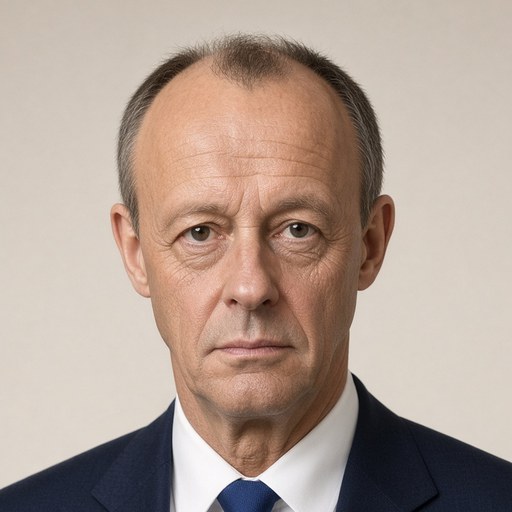
Speech by Federal Chancellor Friedrich Merz at the Schwarz Ecosystem Summit on September 27, 2025, in Berlin:
 Friedrich Merz · Chancellor of Germany
- Context
- Merz addressed the Schwarz Ecosystem Summit in Berlin on September 27, 2025, outlining Germany's economic reform agenda including labor, immigration, and technology policy.
- Main themes
- Skilled worker immigration, labor costs and work incentives, social welfare reform, German economic competitiveness, high-tech agenda and innovation, freedom of movement abuse, basic income restructuring, technological leadership, business conditions in Germany
- Duration
- ~31 min
- Words
- 3,709
- Sentences
- 166
- Readability
- 53
- Grade
- 11.4
- Syntax
- 3.00
- Vocabulary
- 1.89
Translated from German
The broad sphere of national life a sentence belongs to. Every sentence has an Arena, so it is the denominator the other indices are read against.
Other166 sentences in 37 paragraphs
Dear Mr Chrzanowski,
Ladies and gentlemen,
Many thanks for the warm welcome! I have the impression that I am the only one wearing a tie in this room. Ah, there is another one! I have just come from the German Bundestag, and I have brought it about that ties are worn there again. So, thank you very much for coming to Berlin! Many thanks for the invitation to this first-ever and, in my impression, also unique event. You want to do it several times, but in any case what you from the Schwarz Group, from the Lidl Group, are doing here is unique for Berlin in this form.
I am pleased that you are discussing many topics this weekend. We are doing the same. I have just come from Parliament. We have just concluded the first reading of the 2026 federal budget, and last week the second and third readings of the 2025 federal budget. Because of the change of government, we had no federal budget for 2025. That has now been concluded and was before the Bundesrat today. A few minutes ago the Bundesrat decided that we will put the special fund of 500 billion euros into force. This means that investment can take place in Germany as never before. That is why today is also a good day for all of us.
But let me take the opportunity to put into some context where we stand. Because these are not normal times; rather, we are under pressure from many sides. I say this truly without any self-pity, but probably no government in Germany, with the possible exception of the first one after 1949, has ever faced such great simultaneous challenges as the one that has been in office since 6 May, challenges that are not only national challenges – I will of course come to those – but also European challenges and global challenges.
In particular, what we are seeing on the world stage is such a fundamental change of our times that we will probably only be able to judge accurately in a few years' time, in retrospect, what we are currently experiencing. It is called a "Zeitenwende", a turning point; the Federal President called it an epochal rupture. I call it a downright fundamental shift of the political and economic centres of power in the world. It is about political power. It is in part about political power imposed by military means. For the first time in decades we are once again seeing, on a large scale, the attempt to shift borders by military power, and not just anywhere in the world, but in Europe. Please do not say that this is just this terrible war in Ukraine. Dear Vitali Klitschko, the two of us have talked about this often enough and have also met in Kyiv. I believe I may say here on behalf of everyone: We stand by Ukraine's side, and we will remain by Ukraine's side.
But we are not doing this solely for Ukraine's sake. That alone would be reason enough, but we are doing it for our own sake. In doing so we are doing something for our freedom. We want to try to preserve the political order of our continent, and that is an order of political freedom, of democracy, of open societies and – yes, it is an old-fashioned word – of the rules-based order. We want to abide by rules, by laws, by treaties, by obligations under international law. That this can no longer be taken for granted, and not only in Ukraine but in many other parts of the world, you can follow in the news every day. Many other parts of the world are no longer just authoritarian political systems. I say this with the very greatest regret, and many who know me know how closely attached I am to this country, but unfortunately it also applies to America. The changes we are currently seeing in the United States of America did not come overnight, and they will not go away overnight either. They will not suddenly disappear again with the next elections. This country has changed so fundamentally over the last years and perhaps decades that there, too, rules are now no longer being observed, parliamentary democracy is under pressure, freedom of expression is being called into question and repression is being exerted on the independence of the judiciary.
I am not saying all this to dampen the good mood of your gathering here, but so that we have a realistic attitude towards and assessment of where we currently stand. I did not take office on 6 May merely to hold an office; I took it up with the firm intention – it is unbroken and has, if anything, grown even stronger in recent weeks and months – of ensuring that at least we in the Federal Republic of Germany, together with our European partners in the European Union, remain an open, liberal, democratic, market-oriented and above all free society. To achieve this, we all have to do a great deal together.
Now and then I am confronted with the objection – I do not even want to call it a reproach – that I concern myself too much with foreign policy. The precondition for us in this country of more than 80 million inhabitants in the middle of Europe being able to live in peace and freedom is a functioning European Union. If this Europe fails, Germany fails. That is why I am so committed to and intent on, together with the French, with the Poles, with our European neighbours in the south, the north, the east and the west, and incidentally also with the British, who to my greatest regret no longer belong to the European Union, now further developing a common European foreign policy, a common European security policy and a European single market that gives us all the opportunities that we have had economically in this European Union so far and that we want to continue to make use of.
That is why foreign policy today is also domestic policy. In the same way, we can no longer separate external security and internal security from one another. They go hand in hand. If we are threatened from outside, we have no chance internally of preserving our prosperity, our freedom and peace in our country.
Perhaps this remark as well: The threat is real. You read it in the newspapers, you hear it on the news: drone overflights, espionage, the Tiergarten murder, massive threats against individual public figures – not only in Germany but also in many other countries of Europe –, daily acts of sabotage, attempts to paralyse data centres, cyberattacks – I would guess that probably every second person in this room has at least once been affected by an attack on their data networks and infrastructure. We are not at war, but we are no longer living in peace either. We must be clear about that if we want to meet the challenges we now face. And that in turn is only possible if we remain an economically strong country.
That is why let me say something about this second topic: How do we see our national economy, what are we doing to restore competitiveness and maintain it in the long term, and what are we doing to preserve in the long term, and make more resilient, a social state under the rule of law – the Federal Republic of Germany, as it says in the Basic Law, in our constitution?
Well, we are an export-oriented country. But we will only succeed on these global markets in the long term if we also remain competitive. And let us please be honest with one another – I say this to my colleagues in the government as well: We have lost competitiveness dramatically in recent years. Over the last ten years, our country's productivity has not risen; at best it has stagnated. In many sectors we are no longer truly competitive. That applies to the chemical industry, it applies to mechanical engineering, to plant engineering, to the automotive industry, to the steel industry. Many of our country's key technologies are no longer competitive enough, and this can be reduced to a common denominator: We lack price competitiveness.
I emphasise this so clearly because we simply have to look closely: Why have we become so expensive, and what can politics change? I want to name two major areas for you here.
The
first
is: We must ensure that, despite the ongoing supply crisis, energy prices in Germany do not rise further but instead fall as quickly as possible. The Federal Government has already taken decisions to this end. We have abolished the gas storage levy, we have reduced grid fees and, for commercial manufacturing industry, we have lowered the taxes on electricity prices to the European minimum. Overall, this means relief of around ten billion euros for the economy in Germany and for private households, coming into force at the turn of the year.
Yes, we could have done even more, and I would have liked that too, but the constraints of public budgets do not allow it at the moment. We want to make up for this as quickly as possible. We are in intensive discussions with the European Commission about an industrial electricity price. That is not entirely simple. It requires approval in Brussels because it constitutes state aid. It also creates problems of delimitation: What is energy-intensive industry? I know from my own professional experience what it means when industrial companies, for example in the paper industry – I know that the owner of such a company is sitting here in the room, and he knows what I am talking about – lose their competitiveness simply because of excessively high energy prices, gas prices, electricity prices. We want to solve this, and we are on track with the Commission to obtain approval for us to finance this from the Climate and Transformation Fund. We are doing that.
Already on 11 July – the day on which, unfortunately, the election of judges went wrong, which then overshadowed everything that was adopted in the Bundesrat on that day – that is, even before the parliamentary summer recess, we adopted all of the coalition's projects not only in the Bundestag but also in the Bundesrat. They came into force the day after.
These include, among other things, the largest depreciation allowances for investments that there have been in Germany in recent decades – three times 30 percent declining-balance, one after the other. If you do the maths, you will find that this allows you to write off two thirds of your investments within two and a half years. After that, the corporate tax rate will fall by one percentage point each year for five consecutive years. After five years we will then be at ten percent corporate tax in Germany and thus also internationally competitive as regards the tax burden on companies. These are the first steps in the right direction.
Now I know that these are only first steps and that more steps must follow. We have a comprehensive reform agenda on the Federal Government's agenda. Next week we will have a one-and-a-half-day cabinet retreat, and we will deal in particular with state modernisation, digitalisation and competitiveness. For the first time in the history of the Federal Republic of Germany, we have a Ministry for Digitalisation and State Modernisation. So there is not just a title but a minister who comes from the private sector – Mr Chrzanowski, you know him – and who is doing a super job in the government. But I told him: first the content and then the packaging; not the advertising campaign first, but first the decisions that we prepare and take.
In doing so, we are closely following the proposals of the Initiative for a State Capable of Action, which was under the patronage of the Federal President, and next Wednesday we will take the first decisions regarding the modernisation of our state and the digitalisation of many services. We are getting a boost in the digitalisation and state modernisation of our country. All of this has to be prepared, and it has to be implemented in the federal state of the Federal Republic of Germany. That is not easy; for we are not a centralised state like France, which can simply order everything from above, and then it works right down to the smallest municipality. No, we are a federal state; we have to coordinate this with the Länder, and we need interfaces that work well. But we are on a good path here.
And above all: This minister has all the responsibilities he needs to implement exactly that. We once had a Minister of State for Digitalisation. But she had no responsibilities whatsoever. Now we have an entire ministry that has brought together the responsibilities for digitalisation and state modernisation from six different ministries, so that these decisions can now be taken in one hand, and we will implement this very consistently.
The
second
major area is labour costs. These are by no means only social security contributions; they are also taxes, they are the high rates of absence, they are the labour costs as a whole that we have in Germany. We are tackling this work. We have taken the first decisions, but we will take further decisions in the area of social security systems. This very year we will launch the first package concerning the so-called citizens' income. The name will no longer appear in Book II of the Social Code; it will then be called "new basic income support". We will be guided by the idea that those who are able to work in Germany should, as a matter of principle, also work.
We will restructure the systems so that there are better incentives to work again. Perhaps I may also make this remark in this context: I am not one of those who believe that one can improve things through repression, regulation and constant paternalism towards citizens. There has to be something in the system that encourages and motivates people to really work and not to remain in the system receiving social transfer payments.
The good news is: We agree on this in the coalition, and the responsible Federal Minister of Labour, Bärbel Bas, and I have agreed that we will now jointly launch this in the legislative process, down to the choice of words, and make sure that we can take the first decisions on it in the Bundestag and the Bundesrat this very year. Then in the spring of next year there will be another large legislative package. In it we will deal in particular with all the cases of abuse, including the European rules we have, with freedom of movement being exploited for flagrant social abuse, and including what we see in large parts of the Ruhr area with so-called derelict properties, which are repeatedly resold there out of insolvencies and which are then financed overall by people who abuse freedom of movement in Europe. We are tackling this. In this way we are on our way to doing what we want to achieve, namely truly creating a German economy that is competitive again.
I know that many things still need to be resolved here, many decisions still need to be taken. But let me perhaps say, because it fits precisely into the subject area that you are assessing, evaluating and discussing here: The cabinet has already adopted a comprehensive High-Tech Agenda, which is now being implemented by the responsible minister, again together with the Länder. For we are a country poor in raw materials, and that is why the future viability of Germany as a business location and also the security of our location depend essentially on one achievement: We must be part of the technological revolutions of our time. I will go one step further: I want us to be at the forefront and not to be panting along behind these technological developments. If we set ourselves this standard, we will find that our country has many strengths, that we have many companies – but to whom am I saying this; here among you! – in which many people really want to get to work, who really want to bring about innovations in the fields of mechanical engineering, robotics, automotive engineering, the chemical industry, cleantech, biotechnology, medicine and medical technology, and want to do this in Germany.
Why do I say this so confidently? I am quite sure that we can attract a large number of companies and also researchers from all over the world if we create the right conditions for this, precisely now, in these turbulent times here in Germany. The view of the Federal Republic of Germany from outside – and there are some international guests here – is generally much more positive, much more confident than our view of ourselves from within. That is why I want us to have for ourselves this mood of great confidence in Germany that we sometimes see from outside, and that we then set the course correctly together.
We are making an effort to deploy our own financial resources, but we also want to create the opportunities to bring about private investment in Germany again on a much larger scale. Here we will also enable innovation in an area that is particularly close to your hearts, namely the area of so-called AI gigafactories. The EU Commission has put out a call for at least five such projects for the European Union. We in Germany have taken part and applied with ten different projects. I expect that we will receive at least one award, so that in future we will also have one of the large data centres in Germany, and that we will then develop this further together with others in Europe.
What is at stake here? Nothing more and nothing less than digital sovereignty. A while ago I would still have hesitated to use this term. But today, in view of the global situation in which we find ourselves, we must set ourselves this very high standard. We have not only been dependent on Russian oil and gas. To this day we are far too dependent on rare earths, on raw materials – from all over the world, especially from China –, and to this day we are far too dependent on hardware and software – above all software – from the United States. I want us in Europe – not just us in Germany, but us in Europe – to become more independent, more sovereign, to develop some of our strengths ourselves, to reduce these dependencies and to strengthen our country's resilience over the coming years.
This does not in any way rule out, but rather includes, that we as Europeans make intensive efforts to have good trade relations with large economic areas of the world. At the moment I am strongly advocating in the European Union that we conclude the Mercosur agreement with the four South American states this very year. I am strongly advocating that we further develop and conclude free trade agreements with Mexico and with many other countries of the world, lean, simple trade agreements that take us further forward, particularly in the area of tariffs, that is, customs duties, and in the area of so-called non-tariff barriers to trade, that is, the recognition of technological standards.
There is much reason for criticism, but there is also much reason for self-confidence. We are 450 million inhabitants in Europe, and thus we are 450 million consumers in Europe. If we add Great Britain, we are 500 million consumers in Europe. That makes us twice as large as the United States of America. We are making ourselves smaller than we are if we constantly see ourselves only in the shadow of other powers! We are self-confident enough to say: Now the time has come for us to really strengthen our own strengths, eliminate our weaknesses and set ourselves the standard of being a sovereign, capable, strong Europe!
Let me conclude with that. Yes, a fair amount has already been set in motion, but the greater part of the road still lies ahead of us. Yes, some things have not gone as well in terms of communication as I would have imagined. But take a look at the first months of Helmut Kohl's government. Take a look at the first months of Helmut Schmidt's government. Take a look at the first months of Gerhard Schröder's government and at the personnel changes that became necessary there before that government found its stride. By comparison, we found our stride relatively quickly.
I can tell you: We have understood what we have to achieve. We know what pressure from outside and what pressure from inside we have to withstand. Precisely because that is so, Lars Klingbeil and I, the CDU/CSU parliamentary group and the SPD, are jointly and firmly determined to accept this mandate from the voters, which we accepted with the election on 23 February and implemented with the formation of the government on 6 May, to fulfil it and to ensure that this once again becomes a strong, self-confident, healthy, competitive country and, above all, that we can preserve the core of the social state of the Federal Republic of Germany. I say this very deliberately against the background of my remarks, which I repeat here: The way we are doing it at present, we cannot pay for it in the long term. But if we do it right and if we bring it back to the core of what we call the social state under the rule of law, namely that we really make a good offer to those who need the social state and do not leave them on their own – unlike in many other countries, including in the Western world –, then we will also find a new cohesion in our society. That is not entirely easy, but you can be assured that we are firmly determined to achieve it.
Thank you very much for your attention.
The original German. The tags above are read on the English translation's sentences.
Sehr geehrter, lieber Herr Chrzanowski,
meine sehr geehrten Damen und Herren,
herzlichen Dank für die freundliche Begrüßung! Ich habe den Eindruck, ich bin der einzige Krawattenträger hier im Raum. Ah, da ist noch einer! Ich komme gerade aus dem Deutschen Bundestag, und ich habe eingeführt, dass dort wieder Krawatte getragen wird. Also, vielen Dank, dass Sie nach Berlin gekommen sind! Herzlichen Dank für die Einladung zu dieser erstmaligen und nach meinem Eindruck auch einmaligen Veranstaltung. Sie wollen das mehrfach machen, aber es ist jedenfalls in dieser Form einmalig für Berlin, was Sie aus der Schwarz Gruppe, aus der Lidl-Gruppe hier tun.
Ich freue mich, dass Sie an diesem Wochenende über viele Themen diskutieren. Auch wir tun dies. Ich komme gerade aus dem Parlament. Wir haben gerade die erste Lesung des Bundeshaushaltes 2026 abgeschlossen und in der vorigen Woche die zweite und dritte Lesung des Bundeshaushaltes 2025. Durch den Regierungswechsel hatten wir keinen Bundeshaushalt 2025. Das ist jetzt abgeschlossen und heute im Bundesrat gewesen. Vor wenigen Minuten hat der Bundesrat entschieden, dass wir das Sondervermögen über 500 Milliarden Euro in Kraft setzen. Damit kann in Deutschland investiert werden wie nie zuvor. Deswegen ist das heute auch ein guter Tag für uns alle.
Aber lassen Sie mich die Gelegenheit nutzen, um ein bisschen einzuordnen, wo wir stehen. Denn es sind keine normalen Zeiten, sondern wir stehen von vielen Seiten unter Druck. Ich sage das wirklich ohne jede Larmoyanz, aber wahrscheinlich stand noch nie eine Regierung in Deutschland, sieht man vielleicht von der ersten nach 1949 ab, vor so großen gleichzeitigen Herausforderungen wie die, die seit dem 6. Mai im Amt ist, vor Herausforderungen, die nicht nur nationale Herausforderungen sind – auf sie komme ich natürlich noch zu sprechen –, sondern auch europäische Herausforderungen und globale Herausforderungen.
Insbesondere das, was wir auf der Weltbühne sehen, ist eine so fundamentale Veränderung unserer Zeit, dass wir wahrscheinlich erst in einigen Jahren aus der Rückschau zutreffend beurteilen können, was wir zurzeit erleben. Zeitenwende heißt es; Epochenbruch hat der Bundespräsident es genannt. Ich nenne es eine geradezu fundamentale Verschiebung der politischen und ökonomischen Machtzentren auf der Welt. Es geht um politische Macht. Es geht zum Teil um militärisch durchgesetzte politische Macht. Wir erleben das erste Mal seit Jahrzehnten wieder in großem Umfang den Versuch, mit militärischer Macht Grenzen zu verschieben, und dies nicht irgendwo auf der Welt, sondern in Europa. Bitte sagen Sie nicht, das sei dieser schreckliche Krieg in der Ukraine. Lieber Vitali Klitschko, wir beide haben uns oft genug darüber unterhalten und auch in Kiew getroffen. Ich glaube, ich darf es hier in aller Namen sagen: Wir stehen an der Seite der Ukraine, und wir bleiben an der Seite der Ukraine.
Aber, wir tun dies nicht allein um der Ukraine willen. Das allein wäre Grund genug, aber wir tun es um unsertwillen. Wir tun damit etwas für unsere Freiheit. Wir wollen versuchen, die politische Ordnung unseres Kontinents zu bewahren, und das ist eine Ordnung der politischen Freiheit, der Demokratie, der offenen Gesellschaften und – ja, es ist ein altmodisches Wort – der regelbasierten Ordnung. Wir wollen uns an Regeln, an Gesetze, an Verträge, an völkerrechtliche Bindungen halten. Dass dies nicht mehr selbstverständlich ist, und zwar nicht nur in der Ukraine, sondern auch in vielen anderen Teilen der Welt, das können Sie jeden Tag in den Nachrichten nachverfolgen. Viele andere Teile der Welt sind nicht mehr nur autoritäre politische Systeme. Ich sage es mit allergrößtem Bedauern, und viele, die mich kennen, wissen, wie sehr ich mit diesem Land verbunden bin, aber es gilt eben leider auch für Amerika. Die Veränderungen, die wir in den Vereinigten Staaten von Amerika gegenwärtig sehen, sind nicht über Nacht gekommen, und sie werden auch nicht über Tag wieder gehen. Sie sind nicht mit den nächsten Wahlen plötzlich wieder verschwunden. Dieses Land hat sich über die letzten Jahre und vielleicht Jahrzehnte so fundamental verändert, dass auch dort jetzt Regeln nicht mehr eingehalten werden, die parlamentarische Demokratie unter Druck steht, die Meinungsfreiheit infrage gestellt und Repression auf die Unabhängigkeit der Justiz ausgeübt wird.
Dies alles sage ich nicht, um die gute Stimmung Ihrer Begegnung hier zu dämpfen, sondern ich sage es, damit wir eine realistische Einstellung und Einschätzung dessen haben, wo wir gegenwärtig stehen. Nicht um ein Amt zu übernehmen, habe ich das Amt am 6. Mai übernommen, sondern ich habe es in der festen Absicht übernommen – sie ist ungebrochen und in den letzten Wochen und Monaten eher noch größer geworden –, dafür zu sorgen, dass wenigstens wir in der Bundesrepublik Deutschland und zusammen mit unseren europäischen Partnern in der Europäischen Union eine offene, freiheitliche, demokratische, marktwirtschaftlich orientierte und vor allem freie Gesellschaft bleiben. Dafür müssen wir alle zusammen viel tun.
Ich werde hin und wieder mit dem Einwand konfrontiert – ich will es gar nicht Vorwurf nennen –, ich kümmerte mich zu viel um Außenpolitik. Die Voraussetzung dafür, dass wir in diesem Land mit über 80 Millionen Einwohnern in der Mitte Europas in Frieden und in Freiheit leben können, ist eine funktionsfähige Europäische Union. Wenn dieses Europa scheitert, dann scheitert Deutschland. Deswegen bin ich so sehr darum bemüht und darauf bedacht, mit den Franzosen, mit den Polen, mit unseren europäischen Nachbarn im Süden, im Norden, im Osten und im Westen, übrigens auch mit den Briten, die zu meinem größten Bedauern der Europäischen Union nicht mehr angehören, jetzt eine gemeinsame europäische Außenpolitik, eine gemeinsame europäische Sicherheitspolitik und einen europäischen Binnenmarkt fortzuentwickeln, der uns alle Chancen gibt, die wir auch wirtschaftlich in dieser Europäischen Union bisher gehabt haben und die wir weiterhin nutzen wollen.
Deswegen ist Außenpolitik heute auch Innenpolitik. Wir können genauso äußere Sicherheit und innere Sicherheit nicht mehr voneinander trennen. Es geht Hand in Hand. Wenn wir von außen bedroht werden, haben wir innen keine Chance, unseren Wohlstand, unsere Freiheit und den Frieden in unserem Lande zu erhalten.
Vielleicht auch noch diese Bemerkung: Die Bedrohung ist real. Sie lesen es in den Zeitungen, Sie hören es in den Nachrichten: Drohnenüberflüge, Ausspionieren, Tiergartenmord, massive Bedrohung einzelner Personen des öffentlichen Lebens – nicht nur in Deutschland, sondern auch in vielen anderen Ländern Europas –, tägliche Sabotageakte, der Versuch, Datencenter lahmzulegen, Cyberattacken – ich vermute einmal, hier im Saal ist wahrscheinlich jeder Zweite mindestens schon einmal davon betroffen gewesen, dass seine Datennetze und Infrastruktur angegriffen wurde. Wir sind nicht im Krieg, aber wir leben auch nicht mehr im Frieden. Das muss uns klar sein, wenn wir die Herausforderungen bestehen wollen, vor denen wir jetzt stehen. Das wiederum geht nur, wenn wir ein wirtschaftlich starkes Land bleiben.
Deswegen lassen Sie mich zu diesem zweiten Thema etwas sagen: Wie sehen wir unsere Volkswirtschaft, was tun wir, um Wettbewerbsfähigkeit wiederherzustellen und auf Dauer zu erhalten, und was tun wir, um einen sozialen Rechtsstaat – Bundesrepublik Deutschland, so steht es im Grundgesetz, in unserer Verfassung – auf Dauer zu erhalten und widerstandsfähiger zu machen?
Nun, wir sind ein exportorientiertes Land. Aber auf diesen globalen Märkten werden wir auf Dauer nur dann Erfolg haben, wenn wir auch wettbewerbsfähig bleiben. Und seien wir bitte ehrlich miteinander – das sage ich auch meinen Kolleginnen und Kollegen in der Regierung –: Wir haben in den letzten Jahren dramatisch an Wettbewerbsfähigkeit verloren. In den letzten zehn Jahren ist die Produktivität unseres Landes nicht gestiegen; sie hat allenfalls auf der Stelle getreten. Wir sind in vielen Branchen nicht mehr wirklich wettbewerbsfähig. Das gilt für die chemische Industrie, das gilt für den Maschinenbau, für den Anlagenbau, für die Automobilindustrie, für die Stahlindustrie. Viele Schlüsseltechnologien unseres Landes sind nicht mehr wettbewerbsfähig genug, und das lässt sich auf einen Nenner bringen: Es fehlt uns an preislicher Wettbewerbsfähigkeit.
Ich betone das deswegen so deutlich, weil wir einfach genau hinschauen müssen: Woran liegt es, dass wir so teuer geworden sind, und woran kann die Politik etwas ändern? Ich will Ihnen hier
zwei
große Bereiche nennen.
Der
erste
ist: Wir müssen dafür sorgen, dass trotz der anhaltenden Versorgungskrise die Energiepreise in Deutschland nicht weiter steigen, sondern besser so schnell wie möglich sinken. Dazu haben wir in der Bundesregierung bereits Entscheidungen getroffen. Wir haben die Gasspeicherumlage abgeschafft, wir haben die Netzentgelte gesenkt und wir haben für die gewerbliche produzierende Industrie die Steuern auf die Strompreise auf das europäische Minimum abgesenkt. Insgesamt bedeutet das eine Entlastung von rund zehn Milliarden Euro für die Wirtschaft in Deutschland und für die privaten Haushalte, die über den Jahreswechsel in Kraft tritt.
Ja, wir hätten noch mehr machen können, und ich hätte mir das auch gewünscht, aber die Restriktionen der öffentlichen Haushalte lassen das im Augenblick nicht zu. Wir wollen das so schnell wie möglich nachholen. Wir sind mit der Europäischen Kommission intensiv in der Diskussion über einen Industriestrompreis. Das ist nicht ganz einfach. Es ist genehmigungspflichtig in Brüssel, weil es einen Beihilfetatbestand auslöst. Es schafft außerdem Abgrenzungsschwierigkeiten: Was ist energieintensive Indus-trie? Ich weiß aus eigener beruflicher Erfahrung, was es bedeutet, wenn Industrieunternehmen zum Beispiel in der Papierindustrie – ich weiß, dass der Eigentümer eines solchen Unternehmens hier im Saal sitzt, und er weiß, wovon ich spreche – einfach wegen zu hoher Energiepreise, Gaspreise, Strompreise ihre Wettbewerbsfähigkeit verlieren. Wir wollen das lösen, und wir sind mit der Kommission auf einem Weg, die Zustimmung dafür zu bekommen, dass wir das dann aus dem Klima- und Transformationsfonds leisten können. Das machen wir.
Wir haben bereits am 11. Juli – an dem Tag, an dem dummerweise diese Richterwahl schiefgegangen ist, was dann alles überschattet hat, was an diesem Tag im Bundesrat verabschiedet worden ist –, also noch vor der parlamentarischen Sommerpause, alle Vorhaben der Koalition nicht nur im Bundestag verabschiedet, sondern auch im Bundesrat verabschiedet. Sie sind am Tag danach in Kraft getreten.
Dazu gehören unter anderem die größten Abschreibungsmöglichkeiten, die es für Investitionen in Deutschland in den letzten Jahrzehnten gegeben hat – dreimal 30 Prozent degressiv hintereinander. Wenn Sie nachrechnen, kommen Sie auf das Ergebnis, dass Sie dadurch innerhalb von zweieinhalb Jahren zwei Drittel Ihrer Investitionen abschreiben können. Danach sinkt der Körperschaftssteuersatz fünf Jahre hintereinander jedes Jahr um einen Prozentpunkt. Wir sind dann nach fünf Jahren bei zehn Prozent Körperschaftssteuer in Deutschland und sind damit auch international wettbewerbsfähig, was die Steuerbelastung der Unternehmen betrifft. Das sind die ersten Schritte in die richtige Richtung.
Nun weiß ich, dass das nur erste Schritte sind und dass mehr Schritte folgen müssen. Wir haben eine umfassende Reformagenda auf der Tagesordnung der Bundesregierung. Wir werden in der nächsten Woche eine anderthalbtägige Klausurtagung des Kabinetts haben, und wir werden uns insbesondere mit Staatsmodernisierung, Digitalisierung und Wettbewerbsfähigkeit beschäftigen. Wir haben erstmalig in der Geschichte der Bundesrepublik Deutschland ein Ministerium für Digitalisierung und Staatsmodernisierung. Es gibt also nicht nur einen Titel, sondern einen Minister, der aus der Privatwirtschaft kommt – Herr Chrzanowski, Sie kennen ihn – und der in der Regierung einen super Job macht. Ich habe ihm aber gesagt: erst der Inhalt und dann die Verpackung; nicht zuerst die Werbekampagne, sondern zuerst die Entscheidungen, die wir vorbereiten und treffen.
Wir orientieren uns dabei sehr an den Vorschlägen der Initiative für einen handlungsfähigen Staat, die unter der Schirmherrschaft des Bundespräsidenten stand, und wir werden am nächsten Mittwoch im Hinblick auf die Modernisierung unseres Staates und die Digitalisierung vieler Dienstleistungen die ersten Entscheidungen treffen. Wir bekommen einen Schub bei der Digitalisierung und bei der Staatsmodernisierung unseres Landes. Das will alles vorbereitet sein, und das muss im föderalen Staat der Bundesrepublik Deutschland umgesetzt werden. Das ist nicht einfach; denn wir sind kein Zentralstaat wie Frankreich, der einfach von oben alles anordnen kann, und dann funktioniert das bis in die kleinste Gemeinde. Nein, wir sind ein föderaler Staat; wir müssen das mit den Ländern abstimmen, und wir brauchen Schnittstellen, die gut funktionieren. Aber wir sind hier auf einem guten Weg.
Und vor allem: Dieser Minister hat alle Zuständigkeiten, die er braucht, um genau das umzusetzen. Wir hatten schon einmal eine Staatsministerin für Digitalisierung. Die hatte aber keinerlei Zuständigkeiten. Jetzt haben wir ein ganzes Ministerium, das aus sechs verschiedenen Ministerien die Zuständigkeiten für Digitalisierung und Staatsmodernisierung zusammengezogen hat, sodass diese Entscheidungen jetzt in einer Hand getroffen werden können, und wir werden das auch ganz konsequent umsetzen.
Der
zweite
große Themenbereich sind die Arbeitskosten. Das sind beileibe nicht nur die Sozialversicherungsbeiträge, sondern das sind auch die Steuern, das sind die hohen Fehlzeiten, das sind die Arbeitskosten insgesamt, die wir in Deutschland haben. Wir gehen an diese Arbeit heran. Wir haben die ersten Entscheidungen getroffen, aber wir werden weitere Entscheidungen im Bereich der sozialen Sicherungssysteme treffen. Wir werden noch in diesem Jahr das erste Paket im Hinblick auf das sogenannte Bürgergeld auf den Weg bringen. Der Name wird im SGB II nicht mehr auftauchen; es wird dann „neue Grundsicherung“ heißen. Wir werden uns dabei von dem Gedanken leiten lassen, dass diejenigen, die arbeiten können, in Deutschland auch grundsätzlich arbeiten sollten.
Wir werden die Systeme so umstellen, dass es wieder bessere Arbeitsanreize gibt. Vielleicht mache ich in diesem Zusammenhang auch die Anmerkung: Ich gehöre nicht zu denen, die glauben, dass man mit Repression, Regulierung, ständiger Bevormundung der Bürgerinnen und Bürger etwas besser machen kann. Es muss im System etwas vorhanden sein, das die Menschen dazu ermutigt und ermuntert, auch wirklich zu arbeiten und nicht im System zu bleiben und soziale Transferleistungen zu bekommen.
Die gute Nachricht ist: Wir sind uns in der Koalition darüber einig, und die zuständige Bundesarbeitsministerin Bärbel Bas und ich haben vereinbart, dass wir dies jetzt gemeinsam bis hin zur Wortwahl im Gesetzgebungsverfahren auf den Weg bringen und dafür sorgen, dass wir noch in diesem Jahr die ersten Entscheidungen im Bundestag und im Bundesrat dazu treffen können. Dann wird es im Frühjahr nächsten Jahres ein weiteres großes Gesetzgebungspaket geben. Darin werden wir uns insbesondere mit den gesamten Missbrauchsfällen beschäftigen, bis hin zu den europäischen Regeln, die wir haben, mit Freizügigkeit, die für eklatanten sozialen Missbrauch in Anspruch genommen wird, und bis hin zu dem, was wir in großen Teilen des Ruhrgebietes mit sogenannten Schrottimmobilien sehen, die dort aus Insolvenzen heraus immer wieder weiterverkauft werden und die dann insgesamt durch Menschen finanziert werden, die die Freizügigkeit in Europa missbrauchen. Das gehen wir an. Damit sind wir auf dem Weg, das zu tun, was wir erreichen wollen, nämlich wirklich eine wieder wettbewerbsfähige deutsche Wirtschaft zu schaffen.
Ich weiß, dass hier noch viele Dinge zu lösen sind, viele Entscheidungen zu treffen sind. Aber lassen Sie mich vielleicht sagen, weil es auch genau in den Themenbereich hineinpasst, den Sie hier beurteilen, bewerten und besprechen: Wir haben im Kabinett bereits eine umfassende Hightech Agenda verabschiedet, die jetzt von der zuständigen Ministerin umgesetzt wird, auch wiederum mit den Ländern. Denn wir sind ein rohstoffarmes Land, und deshalb hängen die Zukunftsfähigkeit unseres deutschen Wirtschaftsstandorts und auch die Sicherheit unseres Standorts ganz wesentlich von einer Leistung ab: Wir müssen bei den technologischen Revolutionen unserer Zeit dabei sein. Ich gehe noch einen Schritt weiter: Ich möchte, dass wir an führender Stelle dabei sind und diesen technologischen Entwicklungen nicht hinterherhecheln. Wenn wir diesen Anspruch an uns selbst stellen, dann werden wir feststellen, dass unser Land viele Stärken hat, dass wir viele Unternehmen haben – aber wo sage ich das; hier bei Ihnen! –, in denen viele Menschen wirklich anpacken wollen, die in den Bereichen Maschinenbau, Robotik, Automobilbau, chemische Industrie, „cleantech“, Biotechnologie, Medizin und Medizintechnik wirklich Innovationen auf den Weg bringen wollen und dies in Deutschland machen wollen.
Warum sage ich das so selbstbewusst? Ich bin mir ziemlich sicher, dass wir eine große Zahl von Unternehmen und auch von Forschern aus der ganzen Welt anziehen können, wenn wir die richtigen Bedingungen dafür schaffen, gerade jetzt, in dieser turbulenten Zeit hier in Deutschland. Der Blick von außen auf die Bundesrepublik Deutschland, und hier sind einige internationale Gäste dabei, fällt in der Regel sehr viel positiver, sehr viel zuversichtlicher aus als der Blick von innen auf uns selbst. Deswegen möchte ich, dass wir diese Stimmung mit großer Zuversicht auf Deutschland, die wir da zum Teil von außen sehen, auch selbst für uns haben und dass wir dann gemeinsam die Weichen richtig stellen.
Wir bemühen uns um den Einsatz eigener finanzieller Mittel, aber wir wollen auch die Möglichkeiten schaffen, private Investitionen in Deutschland wieder in sehr viel größerem Umfang zu schaffen. Wir werden hier auch Innovationen in einem Bereich ermöglichen, der gerade Ihnen besonders am Herzen liegt, nämlich im Bereich der sogenannten AI-Gigafactories. Die EU-Kommission hat mindestens fünf solche Projekte für die Europäische Union ausgeschrieben. Wir haben uns aus Deutschland mit zehn verschiedenen Projekten daran beteiligt und beworben. Ich gehe davon aus, dass wir wenigstens einen Zuschlag erhalten werden, damit wir in Zukunft eines der großen Rechenzentren auch in Deutschland haben werden, und dass wir dies dann gemeinsam auch mit anderen in Europa weiterentwickeln werden.
Worum geht es in diesem Zusammenhang? Es geht um nicht mehr und um nicht weniger als um digitale Souveränität. Ich hätte vor Jahr und Tag noch gezögert, diesen Begriff zu verwenden. Aber heute, angesichts der globalen Lage, in der wir uns befinden, müssen wir diesen sehr hohen Anspruch an uns selbst stellen. Wir sind eben nicht nur von russischem Öl und Gas abhängig gewesen. Wir sind bis zum heutigen Tag viel zu abhängig von Seltenen Erden, von Rohstoffen – aus aller Welt, insbesondere aus China –, und wir sind bis auf den heutigen Tag viel zu abhängig von Hardware und Software – vor allem von Software – aus den Vereinigten Staaten. Ich möchte, dass wir in Europa – nicht nur wir in Deutschland, sondern wir in Europa – unabhängiger werden, souveräner werden, dass wir auch einen Teil unserer Stärken selbst entwickeln, dass wir diese Abhängigkeiten reduzieren und die Resilienzen unseres Landes in den nächsten Jahren stärken.
Dies schließt überhaupt nicht aus, sondern es schließt ein, dass wir uns als Europäer intensiv um gute Handelsbeziehungen mit großen Wirtschaftsräumen auf der Welt bemühen. Ich werbe im Augenblick in der Europäischen Union sehr dafür, dass wir noch in diesem Jahr das Mercosur-Abkommen mit den vier südamerikanischen Staaten abschließen. Ich werbe sehr dafür, dass wir Freihandelsabkommen mit Mexiko und mit vielen anderen Ländern der Welt weiterentwickeln und abschließen, schlanke, einfache Handelsabkommen, die uns insbesondere im Bereich der Tarife, also im Bereich der Zölle, und im Bereich der sogenannten nichttarifären Handelshemmnisse, also im Bereich der Anerkennung technologischer Standards, weiter voranbringen.
Es gibt viel Grund zur Kritik, aber es gibt auch viel Grund zum Selbstbewusstsein. Wir sind 450 Millionen Einwohner in Europa, und damit sind wir 450 Millionen Konsumenten in Europa. Wenn wir Großbritannien hinzunehmen, dann sind wir 500 Millionen Konsumenten in Europa. Wir sind damit doppelt so groß wie die Vereinigten Staaten von Amerika. Wir machen uns doch kleiner, als wir sind, wenn wir uns ständig nur im Schatten anderer Mächte sehen! Wir sind selbstbewusst genug, zu sagen: Jetzt ist die Zeit gekommen, dass wir wirklich unsere eigenen Stärken stärken, unsere Schwächen beseitigen und den Anspruch an uns selbst stellen, ein souveränes, handlungsfähiges, starkes Europa zu sein!
Damit lassen Sie mich abschließen. Ja, es ist schon einiges auf den Weg gebracht, aber der größere Teil der Strecke liegt noch vor uns. Ja, es ist manches auch kommunikativ nicht so gut gelaufen, wie ich mir das vorgestellt hätte. Aber schauen Sie einmal auf die ersten Monate der Regierung von Helmut Kohl. Schauen Sie einmal auf die ersten Monate der Regierung von Helmut Schmidt. Schauen Sie einmal auf die ersten Monate der Regierung von Gerhard Schröder und darauf, was da auch für Personalwechsel nötig wurden, bevor diese Regierung einmal im Tritt war. Dafür sind wir relativ schnell gut in den Tritt gekommen.
Ich kann Ihnen sagen: Wir haben verstanden, was wir leisten müssen. Wir wissen, welchen Druck von außen und welchen Druck von innen wir aushalten müssen. Gerade weil das so ist, sind Lars Klingbeil und ich, sind die CDU/CSU-Bundestagsfraktion und die SPD gemeinsam fest entschlossen, diesen Wählerauftrag, den wir mit der Wahl am 23. Februar angenommen haben und den wir mit der Regierungsbildung am 6. Mai umgesetzt haben, anzunehmen, ihn auszufüllen und dafür zu sorgen, dass dies wieder ein starkes, selbstbewusstes, gesundes, wettbewerbsfähiges Land wird und dass wir vor allen Dingen den Sozialstaat Bundesrepublik Deutschland im Kern erhalten können. Ich sage das ganz bewusst vor dem Hintergrund meiner Äußerungen, die ich hier wiederhole: So wie wir es zurzeit machen, können wir es auf Dauer nicht bezahlen. Aber wenn wir es richtig machen und wenn wir es wieder auf den Kern dessen, was wir den sozialen Rechtsstaat nennen, zurückführen, nämlich dass wir denen, die den Sozialstaat brauchen, wirklich ein gutes Angebot machen und sie nicht alleinlassen – anders als in vielen anderen Ländern auch der westlichen Welt –, dann werden wir auch zu einem neuen Zusammenhalt in unserer Gesellschaft finden. Das ist nicht ganz einfach, aber gehen Sie davon aus, dass wir fest entschlossen sind, es zu erreichen.
Herzlichen Dank für Ihre Aufmerksamkeit.