




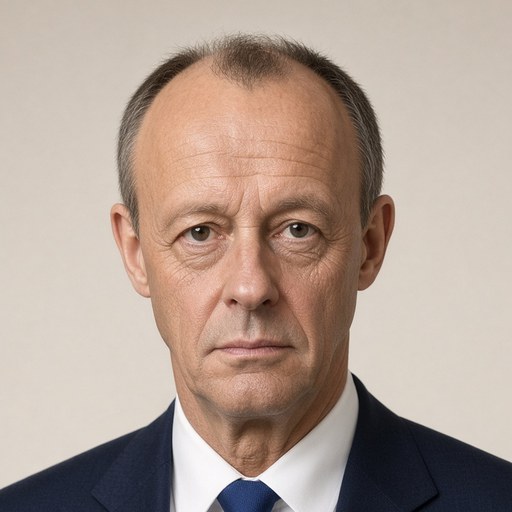
Speech by Federal Chancellor Friedrich Merz on the Budget Act 2026 before the German Bundestag on September 24, 2025, in Berlin:
 Friedrich Merz · Chancellor of Germany
- Context
- Merz addressed the German Bundestag on September 24, 2025, presenting the Federal Budget Act 2026 during a general debate on Germany's economic and policy challenges.
- Main themes
- Federal budget 2026, economic growth and competitiveness, social security reform, foreign and domestic policy integration, rules-based world order, investment and infrastructure, energy prices, deregulation, coalition governance, democratic consensus-building, fiscal policy, labor and industry concerns
- Duration
- ~26 min
- Words
- 3,138
- Sentences
- 149
- Readability
- 51
- Grade
- 11.2
- Syntax
- 3.00
- Vocabulary
- 1.93
Translated from German
The broad sphere of national life a sentence belongs to. Every sentence has an Arena, so it is the denominator the other indices are read against.
Other149 sentences in 43 paragraphs
Madam President!
Dear colleagues!
Just a week ago, we exchanged our partly very different views here in this house on how we can move Germany forward again. That we are meeting today for the second time in such a short period for a so-called general debate is unusual. But given the magnitude of the challenges we face, it is also right and appropriate.
Last week, I explained the perspective of the federal government on what needs to be done in our country to protect freedom, to increase our prosperity, and to maintain peace in our country. I outlined the threat situation for our country, both internally and externally. We stand as a country – and we must be clear about this if our actions are to be truly decisive – in one of the most challenging phases of our recent history.
But not only our country, but the entire Western community of values is facing perhaps its greatest test. This has very immediate consequences for our economy, for an economy that is oriented towards global markets, which needs an open and rules-based world order in order to fully utilize its competitive advantages.
I made it clear a week ago in this context that I am firmly convinced: Foreign and domestic policy can no longer be separated. I want to repeat it: Our commitment – including my personal commitment – in foreign policy serves to preserve freedom, peace, and prosperity, especially and above all internally.
For conversely, it is true: A world without rules also harms our economy and thus our ability to finance all the tasks we want to finance – in infrastructure, in education, and also in social security. So: Only in a growth-oriented economy will the resources be generated that we need to finance infrastructure, practice solidarity, and ensure social security in the long term.
To ensure that our economy thrives again, we have to do quite a lot. In recent days – I want to say this openly here – I have had a multitude of discussions: with works councils, with trade unions, with employer associations, with industry associations, with the crafts sector. They are all deeply concerned about the future prospects of their companies. They are deeply concerned about the future prospects of their jobs.
That is why we must act. And we must do it quickly. And we must do it soon. That is precisely why I named the main topics from this place last week that we have long been working on with all our might – from tax policy to necessary investments that we enable, from the reduction of regulation to energy prices.
Finally, last Wednesday, I advocated for fundamental reforms of our social security systems from this place. I see with confidence that support in our country is growing for the need to fundamentally change this, as more and more people understand: We need real reforms so that we can continue to uphold the social promises we have made to each other as a country. I called it a "new consensus of justice" that we want to achieve in the coalition for our country.
I have perceived the discussion in recent weeks as one in which we are really making progress as a country on these issues, and in a way that is appropriate for a democracy, by discussing with each other, even controversially – in public and especially here in Parliament – and then making decisions together. And it is precisely this discussion that moves us forward. We need an understanding in the country of the inevitability of change so that what we set in motion can also be sustainable. And I am very grateful that support for this is growing in the country.
Now, a week ago – I believe I can say this – I listened very carefully. And I want to take the opportunity of this renewed debate today to address some things that have been said here, and perhaps also to address some things that have not been said from this place.
A whole series of alleged contradictions have been pointed out here – and I want to start with that – that supposedly emerged in recent weeks. I want to say something very fundamental about this. None of the ideas that were on the ballot in February of this year received an absolute majority in the German Bundestag; one may regret this for very different reasons at every point in this house, but it is so. No faction in this house won an absolute majority in the last federal election.
And now it is the task in a representative democracy to develop a common policy from the political ideas in a common government. And that is exactly what we have done, with compromises on both sides – from the Social Democrats and from our side. And we have developed and written a coalition agreement from this. We have the goal and the firm intention to make the best of these now common ideas of a governing majority that we have for our country. And we will make the best of it for our country.
And since I am on this topic, let me also say this – not looking at countries we know and that we do not count among the democracies, but looking at countries that we have counted among the leading democracies in the world for many years and decades: We must come together. Yes, I say this especially in comparison to other countries. As long as we can still manage in this country to come together and find common solutions, we will keep this country in good balance. And this is also a key goal of my government: not confrontational, not in a deep division of our society, but to show ways in which we can make decisions in the middle of our democratic order without it leading to hatred and hate speech in our parliaments and in public.
I also see – as many people in this country do, and I agree with them – that these changes must come quickly. And that is why I want to repeat once again: We have begun. We have started with strengthening the competitiveness of our companies, for example with a corporate tax reform, with new depreciation options that have never existed in this scope in Germany, with a reduction of the corporate tax that will gradually come into effect with the lowest corporate tax rate we have ever had in Germany. We have begun the process of fundamentally correcting our immigration and asylum policy.
Well, you from the AfD may not like to hear this, as it threatens to take away one of your favorite topics. I can understand why you are getting restless. But we will continue on this path. Already now, the numbers have decreased by 60 percent compared to the previous year. And this has something to do with the policies of this federal government.
We have begun a very concrete process of reforming our social state, for example with the development of a comprehensive pension package – yes, we have already put this on the legislative path – and with very solid and progressive work on the reform of the citizen's income and the introduction of a new basic security. We will present very concrete proposals this year on how we can turn this system upside down.
I want to take a second point from the debate last week. It has been said here: If one looks at the budget for 2025 – and we will probably hear this again, also for the budget for 2026 – one finds nothing that actually improves the lives of people in Germany. Such a claim is based, first of all, on a fundamental misunderstanding of the core of our market economy. This is not about distribution, but about generating a higher gross domestic product for all. That is the great misunderstanding that we must address, especially with the Left in this house.
Our economic policy, as it is reflected in these two budgets, is an economic policy that is focused on growth and competitiveness and not on distribution. That is the crucial difference. We will ensure that competitiveness and growth can emerge again in Germany in a comprehensive way. I want to say this here as well: Next week, we will have a two-day cabinet retreat of the federal government, where we will only discuss the topics of competitiveness and state modernization, and already on the second day, we will make very concrete decisions on this topic, which will then also be brought here to the German Bundestag.
And finally: Social policy also makes life better for people, a social policy with a clear view of reality, especially regarding the demographic development of our country. We must provide answers to this. And we in the coalition know that we must provide more and better answers than in the past.
Our investments in transport infrastructure also make life better for people, of course. We are eliminating the investment backlog that has accumulated over at least a decade, if not longer. During the budget discussions, we will also open up ways to enable the comprehensive construction of railway lines, highways, and federal highways; yes, that is part of it. I want to add: We must also relieve German air traffic of excessive burdens so that commercial air traffic in Germany has a good chance of proving itself in international competition.
And finally: Investments in housing construction, together with the already decided housing construction turbo, simply make life better for people in Germany. It does not happen overnight, but construction is taking place in Germany, and it will also again be possible to keep rents somewhat under control and to enable affordable housing step by step.
That is why I want to say to the critics from the far left and the far right – your arguments are quite similar –: This federal government is indeed making life better for people in Germany, and we are taking responsibility for our country.
A week ago, there was a reaction to a speech of mine that I did not actually give. I laid out here that reforms of our social state are essential for the goal of preserving that very social state. One could not even remotely come to the idea that the goal of this federal government is a dismantling or a termination of the social state – or whatever the polemical constant themes from you, Ms. Dröge, have been in recent weeks. It is a distorted image that you are painting here.
That is why I want to say it very fundamentally: The goal of the reforms that we are initiating is not the dismantling of the social state, but the preservation of the social state as we truly need it. Those who refuse these reforms are, in truth, undermining the foundations of our social policy and our social state.
I therefore invite all constructive forces in this house to think with us about how we can achieve this goal together, to create new prosperity in order to preserve our social state in its essence.
I want to say it a bit more concretely: From this place, the impression has been created that this government lacks empathy for those citizens in this country who have a harder time than we do. And for this purpose, places like Cologne-Chorweiler and Gelsenkirchen city center have been mentioned. I want to say something substantive about this as well. The reforms we need and propose will also benefit the people in Cologne-Chorweiler and Gelsenkirchen. And the investments we enable will, of course, also flow into the infrastructure and into the schools and daycare centers of Gelsenkirchen city center and Cologne-Chorweiler. 100 billion euros alone for the states are additionally available so that the states can do something where they see it as urgent. Those will be such places as we have heard here.
In the debate last Wednesday, it was also claimed again that this federal government is undermining climate protection. Nothing could be further from the truth. But now the differences with you come: We want to achieve climate protection. But we do climate protection without ideology. That is the difference from the last government. Because one thing is clear to us, ladies and gentlemen, especially from the Green faction: Climate protection that endangers or even destroys the industrial base of our country, climate protection that puts the prosperity of our country at risk, will not find acceptance among the population.
Perhaps you should also read your election results as an indication that what I am saying here is now the majority opinion of the population. Those who do not take this into account in their political decisions will fail politically. They will not only fail in climate protection. They will also fundamentally fail to ensure the social cohesion of our country. – That the same interjections are now coming from the right and from the Greens is quite revealing. What we are hearing here is quite revealing.
The energy policy and climate policy of the federal government will give our economy more room to breathe. And at the same time, we will benefit the climate. It is not about an either-or, industry and value creation in Germany or climate protection, but it is about enabling both and preserving them for the future.
I know many of you may not like this term, but it is a key term for this federal government. The term is: technological openness – because we are not taking this path with bans, not with excessive regulation, but rather with technology. Even if you may not remember it, the car was invented in Germany. What is actually wrong with us now inventing the most modern technologies in environmental and climate technology, which other countries look to, and then saying: “We want to do it just like the Germans.”? In the past, it was exactly the opposite. No one copied what you proposed and partially implemented from the Green faction here in the German Bundestag.
More of what we already have is not enough. We also need new technologies that we have not yet utilized. This includes the construction of new gas power plants. This also includes the most modern technology for the capture and storage of CO2. Yes, it may have escaped your attention, but we have already decided this in the federal cabinet, which you have blocked here for many years, especially in the Green Bundestag faction, as long as you were still in government. We have decided it, we want to bring these technologies to Germany.
That is exactly what technological openness means: the best clean solutions for our energy supply. And once again – they do not arise in politics. That would be, as Friedrich August von Hayek said, a “presumption of knowledge.” We in the federal government do not presume this knowledge, but we want companies, engineers, and universities in Germany to develop the best technologies so that we stand at the forefront of technological progress in the world.
Because our economy will also need a manufacturing industry in the future. The automotive industry, steel industry, chemical industry must remain the key industries for our economy. Because that is the case, I will meet with these industries, with the steel industry, with the automotive industry, in the coming days, also with the trade unions, with the affected federal states, to discuss the question: What more can we do to keep these industries in Germany and to provide them with a good perspective in Germany?
The word “technology” in general: This is the key question for the future of our country that we must answer if we want to remain economically strong and also take a good path in social policy. We are a resource-poor country. Our prosperity and security depend significantly on our ability to lead the technological developments that are currently happening in the world and not to run breathlessly after them.
The good news is: We can do this. We are already doing it. Just look at mechanical engineering, robotics, the automotive industry, the chemical industry, biotechnology, medical technology, and how they are connected with artificial intelligence and quantum technology! We can also be a leading industrial nation in the 21st century. And that is exactly the goal of this federal government.
That is why we have made this a focus of our work. I will only mention the high-tech agenda that we have already decided in the cabinet and that we are now implementing step by step in concrete policy in consultation with the federal states.
And this goes hand in hand with a whole bundle of measures to strengthen our research and innovation landscape. We will relieve the innovation actors in our country of unnecessary funding bureaucracy. We are working on opening and experimentation clauses. We want real laboratories. We are working on new financing instruments for research and development. We are working on strengthening the German venture capital market.
I can only tell you: It is breathtaking – and some obviously do not want to acknowledge it – what we are already seeing in Germany today and what is already being created in Germany today. I will only mention the supercomputer Jupiter at the former nuclear research facility in Jülich, which is now called the Jülich Research Center. In Germany, we have the largest and most powerful computer that we have in Europe. This is the basis for research and development in many industrial sectors that we are already seeing in Germany today. We want to promote them, we want to have them. And we want to stand at the economic and technological forefront of development in Europe and beyond.
With that, let me conclude: We need a new approval, a new enthusiasm for this technological development in our country, because the good future of our country as a whole depends on it: in terms of financing infrastructure – I have already mentioned it – as well as the financing of our social security systems. We can do this. But we must also set the priorities correctly: on technological sovereignty, on innovative strength, on freedom of science, on companies and their competitiveness.
I want to say it once again from my perspective: There is so much power in our country for shaping our future. We in this federal government – despite all adversities – are determined to utilize these potentials of our country, to exploit them, and to ensure that this country has a good future in a turbulent world that challenges us like never before – in freedom, in peace, and also in prosperity for our population.
I thank you very much.
The original German. The tags above are read on the English translation's sentences.
Frau Präsidentin!
Liebe Kolleginnen und Kollegen!
Erst vor einer Woche haben wir uns hier im Haus über unsere zum Teil sehr unterschiedlichen Auffassungen ausgetauscht, wie wir Deutschland wieder nach vorn bringen können. Dass wir uns heute innerhalb so kurzer Zeit zum zweiten Mal zu einer sogenannten Generalaussprache treffen, ist ungewöhnlich. Aber es ist angesichts der Größe der Herausforderungen, vor denen wir stehen, auch richtig und angemessen.
Ich habe in der letzten Woche die Sicht der Bundesregierung erläutert, was jetzt in unserem Land getan werden muss, um die Freiheit zu schützen, um unseren Wohlstand zu mehren und um den Frieden in unserem Land zu erhalten. Ich habe die Bedrohungslage für unser Land skizziert, im Inneren wie von außen. Wir stehen als Land – und das muss uns klar sein, wenn unser Handeln denn auch wirklich entschieden genug sein soll – in einer der herausforderndsten Phasen unserer neueren Geschichte.
Doch nicht nur unser Land, sondern die gesamte westliche Wertegemeinschaft steht vor ihrer vielleicht größten Bewährungsprobe. Das hat sehr unmittelbare Folgen für unsere Wirtschaft, für eine Volkswirtschaft, die auf globale Märkte ausgerichtet ist, die eine offene und regelbasierte Weltordnung braucht, um ihre Wettbewerbsvorteile wirklich voll nutzen zu können.
Ich habe vor einer Woche vor diesem Hintergrund deutlich gemacht, dass ich fest davon überzeugt bin: Außen- und Innenpolitik lassen sich nicht mehr voneinander trennen. Ich will es wiederholen: Unser Engagement – auch mein persönliches Engagement – in der Außenpolitik dient der Bewahrung der Freiheit, des Friedens und des Wohlstandes auch und vor allem im Inneren.
Denn umgekehrt gilt: Eine Welt ohne Regeln schadet auch unserer Wirtschaft und somit auch unserer Fähigkeit, all die Aufgaben zu finanzieren, die wir finanzieren wollen – in der Infrastruktur, in der Bildung und auch in der sozialen Sicherheit. Also: Nur in einer auf Wachstum ausgerichteten Volkswirtschaft werden die Mittel gewonnen, die wir brauchen, um Infrastruktur zu finanzieren, Solidarität zu üben und soziale Sicherheit auf Dauer zu gewährleisten.
Dafür, dass unsere Volkswirtschaft wieder floriert, müssen wir ziemlich viel tun. Ich habe in den letzten Tagen – ich will das hier auch offen sagen – eine Vielzahl von Gesprächen geführt: mit Betriebsräten, mit Gewerkschaften, mit Arbeitgeberverbänden, mit Industrieverbänden, mit dem Handwerk. Sie alle sind tief besorgt um die Zukunftsaussichten ihrer Unternehmen. Sie sind tief besorgt um die Zukunftsaussichten ihrer Arbeitsplätze.
Deshalb müssen wir handeln. Und wir müssen es schnell tun. Und wir müssen es bald tun. Genau deshalb habe ich in der letzten Woche von dieser Stelle aus die Hauptthemen benannt, an denen wir längst mit aller Kraft arbeiten – von der Steuerpolitik über notwendige Investitionen, die wir ermöglichen, über den Abbau von Regulierung bis hin zu den Energiepreisen.
Ich habe schließlich am vergangenen Mittwoch an dieser Stelle für grundlegende Reformen auch unserer sozialen Sicherungssysteme geworben. Ich sehe mit Zuversicht, dass die Zustimmung in unserem Land wächst, dass wir daran wirklich grundlegend etwas ändern müssen, denn es verstehen immer mehr Menschen: Wir brauchen echte Reformen, damit wir als Land die sozialen Versprechen, die wir uns ja gegenseitig gegeben haben, auch künftig einhalten können. Ich habe es in der letzten Woche einen „neuen Konsens der Gerechtigkeit“ genannt, den wir in der Koalition für unser Land erreichen wollen.
Ich habe die Diskussion in den letzten Wochen so wahrgenommen, dass wir als Land in diesen Fragen wirklich vorankommen, und zwar auf eine Weise, wie es für eine Demokratie angemessen ist, indem wir miteinander diskutieren, auch kontrovers diskutieren – in der Öffentlichkeit und vor allem hier im Parlament –, dann aber auch gemeinsam Entscheidungen treffen. Und genau diese Diskussion bringt uns auch weiter. Wir brauchen nämlich ein Verständnis im Land für die Unausweichlichkeit von Veränderungen, damit das, was wir auf den Weg bringen, auch dauerhaft tragen kann. Und ich bin sehr dankbar, dass dafür die Unterstützung im Land wächst.
Nun habe ich vor einer Woche – ich meine, es jedenfalls sagen zu dürfen – sehr genau zugehört. Und ich will die Gelegenheit dieser erneuten Debatte heute nutzen, noch einmal auf einige Dinge zu sprechen zu kommen, die hier gesagt worden sind, und vielleicht auch auf einige Dinge zu sprechen kommen, die von dieser Stelle aus nicht gesagt worden sind.
Es wurde hier – und damit will ich beginnen – eine ganze Reihe von angeblichen Widersprüchen aufgezeigt, die in den letzten Wochen angeblich zutage getreten seien. Ich will dazu etwas sehr Grundsätzliches sagen. Von den Vorstellungen, die im Februar in diesem Jahr zur Wahl standen, ist keine mit einer absoluten Mehrheit im Deutschen Bundestag ausgestattet worden; das mag man nun mit sehr unterschiedlichen Gründen an jeder Stelle in diesem Haus bedauern, aber es ist so. Keine Fraktion in diesem Haus hat die absolute Mehrheit bei der letzten Bundestagswahl gewonnen.
Und nun ist es die Aufgabe in einer repräsentativen Demokratie, aus den politischen Vorstellungen eine gemeinsame Politik in einer gemeinsamen Regierung zu entwickeln. Und genau das haben wir getan, mit Kompromissen auf beiden Seiten – seitens der Sozialdemokraten, seitens unserer Seite. Und wir haben daraus einen Koalitionsvertrag entwickelt und aufgeschrieben. Wir haben das Ziel und die feste Absicht, aus diesen nun gemeinsamen Vorstellungen einer Regierungsmehrheit, die wir haben, das Beste für unser Land zu machen. Und wir werden das Beste für unser Land daraus machen.
Und da ich gerade bei diesem Thema bin, lassen Sie mich auch das sagen – nicht mit dem Blick auf Länder, die wir kennen und die wir nicht zum Kreis der Demokratien gezählt haben, sondern mit dem Blick auf Länder, die wir über viele Jahre und Jahrzehnte zu den führenden Demokratien der Welt gezählt haben: Wir müssen aufeinander zugehen. Ja, ich sage das gerade auch im Vergleich zu anderen Ländern. Solange wir es noch schaffen in diesem Land, aufeinander zuzugehen und gemeinsame Lösungen zu finden, so lange werden wir dieses Land in guter Balance halten. Und auch das ist ein wesentliches Ziel meiner Regierung: nicht konfrontativ, nicht in einer tiefen Spaltung unserer Gesellschaft, sondern Wege aufzuzeigen, wie wir in der Mitte unserer demokratischen Ordnung Entscheidungen treffen können, ohne dass daraus Hass und Hassrede in unseren Parlamenten und in der Öffentlichkeit wird.
Ich sehe auch – wie viele Menschen in diesem Land, und ich stimme mit ihnen überein –, dass diese Veränderungen schnell kommen müssen. Und deswegen will ich erneut wiederholen: Wir haben damit begonnen. Wir haben mit einer Stärkung der Wettbewerbsfähigkeit unserer Unternehmen begonnen, beispielsweise mit einer Unternehmenssteuerreform, mit neuen Abschreibungsmöglichkeiten, die es in diesem Umfang in Deutschland noch nie gegeben hat, mit einer Absenkung der Körperschaftsteuer, die sukzessive in Kraft treten wird mit dem dann niedrigsten Körperschaftsteuersatz, den wir in Deutschland jemals hatten. Wir haben begonnen mit der Einleitung einer grundlegenden Korrektur unserer Einwanderungs- und Asylpolitik.
Na ja, Sie von der AfD mögen das nicht gerne hören, weil Ihnen damit natürlich eines Ihrer Lieblingsthemen verloren zu gehen droht. Dass Sie dabei unruhig werden, das kann ich gut verstehen. Aber wir werden diesen Weg weitergehen. Schon jetzt sind die Zahlen im Vergleich zum Vorjahr um 60 Prozent zurückgegangen. Und das hat etwas mit der Politik dieser Bundesregierung zu tun.
Wir haben mit einem sehr konkreten Prozess der Reformen unseres Sozialstaates begonnen, etwa mit der Erarbeitung eines umfangreichen Rentenpakets – ja, das haben wir bereits auf den Weg der Gesetzgebung gebracht – und mit sehr solider und voranschreitender Arbeit an der Reform des Bürgergeldes und der Einführung einer neuen Grundsicherung. Wir werden dazu noch in diesem Jahr sehr konkrete Vorschläge vorlegen, wie wir dieses System vom Kopf auf die Füße stellen können.
Ich will einen zweiten Punkt aus der Debatte der letzten Woche aufnehmen. Es ist hier gesagt worden: Wenn man sich den Haushalt 2025 ansehe – und wir werden das vermutlich gleich wieder hören, auch für den Haushalt 2026 –, dann finde man nichts, was das Leben der Menschen in Deutschland tatsächlich verbessert. Eine solche Behauptung fußt zunächst einmal offensichtlich auf einem grundlegenden Missverständnis über den Kern unserer marktwirtschaftlichen Ordnung. Hier geht es nicht um Verteilung, sondern hier geht es um Erwirtschaftung eines höheren Bruttoinlandsprodukts für alle. Das ist das große Missverständnis, was wir vor allem mit der Linken in diesem Hause hier ansprechen müssen.
Unsere Wirtschaftspolitik, wie sie sich vielfach in diesen beiden Haushalten abbildet, ist eine Wirtschaftspolitik, die auf Wachstum und Wettbewerbsfähigkeit ausgerichtet ist und nicht auf Verteilung. Das ist der entscheidende Unterschied. Wir werden dafür sorgen, dass Wettbewerbsfähigkeit und Wachstum in Deutschland wieder in umfassender Weise entstehen können. Ich will das hier auch sagen: Wir werden in der nächsten Woche eine zweitägige Kabinettsklausur der Bundesregierung haben, wo wir nur über die Themen Wettbewerbsfähigkeit und Staatsmodernisierung sprechen und bereits am zweiten Tag sehr konkrete Entscheidungen genau zu diesem Thema treffen, die dann anschließend auch hier in den Deutschen Bundestag eingebracht werden.
Und schließlich: Auch die Sozialpolitik macht das Leben der Menschen besser, eine Sozialpolitik mit einem klaren Blick auf die Wirklichkeit, zumal auf die demografische Entwicklung unseres Landes. Wir müssen darauf Antworten geben. Und wir wissen in der Koalition, dass wir mehr und bessere Antworten als in der Vergangenheit geben müssen.
Auch unsere Investitionen in die Verkehrsinfrastruktur machen das Leben der Menschen natürlich besser. Wir beseitigen den Investitionsstau, der über mindestens ein Jahrzehnt, wenn nicht länger, aufgelaufen ist. Wir werden im Verlauf der Haushaltsberatungen im Übrigen auch Wege eröffnen, wie wir im umfassenden Sinne auch Neubau von Bahnstrecken, Autobahnen und Bundesfernstraßen ermöglichen können; ja, das gehört dazu. Ich will hinzufügen: Wir müssen auch den deutschen Luftverkehr von übermäßigen Belastungen entlasten, sodass auch der gewerbliche Luftverkehr in Deutschland eine gute Chance hat, sich im internationalen Wettbewerb zu bewähren.
Und schließlich: Auch die Investitionen in den Wohnungsbau machen zusammen mit dem bereits beschlossenen Wohnungsbauturbo das Leben der Menschen in Deutschland einfach besser. Es geht nicht über Nacht, aber es wird gebaut in Deutschland, Und es wird damit auch wieder möglich, die Mieten einigermaßen unter Kontrolle zu halten und preiswertes Wohnen Schritt für Schritt wieder zu ermöglichen.
Ich will deswegen den Kritikern von ganz links und von ganz rechts sagen – Ihre Argumente ähneln sich ja –: Diese Bundesregierung macht das Leben der Menschen in Deutschland tatsächlich besser, und zwar aus Verantwortung für unser Land, der wir uns stellen.
Es ist hier vor einer Woche auf eine Rede von mir reagiert worden, die ich so gar nicht gehalten habe. Ich habe hier dargelegt, dass Reformen unseres Sozialstaats unabdingbar sind für das Ziel, dass wir ebendiesen Sozialstaat erhalten können. Da konnte man nun wirklich nicht im Entferntesten auf die Idee kommen, das Ziel dieser Bundesregierung sei ein Kahlschlag oder ein Abbruch des Sozialstaats – oder wie die polemischen Dauerbrenner auch von Ihnen, Frau Dröge, jetzt in den letzten Wochen offensichtlich heißen. Es ist ein Zerrbild, was Sie hier an die Wand malen.
Deswegen will ich es sehr grundsätzlich sagen: Das Ziel der Reformen, die wir auf den Weg bringen, ist nicht der Abbruch des Sozialstaats, sondern ist der Erhalt des Sozialstaats, so wie wir ihn wirklich brauchen. Wer sich diesen Reformen aber verweigert, der sägt in Wahrheit an den Grundlagen unserer Sozialpolitik und unseres Sozialstaates.
Ich lade also alle konstruktiven Kräfte auch dieses Hauses dazu ein, mit uns darüber nachzudenken, darum zu ringen, wie wir dieses Ziel gemeinsam erreichen können, neuen Wohlstand zu schaffen, um unseren Sozialstaat in seinem Wesenskern bewahren zu können.
Ich will es noch etwas konkreter sagen: Es ist von dieser Stelle aus der Eindruck erweckt worden, dieser Regierung mangele es an Empathie für diejenigen Bürgerinnen und Bürger in diesem Land, die es schwerer haben als wir. Und zu diesem Zweck sind hier Orte wie Köln-Chorweiler und Gelsenkirchen-Innenstadt angeführt worden. Ich will auch dazu inhaltlich etwas sagen. Die Reformen, die wir brauchen und die wir vorschlagen, werden auch den Menschen in Köln-Chorweiler und in Gelsenkirchen zugutekommen und ihnen nutzen. Und die Investitionen, die wir ermöglichen, werden natürlich auch in die Infrastruktur und in die Schulen und in die Kitas von Gelsenkirchen-Innenstadt und von Köln-Chorweiler fließen können. 100 Milliarden Euro allein für die Länder stehen zusätzlich zur Verfügung, damit die Länder dort etwas tun können, wo sie es für vordringlich halten. Das werden solche Orte sein, wie wir sie hier gehört haben.
Es ist in der Debatte am letzten Mittwoch auch wieder behauptet worden, diese Bundesregierung schleife den Klimaschutz. Nichts könnte ferner von der Realität sein. Aber jetzt kommen die Unterschiede zu Ihnen: Wir wollen Klimaschutz erreichen. Aber wir machen Klimaschutz ohne Ideologie. Das ist der Unterschied zur letzten Regierung. Denn eines ist uns klar, meine Damen und Herren insbesondere von der Grünenfraktion: Ein Klimaschutz, der die industrielle Basis unseres Landes gefährdet oder gar zerstört, ein Klimaschutz, der den Wohlstand unseres Landes aufs Spiel setzt, der findet keine Akzeptanz in der Bevölkerung.
Vielleicht lesen Sie auch mal an Ihren Wahlergebnissen ab, dass das mittlerweile die Mehrheitsmeinung der Bevölkerung ist, was ich hier sage. Wer das in seinen politischen Entscheidungen nicht berücksichtigt, der wird politisch scheitern. Er wird nicht nur beim Klimaschutz scheitern. Er wird auch ganz grundlegend daran scheitern, für den gesellschaftlichen Zusammenhalt unseres Landes zu sorgen. – Dass nun von da rechts und von den Grünen dieselben Zwischenrufe kommen, ist schon ziemlich aufschlussreich. Was wir hier gerade hören, ist schon ziemlich aufschlussreich.
Die Energiepolitik und die Klimapolitik der Bundesregierung werden unserer Volkswirtschaft mehr Luft zum Atmen verschaffen. Und wir werden zugleich dem Klima nützen. Es geht nicht um ein Entweder-oder, Industrie und Wertschöpfung in Deutschland oder Klimaschutz, sondern es geht darum, beides zu ermöglichen und in der Zukunft zu bewahren.
Ich weiß, viele von Ihnen mögen diesen Begriff nicht, aber der Begriff ist ein Schlüsselbegriff auch für diese Bundesregierung. Der Begriff heißt: Technologieoffenheit – denn wir gehen den Weg nicht mit Verboten, nicht mit übertriebener Regulierung, sondern eben mit Technologie. Auch wenn Ihnen das möglicherweise gar nicht mehr so in Erinnerung ist, aber in Deutschland ist das Auto erfunden worden. Was spricht eigentlich dagegen, dass wir jetzt auch in der Umwelt- und Klimatechnologie die modernsten Technologien erfinden, auf die andere Länder schauen, und dann gesagt wird: „So wie die Deutschen wollen wir das auch machen.“? In der Vergangenheit war das genau das Gegenteil. Niemand hat nachgemacht, was Sie von der Grünenfraktion hier im Deutschen Bundestag vorgeschlagen und zum Teil auch durchgesetzt haben.
Mehr von dem, was wir schon haben, reicht nicht. Wir brauchen auch neue Technologien, die wir bisher nicht genutzt haben. Dazu gehört auch der Bau von neuen Gaskraftwerken. Dazu gehört auch modernste Technologie bei der Abscheidung und Speicherung von CO2. Ja, es ist möglicherweise Ihrer Aufmerksamkeit entgangen, aber wir haben das im Bundeskabinett bereits beschlossen, was Sie über viele Jahre hier blockiert haben, insbesondere in der grünen Bundestagsfraktion, solange Sie noch in der Regierung waren. Wir haben es beschlossen, wir wollen diese Technologien in Deutschland auf den Weg bringen.
Genau das heißt Technologieoffenheit: die besten sauberen Lösungen für unsere Energieversorgung. Und die – noch einmal – entstehen nicht in der Politik. Das wäre, wie August von Hayek gesagt hat, eine „Anmaßung von Wissen“. Wir in der Bundesregierung maßen uns dieses Wissen nicht an, sondern wir wollen, dass Unternehmen, Ingenieurinnen und Ingenieure, Hochschulen in Deutschland die besten Technologien entwickeln, damit wir in Deutschland an der Spitze des technologischen Fortschritts auf der Welt stehen.
Denn unsere Volkswirtschaft braucht auch in Zukunft produzierende Industrie. Automobilindustrie, Stahlindustrie, chemische Industrie, das müssen die Schlüsselindus-trien für unsere Volkswirtschaft bleiben. Weil das so ist, werde ich mit diesen Indus-trien, mit der Stahlindustrie, mit der Automobilindustrie, in den nächsten Tagen zusammenkommen, auch mit den Gewerkschaften, mit den betroffenen Bundesländern, um über die Frage zu sprechen: Was können wir noch mehr tun, um diese Industrien in Deutschland zu halten und ihnen in Deutschland eine gute Perspektive zu eröffnen?
Überhaupt das Wort „Technologie“: Das ist die Schlüsselfrage für die Zukunft unseres Landes, die wir beantworten müssen, wenn wir wirtschaftlich stark bleiben wollen und dann eben auch sozialpolitisch einen guten Weg nehmen wollen. Wir sind ein rohstoffarmes Land. Unser Wohlstand und unsere Sicherheit hängen wesentlich davon ab, dass wir die technologischen Entwicklungen, die gerade auf der Welt geschehen, von vorn führen und ihnen nicht atemlos hinterherlaufen.
Die gute Nachricht ist: Das können wir. Das machen wir bereits. Schauen Sie sich Maschinenbau, Robotik, Automobilindustrie, chemische Industrie, Biotechnologie, Medizintechnik und das verbunden mit künstlicher Intelligenz und Quantentechnologie an! Da können wir auch im 21. Jahrhundert eine führende Industrienation auf der Welt sein. Und genau das ist das Ziel dieser Bundesregierung.
Deshalb haben wir das zu einem Schwerpunkt unserer Arbeit gemacht. Ich nenne hier nur die Hightech-Agenda, die wir im Kabinett bereits beschlossen haben und die wir nun Schritt für Schritt im Austausch auch mit den Bundesländern in konkrete Politik umsetzen.
Und damit geht Hand in Hand ein ganzes Bündel von Maßnahmen zur Stärkung unserer Forschungs- und Innovationslandschaft. Wir werden die Innovationsakteure in unserem Land von überflüssiger Förderbürokratie entlasten. Wir arbeiten an Öffnungs- und Experimentierklauseln. Wir wollen Reallabore. Wir arbeiten an neuen Finanzierungsinstrumenten für Forschung und Entwicklung. Wir arbeiten an der Stärkung des deutschen Wagniskapitalmarktes.
Ich kann Ihnen deshalb nur sagen: Es ist atemberaubend – und manch einer will das offensichtlich gar nicht wahrhaben –, was wir heute schon in Deutschland sehen und was heute schon in Deutschland entsteht. Ich will Ihnen nur den Großrechner Jupiter nennen in der früheren Kernforschungsanlage Jülich, die heute Forschungszentrum Jülich heißt. In Deutschland steht der größte und leistungsfähigste Rechner, den wir in Europa haben. Das ist die Grundlage für die Forschung und Entwicklung in vielen Industriebereichen, die wir heute in Deutschland schon sehen. Die wollen wir fördern, die wollen wir haben. Und wir wollen damit an der wirtschaftlichen und technologischen Spitze der Entwicklung in Europa und darüber hinaus stehen.
Damit lassen Sie mich abschließen: Wir brauchen in unserem Land eine neue Zustimmung, eine neue Begeisterung für diese technologische Entwicklung, und zwar, weil davon die gute Zukunft unseres Landes insgesamt abhängt: hinsichtlich der Finanzierung der Infrastruktur – ich habe es bereits gesagt –, auch der Finanzierung unserer sozialen Sicherungssysteme. Wir können das. Aber wir müssen die Prioritäten dann auch richtig setzen: auf technologische Souveränität, auf Innovationskraft, auf Wissenschaftsfreiheit, auf die Unternehmen und deren Wettbewerbsfähigkeit.
Ich will es Ihnen abschließend noch einmal aus meiner Sicht sagen: In unserem Land steckt so viel Kraft für eine Gestaltung unserer Zukunft. Wir sind in dieser Bundesregierung – trotz aller Widrigkeiten – entschlossen, diese Potenziale unseres Landes zu nutzen, sie auszuschöpfen und dafür zu sorgen, dass dieses Land in einer turbulenten Welt, die uns so herausfordert wie selten zuvor, eine gute Zukunft im Inneren wie auch nach außen hat – in Freiheit, in Frieden und auch in Wohlstand für unsere Bevölkerung.
Ich danke Ihnen herzlich.