




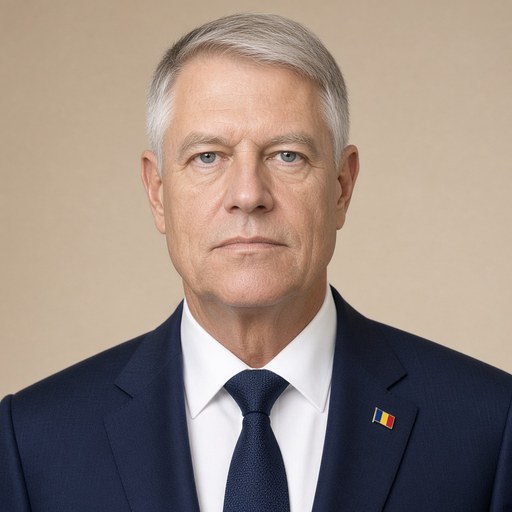
The message of the President of Romania, Mr. Klaus Iohannis, addressed to the Parliament of Romania.
 Klaus Iohannis · President of Romania
- Context
- Iohannis addressed a joint session of the Romanian Parliament at the opening of the 2015 parliamentary session to outline priorities and institutional partnership.
- Main themes
- Institutional partnership and collaboration, parliamentary reform, anti-populism and anti-electoralism, democratic consolidation, electoral system reform, restoring public trust in institutions, rule of law and integrity, role of the President as mediator, size and efficiency of Parliament, citizen representation
- Duration
- ~18 min
- Words
- 2,138
- Sentences
- 100
- Readability
- 44
- Grade
- 12.4
- Syntax
- 3.05
- Vocabulary
- 2.16
Translated from Romanian
The broad sphere of national life a sentence belongs to. Every sentence has an Arena, so it is the denominator the other indices are read against.
Other100 sentences in 17 paragraphs
“Mr. President of the Senate, Mr. President of the Chamber of Deputies, Mr. Prime Minister, Ladies and gentlemen ministers, Your Excellencies, ladies and gentlemen ambassadors, Honorable parliamentarians, Ladies and gentlemen, I wanted to address you at the beginning of this new parliamentary session, you who, following the citizens' vote, are part of the supreme representative body, the Parliament. I ask you to see my presence before the joint Chambers as a sign of openness and respect towards the legislative power. As President of Romania, I thus assume a relationship of correct institutional collaboration and partnership with the Parliament. Such a partnership responds to the spirit of the Constitution and the expectations of the citizens. But at the same time, it has significant practical reasons. The powers of the state, although separate, are actually called to work together in the service of the citizens. The progress of a nation cannot be born from a permanent conflict between those called to represent it, but from their common effort.
Today’s moment will not remain a singular one during my mandate. In the spirit of this partnership, I intend to come before you at the beginning of each parliamentary session to talk about priorities, about the issues that concern Romanians, and about possible solutions. It is not by chance that the message delivered today from the podium of Parliament comes after a series of consultations with political parties, with the Presidents of the two Chambers, and with representatives of civil society. This is how I understand to give substance to the role of mediator and integrator of the President.
I say it directly: I want a strong Parliament. Because a weak Parliament means a weak link in the democratic construction. Because a Parliament lacking credibility only distances citizens from politics and leaves room for doubt, resignation, or cynicism. The partnership of the President with the Parliament responds to the need to restore trust in this fundamental institution of democracy. But it is important that your actions, too, are in the same direction. A firm Parliament in terms of integrity, correct in relation to the demands of justice, responsible in the act of legislating, active in its control duties, and transparent in conduct will certainly be viewed differently by citizens.
Ladies and gentlemen, I have happily noted that there is openness towards reforming political institutions, which is demanded by entering a new stage of democratic consolidation and which the citizens of Romania desire. But for a profound transformation of the system, we will have to abandon a few practices. First of all, we must abandon populism and electoralism. What do I mean by populism? Proposing measures that affect the architecture of the state and institutions without arguments, just to attract votes. What do I mean by electoralism? Thinking of measures and voting systems designed to maximize the electoral gain of one party or another at a given moment. In this way, a state cannot be built. We must have the strength to recognize that because of populism and electoralism, we are here today. Not in a sense of blame, but of accountability, now that we have the chance to set things right. In some cases, rules were created that responded to temporary electoral interests, even though it was known that they were not effective. In other situations, public fears were deliberately fueled to destroy, and political conflict overshadowed any settled debate. Everything was subsumed to a political war, devoid of long-term meaning, but consuming energy and destroying hopes. As President of Romania, I can state in this context that I will never use the tool of the referendum on populist themes, just to gather votes.
Regarding the projects that encompass the reform of public institutions, I want to draw your attention to a few issues. We, the entire political class, must reflect coolly on whether the choice of a single round of voting for the presidents of County Councils or mayors was an opportune decision or not, whether it brought administration closer to the citizen or not, whether it made it more responsible, more representative, more transparent or not. Let us sincerely reflect on the consequences of list voting or uninominal voting, how we can ensure that citizens are better represented, how we can increase the quality of the political act. If we think about the electoral system starting from such desiderata, we will be able to provide answers more quickly and thoroughly. Even the issue of reducing the number of parliamentarians must be taken out of the realm of populism. We all agree that the current system has generated an oversized legislative body. And we want a smaller Parliament. But not because democracy is too costly, not because an entire legislative body should be sanctioned or blamed. No. But because we want a more efficient and more representative Parliament. The solidity of democracy depends on Parliament, on its ability to regain its role and the public's trust.
You are called to provide an adequate response to Romanians in the diaspora. And in this case, I have noted that there is political will from all sides. Thinking about the vote of Romanians in the diaspora in terms of electoral advantage or disadvantage, such as who can get how many votes, as has happened in the past, is a trap that I believe we have the wisdom to avoid. It is not the role of the President to say which of the technical solutions is better. For that, there are specialists, and for decision-making, there is voting. But, as the guarantor of the rights and freedoms of citizens and as a mediator between the state and society, it is my duty to ensure that the fundamental right to vote of all Romanians is respected, regardless of where they live.
Another practice we will have to abandon, if we truly want to move things forward in Romania, is that of superficial changes that cover the preservation of the status quo. There have been cosmetic changes to institutions or mechanisms in Romania, for the eyes of the public, but which have not led to real transformations. If we have the strength to recognize this as well, we will take another step forward. The appearance of change that hides resistance to change is not a solution. Sooner or later, those who practice it will pay politically at the polls, because people see and understand these things. Let us never underestimate the maturity of voters!
The modification of the legislation regarding the financing of parties and electoral campaigns, as well as a new law on political parties, must lead to an increase in transparency, integrity, and participation. But also to the disappearance of absolutely undesirable phenomena such as electoral bribery or electoral tourism. Electoral campaigns are not contests of distributing buckets nor festivals of unlimited resources, about whose origin everyone wonders, but no one answers. I have seen that in these areas you already have proposals that will make the legislation clearer, more transparent, more rigorous when it comes to financing, and more flexible, more inclusive, more open when it comes to encouraging participation.
Following consultations with political parties, we have agreed on a calendar, which stipulates that by the end of this session we should have a new package of laws - regarding local and parliamentary elections, the vote of Romanians in the diaspora, the financing of parties and electoral campaigns, and the law on parties. I expect this calendar to be respected. In this way, we will show two things: that the reform of political institutions has been initiated and that there is a framework for it. And that when we debate and are responsible, even if we have different opinions, we can build for Romania. By respecting the agreed calendar, the Parliament of Romania has in this session the opportunity to fulfill an expectation, to have a first concrete result, and to begin to authentically regain the trust of the people.
Legislative change will not be sufficient on its own, but only accompanied by a change in conduct, mentality, and attitude. A special role falls to you, those in political parties, in thinking of selection methods that highlight performance, professionalism, prestige, and integrity. The public looks at and evaluates the people you support and promote in public office, from local to central level.
Ladies and gentlemen, One of the important points where I have noted that there is agreement concerns the Parliament's response to the requests of justice. The discussions held with political actors give me the conviction that a legislative solution can be reached quickly to accelerate and simplify the procedures for requests for the approval of the detention, arrest, or search of parliamentarians and for those regarding the prosecution of ministers and former ministers who are members of Parliament. Beyond the practical aspect of speed and transparency, it will be a signal of public commitment and political will, in relation to the independence of justice and its support in the fight against corruption.
I also wish to commend the concern to make changes to the Rules of Procedure of the two Chambers, including the fact that representatives of the Executive commit to come before Parliament. This is a first step for the parliamentary control function to regain the appropriate and expected content. Not a formal or apparent control, remaining on paper and unexercised in practice. But an authentic and effective one over the Government, as well as over other authorities under parliamentary control. The emptying of this function of substance affects the authority and prestige of Parliament and represents a loss in democratic consolidation.
At the same time, the legislative function of Parliament also needs to regain content. The balance of powers in the state implies that the Executive's legislative attribute should be an exceptional one, not a regular one. It is not in the spirit of democracy and the rule of law for the government to assume the legislative function, nor for us to frequently make exceptions to the law through emergency ordinances. Recent history shows us that all parties, when in opposition, criticize the use of emergency ordinances, but when they come to power, they resort to them to an equal or even greater extent. We must tell the truth about such things. And we must put an end to them.
I raise this issue in the context where the unfortunate Government Emergency Ordinance no. 55/2014 was also on the agenda of my consultations with political parties. A decision made at the government level, in a context I do not wish to refer to anymore, has now come back like a boomerang on Parliament and created a legally almost impossible situation to resolve. This is one of the consequences. Another is the instability and lack of predictability in legislation, which further reflects in the instability and lack of predictability of the political, social, and economic environment. The frequent use of ordinances ends up having, in fact, direct effects on people. Who will invest in Romania and create jobs if legislation is constantly changing? Who will develop long-term plans if there is a risk that the rules will be different from one year to the next or even from one month to the next? Who will have trust if now and then the law is put in parentheses through ordinances? I ask you to reflect on these things without attaching a political connotation to them, but from the perspective of the performance of the institutions that ultimately depend on the daily lives of our citizens.
Ladies and gentlemen, Respect for the institution of Parliament is also expressed in fulfilling the obligations that fall to me as President. During this session, I will present to Parliament the National Defense Strategy, in accordance with the Fundamental Law. Also, I am available to mediate sensitive issues where the lack of dialogue has led to blockage. One such issue is the cybersecurity law. I believe we can find a balance between the need for security, which is growing and justified by new international realities, and the defense of the inalienable rights and freedoms of the individual, on which a democratic society is founded.
Ladies and gentlemen, I have said and wish to express again my conviction that high expectations can lead to great results. When people look at us with attention and hope, we have every reason to be more mobilized and more responsible. The partnership I have spoken about does not mean that we will all agree on everything. For that, there are democratic mechanisms, majorities, and votes. It is natural for each party to have a certain vision and the themes imposed by its orientation and its electorate. But I speak of a partnership based on dialogue and respect, to which each contributes, with its own approach, to leave behind something better.
Thank you!”
The original Romanian. The tags above are read on the English translation's sentences.
„Domnule Președinte al Senatului, Domnule Președinte al Camerei Deputaților, Domnule Prim-ministru, Doamnelor și domnilor miniștri, Excelenţele voastre, doamnelor și domnilor ambasadori, Onoraţi parlamentari, Doamnelor și domnilor, Am dorit ca la începutul acestei noi sesiuni parlamentare să mă adresez dumneavoastră, celor care, în urma votului cetățenilor, sunteți parte a organismului reprezentativ suprem, Parlamentul. Vă rog să priviți prezența mea în fața Camerelor reunite ca pe un semn de deschidere și respect față de puterea legiuitoare. Ca Președinte al României îmi asum astfel o relație de colaborare instituțională corectă și de parteneriat cu Parlamentul. Un asemenea parteneriat răspunde spiritului Constituției și așteptărilor cetățenilor. Dar în același timp are și însemnate rațiuni practice. Puterile statului, deși separate, sunt de fapt chemate să lucreze împreună în serviciul cetățenilor. Progresul unei națiuni nu se poate naște din conflict permanent între cei chemați să o reprezinte, ci din efortul lor comun. Momentul de astăzi nu va rămâne unul singular în decursul mandatului meu. În spiritul acestui parteneriat, îmi propun să vin în fața dumneavoastră la începutul fiecărei sesiuni parlamentare, pentru a vorbi despre priorități, despre temele care îi preocupă pe români și despre soluțiile posibile. Nu întâmplător, mesajul transmis astăzi de la tribuna Parlamentului vine după o serie de consultări cu partidele politice, cu Președinții celor două Camere și cu reprezentanți ai societății civile. Acesta este modul în care înțeleg să dau conținut rolului de mediator și integrator al Președintelui. O spun direct: îmi doresc un Parlament puternic. Pentru că un Parlament slab înseamnă o verigă slabă în construcția democratică. Pentru că un Parlament lipsit de credibilitate nu face decât să îndepărteze cetățenii de politică și să lase loc îndoielii, resemnării sau cinismului. Parteneriatul Președintelui cu Parlamentul răspunde nevoii de a restabili încrederea în această instituție fundamentală a democrației. Dar este important ca și acțiunile dumneavoastră, deopotrivă, să fie în același sens. Un Parlament ferm în materie de integritate, corect în raport cu cererile justiției, responsabil în actul de legiferare, activ în atribuțiile de control și transparent în conduită va fi, cu siguranță, privit altfel de cetățeni. Doamnelor și domnilor, Am constatat cu bucurie că există deschidere față de reformarea instituțiilor politice, pe care o reclamă intrarea într-o nouă etapă a consolidării democratice și pe care cetățenii României o doresc. Dar pentru o transformare profundă de sistem va trebui să renunțăm la câteva practici. În primul rând să renunțăm la populism și la electoralism. Ce înțeleg prin populism? Să propui măsuri care afectează arhitectura statului și instituțiilor fără argumente, doar pentru a atrage voturi. Ce înțeleg prin electoralism? Să gândești măsuri și sisteme de vot de natură să maximizeze câștigul electoral al unui partid sau altuia într-un moment dat. În acest fel nu se poate construi un stat. Trebuie să avem tăria să recunoaștem că din cauza populismului și electoralismului suntem astăzi aici. Nu în sens de vină, ci de responsabilizare, acum când avem șansa de a îndrepta lucrurile. În unele cazuri, deși se știa că nu sunt eficiente, au fost create reguli care răspundeau unor interese electorale de conjunctură. În alte situații, temerile publicului au fost deliberat alimentate, pentru a distruge, iar conflictul politic a umbrit orice dezbatere așezată. Totul a fost subsumat unui război politic, lipsit de sens pe termen lung, dar consumator de energii și distrugător de speranțe. Ca Președinte al României, pot să afirm în acest context că nu voi uza niciodată de instrumentul referendumului pe teme populiste, doar pentru a aduna voturi. În ceea ce privește proiectele care îmbracă reforma instituțiilor publice vreau să vă supun atenției câteva chestiuni. Noi, întreaga clasă politică trebuie să reflectăm la rece dacă alegerea dintr-un singur tur de scrutin a președinților de Consilii Județene sau a primarilor a fost o decizie oportună sau nu, dacă a adus administrația mai aproape de cetățean sau nu, dacă a făcut-o mai responsabilă, mai reprezentativă, mai transparentă sau nu. Să reflectăm cu sinceritate asupra consecințelor votului pe listă sau votului uninominal, cum facem ca cetățenii să fie mai bine reprezentați, cum creștem calitatea actului politic. Dacă gândim sistemul electoral pornind de la asemenea deziderate vom putea oferi mai repede și mai temeinic răspunsuri. Chiar și tema reducerii numărului de parlamentari trebuie scoasă din sfera populismului. Suntem cu toții de acord că actualul sistem a generat un for legislativ supradimensionat. Și ne dorim un parlament mai mic. Dar nu pentru că democrația este prea costisitoare, nu pentru că un întreg corp legiuitor trebuie sancționat sau blamat. Nu. Ci pentru că dorim un Parlament mai eficient și mai reprezentativ. Soliditatea democrației depinde de Parlament, de capacitatea lui de a-și recâștiga rolul și încrederea publicului. Sunteți chemați să dați un răspuns adecvat și românilor din diaspora. Și în acest caz am constatat că există voință politică din toate părțile. A gândi votul românilor din diaspora în termenii avantajului sau dezavantajului electoral, de tipul cine câte voturi poate lua, așa cum s-a mai întâmplat în trecut, este o capcană pe care cred că avem înțelepciunea să o evităm. Nu este rolul Președintelui să spună care dintre soluțiile tehnice este mai bună. Pentru asta există specialiști, iar pentru decizie există vot. Dar, ca garant al drepturilor și libertăților cetățenilor și ca mediator între stat și societate, este datoria mea să mă asigur că dreptul fundamental la vot al tuturor românilor este respectat, indiferent unde trăiesc ei. O altă practică la care va trebui să renunțăm, dacă vrem cu adevărat să mișcăm lucrurile în România, este cea a schimbărilor de fațadă, care acoperă conservarea stării de fapt. S-au mai făcut în România cosmetizări de instituții sau mecanisme, pentru ochii publicului, dar care nu au condus la transformări reale. Dacă avem tăria să recunoaștem și acest lucru, vom face încă un pas înainte. Aparența schimbării care ascunde rezistența la schimbare nu este o soluție. Mai devreme sau mai târziu cei care o practică decontează politic la vot, pentru că oamenii văd și înțeleg aceste lucruri. Să nu subestimăm niciodată maturitatea alegătorilor! Modificarea legislației privind finanțarea partidelor și a campaniilor electorale, precum și o nouă lege a partidelor politice trebuie să conducă la o creștere a transparenței, integrității și participării. Dar și la dispariția unor fenomene absolut nedorite precum mita electorală sau turismul electoral. Campaniile electorale nu sunt concursuri de dat găleți și nici festivaluri de resurse nelimitate, despre a căror proveniență toată lumea se întreabă, dar nimeni nu răspunde. Am văzut că la aceste capitole aveți deja propuneri care să facă legislația mai clară, mai transparentă, mai riguroasă când vine vorba despre finanțare și mai flexibilă, mai inclusivă, mai deschisă când vine vorba despre încurajarea participării. În urma consultărilor cu partidele politice am convenit un calendar, care presupune ca până la sfârșitul acestei sesiuni să avem un nou pachet de legi - privind alegerile locale și parlamentare, votul românilor din diaspora, finanțarea partidelor și campaniilor electorale, legea partidelor. Mă aștept ca acest calendar să fie respectat. În acest fel vom arăta două lucruri: acela că reforma instituțiilor politice a fost demarată și există cadrul pentru ea. Și că atunci când dezbatem și suntem responsabili, chiar dacă avem păreri diferite, putem construi pentru România. Prin respectarea calendarului convenit, Parlamentul României are în această sesiune oportunitatea de a împlini o așteptare, de a avea un prim rezultat concret și de a începe să recâștige în mod autentic încrederea oamenilor. Schimbarea de legislație nu va fi suficientă singură, ci doar însoțită de o schimbare de conduită, mentalitate și atitudine. Un rol aparte vă revine dumneavoastră, celor din partidele politice, în a gândi modalități de selecție care să pună în valoare performanța, profesionalismul, prestigiul și integritatea. Publicul se uită și evaluează oamenii pe care îi susțineți și promovați în funcții de demnitate publică, de la nivel local până la nivel central. Doamnelor și domnilor, Unul dintre punctele importante, unde am constatat că există acord, se referă la răspunsul Parlamentului la solicitările justiției. Discuțiile purtate cu actorii politici îmi dau convingerea că se poate ajunge rapid la o soluție legislativă pentru accelerarea și simplificarea procedurilor pentru cererile de încuviințare a reținerii, arestării sau percheziției parlamentarilor și pentru cele de efectuare a urmăririi penale pentru miniștri și foști miniștri membri ai Parlamentului. Dincolo de aspectul practic, al celerității și transparenței, va fi un semnal de angajament public și voință politică, în raport cu independența justiției și sprijinirea ei în lupta anticorupție. Doresc, de asemenea, să salut preocuparea de a face schimbări în Regulamentele de funcționare ale celor două Camere, inclusiv faptul că reprezentanții Executivului se angajează să vină în fața Parlamentului. Este un prim pas pentru ca funcția de control parlamentar să recapete conținutul adecvat și așteptat. Nu un control formal sau aparent, rămas pe hârtie și neexercitat în practică. Ci unul autentic și eficient asupra Guvernului, dar și asupra celorlalte autorități aflate sub control parlamentar. Golirea de fond a acestei funcției afectează autoritatea și prestigiul Parlamentului și reprezintă o pierdere în consolidarea democratică. În același timp, funcția de legiferare a Parlamentului are nevoie să recapete și ea conținut. Echilibrul puterilor în stat presupune ca atributul de legiferare al Executivului să fie unul excepțional, nicidecum curent. Nu este în spiritul democrației și statului de drept nici ca guvernul să asume funcția legislativă, nici ca prin ordonanțe de urgență să facem frecvent excepții de la lege Istoria recentă ne arată că toate partidele, atunci când se află în opoziție, critică folosirea ordonanțelor de urgență, dar când ajung la putere recurg la ele în măsură egală sau chiar mai mare. Despre asemenea lucruri trebuie să spunem adevărul. Și să le punem punct. Ridic această problemă în contextul în care pe agenda consultărilor mele cu partidele politice s-a aflat și nefericita Ordonanță de Urgență a Guvernului nr. 55/2014. O decizie luată la nivel de Guvern, într-un context la care nu doresc să mă mai refer, s-a întors acum ca un bumerang asupra Parlamentului și a creat o situație juridică aproape imposibil de rezolvat. Aceasta este una din consecințe. O alta este instabilitatea și lipsa de predictibilitate în legislație, care se răsfrânge mai departe în instabilitatea și lipsa de predictibilitate a mediului politic, social și economic. Utilizarea frecventă a ordonanțelor ajunge să aibă, de fapt, efecte directe asupra oamenilor. Cine să investească în România și să creeze locuri de muncă dacă legislația se schimbă mereu? Cine să dezvolte planuri pe termen lung dacă există riscul ca regulile să fie altele de la un an la altul sau chiar de la o lună la alta? Cine să aibă încredere dacă din când în când legea este pusă între paranteze prin ordonanțe? Vă rog să reflectați la aceste lucruri fără a le atașa o conotație politică, ci din perspectiva performanței instituțiilor de care depinde, în ultimă instanță, viața de zi cu zi a cetățenilor noștri. Doamnelor și domnilor, Respectul față de instituția Parlamentului se exprimă și în îndeplinirea obligațiilor care îmi revin în calitate de Președinte. În decursul acestei sesiuni voi prezenta Parlamentului Strategia Națională de Apărare, în conformitate cu Legea fundamentală. De asemenea, există din partea mea disponibilitatea de a media teme sensibile, unde lipsa unui dialog a condus la blocaj. O asemenea temă este legea securității cibernetice. Cred că putem găsi un echilibru între nevoia de securitate, crescândă și justificată de noile realități internaționale, și apărarea drepturilor și libertăților inalienabile ale individului, pe care se fundamentează o societate democratică. Doamnelor și domnilor, Am spus și doresc să exprim din nou convingerea mea că așteptările mari pot duce la rezultate mari. Atunci când oamenii ne privesc cu atenție și cu speranță avem toate motivele să fim mai mobilizați și mai responsabili. Parteneriatul despre care am vorbit nu înseamnă că vom fi toți de acord cu toate. Pentru asta există mecanisme democratice, majorități și voturi. Este firesc ca fiecare partid să aibă o anumită viziune și temele pe care i le impune orientarea și electoratul propriu. Dar vorbesc despre un parteneriat bazat pe dialog și respect, la care contribuie fiecare, cu abordarea proprie, pentru a lăsa în urmă ceva mai bun. Vă mulțumesc!”