




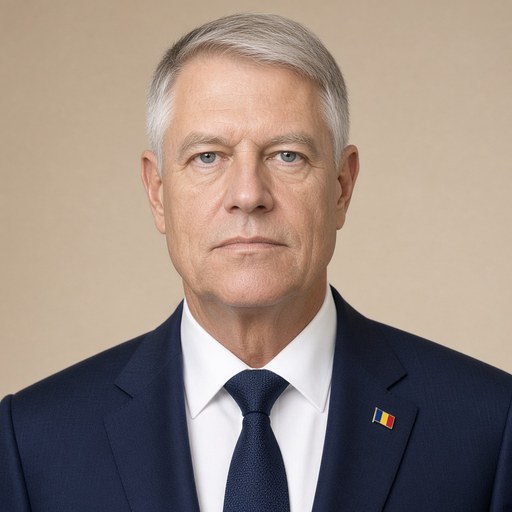
The speech of the President of Romania, Mr. Klaus Iohannis, at the annual meeting with the heads of diplomatic missions accredited in Romania.
 Klaus Iohannis · President of Romania
- Context
- Iohannis addressed heads of diplomatic missions accredited in Romania at their annual meeting in Bucharest on January 29, 2015, outlining his foreign policy priorities.
- Main themes
- Romanian foreign policy priorities, Euro-Atlantic security, EU membership and integration, Strategic Partnership with the USA, NATO membership, geopolitical tensions, diplomatic relations, protection of Romanian diaspora, economic cooperation, rule of law and civil rights, missile defense at Deveselu, cultural diplomacy
- Duration
- ~43 min
- Words
- 5,210
- Sentences
- 200
- Readability
- 21
- Grade
- 16.7
- Syntax
- 3.19
- Vocabulary
- 2.34
Translated from Romanian
The broad sphere of national life a sentence belongs to. Every sentence has an Arena, so it is the denominator the other indices are read against.
Other200 sentences in 3 paragraphs
more active, more coherent, more transparent, more creative. At the same time, the geopolitical tensions in our immediate neighborhood make us all the more responsible. We have a duty to rise, with lucidity and wisdom, to the level of expectations of our friendly and partner states. On this occasion, I thank you once again for the wishes and signs of support conveyed to me upon taking office as President of Romania. I come before you at this moment to outline the foreign policy priorities of the Presidency, as part of a project that goes beyond the year 2015. Seriousness, coherence, and predictability are principles that define the construction of a strong and prosperous Romania that all our citizens desire. Even more so, these principles must underpin our foreign and national security policy. We share common values related to national sovereignty, the rule of law, civil rights and freedoms, respect for laws — including international norms, the necessity of cooperation, the preservation of peace, and the elimination of any source of conflict. For these reasons, I see the members of the Diplomatic Corps accredited in Bucharest not only as a point of contact between me and the high representatives of their countries of origin but also as friends of Romania and the Romanian nation. I wish for Romanian diplomats to be equally recognized in the countries where they represent us. The good collaboration we have with you adds substance and depth to Romania's external relations. The strength of any state is also measured by the quality of the diplomatic corps that serves its interests. For this reason, Your Excellencies, you are always welcome here. Ladies and gentlemen ambassadors, We aspire to a foreign policy that is closely aligned with Romanian citizens, wherever they may be. Aligned with the immediate, direct interests of the state, whether they are political, strategic, economic, or cultural. We aspire to a foreign policy capable of protecting citizens, historical Romanian communities, and new communities in the diaspora. We aim for a foreign policy with a solid strategic component, capable of engaging in finding the best solutions to prevent or resolve conflicts. I am convinced that our foreign policy can fully leverage Romania's membership in the European Union and NATO. And to provide additional substance to the partnership relations at the center of which Romania stands. We desire a foreign policy articulated at the level of our economic interests, understanding that the stability and prosperity of a nation are closely linked; an active foreign policy also in promoting our cultural wealth, our nationally recognized values. We want a foreign policy of respect and dignity. We are in a new historical phase. We are facing trends of returning to classical approaches, reporting methods, and risks, alongside the emergence of new types of risks. Our construction projects, to which we remain deeply attached, must take these complicated realities into account. Faced with increased difficulties, we must also seek opportunities for a safer and more predictable future, a new perspective in which our common values are supported and protected. The geopolitical profile of Romania, as well as that of the new members of the Euro-Atlantic community, is being brought directly to attention, placing us in the dynamic focal point of largely unpredictable developments. Romania must leverage its status as a state on the external border of the EU and NATO, and maintaining and utilizing this position prioritizes the relationships we have built. Ladies and gentlemen, I particularly wish to refer to the Strategic Partnership with the USA, a fundamental pillar of Romania's foreign policy. It crowns the dedication with which Romanian and American diplomats have served bilateral relations over the 135 years since the establishment of diplomatic relations between Bucharest and Washington. Romania wishes for diplomatic dialogue and cooperation with the USA to continue dynamically, so as to amplify interaction in the main areas of the Bilateral Strategic Partnership for the 21st Century. The development of economic cooperation, as well as human exchanges in education, science, and innovation, is of particular importance. In 2015, the operationalization of the American missile defense system at Deveselu will also take place — a significant strategic project for the security of both states, as well as for Euro-Atlantic security. Ladies and gentlemen, The European Union must decide on the ways of readjustment, on a new stage of construction. Pressing realities will force us to make more decisive choices than those we have been accustomed to. We need decisions aimed at deepening and rationalizing the European integration model. This must become more coherent and more flexible, both in terms of internal functioning and protecting the interests of citizens, as well as in terms of the resilience of the model and the global role of the Union. The context of the economic and financial crisis, from which the EU and European member states have made and are making intense and profound efforts to emerge, will continue to influence the directions of evolution of the European project, its potential, and the lines of deepening integration. At the same time, problems and points of crisis have multiplied on a broader international scale, and systemic transformations have accelerated in several global areas, not just in the immediate neighborhood of the EU. We must find the resources to transform these challenges, through a common, creative, and honest effort, into as many opportunities for advancing the European project — a construction that we are convinced deserves our full commitment. I believe it is in the interest of the Union and of all to focus our attention on respecting European values and principles and on achieving concrete projects. The European Union is the result of the positive effects that the application of these values and principles has generated in economic, social, and cultural terms. Europe can guarantee the prosperity and security of all its citizens without jeopardizing what it has already gained through full respect for these achievements. The complete Europeanization of Romania is a central objective of my mandate. This means continuing the process of European integration, through accession to the Schengen area and through the adoption of the Euro. Romania's place is in the Schengen area, as a member state with equal and full rights. We fully meet the accession criteria for the Schengen area. Any uncertainties in this regard are purely political considerations. The greatest deficit that EU member states suffer from is not that expressed in national budgets, but in the lack of trust between partners, which leads to discrimination. I believe we can overcome this moment. It is the duty of our European partners to be fair in their assessments and in the implementation of the rules. We believe in rules that are respected and that do not change according to fleeting interests. In accordance with the assurances we have received from European institutions, we expect Romania to become a member state of the Schengen Area. Moreover, in the spirit of the unity and solidarity that is so necessary at present, Romania is ready to contribute to the improvement of the Schengen system. It is necessary, on the one hand, that the freedom of movement — a fundamental freedom — is not affected, and, on the other hand, that stricter control is ensured at the external borders of the EU. The successive positive conclusions of the reports on the Cooperation and Verification Mechanism represent recognition of the efforts for internal consolidation on all fronts: combating corruption, functioning of institutions, increasing transparency and predictability. We are convinced that the right and correct steps will continue to be taken to begin the phasing-out process of the CVM for Romania. Therefore, in the face of difficulties and warnings of any kind, Romania reaffirms its commitment to the European project, being firmly convinced of the superiority of the political, economic, and security model of the EU. The year 2014 was marked by a paradox of understanding the importance of European and democratic values. While Euroscepticism was intensifying in the old democracies, and its representatives were increasing their presence in the European Parliament, in Ukraine, brave citizens were demonstrating for their right to strengthen their Euro-Atlantic aspirations. But the elections for the European Parliament also demonstrated that Europeans are, in fact, predominantly rational and do not chase illusions. Romanians, for their part, chose the path of serious and thorough development and were not deceived by unfounded promises. The EU remains the strongest guarantee of peace and stability, and in the face of populist rhetoric, we resist through an unwavering support of the European project as a whole. For the sake of our unity, we must show restraint in the face of any approach that emphasizes the idea of a two-speed Europe. Ladies and gentlemen ambassadors, I begin this mandate with the thought of preparing Romania for the presidency of the EU Council in 2019. It is an honor to be the one who will lead our country during the highest European responsibility. It is, at the same time, a responsibility for which we must prepare solid plans for the common benefit of Romania and the other member states. I will support the construction of an integrated foreign policy strategy to which all institutions of the Romanian state, all political, social, and economic actors interested in its success will contribute, with the President of Romania being the coordinator and guarantor. It is vital for Romania's development to have a coherent foreign and security policy, assumed by the Presidency, the Government, and Parliament. I believe that the field of foreign policy can be the first to be freed from partisan and conjunctural interests. The approach based on the principles of seriousness and perseverance must mark the relationship between Romania and the member states of the EU, as well as that between all member states and the neighboring states of the EU. Many of the countries that will hold the EU presidency come from Central and Eastern Europe, an extraordinary opportunity to establish common denominators. At the beginning of a new Presidency of the EU Council, I wish to wish Latvia success and assure it of our full support in achieving the established priorities for a more competitive European Union. There will be multiple challenges to manage: internally, in the eastern and southern neighborhood of the Union, but also transversal challenges, such as combating terrorism or the migration phenomenon. In this context, I wish to mention that the independence of Romania and Europe is deeply linked to energy independence and security. Romania can become a security exporter in the region through a policy of supporting energy interconnectors and by exploiting its own resources. Romania welcomes the importance given to the objective of achieving the Energy Union. We consider it essential to continue the process of strengthening solidarity within the EU, between the Union and its neighbors, as well as prioritizing infrastructure projects in this region. We also have in mind to substantiate relations with states with which we have established strategic partnerships or privileged and strengthened relations such as France, Germany, Italy, Poland, Austria, the United Kingdom, Spain, and Turkey. We will continue to act to complete this bilateral dialogue through sectoral cooperations, especially in the economic sphere. These countries are among Romania's main investors and trading partners. A large part of these countries are connected to us, beyond strategic interests, by special affinities of history and culture. Romania also places great importance on bilateral relations with Hungary and Bulgaria, neighboring states and strategic partners, and will continue to act to develop these within the natural framework of good neighborly relations, with a particular emphasis on cross-border projects circumscribed to the European agenda. Ladies and gentlemen, A stable and secure neighborhood is a priority for Romania. We are actively involved in the process of revising the European Neighborhood Policy (ENP), in its eastern and southern dimensions. This must respond both to the potential for developing relations between the EU and its partners and to the special challenges posed by these neighborhoods. The Eastern Partnership remains a relevant instrument for engaging with our neighbors, especially in the current regional security context. In preparation for the Riga Summit in May, we consider it necessary to update and adapt the Eastern Partnership to ensure the achievement of ambitious objectives. It is essential to establish a clear European perspective for the most performing partners in the Eastern Partnership, who have the political will and meet the necessary conditionalities, through the rigorous implementation of the principles of differentiation and "more for more." The Riga Summit is a good opportunity to convey such a message. Romania will continue to firmly support the efforts of the Republic of Moldova, Ukraine, and Georgia, the three states that signed association and free trade agreements with the EU in 2014, as well as cooperation with the other states within the Eastern Partnership: Armenia, Azerbaijan, and Belarus. The events in Ukraine have cast a shadow of sad memory of the Cold War over the year 2014.
I reiterate the statements regarding attacks on the civilian population on Ukrainian territory as condemnable criminal acts. But the assessment of the situation in terms that should belong to history must stop here. The EU is an instrument that has fully demonstrated its effectiveness in building peace and prosperity. This is also the purpose for which it was created, and we must not forget this. It is no coincidence that its existence coincides with the longest period of peace and prosperity known to the European continent. Romania has benefited from belonging to this visionary construction and will continue to contribute to its strengthening. In this context, Romania condemns the violation of Ukraine's sovereignty and territorial integrity and will continue to contribute to the realization of its European and Euro-Atlantic aspirations. The European path of the Republic of Moldova and Ukraine remains one of Romania's main foreign policy concerns. The reason is not only the well-known historical ties but also Romania's proximity to conflict zones and to these states where the Russian Federation acts illegally. The parliamentary elections of November 30, 2014, in the Republic of Moldova reconfirmed popular support for the pro-European political option. Despite the difficult regional situation, the citizens of the Republic of Moldova courageously expressed their conviction that this is the path that guarantees their prosperity within a society with stable democratic institutions in the long term. We are determined to support, as we have until now, the undertaking of difficult internal reforms in the Republic of Moldova aimed at bringing it closer to the European Union. A stable government with a unified pro-European vision is preferable to any other compromise solution. We hope that the leaders in Chișinău will understand their mission given by the Moldovan citizens and will direct their efforts exclusively towards strengthening democracy. We are also concerned about the fate of our partners in the Western Balkans and the promotion of an integrated vision of the concept of regional cooperation. Countries in the region committed to the path of European integration will always find in Romania a reliable partner. Romania will continue to actively participate, both conceptually and operationally, in the development of the Common Security and Defense Policy, including in EU missions and operations under this aegis. Our country will deepen cooperation in this area with partner states. Romania supports the strengthening of the Union's relations with its strategic partners. The transatlantic partnership remains one of the central points of Romania's foreign policy, as well as that of the Union. We consistently support the revitalization of these fundamental relations within the new Transatlantic Trade and Investment Partnership. This offers a historic opportunity to rethink the structure of economic relations and to find new levers to ensure our independence and economic freedom, understood in terms of competitiveness and free markets. Romania will continue, within the North Atlantic Alliance, to strengthen its profile as a European allied state, with a transatlantic vocation, with a stabilizing and predictable role in the region. NATO constitutes for Romania an essential, indispensable pillar for the security, prosperity, and defense of the political, democratic, and legal values to which we adhere. Romania's active presence within NATO, the quality of its contributions to allied efforts to support peace, freedom, and democracy in the world have also been confirmed by the ambitious political agenda with which it participated in the Alliance Summit in the United Kingdom, where the essential pillars of this were highlighted: the ability to respond credibly and effectively to current challenges, the solidity of transatlantic ties, and the solidarity of allied states. It is necessary that, in the context of the crisis at the eastern border of the Alliance, NATO continues to demonstrate unity, solidarity, and determination in fulfilling its fundamental task - collective defense. Zero-sum games or attempts to recreate spheres of influence must not affect regional stability and Euro-Atlantic security, which have been strengthened since the end of the Cold War. We believe it is natural for the spirit of the Euro-Atlantic community, based on freedom, democracy, and security, to benefit also the states to the east of Romania that aspire to be part of the Alliance. Recent challenges to international security have clearly highlighted the importance of the strategic values of the Black Sea for the Alliance. Romania will continue to support Ukraine by operationalizing the NATO Cyber Defense Support Fund. The necessary conditions will be ensured to support other Alliance partners, with an emphasis on the Republic of Moldova and Georgia. It is necessary for NATO's agenda to reserve a strong profile for the security and stability of Ukraine, Georgia, and the Republic of Moldova, states of particular significance for the security climate in the entire Euro-Atlantic space. Strong messages must be reiterated in which NATO supports the independence, sovereignty, and territorial integrity of these states, within their internationally recognized borders, and reiterates political support for their reform efforts. The complete and timely implementation of the allied decisions adopted at the Summit in the United Kingdom is of utmost priority, with a particular emphasis on the Alliance's Action Plan to increase operational capacity aimed at strengthening security on the eastern flank, whether it concerns reassurance measures or those for adapting the Alliance, including regarding NATO's concrete presence on the territory of eastern allies, including, of course, in Romania. These elements constituted an important part of the discussions we had with the NATO Secretary General on January 16. Events in 2014 in the eastern neighborhood have shown that NATO must strengthen its anticipatory capacity, given the constantly changing security situation. Romania is among the Allies that have fully understood the need for adequate investments in defense capabilities. The national political agreement regarding increased funding for Defense represents a telling expression of Romania's solidarity attitude also in the sphere of military spending. Ladies and gentlemen, threats to the security of the extended Black Sea region amplify Romania's strategic role in promoting a climate of peace and security at the eastern border of the EU and NATO. We will continue to closely monitor the evolution of frozen conflicts, an additional element of tension in the extended Black Sea region. Romania's relations with the Russian Federation, like the relations of the European Union and NATO with the Russian Federation, are today overshadowed by the serious events that have led to the Ukrainian crisis. The return of these relations to the much-needed stage of constructive dialogue and collaboration corresponding to common interests depends imperatively on the respect for the principles of international law in Russian foreign policy. The attempt to rewrite the rules, to cross red lines in terms of conduct and principles of international law, and the resort to modes of action between states that belong to past eras create problems for all of us, Europeans, the Atlantic community, the neighborhood, and Russia itself - and the implications extend beyond the Euro-Atlantic space. We have a special interest in developing relations with Central Asian states, intending to strengthen political dialogue and intensify energy and economic cooperation. Central Asia can play a key role in diversifying Europe's hydrocarbon supply sources. We also wish to facilitate trade flows to and from Europe by establishing a goods corridor between the Black Sea and the Caspian Sea, connecting Central Asia to Europe and, further east, to China. The Port of Constanța and the Danube corridor are important assets that Romania will use in this endeavor. Romania has developed and will continue to seek new ways to deepen and diversify a dynamic network of partnerships, with largely substantial results, as tools to support pragmatic interests, but also to rally around shared strategic objectives, primarily from the perspective of Euro-Atlantic membership. We will seek more efficient ways to give a new impetus, additional substance, added economic value, and extended mutual advantages in relations with emerging actors, with states from extra-European and extra-Atlantic spaces in general. Romania's objective of revitalizing and diversifying its relations with states in the Asia-Pacific region responds to its economic interests and the desire to benefit from collaboration with components of one of the most important engines of growth in the global economy. We wish to further develop the entirety of relations with the People's Republic of China by diversifying economic cooperation and expanding human connections. We approach this objective in a comprehensive, realistic, and long-term manner that responds to our mutual interests. We believe that in this way we will also contribute to achieving the objectives of the EU-China Strategic Cooperation Agenda 2020. We are also working to strengthen the strategic partnership with South Korea, to substantiate the partnership with Japan, which also has strategic valences, as well as to implement the expanded partnership with India. We pay due attention to the regional collaboration opportunities offered by the Asia-Europe Meetings and the Association of Southeast Asian Nations. In the Middle East, we are in the privileged position of having traditional relations with all states in the region, with an important role also played by the existence of significant Romanian or Romanian-origin communities in many states. With Israel, Romania has maintained uninterrupted diplomatic relations since its establishment, managing to develop an intense dialogue and cooperation. We have old and strong partnership relations with Arab states. By virtue of this traditional collaboration, we have the duty and common interest to promote our political-diplomatic relations, especially to contribute to revitalizing economic and trade relations. We aim to fully capitalize on the economic potential of relations between Romania and the states of the Middle East by opening a new phase in economic cooperation. It is important to capitalize on the capital of sympathy and mutual trust accumulated in the relations between Romania and the states of Africa. To this end, it is necessary to develop and concretize concrete, mutually beneficial cooperation projects in areas such as education and vocational training, research, technology transfer, and agriculture. As a member state of the European Union, Romania will continue to participate in actions aimed at contributing to the security, stability, and development of African states, wishing for solidarity and collaboration between the two continents to be strengthened. I believe that achieving effective institutional capacity must remain a priority objective for African states, and Romania has the necessary experience in developing state capacity and can support these efforts by promoting our country's expertise in the transition to a democratic society. Developments in recent years have demonstrated an increase in mutual interest among the business communities of Romania and Latin America, which has materialized in significant increases both in terms of economic cooperation in general and trade exchanges. We intend to energize bilateral political dialogue with Latin American states to strengthen this process as part of Romania's international economic presence diversification and reducing dependence on certain markets. Ladies and gentlemen, We have entered the 70th year of the existence of the United Nations - the forum with a universal vocation to which, at its founding, peace and international security were entrusted. This year, the UN is set to adopt the post-2015 development agenda, to conclude the third international conference on financing for development, to hold the third review conference of the Treaty on the Non-Proliferation of Nuclear Weapons, and to agree on a new global agreement on climate change. On December 14, 2015, it will be six decades since Romania joined the UN, an occasion for assessment and scrutiny of perspectives, under the sign of the desire for Romania to continue to actively participate in the Organization's activities. Within the International Organization of La Francophonie, Romania will continue to strengthen its role as a "lighthouse state" in Central and Eastern Europe and will support the development of the political dimension of the organization and its involvement in solving global problems. We reaffirm Romania's commitment to protecting and promoting human rights, any attempt to diminish the principles of universality and indivisibility of human rights being, for us, unacceptable. Recent events in Europe show that sustained efforts are required to defend democratic values and the fundamental rights and freedoms of individuals. It is important to unite our efforts in the fight against all those who, through their actions, in one way or another, infringe upon the fundamental rights and freedoms of any person, whether it concerns the right to life or the freedom of opinion, expression, or belief.
Against the backdrop of the recent increase in acts of violence motivated by religion in various corners of the world, Romania is actively involved, alongside its main external partners, in the actions and activities of the international community to combat these phenomena and to promote interreligious and interfaith dialogue with the aim of creating a climate based on mutual respect, regardless of religious orientation or belief. In the contemporary world, characterized by cultural diversity, freedom of religion or belief, tolerance, and interreligious dialogue play an essential role in strengthening democratic societies. Religious diversity should be viewed as a resource in the development of society, and the proper management of cultural and religious diversity means recognizing the contribution of this diversity to the social life of the community. In relation to this theme, I wish to mention this administration's desire to increase attention to the beneficial effects that assertive cultural diplomacy can have on enhancing dialogue among the citizens of the world and the interconnectedness of nations. Sustained dialogue among the nations of the world contributes to better trust between cultures, prevents misunderstandings, and helps reduce socio-cultural conflicts. For these reasons, Your Excellencies, I ask you to see in me a partner in advancing collaboration in this area. Romania will continue to participate in these efforts, which support democracy and the respect for human rights. We will place particular emphasis on the situation of Romanians in the states of our eastern neighborhood. Romania's policy in the field of protecting the rights of persons belonging to ethnic minority groups is recognized by the international community as a model in this regard. In Romania, all religious denominations can carry out their activities without any restrictions, in accordance with their own norms and traditions. By promoting interfaith dialogue and supporting policies to prevent interreligious conflicts, Romania upholds freedom of religion, tolerance, and religious non-discrimination. At the same time, we bear a great responsibility related to the preservation of Romanian values, the promotion of religious identity, and the prosperity of our communities residing in other states. We are thus entitled to expect that the states on whose territory Romanian communities live will adopt similar measures aimed at ensuring the protection of the national, ethnic, cultural, religious, and linguistic identity of the persons belonging to these communities. We wish to be a reliable partner for the governments of the states where Romanian communities live and to assure them of our support for any appeal made for the defense of democracy and human rights. As a promoter of the European Union Framework for national strategies for the integration of Roma, Romania protects the rights and freedoms of all its citizens, including those of Roma ethnicity, and supports the necessity for Europe to consider the transnational aspects of this issue, alongside the recognition of the need for coordinated efforts. I would like to mention, in this context, the firm and unequivocal commitment of Romania to the path of assuming the past, commemorating the victims of the Holocaust, and fighting against anti-Semitism and xenophobia. The coherent efforts made by the Romanian authorities in this direction for over a decade are recognized internationally. The assumption, during 2016, by our country of the presidency of the International Holocaust Remembrance Alliance will provide a good opportunity to advance ongoing programs and to promote Romania's experience in this field, especially in our region. From the perspective of our concrete contribution as a member of the Euro-Atlantic community and a relevant actor in the international arena, we remain deeply dedicated to the interests of Romanian communities abroad and will intensify our efforts to strengthen relations, as a country of origin, with our diaspora - in virtue of its significant contribution to our internal development and prosperity, to a more visible and better positioning of Romania in the world. The economic and social life of the states you represent is participated in by numerous Romanians who have chosen to live and work there. The Romanian authorities, including the diplomatic service, pay special attention to them. We want Romanians beyond the borders of the Romanian state to feel protected and to benefit from the freedom and the opportunity to preserve their ethnic and religious identity while also enjoying individual rights, the right to work, and to benefit without discrimination from the results of their work, in accordance with international conventions in this regard. For its part, the Romanian state is open to the ethnic and religious diversity of those who live and work on its territory. In fact, our policy, legal framework, and institutional setup in this regard have been appreciated in the relevant international forums. However, to achieve these objectives, it is necessary for the Ministry of Foreign Affairs to be strong and respected, to have sufficient financial and human resources to fulfill its strategic role. I also intend to deepen the collaboration between the Presidential Administration and the Parliament of Romania. I believe that coherence in addressing foreign policy issues is necessary, and I wish to establish the practice of good collaboration among specialists working on the same topics. Parliamentary diplomacy is a complementary source to intergovernmental debates and at the level of heads of state and a useful tool that requires increased attention. Ladies and gentlemen ambassadors, Although I have only held the position of President of Romania for a month, I have had the sad opportunity, like you, to express condolences and solidarity on behalf of the Romanian nation in two different situations, for bloody attacks against civilians. We do not wish for future generations to know the horrors of conflicts of any kind. But that does not mean that anyone who threatens the way of life of free-born people will not meet with an appropriate response. A strong foreign policy can always ensure a rapid response. Romania's foreign policy will be effective and creative and will respond to the accelerated dynamics in the region. Your Excellencies, I conclude by thanking you for your presence. I wish you a good, successful New Year. Happy New Year!
The original Romanian. The tags above are read on the English translation's sentences.
mai activă, mai coerentă, mai transparentă, mai creativă. În același timp, tensiunile geopolitice din vecinătatea noastră imediată ne fac cu atât mai responsabili. Avem datoria să ne ridicăm, cu luciditate și înțelepciune, la nivelul așteptărilor statelor prietene și partenere. Cu acest prilej, vă mulțumesc încă o dată pentru urările și semnele de susținere transmise la preluarea funcției de președinte al României. Vin în fața dumneavoastră în acest moment pentru a expune prioritățile de politică externă ale Președinției, ca parte a unui proiect ce depășeste anul 2015. Seriozitatea, coerența și predictibilitatea sunt principii care definesc construcția României puternice și prospere pe care și-o doresc toți cetățenii noștri. Cu atât mai mult, aceste principii trebuie să stea la baza politicii externe și de securitate națională. Împărtășim valori comune legate de suveranitatea națională, statul de drept, drepturile și libertățile cetățenești, respectul față de legi - incluzând aici și normele internaționale, necesitatea cooperării, conservarea păcii și eliminarea oricărei surse de conflict. Din aceste motive, văd membrii Corpului Diplomatic acreditați la București nu doar ca punct de contact între mine și înalții reprezentanți ai statelor de provenință, ci și prieteni ai României și ai națiunii române. Îmi doresc ca diplomații români să fie la fel recunoscuți în țările în care ne reprezintă. Buna colaborare pe care o avem cu dumneavoastră adaugă substanță și profunzime relațiilor externe ale României. Puterea oricărui stat se măsoară și în calitatea corpului diplomatic care îi servește interesele. Din acest motiv, Excelențele Voastre, sunteți oricând bineveniți aici. Doamnelor și domnilor ambasadori, Aspirăm la o politică externă puternic apropiată de cetățenii români, oriunde s-ar găsi aceștia. Apropiată de interesele nemijlocite, directe ale statului, fie ele politice, strategice, economice sau culturale. Aspirăm la o politică externă în măsură să protejeze cetățenii, comunitățile istorice românești și comunitățile noi din diaspora. Ne propunem o politică externă cu o solidă componentă strategică, capabilă să se implice în găsirea celor mai bune soluții de a preveni sau încheia conflicte. Am convingerea că politica noastră externă poate să valorifice complet apartenența României la Uniunea Europeană și la Alianța Nord Atlantică. Și să confere substanță suplimentară relației de parteneriate în centrul cărora se află România. Ne dorim o politică externă articulată la nivelul intereselor noastre economice, înțelegând că stabilitatea și prosperitatea unei națiuni sunt strâns legate între ele; o politică externă activă și în promovarea bogăției noastre culturale, a valorilor noastre naționale recunoscute universal. Ne dorim o politică externă a respectului și a demnității. Ne aflăm într-o nouă etapă istorică. Ne confruntăm cu tendinţe de reîntoarcere spre abordări, modalităţi de raportare și riscuri de tip clasic, concomitent cu apariţia unor riscuri de tip nou. Proiectele noastre de construcţie, de care rămânem profund atașaţi, trebuie să ţină seama de aceste realităţi complicate. Confruntaţi cu dificultăţi sporite, trebuie să căutăm și oportunităţile pentru un viitor mai sigur și mai predictibil, o nouă perspectivă în care valorile noastre comune să fie susţinute și protejate. Profilul geopolitic al României, ca și cel al ansamblului noilor membri ai comunităţii euroatlantice, este readus direct în atenţie, plasându-ne în focarul dinamic al unor dezvoltări în bună măsură imprevizibile. România trebuie să valorifice calitatea de stat la frontiera externă a UE și a NATO, iar păstrarea și utilizarea acestei poziții prioritizează relațiile construite de noi. Doamnelor și domnilor, În mod deosebit, doresc să mă refer la Parteneriatul Strategic cu SUA, reper fundamental al politicii externe a României. Acesta încununează dedicaţia cu care diplomaţii români și americani au servit relaţiile bilaterale de-a lungul celor 135 de ani care au trecut de la stabilirea relaţiilor diplomatice dintre București și Washington. România dorește ca dialogul diplomatic și colaborarea cu SUA să continue dinamic, așa încât să se amplifice interacţiunea în domeniile principale ale Parteneriatul Strategic bilateral pentru Secolul XXI. O importanţă deosebită o are dezvoltarea cooperării economice, precum și a schimburilor interumane, în educaţie, știinţă și inovaţii. În anul 2015 va avea loc și operaţionalizarea sistemului american de apărare împotriva rachetelor balistice de la Deveselu - proiect strategic semnificativ pentru securitatea ambelor state, precum și pentru securitatea euroatlantică. Doamnelor și domnilor, Uniunea Europeană are a decide asupra modalităţilor de readaptare, asupra unui nou stadiu de construcţie. Realităţi presante ne vor obliga să facem alegeri mai tranșante decât cele cu care am fost obișnuiţi. Avem nevoie de decizii în direcţia aprofundării și raţionalizării modelului integraţionist european. Acesta trebuie să devină mai coerent și mai suplu, atât la nivelul funcţionării interne și al protejării intereselor cetăţenilor, cât și la cel al rezilienţei modelului și rolului global ale Uniunii. Contextul crizei economico-financiare, din care UE și statele membre europene au făcut și fac eforturi intense și aprofundate să iasă, va continua să influențeze direcţiile de evoluţie ale proiectului european, potenţialul și liniile de adâncire a integrării. S-au multiplicat, totodată, problemele și punctele de criză în plan internaţional mai larg și s-au accelerat transformările sistemice în mai multe arii globale, nu doar în vecinătatea imediată a UE. Trebuie să găsim resursele pentru a transforma aceste provocări, prin efort comun, creativ și onest în tot atâtea posibilităţi de avansare a proiectului european - construcţie despre care suntem convinși că merită întreaga noastră implicare. Consider că este în interesul Uniunii și al tuturor să ne concentrăm atenţia asupra respectării valorilor și principiilor europene și asupra realizării proiectelor concrete. Uniunea Europeană este rezultatul efectelor pozitive pe care aplicarea acestor valori și principii le-a generat în plan economic, social și cultural. Europa poate garanta prosperitatea și securitatea tuturor cetăţenilor săi fără să atenteze la ceea ce a câștigat deja prin respectarea deplină a acestor acumulări. Europenizarea completă a României este un obiectiv central al mandatului meu. Aceasta înseamnă continuarea procesului de integrare europeană, prin aderarea la spațiul Schengen și prin adoptarea monedei Euro. Locul României este în spațiul Schengen, stat membru cu drepturi egale și depline. Îndeplinim integral criteriile de aderare la spaţiul Schengen. Orice nelămuriri pe acest palier țin pur de considerente politice. Deficitul cel mai mare de care suferă statele membre UE nu este cel exprimat în bugetele naționale, ci în lipsa încrederii între parteneri, care duce la discriminare. Cred că putem depăși acest moment. Datoria partenerilor noștri europeni este de a fi corecți în evaluările lor și în implementarea regulilor. Credem în reguli care se respectă și care nu se schimbă în funcție de interese trecătoare. În conformitate cu asigurările pe care le-am primit din partea instituţiilor europene, ne așteptăm ca România să devină stat membru al Spaţiului Schengen. Mai mult decât atât, în spiritul unităţii și al solidarităţii atât de necesare în prezent, România este pregătită să contribuie la perfecţionarea sistemului Schengen. Este nevoie, pe de o parte, ca libertatea de circulaţie - libertate fundamentală - să nu fie afectată, iar, pe de altă parte, să fie asigurat un control mai riguros la granițele externe ale UE. Concluziile succesive pozitive ale rapoartelor pe Mecanismul de Cooperare și Verificare reprezintă o recunoaștere a eforturilor de consolidare internă pe toate planurile: combaterea corupţiei, funcţionarea instituţiilor, creșterea transparenței și a predictibilității. Suntem convinși că vor fi urmați pe mai departe pașii drepți, corecți pentru a începe procesul de phasing-out al MCV pentru România. Așadar, în fața dificultăților și a avertismentelor de orice natură, România își reafirmă angajamentul față de proiectul european, fiind ferm convinsă de superioritatea modelului politic, economic și de securitate al UE. Anul 2014 a fost marcat de un paradox al înțelegerii importanței valorilor europene și democratice. În timp ce eurosceptismul se accentua în vechile democrații, iar reprezentanții săi își sporeau prezența în Parlamentul European, în Ucraina, cetățeni curajoși manifestau pentru dreptul lor de a-și consolida aspirațiile euroatlantice. Dar alegerile pentru Parlamentul European au demonstrat și că europenii sunt, în fapt, majoritar raționali și că nu fug după iluzii. Românii, la rândul lor, au ales calea dezvoltării serioase și temeinice și nu s-au lăsat înșelați de promisiuni nefundamentate. UE rămâne cea mai puternică garanție a păcii și a stabilității, iar în fața discursurilor populiste rezistăm printr-o susținere neobosită a proiectului european în ansamblul său. În scopul unității noastre, trebuie să arătăm reținere în fața oricărei abordări care să accentueze ideea unei Europe cu două viteze. Doamnelor și domnilor ambasadori, Încep acest mandat cu gândul la pregătirea României pentru preluarea președinției Consiliului UE în anul 2019. Este o onoare să fiu cel care va conduce țara noastră în perioada celei mai înalte funcții de răspundere europeană. Este, în același timp, o responsabilitate pentru care trebuie să pregătim planuri solide în beneficiul comun al României și al celorlalte state membre. Voi susține construcția unei strategii integrate de politică externă la care să contribuie toate instituțiile statului român, toți actorii politici, sociali și economici interesați de succesul acesteia, coordonator și garant fiind Președintele României. Este vital pentru dezvoltarea României să avem o politica externă și de securitate coerentă, asumată de Președinție, de Guvern și de Parlament. Cred că domeniul politicii externe poate fi primul debarasat de interese partizane și conjuncturale. Abordarea pe principiile seriozității și perseverenței trebuie să marcheze relația dintre România și statele membre ale UE, dar și pe cea dintre toate statele membre și cele vecine UE. Multe dintre țările care vor deține președinția UE provind din zona Europei Centrale și de Est, prilej extraordinar de stabilire a unor numitori comuni. La începutul unei noi Președinţii a Consiliului UE, doresc să urez succes Letoniei și să o asigur de deplina noastră susţinere în realizarea priorităţilor stabilite, pentru o Uniune Europeană mai competitivă. Vor fi de gestionat provocări multiple: în plan intern, în vecinătatea estică și sudică a Uniunii, dar și provocări cu caracter transversal, precum combaterea terorismului sau fenomenul migraţionist. În acest context, doresc să menționez că, independența României și a Europei este profund legată de independența și securitatea energetică. România poate deveni un exportator de securitate în regiune printr-o politică a susținerii interconectorilor energetici și prin exploatarea resurselor proprii. România salută importanţa acordată obiectivului de realizare a Uniunii Energetice. Considerăm esenţială continuarea procesului de consolidare a solidarităţii în interiorul UE, între Uniune și vecinii săi, precum și a acordării de prioritate proiectelor de infrastructură din această regiune. De asemenea, avem în vedere substanţializarea relaţiilor cu statele cu care am încheiat parteneriate strategice sau relaţii privilegiate și consolidate precum Franţa, Germania, Italia, Polonia, Austria, Regatul Unit, Spania și Turcia. Vom continua să acţionăm pentru completarea acestui dialog bilateral prin cooperări sectoriale în special în sfera economică. Aceste aceste ţări se numără printre principalii investitori și parteneri comerciali ai României. De mare parte din aceste ţări ne leagă, dincolo de interesele strategice, și afinităţi speciale de istorie și cultură. De asemenea, România acordă o importanţă sporită relaţiilor bilaterale cu Ungaria și Bulgaria, state vecine și parteneri strategici, și va acţiona în continuare în vederea dezvoltării acestora în cadrul firesc al relaţiilor de bună vecinătate, cu accent deosebit pe proiecte transfrontaliere circumscrise agendei europene. Doamnelor și domnilor, O vecinătate stabilă și sigură este prioritară pentru România. Suntem activ implicaţi în procesul de revizuire a Politicii Europene de Vecinătate (PEV), în dimensiunile ei răsăriteană și sudică. Aceasta trebuie să răspundă atât potenţialului de dezvoltare a relaţiilor dintre UE și partenerii săi, cât și provocărilor speciale pe care le ridică aceste vecinătăţi. Parteneriatul Estic rămâne un instrument relevant pentru relaţionarea cu partenerii noștri din vecinătate, cu precădere în actualul context de securitate regional. În pregătirea Summitului de la Riga, din luna mai, considerăm necesar un proces de actualizare și adaptare a Parteneriatului Estic, care să asigure realizarea unor obiective ambiţioase. Este esenţială consacrarea unei perspective europene clare a partenerilor din Parteneriatul Estic cei mai performanţi, care au voinţa politică și care îndeplinesc condiţionalităţile necesare, prin implementarea riguroasă a principiilor diferenţierii și „more for more”. Summitul de la Riga este un bun prilej pentru a transmite un asemenea mesaj. România va sprijini în continuare ferm eforturile Republicii Moldova, Ucrainei și Georgiei, cele trei state care au semnat în cursul anului 2014 acorduri de asociere și liber schimb cu UE, precum și cooperarea cu celelalte state din cadrul Parteneriatului Estic: Armenia, Azerbaidjan și Belarus. Evenimentele din Ucraina au aruncat o umbră de tristă amintire a Războiul Rece asupra anului 2014. Reiterez declarațiile privind atacurile asupra populației civile de pe teritoriul ucrainean ca fiind acte criminale condamnabile. Dar evaluarea situației în termeni ce ar trebui să aparțină istoriei trebuie să se oprească aici. UE este un instrument care și-a demonstrat din plin eficiența în construirea păcii și a prosperității. Este și scopul pentru care a fost creată și nu avem voie să uităm acest lucru. Nu întâmplător existența sa coincide cu cea mai lungă perioadă de pace și prosperitate cunoscută de continentul european. România a beneficiat de apartenența la această construcție vizionară și va continua să contribuie la consolidarea sa. În acest context, România condamnă încălcarea suveranității și integrității teritoriale a Ucrainei și va continua să contribuie la materializarea aspirațiilor sale europene și euroatlantice. Parcursul european al Republicii Moldova si al Ucrainei rămâne una dintre preocupările principale de politică externă ale României. Motivul nu este doar cel al legăturilor istorice binecunoscute, ci și proximitatea României de zonele de conflict și de aceste state în care Federația Rusă acționează ilegal. Alegerile parlamentare din 30 noiembrie 2014 din Republica Moldova au reconfirmat sprijinul popular pentru opţiunea politică proeuropeană. În pofida situaţiei regionale dificile, cetăţenii Republicii Moldova și-au exprimat în mod curajos convingerea că aceasta este calea care le garantează prosperitatea, în cadrul unei societăţi cu instituţii democratice stabile pe termen lung. Suntem hotărâţi să sprijinim, ca și până acum, întreprinderea în Republica Moldova a reformelor interne dificile în vederea apropierii de Uniunea Europeană. Un guvern stabil și cu o viziune unitară proeuropeană sunt de preferat oricărei alte soluții de compromis. Sperăm ca liderii de la Chișinău să-și înțeleagă misiunea dată de cetățenii moldoveni și să își orienteze eforturile exclusiv în direcția consolidării democrației. De asemenea, suntem preocupaţi de destinul partenerilor din Balcanii de Vest și de promovarea unei viziuni integrate a conceptului de cooperare regională. Țările din regiune angajate pe calea integrării europene vor găsi întotdeauna în România un partener de încredere. România va continua să participe în mod activ, atât conceptual, cât și operaţional, la dezvoltarea Politicii de Securitate și Apărare Comună, inclusiv la misiunile și operaţiile UE sub această egida. Țara noastră va aprofunda cooperarea pe acest palier cu statele partenere. România susţine consolidarea relaţiilor Uniunii cu partenerii săi strategici. Parteneriatul transatlantic rămâne unul din punctele centrale ale politicii externe a României, dar și al Uniunii. Susţinem consecvent redinamizarea acestor relaţii fundamentale în cadrul noului Parteneriat Transatlantic pentru Comerţ și Investiţii. Acesta oferă șansă istorică de a ne regândi structura relațiilor economice și de a găsi noi pârghii pentru a ne asigura independența și libertatea economică, înțeleasă în termenii competitivității și pieței libere. România va continua, în cadrul Alianţei Nord-Atlantice să-și consolideze profilul de stat aliat european, cu vocaţie transatlantică, cu rol stabilizator și predictibil în regiune. NATO constituie pentru România un pilon esenţial, indispensabil, pentru securitatea, prosperitatea și apărarea valorilor politice, democratice și de drept la care aderăm. Prezenţa activă a României în cadrul NATO, calitatea contribuţiilor ei la eforturile aliate de susţinere a păcii, libertăţii și democraţiei în lume au fost confirmate și de agenda politică ambiţioasă cu care a participat la Summitul Alianţei din Regatul Unit, unde au fost evidenţiaţi pilonii esenţiali ai acesteia: capacitatea de a se răspunde credibil și eficient la provocările actuale, soliditatea legăturilor transatlantice și solidaritatea statelor aliate. Este necesar ca, în condiţiile crizei de la graniţa de est a Alianţei, NATO să demonstreze, în continuare, unitate, solidaritate și hotărâre în îndeplinirea sarcinii sale fundamentale - apărarea colectivă. Nu trebuie ca jocuri cu sumă nulă sau tentative de refacere a unor sfere de influenţă să afecteze stabilitatea regională și securitatea euroatlantică, consolidate după încheierea Războiului Rece. Considerăm că este firesc ca de spiritul comunităţii euroatlantice, fundamentat pe libertate, democraţie și securitate, să beneficieze și statele aflate la est de România, care aspiră să facă parte din Alianţă. Provocările recente la adresa securităţii internaţionale au reliefat clar importanţa pentru Alianţă a valenţelor strategice ale Mării Negre. România va continua să sprijine Ucraina, prin operaţionalizarea Fondului NATO de Sprijin în domeniul apărării cibernetice. Se vor asigura condiţiile necesare pentru sprijinirea celorlalţi parteneri ai Alianţei, cu accent pe Republica Moldova și Georgia. Este necesar ca pe agenda NATO să se rezerve un profil accentuat securităţii și stabilităţii Ucrainei, Georgiei și Republicii Moldova, state cu semnificaţie aparte pentru climatul de securitate din ansamblul spaţiului euroatlantic. Se impune să fie reiterate mesajele puternice prin care NATO sprijină independenţa, suveranitatea și integritatea teritorială a acestor state, în cadrul frontierelor lor recunoscute pe plan internaţional și reiterează susţinerea politică a eforturilor lor de reformă. Are prioritate maximă punerea în aplicare completă și la termenele convenite a deciziilor aliate adoptate la Summitul din Regatul Unit, cu un accent aparte în ceea ce privește Planul de Acţiune al Alianţei pentru creșterea capacităţii operaţionale menite să consolideze securitatea pe flancul estic, fie că este vorba despre măsurile de reasigurare, fie că este vorba de cele de adaptare a Alianţei, inclusiv în ce privește prezenţa concretă a NATO pe teritoriul aliaţilor estici, inclusiv, desigur, în România. Aceste elemente au constituit o parte importantă a discuţiilor pe care le-am avut cu Secretarul general al NATO din 16 ianuarie. Evenimentele din 2014 din vecinătatea estică au arătat că trebuie ca NATO să-și consolideze capacitatea de anticipare, dată fiind modificarea permanentă a situaţiei pe planul securităţii. România este printre Aliaţii care au înţeles pe deplin necesitatea investiţiilor adecvate în capacităţile de apărare. Acordul politic naţional privind creșterea finanţării pentru Apărare reprezintă o expresie elocventă a atitudinii solidare a României și în sfera cheltuielilor militare. Doamnelor și domnilor, Ameninţările la adresa securităţii regiunii extinse a Mării Negre amplifică rolul strategic al României în promovarea unui climat de pace și securitate la frontiera estică a UE și a NATO. Vom urmări în continuare cu atenţie și evoluţia conflictelor îngheţate, un element suplimentar de tensiuni în regiunea extinsă a Mării Negre. Relaţiile României cu Federaţia Rusă, asemenea relaţiilor Uniunii Europene și NATO cu Federaţia Rusă, sunt astăzi umbrite de evenimentele grave care au dus la criza ucraineană. Revenirea acestor relaţii la stadiul atât de necesar al dialogului constructiv și colaborării corespunzătoare intereselor comune depinde imperios de respectarea în politica externă rusă a principiilor dreptului internaţional. Încercarea de rescriere a regulilor, depășirea unor linii roșii în materia conduitei și principiilor de drept internaţional, recursul la modalităţi de acţiune între state care ţin de epoci trecute, ne creează probleme tuturor, europenilor, comunităţii atlantice, vecinătăţii, Rusiei însăși - iar implicaţiile se extind dincolo de spaţiul euroatlantic. Avem un interes special și în dezvoltarea relaţiilor cu statele din Asia Centrală, intenţionând consolidarea dialogului politic și intensificarea cooperării energetice și economice. Asia Centrală poate juca un rol cheie în diversificarea surselor de aprovizionare cu hidrocarburi ale Europei. De asemenea, dorim să facilităm fluxurile comerciale în și dinspre Europa, prin realizarea unui coridor de mărfuri între Marea Neagră și Marea Caspică, care să conecteze Asia Centrală la Europa și, mai departe spre est, spre China. Portul Constanţa, coridorul dunărean, sunt atuuri importante pe care România le va folosi în acest demers. România și-a dezvoltat și va continua să caute noi căi de a aprofunda și diversifica o reţea dinamică de parteneriate, cu rezultate în bună măsură substanţiale, ca instrumente de susţinere a unor interese pragmatice, dar și de coalizare în jurul unor obiective strategice împărtășite, în primul rând din unghiul apartenenţei euroatlantice. Vom urmări căi mai eficiente de a da un nou impuls, substanţă suplimentară, valoare economică adăugată și avantaje mutuale extinse, în relaţiile cu actori emergenţi, cu statele din spaţiile extraeuropene și extraatlantice în general. Obiectivul României de a-și revigora și de a-și diversifica relaţiile cu statele din zona Asia - Pacific răspunde intereselor sale economice, dorinţei de a beneficia de colaborarea cu componentele unuia dintre cele mai importante motoare de creștere ale economiei mondiale. Dorim să dezvoltăm, în continuare, ansamblul relaţiilor cu Republica Populară Chineză, prin diversificarea cooperării economice și extinderea legăturilor interumane. Abordăm acest obiectiv într-o manieră cuprinzătoare, realistă și pe termen lung, care să răspundă intereselor noastre reciproce. Considerăm, că, în acest fel, vom contribui și la realizarea obiectivelor Agendei cooperării strategice 2020 a relaţiilor UE-China. Lucrăm, de asemenea, pentru consolidarea parteneriatului strategic cu Coreea de Sud, pentru substanţializarea parteneriatului cu Japonia, care are și valenţe strategice, precum și pentru implementarea parteneriatului extins cu India. Dăm atenţia cuvenită și posibilităţilor de colaborare regionale oferite de Întâlnirile Asia-Europa și de Asociaţia Naţiunilor din Asia de Sud-Est. În Orientul Mijlociu, suntem în situaţia privilegiată de a avea relaţii tradiţionale cu toate statele din regiune, un rol important avându-l și existenţa unor importante comunităţi românești sau de origine română în multe state. Cu Israelul, România întreţine relaţii diplomatice neîntrerupte încă de la înfiinţarea sa, reușind să dezvoltăm un dialog și o cooperare intensă. Avem vechi și puternice relaţii de parteneriat cu statele arabe. În virtutea acestei colaborării tradiţionale, avem datoria și interesul comun să impulsionăm raporturile noastre politico-diplomatice, îndeosebi pentru a contribui la revitalizarea relaţiilor economice și comerciale. Ne propunem valorificarea la întreaga sa capacitate a potenţialului economic al relaţiilor dintre România și statele din Orientul Mijlociu, prin deschiderea unei noi etape în cooperarea economică. Este importantă valorificarea capitalului de simpatie și de încredere reciprocă acumulat pe planul relaţiilor dintre Românie și statele Africii. În acest scop este nevoie de elaborarea și concretizarea unor proiecte cooperare concrete, mutual avantajoase, în domenii precum educaţia și formarea profesională, cercetarea, transferul de tecnologie și agricultura. Ca stat al Uniunii Europene, România va continua să participe la acţiunile menite să contribuie la securitatea, stabilitatea și dezvoltarea statelor africane, dorind ca solidaritatea și colaborarea dintre cele două continente să se consolideze. Consider că realizarea unei capacităţi instituţionale eficiente trebuie să rămână un obiectiv prioritar al statelor africane, iar România dispune de experienţa necesară dezvoltării capacităţii statale poate sprijini aceste eforturi prin promovarea expertizei ţării noastre în domeniul tranziţiei la o societate democratică. Evoluţiile din ultimii ani au demonstrat o creștere a interesului reciproc al comunităţii oamenilor de afaceri din România și din America Latină, care s-a concretizat prin importante creșteri atât în ceea ce privește cooperarea economică în general, cât și schimburile comerciale. Intenţionăm să dinamizăm dialogul politic bilateral cu statele latino-americane, pentru a consolida acest proces, ca parte a diversificării prezenţei internaţionale a României pe plan economic și a reducerii dependenţei de anumite pieţe. Doamnelor și domnilor, Am intrat în cel de-al 70-lea an de existenţă a Organizației Națiunilor Unite - forul cu vocaţie universală căruia, la fondare, i-au fost încredinţate pacea și securitatea internaţională. În acest an, ONU urmează să adopte agenda de dezvoltare post-2015, să încheie a treia Conferinţă internaţională privind finanţarea dezvoltării, să desfășoare a treia Conferinţă de evaluare a Tratatului de neproliferare a armelor nucleare și să convină un nou acord global în domeniul schimbărilor climatice. La 14 decembrie 2015, se vor împlini șase decenii de la aderarea României la ONU, prilej de bilanţ și de scrutare a perspectivelor, sub semnul dorinţei ca România să continue să participe activ la activitatea Organizaţiei. În cadrul Organizaţiei Internaţionale a Francofoniei, România va continua să-și consolideze rolul de „stat-far” în Europa Centrală și de Est și va sprijini dezvoltarea dimensiunii politice a organizaţiei și implicarea sa în soluţionarea problemelor globale. Reafirmăm angajamentul asumat de România pentru protejarea și promovarea drepturilor omului, orice tentativă de diminuare a principiilor universalităţii și indivizibilităţii drepturilor omului fiind, pentru noi, de neacceptat. Evenimentele recente din Europa ne arată că se impun eforturi susţinute pentru apărarea valorilor democratice și a drepturilor și libertăţilor fundamentale ale omului. Este important să ne unim eforturile în lupta împotriva tuturor celor care prin acţiunile lor aduc, într-un fel sau în altul, atingere drepturilor și libertăţilor fundamentale ale oricărei persoane, fie că este vorba de dreptul la viaţă sau la libertatea de opinie, de expresie sau de credinţă. Pe fondul creșterii în ultima perioadă a numărului de acte de violenţă motivate religios in diferite colţuri ale lumii, România este implicată activ, alături de principalii ei parteneri externi, în acţiunile și activităţile comunităţii internaţionale de combatere a acestor fenomene și de promovare a dialogului interreligios și interconfesional în scopul creării unui climat bazat pe respect reciproc, indiferent de orientarea religioasă sau de credinţă. În lumea contemporană, caracterizată de diversitate culturală, libertatea de religie sau credinţă, toleranţa și dialogul interreligios joacă un rol esenţial în consolidarea societăţilor democratice. Diversitatea religioasă trebuie privită ca o resursă în dezvoltarea societăţii, iar gestionarea adecvată a diversităţii culturale și religioase înseamnă recunoașterea contribuţiei acestei diversităţi la viaţa socială a comunităţii. Legat de această temă, doresc să menționez dorința acestei admnistrații de a spori atenția asupra efectelor benefice pe care o diplomație culturală asertivă le poate avea pentru accentuarea dialogului între cetățenii lumii și a interconectivității națiunilor. Dialogul susținut între națiunile lumii contribuie la o mai bună încredere între culturi, previne neînțelegerile și contribuie la reducerea conflictelor socio-culturale. Din aceste motive, Excelențele Voastre, vă rog să vedeți în mine un partener în avansarea colaborării pe acest palier. România va continua să participe la aceste eforturi, prin care sunt sprijinite democraţia și respectarea drepturilor omului. Un accent deosebit îl vom pune pe situaţia românilor din statele din vecinătatea noastră estică. Politica României în domeniul protecţiei drepturilor persoanelor care aparţin grupurilor de minoritari etnici beneficiază de recunoaștere din partea comunităţii internaţionale ca model în materie. În România toate cultele își pot desfășura activitatea fără niciun fel de restricţii, în conformitate cu propriile norme și tradiţii. Prin promovarea dialogului interconfesional și susţinerea politicilor de prevenire a conflictelor interreligioase, România susţine libertatea de religie, toleranţa și nediscriminarea religioasă. Totodată, ne revine o mare responsabilitate legată de conservarea valorilor românești, promovarea identităţii religioase și a prosperităţii comunităţilor noastre rezidente în alte state. Suntem îndreptăţiţi astfel să ne așteptăm ca statele pe teritoriul cărora trăiesc comunităţi românești să adopte măsuri similare, menite să asigure protejarea identităţii naţionale, etnice, culturale, religioase și lingvistice a persoanelor aparţinând acestor comunităţi. Dorim să fim un partener de încredere pentru guvernele din statele unde trăiesc comunităţi românești și să îi asigurăm de sprijinul nostru pentru orice apel făcut pentru apărarea democraţiei și drepturilor omului. Ca promotoare a Cadrului Uniunii Europene pentru strategiile naţionale de integrare a romilor, România protejează drepturile și libertăţile tuturor cetăţenilor săi, inclusiv pe cele ale persoanelor de etnie romă și susţine necesitatea ca, în Europa, să se ia în considerare aspectele transnaţionale ale acestui dosar, concomitent cu recunoașterea necesităţii eforturilor coroborate. Aș dori să amintesc, în acest context, și de angajamentul ferm și fără echivoc al României pe calea asumării trecutului, comemorarea victimelor Holocaustului, lupta împotriva antisemitismului și xenofobiei. Eforturile coerente făcute de autorităţile române în această direcţie de peste un deceniu sunt recunoscute pe plan internaţional. Preluarea, în cursul anului 2016, de către ţara noastră a președinţiei Alianţei Internaţionale de Amintire a Holocaustului va constitui un bun prilej de a avansa programele aflate în derulare și de a promova experienţa României în domeniu, mai ales în regiunea noastră. Din perspectiva contribuţiei concrete ca membru al comunităţii euroatlantice și actor relevant în spaţiul internaţional, rămânem profund dedicaţi intereselor comunităţilor românești din afara ţării și ne vom intensifica efortul de a întări raporturile, ca ţară de origine, cu diaspora noastră - în virtutea aportului cât de poate de semnificativ al acesteia la dezvoltarea și prosperitatea noastră internă, la mai vizibila și mai buna situare a României în lume. La viaţa economică și socială a statelor pe care dumneavoastră le reprezentaţi participă numeroși români, care au optat să trăiască și să muncească acolo. Autorităţile române, inclusiv serviciul diplomatic, le acordă o atenţie deosebită. Dorim ca românii aflaţi dincolo de frontierele statului român să se simtă protejaţi și să beneficieze de libertatea și de posibilitatea de a-și păstra identitatea etnică și religioasă și totodată de drepturile individuale, de a munci și de a beneficia fără discriminare de rezultatul muncii lor, în conformitate cu convenţiile internaţionale în materie. La rândul lui, statul român este deschis spre diversitatea etnică și religioasă a celor care trăiesc și muncesc pe teritoriul lui. De altfel, în forurile internaţionale competente, au fost apreciate politica noastră, cadrul nostru legal și instituţional pe acest plan. Pentru atingerea acestor obiective, însă, este nevoie ca instituția Ministerului Afacerilor Externe să fie puternică și respectată, să aibă resurse financiare și umane îndestulătoare pentru a-și îndeplini rolul strategic. De asemenea, intenționez să aprofundez colaborarea dintre Administrația Prezidențială și Parlamentul României. Consider că este necesară o coerență în abordarea temelor de politică externă și îmi doresc să institui practica bunei colaborări între specialiști care să lucreze pe aceleași subiecte. Diplomația parlamentară este o sursă complementară dezbaterilor interguvernamentale și la nivelul șefilor de stat și un instrument folositor care necesită atenție sporită. Doamnelor și domnilor ambasadori, Deși dețin de doar o lună funcția de Președinte al României, am avut tristul prilej, ca și dumneavoastră, de a exprima condoleanțe și solidaritate din partea națiunii române în două situații diferite, pentru atacuri sângeroase la adresa unor civili. Nu dorim ca generații viitoare să cunoască ororile conflictelor de orice fel. Dar asta nu înseamnă că oricine amenință modul de viață al oamenilor născuți liberi nu se va întâlni cu un răspuns pe măsură. O politică externă puternică poate asigura întotdeauna un răspuns rapid. Politica externă a României va fi eficientă și creativă și va răspunde dinamicii accelerate din regiune. Excelențele Voastre, închei mulțumindu-vă pentru prezență. Vă doresc un an nou bun, de succes. La mulți ani!"