




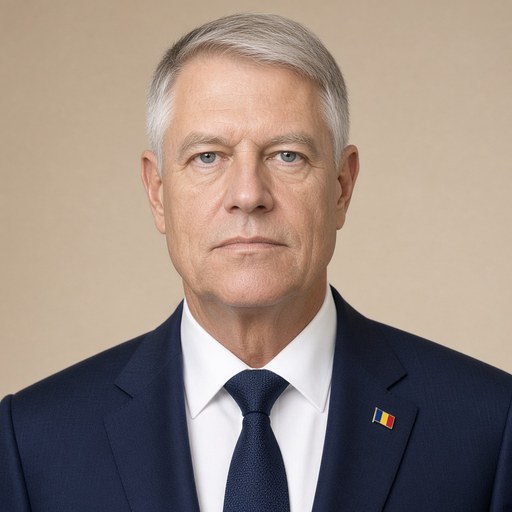
The speech and interventions of the President of Romania, Mr. Klaus Iohannis, delivered at the National Top of Private Companies in Romania.
 Klaus Iohannis · President of Romania
- Context
- Iohannis addressed the National Top of Private Companies event in Romania on November 8, 2019, celebrating successful SMEs and outlining priorities for economic reform.
- Main themes
- SME support and entrepreneurship, governance quality and reform, Romanian economic competitiveness, EU funds absorption, digitization of public administration, knowledge and technology-based economy, Romania TechNation project, business environment simplification, social entrepreneurship, PSD government criticism, public-private dialogue
- Duration
- ~25 min
- Words
- 3,016
- Sentences
- 145
- Readability
- 45
- Grade
- 12.0
- Syntax
- 3.07
- Vocabulary
- 2.02
Translated from Romanian
The broad sphere of national life a sentence belongs to. Every sentence has an Arena, so it is the denominator the other indices are read against.
Other145 sentences in 44 paragraphs
Mr. President of the National Council of Small and Medium Enterprises,
I am pleased to be with you at this event! I congratulate the Council for its entire activity and full involvement in strengthening the Romanian entrepreneurial environment.
I also congratulate the winners of this edition of the "Top of Private Firms" awards, as well as the other participating businesspeople. You are part of the active and engaged Romania that you represent so successfully!
Today's event means more than just appreciating the merits of entrepreneurs and promoting the most successful SMEs in Romania.
It is the recognition that our country's economy has growth resources, that we are leaving future generations not only multiplied debts and uncertainties but also solutions and models to follow.
I am glad that the last chapter of the dark book of the PSD government has come to an end, which I know has been a true test of endurance for you. The lack of competence, poor decisions, and chaotic public management, marked by the PSD, have disrupted society as a whole.
We are now in a situation where the new Government must find solutions to make Romania well.
I met your colleagues from the Chamber of Commerce last night. Despite a difficult year marked by chaotic governance, I found that among entrepreneurs, hope is gradually returning.
Businesspeople are beginning to feel optimistic about the prospects of our economy.
I met many of you in the spring at the European Entrepreneurship Forum.
At that time, you signed the Bucharest Declaration on Entrepreneurship, a document meant to support entrepreneurial Romania and the economic competitiveness of the European Union. On that occasion, we discussed that Romania must act responsibly and consistently in favor of a knowledge and technology-based economy.
You have already taken important steps in this direction, launching last month the Romania TechNation project, which I wanted to symbolically support by granting High Patronage.
I am convinced that this project anchors us better in the 21st century through digital technology, innovation, and entrepreneurial spirit.
It is time to rethink the relationship between public authorities and the business environment. Our concern must now focus on the necessary measures to have a stable, simple, and fair institutional framework, without arbitrary decisions, unjust obstacles, or excessive bureaucracy, as we have unfortunately seen in the governments of recent years.
In Romania, there are over 615,000 SMEs that employ more than half of the workforce. Therefore, supporting this segment is a priority that public authorities must better focus on.
We are still far from other EU member states and well below our development potential. At the European level, Romania ranks last, with only 2.2 SMEs per hundred inhabitants, which is less than half the EU average.
I am convinced that entrepreneurship is directly dependent on the quality of governance, and here I have reasons for optimism now. In this regard, the digitization of administration and its focus around the taxpayer must start immediately. It is time to finally abandon the practice of "waiting in line for anything."
Responsible governance involves dialogue with the business environment, real and more applied involvement in the development of public policies in the economic field. By promoting transparency and consultations with the business environment, we significantly improve the quality of governance.
It is evident that the Romanian economy needs investments and investors. So far, from the budget allocated by the European Union through the current financial framework 2014-2020, our country has received almost 10 billion euros, which is just over 30%. This is little compared to the potential of the economy, but also compared to the needs of the population.
I expect the Prime Minister and the new ministers to take the necessary measures for new investors to come to Romania and to significantly increase the absorption rate of European funds. At the same time, I trust that you, the representatives of SMEs, can generate viable projects to efficiently utilize these funds.
Successful entrepreneurs are engaged actors, connected to the needs of society, and determined to succeed. I am pleased that in Romania, communities of public and private interests are developing, professional people, successful entrepreneurs who invest not only in the production of goods and services but also in the social field, in the well-being of the communities in which they operate.
Social entrepreneurship projects represent the initiatives and commitment of people who care about others, in response to empty promises and the inertia of social-democratic politicians, who, in reality, do not care about the needs of society.
When authorities fail, good people mobilize.
I particularly appreciate that the Council's concerns also extend to this social segment. Romania stands to gain from your projects aimed at revitalizing the community through investments in health, education, sports, or environmental protection, areas where there is an acute need for involvement.
I am pleased with your initiative to award the "Entrepreneur for Romania" prizes to people who, through their actions, have freed Romania from resignation.
They have shown us that, no matter how great the indifference or incompetence of those tasked with acting in the public interest, good people prevail.
Their voice, their actions, but especially the hope they have awakened in the hearts of Romanians have shown us all that Romania has resources for involvement and many champions of good. I congratulate you from the bottom of my heart!
Thank you, and I wish you all much success in everything you undertake!
And to those who are being celebrated today, I wish "Happy Birthday!"
Q&A Session
Question: Good afternoon! What does Entrepreneurial Romania look like in your vision?
President of Romania, Mr. Klaus Iohannis: I will first give you the short answer. It looks very good and is prosperous. But, of course, you expect me to elaborate a bit. In the last 30 years, we have gone through a phase as a society that we could call a transition. I often hear, because I like to attend such meetings, that we are in a transition from classic capitalism to a knowledge society, as I often hear some commentators say that we have long since escaped communism and are moving towards a mature society. I will tell you frankly that in both cases we are quite far from the objective, and consequently, I believe we need to go and eliminate the root of the evil. We cannot build a mature democratic society using methods and structures from '67, it is clear, just as we cannot move to a mature market stage, with many companies based on artificial intelligence, on knowledge in general, until we have a serious foundation. In Romania, we have far too few entrepreneurs, we have far too few companies, and far too little respect for the real economy, and all these things must be addressed head-on. Otherwise, with measures like Ordinance 114, and so on, we do not take two steps forward and one back, but rather the opposite, one forward and two back. It is very clear, and I tell you and repeat what I have been saying these days. I breathe a sigh of relief that we have gotten rid of that toxic government!
I do not know if you have political sympathies or antipathies, but as entrepreneurs, it is impossible that you were satisfied with the way the economic development of the country was anti-supported. With a liberal government, we have a very real chance to set things right. An entrepreneurial Romania can be built by creating a fair framework for the development of companies, reducing, as everyone has been saying for many years, reducing bureaucracy, encouraging people who perform, not those who remain in debt for years and years – we have state companies that have owed the state for decades, and every year someone comes and facilitates their existence. We cannot continue like this. This last example you realized refers to the structural reforms that sooner or later must be made. The longer we drag our feet, the more painful they will be. This is known! But I must also say one thing that I hear from very few. We need real entrepreneurial education. Real! Attention! Everyone has the impression that if we send some people to school to teach a subject called entrepreneurial education, we have solved the problem. It is not quite like that! You cannot send people to school to teach something they actually do not know how to do. You know very well that we had – our generation, like Prime Minister and myself – we had teachers of political economy and socialism. Often respectable people but who have absolutely, absolutely nothing to do with entrepreneurial education – finding them in school gives them entrepreneurial education. We cannot hide behind our fingers indefinitely. We must address the problem, solve it, but in a serious and sustainable way. In the same way, I do not think it is good to let managers learn on their own at the workplace, many of you have succeeded, congratulations! Everyone knows how they did it, looking here and there, talking to one and another. If you looked at how this system works, as we used to say, in countries with warm water, in Western Europe, there are schools for business people, schools that allow them to learn the basics, a bit of management, a bit of accounting, a bit of politics, personnel, a bit of international business, and so on. Of course, you have worked hard and somehow grasped these things, but if we continue like this, you will remain as few as you are now.
Romania needs – we all say, especially those coming from the Liberal Party – Romanian domestic capital. Without Romanian domestic entrepreneurs, such a thing does not develop! Do not misunderstand me, I have absolutely nothing against foreign investors, they are welcome and have managed to raise the level of Romanian entrepreneurship, but if we want to take the next step, we must give young people a chance to learn how to be successful entrepreneurs. Not everyone will succeed, but considerably more than now. That is how I envision Entrepreneurial Romania.
Question: (...) Mr. President, one of the problems we face, and it is one of the serious problems we face, is the lack of workforce in Romania. Entrepreneurs are desperate in this regard. We would be glad if you could tell us what the ways are through which we can solve this problem. And another equally important problem: how could we bring the Diaspora back to Romania?
President of Romania, Mr. Klaus Iohannis: Speaking of public employees. You should know that a state cannot function only with businesspeople, just as a state cannot function only with public employees. I guarantee you that a state without public employees looks like a failed state, and a state without businesspeople looks like the state we had in '89. Personally, I do not wish for either one or the other, and I believe that here, through the absolutely erroneous policy of the PSD, which has governed most of the 30 years since the Revolution, a false animosity has been created between the business environment, between business and public employees, through the intervention and unfortunate existence of the PSD, which has used this gap to profile itself in its own electoral area. I do not wish to profile myself either in the public sector or in the entrepreneurial sector, but in both, and I believe that the only realistic and good approach for Romania, because after all Romania is one, is for both sides to understand that without the other, it cannot be done. And then we will find an absolutely peaceful and convenient modus vivendi for everyone, and everyone will be happy to have a sufficient income for a decent living. For this, it is evident that a lot of education is needed, and this education, if well thought out, will also allow for the elimination of this labor force deficit. The labor force deficit can be analyzed in many ways. On one hand, I have a quality deficit, meaning we do not have people trained for the jobs where employees are sought. There is a mismatch between the construction of specializations taught in schools, universities, and various other alternative forms. This can be resolved by harmonizing the curriculum and programs with the real needs of the market.
We have a major problem, however, that is not so easily solved, you should know – the quantitative aspect. Romania has a rapidly declining population. So, we have, as they say, a demographic problem. And if we do not start to address at least some aspects, then by the year 2050 we will be much fewer than we are now, and almost all of us will be over 60 years old, those who will still be around, obviously. And then we realize that the demographic problem is much more complicated to solve than the problem of the school curriculum and the profile of the graduate. We need to work on both fronts. And if the first, concerning the quality of graduates, can be resolved through a significantly improved, modernized education system, somewhat as I envision it through the "Romania Educated" program, which I launched two years ago. We have made important steps and I hope that, with the new Government and with a new majority that will be formed in Parliament after the elections, we can proceed to legislate to put it into practice. We need to work on the other side, which does not have as much to do with education as with the education of politicians, who sooner or later must address these issues. So, social measures are needed. You cannot expect a young family, which is barely surviving or surviving under conditions worse than they desire, to want two, three, four children, given that there are no nurseries, afterschool is only very expensive, that parental leave is an interesting option for some who have sufficient income, but for others it is not an attractive option, considering that young mothers, if they stay home for two years, have a major problem with reintegration, because their job has been taken in the meantime by someone younger. And such problems need to be solved.
We have a major imbalance, and this is not only in Romania, it is global, between the number of men in the labor market, as they say, and the number of women. We have enormous potential. Too few women are employed and that is because society has not created the necessary conditions.
And there is still another much maligned and much ignored category, that of young retirees. Many people of retirement age would like to continue working, but they are either pushed out, ignored, or simply cannot find their place. I do not believe that we should force retirement upwards, even though it is a discussion that is held everywhere, but we must give a real chance to people who reach retirement age to stay and continue working, and to encourage them.
We have rolled out, you remember, in the 1990s, thousands and thousands of young people, at 40, at 45 years old, into retirement, because the PSD of that time, which was called something else, understood that it needed to solve the unemployment problem. It retired everyone, whether it was necessary or not. That is how we ended up with more retirees than we can realistically support. If we give them the chance to work, society benefits. The majority are people who know what needs to be done, are very well prepared, are at maturity in terms of analytical capacity, management, and so on.
So, there would be solutions. We just need politicians to implement them and we can solve it.
Question: (...) How can the public and private sectors collaborate better in terms of entrepreneurial and technological education?
The President of Romania, Mr. Klaus Iohannis: This is simple, by mutually accepting and understanding each other's needs. However, that sounds simple, in practice it is a bit more complicated, but it is not impossible at all, and we have some examples of initiatives coming from the private sector for dual education. Most of you know them, which are very successful initiatives, as there are also in state schools, which produce very, very high-performing graduates. What we still lack is a realignment of the two fields. If the issue had been addressed earlier, it would have been easier. For example, it would have been easier to return if vocational schools had not been abolished through an absurd measure, I would call it, and if dual education had not been abandoned too quickly. In Romania, there has been dual education, in a rather primitive and poorly assembled form, but no one can say that we do not know how to do it. We know how to do it, but if entire areas are abolished at the political level and minister after minister from the PSD declares that we do not need dual education, then it will certainly disappear. The problem is not its reformalization; 100 vocational classes can be established with a stroke of a pen. Yes, but the masters and teachers who taught there are no longer there, they have disappeared from the system, either they have retrained, or they have retired, or they have gone to Spain, where they are missing tiles on some blocks. That is how we have managed the qualified workforce, largely sending it abroad.
If we really want to restore things and we want to reset Romania, as I said in my campaign, and start building a much more cohesive, better-structured society, then we can restore these systems. And I truly hope that then we will create conditions for many Romanians to return to the country, which would solve part of, let’s not delude ourselves, part of the labor force deficit. So, you see, things cannot be sliced. It is not like in politics, where you eat the elephant in slices; in economics and society, you have to take the whole and make it work if you want each part to function.
The original Romanian. The tags above are read on the English translation's sentences.
textul alocuțiunii și transcrierea intervențiilor:
Domnule Președinte al Consiliului Național al Întreprinderilor Private Mici și Mijlocii,
Mă bucur să fiu alături de dumneavoastră la acest eveniment! Felicit Consiliul pentru întreaga activitate și deplina implicare în consolidarea mediului antreprenorial românesc.
Îi felicit, totodată, pe câștigătorii premiilor acestei ediții a „Topului Firmelor Private”, dar și pe ceilalți oameni de afaceri participanți. Sunteți parte a României active și implicate pe care o reprezentați cu succes!
Evenimentul de astăzi înseamnă mai mult decât aprecierea meritelor antreprenorilor și promovarea celor mai performante IMM-uri din România.
Este recunoașterea faptului că economia țării noastre are resurse de creștere, că lăsăm generațiilor viitoare și soluții, și modele de urmat, nu doar datorii multiplicate și incertitudini.
Mă bucur că s-a terminat și ultimul capitol din cartea neagră a guvernării PSD, care știu că a fost un adevărat test de anduranță pentru dumneavoastră. Lipsa de competențe, deciziile proaste și managementul public haotic, marca PSD, au bulversat întreaga societate.
Ne aflăm acum în situația în care noul Guvern trebuie să găsească soluții pentru a face România bine.
I-am întâlnit aseară pe colegii dumneavoastră de la Camera de Comerț. În ciuda unui an dificil, marcat de o guvernare haotică, am constatat că la nivelul întreprinzătorilor revine, treptat, speranța.
Oamenii de afaceri încep să devină optimiști față de perspectivele economiei noastre.
Cu mulți dintre dumneavoastră m-am văzut în primăvară, în cadrul Forumului European pentru Antreprenoriat.
Ați semnat atunci Declarația de la București privind antreprenoriatul, document menit să susțină România antreprenorială și competitivitatea economică a Uniunii Europene. Cu acea ocazie am discutat despre faptul că România trebuie să acționeze responsabil și consecvent, în favoarea unei economii bazate pe cunoaștere și tehnologie.
Ați făcut deja pași importanți în această direcție, lansând luna trecută proiectul România TechNation, pe care am dorit să-l susțin simbolic prin acordarea Înaltului Patronaj.
Am convingerea că acest proiect ne ancorează mai bine în secolul XXI prin tehnologie digitală, inovare și spirit antreprenorial.
Este timpul să regândim relația autorităților publice cu mediul de afaceri. Grija noastră trebuie să se îndrepte acum spre măsurile necesare pentru a avea un cadru instituțional stabil, simplu și echitabil, fără decizii arbitrare, piedici injuste sau exces de birocrație, așa cum, din păcate, am văzut în guvernările din ultimii ani.
În România există peste 615.000 de IMM-uri care angajează mai mult de jumătate din forța de muncă. Așadar, susținerea acestui segment este o prioritate asupra căreia autoritățile publice trebuie să își concentreze mai bine atenția.
Suntem încă departe de celelalte state membre ale Uniunii Europene și mult sub potențialul de dezvoltare. La nivel european, România se situează pe ultimul loc, cu numai 2,2 IMM-uri la suta de locuitori, adică mai puțin de jumătatea mediei Uniunii Europene.
Am convingerea că antreprenoriatul depinde nemijlocit de calitatea guvernării, și aici am motive de optimism acum. În acest sens, digitalizarea administrației și centrarea sa în jurul contribuabilului trebuie să demareze de îndată. Este momentul să renunțăm odată pentru totdeauna la practica „statului la coadă pentru orice”.
O guvernare responsabilă presupune dialogul cu mediul de afaceri, implicarea reală și mai aplicată a acestuia în elaborarea politicilor publice din domeniul economic. Promovând transparența și consultările cu mediul de afaceri, îmbunătățim semnificativ calitatea guvernării.
Este evident că economia românească are nevoie de investiții și de investitori. Până acum, din bugetul alocat de Uniunea Europeană prin actualul cadru financiar 2014-2020, țara noastră a primit aproape 10 miliarde de euro, adică ceva peste 30%. Este puțin, în comparație cu potențialul economiei, dar și în comparație cu nevoile populației.
Mă aștept ca premierul și noii miniștri să ia măsurile necesare pentru ca în România să vină noi investitori și să creștem semnificativ rata de absorbție a fondurilor europene. Totodată, am încredere că dumneavoastră, reprezentanții IMM-urilor, puteți genera proiecte viabile pentru a utiliza eficient aceste fonduri.
Întreprinzătorii de succes sunt actori implicați, conectați la nevoile societății și hotărâți să reușească. Mă bucură faptul că și în România se dezvoltă comunități de interese publice și private, oameni profesioniști, antreprenori de succes care investesc nu doar în producția de bunuri și servicii, ci și în domeniul social, în bunăstarea comunităților în care activează.
Proiectele de antreprenoriat social reprezintă inițiativele și angajamentul oamenilor cărora le pasă de ceilalți, ca răspuns la promisiunile deșarte și la inerția politicienilor social-democrați, cărora, în realitate, nu le pasă de nevoile societății.
Când autoritățile eșuează, oamenii buni se mobilizează.
Apreciez în mod deosebit faptul că preocupările Consiliului se îndreaptă și spre acest segment social. România are de câștigat din proiectele dumneavoastră orientate către revigorarea comunității prin investiții în sănătate, educație, sport sau protecția mediului, domenii în care este nevoie acută de implicare.
Mă bucură inițiativa dumneavoastră de a acorda premiile „Antreprenor pentru România” unor oameni care, prin faptele lor, au eliberat România de resemnare.
Ei ne-au arătat că, oricât ar fi de mare nepăsarea sau incompetența celor puși să acționeze în interes public, oamenii buni răzbesc.
Vocea lor, faptele lor, dar mai ales speranța pe care au trezit-o în sufletele românilor ne-au arătat tuturor că România are resurse de implicare și mulți campioni ai binelui. Vă felicit din toată inima!
Vă mulțumesc și vă doresc tuturor mult succes în tot ceea ce întreprindeți!
Iar celor care astăzi se sărbătoresc le doresc „La mulți ani!”.
Sesiunea de întrebări și răspunsuri
Întrebare: Bună ziua! Cum arată în viziunea dumneavoastră România Antreprenorială?
Președintele României, domnul Klaus Iohannis: Vă dau mai întâi răspunsul scurt. Arată foarte bine și este prosperă. Dar, sigur, vă așteptați să detaliez un pic. În ultimii 30 de ani am trecut prin-o fază ca societate pe care am putea să o numim de tranziție. Aud foarte des, fiindcă îmi place să merg la astfel de întâlniri, că ne aflăm într-o tranziție dintr-un capitalism clasic într-o societate a cunoașterii, cum aud foarte des pe unii care comentează politica că noi am scăpat de mult de comunism și ne îndreptăm spre o societate matură. Vă spun drept că și într-una și într-alta suntem cam departe de obiectiv și în consecință cred că trebuie să mergem și să eliminăm rădăcina răului. Nu putem să construim o societate democratică matura folosind metode și structuri din ‘67, este clar, cum nu putem să trecem într-o etapă de piață matură, cu firme multe care se bazează pe inteligență artificială, pe cunoaștere la modul general, până când nu avem o bază serioasă. În Romania avem mult, mult prea puțini antreprenori, avem mult prea puține firme și mult prea puțin respect pentru economia reală și toate aceste lucruri trebuie abordate frontal. Altfel, cu măsuri de tip Ordonanța 114, și așa mai departe, nu facem doi pași înainte și unul înapoi, ci invers, unul înainte și doi înapoi. Este foarte clar și vă spun și repet ce am tot spus zilele acestea. Răsuflu ușurat că am scăpat de acel guvern toxic!
Nu știu dacă aveți simpatii sau antipatii politice, dar ca antreprenori este imposibil să fi fost mulțumiți de felul în care s-a anti-sprijinit dezvoltarea economică a țării. Cu un guvern liberal avem o șansă foarte reală să îndreptăm lucrurile. O Românie antreprenorială se poate construi creând un cadru echitabil pentru dezvoltarea firmelor, reducând, cum toată lumea a spus de mulți ani, reducând birocrația, încurajând oamenii care fac performanță, nu pe cei care rămân datori ani, și ani, și ani – avem companii de stat care sunt datoare la stat de zeci de ani și în fiecare an mai vine cineva și le mai înlesnește existența. Nu putem să mergem așa mai departe. Acest ultim exemplu v-ați dat seama că se referă la reformele structurale care odată și odată tot trebuie făcute. Cu cât tragem mai mult de timp, cu atât vor fi mai dureroase. Se știe acest lucru! Dar trebuie să mai spun un lucru pe care îl aud de la puțini. Trebuie făcută o educație antreprenorială reală. Reală! Atenție! Toată lumea are impresia că daca trimitem în școală pe unii care predau o materie care se numește educație antreprenorială am rezolvat problema. Nu-i chiar așa! Nu poți să trimiți la școală să predea oamenii ceva ce, de fapt, nu se pricep să facă. Știți foarte bine că am avut – generația noastră, precum domnul prim-ministru și cum mine – am avut profesorii de economie politică și socialism. Oameni de multe ori respectabili dar care nu au absolut, dar absolut nicio treabă cu educația antreprenorială – găsindu-i în școală li se dă educația antreprenorială. Nu putem să ne ascundem la infinit după deget. Trebuie să abordăm problema, să o rezolvăm, dar într-un mod serios și sustenabil. În același fel, nu cred că este bine să lăsăm manageri să învețe singuri la locul de muncă, mulți dintre dumneavoastră ați reușit, felicitări! Fiecare știe cum a făcut-o, uitând-se aici, acolo, vorbind cu unul și cu altul. Dacă v-ați uitat cum funcționează acest sistem, cum ziceam noi mai demult, în țările cu apă caldă, în vestul Europei, există școli pentru oameni de afaceri, școli care le permit să învețe baza, un pic de management, un pic de contabilitate, un pic de politică, de personal, un pic de afaceri internaţionale, și așa mai departe. Sigur că dumneavoastră ați muncit și ați prins cumva aceste lucruri, dar dacă continuăm așa o să rămâneți așa puțini cum sunteți acum.
România are nevoie – toți spunem, mai ales cei veniți din Partidul Liberal – de capital autohton românesc. Fără antreprenori autohtoni românești așa ceva nu se dezvoltă! Nu mă înțelegeți greșit, nu am absolut nimic împotriva investitorilor străini, ei sunt bine veniți și au reușit să ridice nivelul antreprenoriatului românesc, dar dacă vrem să facem următorul pas, trebuie să dăm o șansă tinerilor să învețe cum să fie antreprenori de succes. Nu toți vor reuși, dar considerabil mai mulți decât acum. Cam așa îmi imaginez eu România antreprenorială.
Întrebare: (...) Domnule Președinte, una dintre problemele cu care noi ne confruntăm, și este una dintre problemele grave cu care ne confruntăm, este lipsa forței de muncă în România. Antreprenorii sunt disperați din acest punct de vedere. Ne-am bucura dacă ne-ați spune care ar fi căile prin care noi putem rezolva această problemă. Și o altă problemă la fel de importantă: cum am putea face să aducem Diaspora înapoi în România?
Președintele României, domnul Klaus Iohannis: Apropo de bugetari. Să știți că un stat nu poate să funcționeze numai cu oameni de afaceri, cum un stat nu poate să funcționeze numai cu bugetari. Vă garantez că un stat fără bugetari arată ca un stat eșuat, iar un stat fără oameni de afaceri arată ca statul pe care l-am avut în ’89. Eu personal nu îmi doresc nici una, nici alta, și cred că aici, prin politica absolut eronată a PSD, care a guvernat majoritatea celor 30 de ani de la Revoluție încoace, s-a creat o animozitate falsă între mediul de afaceri, între business și bugetari, prin intervenția și existența nefericitului PSD, care a folosit această falie pentru a se profila în zona de electorat propriu. Eu nu doresc să mă profilez nici în zona bugetară, nici în zona antreprenorială, ci în amândouă, și cred că singura abordare realistă și bună pentru România, că până la urmă România este una, este să înțeleagă și unii, și ceilalți, că fără ceilalți nu se poate. Și atunci vom găsi un modus vivendi absolut pașnic și convenabil pentru toată lumea și toți vor fi fericiți că au un venit suficient pentru un trai decent. Pentru asta este nevoie, evident, de foarte multă educație și această educație, dacă este bine gândită, va permite și eliminarea acestui deficit de forță de muncă. Deficitul forței de muncă poate fi analizat în multe feluri. Am, pe de-o parte, un deficit de calitate, adică nu avem oamenii pregătiți pentru meseriile în care se caută angajați. Este o problemă de necorelare între construcția specializărilor care se predau la școală, la universitate și în diferite alte forme alternative. Asta poate fi rezolvată armonizând planul de școlarizare și programele cu nevoile reale ale pieței.
Avem însă o problemă mare, care nu se rezolvă așa de ușor, să știți – partea cantitativă. România are o populație în puternică descreștere. Deci, avem, cum se spune, o problemă demografică. Și dacă nu ne apucăm să rezolvăm măcar unele aspecte, atunci în anul 2050 o să fim mult mai puțini decât suntem acum și aproape toți o să fim peste 60 de ani, cei care vor mai fi atunci, evident. Și atunci ne dăm seama că problema demografică este mult mai complicat de rezolvat decât problema programei școlare și a profilului absolventului. Noi trebuie să lucrăm pe ambele direcții. Și dacă prima, cu calitatea absolvenților, poate fi rezolvată printr-un sistem de educație mult îmbunătățit, modernizat, cam așa cum mi-l imaginez eu prin programul „România Educată”, pe care l-am pornit de doi ani. Am făcut pași importanți și sper că, cu noul Guvern și cu o nouă majoritate care se va constitui în Parlament după alegeri, să putem să purcedem la legiferare pentru a-l pune în practică. Trebuie să lucrăm pe cealaltă parte, care nu are chiar așa de mult de făcut cu educație decât cu educația politicienilor, care odată și odată trebuie să se aplece asupra acestor chestiuni. Deci, este nevoie de măsuri sociale. Nu poți să aștepți de la o tânără familie, care abia supraviețuiește sau care supraviețuiește în condiții mai slabe decât își dorește, să-și dorească doi, trei, patru copii, în condițiile în care creșe nu sunt, afterschool nu este decât foarte scump, acel concediu de creștere al copilului este o formă interesantă pentru unii care au un venit suficient, dar pentru ceilalți nu este o formă atractivă, în condițiile în care tinerele mame, dacă stau doi ani acasă, au o problemă majoră cu reinserția, fiindcă jobul lor s-a ocupat între timp de cineva mai tânăr. Și astfel de probleme trebuie rezolvate.
Avem un dezechilibru major, și asta nu e numai în România, este global, între numărul bărbaților din câmpul muncii, cum se spune, și numărul doamnelor. Avem un potențial enorm. Prea puține femei sunt angajate și asta fiindcă nu au condiții create de societate.
Și mai este încă o categorie mult hulită și mult ignorată, cea a tinerilor pensionari. Foarte mulți oameni de vârsta pensionării și-ar dori să mai muncească, dar sunt fie alungați, fie ignorați, fie pur și simplu nu-și găsesc locul. Eu nu sunt de părere că trebuie să forțăm pensionării în sus, chit că este o discuție care se poartă peste tot, dar trebuie să dăm o șansă reală oamenilor care ajung în zona vârstei de pensioare să rămână și lucreze mai departe, și să îi încurajăm.
Noi am scos pe bandă rulantă, vă amintiți, în anii ’90 la pensie mii și mii de oameni tineri, la 40, la 45 de ani, fiindcă a înțeles PSD de atunci, care se numea altfel, să rezolve problema șomajului. I-a pensionat pe toți, trebuie, nu trebuie. Așa am ajuns să avem mai mulți pensionari decât putem să suportăm în realitate. Dacă le dăm șansa să muncească, societatea are câștigat. Majoritatea sunt oameni care știu ce trebuie făcut, sunt foarte bine pregătiți, sunt la maturitate ca și capacitate de analiză, de management, și așa mai departe.
Deci, soluții ar fi. Politicieni care le pun în practică ne mai trebuie și o rezolvăm.
Întrebare: (...) Cum pot colabora mai bine mediul și sectorul public și privat în ceea ce înseamnă educația antreprenorială și tehnologică?
Președintele României, domnul Klaus Iohannis : Asta este simplu, acceptându-se reciproc și cunoscând reciproc nevoile. Însă, asta sună simplu, în practică este un pic mai complicat, însă nu este deloc imposibil și avem câteva exemple de inițiative venite din zona privată pentru învățământul dual. Majoritatea dintre dumneavoastră le cunoașteți, care sunt inițiative de mare succes, cum există și în școli, la stat, care dau absolvenți foarte, foarte performanți. Ceea ce încă ne lipsește este o recorelare a celor două domenii. Dacă s-ar fi abordat chestiunea mai devreme, ar fi fost mai ușor. De exemplu, ar fi fost mai ușor să revenim dacă nu s-ar fi desființat printr-o măsură aiuristică, aș numi-o, școlile profesionale, și dacă nu s-ar fi renunțat prea repede la învățământul dual. În România, a existat învățământul dual, într-o formă destul de primitivă și prost asamblată, dar nu poate nimeni să spună că noi nu știm cum să o facem. Noi știm cum să o facem, însă dacă de la nivel politic se desființează zone întregi și ministru după ministru pesedist declară că noi nu avem nevoie de învățământ dual atunci el, sigur, dispare. Problema nu este reformalizarea lui, se pot înființa dintr-un condei 100 de clase de profesional. Da, numai că maiștrii și profesorii care au predat acolo nu mai sunt, au dispărut din sistem, fie s-au reprofilat, fie s-au pensionat, fie au plecat în Spania, unde lipsesc gresie pe niște blocuri. Așa am știut noi să gestionăm forța de muncă calificată, trimițând-o, în bună parte, în străinătate.
Noi dacă chiar vrem să refacem lucrurile și vrem să resetăm România, cum am spus eu în campanie, și să începem să construim o societate mult mai coezivă, mai bine structurată, atunci putem să refacem aceste sisteme. Și eu chiar am speranța că atunci vom crea și condiții pentru foarte mulți români să se întoarcă în țară, lucru cu care am rezolva o parte, nu trebuie să ne facem iluzii, o parte din deficitul de forță de muncă. Deci lucrurile, vedeți, nu se pot felia. Nu e ca în politică, unde elefantul îl mănânci pe felii, în economie și în societate trebuie să iei întregul și să-l faci să funcționeze dacă vrei să funcționeze fiecare părticică.