




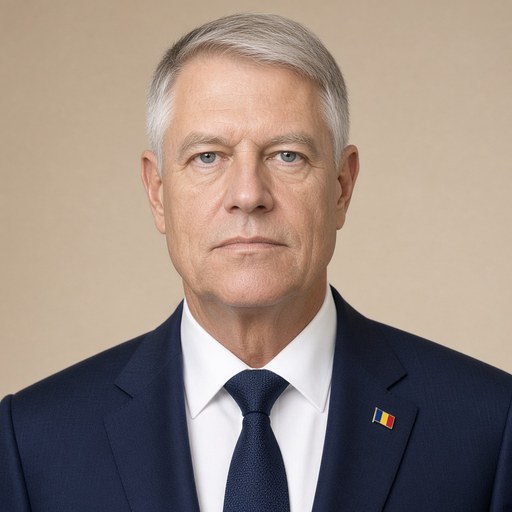
The speech of the President of Romania, Mr. Klaus Iohannis, at the events organized in Iași on the occasion of the Day of the Union of the Romanian Principalities.
 Klaus Iohannis · President of Romania
- Context
- Iohannis addressed officials and citizens in Iași on January 24, 2015, marking Romania's national holiday commemorating the 1859 Union of the Romanian Principalities.
- Main themes
- Union of the Romanian Principalities, national unity and solidarity, Alexandru Ioan Cuza's legacy, political responsibility, historical milestones of Romania, modernization and Westernization, European integration, decentralization, Republic of Moldova and cross-Prut ties, lessons from 1859 for contemporary politics
- Duration
- ~6 min
- Words
- 701
- Sentences
- 35
- Readability
- 39
- Grade
- 12.5
- Syntax
- 2.90
- Vocabulary
- 2.30
Translated from Romanian
The broad sphere of national life a sentence belongs to. Every sentence has an Arena, so it is the denominator the other indices are read against.
Other35 sentences in 3 paragraphs
“Mr. Mayor Nichita, Mr. Prime Minister Ponta, Mr. President of the County Council Cristian Adomniței, Your Eminence Metropolitan of Moldova Teofan, Your Grace Bishop Petru Gherghel, Honorable parliamentarians, Ladies and gentlemen, Dear Romanians, I have come here today, in Iași, on this important day for our nation, with thoughts of the historic moment that took place 156 years ago, with the election of Alexandru Ioan Cuza as the ruler of Moldova and Wallachia. It is a great joy for me to return to Iași, the capital of the Union, a symbolic center of Romanian identity and a landmark of our spirituality. For the first time, Romanians from the country and from everywhere are marking the Union of the Romanian Principalities as a national holiday. It is time to remember that this fundamental milestone of our existence was achieved in complicated historical times. The Union was, ultimately, an act of great political skill. Our gratitude is all the greater because we dealt with visionary leaders, with worthy people who understood that serving your country means, above all, taking on with great responsibility important ideals. Let us not live under the illusion that it was easy back then. Even then, leaders faced great difficulties in uniting around essential interests, such as the Union, but they succeeded in successfully completing such a fundamental project. For such a success, vision is needed, as well as the renunciation of pride, of petty personal or partisan interests; courage and action are required. Dear Romanians,
Thinking of our great predecessors and of the Unification leader, Alexandru Ioan Cuza, I believe that the most important lesson from the event of 156 years ago is the power of solidarity, the ability to build a consensus around a national ideal. There were voices back then, and not a few insignificant ones, that claimed that Moldova was sacrificed, and for a long time many people could not reconcile with this idea. Looking back, we can assert without error that the idea of consensus means precisely the power and ability to renounce particular interests in order to build great projects. But a strong nation of citizens cannot be nourished only by its emblematic moments from the past. A nation aware of its historical mission is obliged to work day by day for its ideals. 1859, 1877, and 1918 are our milestones as a modern state, but, equally, joining NATO and the European Union represents very important successes of recent generations. The lesson that Moldovans and Wallachians provided in 1859 is an important one for our days. Just as it happened a century and a half ago, today’s political class must rise to the height of the ideals that the Romanian nation cherishes. Behind the unity and solidarity of a nation must stand responsibility. The responsibility of each of us, but especially of the political class. Of those elected to represent the interests and fulfill the aspirations of this people. Responsibility is a word that we will have to rediscover. Not only in the political vocabulary but as a foundation for decisions and actions. As historians have shown, modernization and Westernization were at the core of the idea of unification. Step by step, with sustained effort and through the systematic pursuit of common aspirations, our predecessors connected the Principalities to European modernity through internal reforms and foreign policy actions. However, there were also shortcomings. The renunciation of centralism is still one of the shortcomings of Romanian society that we must improve calmly, wisely, and in a reasonable time. The principle of decentralization was agreed upon even in the ad-hoc divans, but it was never put into practice. Dear Romanians,
We are in Iași, the largest city on the eastern border of the European Union. However, just 150 kilometers away, across the Prut, are our brothers from the Republic of Moldova. Our thoughts also turn to them, for we are connected not only by a shared history but also by aspirations. Not only the past and its legacy but also the future, in terms of belonging to the common European space. I wish all Romanians to look at this day with joy, with confidence in their own strength and in Romania! May God help us!”
The original Romanian. The tags above are read on the English translation's sentences.
„Domnule Primar Nichita, Domnule Prim–ministru Ponta, Domnule Președinte al Consiliului Judeţean Cristian Adomniţei, Înalt Prea Sfinţia Voastră Mitropolit al Moldovei Teofan, Prea Sfinţia Voastră Episcop Petru Gherghel, Onoraţi parlamentari, Doamnelor și domnilor, Dragi români, Am venit, astăzi, aici, la Iași, în această zi importantă pentru naţiunea noastră, cu gândul la momentul istoric săvârșit acum 156 de ani, prin alegerea lui Alexandru Ioan Cuza ca domn al Moldovei și al Țării Românești. Este o mare bucurie pentru mine să revin la Iași, capitala Unirii, un centru simbolic al românităţii și un reper al spiritualităţii noastre. Pentru prima dată, români din ţară și de pretutindeni, marcăm cu toţii Unirea Principatelor Române ca sărbătoare naţională. Este momentul să ne amintim că acest reper fundamental al existenţei noastre s-a realizat în timpuri istorice complicate. Unirea a fost, în definitiv, un act de mare abilitate politică. Recunoștinţa noastră este cu atât mai mare fiindcă am avut de-a face cu lideri vizionari, cu oameni vrednici care au înţeles că a-ţi servi ţara înseamnă, înainte de toate, asumarea cu mare responsabilitate a unor importante idealuri. Să nu trăim cu iluzia că atunci a fost ușor. Şi atunci, liderii au avut mari dificultăţi în a se solidariza în jurul unor interese esenţiale, așa cum a fost Unirea, dar au reușit să finalizeze cu succes un astfel de proiect fundamental. Pentru o asemenea reușită, este nevoie de viziune, de renunţarea la orgolii, la mărunte interese personale sau partizane, este nevoie de curaj și de acţiune. Dragi români,
Cu gândul la marii noștri înaintași și la domnul Unirii, Alexandru Ioan Cuza, cred că cea mai importantă lecţie a evenimentului de acum 156 de ani este puterea solidarităţii, priceperea de a construi un consens în jurul unui ideal naţional. Au existat atunci voci, și nu puţine ori neînsemnate, care au afirmat că Moldova a fost sacrificată și o bună bucată de vreme mulţi oameni nu s-au împăcat cu această idee. Privind în urmă, putem afirma fără să greșim că ideea de consens înseamnă tocmai puterea și abilitatea de renunţa la interese particulare pentru a construi mari proiecte. Dar o naţiune puternică de cetăţeni nu se poate hrăni doar cu momentele sale emblematice din trecut. O naţiune conștientă de misiunea sa istorică este datoare să lucreze zi de zi pentru idealurile sale. 1859, 1877 și 1918 sunt bornele noastre ca stat modern, dar, în aceeași măsură, aderarea la NATO și la Uniunea Europeană reprezintă succese foarte importante ale generaţiilor recente. Învăţătura pe care au oferit-o moldovenii și muntenii la 1859 este una importantă pentru zilele noastre. Așa cum s-a întâmplat acum un secol și jumătate, și clasa politică de astăzi trebuie să se ridice la înălţimea idealurilor pe care naţiunea română le nutrește. În spatele unităţii și solidarităţii unei naţiuni trebuie să stea responsabilitatea. A fiecăruia dintre noi, dar mai cu seamă a clasei politice. A celor aleși să reprezinte interesele și să împlinească aspiraţiile acestui popor. Responsabilitate este un cuvânt pe care va trebui să îl redescoperim. Nu doar în vocabularul politic, ci ca fundament pentru decizii și acţiuni. Așa cum au arătat istoricii, modernizarea și occidentalizarea au stat la baza ideii de unire. Pas cu pas, cu efort susţinut și prin urmărirea sistematică a aspiraţiilor comune, înaintașii noștri au conectat Principatele la modernitatea europeană prin reformele interne și acţiunile de politică externă. Însă au existat și restanţe. Renunţarea la centralism este până astăzi una din restanţele societăţii românești pe care va trebui s-o ameliorăm cu calm, cu chibzuinţă și într-un timp rezonabil. Principiul descentralizării a fost agreat inclusiv în divanurile ad-hoc, dar nu a fost niciodată pus în practică. Dragi români,
Suntem la Iași, cel mai mare oraș de la graniţa de răsărit a Uniunii Europene. Însă la numai 150 de kilometri, dincolo de Prut, sunt fraţii noștri din Republica Moldova. Gândurile noastre se îndreaptă și către ei, pentru că ne leagă nu doar comuniunea de istorie, ci și de aspiraţii. Nu doar trecutul și moștenirea lui, ci și viitorul, în sensul apartenenţei la spaţiul comun european. Doresc tuturor românilor să privească această zi cu bucurie, cu încredere în forţele proprii și în România! Așa să ne-ajute Dumnezeu!”