




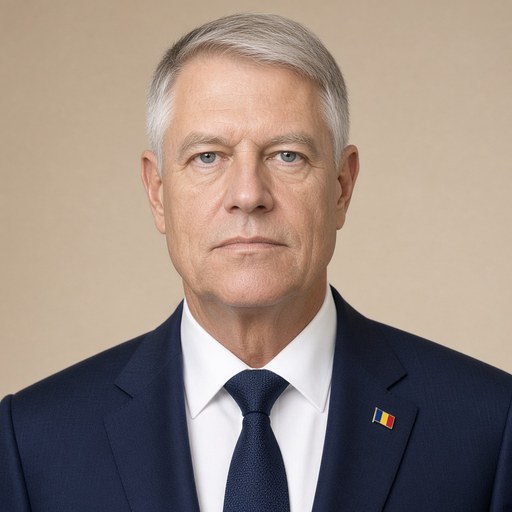
The speech of the President of Romania, Mr. Klaus Iohannis, at the event "National Museum of Romanian History - A New Beginning" organized on the occasion of National Culture Day.
 Klaus Iohannis · President of Romania
- Context
- Iohannis addressed guests at the National Museum of Romanian History on National Culture Day, January 14, 2015, marking a new beginning for the institution's modernization.
- Main themes
- Romanian cultural heritage, National Museum of Romanian History modernization, National Culture Day, preservation of historical artifacts, state funding for culture, centenary of modern Romania, presidential patronage of cultural festivals, constitutional rights to culture, heritage protection mechanisms
- Duration
- ~5 min
- Words
- 580
- Sentences
- 23
- Readability
- 36
- Grade
- 14.4
- Syntax
- 3.35
- Vocabulary
- 2.17
Translated from Romanian
The broad sphere of national life a sentence belongs to. Every sentence has an Arena, so it is the denominator the other indices are read against.
Other23 sentences in 8 paragraphs
"Esteemed Minister of Culture, honored parliamentarians, honored guests, Madam Director, Mr. General Director, Thank you for the invitation, first of all.
As the President of Romania, I mark for the first time the National Culture Day. I do this, not just symbolically, through a visit to the National Museum of Romanian History. Because, alongside the National Bank, the National Museum of Romanian History is the place in the center of the Capital that signifies to the highest degree the solidity of the Romanian state from the perspective of culture and history. The National Museum of Romanian History is the custodian of the historical Treasure and of the fundamental testimonies of the country.
I just passed, together with the General Director, in front of the originals of the Declaration of Alba Iulia from December 1, 1918, and of the Constitution of the Kingdom of Romania from 1923. They are the keystones of the modern Romanian state, preserved in the deposits of the National Museum of Romanian History. Unfortunately, these testimonies, like many others, can only be shown to the public rarely, with difficulty, and partially. As you have shown us, for 15 years the National Museum of Romanian History has lived only from permanent exhibitions.
I am concerned that this symbol of history and culture is in danger. Experts tell us that the museum would withstand satisfactorily a significant earthquake, but it does not ensure the preservation and presentation of the heritage at the level it should. In fact, the state of the National Museum of Romanian History is representative of a good part of the cultural values of the nation, which are cared for more by dedicated individuals, but with limited powers, than by institutions.
It is not enough to merely assert freedom of creation and unrestricted access to culture as fundamental, constitutional rights without being supported by mechanisms to support creation, without constant and predictable funding programs for the protection of heritage, which bypass partisan political decision-making; we remain only in the realm of propaganda. This must change. I am pleased to note that this change has a good chance of starting from here.
Through the initiative of its management and with the will of Parliament, the National Museum of Romanian History has in 2015 funds that allow for the beginning of the design for the modernization of the institution and the consolidation of the building. I will closely monitor the efforts of the management so that 2015 constitutes a new beginning for the National Museum of Romanian History, so that it can be functional on the occasion of the Centenary of Modern Romania, on December 1, 2018.
Esteemed General Director, Today I signed two letters confirming the granting of the High Patronage of the President of Romania for the George Enescu International Festival, edition 2015, and for the Sibiu International Theatre Festival. Alongside these great international festivals, the modernization of the National Museum of Romanian History can be included among the major identity projects that Romania needs.
Therefore, especially on this day, I wish to encourage you in your projects. Just as I wish for all those who contribute to Romanian culture. I will stand by you and call on all involved parties, from authorities to experts, and the entire cultural environment, to join you to the best of their abilities and responsibilities. I wish you all that through devotion, actions, and results, you may earn the recognition from the country whose culture and common heritage you serve."
The original Romanian. The tags above are read on the English translation's sentences.
„Stimate domnule ministru al Culturii, onoraţi parlamentari, onorați invitați, Doamnă director, domnule director general, Mulțumesc pentru invitație, în primul rând. În calitate de Președinte al României marchez pentru prima dată Ziua Culturii Naţionale. O fac, nu doar simbolic, printr-o vizită la Muzeul Naţional de Istorie a României. Pentru că, alături de Banca Naţională, Muzeul Naţional de Istorie a României este locul din centrul Capitalei ce semnifică în cel mai înalt grad temeinicia statul român din punct de vedere al culturii și al istoriei. Muzeul Naţional de Istorie a României este depozitarul Tezaurului istoric și al mărturiilor fundamentale ale ţării. Am trecut adineauri, împreună cu domnul Director General, prin faţa originalelor Declaraţiei de la Alba-Iulia din 1 Decembrie 1918 și a Constituţiei Regatului României din 1923. Ele sunt chei de boltă ale statului român modern, păstrate în depozitele Muzeului Naţional de Istorie a României. Din păcate, aceste mărturii, ca și multe altele, nu pot fi arătate publicului decât rar, greu și parţial. Așa cum ne-aţi arătat, de 15 ani Muzeul Naţional de Istorie a României trăiește doar din expoziţii permanente. Sunt îngrijorat de faptul că acest simbol al istoriei și culturii se găsește în pericol. Specialiștii ne spun că muzeul ar rezista satisfăcător unui seism important, că nu asigură o conservare și o prezentare a patrimoniului la nivelul la care ar trebui să-l facă. De fapt starea Muzeului Naţional de Istorie a României este reprezentativă pentru o bună parte a valorilor culturale ale naţiunii, ce sunt îngrijite mai degrabă de oameni dăruiţi, dar cu puteri limitate, decât de instituţii. Nu este suficient doar să afirmăm libertatea de creaţie și accesul neîngrădit la cultură ca drepturi fundamentale, constituţionale fără a fi susţinute de mecanisme de sprijin ale creaţiei, fără programe constante și predictibile de finanţare a protejării patrimoniului, care ocolesc decizia politică partizană, rămânem doar în sfera propagandei. Acest lucru trebuie să se schimbe. Mă bucur să constat că această schimbare are bune șanse a începe de aici. Prin iniţiativa direcţiunii sale și cu voinţa Parlamentului, Muzeul Naţional de Istorie a României are în 2015 fonduri care permit începerea proiectării modernizării instituţiei și consolidării clădirii. Voi urmări îndeaproape eforturile conducerii pentru ca anul 2015 să constituie un nou început pentru Muzeul Naţional de Istorie a României, astfel încât el să poată fi funcţional cu ocazia Centenarului României Moderne, la 1 Decembrie 2018. Stimate domnule director general, Astăzi am semnat două scrisori prin care am confirmat acordarea Înaltului patronaj al Președintelui României pentru Festivalul Internaţional George Enescu, ediţia 2015 și pentru Festivalul Internaţional de Teatru de la Sibiu. Alături de aceste mari festivaluri internaţionale, modernizarea Muzeului Naţional de Istorie a României se poate înscrie în rândul marilor proiectelor identitare de care are nevoie România. De aceea, în mod special în această zi, doresc să vă încurajez în proiectele Dumneavoastră. Așa cum le doresc tuturor celor care adaugă culturii României. Vă voi fi alături și chem toţi factorii implicaţi, de la autorităţi la experţi, și la întreg mediul cultural, să vi se alăture după puteri și atribuţii. Vă urez tuturor ca prin devotament, fapte și rezultate să binemeritaţi din partea ţării căreia îi serviţi cultura și patrimoniul nostru comun.”