




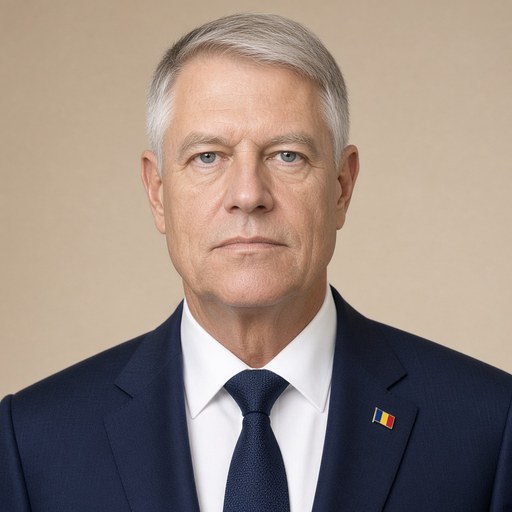
The speech of the President of Romania, Mr. Klaus Iohannis, at the plenary session of the Superior Council of Magistracy.
 Klaus Iohannis · President of Romania
- Context
- Iohannis addressed the Superior Council of Magistracy's plenary session on January 6, 2015, outlining his presidential vision for judicial independence and reform.
- Main themes
- Judicial independence, rule of law in Romania, role of Superior Council of Magistracy, magistrate integrity and competence, separation of powers, institutional strengthening, justice system reform, democratic consolidation, presidential constitutional role, anti-corruption institutions, national security legislation
- Duration
- ~13 min
- Words
- 1,615
- Sentences
- 59
- Readability
- 33
- Grade
- 15.4
- Syntax
- 3.57
- Vocabulary
- 2.24
Translated from Romanian
The broad sphere of national life a sentence belongs to. Every sentence has an Arena, so it is the denominator the other indices are read against.
Other59 sentences in 15 paragraphs
"Dear Madam President of the High Court of Cassation and Justice, esteemed ladies and gentlemen, members of the Superior Council of Magistracy, First of all, I want to say, of course, 'Happy New Year!' and a 2015 filled with achievements, health, and professional accomplishments. This is a special moment for me, being the first meeting of the Superior Council of Magistracy that I am attending and which I have the honor to preside over. I am also pleased to meet you now, at the beginning of my presidential career, when I enjoy much sympathy and less disapproval, although I am aware that things can sometimes change. But here, among you, among magistrates, the level of neutrality is much higher even at the beginning, which gives me a sense of confidence.
Your meeting today is a moment of assessment, but also an elective assembly in which you choose the colleagues who will lead the Superior Council of Magistracy for one year. Thus, considering the purposes of today's gathering, I would like to speak to you about my vision regarding the constitutional role and mission you have.
Among the fundamental concepts that Romanians have redefined since 1989, the idea of 'justice' occupies a special place. Particularly in recent years, Romanians have shown that they understand that the social order of the nation is largely supported by justice and that the privileges they enjoy are called rights, and these rights must be defended and respected. This is, in fact, the demonstration that honest and high-performing individuals in the Romanian judicial system have awakened in the consciousness of their peers the idea of justice, a decisive step towards a consolidated democracy, for which they deserve to be congratulated and encouraged.
Ladies and gentlemen, As president, it is my constitutional duty to ensure the normative framework for the functioning of Justice, to defend the independence of the judicial system, to express expectations, but also to draw attention to outstanding or unresolved issues. The justice system is not something abstract, but is composed of people and their personal traits, and their abilities are essential for the proper functioning of the system. Therefore, among all the means by which the judicial system is strengthened, promoting judges and prosecutors based exclusively on professional competence, managerial experience, and integrity represents one of the most important tools. At the same time, we must know that no normative framework and no guarantee entrusted by another state power can ensure the personal independence of a magistrate if he does not internalize and apply the idea of independence. In other words, a magistrate is as independent as he chooses to be.
However, it is my role and responsibility to ensure that Justice will benefit from the right leaders, where the appointments fall within my competence. Furthermore, however, the performance of cases and the system is the exclusive responsibility of the judiciary.
It is also my duty to show that institutions should not be personalized, identified with the image of the leader at any given moment. Institutions do not 'belong' to leaders. Only in this way can we protect ourselves from deviations and manipulations, from dangerous and undemocratic situations. Therefore, institutions must be strengthened and defended as a whole, and here I refer to all three components of the Public Ministry: the General Prosecutor's Office, DNA, and DIICOT. Also, from the same perspective of strengthening the judicial system, I believe that, in the context of rethinking and modernizing the institutional architecture of national security laws and the CSAT law, it is useful to discuss whether the General Prosecutor should also be among the members of the CSAT, not a specific person, but the institution of the General Prosecutor. I also believe that the CSM, the High Court, and the General Prosecutor's Office should be able to have legislative initiative because they represent the law enforcement institutions, respectively the governance of justice.
My constitutional role as mediator also obliges me to ensure the protection of the judicial system from any interference from other state powers or other institutional entities. There are red lines whose crossing produces a dangerous imbalance in the state, and recalibration is a long and difficult process. You know best that, including in the understanding of the jurisprudence of the European Court of Human Rights, a magistrate must judge based on evidence, not on information, regardless of where it comes from.
Another objective that we will assume together is to guarantee the institutional and functional integrity of the institutions in the judicial system. This is a matter that pertains to the president since any attempt to amend legislation in the field of justice must go through promulgation.
I consider it important to emphasize that Justice is one of the three powers of the state, not a superpower. Justice must be exercised with dignity, respect, and sobriety, not displayed in terms of media exoticism. At the same time, Justice is done with respect for all civil rights and freedoms, including the presumption of innocence and the right to image. From this perspective, it is desirable for the CSM and the Judicial Inspection to take action, according to their legal duties, in the most serious manner whenever unauthorized leaks of information occur in the press, from ongoing criminal cases. It is also fundamental that investigative means be used in full accordance with the Constitution and international regulations and only under the control of a judge. Thus, it is essential that judges and prosecutors exercise effective control over the proportionality, legality, and utility of all procedural measures. This is not about defending defendants and their actions from the eyes of public opinion, but about exercising the act of justice with decency, about defending the principles that underlie any democratic society.
As we have all seen, some politicians have not hesitated to attack the independence of justice. Considering these precedents, as well as your mission conferred by law, as a guarantor of the independence of justice, you must continue to prove that you know how to defend the reputation, honor, and independence of your colleagues and the system as a whole. Therefore, the CSM must have rapid reactions and immediately sanction any attacks, interferences, deviations, and intrusions into justice, regardless of whether they come from high-ranking dignitaries or, for example, a local councilor.
I believe it is also necessary to emphasize that both in the Constitution and in the organic laws of Justice, it is clearly stated that Justice is administered in the name of the law. That is, not in the name of any deity or any person, entity, or state of affairs. Also, both in civil and criminal matters, the act of justice must be performed within a reasonable time, uniformly, and with the guarantee of all fundamental rights and freedoms of citizens. Each of the state powers, as well as each institutional actor, must limit itself to the normative framework outlined by the Constitution and by statutory laws in a secular and not religious state, civil and not military. Only in this way will Romania demonstrate that it is a consolidated and strong democracy. In fact, all of this represents a Romania of normality.
Ladies and gentlemen, 2015 is the eighth year in which Romania is under the instrument established by the European Commission, called the Cooperation and Verification Mechanism. Over time, this has not been a scarecrow, but a useful tool, resulting from the partnership with the European Union. The CVM has generated an example of good practices in many of the key elements of justice, and I am convinced that Romania's experience will be utilized in the future by other states that will join the European Union. There have been eight years in which the judicial system in Romania has made major progress in strengthening the rule of law, under this institutional 'umbrella.' However, in recent years, the CVM reports have noted significant progress made by almost all institutions in justice, and therefore, I believe it is time for a change.
Esteemed members of the Superior Council of Magistracy, Today, here, before you, I declare with responsibility that the moment has come, eight years after the establishment of the CVM, for Romania to be evaluated with the objectivity it deserves and to ascertain that those conditionalities, under the fulfillment of which we became a member state, have been met. Therefore, I believe that one of the major objectives of the judicial system must be the lifting of the Cooperation and Verification Mechanism. To achieve this objective, all institutions in Justice, as well as Parliament and the executive power, must contribute so that, when the current CSM and the current Parliament complete their mandates, we can check off this success together.
In conclusion, I want to encourage you – judges and prosecutors – to continue your work of transforming Romania. Do not let yourselves be intimidated, do not succumb to political influences or threats! Because there is no other chance for this country than with a consolidated rule of law and an independent justice. Regardless of the nature and difficulty of the obstacles, honest magistrates will have in me a loyal partner in overcoming any hurdles. I want you to stand by me, just as I will be your institutional partner. Stand by me and let us oppose together, with all our might, any attempts to distort the realities and interactions specific to a rule of law, to a normal world.
And you do not have only me by your side, but also the millions of citizens who came to vote last November. Finally, I wish success to the candidates in the race and I wish you all many professional achievements and much strength in your work!"
The original Romanian. The tags above are read on the English translation's sentences.
„Stimată Doamnă Președinte al Înaltei Curți de Casație și Justiție, Stimate doamne, stimați domni, membri ai Consiliului Superior al Magistraturii, Înainte de toate, vreau să vă spun, sigur, «La Mulţi Ani!» și un an nou 2015 cu împliniri, cu sănătate și cu realizări profesionale. Este un moment special pentru mine, fiind prima ședință a Consiliului Superior al Magistraturii la care particip și pe care am onoarea să o prezidez. Sunt totodată bucuros să vă întâlnesc, acum, la începutul carierei mele prezidențiale, când beneficiez de multă simpatie și de mai puțină dezaprobare, deși sunt conștient că lucrurile se pot schimba uneori. Dar aici, între dumneavoastră, între magistrați, nivelul de neutralitate este mult mai ridicat chiar și la început, ceea ce îmi dă un sentiment de încredere. Ședința dumneavoastră de astăzi este un moment de bilanț, dar și o adunare electivă în care vă alegeți colegii care vor conduce, pentru un an, Consiliul Superior al Magistraturii. Astfel, având în vedere scopurile întrunirii de astăzi, aș vrea să vă vorbesc despre viziunea mea asupra rolului și misiunii constituționale pe le aveți. În șirul noțiunilor fundamentale pe care românii le-au redefinit după 1989, un loc aparte îl ocupă ideea de «justiție». Cu precădere însă în ultimii ani, românii au arătat că au înțeles că așezământul social al națiunii se sprijină în bună măsură pe justiție și că privilegiile de care se bucură se numesc drepturi, iar aceste drepturi trebuie apărate și respectate. Aceasta este, de fapt, demonstrația că oamenii onești și performanți din sistemul judiciar românesc au trezit în conștiința semenilor ideea de dreptate, un pas decisiv spre o democrație consolidată, pentru care merită cu prisosință să fie felicitați și încurajați. Doamnelor și domnilor, În calitate de președinte, este obligația mea constituțională să asigur Justiției cadrul normativ de funcționare, să apăr independența sistemului judiciar, să exprim așteptările, dar și să atrag atenția asupra unor probleme restante ori nerezolvate. Sistemul de justiție nu este ceva abstract, ci este compus din oameni și trasăturile personale ale acestora, iar abilitățile lor sunt esențiale pentru buna funcționare a sistemului. De aceea, dintre toate mijloacele prin care se realizează consolidarea sistemului judiciar, promovarea unor judecători și procurori, pe criterii ce țin exclusiv de competență profesională, experiență managerială și integritate, reprezintă unul dintre cele mai importante instrumente. În același timp, trebuie să știm că niciun cadru normativ și nicio garanție încredințată de o altă putere a statului nu pot asigura independența personală a unui magistrat, dacă acesta nu își însușește și nu aplică ideea de independență. Cu alte cuvinte, un magistrat este atât de independent cât alege el să fie. Este, însă, rolul și responsabilitatea mea să mă asigur că Justiția va beneficia de liderii potriviți, acolo unde numirile imi revin în competență. Mai departe însă, performanța de caz și de sistem este responsabilitatea exclusivă a acesteia. Este de datoria mea să arăt, totodată, că instituțiile nu trebuie personalizate, identificate cu imaginea liderului de la un moment dat. Instituțiile nu „aparțin” conducătorilor. Doar așa ne putem feri de derapaje și manipulări, de situații periculoase și nedemocratice. Așadar, instituțiile trebuie consolidate și apărate în ansamblu, și aici mă refer la toate cele trei componente ale Ministerul Public: Parchetul general, DNA și DIICOT. De asemenea, din același punct de vedere al consolidării sistemului judiciar, opinez că, în perspectiva regândirii și modernizării arhitecturii instituționale a legilor siguranței naționale și a legii CSAT, este util să luăm în discuție dacă nu cumva între membrii CSAT ar trebui să se regăsească și procurorul general, nu o persoană anume, ci instituția procurorului general. De asemenea, cred că CSM, Înalta Curte și Parchetul General ar trebui să poată avea inițiativă legislativă pentru că reprezintă instituțiile de aplicare a legii, respectiv de guvernare a justiției. Rolul meu constituțional de mediator mă obligă, totodată, să veghez la protejarea sistemului judiciar de orice ingerință din partea altor puteri ale statului sau a altor entități instituționale. Există linii roșii a căror traversare produce o periculoasă debalansare a echilibrului în stat, iar recalibrarea constituie un proces lung și dificil. Dumneavoastră știți cel mai bine că, inclusiv în accepțiunea jurisprudenței Curții Europene a Drepturilor Omului, magistratul trebuie să judece în baza probelor, nu în baza informațiilor, indiferent de unde ar veni acestea. Un alt obiectiv pe care îl vom asuma împreună este garantarea integrității instituționale și funcționale a instituțiilor din sistemul judiciar. Aceasta este o chestiune ce ține de președinte întrucât orice tentativă de modificare a legislației în domeniul justiției trebuie sa treacă de promulgare. Consider important de subliniat faptul că Justiția este una din cele trei puteri ale statului, nu o supraputere. Justiția trebuie exercitată cu demnitate, respect și sobrietate, nu etalată sub aspect de exotism mediatic. În același timp, Justiția se face cu respectarea tuturor drepturilor și libertăților civile, inclusiv a prezumției de nevinovăție și a dreptului la imagine. Din acest punct de vedere, este de dorit ca CSM-ul și Inspecția Judiciară să ia atitudine, potrivit atribuțiilor legale, la modul cel mai serios ori de câte ori apar scurgeri nepermise de informații în presă, din dosarele penale aflate în curs de instrumentare. De asemenea, este fundamental ca mijloacele de investigare să fie folosite în condiții de deplină concordanță cu Constituția și cu reglementările internaționale și doar sub controlul unui magistrat judecător. Astfel, este esențial ca magistrații judecători și procurori să exercite un control efectiv asupra proporționalității, legalității și utilității tuturor măsurilor procesuale. Aici nu e vorba de a apăra inculpații și faptele lor de ochii opiniei publice, ci de exercitarea cu decență a actului de justiție, de apărarea principiilor care stau la baza oricărei societăți democratice. Așa cum am văzut cu toții, unii politicieni nu s-au ferit să atace independența justiției. Luând în considerare aceste antecedente, ca și misiunea dumneavoastră conferită de lege, de garant al independenței justiției, trebuie să dovediți în continuare că știți să apărați reputația, onoarea și independența colegilor și a sistemului în ansamblul său. Așadar, CSM trebuie să aibă reacții rapide și să sancționeze imediat orice atacuri, ingerințe, derapaje și imixtiuni în justiție, indiferent dacă este vorba despre demnitari de cel mai înalt rang sau despre, de exemplu, un consilier comunal. Cred că este necesar, de asemenea, să sublinez că, atât în Constițutie, cât și în legile organice ale Justiției, scrie foarte clar că Justiția se înfăptuiește în numele legii. Adică, nu în numele vreunei divinități sau a vreunei persoane, entități ori stări de lucruri. De asemenea, atât în materie civilă, cât și penală, actul de justiție trebuie îndeplinit într-un termen rezonabil, în mod unitar și cu garantarea tuturor drepturilor și libertăților fundamentale ale cetățenilor. Fiecare din puterile statului, precum și fiecare actor instituțional trebuie să se limiteze la cadrul normativ care îi este trasat prin Constituție și prin legile statutare într-un stat laic și nu religios, civil și nu militar. Doar astfel România va demonstra că este o democrație consolidată și puternică. În fapt, toate acestea reprezintă o Românie a normalității. Doamnelor și domnilor, 2015 este al optulea an în care România se află sub instrumentul instituit de Comisia Europeană, numit Mecanismul de Cooperare și Verificare. De-a lungul timpului, acesta nu a fost o sperietoare, ci un instrument util, rezultat din parteneriatul cu Uniunea Europeană. MCV-ul a generat un exemplu de bune practici la multe din elementele cheie pe justiție și sunt convins că experiența României va fi fructificată în viitor de alte state care vor adera la Uniunea Europeană. Au fost opt ani în care sistemul judiciar din România a înregistrat progrese majore în consolidarea statului de drept, sub această «umbrelă« instituțională. În ultimii ani însă, rapoartele MCV au constatat progrese importante realizate de aproape toate instituțiile din justiție și, de aceea, cred că este timpul pentru o schimbare. Stimați membri ai Consiliului Superior al Magistraturii, Astăzi, aici, în fața dumneavoastră, declar cu responsabilitate că a venit momentul, la opt ani de la instituirea MCV-ului, ca România să fie evaluată cu obiectivitatea pe care o merită și să se constate că acele condiționalități, sub rezerva îndeplinirii cărora am devenit stat membru, au fost îndeplinite. Așadar, cred că unul dintre obiectivele majore ale sistemului judiciar trebuie să fie ridicarea Mecanismului de Cooperare și Verificare. Pentru îndeplinirea acestui obiectiv, toate instituțiile din Justiție, dar și Parlamentul și puterea executivă trebuie să își dea concursul pentru ca, atunci când actualul CSM și actualul Parlament își termină mandatele, să putem bifa împreună această reușită. În încheiere, vreau să vă încurajez – judecători și procurori – să vă continuați munca de schimbare la față a României. Nu vă lăsați intimidați, nu vă lăsați pradă influențelor politice sau amenințărilor! Pentru că nu există altă șansă a acestei țări decât cu un stat de drept consolidat și cu o justiție independentă. Indiferent de natura și dificultatea obstacolelor, magistrații onești vor avea în mine un partener loial în depășirea oricăror piedici. Vreau să fiți alături de mine, așa cum eu voi fi partenerul dumneavoastră instituțional. Să îmi fiți alături și să ne opunem împreună, din toate puterile, oricăror tentative de distorsionare a realităților și interacțiunilor specifice unui stat de drept, a unei lumi normale. Și nu mă aveți alături doar pe mine, ci și milioanele de cetățeni care au venit la vot, în noiembrie anul trecut. În final, urez succes candidaților înscriși în cursă și vă doresc tuturor multe împliniri profesionale și multă putere de muncă!