




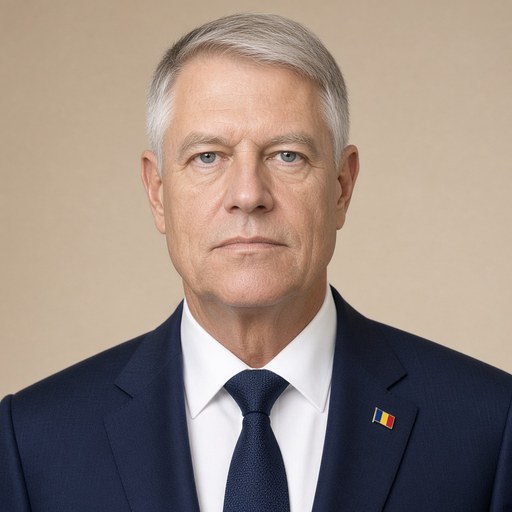
The speech of the President of Romania, Mr. Klaus Iohannis, delivered at the annual meeting with the heads of diplomatic missions accredited in Bucharest.
 Klaus Iohannis · President of Romania
- Context
- Iohannis addressed heads of diplomatic missions accredited in Bucharest at their annual January 2016 meeting to outline Romania's foreign policy commitments and review the international security situation.
- Main themes
- Romania's foreign policy priorities, NATO and EU membership, Strategic Partnership with the United States, regional security and stability, anti-corruption and rule of law, defense budget increase, migration and terrorism, Black Sea security, Eastern flank challenges, dialogue and democratic governance, energy security, Romania's role as security provider
- Duration
- ~20 min
- Words
- 2,362
- Sentences
- 87
- Readability
- 25
- Grade
- 16.5
- Syntax
- 3.28
- Vocabulary
- 2.24
Translated from Romanian
The broad sphere of national life a sentence belongs to. Every sentence has an Arena, so it is the denominator the other indices are read against.
Other87 sentences in 9 paragraphs
"Mr. Dean of the Diplomatic Corps, Mr. Minister of Foreign Affairs, Your Excellencies, ladies and gentlemen ambassadors, esteemed guests, ladies and gentlemen,
Welcome! Allow me to begin by wishing you a "Happy New Year!" as well as the fulfillment of aspirations for peace, stability, and prosperity for the states you represent. A year ago, I stated before you Romania's foreign policy commitments, not only in terms of major objectives but also in the sense of the principles of conduct that we assume. Our actions in the past year have been the concrete expression of these objectives and principles. By adopting the National Defense Strategy in June 2015, Romania has clearly and predictably outlined the framework in which it operates regarding national security, but more importantly, it has defined itself as a state in relation to its own citizens, in relation to its allies and international partners, in the region and in the broader context of international politics. A strong Romania in Europe and in the world, as we titled the National Defense Strategy, is not a desire that concerns only us, at home, but a commitment to foreign policy in itself. Romania is strong in its determination to be a source of stability and democracy in a complicated region, in the consistency and predictability of its actions in relation to external partners, and in its loyalty to values and principles. The Strategic Partnership with the United States of America, membership in NATO and the European Union have been, are, and will remain the fundamental pillars on which Romania's foreign policy is built. I have stated from the very beginning that I want Romania to be not only a beneficiary but also a provider of security in the region, to strengthen its profile and to consolidate its role within NATO and the European Union. The organization in Bucharest of the meeting that brought together the leaders of all Eastern European states and which foreshadowed the NATO summit in Warsaw this summer, the meetings I had with my counterparts from EU member countries, as well as from neighboring countries, have come in this regard. The signing by all political actors of the Agreement to increase the Defense budget to 2% of GDP by 2017, with an initial phase of increase already achieved in 2016, is the concrete expression of the same objective. Domestically, I declared 2015 the year of regaining normality. It brought with it the rediscovery of dialogue, the strengthening of the principles of the rule of law and judicial independence, the continuation of the anti-corruption fight, and the confirmation of the commitment to greater integrity and transparency in the public space. I believe that 2015 marked the beginning of a different way of doing politics, which our citizens desire and expect, and which is commensurate with a truly strong Romania. We want 2016 to strengthen the virtues of dialogue, openness to civil society, responsibility, and professionalism in institutional relations in Romanian political life. I am convinced that these attributes will also be reflected in the efficiency of our actions externally, to the benefit of the citizens of Romania. Regarding the international situation, I can say that we have concluded a complicated year, marked by new threats to security in Europe and in the neighborhood, by risks at the regional and global levels. The year 2015 left us with major themes that involve not only reconfigurations and strategic repositionings but also humanitarian reasons. Migration, terrorism, and instability are probably the most visible and impactful, and we will have to respond to them in 2016. Ladies and gentlemen, the Strategic Partnership with the United States of America remains an essential pillar of Romania's foreign policy. Today, we can speak of a strengthened partnership in the field of security. By virtue of it, Romania benefits from consistent political and military support from the United States, materialized through the activation of the bases at Deveselu and Kogălniceanu and through frequent joint exercises. We have also begun to develop the economic and investment dimension of the Strategic Partnership with the United States, to outline a solid agenda in the field of energy security, as well as a series of ambitious objectives in research, innovation, and education. The expansion of these is possible against the backdrop of a predictable investment environment and the proper and transparent functioning of state institutions. Regarding its profile within NATO, Romania is today a predictable and appreciated member. We support the strengthening of the Alliance's role in collective defense and the granting of special attention to both the challenges on the eastern flank, particularly in the Black Sea region, and those on NATO's southern flank. The worrying situation marked by uncertainties in the eastern neighborhood calls for measures to enhance security, both through internal means and through those we can benefit from within strategic partnerships, especially with the USA and within NATO.
Ladies and gentlemen, the history of the European project has proven that challenges can be transformed into opportunities when managed wisely and for the benefit of the entire European Union. Critical moments and circumstances should not weaken our confidence in the long-term merits of this construction. I am therefore pleased to note that Romanian citizens strongly believe in the European project. As President, I must, however, sincerely say that I expect more from the functioning of European mechanisms. I want more coherence, more vision, and more strategy from the European Union. The European project is not a simple slogan, and the European Union is not a set of bureaucratic mechanisms. A united Europe is the expression of a vision of a more prosperous, more united world, and closer to its citizens. I want more efficient management at the level of European institutions, greater coherence, better planning, and more rigor regarding the European agenda. The main challenge facing the Union today is migration. I want to explain once again Romania's position on refugees. It has not been and is not based on a refusal of the idea of receiving immigrants in Romania, but questions the procedure. I believe in the principle that all member states are equal, and such a procedure, whatever it may be, must be decided based on this principle, through dialogue and not through an accounting or bureaucratic approach. I reaffirm that Romania is in solidarity with other European states and will continue to engage in resolving the refugee crisis. I also believe that two issues are fundamental in this regard: acting on the causes that have led to this phenomenon and a process of securing European borders, to which Romania continues to contribute significantly. In the same context, today the Schengen area is under doubt. Romania is already acting as a responsible Schengen state and is participating in the construction of the European policy to protect and strengthen the Union's borders. Beyond the present circumstances, Romania maintains its objective of joining this area. Another important theme on the European agenda is related to the renegotiation process of the relationship between the European Union and the United Kingdom. Our opinion remains unchanged and firm: the place of the United Kingdom is within the Union. At the same time, any solutions found in this process must be in accordance with the provisions of the Union Treaties, respecting fundamental rights and freedoms, including the free movement of people.
Ladies and gentlemen ambassadors, in terms of bilateral relations, we wish to continue efforts to strengthen strategic partnerships or privileged relations with Germany, France, Poland, Italy, Spain, the United Kingdom, and Turkey. We will continue to place special importance on relations with neighboring states, in the spirit of good neighborliness and regional cooperation. A distinct, consistent chapter of Romania's foreign policy action is the Eastern Neighborhood. Romania's support for the efforts of the Republic of Moldova, Ukraine, and Georgia, as states within the Eastern Partnership, to implement reforms that will irreversibly place them on the European path is well known. Romania will continue to support political and diplomatic efforts to resolve the conflict in Ukraine, based on the principles of its territorial integrity, independence, and sovereignty, and the full implementation of the Minsk Agreements. Regarding the Republic of Moldova, Romania is determined to remain a firm supporter of the European aspirations of the Republic of Moldova, to support the necessary reforms for this objective, to be strongly involved in mobilizing European solidarity when necessary, to overcome difficulties and maintain the European course. However, the active support for the European path of the Republic of Moldova depends on the political will of the authorities in Chișinău to assume the principles that define the rule of law, as well as the reforms that must accompany the implementation of the Agreements with the European Union. On the other hand, I believe it is absolutely necessary for the commitments made by European partners towards the Republic of Moldova to be maintained and extended as progress is made in strengthening the rule of law. I wish the new Moldovan Government much success in these endeavors! Also in the regional context, Romania pays constant attention to the evolution of the stabilization and European integration process in the Western Balkans, being one of the strongest supporters of the European Union's expansion towards the states in the area and an active contributor to regional stability. At the same time, Romania will continue to be an active part in various regional formats and platforms, such as the Organization of the Black Sea Economic Cooperation, the Southeast European Cooperation Process, and the Central European Initiative. We will support projects and initiatives within the European Union Strategy for the Danube Region and will be equally present in European and Euro-Atlantic forums to recognize the strategic importance of the Black Sea region.
Ladies and gentlemen, the year 2016 will bring a more efficient alignment of foreign policy to national economic interests through a more integrated vision regarding economic and commercial diplomacy. An important pillar of this dimension will continue to be the promotion of national objectives regarding energy security. We also aim to continue existing cooperation and open new avenues of dialogue with geographical areas such as the Caucasus, Central Asia, the Asia-Pacific, Latin America, and Africa, including with emerging powers. We believe that very good conditions have been created for the development of the broad partnership of friendship and cooperation between Romania and the People's Republic of China. In the Middle East, we will consider this year advancing towards a strategic dimension of our relationship with Israel and identifying new opportunities for economic cooperation with other partners in the area. At the same time, we will address with greater efficiency the planned economic projects with the member states of the Gulf Cooperation Council.
Ladies and gentlemen, Romania will remain the same credible and predictable partner within the other international organizations of which it is a part. We will closely support in 2016 Germany's annual presidency at the OSCE, the efforts to resolve the conflict affecting Ukraine, and finding effective forms of dialogue and negotiation in the settlement of protracted conflicts, particularly the Transnistrian one. Within the United Nations, we will continue Romania's participation in peace operations. We consider that the results of the Paris Conference of the Parties to the United Nations Framework Convention on Climate Change represent a successful example of reason and solidarity put to the service of the common good. Therefore, I congratulate France, the initiating and driving state of this agreement, and all the states that joined it. Our country will have a series of special commitments this year in the multilateral plan, to which we will give our full attention. Thus, Romania will hold the presidency of the Preparatory Commission of the Treaty Organization for the Comprehensive Nuclear-Test-Ban Treaty.
We firmly support the rapid entry into force of the Treaty and look forward with confidence to the results of the Nuclear Security Summit, which will take place in Washington at the end of March. Also, this year Romania has the responsibility of ensuring the presidency of the International Alliance for the Memory of the Holocaust. We will focus on promoting education about the Holocaust in the member states of the alliance and in other states, supporting academic research in the field, as well as identifying the most effective means to combat anti-Semitism, intolerance, and extremism."
Ladies and gentlemen ambassadors, Promoting and defending the rights of Romanian citizens abroad is a constant concern for us. I refer here to both the historical Romanian communities and those formed more recently. We want Romanians in the diaspora to benefit from the freedom and opportunity to preserve their identity, to enjoy the right to work and live where they wish, and to benefit without discrimination from the results of their labor, in accordance with applicable international agreements. Today, for the first time in Romania, we have a law on voting by mail, the adoption of which represented a fulfilled commitment. I am confident that the Government and all responsible authorities will rigorously and efficiently prepare the electoral process, both in implementing this law and in organizing a sufficient number of polling stations in the diaspora, so that all conditions for respecting the right to vote for our citizens abroad are ensured. I believe it must be stated, at the same time, that the Romanian state's concern for its citizens abroad and its commitment to protecting their rights does not exclude, but is complementary to, the necessity for them to respect the laws of the states in which they choose to live and work.
Ladies and gentlemen, It is a beautiful tradition that at the beginning of each year we have this meeting under the sign of friendship, trust, and hope. As close friends of Romania, I want to thank you for the efforts you make day by day to strengthen the relations between our states and for the benefit of the citizens we represent. I trust that together we will succeed in making 2016 a year that brings more achievements in the diplomatic field and more successes in our common development objectives. I hope that 2016 will be a year of peace, progress, and prosperity for each of our countries. Happy New Year!
The original Romanian. The tags above are read on the English translation's sentences.
„Domnule Decan al Corpului Diplomatic, Domnule Ministru de Externe, Excelenţele Voastre, doamnelor şi domnilor ambasadori, Stimați invitați, Doamnelor și domnilor,
Bine ați venit! Dați-mi voie să încep prin a vă ura «La mulți ani!» precum și împlinirea aspiraţiilor de pace, stabilitate şi prosperitate pentru statele pe care le reprezentaţi. În urmă cu un an, am afirmat în fața dumneavoastră angajamentele de politică externă ale României, nu doar în termeni de obiective majore, ci și în sensul principiilor de conduită pe care le asumăm. Acțiunile noastre în anul ce tocmai s-a încheiat au fost expresia concretă a acestor obiective și principii. Prin adoptarea Strategiei Naționale de Apărare a Țării în iunie 2015, România și-a conturat clar și predictibil cadrul în care operează în materie de securitate națională, dar mai cu seamă s-a definit pe sine ca stat în raport cu propriii cetățeni, în raport cu aliații și partenerii săi internaționali, în regiune și în ansamblul politicii internaționale. România puternică în Europa și în lume, așa cum am intitulat Strategia Națională de Apărare, nu este un deziderat care ne privește doar pe noi, la noi acasă, ci un angajament de politică externă în sine. România este puternică în hotărârea sa de a fi o sursă de stabilitate și democrație într-o regiune complicată, în consecvența și predictibilitatea acțiunilor sale în raport cu partenerii externi și în loialitatea față de valori și principii. Parteneriatul Strategic cu Statele Unite ale Americii, apartenența la NATO și la Uniunea Europeană au fost, sunt și vor rămâne pilonii fundamentali pe care se construiește politica externă a României. Am afirmat de la bun început că îmi doresc ca România să fie nu doar un beneficiar, ci și un furnizor de securitate în regiune, să-și întărească profilul și să-și consolideze rolul în interiorul NATO și al Uniunii Europene. Organizarea la București a reuniunii care a adus la un loc liderii tuturor statelor europene din flancul estic și care a prefigurat summitul NATO de la Varșovia din vara acestui an, întâlnirile pe care le-am avut cu omologii mei din țările membre ale Uniunii, dar și din vecinătate, au venit în acest sens. Semnarea de către toți actorii politici a Acordului pentru creșterea bugetului Apărării la 2% din PIB până în 2017, cu o primă etapă de creștere deja realizată în 2016, este expresia concretă a aceluiași obiectiv. În plan intern, am numit 2015 anul recâștigării normalității. Acesta a adus cu sine redescoperirea dialogului, întărirea principiilor statului de drept și independenței justiției, continuarea luptei anticorupție și confirmarea angajamentului pentru mai multă integritate și transparență în spațiul public. Cred că 2015 a însemnat începutul unui alt mod de a face politică, pe care cetățenii noștri îl doresc și îl așteaptă și care este pe măsura unei Românii cu adevărat puternice. Ne dorim ca anul 2016 să consolideze în viața politică românească virtuţile dialogului, deschiderii către societatea civilă, responsabilității şi profesionalismului în relaţiile instituţionale. Am convingerea că aceste atribute se vor reflecta și în eficiența acțiunii noastre în plan extern, spre beneficiul cetățenilor României. În ceea ce privește situația internațională, pot spune că am încheiat un an complicat, marcat de noi ameninţări la adresa securităţii în Europa şi în vecinătate, de riscuri în plan regional și global. Anul 2015 ne-a lăsat teme majore care implică nu doar reconfigurări şi repoziţionări strategice, ci şi raţiuni umanitare. Migrația, terorismul și instabilitatea sunt probabil cele mai vizibile și mai de impact, iar lor va trebui să le răspundem în anul 2016. Doamnelor şi domnilor, Parteneriatul Strategic cu Statele Unite ale Americii rămâne un pilon esenţial al politicii externe a României. Putem vorbi astăzi de un parteneriat întărit în domeniul securităţii. În virtutea lui, România beneficiază de sprijin politic şi militar consistent din partea Statelor Unite, concretizat prin activarea bazelor de la Deveselu şi Kogălniceanu și prin exerciţiile comune frecvente. Am început, de asemenea, să dezvoltăm dimensiunea economică şi investiţională a Parteneriatului Strategic cu Statele Unite, să conturăm o agendă solidă în domeniul securității energetice, precum şi o serie de obiective ambițioase în materie de cercetare, inovare și educație. Extinderea acestora este posibilă pe fondul unui mediu investițional predictibil și al unei funcționări corecte și transparente a instituțiilor statului. În ceea ce privește profilul său în cadrul NATO, România este astăzi un membru predictibil și apreciat. Susținem întărirea rolului Alianţei în domeniul apărării colective şi acordarea unei atenţii speciale atât provocărilor din flancul estic, în mod deosebit din regiunea Mării Negre, cât şi celor din flancul sudic al NATO. Situaţia îngrijorătoare și marcată de incertitudini din vecinătatea estică reclamă măsuri de consolidare a securităţii, atât prin mijloace interne, cât şi prin cele de care putem beneficia în cadrul parteneriatelor strategice, în mod special cel cu SUA şi în cadrul NATO.
Doamnelor şi domnilor, Istoria proiectului european a dovedit că provocările pot fi transformate în oportunităţi atunci când sunt gestionate cu înţelepciune şi în beneficiul întregii Uniuni Europene. Momentele critice și circumstanțele nu trebuie să ne slăbească încrederea în meritele pe termen lung ale acestei construcții. Mă bucur astfel să constat că cetățenii români cred cu tărie în proiectul european. Ca Președinte, trebuie să spun, totuși, cu sinceritate că aștept mai mult de la funcționarea mecanismelor europene. Îmi doresc de la Uniunea Europeană mai multă coerență, mai multă viziune și mai multă strategie. Proiectul european nu este un simplu slogan, iar Uniunea Europeană nu este un set de mecanisme birocratice. Europa unită este expresia unei viziuni despre o lume mai prosperă, mai unită și mai aproape de cetățenii săi. Îmi doresc un management mai eficient la nivelul instituțiilor europene, o mai mare coerență, o mai bună planificare și mai multă rigoare în ceea ce privește agenda europeană. Principala provocare cu care se confruntă astăzi Uniunea este migrația. Vreau să explic încă o dată poziția României în cazul refugiaților. Ea nu a fost și nu este bazată pe un refuz al ideii de a primi imigranți în România, ci pune sub semnul întrebării procedura. Cred în principiul că toate statele membre sunt egale, iar o asemenea procedură, oricare ar fi ea, trebuie decisă pornind de la acest principiu, prin dialog și nu printr-o abordare contabilă sau birocratică. Reafirm faptul că România este solidară cu celelalte state europene și va continua să se implice în rezolvarea crizei refugiaților. Consider totodată că două chestiuni sunt fundamentale în acest sens: acționarea asupra cauzelor care au condus la acest fenomen și un proces de securizare a frontierelor europene, la care România continuă să contribuie semnificativ. În același context, astăzi spațiul Schengen este pus sub semnul îndoielii. România acţionează deja ca un stat responsabil al spaţiului Schengen și ia parte la construcţia politicii europene de protejare și consolidare a frontierelor Uniunii. Dincolo de circumstanțele prezente, România își menține obiectivul aderării la acest spațiu. O altă temă importantă pe agenda europeană este cea legată de procesul de renegociere a relaţiei dintre Uniunea Europeană şi Marea Britanie. Opinia noastră rămâne neschimbată şi fermă: locul Marii Britanii este înăuntrul Uniunii. În același timp, orice soluții vor fi găsite în acest proces, ele vor trebui să fie în concordanţă cu prevederile Tratatelor Uniunii, să respecte drepturile şi libertăţile fundamentale, inclusiv libera circulaţie a persoanelor.
Doamnelor şi domnilor ambasadori, În planul relațiilor bilaterale, ne dorim continuarea eforturilor de consolidare a parteneriatelor strategice sau a relațiilor privilegiate cu Germania, Franţa, Polonia, Italia, Spania, Regatul Unit și Turcia. Vom continua să acordăm o importanță specială relațiilor cu statele vecine, în spiritul bunei vecinătăți și al cooperării regionale. Un capitol distinct, de consecvenţă, al acțiunii de politică externă a României este Vecinătatea Răsăriteană. Este cunoscut sprijinul pe care România îl acordă eforturilor Republicii Moldova, Ucrainei şi Georgiei, ca state din cadrul Parteneriatului Estic, pentru realizarea reformelor care să le plaseze ireversibil pe traseul european. România va continua să susțină eforturile politice și diplomatice de soluționare a conflictului din Ucraina, pe baza principiilor integrității teritoriale, independenței și suveranității acesteia și a implementării depline a Acordurilor de la Minsk. În ceea ce privește Republica Moldova, România este decisă să rămână un susţinător ferm al aspiraţiilor europene ale Republicii Moldova, să sprijine reformele necesare acestui obiectiv, să fie puternic implicată în mobilizarea solidarităţii europene, atunci când este necesar, pentru depăşirea dificultăţilor şi menţinerea cursului european. Susţinerea activă a parcursului european al Republicii Moldova depinde însă de voinţa politică a autorităților de la Chişinău pentru asumarea principiilor ce definesc statul de drept, precum şi a reformelor ce trebuie să însoțească aplicarea Acordurilor cu Uniunea Europeană. Pe de altă parte, consider că este absolut necesar ca angajamentele asumate de partenerii europeni faţă de Republica Moldova să fie menţinute şi extinse odată cu obținerea de progrese în consolidarea statului de drept. Doresc noului Guvern moldovean mult succes în aceste demersuri! Tot în plan regional, România tratează cu atenţie permanentă evoluția procesului de stabilizare și integrare europeană în Balcanii de Vest, fiind unul dintre cei mai puternici susţinători ai extinderii Uniunii Europene către statele din zonă și un contributor activ la stabilitatea regională. În același timp, România va fi în continuare parte activă în diverse formate şi platforme regionale, precum Organizaţia Cooperării Economice la Marea Neagră, Procesul de Cooperare în Europa de Sud-Est, Iniţiativa Central-Europeană. Vom susţine proiectele şi iniţiativele din cadrul Strategiei Uniunii Europene pentru Regiunea Dunării şi vom fi la fel de prezenți în forurile europene şi euroatlantice pentru recunoașterea importanţei strategice a regiunii Mării Negre.
Doamnelor și domnilor, Anul 2016 va aduce o racordare mai eficientă a politicii externe la interesele economice naţionale printr-o viziune mai integrată privind diplomația economică și comercială. Un pilon important al acestei dimensiuni îl va reprezenta în continuare promovarea obiectivelor naționale privind securitatea energetică. De asemenea, ne propunem să continuăm cooperarea deja existentă și să deschidem noi căi de dialog cu spații geografice precum Caucaz, Asia Centrală, Asia-Pacific, America Latină şi Africa, inclusiv cu puterile emergente. Considerăm că sunt create condiţii foarte bune de dezvoltare a Parteneriatului amplu de prietenie şi cooperare dintre România şi Republica Populară Chineză. În zona Orientului Mijlociu, vom avea în vedere în acest an înaintarea către o dimensiune strategică a relației noastre cu Israelul și identificarea unor noi oportunități de cooperare economică şi cu alți parteneri din zonă. Totodată, vom aborda cu mai multă eficienţă proiectele economice planificate cu statele membre ale Consiliului de Cooperare al Golfului.
Doamnelor şi domnilor, România va fi același partener credibil și predictibil și în cadrul celorlalte organisme internaționale din care face parte. Vom sprijini îndeaproape în 2016 preşedinţia anuală a Germaniei la OSCE, eforturile de soluţionare a conflictului care afectează Ucraina și găsirea unor forme de dialog şi negociere eficiente în reglementarea conflictelor prelungite, cu deosebire cel transnistrean. În cadrul Organizației Națiunilor Unite vom continua participarea românească la operaţiunile de pace. Considerăm că rezultatele Conferinţei de la Paris a Statelor-Părţi la Convenţia-cadru a Naţiunilor Unite privind schimbările climatice reprezintă un exemplu de succes al raţiunii și solidarității puse în slujba binelui comun. De aceea, felicit Franţa, statul iniţiator şi motor al acestui acord şi toate statele care i s-au alăturat. Țara noastră va avea în acest an o serie de angajamente speciale în plan multilateral, cărora le vom acorda toată atenția. Astfel, România va deține preşedinţia Comisiei Pregătitoare a Organizaţiei Tratatului privind interzicerea totală a testelor nucleare.
Susținem ferm intrarea rapidă în vigoare a Tratatului și așteptăm cu încredere rezultatele Summitului privind securitatea nucleară, care va avea loc la Washington la finele lunii martie. De asemenea, în acest an României îi revine responsabilitatea de a asigura preşedinţia Alianţei Internaţionale pentru Memoria Holocaustului. Vom avea în vedere promovarea educaţiei despre Holocaust în statele membre ale alianţei şi în alte state, susținerea cercetării academice în domeniu, precum și identificarea celor mai eficiente mijloace pentru combaterea antisemitismului, intoleranței și extremismului.
Doamnelor şi domnilor ambasadori, Promovarea și apărarea drepturilor cetăţenilor români din străinătate reprezintă pentru noi o preocupare constantă. Mă refer aici atât la comunităţile româneşti istorice, cât şi la cele formate mai recent. Ne dorim ca românii din diaspora să beneficieze de libertatea şi posibilitatea de a-şi păstra identitatea, să se bucure de dreptul de a munci şi de a trăi acolo unde doresc, să beneficieze fără discriminare de rezultatele muncii lor, în acord cu înţelegerile internaţionale aplicabile. Avem astăzi, pentru prima dată în România, o lege a votului prin corespondență, a cărei adoptare a reprezentat un angajament respectat. Am convingerea că Guvernul și toate autoritățile responsabile vor pregăti cu rigoare și eficiență procesul electoral, atât în aplicarea acestei legi, cât și în sensul organizării unui număr corespunzător de secții de votare în diaspora, astfel încât să fie asigurate toate condițiile respectării dreptului la vot pentru cetățenii noștri din străinătate. Cred că trebuie spus, în același timp, faptul că preocuparea statului român pentru cetățenii săi din străinătate și angajamentul de a le proteja drepturile nu exclude, ci este complementară cu necesitatea respectării de către aceștia a legilor în statele în care aleg să trăiască și să muncească.
Doamnelor şi domnilor, Este o frumoasă tradiție ca la fiecare început de an să avem această întâlnire sub semnul prieteniei, încrederii și speranței. Ca unor prieteni apropiaţi ai României, doresc să vă mulțumesc pentru eforturile pe care le faceți zi de zi pentru consolidarea relațiilor dintre statele noastre și în folosul cetățenilor pe care îi reprezentăm. Am încredere că vom reuși împreună să facem ca anul 2016 să aducă mai multe împliniri în plan diplomatic și mai multe reușite în obiectivele noastre comune de dezvoltare. Am speranța ca anul 2016 să fie un an al păcii, al progresului și prosperității pentru fiecare dintre țările noastre. La mulţi ani!”