




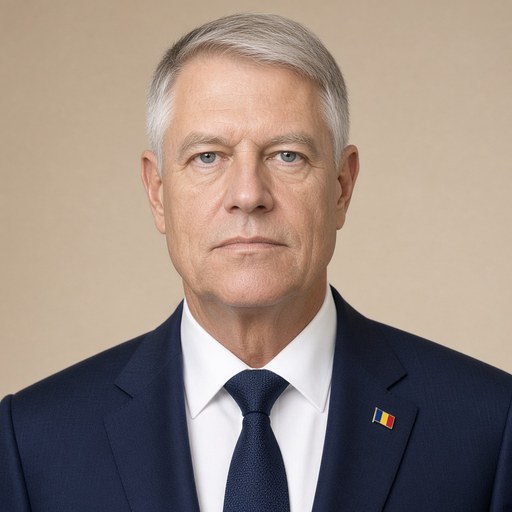
The speech of the President of Romania, Mr. Klaus Iohannis, delivered on the occasion of National Culture Day.
 Klaus Iohannis · President of Romania
- Context
- Iohannis addressed the Romanian Academy on National Culture Day, January 15, 2016, honoring Mihai Eminescu's birth and presenting his 'Educated Romania' national project.
- Main themes
- Romanian national culture, Educated Romania project, cultural identity and heritage, national culture day, Mihai Eminescu, cultural values and integrity, political responsibility and anti-corruption, European Capital of Culture, folk traditions and living heritage, cultural diversity, education and social transformation, centenary of the Great Union
- Duration
- ~11 min
- Words
- 1,305
- Sentences
- 49
- Readability
- 28
- Grade
- 15.9
- Syntax
- 3.40
- Vocabulary
- 2.36
Translated from Romanian
The broad sphere of national life a sentence belongs to. Every sentence has an Arena, so it is the denominator the other indices are read against.
Other49 sentences in 6 paragraphs
"Este un onor să mă adresez dumneavoastră, stimate domnule Președinte al Academiei Române,
Domnule Președinte Emil Constantinescu, Preafericite Părinte Patriarh Daniel, Domnilor miniștri, Onorați membri ai Academiei Române, Distinși invitați, Doamnelor și domnilor,
At the beginning of the year, we celebrate the birth of our national poet Mihai Eminescu and, at the same time, National Culture Day. January 15 thus becomes, every time, a festive moment and a good opportunity for reflection on the role of culture in our society. However, allow me, at the start of 2016, to express, above all, a few thoughts that concern rather the entire perspective of the year that has just begun. We can talk about the memory of our great national poet Mihai Eminescu, about the importance of culture for the progress of a nation, and there is no more appropriate place in this regard than the one we are in. But here, under the dome of the Romanian Academy, I wish to talk about more, about what we have already called "Educated Romania" as a national project. "Educated Romania" refers to education and information, but not only. "Educated Romania" concerns our national, cultural, and social identity. I have heard evaluations and analyses about what lies ahead in 2016, about how fierce the electoral battle is expected to be, about the challenges we all must respond to - president, state institutions, parties, civil society. As President, I am fully aware of the expectations for 2016, but I do not view them with concern, but with responsibility and confidence. I hope that all political actors will treat these expectations that citizens have with equal responsibility. For years, clientelism, nepotism, lack of respect for laws, for promises made, contempt for school, for culture, for spiritual values have been displayed without reservation and, moreover, have permeated the public image of what it means to be successful in a career, in life, and especially in politics. What can make 2016 a special year is not the elections themselves, as a political act, but the beginning of re-establishing society on values, of a cultural change. I refer here to a culture of success based on performance, work, talent, honesty, and integrity. This is another expression of the "Educated Romania" project, to which I want to dedicate the year 2016.
Ladies and gentlemen, In the context of today, we are obliged to carefully consider the realities of Romanian culture, with its people, traditions, and heritage, with its specifics, exceptionalism, and paradoxes. National Culture Day gives us the opportunity to honor creators and to celebrate culture in all its expressions. The richness and diversity of our cultural manifestations represent an invaluable source for the development of Romanian society, for strengthening solidarity and the feeling of national dignity. Recently, I had the opportunity to be among over 30 folk creators distinguished with the title of "Living Human Treasure." I was able to realize once again that our country has rich reserves of traditions and cultural crafts that identify it as a space of humanity's heritage. Whether they belong to the majority or ethnic minorities, to academic or traditional culture, in classical forms or the most innovative ones, produced by independent creators or public institutions, the expressions of our cultural diversity are an invaluable resource for the sustainable development of communities. In a competitive and globalized world, the advantages of localities or regions in Romania are increasingly linked to what they can offer in terms of environmental quality and cultural and educational infrastructure. In a constantly moving society, the connection between people and places is increasingly ensured by the strength of common spiritual values and cultural heritage. Not long ago, the first phase of the selection of candidates for the title of European Capital of Culture - 2021 was completed. It is impressive that 14 cities in Romania have entered this competition. I see this as a commitment from local administrations in favor of a greater role for culture in enhancing local identity and competitiveness. I believe that, in the run-up to the centenary of the Great Union and the first-time assumption of the Presidency of the EU Council by our country, we have a duty to take care of heritage and especially of the people who serve and represent cultural heritage. It is no coincidence that the promotion of national identity, including through the preservation and valorization of cultural heritage, is among our national security objectives.
Ladies and gentlemen, Unfortunately, culture is today also a space of paradoxes. On one hand, we have internationally awarded films and a track record of which we can truly be proud, while on the other hand, we have a network of public cinemas that is unable to screen them. The same contrast can be found between the international prestige of dramaturgy and theaters that are closing their doors in buildings with seismic risk, between exceptional heritage and museums that are being closed due to lack of space or staff, between remarkable historical monuments and the insufficient budget allocated for their maintenance or restoration. We have a fragile cultural infrastructure, which we have not taken care of in time and have allowed the act of culture to manifest in inappropriate spaces, with increasingly reduced and poorly motivated staff and in inadequate conditions, according to the principle - "it will do as it is." It is time to change such a state of affairs, which does not honor Romanian culture. This requires, first of all, the will to promote and support culture in all its forms of manifestation, a long-term projection that also targets resources, both human and material, a strategy marked by responsible decision-making, as well as by continuity and cohesion of the system as a whole. At the same time, we cannot have a performing culture if we do not invest in education. The creative potential of our young people cannot be reached without our involvement in creating the right framework for an education based on performance, meritocracy, and the identification and promotion at the highest level of true talents. The education and research system must have mechanisms to sanction deviations from the principles of integrity and meritocracy, as well as to support a culture of quality. I believe that all the premises and opportunities are in place to generate, in the horizon of the years 2018 - 2019, an institutional commitment to make a true national cause out of promoting contemporary creation, from protecting and transmitting our cultural heritage to new generations.
Ladies and gentlemen, Today we celebrate the birth of the "complete man of Romanian culture," as Mihai Eminescu was considered. The Eminescu manuscripts in the treasure of the Academy Library remind us that we must honor our language, culture, and national heritage. By significance and symbolism, the National Day of December 1 and the establishment of Mihai Eminescu's birthday as National Culture Day form the identity axis of our nation. Exactly 150 years ago, after having known Cernăuți, Eminescu traversed in Transylvania the places that would become, in the autumn of 1918, the strongholds of the Great Union. The role of Mihai Eminescu's work in the completion of Romania's self-awareness is not coincidentally linked to the establishment, also 150 years ago, of the Romanian Literary Society, the precursor of the Romanian Academy. Culture is what makes a nation immortal. We are proud of Eminescu's genius, we preserve and honor traditions and customs, we read the history of our country, and we are grateful to our ancestors who fought for the Romania of today to exist. But beyond remembering and respecting the past, we have a future to build. I believe we all want to live in a better, more educated, fairer, and more decent world. But to live in such a world, we must create it day by day, together, and we can do this through culture."
The original Romanian. The tags above are read on the English translation's sentences.
„Stimate domnule Președinte al Academiei Române,
Domnule Președinte Emil Constantinescu, Preafericite Părinte Patriarh Daniel, Domnilor miniștri, Onorați membri ai Academiei Române, Distinși invitați, Doamnelor şi domnilor,
La început de an aniversăm nașterea poetului național Mihai Eminescu și, în același timp, Ziua Culturii Naționale. 15 ianuarie devine astfel, de fiecare dată, un moment festiv și un bun prilej de reflecție asupra rolului culturii în societatea noastră. Dați-mi voie însă, la debut de 2016, să exprim, înainte de toate, câteva gânduri care privesc mai degrabă întreaga perspectivă a anului ce abia a început. Putem vorbi despre memoria marelui nostru poet național Mihai Eminescu, despre importanța culturii pentru progresul unei națiuni și nu e loc mai potrivit în acest sens decât cel în care ne aflăm. Dar tot aici, sub cupola Academiei Române, îmi doresc să vorbim despre mai mult, despre ceea ce am numit deja „România educată” ca proiect național. „România educată” se referă la educație și informare, dar nu numai. „România educată” privește identitatea noastră națională, culturală și socială. Am auzit evaluări și analize despre ce urmează în 2016, despre cât de aprigă se anunță bătălia electorală, despre provocările la care trebuie să răspundem cu toții - președinte, instituții ale statului, partide, societate civilă. Ca Președinte, sunt perfect conștient de așteptările anului 2016, dar nu le privesc cu îngrijorare, ci cu responsabilitate și încredere. Sper ca toți actorii politici să trateze cu egală responsabilitate aceste așteptări pe care cetățenii le au. Ani de zile clientelismul, nepotismul, lipsa de respect față de legi, față de cuvântul dat, disprețul față de școală, de cultură, de valori spirituale au fost afișate fără rezerve și, mai mult, au impregnat imaginea publică despre ce înseamnă a avea succes în carieră, în viață și mai ales în politică. Ce poate face din anul 2016 unul special nu sunt alegerile în sine, ca act politic, ci începutul reașezării societății pe valori, al unei schimbări culturale. Mă refer aici la o cultură a succesului bazată pe performanță, muncă, talent, onestitate şi integritate. Aceasta este o altă expresie a proiectului „România educată”, căruia vreau să-i dedic anul 2016.
Doamnelor și domnilor, În contextul zilei de astăzi suntem datori să privim cu atenție realitățile culturii românești, cu oameni, tradiții și patrimoniu, cu specificul, excepționalul și paradoxurile sale. Ziua Culturii Naționale ne oferă ocazia să cinstim creatorii și să celebrăm cultura în integralitatea expresiilor sale. Bogăţia şi diversitatea manifestărilor noastre culturale reprezintă o sursă inestimabilă pentru dezvoltarea societăţii româneşti, pentru întărirea solidarităţii şi a sentimentului demnităţii naţionale. Am avut, recent, prilejul de a mă afla în mijlocul a peste 30 de creatori populari distinşi cu titlul de „Tezaur Uman Viu”. Am putut să îmi dau seama, încă o dată, de faptul că ţara noastră are bogate rezerve de tradiţii şi meşteşuguri culturale ce o identifică drept un spaţiu al patrimoniului umanităţii. Fie că aparțin majorității sau minorităților etnice, culturii academice ori tradiționale, în forme clasice sau dintre cele mai inovative, produse de creatori independenți ori de instituții publice, expresiile diversității noastre culturale sunt o resursă inestimabilă pentru dezvoltarea durabilă a colectivităților. Într-o lume competitivă și globalizată, atuurile localităților sau regiunilor din România se leagă tot mai mult de ceea ce pot oferi din punct de vedere al calităţii mediului şi al infrastructurii culturale şi educaționale. Într-o societate în continuă mișcare, legătura dintre oameni și locuri e asigurată din ce în ce mai mult de forța valorilor spirituale comune și a patrimoniului cultural. Nu cu mult timp în urmă s-a încheiat prima fază a selecţiei candidaturilor pentru titlul de Capitală Europeană a Culturii - 2021. Este impresionant că 14 oraşe din România s-au înscris în această competiţie. Văd în aceasta un angajament al administraţiilor locale în favoarea unui rol crescut al culturii în fructificarea identităţii şi competitivităţii locale. Cred că, în preajma centenarului Marii Uniri şi a asumării pentru prima dată a Preşedinţiei Consiliului UE de către țara noastră, avem datoria să ne ocupăm de patrimoniu și mai ales de oamenii care servesc și reprezintă moștenirea culturală. Nu întâmplător, promovarea identităţii naționale, inclusiv prin prezervarea şi valorificarea patrimoniului cultural, se numără chiar printre obiectivele noastre de securitate națională.
Doamnelor și domnilor, Din păcate, cultura este astăzi și un spațiu al paradoxurilor. Avem pe de-o parte filme premiate în plan internaţional și un palmares de care putem fi realmente mândri, iar pe de altă parte o rețea de cinematografe publice care nu este capabilă să le preia difuzarea. Același contrast îl găsim între prestigiul internaţional al dramaturgiei şi teatrele care îşi închid sălile aflate în imobile cu risc seismic, între patrimoniul de excepție şi muzeele care se desfiinţează din lipsă de spaţii sau personal, între monumentele istorice remarcabile şi bugetul insuficient alocat întreţinerii sau restaurării lor. Avem o infrastructură culturală fragilă, de care nu ne-am îngrijit la timp și am permis ca actul de cultură să se manifeste în spaţii improprii, cu personal din ce în ce mai redus şi slab motivat și în condiţii inadecvate, după principiul - „lasă că merge şi aşa”. Este momentul să schimbăm o asemenea stare de fapt, care nu onorează cultura românească. Aceasta presupune în primul rând voință în promovarea şi susţinerea culturii, în toate formele sale de manifestare, o proiecție pe termen lung care să vizeze inclusiv resurse, umane şi materiale, o strategie marcată atât prin decizie responsabilă, cât și prin continuitate şi coeziune a sistemului în ansamblu. În acelaşi timp, nu putem avea o cultură performantă dacă nu investim în educaţie. Potenţialul creator al tinerilor noştri nu va putea fi atins fără implicarea noastră în crearea cadrului potrivit pentru un învăţământ bazat pe performanţă, pe meritocraţie şi pe identificarea şi promovarea la cel mai înalt nivel a adevăratelor talente. Sistemul de educaţie şi cercetare trebuie să aibă mecanismele de a sancţiona abaterile de la principiile integrităţii şi meritocraţiei, precum şi de a susţine cultura calităţii. Consider că sunt întrunite toate premisele şi oportunităţile pentru a genera, în orizontul anilor 2018 - 2019, un angajament instituţional de a face o adevărată cauză naţională din promovarea creaţiei contemporane, din protejarea şi transmiterea către noile generaţii a patrimoniului cultural.
Doamnelor şi domnilor, Aniversăm astăzi nașterea „omului deplin al culturii românești,” așa cum a fost considerat Mihai Eminescu. Manuscrisele eminesciene din tezaurul Bibliotecii Academiei ne amintesc că trebuie să ne cinstim limba, cultura și patrimoniul național. Prin semnificație și simbolistică, Ziua Națională de la 1 Decembrie și consacrarea zilei nașterii lui Mihai Eminescu ca zi a culturii naționale formează axa identitară a națiunii noastre. Exact acum 150 de ani, după ce cunoscuse Cernăuțiul, Eminescu străbătea în Transilvania locurile care urmau să fie în toamna lui 1918 cetățile Marii Uniri. Rolul operei lui Mihai Eminescu în desăvârșirea conștiinței de sine a României se leagă, nu întâmplător, de înființarea tot acum 150 de ani a Societății Literare Române, precursoarea Academiei Române. Cultura este cea care face o națiune nemuritoare. Ne mândrim cu geniul lui Eminescu, păstrăm și onorăm tradiții și obiceiuri, citim istoria țării noastre și suntem recunoscători înaintașilor noștri care au luptat pentru ca România de astăzi să existe. Dar dincolo de a rememora și respecta trecutul, avem de construit un viitor. Cu toții ne dorim, cred, să trăim într-o lume mai bună, mai educată, mai corectă și mai decentă. Dar pentru a trăi într-o astfel de lume trebuie s-o creăm zi de zi, împreună și putem face acest lucru prin cultură.