




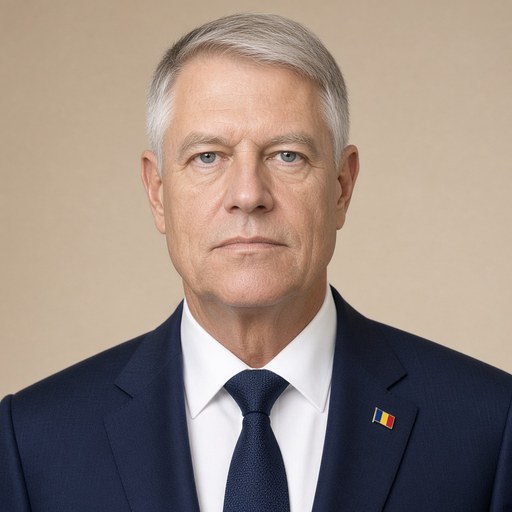
The speech of the President of Romania, Mr. Klaus Iohannis, delivered at the events marking the Day of the Union of the Romanian Principalities, organized in Iași.
 Klaus Iohannis · President of Romania
- Context
- Iohannis addressed a public ceremony in Iași on January 24, 2016, marking the 157th anniversary of the Union of the Romanian Principalities.
- Main themes
- Union of the Romanian Principalities, electoral year and political renewal, lessons of 1859, Alexandru Ioan Cuza's leadership, political elites and responsibility, education reform, civic values and national identity, trust between citizens and politicians, historical reforms and institution-building
- Duration
- ~11 min
- Words
- 1,330
- Sentences
- 56
- Readability
- 47
- Grade
- 12.5
- Syntax
- 3.09
- Vocabulary
- 2.19
Translated from Romanian
The broad sphere of national life a sentence belongs to. Every sentence has an Arena, so it is the denominator the other indices are read against.
Other56 sentences in 7 paragraphs
"Good afternoon, Iași! Mr. President of the Chamber of Deputies, Valeriu Zgonea, Mr. Prime Minister, Dacian Cioloș, Your Eminence, Metropolitan of Moldova, Teofan, Your Grace, Bishop Petru Gherghel, Mr. Mayor of Chișinău, Chirtoacă, Mr. Interim Mayor, Mr. Interim President, Honorable ministers and parliamentarians, Ladies and gentlemen, Dear Romanians,
It is a great pleasure for me to be here in Iași today, on this festive day, when we celebrate 157 years since the Union of Moldova with the Romanian Country. January 24 gives us the opportunity to honor a glorious page from our history, from what we are and have become in the last century and a half. I return with great joy every time to Iași – the city of ancient walls, an organic creation of old Moldavia, as Nicolae Iorga called it. However, today, as we celebrate the Little Union, I would like to talk about the lessons of that historical event and their relevance today. The desire of Romanians, on both sides of the Milcov River, to be together was understood by the elites of the time, who managed to translate this need of the inhabitants of two states into an act of high political skill and solidarity. In fact, there is no major entity or personality of the time that did not contribute to this project. And back then, politics was full of scandals, divergences, hidden or visible crises. The act of union had to face not only the old ailments of politics but also the interests from outside the borders of the two states. However, with maturity and skill, the elites of the time overcame all these obstacles and succeeded. The Union of 1859 is linked to an event and a choice, ultimately - the election of Alexandru Ioan Cuza as the ruler of Moldova and the Romanian Country, the right man in the right place, through which two states became one. This moment marked the beginning of a period of transformations and reforms in a difficult political context, marked by multiple internal and external crises. In seven years of rule, this visionary leader transformed the United Principalities, despite all the pressures, which were not few or insignificant, and initiated profound reforms in numerous fields. Upon his election as the ruler of Moldova, Mihail Kogălniceanu conveyed to him in a memorable speech: "By choosing you as our Lord in our country, we wanted to show the world what the whole country desires: New laws, new people! [...] Be therefore the man of the age; let the law replace arbitrariness; let the law be strong... Therefore, let your reign be entirely one of peace and justice..."
Dear Romanians, Just as then, this year we have a choice. 2016 is an electoral year, a time when the political class has the chance to reconnect with the expectations of citizens, to rebuild the trust that has been eroded over time, and to assume responsibilities. I believe that our citizens want simple things from politicians: to keep their word, to put their power and expertise in the service of the public interest, and to respect the laws. The parties have the opportunity to prove that they have understood these things, through their conduct, through the people they will propose in the political competitions, and through their actions this year. Those who will engage in the electoral battles must remember, beyond political color and interests, that we have the same objective - the well-being of the people we represent. I hope we will have a decent electoral year, in which tenacity, hard work, and professionalism will prevail. My voice will be heard throughout this year, but not to enter the campaign, rather to talk about the renewal of the political class and the continuation of changing the way we do politics. We need new approaches, ideas, and people who understand that the shortcomings of the past must remain in the past, that we cannot continue deceiving the hopes of the people. Here I would like to bring you the example of our predecessors from 1859. Many of them, people with different professions, young people educated abroad or seniors schooled in the Principalities, who worked with such dedication on the unionist project, had never done politics before, but were firmly attached to their country and the values of their time. With blind confidence in their mission, with selflessness and solidarity, they became advocates of a project and a dream.
Ladies and gentlemen, The period that followed the Union of 1859 brought great reforms for the full realization of the unionist project, including a new Constitution and new laws, a renewed political class, significant changes that developed and strengthened the capacity of the institutions of the new modern state. As I said at the beginning, the lesson of the Little Union is more relevant than ever. One of the great reforms in the United Principalities was a new law for Romanian schools, that of 1864. Fully aware of the importance of the role that education plays in the life of a nation, I am determined to fulfill together the great project we have called "Educated Romania." I call on all responsible politicians to join me in this endeavor in the future. The cornerstone of a nation is education, and through an efficient and high-performing education system, the future of a country is built. I will not yield to the temptation to do things in haste. I want to build this project wisely and carefully, whose enormous stake is a Romania capable of offering its citizens equal opportunities and solid career options.
Ladies and gentlemen, I affirm with all conviction that we are a nation that can hold its head high in Europe in 2016. Some may tell you that there are no reasons for joy today. However, it is still a celebration of Romanian statehood. We are full members of the European community, we are part of the largest and most powerful military alliance that has ever existed, and many areas of society show signs of recovery. We are a nation that has demonstrated that it has had and has the right people in decisive moments, that it knows how to successfully complete great projects. The Union of 1859 was such a moment and represented a first step for what was to happen in 1877, when we proclaimed our independence and later, in 1918, the year of the Great Union. I also know that there are many other things to be adjusted and perfected, that we have fragilities and shortcomings. I am convinced that we can correct and manage them together, through work, seriousness, and the desire to leave a better country for future generations. For example, Moldova still suffers from economic disparities. A highway connecting Moldova to the rest of the country and to Europe would bring numerous benefits, and in the coming period, this project should become a priority. We are just a few kilometers from the border with the Republic of Moldova, and I believe it is a suitable moment to turn our thoughts to our brothers across the Prut. Shared history and language contribute to strengthening the identity and solidarity between our states. I assure you that Romania supports, with all that is possible, the European aspirations of the Republic of Moldova and remains a reliable partner. Dear Romanians, I conclude with the thought of the Little Union of 1859. One of the strongest symbols of today's celebration is the Hora Unirii, which conveys a simple yet profound message: only together will we succeed. By being united, working steadily, and seeking what unites us rather than what divides us, we will be able to transform and modernize Romania. We may have different ideas about how we want to govern our country, but the objective is one and the same: a strong and prosperous Romania! I wish you all good health, courage, confidence in your own strength, ambition, and love for Romania!
Happy anniversary to all!
May God help us!"
The original Romanian. The tags above are read on the English translation's sentences.
„Bună ziua, Iaşi! Domnule Preşedinte al Camerei Deputaţilor, Valeriu Zgonea, Domnule Prim-ministru, Dacian Cioloș, Înaltpreasfinţia Voastră Mitropolit al Moldovei, Teofan, Preasfinţia Voastră Episcop, Petru Gherghel, Domnule Primar al oraşului Chişinău, Chirtoacă, Domnule Primar interimar, Domnule Președinte interimar, Onoraţi miniștri și parlamentari, Doamnelor și domnilor, Dragi români,
Îmi face o deosebită plăcere să mă aflu aici la Iași, astăzi, în zi de sărbătoare, când se împlinesc 157 de ani de la Unirea Moldovei cu Ţara Românească. 24 ianuarie ne oferă prilejul să onorăm o pagină ilustră din istoria noastră, din ceea ce suntem și am devenit în ultimul veac și jumătate. Revin cu mare bucurie de fiecare dată la Iași – orașul vechilor zidiri, o creație organică a vechii Moldave, cum îl numea Nicolae Iorga. Astăzi însă, când sărbătorim Mica Unire, aș vrea să vorbesc despre lecțiile acelui eveniment istoric și despre actualitatea lor. Dorința românilor, de o parte şi de alta a Milcovului, de a fi împreună, a fost înțeleasă de elitele vremii, care au reușit să transpună această nevoie a locuitorilor din două state într-un act de înaltă abilitate politică şi solidaritate. Practic, nu există mare entitate sau personalitate a vremii care să nu fi pus umărul la acest proiect. Și atunci politica era plină de scandaluri, de divergențe, de crize ascunse sau la vedere. Actul unirii a avut de înfruntat nu doar vechile boli ale politicii, ci și interesele din afara granițelor celor două state. Însă, cu maturitate și iscusință, elitele vremii au trecut peste toate aceste obstacole și au reușit. Unirea de la 1859 este legată de un eveniment și o alegere, în definitiv - Alegerea ca domn al Moldovei și al Țării Românești a lui Alexandru Ioan Cuza, omul potrivit la locul potrivit, prin care două state au devenit unul singur. Acest moment a reprezentat începutul unei perioade de transformări şi reforme într-un context politic dificil, marcat de multiple crize interne și externe. În șapte ani de domnie, acest lider vizionar a transformat Principatele Unite, în pofida tuturor presiunilor, care nu au fost puține sau neînsemnate, și a demarat reforme profunde în numeroase domenii. La alegerea sa ca domn al Moldovei, Mihail Kogălniceanu i-a transmis într-un memorabil discurs: ”Alegându-te pe tine Domn în ţara noastră, am voit să arătăm lumii ceea ce toată ţara doreşte: La legi noi, oameni noi! […] Fii dar omul epocii; fă ca legea să înlocuiască arbitrarul; fă ca legea să fie tare... Fă, dar, ca domnia ta să fie cu totul de pace şi de dreptate...”
Dragi români, Ca și atunci, în acest an, avem de ales. 2016 este un an electoral, urmează perioada în care clasa politică are șansa de a se reconecta la așteptările cetățenilor, de a reconstrui încrederea știrbită în timp și de a asuma responsabilități. Cred că cetățenii noștri își doresc lucruri simple de la politicieni: să se țină de cuvânt, să își pună puterea și priceperea în slujba interesului public și să respecte legile. Partidele au ocazia să probeze că au înţeles aceste lucruri, prin modul de conduită, prin oamenii pe care îi vor propune în competițiile politice și prin acțiunile lor din acest an. Cei care se vor antrena în bătăliile electorale trebuie să îşi amintească, dincolo de culoare politică și interese, că avem același obiectiv - binele oamenilor pe care îi reprezentăm. Sper că vom avea un an electoral decent, în care tenacitatea, munca şi profesionalismul vor câștiga. Vocea mea se va face auzită în tot acest an, dar nu pentru a intra în campanie, ci pentru a vorbi despre înnoirea clasei politice și continuarea schimbării modului de a face politică. Avem nevoie de abordări, idei și oameni noi, care au înțeles că metehnele trecutului trebuie să rămână ale trecutului, că nu putem continua înșelând speranțele oamenilor. Aici aș vrea să vă aduc exemplul înaintașilor noștri de la 1859. Mulți dintre ei, oameni cu profesii diferite, tineri educați în străinătate sau seniori școliți în Principate, care au lucrat cu atâta dedicație la proiectul unionist, nu făcuseră niciodată politică, dar erau ferm atașați de țara lor și de valorile timpului lor. Cu o încredere oarbă în menirea lor, cu abnegație și solidaritate, s-au făcut avocații unui proiect și al unui vis.
Doamnelor și domnilor, Perioada care a urmat Unirii de la 1859 a adus mari reforme pentru realizarea deplină a proiectului unionist, printre care o nouă Constituție și legi noi, o clasă politică înnoită, schimbări semnificative care au dezvoltat şi întărit capacitatea instituțiilor noului stat modern. Așa cum am spus la început, lecția Micii Uniri este mai actuală ca niciodată. Una dintre marile reforme din Principatele Unite a fost o nouă lege a școlii românești, cea din 1864. Deplin conştient de importanţa rolului pe care îl are educația în viața unei națiuni, sunt determinat să împlinim împreună marele proiect pe care l-am numit „România educată”. Chem toți oamenii politici responsabili să mi se alăture în viitor în acest demers. Piatra de temelie a unei națiuni o reprezintă educația, iar prin intermediul unui sistem de învăţământ eficient şi performant se construieşte viitorul unei țări. Nu voi ceda tentației să facem lucrurile în grabă. Vreau să clădim cu înțelepciune și atenție acest proiect a cărui uriașă miză este o Românie capabilă să ofere cetățenilor săi șanse egale și opțiuni solide de carieră.
Doamnelor și domnilor, Afirm cu toată convingerea că suntem o națiune care poate sta cu capul sus în Europa anului 2016. Unii vă vor spune poate că nu sunt motive de bucurie astăzi. Este totuși o sărbătoare a statalității românești. Suntem membri cu drepturi depline ai comunității europene, facem parte din cea mai mare și mai puternică alianță militară care a existat vreodată, iar multe zone din societate dau semne de însănătoșire. Suntem o națiune care a demonstrat că a avut şi are oameni potriviți în momentele decisive, că știe să ducă la bun sfârşit mari proiecte. Unirea de la 1859 a fost un asemenea moment şi a reprezentat un prim pas pentru ce avea să se întâmple în 1877, când ne-am proclamat independenţa şi mai apoi, în 1918, anul Marii Uniri. Știu totodată că sunt multe alte lucruri de reglat și perfecționat, că avem fragilități și lipsuri. Sunt convins că le putem corecta și gestiona împreună, prin muncă, seriozitate şi prin dorința de a lăsa o ţară mai bună generaţiilor viitoare. Spre exemplu, Moldova suferă încă din cauza decalajelor economice. O autostradă care să lege Moldova de restul țării și de Europa ar aduce numeroase beneficii, iar în perioada următoare acest proiect ar trebui să devină prioritar. Suntem la câțiva kilometri de frontiera cu Republica Moldova și cred că este un moment potrivit pentru a ne îndrepta gândurile către frații noștri de peste Prut. Istoria și limba comune contribuie la consolidarea identităţii şi solidarității dintre statele noastre. Vă asigur că România sprijină cu tot ce este posibil aspirațiile europene ale Republicii Moldova şi rămâne un partener de încredere. Dragi români, Închei tot cu gândul la Mica Unire din 1859. Unul dintre cele mai puternice simboluri ale sărbătorii de astăzi este Hora Unirii, care ne transmite un mesaj simplu dar profund: doar împreună vom reuși. Fiind uniți, lucrând așezat și căutând ceea ce ne unește și nu ceea ce ne desparte, vom putea transforma şi moderniza România. Putem avea idei diferite despre felul în care vrem să ne administrăm țara, însă obiectivul este unul și același: o Românie puternică și prosperă! Vă doresc multă sănătate, curaj, încredere în propriile forţe, ambiție și dragoste pentru România!
La mulți ani tuturor!
Aşa să ne-ajute Dumnezeu!”