




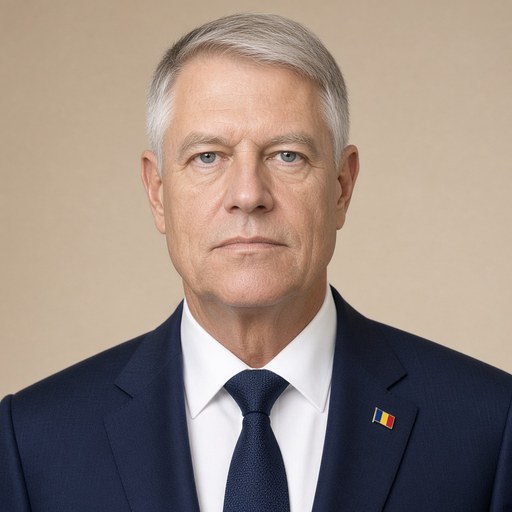
The speech of the President of Romania, Mr. Klaus Iohannis, delivered at the CSU meeting in Bavaria.
 Klaus Iohannis · President of Romania
- Context
- Iohannis addressed the CSU meeting in Bavaria on January 7, 2020, discussing EU priorities, Romania-Germany relations, and Romania's recent EU Council Presidency.
- Main themes
- Future of the European Union, Romania-Germany strategic partnership, Romania's EU Council Presidency, Sibiu Declaration and Summit, European unity and cohesion, 30th anniversary of Romanian Revolution, German EU Council Presidency 2020, Brexit challenges, EU Strategic Agenda 2019-2024, European democratic values, migration crisis, inter-regional cooperation
- Duration
- ~20 min
- Words
- 2,377
- Sentences
- 73
- Readability
- 18
- Grade
- 18.9
- Syntax
- 3.50
- Vocabulary
- 2.19
Translated from Romanian
The broad sphere of national life a sentence belongs to. Every sentence has an Arena, so it is the denominator the other indices are read against.
Other73 sentences in 51 paragraphs
I am pleased to be here today in front of you and to have a dialogue on the future of the European Union and our common priorities in the period ahead.
Romania's relations with the Federal Republic of Germany have a special significance and a real strategic character, as a privileged partnership. Our dialogue is maintaining a sustained pace, and at the level of the European Union, we have had the opportunity to cooperate closely during Romania's first Presidency of the Council of the European Union, and now, in anticipation of the upcoming German Presidency of the Council in the second half of this year.
Allow me to take this opportunity to remind you that last year we commemorated 30 years since the fall of the Iron Curtain, as well as 30 years since the Revolution of December 1989 in Romania.
In these last 30 years, Romania has traveled a complex path towards a democratic and pluralistic society, within a societal project based on the democratization of the country, anchored in the European values system, through accession to the European Union and NATO. I wish to pay tribute to all Romanian citizens who made this journey possible, through their attachment to the European family, tenacity, and perseverance.
As a result, Romania today, 30 years after the December Revolution, contributes enthusiastically and fully engaged to shaping the future of the European Union, our common future as Europeans.
As you know, in the first half of 2019, Romania held the Presidency of the Council of the European Union for the first time since joining the Union. Romania successfully and with a pro-European commitment exercised this responsibility at a complex moment for the European Union, marked by the preparation for the European elections and the transition between two institutional and legislative cycles, but also by the uncertainties generated by Brexit.
We worked intensively and managed to maintain a constant balance between the rapid pace of change and the objective of preserving the unity of the 27 member states of the Union. The experience of Romania's Presidency of the Council of the European Union, as well as other developments at the European level in which we were involved, have shown me that, having a unique, coherent voice at the level of the European Union, we can, together, face all challenges.
Our priority has been to ensure that together we establish principles and directions for action for a stronger, more united European project that is closer to citizens, without divisions, concentric circles, or multiple speeds of development.
I am convinced that the extraordinary Summit in Sibiu on May 9, 2019, the major event hosted by Romania during our Presidency of the Council of the European Union, correctly and comprehensively established our expectations, all of us, in this regard.
"The Sibiu Spirit" today defines the common desire of European leaders and member states to work together for a united Europe in peace and democracy - a single Europe, from East to West, from North to South, guided by its values and freedoms, within and beyond its borders.
I believe that the 10 commitments made in the Sibiu Declaration represent an important legacy built during Romania's Presidency of the Council of the European Union and a "foundation" for what we have to do today. It is equally representative of the strong pro-European character of Romanian citizens. It is essential now to act based on these commitments, as they are reflected in the Union's Strategic Agenda for the period 2019 - 2024.
Since the adoption of the Strategic Agenda, our interest, that of the member states, must focus on its implementation, and for this, we need close cooperation among member states, including at the parliamentary level, of the political families that support the strengthening of the European project.
Against the backdrop of the multiple challenges facing the European Union, from economic and social aspects to the migration crisis and the unprecedented situation in which a member state is about to leave the Union, there has been and is a greater need than ever to rediscover a common, consensual vision, a "wise" balance between the specific realities of each member state and the desire to jointly strengthen a genuine Union, a future-oriented Union.
We also need to build bridges not only between member states but also between different European regions, between citizens. Only in this way can we better understand each other's concerns and expectations, and we can act as a true family capable of finding solutions that accommodate all its members. I believe you understand best the values and importance of cohesion between the action priorities formulated at the level of the Union and the effective, natural action for the benefit of the European citizen.
I express my full satisfaction that, through the development of cooperation between the various German Länder and the authorities in Romania, we can contribute to strengthening this cohesion, to building a Europe closer to its citizens.
The European Union is a successful economic, social, and political model, based on a unique concept worldwide. When we talk about the future of the European Union, we refer to strengthening the Union, to the unified functioning of this project, and to the fact that each member state must find its place within it and feel fully integrated.
What Romania desires is a strengthening of the European integration project based on the principles of convergence and cohesion. We must not forget that the Union will be stronger and more relevant the more each member state is stronger economically and socially.
We need constant reflection at the European level regarding our common future. From this perspective, the Conference on the Future of Europe, which will begin this year and will take place during the upcoming German Presidency of the Council of the European Union, represents an opportunity that we must fully seize to create a platform for debate at all levels of the Union - European, national, and local.
This debate must lead to the best version of development and strengthening of the European project and, under no circumstances, to a re-examination of the fundamental principles on which the European project was built.
I firmly advocate for unity, cohesion, solidarity, and for a common European path in efforts to strengthen the European project.
In Romania's vision, the major objectives towards which our common actions at the European level should be directed continue to aim, in line with the commitments made at the Sibiu Summit: a united Europe, without divisions between East-West, North-South; a Europe that brings more convergence and equality to member states, which generates more tangible results for citizens. We also support a Union that keeps its doors open for the admission of new members when they make the necessary progress to join the Union.
I want to assure you that, in the new institutional and legislative European cycle, Romania will primarily seek to make a significant contribution to shaping the future policies of the Union.
After the rich experience gained from the rotating Presidency of the Council of the European Union, Romania has demonstrated that it has the necessary maturity to have a stronger voice in defining European policies.
Transforming common strategic priorities into concrete actions and results is extremely important. In our view, the main lines on which we should focus our efforts in the coming period should target the following areas:
Promoting inclusive and sustainable economic growth through the adoption of a European budget adapted to the ambitions of the Union, with substantial allocations for the traditional policies of the European Union (Cohesion Policy and Common Agricultural Policy), but which also provides an adequate response to the new challenges at the level of the Union.
I have said countless times and I want to reiterate today: if we want to be consistent with our political ambitions, if we want to fulfill everything we have set out to do, we must have the courage to assume an ambitious budget.
The Union of the future is no longer the Union we knew 7 years ago, plagued by the economic and financial crisis, when we agreed on a realistic budget for that moment.
The European Union we want to project is an ambitious Union, with major objectives - related to climate, migration, digitalization, increased competitiveness internationally through education, research, and a greater role on the international stage.
At the same time, the future is owed to the present, and the present shows us that we still need considerable resources to ensure economic and social convergence, to reduce the differences between us.
Cohesion and regional development have already successfully acted for many years in this regard and must continue to represent substantial vectors of economic and social development.
At the same time, supporting research, innovation, and digitalization at the European level is important for us as well. Romanian expertise in these areas is relevant and can be successfully leveraged.
However, we appreciate that a greater openness of the consortia in research projects is necessary to overcome the still persistent divide in many of them between East and West.
Deepening the Single Market is an important condition for supporting the competitiveness of businesses in the Union and creating benefits for citizens, whether we are talking about consumer rights or access to various services and products, ensuring a digitized future for the European Union, and a gradual and just economic and social transition towards climate neutrality.
Convergence brings benefits to all member states. To achieve this objective, however, we must promote real convergence, inclusive economic growth, and a Union that preserves and facilitates the full functioning of the four freedoms and avoids any form of protectionism and discrimination within the Internal Market.
I would like to mention, in this context, the disappointment regarding the outcome of the negotiations on the Road Transport Package in the European Union (Mobility Package I). Some of the provisions currently being adopted not only affect the fundamental freedoms of movement of persons and the provision of services in the European Union but also undermine the capacity of member states to achieve the climate objectives they have assumed. These are solutions that affect European policies and call into question the integrity of the Union's Internal Market.
Significant efforts have been made at the European level in recent years to implement new measures and instruments that guarantee us better protection of the Union's external borders and implicitly the internal security of the Union. It is very important that these new instruments are effectively implemented in the coming years, to strengthen the safety and security of all European citizens.
Romania is part of these mechanisms and instruments and will do everything possible to contribute to ensuring the full functionality of the free movement area.
At the same time, I must remind you that Romania is still awaiting a well-deserved Decision for accession to the Schengen area, without which we cannot speak of the full functionality of the free movement area. This decision must be part of our actions in the coming period.
It is also necessary to continue efforts to develop an effective and sustainable response to the challenges generated by migration, especially since these continue to be visible in many of our societies, even though we have managed to overcome the crisis period.
It is also important to strengthen the action and external role of the European Union by maintaining the commitments made to the Union's partners in the Eastern and Southern neighborhood, including by advancing the process of European Union enlargement. From this perspective, Romania will continue to actively advocate for the opening of accession negotiations with Albania and the Republic of North Macedonia as soon as possible, driven by the firm belief in the strategic value, but also the deeply transformative democratic value of the enlargement process in the region.
The viability, attractiveness, and credibility of the European project essentially depend on firm support for the continuation of the Union's enlargement. Only a credible, real European perspective can generate the necessary momentum for our partners' modernization, transformation, and historical reconciliation efforts.
On the eastern front, we still need active involvement in the Eastern Partnership, based on a strong commitment from all parties, clear fulfillment of the commitments made, and adequate communication with the citizens of the Union and partner states.
Last but not least, it is essential to pursue the strengthening of the European Union's partnerships with traditional allies, as well as the implementation of initiatives in the field of common security and defense, in full complementarity with NATO.
Above all, in shaping the future of the European Union, our common goal must be the continuation and strengthening of democratic developments that have fundamentally transformed for the better the face of the European continent and brought freedom, democracy, societies based on respect for human rights, as well as more prosperity for European citizens.
I spoke, at the beginning of my intervention, about the necessity of building bridges between us that will serve as the foundation for a more cohesive Union in the future. From this perspective, I cannot conclude without referring to a few aspects of our bilateral cooperation that can contribute to achieving this goal.
From an economic point of view, the fact that Germany is our country's largest trading partner, while also being the third largest investor in the Romanian market, encourages us to maintain the same special attention to cooperation in this area, especially since over 300,000 Romanians have found employment as a result of German investments in Romania.
The federal state of Bavaria has always held a special place regarding Romania's political, economic, or cultural ties with Germany.
There is a strong Romanian community here, respected for how it has managed to integrate and engage in the socio-cultural and economic life of the entire state.
At the same time, ethnic Germans originating from Romania, the Transylvanian Saxons and Swabians, have fully contributed to the creation of our country's history and the shaping of its identity.
Romanians who have settled over time in Germany and the German minority in Romania represent the true bridge in our relations and the main starting point of our bilateral dialogue.
In conclusion, I wish everyone a good year, one that will bring us even closer together, in a stronger and more united Europe!
The original Romanian. The tags above are read on the English translation's sentences.
textul alocuțiunii în limba germană, precum și traducerea în limba română:
Mă bucur să mă aflu astăzi în fața dumneavoastră și să avem un dialog pe tema viitorului Uniunii Europene și a priorităților noastre comune în perioada care urmează.
Relațiile României cu Republica Federală Germania au o semnificație deosebită și un real caracter strategic, de parteneriat privilegiat. Dialogul nostru înregistrează un ritm susținut, iar la nivelul Uniunii Europene am avut ocazia să cooperăm îndeaproape pe durata primei Președinții române a Consiliului Uniunii Europene, şi acum, în perspectiva viitoarei Președinții germane a Consiliului din a doua parte a acestui an.
Dați-mi voie să folosesc acest prilej pentru a reaminti faptul că anul trecut am comemorat 30 de ani de la căderea Cortinei de fier, precum şi 30 de ani de la Revoluția din decembrie 1989 din România.
În acești ultimi 30 de ani, România a parcurs un drum complex către o societate democratică şi pluralistă, în cadrul unui proiect de societate bazat pe democratizarea țării, pe ancorarea în sistemul de valori europene, prin aderarea la Uniunea Europeană şi NATO. Doresc să aduc un omagiu tuturor cetățenilor români, care au făcut posibil acest drum, prin atașament față de familia europeană, tenacitate şi perseverență.
Ca urmare, România contribuie astăzi, la 30 ani de la Revoluția din decembrie, cu entuziasm și implicare deplină la conturarea viitorului Uniunii Europene, a viitorului nostru comun ca europeni.
După cum cunoașteți, în prima jumătate a anului 2019, România a deținut Președinția Consiliului Uniunii Europene pentru prima oară de când a aderat la Uniune. România a exercitat cu succes şi cu angajament pro-european această responsabilitate, într-un moment complex pentru Uniunea Europeană, marcat de pregătirea alegerilor europene şi de tranziția între două cicluri instituționale și legislative, dar şi de incertitudinile generate de Brexit.
Am lucrat intens și am reușit să menținem un echilibru constant între ritmul alert al schimbărilor și obiectivul păstrării unității celor 27 de state membre ale Uniunii. Experiența Președinției române a Consiliului Uniunii Europene, dar și alte evoluții în plan european la care am fost parte, mi-au demonstrat că, având o voce unică, coerentă la nivelul Uniunii Europene, putem, împreună, să facem față tuturor provocărilor.
Prioritatea noastră a fost aceea de a ne asigura că împreună stabilim principii şi direcții de acțiune pentru un proiect european mai puternic, mai unit şi mai aproape de cetățeni, fără diviziuni, cercuri concentrice sau viteze multiple de dezvoltare.
Sunt convins că Summitul extraordinar de la Sibiu din 9 mai 2019, evenimentul major găzduit de România pe durata Președinției noastre la Consiliul Uniunii Europene, a stabilit foarte corect şi cuprinzător așteptările noastre, ale tuturor, din acest punct de vedere.
„Spiritul de la Sibiu” definește astăzi dorința comună a liderilor europeni și a statelor membre de a lucra împreună pentru o Europă unită în pace și democrație - o singură Europă, de la Est la Vest, de la Nord la Sud, condusă de valorile și libertățile sale, în interiorul și dincolo de granițele sale.
Consider că cele 10 angajamente asumate în Declarația de la Sibiu reprezintă o moștenire importantă construită pe durata Președinției României la Consiliul Uniunii Europene şi o „fundație” pentru ceea ce avem astăzi de făcut. Este în egală măsură reprezentativă pentru caracterul puternic pro-european al cetățenilor români. Este esențial acum să acționăm pe baza acestor angajamente, așa cum sunt acestea reflectate şi în Agenda Strategică a Uniunii pentru perioada 2019 - 2024.
Din momentul adoptării Agendei Strategice, interesul nostru, al statelor membre, trebuie să se îndrepte spre implementarea acesteia, iar pentru acest lucru avem nevoie de o cooperare strânsă între statele membre, inclusiv pe filieră parlamentară, a familiilor politice care sprijină consolidarea proiectului european.
Pe fondul provocărilor multiple cu care se confruntă Uniunea Europeană, de la aspectele economice şi sociale, la criza migrației și la situația fără precedent în care un stat membru este pe cale să părăsească Uniunea, a fost şi este nevoie, mai mult ca oricând, de regăsirea unei viziuni comune, consensuale, de un echilibru „înțelept” între realitățile specifice din fiecare stat membru și dorința de a consolida împreună o Uniune veritabilă, o Uniune orientată spre viitor.
De asemenea, avem nevoie să construim punți nu numai între statele membre, dar și între diferitele regiuni europene, între cetățeni. Numai astfel ne putem înțelege mai bine preocupările și așteptările, putem acționa ca o veritabilă familie capabilă să găsească soluții care să acomodeze pe toți membrii săi. Cred că dumneavoastră înțelegeți cel mai bine valențele și importanța coeziunii între prioritățile de acțiune formulate la nivelul Uniunii și acțiunea efectivă, firească, în beneficiul cetățeanului european.
Îmi exprim deplina satisfacție pentru faptul că, prin dezvoltarea cooperării între diferitele landuri germane și autoritățile din România, putem contribui la întărirea acestei coeziuni, la construcția unei Europe mai aproape de cetățenii săi.
Uniunea Europeană este un model economic, social și politic de succes, bazat pe un concept unic la nivel mondial. Când vorbim despre viitorul Uniunii Europene, ne referim la consolidarea Uniunii, la funcționarea unitară a acestui proiect și la faptul că fiecare stat membru trebuie să își găsească locul în cadrul acestuia și să se simtă pe deplin integrat.
Ceea ce își dorește România este o consolidare a proiectului integrării europene în baza principiului convergenței și coeziunii. Nu trebuie să uităm că Uniunea va fi cu atât mai puternică și relevantă cu cât fiecare stat membru este mai puternic din punct de vedere economic și social.
Avem nevoie de o reflecție constantă la nivel european privind viitorul nostru comun. Din această perspectivă, Conferința privind Viitorul Europei, care va debuta în acest an și se va desfășura inclusiv pe perioada viitoarei Președinții germane a Consiliului Uniunii Europene, reprezintă o oportunitate de care trebuie să profităm pe deplin pentru a crea o platformă de dezbatere la toate nivelurile Uniunii - european, național și local.
Această dezbatere trebuie să conducă spre cea mai bună variantă de dezvoltare și întărire a proiectului european și, în niciun caz, spre repunerea în discuție a principiilor fundamentale pe care proiectul european a fost clădit.
Pledez ferm pentru unitate, coeziune, solidaritate şi pentru calea europeană comună în eforturile de consolidare a proiectului european.
În viziunea României, obiectivele majore către care trebuie să fie orientate acțiunile noastre comune la nivel european continuă să vizeze, în linie şi cu angajamentele asumate la Summitul de la Sibiu: o Europă unită, fără diviziuni între Est-Vest, Nord-Sud; o Europă care aduce statelor membre mai multă convergență și egalitate, care generează rezultate mai tangibile pentru cetățeni. Susținem, totodată, o Uniune care menține ușile deschise pentru primirea de noi membri, atunci când aceștia fac progresele necesare pentru a se alătura Uniunii.
Doresc să vă asigur că, în noul ciclu instituțional și legislativ european, România va urmări cu precădere să aducă o contribuție semnificativă în conturarea viitoarelor politici ale Uniunii.
După experiența bogată dobândită în urma Președinției rotative a Consiliului Uniunii Europene, România a demonstrat că are maturitatea necesară pentru a avea o voce mai puternică în definirea politicilor europene.
Transformarea priorităților strategice comune în acțiuni și rezultate concrete este extrem de importantă. În viziunea noastră, principalele linii pe care ar trebui să ne concentrăm eforturile în perioada următoare ar trebui să vizeze următoarele domenii:
Promovarea creșterii economice incluzive și sustenabile prin adoptarea unui buget european adaptat ambițiilor Uniunii, cu alocări substanțiale pentru politicile tradiționale ale Uniunii Europene (Politica de Coeziune și Politica Agricolă Comună), dar care să ofere, în același timp, un răspuns adecvat noilor provocări la nivelul Uniunii.
Am spus în nenumărate rânduri și vreau să reiterez și astăzi: dacă dorim să fim consecvenți cu ambițiile noastre politice, dacă dorim să ducem la îndeplinire tot ceea ce ne-am propus, trebuie să avem curajul de a ne asuma un buget ambițios.
Uniunea viitorului nu mai este Uniunea pe care am cunoscut-o cu 7 ani în urmă, măcinată de criza economică și financiară, atunci când am agreat un buget realist pentru acel moment.
Uniunea Europeană pe care dorim să o proiectăm este o Uniune ambițioasă, cu obiective majore - legate de climă, migrație, digitalizare, competitivitate sporită în plan internațional prin educație, cercetare, un rol sporit pe scena internațională.
În același timp, viitorul se datorează prezentului, iar prezentul ne arată că avem încă nevoie de resurse considerabile pentru a asigura convergența economică și socială, pentru a reduce diferențele dintre noi.
Coeziunea și dezvoltarea regională au acționat deja cu succes de-a lungul multor ani în acest sens și trebuie să continue să reprezinte vectori substanțiali de dezvoltare economică și socială.
În același timp, sprijinirea cercetării, inovării și digitalizării la nivel european sunt importante și pentru noi. Expertiza românească în aceste domenii este relevantă și poate fi valorificată cu succes.
Apreciem însă ca fiind necesară o mai mare deschidere a consorțiilor din proiectele de cercetare pentru a depăși clivajul încă persistent în multe dintre acestea între Est și Vest.
Aprofundarea Pieței Unice este o condiție importantă pentru sprijinirea competitivității întreprinderilor din Uniune și crearea de beneficii pentru cetățeni, fie că vorbim despre drepturile consumatorilor sau despre accesul la diverse servicii și produse, asigurarea unui viitor digitalizat pentru Uniunea Europeană și o tranziție graduală și justă, din punct de vedere economic și social, către neutralitate climatică.
Convergența aduce beneficii tuturor statelor membre. Pentru atingerea acestui obiectiv, trebuie, însă, să promovăm o convergență reală, o creștere economică incluzivă și o Uniune care să păstreze și să faciliteze deplina funcționare a celor patru libertăți și să evite orice fel de protecționism și discriminare în cadrul Pieței Interne.
Aș vrea să menționez, în acest context, dezamăgirea legată de rezultatul negocierilor asupra Pachetului privind transportul rutier în Uniunea Europeană (Pachetul Mobilitate I). Unele dintre prevederile în curs de adoptare nu doar că afectează libertățile fundamentale de circulație a persoanelor și de furnizare de servicii în Uniunea Europeană, dar subminează și capacitatea statelor membre de a atinge obiectivele climatice asumate. Sunt soluții care afectează politicile europene şi care pun sub semnul întrebării integritatea Pieței Interne a Uniunii.
S-au făcut eforturi deosebite în plan european în ultimii ani pentru a pune în practică măsuri și instrumente noi care să ne garanteze o mai bună protecție a frontierelor externe ale Uniunii și implicit a securității interne a Uniunii. Este foarte important ca aceste noi instrumente să fie implementate eficient în anii care vin, pentru întărirea siguranței și securității tuturor cetățenilor europeni.
România este parte a acestor mecanisme și instrumente și va face tot ce este posibil pentru a contribui la asigurarea funcționalității complete a zonei de liberă circulație.
În același timp, trebuie să reamintesc faptul că România este încă în așteptarea unei binemeritate Decizii de aderare la spațiul Schengen, fără de care nu putem vorbi de o funcționalitate deplină a zonei de liberă circulație. Această decizie trebuie să facă parte din acțiunile noastre în perioada următoare.
Este necesar, de asemenea, să continuăm eforturile pentru dezvoltarea unui răspuns eficient și durabil la provocările generate de migrație, mai ales că acestea continuă să fie vizibile în multe din societățile noastre, cu toate că am reușit să depășim perioada de criză.
Este, de asemenea, importantă consolidarea acțiunii și rolului extern al Uniunii Europene prin menținerea angajamentelor asumate față de partenerii Uniunii din vecinătatea Estică și Sudică, inclusiv prin avansarea procesului de extindere a Uniunii Europene. Din această perspectivă, România va continua să pledeze activ pentru deschiderea negocierilor de aderare cu Albania și Republica Macedonia de Nord cât mai curând posibil, animată de convingerea fermă asupra valorii strategice, dar și a valorii democratice, profund transformatoare a procesului de extindere în regiune.
Viabilitatea, atractivitatea și credibilitatea proiectului european depind esențial de sprijinul ferm pentru continuarea extinderii Uniunii. Numai o perspectivă europeană credibilă, reală, poate genera impulsul necesar eforturilor partenerilor noștri de modernizare, de transformare, și de reconciliere istorică.
Pe palierul estic, avem nevoie în continuare de o implicare activă în cadrul Parteneriatului Estic, pe baza unui angajament puternic al tuturor părților, a îndeplinirii clare a angajamentelor asumate și a unei comunicări adecvate cu cetățenii Uniunii și din statele partenere.
Nu în ultimul rând, este esențial să urmărim consolidarea parteneriatelor Uniunii Europene cu aliații tradiționali, precum și implementarea inițiativelor din domeniul securității și apărării comune, în deplină complementaritate cu NATO.
Mai presus de orice, în conturarea viitorului Uniunii Europene, scopul nostru comun trebuie să fie continuarea și consolidarea evoluțiilor democratice, care au transformat fundamental în bine fața continentului european şi au adus libertate, democrație, societăți bazate pe respectul pentru drepturile omului, precum şi mai multă prosperitate cetățenilor europeni.
Vorbeam, în debutul intervenției mele, de necesitatea construirii de punți între noi pe care să se bazeze o Uniune mai coezivă în viitor. Din această perspectivă, nu pot să închei fără a mă referi la câteva aspecte ale cooperării noastre bilaterale care pot contribui la îndeplinirea acestui obiectiv.
Din punct de vedere economic, faptul că Germania reprezintă primul partener comercial al țării noastre, fiind, în același timp, cel de-al treilea investitor pe piața românească, ne încurajează să menținem aceeași atenție deosebită pentru cooperarea în acest domeniu, cu atât mai mult cu cât peste 300.000 de români și-au găsit un loc de muncă în urma investițiilor germane din România.
Landul federal Bavaria a ocupat întotdeauna un loc special în ceea ce privește legăturile politice, economice sau culturale ale României cu Germania.
Aici există o comunitate românească puternică, respectată pentru modul în care a reușit să se integreze și să se implice în viața socio-culturală și economică a întregului land.
În același timp, etnicii germani originari din România, sașii transilvăneni și șvabii, și-au adus pe deplin aportul la crearea istoriei și trasarea identității țării noastre.
Românii care s-au stabilit de-a lungul timpului în Germania și minoritatea germană din România reprezintă adevărata punte de legătură în cadrul relațiilor noastre și principalul punct de plecare al dialogului nostru bilateral.
În încheiere, doresc să urez tuturor un an bun, care să ne apropie şi mai mult, într-o Europă mai puternică şi mai unită!