




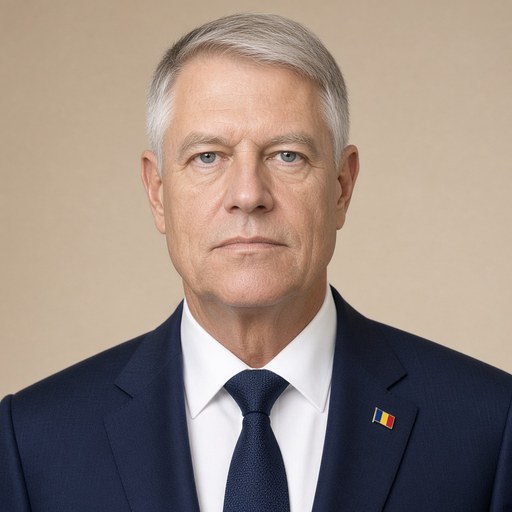
The speech of the President of Romania, Mr. Klaus Iohannis, delivered at the event organized on the occasion of the Day of German Unity and the 30th anniversary of the fall of the Berlin Wall.
 Klaus Iohannis · President of Romania
- Context
- Iohannis addressed a celebration in Romania marking German Unity Day and the 30th anniversary of the Berlin Wall's fall on October 2, 2019.
- Main themes
- German Unity Day, fall of the Berlin Wall, Romanian-German bilateral relations, European integration, Romanian EU Council Presidency, Sibiu Summit, German-French Aachen Treaty, cohesion and European unity, rule of law in Romania, German minority in Romania, Romanian community in Germany, economic cooperation
- Duration
- ~8 min
- Words
- 997
- Sentences
- 40
- Readability
- 32
- Grade
- 14.8
- Syntax
- 3.26
- Vocabulary
- 2.35
Translated from Romanian
The broad sphere of national life a sentence belongs to. Every sentence has an Arena, so it is the denominator the other indices are read against.
Other40 sentences in 26 paragraphs
It is an honor to participate, once again, in the celebration of the Day of German Unity – further proof that Germany is a privileged partner of Romania.
Thirty years ago, the fall of the Berlin Wall represented a decisive step towards a united, free, and democratic Europe.
Referring to this moment, Helmut Kohl, the chancellor of reunification, said: “Let us set out together without hesitation. It is about our common future – in a reunited Germany and a united Europe.” Today, this vision has become a reality, and we have a duty to carry it forward.
The reunification of the German people, on October 3, 1990, created the premises for a prosperous future, defined by the values of freedom and democracy, as well as the reunification of all of Europe.
The states of Europe are meant to be together and will only grow together. This is the foundation of the European project.
That is why Romania's first term as Presidency of the Council of the European Union took place under the motto “Cohesion, a common European value,” highlighting the necessity of maintaining European unity, especially as we face significant internal and external challenges.
A year ago, at the celebration of the Day of German Unity, I emphasized Romania's firm commitment to strengthening the European project.
Romania has fully assumed the responsibility of making the Union stronger, and despite the challenges, the contribution of the Romanian Presidency of the Council of the European Union to achieving consensus among member states has been significant, aiming at deepening European integration.
In this context, in January, I had the pleasure of representing Romania at the signing of the new German-French Treaty of Cooperation and Integration in Aachen, a moment of significance for cooperation between Paris and Berlin, as well as for the future of the European Union. On that occasion, I assured of Romania's firmness and determination to continue standing alongside Germany and France in pursuing the goal of strengthening the European project.
We demonstrated this commitment of Romania through the Summit we hosted in Sibiu on May 9. “The Spirit of Aachen,” as we called it then, accompanied us on the path that gave rise to “The Spirit of Sibiu” – the spirit of a Union that wishes to protect its citizens and invest in the future of new generations, remaining united and solidary in the face of numerous challenges.
Our cooperation within the European Union, as well as in other international organizations, is supported by the privileged bilateral relationship built over time, which has developed dynamically and harmoniously.
In recent years, political relations between the two countries have significantly developed, through frequent and substantial contacts at the presidential, governmental, and parliamentary levels, as well as regional and local, so that today we can speak of a truly special relationship with Germany, of a strategic nature.
But beyond the actions of politicians, the decisive contribution to the excellence of the current bilateral relationship has come from the citizens of both countries.
Thus, this relationship is based on an important economic component: Germany ranks first among our trading partners, while also being among the top three investors in Romania.
As I have said before, German investments in our economy, exceeding 10 billion euros, demonstrate the long-term commitment that German companies have assumed, becoming our trusted partners.
In terms of vocational training, we collaborate by adopting the successful German dual model, with beneficial effects on the young generation and the labor market in Romania.
The friendship between our countries is also built on our constant and consistent dialogue, which centers on the German minority in Romania and the Romanian community in Germany.
The Germans in Romania are an integral part of the history and identity of our country, representing a unique bond in the bilateral relationship. I had the pleasure of reconfirming this during the symbolically significant meeting I had, together with Chancellor Merkel, in May, on the sidelines of the Sibiu Summit, with representatives of the German community in Romania.
For their part, the numerous Romanian citizens settled in Germany contribute significantly to the development of the close relations between our countries, including economically, being one of the best-integrated communities in the German labor market.
These achievements motivate us even more to intensify cooperation to capitalize on present and future opportunities.
Last but not least, I would like to thank Germany for the principled support it has consistently shown for the firm and consistent efforts we have made in recent years, including recently, to defend and strengthen the rule of law in Romania. Romanian society resonates deeply and maturely with this objective, and the overwhelming success of the referendum on justice, which I convened and won on May 26, together with nearly 6.5 million Romanians, has proven this abundantly.
October 3 represents a good moment for evocation and reflection on the significance of unity for the stability, progress, and prosperity of a nation, as well as for all of Europe.
I assure you that Romania will remain firmly committed to deepening the close cooperation between our countries, in order to best serve the interests of our citizens in a united, more efficient, and stronger Europe.
We hear our national anthem often, but today, due to the Partnership with the city of Leipzig, it was not only a solemn moment, it was also underlined by these beautiful voices. I thank you and I want to expressly underline the perfect Romanian diction you had. Thank you!
On the other hand, as we have as a special guest the “primarul general,” Oberbürgermeister, of Leipzig – in Romanian, Lipsca – it gives me pleasure to underline the special relationship between Leipzig and Bucharest. One of the most famous streets in the old part of Bucharest is Lipscani Street. Lipscani comes from Lipsca – this is Leipzig. So, the two cities certainly share a lot of history. I wish they would share the future, a common future too.
Happy birthday, Germany! Danke, mulțumesc, thank you!
The original Romanian. The tags above are read on the English translation's sentences.
Este o onoare să iau parte, din nou, la sărbătorirea Zilei Unității Germane – o dovadă în plus că Germania este un partener privilegiat al României.
În urmă cu 30 de ani, căderea Zidului Berlinului a reprezentat un pas decisiv către o Europă unită, liberă și democratică.
Referindu-se la acest moment, Helmut Kohl, cancelarul reunificării, spunea: „Să pornim fără ezitare împreună la treabă. Este vorba despre viitorul nostru comun – într-o Germanie reunită și o Europă unită”. Astăzi această viziune a devenit realitate și avem datoria să o ducem mai departe.
Reunificarea poporului german, la 3 octombrie 1990, a creat premisele unui viitor prosper, definit de valorile libertății și democrației, dar și ale reunificării întregii Europe.
Statele Europei sunt menite să fie împreună și vor crește numai împreună. Acesta este fundamentul proiectului european.
De aceea, primul mandat al României ca Președinție a Consiliului Uniunii Europene s-a desfășurat sub motto-ul „Coeziunea, o valoare europeană comună”, punând în prim-plan necesitatea menținerii unității europene, cu atât mai mult cu cât ne confruntăm cu provocări importante, interne și externe.
În urmă cu un an, la celebrarea Zilei Unității Germane, subliniam angajamentul ferm al României pentru consolidarea proiectului european.
România și-a asumat pe deplin responsabilitatea de a face Uniunea mai puternică și, în ciuda provocărilor, aportul Președinției române a Consiliului Uniunii Europene la obținerea consensului statelor membre a fost însemnat, având ca obiectiv aprofundarea integrării europene.
În acest context, în luna ianuarie, am avut plăcerea să reprezint România la semnarea noului Tratat de cooperare și integrare germano-francez la Aachen, moment cu semnificație pentru cooperarea dintre Paris și Berlin, precum și pentru viitorul Uniunii Europene. Cu acel prilej, am asigurat în legătură cu fermitatea și hotărârea României de a rămâne în continuare alături de Germania și Franța în urmărirea obiectivului de consolidare a proiectului european.
Am dovedit acest angajament al României prin Summitul pe care l-am găzduit la Sibiu, pe 9 mai. „Spiritul de la Aachen”, cum l-am numit atunci, la Aachen, ne-a însoțit pe drumul care a dat naștere „Spiritului de la Sibiu” – spiritul unei Uniuni care dorește să-și protejeze cetățenii și să investească în viitorul noilor generații, rămânând unită și solidară în fața numeroaselor provocări.
Cooperarea noastră în cadrul Uniunii Europene, dar și în alte organizații internaționale, este susținută de relația bilaterală privilegiată, construită de-a lungul timpului, care s-a dezvoltat dinamic și armonios.
În ultimii ani, relațiile politice dintre cele două țări s-au dezvoltat semnificativ, prin contacte frecvente și substanțiale la nivel prezidențial, guvernamental și parlamentar, dar și regional și local, astfel încât să putem vorbi astăzi de o relație cu adevărat specială cu Germania, cu caracter strategic.
Dar dincolo de acțiunea politicienilor, contribuția determinantă la excelența relației bilaterale actuale au adus-o cetățenii celor două țări.
Astfel, această relație are la bază o importantă componentă economică: Germania se situează pe primul loc în topul partenerilor noștri comerciali, fiind totodată în top trei investitori în România.
După cum am mai spus, investițiile germane în economia noastră, de peste 10 miliarde de euro, demonstrează angajamentul pe termen lung pe care companiile germane l-au asumat, devenind partenerii noștri de încredere.
În planul formării profesionale colaborăm prin preluarea modelului dual german de succes, cu efecte benefice asupra tinerei generații și asupra pieței muncii din România.
Prietenia dintre țările noastre este clădită însă și pe dialogul nostru constant și consistent care are în centrul său minoritatea germană din România și comunitatea de români din Germania.
Germanii din România sunt parte integrantă a istoriei și identității țării noastre, reprezentând și un liant deosebit al relației bilaterale. Am avut plăcerea să reconfirm acest lucru cu prilejul întâlnirii cu semnificație simbolică pe care am avut-o, împreună cu doamna Cancelar Merkel, în luna mai, în marja Summitului de la Sibiu, cu reprezentanții comunității germane din România.
La rândul lor, numeroșii cetățeni români stabiliți în Germania contribuie amplu la dezvoltarea relațiilor strânse dintre țările noastre, inclusiv în plan economic, fiind una dintre comunitățile cel mai bine integrate pe piața germană a forței de muncă.
Aceste performanțe ne motivează și mai mult să intensificăm colaborarea pentru valorificarea oportunităților prezente și viitoare.
Nu în ultimul rând, doresc să mulțumesc Germaniei pentru susținerea principială pe care a manifestat-o constant pentru eforturile ferme și consecvente pe care le-am depus în ultimii ani, inclusiv în ultima perioadă, pentru apărarea și consolidarea statului de drept în România. Societatea românească rezonează profund și cu maturitate față de acest obiectiv, iar succesul covârșitor al referendumului privind justiția, pe care l-am convocat, și câștigat, pe 26 mai, împreună cu aproape 6,5 milioane de români, a dovedit-o cu prisosință.
Ziua de 3 octombrie reprezintă un bun moment de evocare și reflecție asupra însemnătății pe care o are unitatea pentru stabilitatea, progresul și prosperitatea unei națiuni, dar și a întregii Europe.
Vă asigur că România va rămâne ferm angajată pentru aprofundarea strânsei cooperări dintre țările noastre, cu scopul de a servi cât mai bine interesele cetățenilor noștri într-o Europă unită, mai eficientă și mai puternică.
We hear our anthem often, but today, due to the Partnership with the city of Leipzig, it was not only a solemn moment, it was also underlined by this beautiful voices. I thank you and I want to expressly underline the perfect Romanian diction you had. Thank you! / Auzim imnul nostru național des, însă astăzi, datorită parteneriatului cu orașul Leipzig, am avut parte nu numai de un moment solemn, acesta a fost subliniat și de către vocile deosebite care l-au cântat. Vă mulțumesc și doresc să evidențiez dicția perfectă în limba română pe care ați avut-o. Vă mulțumesc!
On the other hand, as we have as a special guest the „primarul general”, Oberbürgermeister, of Leipzig – in Romanian, Lipsca – it gives me pleasure to underline the special relationship between Leipzig and Bucharest. One of the most famous streets in the old part of Bucharest is the Lipscani Street. Lipscani comes from Lipsca – this is Leipzig. So, the two cities certainly share a lot of history. I wish they would share the future, a common future too. / Pe de altă parte, avându-l ca oaspete special pe primarul general al orașului Leipzig – în română, Lipsca – îmi face plăcere să subliniez relația specială dintre Leipzig și București. Una dintre cele mai cunoscute străzi din centrul vechi al Bucureștiului este Strada Lipscani. Lipscani vine din termenul Lipsca, ceea ce semnifică Leipzig. Așadar, cele două orașe cu siguranță împărtășesc o istorie bogată. Eu îmi doresc să împartă și viitorul, un viitor comun.
La mulți ani Germaniei! Danke, mulțumesc, thank you!