




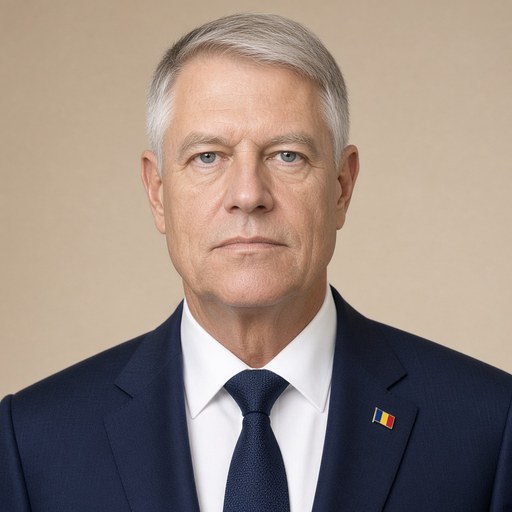
The speech of the President of Romania, Mr. Klaus Iohannis, delivered during the plenary session of the Superior Council of Magistracy.
 Klaus Iohannis · President of Romania
- Context
- Iohannis addressed the Superior Council of Magistracy plenary session on December 10, 2019, reviewing judicial independence and anti-corruption efforts during his term.
- Main themes
- Judicial independence, fight against corruption, rule of law in Romania, Superior Council of Magistracy, constitutional role of the president, democratic values, judicial reform, Venice Commission recommendations, magistrate professionalism, institutional balance, European integration
- Duration
- ~12 min
- Words
- 1,489
- Sentences
- 53
- Readability
- 21
- Grade
- 17.3
- Syntax
- 3.21
- Vocabulary
- 2.29
Translated from Romanian
The broad sphere of national life a sentence belongs to. Every sentence has an Arena, so it is the denominator the other indices are read against.
Other53 sentences in 40 paragraphs
Madam President of the High Court of Cassation and Justice,
Mr. Interim Attorney General,
Honorable members of the Superior Council of Magistracy,
Looking back, the year 2019 will remain in collective memory as the year when citizens protected, through their vote, the independence of justice and its proper functioning in the face of systematic attempts to weaken the judicial system during the referendum on May 26.
Although the year began on the same tense note, with a judiciary on the defensive, confronted with extensive legislative changes and the imminent entry into force of a highly contested criminal legislation, the result of the May referendum forced political decision-makers to reconsider their actions.
Two days ago, we celebrated 28 years since the adoption of the Constitution, and yesterday, at the international level, the Day of the Fight Against Corruption was celebrated. These are two important events that remind us every year that maintaining democracy requires continuous effort.
By virtue of the constitutional role of the President of Romania to oversee the proper functioning of public authorities, I did not hesitate throughout my term to act whenever attempts were made to destabilize the justice system.
I used all constitutional means to remove the controversial provisions of the justice laws, including appealing to the expertise of the Venice Commission, I halted the entry into force of harmful and unfounded amendments to criminal legislation, and I opposed the jeopardizing of the proper functioning of the prosecutor's offices, from the perspective of the appointments and dismissals of prosecutors in high positions within these institutions.
I organized a broad debate on the situation in justice, with the participation of representatives of the judiciary and professional associations of judges and prosecutors.
In order to implement the recommendations of European institutions, I organized consultations with political parties and initiated the Agreement for the continuation of Romania's European path. At the same time, addressing each new generation of magistrates directly with the message that they are joining a professional body with a mission laden with great responsibility, which also involves a corresponding conscience and morality, I reiterated year after year my confidence in the justice system and my support for the entire body of magistrates.
In my relationship with the CSM, I assumed a partnership in strengthening European values and acted as a firm supporter of an independent judiciary and the continuation of the fight against corruption. Even though the assault on justice has been temporarily halted, the harm done must be repaired as soon as possible. This process evidently requires the real involvement of the CSM.
In 2015, at my first participation as President of Romania in a meeting of the Superior Council of Magistracy - which at that time had a different composition - I emphasized that institutions should not be personalized and identified with the image of the leader at any given moment, because institutions do not belong to leaders, and only in this way can we protect ourselves from deviations and manipulations, from dangerous and undemocratic situations.
And today I firmly believe in what I stated then. Internal tensions, egos, or personal interests must always be placed in the background when we are called to contribute to the democratic evolution of the Romanian state.
The tools available to the Superior Council of Magistracy become effective only when, behind the decisions and positions of the guarantor of the independence of justice, there is broad consensus and real, not merely declarative, support for the guiding principles.
Without an internalization of the values of the Constitution, democracy and the development of our state will always be hindered. Societies make determined steps towards progress only when there is trust and cohesion around a vision that places the citizen at the center of its concerns.
In a collegial body, such as the CSM, differences of opinion on the topics under discussion, diametrically opposed positions, and sometimes even singular, separate opinions regarding the resolution of various issues may seem natural.
However, Romanian society, in general, and the judiciary, in particular, expect from those called to guarantee the independence of justice a mature, wise approach, carried out in good faith and free from partisanship. In this regard, maintaining the independence and professional conscience of magistrates, as well as of CSM members, is essential.
The Superior Council of Magistracy has a fundamental role in the proper functioning of the judiciary and, implicitly, in maintaining a balance within it. For this goal to be achieved, a balance is also necessary within the Superior Council of Magistracy.
I believe I do not surprise anyone when I say that, in the past year, both in public perception and within the professional body, some of the decisions made by the CSM, in plenary or in sections, have seemed contradictory, while others have been strongly contested even by CSM members.
The activity of the Council often has an important technical component. The way the Council operates has sometimes raised concerns, from the way points of view are expressed, to organizational dysfunctions in meetings, and up to the lack of predictability in their scheduling, with direct consequences on the quality of debates and the fairness of the adopted solutions.
From this perspective, working mechanisms are necessary to ensure a coherent and responsible approach, including in public communication. A tense relationship within the CSM or with magistrates or other public authorities primarily harms the judiciary.
A good functioning of the Superior Council of Magistracy, both at the Plenary level and especially at the sections, involves predictability in decision-making, mutual respect, and the mitigation of any divergences.
Only in this way can the positions of the Superior Council of Magistracy and the efforts to ensure the independence of justice enjoy greater credibility in relation to other authorities, among magistrates, and at the same time, in the eyes of citizens.
We are part of the great European family. Romanian society has evolved in the spirit of the values on which the European Union is based, aligning itself with the highest standards of democratic states.
As European citizens, Romanians are increasingly active in realizing their rights, and justice, and implicitly the CSM, must keep pace with this reality.
Justice is a public service, at the service of citizens. Independent justice is the fundamental guarantee for maintaining social balance.
Citizens' trust in the act of justice is strengthened when those called to carry it out conduct their activities independently, respecting the principles of integrity and transparency. Through the manner in which justice is administered, through the uniform application of the principle that no one is above the law, the sense of justice among citizens is built and strengthened, thus protecting the most precious gain of democracy – the guarantee of fundamental rights and freedoms of the individual.
Through authentic dialogue and broad consultation, the CSM has the concrete possibility to pick up signals from the judiciary and convey them to other authorities, so that public policies in justice can address the persistent issues in this field: the workload of courts and prosecutor's offices, the absence of logistical equipment, and the lack of investment in infrastructure.
I trust that, as the guarantor of the independence of justice, the Superior Council of Magistracy will find ways to connect with society and will act with the realization of a modern and quality justice at the center of its concerns.
In this regard, I call on you to effectively support the implementation of the recommendations of the Venice Commission, the MCV, and GRECO, in order to align current legislation with European standards.
I would like to clarify here, as I have seen interpretations given to my statements regarding the nature of these recommendations and opinions.
I want it to be very clear what I meant to say.
The recommendations of European institutions are not optional, but they cannot be applied as such as long as they are not transposed into domestic legislation.
In the spirit of the provisions of Article 148 of the Constitution - alongside Parliament, the Government, and the President of Romania - the Superior Council of Magistracy also has the mission to participate in the process of transposing all these opinions and recommendations into domestic legislation.
This is one of the most important ways in which the judiciary can contribute to strengthening Romania's European path.
We are 30 years since the fall of the communist regime, and in these three decades, justice in Romania has made immense progress, not only at the legislative and institutional level but also at a profound societal level.
The broad participation in the referendum and its result show that whenever there is an attempt to deviate from democratic values, Romanians react, forcing decision-makers to reconnect with the aspirations of society.
Without unity around fundamental values, our democracy risks becoming fragile.
Therefore, it is our duty, as constitutional authorities, to respond to this mission and to rise to the height of these expectations.
I wish you much success and thank you!
The original Romanian. The tags above are read on the English translation's sentences.
Doamnă Președinte al Înaltei Curți de Casație și Justiție,
Domnule Procuror General Interimar,
Onorați membri ai Consiliului Superior al Magistraturii,
Privind retrospectiv, anul 2019 va rămâne în memoria colectivă drept anul în care cetățenii au protejat, prin votul lor, în cadrul Referendumului din 26 mai, independența justiției și buna sa funcționare în fața unor demersuri sistematice de slăbire a sistemului judiciar.
Deși anul a început în aceeași notă tensionată, cu un sistem judiciar aflat în defensivă, confruntat cu ample modificări legislative și cu iminența intrării în vigoare a unei legislații penale extrem de contestate, rezultatul Referendumului din luna mai a obligat decidenții politici să își reconsidere acțiunile.
În urmă cu două zile am aniversat 28 de ani de la adoptarea Constituției, iar ieri, la nivel internațional, s-a celebrat Ziua luptei anticorupție. Sunt două evenimente importante, care ne amintesc, în fiecare an, că pentru păstrarea democrației este nevoie de un efort continuu.
În virtutea rolului constituțional al Președintelui României de a veghea la buna funcționare a autorităților publice, nu am ezitat ca în tot cursul mandatului să acționez ori de câte ori s-a încercat destabilizarea sistemului de justiție.
Am utilizat toate mijloacele constituționale pentru a înlătura prevederile controversate ale legilor justiției, apelând inclusiv la expertiza Comisiei de la Veneția, am oprit intrarea în vigoare a modificărilor nocive și lipsite de o fundamentare temeinică aduse legislației penale, m-am opus periclitării bunei funcționări a parchetelor, din perspectiva numirilor și revocărilor procurorilor cu funcții înalte din conducerea acestor instituții.
Am organizat o largă dezbatere pe tema situației din justiție, cu participarea reprezentanților autorității judecătorești și ai asociațiilor profesionale ale judecătorilor și procurorilor.
În vederea implementării recomandărilor instituțiilor europene, am organizat consultări cu partidele politice și am inițiat Acordul pentru continuarea parcursului european al României. Totodată, adresându-mă direct fiecărei noi generații de magistrați cu mesajul că se alătură unui corp profesional cu o misiune încărcată de multă responsabilitate, care implică și o conștiință și o moralitate pe măsură, am reiterat an de an încrederea în sistemul de justiție și sprijinul meu pentru întregul corp al magistraților.
În relația cu CSM, mi-am asumat un parteneriat în consolidarea valorilor europene și am acționat ca un susținător ferm al unei justiții independente și al continuării luptei împotriva corupției. Chiar dacă asaltul asupra justiției a fost oprit temporar, răul făcut trebuie reparat cât mai curând. Acest proces propune evident și concursul real al CSM.
În 2015, la prima mea participare în calitate de Președinte al României la o ședință a Consiliului Superior al Magistraturii - aflat la momentul respectiv într-o altă componență - am subliniat că instituțiile nu trebuie personalizate și identificate cu imaginea liderului de la un moment dat, pentru că instituțiile nu aparțin conducătorilor și doar așa ne putem feri de derapaje și manipulări, de situații periculoase și nedemocratice.
Și astăzi cred cu tărie în ceea ce am afirmat atunci. Tensiunile interne, orgoliile sau interesele personale trebuie trecute mereu în plan secund atunci când suntem chemați să contribuim la evoluția democratică a statului român.
Instrumentele pe care Consiliul Superior al Magistraturii le are la dispoziție devin eficiente doar atunci când, în spatele deciziilor și pozițiilor garantului independenței justiției există un larg consens și o susținere reală, nu declarativă, a principiilor călăuzitoare.
Fără o interiorizare a valorilor Constituției, democrația și dezvoltarea statului nostru vor fi mereu frânate. Societățile fac pași hotărâți în direcția progresului doar atunci când există încredere și coeziune în jurul unei viziuni care are în centrul preocupărilor sale cetățeanul.
Într-un organism colegial, cum este și CSM, diferențele de opinie asupra temelor supuse dezbaterilor, pozițiile diametral opuse și uneori chiar opiniile singulare, separate, cu privire la modul de soluționare a diverselor probleme pot părea firești.
Însă, societatea românească, în general, și sistemul judiciar, în special, așteaptă de la cei chemați să garanteze independența justiției o abordare matură, înțeleaptă, cu bună credință și lipsită de partizanat. În acest sens, păstrarea independenței și a conștiinței profesionale a magistraților, dar și a membrilor CSM sunt esențiale.
Consiliul Superior al Magistraturii are un rol fundamental în buna funcționare a sistemului judiciar și, implicit, în menținerea unui echilibru în interiorul acestuia. Pentru ca acest deziderat să se realizeze, este necesar un echilibru chiar în interiorul Consiliului Superior al Magistraturii.
Cred că nu surprind pe nimeni dacă spun că, în acest an, care a trecut, atât în percepția publică, cât și în interiorul corpului profesional, unele dintre deciziile luate de CSM, în plen sau în secții, au părut contradictorii, iar altele au fost puternic contestate chiar de membrii CSM.
Activitatea Consiliului are de cele mai multe ori o importantă componentă tehnică. Modul de funcționare a Consiliului a ridicat uneori semne de îngrijorare, de la modul de exprimare a punctelor de vedere, la disfuncționalități de organizare a ședințelor și până la lipsa de predictibilitate a stabilirii acestora, cu consecințe directe asupra calității dezbaterilor și justeței soluțiilor adoptate.
Din această perspectivă, sunt necesare mecanisme de lucru care să asigure o abordare coerentă și responsabilă, inclusiv în comunicarea publică. O relație tensionată în CSM ori cu magistrații sau cu alte autorități publice aduce deservicii în primul rând sistemului judiciar.
O bună funcționare a Consiliului Superior al Magistraturii, atât la nivelul Plenului, dar mai ales al secțiilor, implică predictibilitate în luarea deciziilor, respect reciproc și atenuarea eventualelor divergențe.
Numai astfel, pozițiile Consiliului Superior al Magistraturii și demersurile de asigurare a independenței justiției se pot bucura de o mai mare credibilitate în relația cu celelalte autorități, în rândul magistraților și, în același timp, în ochii cetățenilor.
Suntem parte a marii familii europene. Societatea românească a evoluat în spiritul valorilor pe care se bazează Uniunea Europeană, prin alinierea la standardele cele mai înalte ale statelor democratice.
Ca cetățeni europeni, românii se manifestă tot mai activ în realizarea drepturilor lor, iar justiția și, implicit, CSM, trebuie să țină pasul cu această realitate.
Justiția este un serviciu public, aflat în slujba cetățenilor. Justiția independentă este garanția fundamentală pentru menținerea echilibrului social.
Încrederea cetățenilor în actul de justiție se consolidează când cei chemați să îl realizeze își desfășoară activitatea în mod independent, respectând principiile integrității și transparenței. Prin modul în care justiția este înfăptuită, prin aplicarea unitară a principiului că nimeni nu este mai presus de lege, se construiește și se consolidează sentimentul de dreptate în rândul cetățenilor, protejându-se astfel cel mai de preț câștig al democrației – garantarea drepturilor și libertăților fundamentale ale individului.
Printr-un autentic dialog și o consultare largă, CSM are posibilitatea concretă să preia semnalele din sistemul judiciar și să le transmită celorlalte autorități, astfel încât politicile publice din justiție să rezolve problemele trenante din acest domeniu: gradul de încărcare a instanțelor și parchetelor, absența dotărilor logistice, lipsa de investiții în infrastructură.
Am încredere că, în calitate de garant al independenței justiției, Consiliul Superior al Magistraturii va găsi modalitatea de conectare la societate și va acționa având în centrul preocupărilor sale realizarea dezideratului unei justiții moderne și de calitate.
În acest sens, fac un apel să susțineți în mod efectiv implementarea recomandărilor Comisiei de la Veneția, MCV și GRECO, în scopul alinierii legislației actuale la standardele europene.
Fac o precizare aici, pentru că am văzut interpretările date declarațiilor mele referitoare la caracterul acestor recomandări și opinii.
Vreau să fie foarte clar ceea ce am vrut să spun.
Recomandările instituțiilor europene nu sunt facultative, dar nu pot fi aplicate ca atare atât timp cât nu sunt transpuse în legislația internă.
În spiritul dispozițiilor art. 148 din Constituție - alături de Parlament, Guvern și de Președintele României - revine și Consiliului Superior al Magistraturii misiunea de a participa la procesul de transpunere în legislația internă a tuturor acestor opinii și recomandări.
Aceasta este una dintre cele mai importante căi prin care sistemul judiciar poate contribui la consolidarea parcursului european al României.
Suntem la 30 de ani de la căderea regimului comunist, iar în aceste trei decenii justiția din România a făcut progrese imense, nu doar la nivel legislativ și instituțional, ci și la un nivel profund al societății.
Participarea largă la Referendum și rezultatul acestuia arată că, ori de câte ori se încearcă o îndepărtare de la valorile democratice, românii reacționează, obligând decidenții să se reconecteze la aspirațiile societății.
Fără unitate în jurul valorilor fundamentale, democrația noastră riscă să devină una fragilă.
De aceea, ne revine nouă, autorităților constituționale, datoria de a răspunde acestei misiuni și de a ne ridica la înălțimea acestor așteptări.
Vă doresc mult succes și vă mulțumesc!