




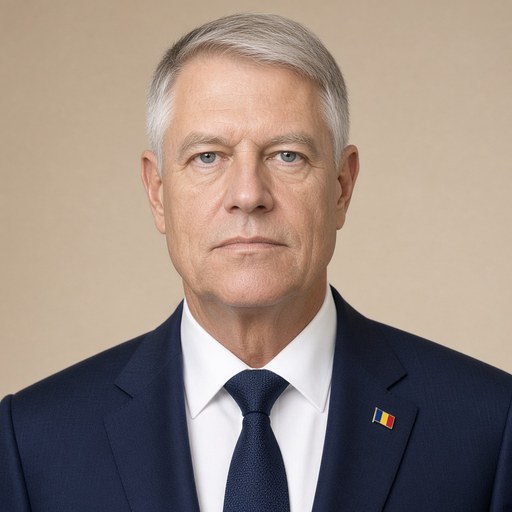
The speech of the President of Romania, Mr. Klaus Iohannis, delivered during the public debate "Dialogue for Romania. The Political Spring of Civil Society."
 Klaus Iohannis · President of Romania
- Context
- Iohannis participated in a public debate titled 'Dialogue for Romania: The Political Spring of Civil Society' on February 17, 2016, addressing key national and foreign policy questions.
- Main themes
- Constitutional reform, Romania-Moldova reunification, Moldova's European integration, Schengen Area membership, Transnistria issue, anti-corruption efforts, migration crisis, pro-European path for Moldova, electoral politics, political patience and sequencing
- Duration
- ~6 min
- Words
- 714
- Sentences
- 33
- Readability
- 49
- Grade
- 11.6
- Syntax
- 2.99
- Vocabulary
- 2.28
Translated from Romanian
The broad sphere of national life a sentence belongs to. Every sentence has an Arena, so it is the denominator the other indices are read against.
Other33 sentences in 3 paragraphs
Do you intend to bring the subject of amending the Constitution back into public debate? The President of Romania, Mr. Klaus Iohannis: Yes, but not in this election year. I do not believe that an improvement of the Constitution or a structured discussion on modernizing the Constitution can take place in an election year. However, after the elections, I am determined to challenge the political parties to a discussion on the opportunity of modernizing the Constitution.
Question: During the electoral campaign for the presidential elections, on November 7, 2014, you stated: "There is no other situation where two states have a common language, a common history, a common aspiration. Unification is something that only Bucharest can offer and only Chișinău can accept. If the citizens of Moldova ask for this, then no one will stop them." How do you see the materialization of Bucharest's offer for reunification? The President of Romania, Mr. Klaus Iohannis: I do not know if you chose this question because President Timofti is on an official visit to Romania, but it fits. I can tell you that the idea I expressed during the electoral campaign still seems correct to me now, after more than a year. However, we must see things in a reasonable sequence. There are two vital issues for Moldova and, for this reason, important for us: strengthening the pro-European path for the Republic of Moldova and the issue of Unification, which is claimed by some parties, some with a louder voice, others with a voice less easily heard. I am convinced that at this stage, right now, we must help Moldova to strengthen its pro-European path, we must help them implement the Association Agreement with the European Union, we must help them overcome the political crisis they are in, because they are still in crisis. If someone believes that everything has ended there and everything is very nice, they are mistaken. The road to Europe must be strengthened, the situation in Moldova must stabilize, the Moldovan economy must restart. The next step, in my opinion, is the European integration of Moldova, and the other issue, Unification, can be discussed when, on both sides of the Prut, things are very stable and going well. To raise the question of the unification of Moldova with Romania now seems to me a somewhat unserious endeavor. If we look around, there is the issue of Transnistria. What should the Transnistrians do? They say they are an independent state, the Moldovans say they are part of Moldova. Should they vote or not? It is a matter of economic stability, it is a matter of combating corruption, which, however we see it, exists on both sides of the Prut at very different levels. And then, after we solve these problems, for which we know the solutions, we can also address the more complicated issues and start discussing the problem. In politics, mistakes are often made because people lack patience and, instead of addressing a fundamentally good issue calmly and resolving it, they rush into it and ruin it permanently. I do not believe anyone wants to ruin this issue.
Question: Do you think it is still appropriate for Romania to aspire to join the Schengen Area, which is currently largely suspended? The President of Romania, Mr. Klaus Iohannis: I believe so. We have been preparing for years to enter the Schengen Area. That it has not happened, that it has been linked against our will to the issue of the Cooperation and Verification Mechanism, that it has turned from a technical issue into a political one, without us wanting this, all of this is true. However, at the same time, it is true that we have committed to prepare to become a Schengen member state. Romania acts as a de facto Schengen member, we are part of almost all procedures and we want this. That now, temporarily, due to an approach that is not necessarily very effective regarding the migration crisis, the Schengen Area is facing difficulties in some places, should not scare us; I believed that we would also resolve the migration crisis. The Schengen Area will be restored, and on this occasion, the other member states will realize that Romania is not just talking about Schengen, but is prepared for Schengen.
The original Romanian. The tags above are read on the English translation's sentences.
Intenţionaţi să repuneți în dezbaterea publică subiectul modificării Constituției? Președintele României, domnul Klaus Iohannis: Da, dar nu în acest an electoral. Eu nu cred că o îmbunătăţire a Constituției sau o discuţie așezată pe modernizarea Constituţiei se poate face în an electoral. Însă, după alegeri, eu sunt hotărât să provoc partidele politice la o discuție pe oportunitatea modernizării Constituției.
Întrebare: În timpul campaniei electorale pentru alegerile prezidențiale, la data de 7 noiembrie 2014 ați declarat: „Nu există altă situație unde două state au o limbă comună, istorie comună, aspirație comună. Unirea este un lucru pe care doar Bucureștiul poate să-l ofere și numai Chișinăul poate să-l accepte. Dacă cetățenii din Moldova vor cere acest lucru, atunci nimeni nu-i va opri”. Cum vedeți materializarea ofertei de reunificare a Bucureștiului? Președintele României, domnul Klaus Iohannis: Nu știu daca ați ales această întrebare fiindcă se afla în vizită oficială în România Președintele Timofti, dar se potrivește. Pot să vă spun că ideea pe care am enunțat-o în campania electorală mi se pare corectă și acum, după mai bine de un an de zile. Însă trebuie să vedem lucrurile într-o succesiune rezonabilă. Sunt două chestiuni vitale pentru Moldova și, din acest motiv, importante pentru noi: consolidarea drumului pro-european pentru Republica Moldova și chestiunea Unirii, care este clamată de unele formațiuni, unele cu voce mai tare, altele cu voce mai puțin ușor de auzit. Eu sunt convins că în această etapă, acum, trebuie să ajutăm Moldova pentru a-și consolida calea pro-europeană, trebuie să-i ajutăm să implementeze Acordul de Asociere cu Uniunea Europeană, trebuie să îi ajutăm să depășească criza politică în care se află, pentru că ei sunt în continuare în criză. Dacă cineva crede că acolo s-a terminat și totul este foarte frumos, se înșeală. Drumul spre Europa trebuie consolidat, situația din Moldova trebuie să se stabilizeze, economia moldoveană trebuie să repornească. Următorul pas, după părerea mea, este integrarea europeană a Moldovei, iar cealaltă chestiune, Unirea, poate fi discutată atunci când, și într-o parte și într-alta a Prutului, lucrurile sunt foarte stabile și merg bine. Să pui acum întrebarea unirii Moldovei cu România mi se pare un demers puțin serios. Dacă ne uităm în jur, problema Transnistriei. Ce să facă transnistrenii? Ei spun că sunt stat independent, moldovenii spun că sunt parte din Moldova. Să voteze sau nu? Este chestiunea stabilității economice, este chestiunea combaterii corupției, care, indiferent cum o vedem, se află într-o parte și într-alta a Prutului la niveluri foarte diferite. Și, atunci, după ce rezolvăm aceste probleme, pentru care cunoaștem soluțiile, putem să abordăm și problemele mai complicate și să începem să discutăm problema. În politică, se fac de multe ori greșeli pentru că lumea nu are răbdare și, în loc să abordezi o chestiune bună în esență cu calm și s-o rezolvi, se abordează prea repede și se strică definitiv. Nu cred că cineva dorește să strice această problemă.
Întrebare: Considerați că mai este cazul ca România să aspire la aderarea la Spaţiul Schengen, în prezent în mare parte suspendat? Președintele României, domnul Klaus Iohannis: Eu cred ca da. Noi ne pregătim de ani de zile pentru intrarea în Spațiul Schengen. Că nu s-a întâmplat, că s-a legat fără voința noastră de chestiunea MCV-ului, că a ajuns dintr-o chestiune tehnică o chestiune politică, fără să fi dorit noi acest lucru, toate sunt adevărate. Însă, în același timp, este adevărat că noi ne-am angajat să ne pregătim pentru a deveni țară membră Schengen. România acționează ca un membru de facto Schengen, suntem parte din aproape toate procedurile și vrem acest lucru. Că acum, temporar, dintr-o abordare nu neapărat foarte eficientă a crizei migraționiste, Spațiul Schengen este pe alocuri în dificultate, nu trebuie sa ne sperie, eu credeam că vom rezolva şi criza migrației. Se va reveni la Spaţiul Schengen şi cu această ocazie celelalte state membre își vor da seama că România nu vorbește doar despre Schengen, ci este pregătită pentru Schengen.