




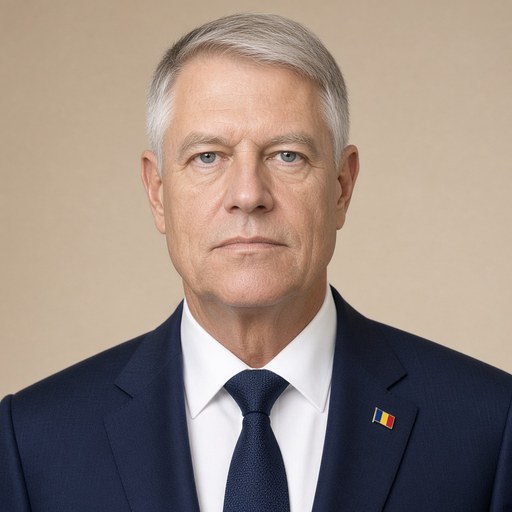
The speech of the President of Romania, Mr. Klaus Iohannis, delivered during the review meeting regarding the activity of the National Anticorruption Directorate for the year 2015.
 Klaus Iohannis · President of Romania
- Context
- Iohannis addressed the annual review meeting of Romania's National Anticorruption Directorate on February 25, 2016, praising its 2015 results and reaffirming support for fighting corruption.
- Main themes
- Anticorruption efforts, rule of law, National Anticorruption Directorate (DNA) performance, judicial independence, parliamentary immunity and legislative stability, asset recovery, corruption prevention and education, anticorruption strategy 2016-2020, institutional reform, democratic consolidation
- Duration
- ~7 min
- Words
- 876
- Sentences
- 30
- Readability
- 28
- Grade
- 16.3
- Syntax
- 3.47
- Vocabulary
- 2.23
Translated from Romanian
The broad sphere of national life a sentence belongs to. Every sentence has an Arena, so it is the denominator the other indices are read against.
Other30 sentences in 7 paragraphs
"Madam Chief Prosecutor of the National Anticorruption Directorate, Mr. Prime Minister, Madam President of the High Court of Cassation and Justice, Ladies and gentlemen ministers, Mr. President of the Superior Council of Magistracy, Mr. Director of the Romanian Intelligence Service, Mr. Deputy Prosecutor General, Your Excellencies, ladies and gentlemen ambassadors, Distinguished guests,
First of all, I congratulate you on the results of your activities in 2015! By my presence here, I wish to send once again a strong signal of support for the fight against corruption, for strengthening the rule of law and the independence of the judiciary.
Year after year, the activity of the National Anticorruption Directorate has become increasingly effective, through the number of cases handled and their complexity, as well as through the final decisions on the confiscation and recovery of assets derived from crimes. You are a model of a functional institution and you have created a standard of performance. Through your work and achievements, you have earned the appreciation of the citizens of Romania, who wish to live in a just society, in a country without corruption, where institutions, those elected to represent them, and those who hold public office are truly in the service of the people. The results you have achieved in the fight against corruption, appreciated even beyond the borders of Romania, are a guarantee that the process of consolidating democracy and the rule of law in Romania is on the right track. I am convinced that we will succeed in becoming increasingly stronger in applying the constitutional principle that no one is above the law and that we will align ourselves with the established practices in countries with consolidated democracies, which place the citizen at the center of any public policy.
Ladies and gentlemen, Allow me to also note the maintenance of the stability of the legislative framework and the fact that the danger of laws or other normative acts that could risk hindering the fight against corruption, such as amnesty and pardon, or hasty amendments to the Penal Code or the Code of Criminal Procedure, has been avoided. The approval by Parliament of the requests from the judiciary remains, however, a chapter with periodic shortcomings. I want to emphasize once again that parliamentary immunity must not become an obstacle to the fight against corruption. Another important issue remains the recovery of damages caused to the state by acts of corruption committed by individuals for whom guilt has been established by a final court decision. We cannot allow individuals who have enriched themselves by violating criminal law to continue to enjoy those undue benefits. I believe, from this perspective, that we need coherent action from the authorities and that the institutions with responsibilities must truly be operationalized to recover damages.
Ladies and gentlemen, Throughout the past year, as we have heard, 497 individuals in leadership positions have been prosecuted, of which 32 are dignitaries. This fact shows us that the scourge of corruption continues, unfortunately, to deeply affect our society. Therefore, the fight against corruption has not only not ended, but must continue with engines running at full throttle, and the DNA must remain a central player in combating this extremely harmful phenomenon for society. At the same time, I believe that it is necessary to develop public policies and legislation that also focus on educating citizens, especially young people, about the negative effects of corruption of any kind, as well as on measures to prevent acts of corruption. For a sustainable change in Romanian society, I am convinced that alongside the judicial and punitive character, the fight against corruption must also acquire an educational component. In fact, the Anticorruption Strategy for the period 2016-2020, which is being worked on at the Ministry of Justice, will emphasize not only the stability of the anticorruption legislative framework but also the treatment of integrity incidents as failures in the management of public institutions, insisting on the importance of post-incident analysis and preventive measures.
Ladies and gentlemen, The results of the DNA are better year by year, being appreciated by citizens, but also noted externally. The report for 2015 is further proof in this regard. But beyond cases and convictions, the activity of the National Anticorruption Directorate has another effect, which is already being felt and will be felt in the long term at a profound level. The activity of the DNA has begun to change society at the level of mentalities and practices, to change the way public authorities and institutions function, and even the political and administrative elite. The law is the same for everyone, compliance with it is not optional, and corruption is unacceptable. Through its activity, the DNA has begun to show that these principles are not mere aspirations, difficult to achieve in Romania, but that they must and can become reality. A society built on such a foundation has a greater chance of development and prosperity.
As President of Romania, you will have in me a partner in your activities and in applying these principles. I am convinced that you will continue your efforts to strengthen the rule of law and democracy in Romania, so that citizens feel that they live in a safe and just Romania. I wish you success in your future activities!"
The original Romanian. The tags above are read on the English translation's sentences.
„Doamnă Procuror Șef al Direcției Naționale Anticorupție, Domnule Prim-ministru, Doamnă Președintă a Înaltei Curți de Casație și Justiție, Doamnelor și domnilor miniștri, Domnule Președinte al Consiliului Superior al Magistraturii, Domnule Director al Serviciului Român de Informații, Domnule Prim-adjunct al Procurorului general, Excelențele voastre, doamnelor și domnilor ambasadori, Distinși invitați,
În primul rând vă felicit pentru bilanţul activității din anul 2015! Prin prezența mea aici doresc să dau încă o dată un semnal puternic de sprijin pentru lupta anticorupție, pentru întărirea statului de drept și a independenței justiției.
De la an la an, activitatea Direcţiei Naţionale Anticorupţie a devenit tot mai eficientă, prin numărul de dosare instrumentate şi complexitatea lor, precum şi prin hotărârile definitive de confiscare şi recuperare a unor bunuri provenite din infracţiuni. Sunteţi un model de instituţie funcţională şi ați creat un standard de performanță. Prin activitatea și reușitele dumneavoastră ați câștigat aprecierea cetățenilor României, care își doresc să trăiască într-o societate dreaptă, într-o țară fără corupție, în care instituțiile, cei aleși să îi reprezinte și cei care îndeplinesc funcții publice sunt realmente în serviciul oamenilor. Rezultatele obţinute de dumneavoastră în lupta anticorupţie, apreciate și dincolo de granițele României, sunt o garanţie că procesul de consolidare a democraţiei şi a statului de drept în România se află pe drumul cel bun. Am convingerea că vom reuşi să fim din ce în ce mai puternici în aplicarea principiului constituţional conform căruia nimeni nu este mai presus de lege şi să ne aliniem practicilor consacrate în statele cu democraţii consolidate, care pun cetăţeanul în centrul oricărei politici publice.
Doamnelor și domnilor, Permiteți-mi să remarc în același timp menținerea stabilității cadrului legislativ și faptul că s-a evitat pericolul unor legi sau alte acte normative care ar fi riscat să îngrădească lupta anticorupție, cum ar fi amnistia și grațierea, sau modificări intempestive la Codul Penal sau la Codul de procedură penală. Încuviințarea de către Parlament a cererilor justiției rămâne însă un capitol cu restanțe periodice. Doresc să subliniez încă o dată faptul că imunitatea parlamentară nu are voie să se transforme într-o piedică împotriva luptei anticorupţie. O altă temă importantă rămâne recuperarea prejudiciilor produse statului prin fapte de corupţie comise de persoane pentru care s-a stabilit vinovăţia, prin decizie judecătorească definitivă. Nu putem permite ca persoane care s-au îmbogăţit prin încălcarea legii penale să se bucure în continuare de respectivele foloase necuvenite. Cred, din acest punct de vedere, că avem nevoie de acțiune coerentă din partea autorităților și că trebuie operaționalizate cu adevărat instituțiile cu atribuții, care să recupereze prejudiciile.
Doamnelor și domnilor, Pe parcursul anului trecut, cum am auzit, au fost trimise în judecată 497 de persoane cu funcţii de conducere, dintre care 32 sunt demnitari. Acest fapt ne arată că flagelul corupţiei continuă, din păcate, să afecteze profund societatea noastră. De aceea, lupta împotriva corupţiei nu numai că nu s-a încheiat, dar trebuie să continue cu motoarele turate la maximum, iar DNA va trebui să rămână un jucător cu rol central în combaterea acestui fenomen extrem de nociv pentru societate. În paralel, cred că este necesară dezvoltarea unor politici publice şi a unei legislaţii care să pună accent și pe educarea cetăţenilor, în special a tinerilor, cu privire la efectele negative ale corupţiei de orice fel, precum şi pe măsurile de prevenire a faptelor de corupţie. Pentru o schimbare durabilă în societatea românească, am convingerea că pe lângă caracterul judiciar și punitiv, lupta anticorupţie trebuie să capete și o componentă educativă. De altfel, Strategia anticorupţie pentru perioada 2016-2020, care se află în lucru la Ministerul Justiţiei, urmează să pună accentul nu doar pe stabilitatea cadrului legislativ anticorupţie, ci şi pe tratarea incidentelor de integritate ca eşecuri de management al instituţiilor publice, insistând asupra importanţei analizei post-incident şi asupra măsurilor de prevenţie.
Doamnelor și domnilor, Rezultatele DNA sunt de la an la an mai bune, fiind apreciate de cetăţeni, dar şi remarcate în plan extern. Bilanţul pe 2015 este o nouă dovadă în acest sens. Dar, dincolo de dosare și condamnări, activitatea Direcției Naționale Anticorupție are și un alt efect, care se resimte deja și se va resimți pe termen lung la nivel profund. Activitatea DNA a început să schimbe societatea la nivel de mentalități și practici, să schimbe modul de funcționare a autorităților și instituțiilor publice și chiar a elitei politice și administrative. Legea este aceeași pentru toți, respectarea ei nu este opțională, iar corupția este inacceptabilă. Prin activitatea sa, DNA a început să arate că aceste principii nu sunt simple deziderate, greu de atins în România, ci că ele trebuie și pot să devină realitate. O societate care se clădește pe un asemenea fundament are mai multe șanse de dezvoltare și de prosperitate.
Ca Președinte al României, veţi avea în mine un partener în activitatea dumneavoastră și în aplicarea acestor principii. Am convingerea că veţi continua eforturile pentru consolidarea statului de drept şi a democraţiei în România, astfel încât cetăţenii să aibă sentimentul că trăiesc într-o Românie sigură şi dreaptă. Vă urez succes în activitatea dumneavoastră viitoare!”