




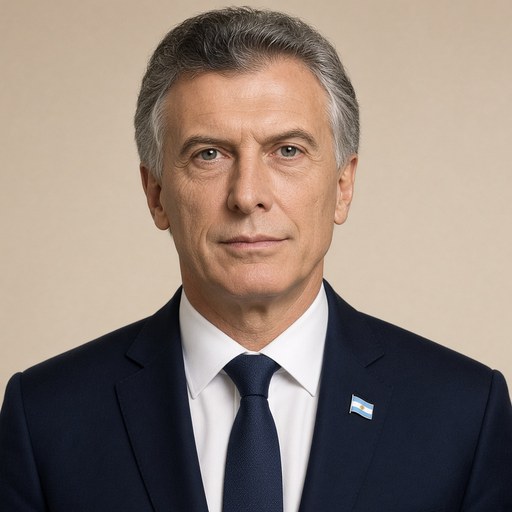
Participation of President Mauricio Macri and the President of the International Olympic Committee, Thomas Bach, moderated by former Olympic athlete, Jennifer Dahlgren, at the opening of the Olympism in Action Forum.
 Mauricio Macri · President of Argentina
- Context
- Macri and IOC President Bach spoke at the Olympism in Action Forum opening in Buenos Aires during the 2018 Youth Olympic Games on October 5, 2018.
- Main themes
- Youth Olympic Games Buenos Aires 2018, Olympic values and friendship, sports diplomacy and bridge-building, impact on Argentina and South America, innovation in Games organization, austerity and inclusive ceremonies, technology and social media in Olympism, Olympic Channel and global broadcast, Argentina hosting future Olympics
- Duration
- ~13 min
- Words
- 1,518
- Sentences
- 44
- Readability
- 47
- Grade
- 15.1
- Syntax
- 3.38
- Vocabulary
- 1.94
Translated from Spanish
The broad sphere of national life a sentence belongs to. Every sentence has an Arena, so it is the denominator the other indices are read against.
Other44 sentences in 16 paragraphs
DAHLGREN.- Good morning, Mr. President Bach, in your opening remarks you mentioned Pierre de Coubertin with his objectives, what is your objective today? And why does this make it important and relevant?
BACH.- I believe that these Olympic values in our time are more important than ever, one of our main pillars is respect and I believe that in today's world there is a lack of respect; there is a lack of respect for the opinions of others; there is a lack of respect regarding our competitors in other fields of society, to mention a few. And the other great value is friendship and there the Olympic Games are the only event in the world that brings everyone together, 206 National Olympic Committees that are gathered here in Buenos Aires, the athletes live under one roof in the Olympic Village, competing against each other but at the same time living together, peacefully, respecting each other, learning to know each other much better.
DAHLGREN.- I believe these are values, they do not have a temporal period, this is something I learned as an Olympic athlete. Mr. President Macri: it is a very special occasion to welcome the Olympic Games to Buenos Aires, how do you see these Games impacting Argentina?
PRESIDENT.- Good morning everyone, thank you for inviting me and we are delighted to host these Youth Olympic Games. I love sports, I even have to admit that for me, Olympism in school was a nightmare because I could never qualify for any of the events. My best friend was the best, so every November I would say “oh, another frustration,” but I never gave up and I love practicing sports.
But I want to agree with what Thomas said, in these special moments we are living in the world, with a lot of tension and the need to build new bridges, I believe that sports have a special power to build these bridges, which are stronger than steel, because - as Thomas said - through sports one sits around the table with people one might never have met.
So what we are doing with children, with young people, with this innovation that the IOC has made, is creating a unique and distinct opportunity, and I am glad that we can host this event.
I visited the Village a few days ago and I am sure it will be a great success in creating new friendships, exchanging cultural modalities, different ways of seeing the world: it is a great opportunity and I really like that Buenos Aires and Argentina are helping in this regard.
DAHLGREN.- So Rio 2016 was the first time there was an Olympics in South America and now we have the Youth Games, how do you think this will affect the region?
BACH.- I believe it will have a great impact because Argentina is an important country in South America, not only in South America but in the entire American continent, and it has great influence at the international level. From here I hope that this message of the Youth Olympic Games spreads throughout South America and the world; and through the Olympic Channel, we have a greater opportunity than in the past to promote these Youth Olympic Games, they will be broadcast live around the world and all the people in the world will be able to follow them; and we hope that many will follow and see what Argentines and Argentina can do and achieve in these moments that are not so easy for you. For this reason, we are more than grateful to President Macri and our Argentine hosts for what they have done with these Youth Olympic Games, for what they have done with this Forum on Olympism in Action, demonstrating that the Olympic spirit - and even if President Macri was not the best in sports at school - is present and leads with optimism towards the future. For this and for the great hospitality of the Argentines, we are very grateful.
DAHLGREN.- I believe that technology plays a crucial role in getting people involved in Olympism, athletes can participate more through social media and people who cannot be here can participate: this helps the Olympic movement. Mr. President Macri, how do you think hosting here can affect Argentina? Do you think it can host the Summer Olympic Games?
PRESIDENT.- Once this magnificent event is over, we will have the challenge of starting to think about trying to organize the Olympic Games, which is much more difficult. But I would like to say that regarding communication, I am glad that we could work together on this innovation that we brought to the Youth Olympic Games, which is about bringing the Games to the citizens, starting with the opening ceremony that will be inclusive, outside of a stadium. And I think this is important because it creates a different environment, it gives access to more people to participate. And more than that, it helps to connect Olympism and sports with austerity, because in times when we are all committed to reducing poverty, organizing this type of event, with so much money that was used in the past, is no longer so possible and easy. So I believe that these innovations we have introduced will help add another value, because I am sure that you and all your colleagues and all the young athletes of these Youth Olympic Games have trained for hours, days, weeks without spending much money, only based on your commitment, your effort, your discipline. So I believe that what we had to innovate here is something that will help future IOC events in the world.
DAHLGREN.- Of course. Mr. Bach: you were at the United Nations for the General Assembly and met with the Secretary-General; the IOC and the United Nations have such a close relationship, in fact the Secretary-General said in Pyongyang that the operation between the United Nations and the IOC is so excellent that they do not need another voice to express their opinion on sports, he said “our voice is the voice of the International Olympic Committee.” He could not be here but sent the following message: “It is a pleasure to welcome you to the Forum on Olympism in Action, sport has the great power to foster understanding, and I am very pleased with your commitment to developing Olympism in peace. The Olympic message of peace is universal and I hope it guides our world to be a more equitable and peaceful world for all. I wish you an excellent event.” What are the central themes that the IOC and the United Nations are working on?
BACH.- In fact, we have a great collaboration with the United Nations, and I believe that the former Secretary-General of the United Nations, Ban Ki-moon, who is with us, when he said that Olympic values are the values of the United Nations, this demonstrates the close bond that unites us, and this applies to the SDGs where it is considered that sport is an enabler to achieve these goals. And this applies to a number of sustainable development goals, first of all peace, and there we have demonstrated in Pyongyang that through sport we can do something, we demonstrate this with every edition of the Olympic Games; and it also applies to health, where a recent WHO study showed that two-thirds of the population die from non-communicable diseases, and that many of them stem from the fact that people are not physically active enough. The WHO has encouraged all governments to invest in sport and make sport part of everyday life again; and says that this investment in sport and physical activities will give the greatest return on investment because it would produce great savings in the healthcare system.
In gender equality, we are working with UN Women, and I have expressed some of the results we have achieved in this field. So there are a great number of these SDGs where we are focusing and where we are trying to make a contribution to society through sport.
DAHLGREN.- As an Olympic athlete, one of my goals is also to inspire future generations to want to be athletes who choose a noble and clean path, sedentary lifestyles are very common around the world. And it is important for children to go out and set challenges for themselves, because when we set challenges we grow. So it is very important for children, with the support of their parents, to start in competitive sports. Sports have a lot to offer us and we have to choose this path of sport and grow with it, because I have practiced sports since I was five years old - I am now thirty-four - and it has helped me along the way to learn, to grow, to fall and get back up, and those values are intrinsic to childhood.
I am very honored to be here with you and to have the first Olympic Forum on Olympism in Action. So I thank you both for being here with us. Thank you very much.
The original Spanish. The tags above are read on the English translation's sentences.
DAHLGREN.- Buen día señor presidente Bach, en sus palabras de apertura usted mencionó a Pierre de Coubertin con sus objetivos, ¿cuál es su objetivo hoy en día? ¿Y por qué hace que esto sea importante y vigente?
BACH.- Yo creo que estos valores olímpicos en nuestra época son más importantes que nunca, uno de nuestros baluartes principales es el respeto y yo creo que en el mundo de hoy hay una falta de respeto; hay falta de respeto por las opiniones de los otros; hay falta de respeto con respecto a nuestros competidores en otros campos de los sociedad, por mencionar algunos. Y el otro gran valor es la amistad y allí los Juegos Olímpicos son el único evento del mundo que reúne a todo el mundo, 206 Comité Olímpicos nacionales que están reunidos acá en Buenos Aires, los atletas viven bajo un mismo techo en la Villa Olímpica, compitiendo entre sí pero al mismo tiempo viviendo juntos, pacíficamente, respetándose, aprendiendo a conocerse mucho mejor.
DAHLGREN.- Creo que son valores, no tienen un período temporal, esto es algo que yo aprendí como atleta olímpica. Señor presidente Macri: es una ocasión muy especial para darle la bienvenida a los Juegos Olímpicos a Buenos Aires, ¿cómo ve que estos Juegos van a impactar en Argentina?
PRESIDENTE.- Buenos días a todos, gracias por invitarme y estamos encantados de recibir a estos Juegos Olímpicos de la Juventud. Yo amo los deportes, incluso tengo que admitir que para mí el olimpismo en la escuela era una pesadilla porque nunca podía calificar para ninguno de los eventos. Mi mejor amigo era el mejor, así que todos los meses de noviembre yo decía “ay, otra vez más la frustración”, pero nunca me rendí y me encanta practicar el deporte.
Pero quiero acordar con lo que dijo Thomas, en estos momentos especiales que vivimos en el mundo, con mucha tensión y la necesidad de construir nuevos puentes, creo que los deportes tienen un poder especial para construir estos puentes, que son más fuertes que el acero, porque -como dijo Thomas- a través de los deportes uno se sienta alrededor de la mesa con personas que quizás nunca habría conocido.
Así lo que estamos haciendo con los niños, con los jóvenes, con esta innovación que hizo el COI, es crear una oportunidad singular y distinta, y me alegra que podamos ser sede de este evento.
Visité la Villa hace unos días y estoy seguro que va a ser un gran éxito para crear nuevas amistades, intercambiar modalidades culturales, distintas maneras de ver el mundo: es una gran oportunidad y me gusta mucho que Buenos Aires y Argentina ayuden en este sentido.
DAHLGREN.- Entonces Río 2016 fue la primera vez que hubo una olimpíada en América del Sur y ahora tenemos los Juegos de la Juventud, ¿cómo le parece a usted que va a afectar a la región?
BACH.- Creo que va a tener un gran impacto porque la Argentina es un país importante en América del Sur, no solo en América del Sur sino en todo el continente americano, y tiene gran influencia a nivel internacional. De aquí espero que este mensaje de los Juegos Olímpicos de la Juventud se extienda en América del Sur y en el mundo; y a través del Canal Olímpico tenemos una mayor oportunidad que en el pasado de promover estos Juegos Olímpicos de la Juventud, van a estar en directo en todo el mundo y todas las personas del mundo van a poder seguirlos; y esperamos que muchos lo sigan y vean lo que los argentinos y la Argentina puede hacer y conseguir en estos momentos que para ustedes no son tan fáciles. Por ello es que estamos más que agradecidos al presidente Macri y a nuestros anfitriones argentinos por lo que han hecho con estos Juegos Olímpicos de la Juventud, con lo que han hecho con este Foro de Olimpismo en Acción, demostrando que el espíritu olímpico -y aún si el presidente Macri en la escuela no fue el mejor en deportes- está presente y lidera con optimismo hacia el futuro. Por esto y por la gran hospitalidad de los argentinos estamos muy agradecidos.
DAHLGREN.- Yo creo que la tecnología desempeña un papel crucial para que la gente participe en el olimpismo, los atletas pueden participar más a través de los medios sociales y la gente aunque no puede estar aquí puede participar: esto ayuda al movimiento olímpico. Señor presidente Macri, ¿cómo piensa que ser la sede aquí puede afectar a la Argentina? ¿Cree que puede ser sede de los Juegos Olímpicos de Verano?
PRESIDENTE.- Una vez que se termine este evento magnífico vamos a tener el desafío de empezar a pensar en tratar de organizar los Juegos Olímpicos, lo cual es mucho más difícil. Pero quisiera decir que con respecto a la comunicación me alegra que pudiéramos trabajar conjuntamente en esta innovación que aportamos a los Juegos Olímpicos de la Juventud, que trata de llevar los Juegos hacia los ciudadanos, comenzando con la ceremonia inaugural que va ser inclusiva, fuera de un estadio. Y creo que esto es importante porque crea un entorno distinto, le da acceso a más personas para participar. Y más que eso aún, ayuda a conectar el olimpismo y el deporte con la austeridad, porque en épocas en que todos estamos comprometidos en reducir la pobreza, organizar este tipo de eventos, con tanta cantidad de dinero que se utilizaba en el pasado, ya no es tan posible y fácil. Entonces creo que estas innovaciones que hemos introducido ayudarán a agregar otro valor, porque estoy seguro que usted y todos sus colegas y todos los jóvenes atletas de estos Juegos Olímpicos de la Juventud han entrenado durante horas, días, semanas sin gastar mucho dinero, solamente basado en su compromiso, en su esfuerzo, su disciplina. Entonces creo que lo que teníamos que innovar aquí es algo que va a ayudar a los futuros eventos del COI en el mundo.
DAHLGREN.- Por supuesto. Señor Bach: usted estuvo en las Naciones Unidas para las Asamblea General y se reunió con el Secretario General; el COI y las Naciones Unidas tienen una relación tan estrecha, de hecho el Secretario General dijo en Pyongyang que la operación entre las Naciones Unidas y el COI es tan excelente que no necesitan otra voz para expresar su opinión sobre los deportes, dijo “nuestra voz es la voz del Comité Olímpico Internacional”. No pudo estar aquí pero envió el siguiente mensaje: “Es un placer darle la bienvenida al Foro de Olimpismo en Acción, el deporte tiene el gran poder de fomentar la comprensión, y estoy muy contento con su compromiso de desarrollar el olimpismo en la paz. El mensaje olímpico de la paz es universal y espero que guíe a nuestro mundo para que sea un mundo más equitativo y pacífico para todos. Les deseo un excelente evento”. ¿Cuáles son los temas centrales con los cuales están trabajando el COI y las Naciones Unidas?
BACH.- De hecho tenemos una gran colaboración con las Naciones Unidas, y creo que el ex Secretario General de las Naciones Unidas, Ban Ki-moon, que está con nosotros, cuando dijo que los valores olímpicos son los valores de las Naciones Unidas, esto demuestra el estrecho vínculo que nos une, y esto se aplica a los ODS que es donde se considera que el deporte es un habilitador para conseguir estos objetivos. Y esto se aplica para una serie de objetivos de desarrollo sostenible, en primer lugar la paz, y allí hemos demostrado en Pyongyang que a través del deporte podemos hacer algo, lo demostramos con cada edición de los Juegos Olímpicos; y se aplica también para la salud, donde un estudio reciente de la OMS demostró que dos tercios de la población se muere de enfermedades no transmisibles, y que muchas de ellas provienen del hecho de que la gente no es lo suficientemente activa en lo físico. La OMS ha alentado a todos los gobiernos a invertir en el deporte y hacer que el deporte sea parte de la vida cotidiana una vez más; y dice que esta inversión en el deporte y las actividades físicas va darle el mayor retorno sobre la inversión porque produciría grandes ahorros en el sistema de salud.
En igualdad de género estamos trabajando con ONU Mujer, y he expresado algunos de los resultados que hemos conseguido en este campo. Así que hay una gran cantidad de estos ODS en donde nos estamos centrando y donde estamos tratando de realizar una contribución a la sociedad a través del deporte.
DAHLGREN.- Como una atleta olímpica también es uno de mis objetivos inspirar a las generaciones futuras para que quieran ser atletas que elijan un camino noble y limpio, el sedentarismo es muy frecuente en todo el mundo. Y es importante que los niños salgan y se planteen desafíos, porque cuando nos planteamos desafíos crecemos. Así que es muy importante que los niños, con el apoyo de sus padres, inicien en los deportes competitivos. Los deportes tienen mucho para ofrecernos y nosotros tenemos que elegir este camino del deporte y crecer con él, porque yo desde los cinco años practiqué deportes -ahora tengo treinta y cuatro- y me ha ayudado a lo largo del camino a aprender, a crecer, a caer y volver a levantarme, y esos valores son intrínsecos para la niñez.
Me honra mucho estar aquí con ustedes y contar con el primer Foro Olímpico del Olimpismo en Acción. Así que les agradezco a ambos por estar aquí con nosotros. Muchas gracias.