





- Context
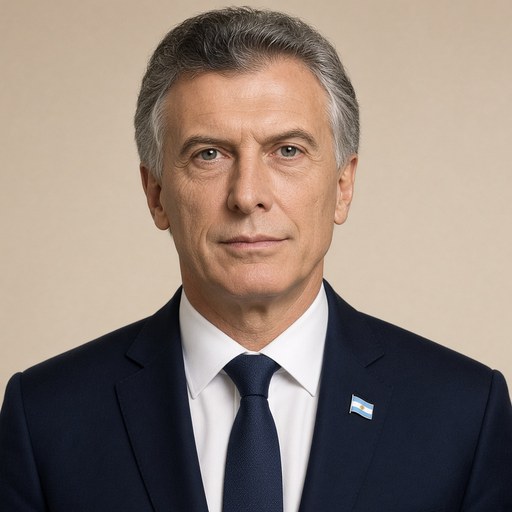
- Macri addressed the press in January 2019 during a tour of Patagonia and Chaco, reporting on regional development, a Brazil visit, and flood emergency response.
- Main themes
- Regional development in Patagonia, infrastructure and connectivity, MERCOSUR integration, Argentina-Brazil relations, climate change and flooding, tourism growth, renewable energy, fight against drug trafficking, organized crime, trade agreements with EU and EFTA
- Duration
- ~11 min
- Words
- 1,336
- Sentences
- 42
- Readability
- 35
- Grade
- 16.2
- Syntax
- 3.17
- Vocabulary
- 2.00
Translated from Spanish
The broad sphere of national life a sentence belongs to. Every sentence has an Arena, so it is the denominator the other indices are read against.
Other42 sentences in 15 paragraphs
Good morning. Once again, happy new year to all those I did not have the opportunity to meet in these days.
I want to start by saying that, just as I travel once again through Patagonia, as I do throughout the country, which I have now traveled comprehensively in three years and one month, with many places multiple times, perhaps as no President has done before... The first thing is to reaffirm that in every province, in every region, there are capacities, possibilities for development that have already been set in motion, that are undergoing a process but that have clearly been set in motion, as I was able to verify once again in Ushuaia, in Tierra del Fuego, where tourism, fishing, services to Antarctica, and the industry that currently operates there have enormous development potential and are, especially in the case of tourism, in full growth. The same goes for Santa Cruz, where I was in Calafate with the Governor; the work is underway, it is a monumental project that, when completed, will be the third most important dam in Argentina, which will provide energy to 1,400,000 Argentine homes. It is truly very important.
And in Chubut, the same thing, in Puerto Madryn, the dynamics being given now not only by renewable energies but also by fishing and tourism. There are wonderful places that I recommend to all Argentines, because the truth is that Patagonia is also a place to visit, to get to know. This season is a success, like never before, in the number of foreigners we are receiving.
And what is of course needed is to continue working to advance infrastructure, connectivity. Connectivity is essential for the development of tourism, for the development of industry. We are making progress - as we all know - with 4G very well; from 10 percent of the population that had 4G, we are now at 58, and we expect to finish the year at 93. And there, of course, in Patagonia is where it may be most difficult, because there are many distances and very dispersed populations, but it is also advancing because the tourist who visits us wants to be always connected: this is the century of communication and connectivity.
From there we went to Brazil; it was a very good trip. We were really able to have working meetings at the ministerial level - the Chancellor will surely elaborate later - ministry by ministry, on issues of security and the fight against drug trafficking, organized crime, and also working together on the issue of barras bravas, given that the Copa América is coming and we have the Copa Libertadores and the South American cups.
On the issue of economic development and integration, there is a deep agreement to accelerate the integration of MERCOSUR and open MERCOSUR, having as an immediate agenda everything we have advanced with the European Union and trying to finish as soon as possible. Then EFTA will come, and then Canada. That already represents 25 percent of the world's economic movement. It would be a giant step forward for MERCOSUR. And also continue working on issues of Science and Technology, on Defense issues. Also trying to generate a joint approach to the world to open more markets and reduce tariffs for exports, both from Argentina and Brazil and MERCOSUR in general.
We found a huge willingness to work together. We also understand that we need to simplify, facilitate sanitary, phytosanitary, and technical regulations; we will also address that issue.
So we returned from Brazil really excited that we have a very coincident work agenda, and we agreed on a visit from President Bolsonaro to Argentina in April. We need to coordinate that because I have travel dates to Europe; I believe we have several pending visits to Europe, but we will find a place to continue this new stage of relations that I believe we really have the potential to take on a different dynamic.
And upon my return, I was in Chaco, in Barranqueras, in Resistencia, seeing the things that are being generated as a result of the consequences of climate change. That is why it is so important that we all continue to reaffirm our commitment to caring for the environment as something fundamental for the future of our families, our children, our grandchildren. This level of rainfall we are experiencing, as last year was the worst drought in fifty years, is always greater than what is known and the capacity of our infrastructure. We need to continue advancing in the works; we agreed with the Governor that in addition to the works we are already undertaking, we need to add more to be better able to adapt to this phenomenon.
But in the meantime, the truth is that we need to be as close as possible to the Argentines who are suffering from these different emergencies. That is why I was with Patricia at this evacuation center, speaking in this case with the people of Chaco, who were really affected by what had happened; some of them had already been at the evacuation center for eight days and wanted to return to their homes. The truth is that the level of destruction and deterioration caused by the water, the mud, the odors, required us to extend the operation of the evacuation center so that they could return really - especially since most of them have very young children - when the situation is better and without risking contagion of diseases. Also with the levels of poverty that one finds and that we all need to be truly committed to that growth and development that allows more and more Argentines to find better opportunities for progress over the years.
But the important thing is that now, with the work we have done from the National Government with what is called SINAGIR, which is finally a committee that coordinates the efforts of the different national ministries, we were there with Patricia confirming once again, because it is not the first time, that for a couple of years SINAGIR has been functioning like never before, reacting in a coordinated manner, very quickly; within hours it was there, with a great movement from the Argentine Army, with equipment complemented by the Security Forces, with Health, with Social Development. And we are there trying to help in every possible way to what the province and the municipality are already doing, which are clearly acting in the locality with primary responsibility.
And also generating additional positive contributions. In this case, we were reviewing the different warehouses of the Customs of the things we have confiscated from the smugglers in the area, and there was a lot of merchandise that can be useful, especially in terms of clothing and household items, because in many cases they have lost practically everything they had.
So we are observing; we will also work on the issue of economic emergency for the rural areas that have already been very affected by the flooding, also working with AFIP and provincial tax authorities to alleviate the burden on all those suffering the consequences of this flooding.
This will surely happen repeatedly throughout the year in different areas, because - as I said - it is a phenomenon that is happening all over the world; that is why we need to commit ourselves more and more to having resources to invest in infrastructure that adapts us to this situation. That is why it is so important to have a State that invests in these works that ensure a better quality of life and peace of mind for Argentines, and reducing current spending, which is what has ultimately generated the largest allocation of resources due to poor management in recent years, and that we all need to continue working so that we have increasingly efficient and intelligent budgets, solving the problems of the people.
I leave you with the ministers. Thank you very much, and we will continue to see each other.
The original Spanish. The tags above are read on the English translation's sentences.
Buenos días. Nuevamente feliz año para todos aquellos que no tuve la oportunidad de encontrar en estos días.
Quiero arrancar diciendo que, justamente, recorriendo una vez más la Patagonia, como me pasa en todo el país, que ya he recorrido integralmente en tres años y un mes, con varios lugares muchísimas veces, tal vez como nunca antes lo había hecho un Presidente... Lo primero es ratificar que en cada provincia, en cada región existen capacidades, posibilidades de desarrollo que ya se han puesto en marcha, que llevan un proceso pero que claramente se han puesto en marcha, como en este caso pude verificar una vez más con Ushuaia, con Tierra del Fuego, donde el turismo, la pesca, los servicios a la Antártida y la industria que funciona ahí actualmente tienen una enorme capacidad de desarrollo y están, sobre todo en el caso del turismo, en pleno crecimiento. Lo mismo en Santa Cruz, que estuve en Calafate con la Gobernadora, la obra está en marcha, es una obra monumental, que va a ser, cuando se termine, la tercera represa más importante de la Argentina, que le va a dar energía a 1.400.000 hogares argentinos. Es realmente muy importante.
Y en Chubut también lo mismo, en Puerto Madryn realmente la dinámica que le están dando ahora no solo las energías renovables sino la pesca y el turismo. Hay lugares maravillosos que les recomiendo a todos los argentinos, porque la verdad que la Patagonia es también un lugar para visitar, para conocer. Es un éxito esta temporada, como nunca antes, la cantidad de extranjeros que estamos recibiendo.
Y lo que por supuesto hace falta es seguir trabajando en avanzar con las infraestructuras, la conectividad. La conectividad es fundamental para el desarrollo del turismo, para el desarrollo de la industria. Estamos avanzando -como sabemos todos- con el 4G muy bien, del 10 por ciento de la población que tenía 4G ya estamos en el 58, y esperamos terminar el año con el 93. Y ahí por supuesto en la Patagonia es donde tal vez más cuesta, porque son muchas distancias y poblaciones muy distribuidas, pero también avanza porque el turista que nos visita quiere estar siempre conectado: éste es el siglo de la comunicación y la conectividad.
De ahí estuvimos en Brasil, fue un muy buen viaje. Realmente pudimos tener reuniones de trabajo a nivel ministerial -el Canciller seguramente después ampliará-, ministerio por ministerio, desde temas de seguridad y combate del narcotráfico, del crimen organizado, también trabajar en conjunto con el tema barras bravas, dado que se viene la Copa América y tenemos la Copa Libertadores y las copas sudamericanas.
En el tema de desarrollo económico e integración hay una profunda coincidencia en acelerar la integración del MERCOSUR y abrir el MERCOSUR, teniendo como agenda inmediata todo lo que hemos avanzado con la Unión Europea e intentar terminar lo antes posible. Después vendrá el EFTA y después Canadá. Eso ya es el 25 por ciento del movimiento económico del mundo. Sería un paso gigantesco adelante para el MERCOSUR. Y también seguir trabajando en temas de Ciencia y Tecnología, en temas de Defensa. También intentar generar un abordaje del mundo en conjunto para intentar abrir más mercados y reducir aranceles para las exportaciones, tanto de Argentina como de Brasil y del MERCOSUR en general.
Encontramos una vocación de trabajo en conjunto enorme. También entendemos que tenemos que simplificar, facilitar las normas sanitarias, fitosanitarias y técnicas, también vamos a abordar ese tema.
Así que nos volvimos de Brasil realmente entusiasmados con que tenemos una agenda de trabajo muy coincidente, y acordamos una visita del presidente Bolsonaro a la Argentina en abril. Eso tenemos que combinarlo porque tengo fechas de viaje a Europa, creo que tenemos varias visitas pendientes a Europa, pero vamos a encontrar un lugar donde poder continuar esta nueva etapa de relación que creo que realmente tenemos posibilidades de que tome una dinámica distinta.
Y a la vuelta estuve en el Chaco, en Barranqueras, en Resistencia, viendo las cosas que se están generando a partir de las consecuencias del cambio climático. Por eso es tan importante que todos sigamos reafirmándonos en el compromiso de cuidar el medio ambiente como algo fundamental para el futuro de nuestras familias, de nuestros hijos, de nuestros nietos. Este nivel de lluvias que estamos teniendo, como fue el año pasado la peor sequía en cincuenta años, son siempre superiores a lo conocido y a la capacidad de nuestra infraestructura. Tenemos que seguir avanzando en las obras, coincidimos con el Gobernador en que a las obras que ya estamos encarando hay que sumarle otras más para estar en mayor capacidad de adaptación a este fenómeno.
Pero en el mientras tanto, la verdad es que tenemos que estar lo más cerca de los argentinos que están sufriendo estas distintas emergencias. Por eso estuve con Patricia en este centro de evacuación, hablando en este caso con los chaqueños, que estaban realmente afectados por lo que había sucedido, algunos de ellos estaban ya hace ocho días en el centro de evacuación y quisieron volver a sus casas. La verdad que el nivel de destrozo y de deterioro que había generado el agua, el barro, los olores, requerían que extendamos el funcionamiento del centro de evacuación para que vuelvan realmente -sobre todo que la mayoría de ellos tienen chicos muy chicos- cuando la situación esté mejor y no arriesgándonos a que se contagien de enfermedades. También con los niveles de pobreza que uno encuentra y que tenemos que estar todos realmente comprometidos a ese crecimiento y desarrollo que permita que a lo largo de los años que cada vez más argentinos encuentren una mejor oportunidad de progreso.
Pero lo importante es que ahora, con el trabajo que hemos hecho desde el Gobierno Nacional con lo que se llama SINAGIR, que finalmente es un comité que coordina los esfuerzos de los distintos ministerios nacionales, estuvimos ahí con Patricia confirmando una vez más, porque no es la primera vez, que desde hace un par de años el SINAGIR funciona como nunca antes, reacciona coordinadamente, muy rápido, en horas estaba ahí, con un gran movimiento del Ejército Argentino, con equipamiento complementado con las Fuerzas de Seguridad, con Salud, con Desarrollo Social. Y estamos ahí tratando de ayudar en todo lo posible a lo que hace ya la provincia y el municipio, que son los actúan claramente en la localidad con responsabilidad primaria.
Y también generando aportes adicionales positivos. En este caso estuvimos revisando los distintos almacenes de la Aduana de las cosas que hemos confiscado a los contrabandistas que están en la zona y había mucha mercadería que puede servir, sobre todo en términos de ropa y elementos para la casa, porque en muchos casos han perdido prácticamente todo lo que tenían.
Así que estamos en observación, vamos a también trabajar sobre el tema de la emergencia económica para las zonas rurales que ya hayan sido muy afectadas por la inundación, trabajando también con la AFIP y Rentas de la provincia para aliviar la carga a todos aquellos que están sufriendo las consecuencias de esta inundación.
Esto va a suceder seguramente en reiteradas veces a lo largo del año en distintas zonas, porque -como dije- es un fenómeno que está sucediendo en el mundo entero, por eso tenemos que comprometernos cada vez más a tener recursos para invertir en infraestructuras que nos adapten a esta situación, por eso es tan importante tener un Estado que invierta en estas obras que le aseguran una mejor calidad de vida y la tranquilidad a los argentinos, y reduciendo el gasto corriente que es lo que finalmente ha generado la mayor asignación de recursos producto de la mala gestión en los últimos años, y que tenemos que todos seguir trabajando para que tengamos presupuestos cada vez más eficientes e inteligentes, resolviendo los problemas de la gente.
Los dejo con los ministros. Muchas gracias y nos seguimos viendo.