




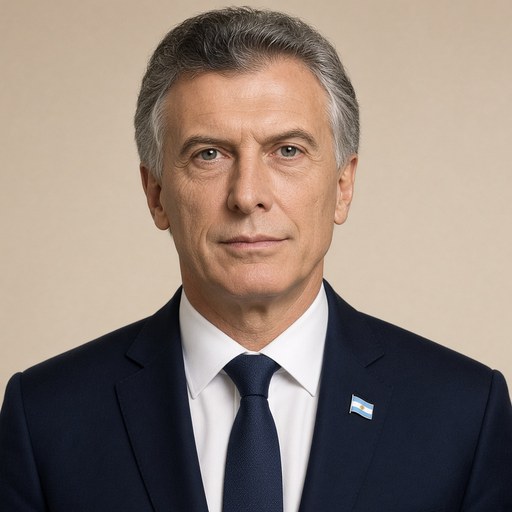
Words of President Mauricio Macri in the Pampean locality of Ingeniero Luiggi
 Mauricio Macri · President of Argentina
- Context
- Macri addressed residents of Ingeniero Luiggi, La Pampa in May 2016, announcing infrastructure and development initiatives for the region.
- Main themes
- Infrastructure development, job creation, education and child development, water rights and resource management, road improvement, agricultural growth, provincial unity, public service quality, government transparency, national opportunity and equality
- Duration
- ~16 min
- Words
- 1,894
- Sentences
- 52
- Readability
- 47
- Grade
- 15.7
- Syntax
- 3.64
- Vocabulary
- 1.93
Translated from Spanish
The broad sphere of national life a sentence belongs to. Every sentence has an Arena, so it is the denominator the other indices are read against.
Other52 sentences in 20 paragraphs
Thank you to Engineer Luiggi for receiving me; thank you, Mayor Zanoli; thank you, Governor.
I want to tell you - above all - that I am here because I want to help you, I want to take care of you, I want La Pampa to also be a protagonist of this Argentina that we dream of, to be a motor from which quality, registered, sustainable jobs are generated, as the Governor said. And something very important - which I always say - is that all Pampeans have the luck that I had, that the Governor had, and many of you had, to be able to choose; that luck which is so fundamental because it is the basis of happiness, that one can choose freely where to live; what to work in; how to spend our entire day.
That - without a doubt - is built from the beginning, from the first days of stimulating and educating children, because the greater the knowledge they have, the more possibilities they will have to be able to choose. And the great challenge that the Governor and all Pampeans have is that if the children choose to stay here, in Ingeniero Luiggi, or in the locality of La Pampa to which they belong, just like the people from Santiago del Estero, San Juan, Formosa, if they choose and want to be close to their roots, their affections, their families, they can do so, because this is where we are going to generate work. And we will do it together, Governor, do not doubt it.
I know that in order to grow, we need roads, and we are committed to carrying out the most important infrastructure plan in the history of our country, because we believe in it, because we know that we have capable companies; engineers; administrators and workers, who will feel very proud to repave those roads and to pave new roads, and to widen them, because by widening them we first take care of Argentines. Because you know, Governor, the number of Argentines who lose their lives year after year. We are among the worst countries in the world in terms of traffic accidents.
And it’s not that we drive poorly, I guarantee you that we drive very well. The problem is that the roads cannot handle so many trucks, which transport an agricultural production that has increased - fortunately - and that must continue to increase. But it is there that the State needs to support that growth, and not by generating clientelism, not using the State to give jobs to friends without a task that adds value, so that from the State we can promote works, infrastructure, that help us to grow and improve, which ranges from kindergartens to large infrastructure.
We also need a central element to be able to grow, which is water. Without water, we cannot produce food, and that is why I will ensure that the rights of Pampeans are protected. But above all, I will ensure that we understand that we are all brothers; we are all Argentines believing and fighting for the same thing, which is an Argentina with better opportunities for all.
So do not doubt that Portezuelo will become based on the management of the water reserves that that venture will leave, managed for the benefit of all provinces, not just one.
Because if we do things right, the resources are for everyone. What is needed is for us to bet on our capabilities, on our ability to dialogue, on our creativity, our talent, and not to use all those capabilities to confront, to try to push the other aside.
There is much to do, there is much to build, and if I am here - above all - it is because I have deep trust in you, I have faith in each one of you, I know that we are capable of doing better things, we have demonstrated it throughout history in many moments, in many activities. What we lack is to consolidate it, to do it coherently and permanently in all areas, and for every Argentine to feel proud to do their job as best as possible, because everything impacts the other; not only this marvel, which are our teachers, who with love begin to support our children in their first steps, but also that each of the public employees, the doctors, the nurses, those who manage the ports, those who manage a railway, each one has to do their job as best as possible, because if they do it poorly, it impacts the rest of society. So, that is the challenge.
Believe me that we are taking the coherent steps that correspond to the moment we are living, and I know that perhaps this transition is very hard for many, and it pains me, but I am doing what I believe - from the heart - is good for everyone. I would never make a decision against Argentines. That is why today I want - returning to what brings us together - to tell you how nice it is to gather around something so good as announcing things that have to do with the future for our children. And I want to thank you all, I know that last week you had gathered and the bad weather played a trick on us, but I promised you that I would come and here I am fulfilling my promise.
To María de los Ángeles, the director, who had to replace me last week answering questions, thank you very much and be clear that the priority commitment, the main one - which we share with the Governor - is to achieve an Argentina that moves towards zero poverty. And that is achieved with better jobs, which are based on better education. And today we have a very serious problem: more than 600,000 children do not have access to a classroom for three, four, or five years, and we know that this is very important.
That is why Minister Bullrich is promoting a law to make it mandatory for all children, starting at three years old, to have their kindergarten classroom. And why is it important? It is important because it is statistically proven that children who attend kindergarten have many more chances of finishing high school. Today statistics show that children who attend kindergarten are twice as likely to finish high school as those who do not attend kindergarten, and it is very painful for families when they see their child drop out of high school, because they leave behind a huge range of possibilities, of opportunities. Furthermore, children who attend kindergarten have much better results in their education, the repetition and dropout rates drop by up to seven times, as I told you.
We must work together to ensure that all children in Argentina, regardless of where they were born, have the same tools to move forward. That is a present State, that is a State that gives equal opportunities to all, that is social justice, as Governor Verna would say. That is why we are here, committed to building 3,000 kindergartens in these four years: 150 this year, among which are the four that the Governor announced.
But, in addition, we are also working with the Ministry of Social Development, because we want to be there where they need us, and there are many couples, many marriages that need both to go out to work, and not everyone has the luck of having a grandmother, a grandfather, or an aunt nearby, with whom to leave their children, in that very important stage that goes from 45 days to 3 years.
So we want to create - as we have already successfully done in the City of Buenos Aires - these early childhood centers, early childhood spaces throughout the country, to create 4,000, which will allow those who need once again for the State to support them, in that crucial moment in the formation of their children, to give them the opportunity to go out to work knowing that there is a place where those children will receive all the stimulation, all the care, the first pedagogical steps, to be able to enter kindergarten at 3, to school - and perhaps - also to university, or at least to a trade that Argentina will need so much to build and move forward each community.
I am very happy. I am truly happy, because I believe that we have all committed to making a revolution in the quality of public education. Minister Bullrich told me happily, in December, that he had met in Purmamarca, and the Minister from La Pampa was also there - what a beautiful place, Minister, right? I hope all Argentines can get to know the whole country, because we have a country with wonderful places, one of them is the Quebrada de Humahuaca - and there all the Education Ministers committed to undertaking a revolution in quality.
That means evaluating, measuring to see where we are failing, because if we do not know where we are making mistakes, it is impossible for us to correct it. That is why it was a tremendous mistake these ten years not wanting to evaluate, hiding the evaluations, stepping away from any comparison with the rest of Latin America and the world. If we are competing for jobs with the whole world. If we want the children from Ingeniero Luiggi to have a job, we have to train them as well or better than all the other children who are being trained right now all over the world.
That is why this revolution begins here and continues in primary and secondary education, changing and revolutionizing the pedagogical contents, introducing digital platforms, robotics, programming, creative design, are all tools that if we give to these children who have talent, because they come from people like you who have talent, they will be able to build and make the progress of each community a reality, that small businesses become medium-sized and then large, and that they give rise to new small businesses.
That is the path by which we will generate employment, employment that unfortunately we have not generated in Argentina for more than five years; not only in La Pampa, where unnecessary public employment was created, but in almost the entire country. That is like underestimating the talent that we Argentines have, if there are tasks that we can do. So from here, from La Pampa, and thanks to the friends in the press from all over the country, I want to tell you that - as the people here in Ingeniero Luiggi said - yes, it is possible, yes, we are starting to take the steps towards the Argentina we dream of.
I thank you all for that affection, all that conviction that we are fighting the battles that correspond, and for those who do not want us to grow, I have bad news: there are many Argentines who have already decided to learn from our mistakes, and we will walk together every day to build that Argentina for all these children and for us, because we are still young and we will see and enjoy a lot of what we are doing. Thank you, thank you very much to La Pampa for receiving me.
The original Spanish. The tags above are read on the English translation's sentences.
Gracias a Ingeniero Luiggi por recibirme; gracias intendente Zanoli; gracias Gobernador.
Yo quiero decirles - ante todo - que estoy acá porque los quiero ayudar, los quiero cuidar, quiero que La Pampa sea también protagonista de esta Argentina que soñamos, sea un motor desde el cual se genere trabajo de calidad, registrado, sustentable, como decía el Gobernador. Y algo muy importante - que lo digo siempre - que todos los pampeanos tengan la suerte que tuve yo, que tuvo el Gobernador y muchos de ustedes, de poder elegir; esa suerte que es tan fundamental porque es la base de la felicidad, que uno pueda elegir en libertad, donde vivir; en qué trabajar; en qué poner todo nuestro día.
Eso - sin dudas - se edifica desde el comienzo, desde los primeros días de la estimulación y la educación de los chicos, porque cuanto mayor es el conocimiento que tienen ellos más posibilidades van a tener de poder elegir. Y el gran desafío que tiene el Gobernador y todos los pampeanos, es que si los chicos eligen quedarse acá, en Ingeniero Luiggi, o en la localidad de La Pampa a la cual pertenezcan, lo mismo que los santiagueños, los sanjuaninos, los formoseños, si ellos eligen y quieren estar cerca de sus raíces, de sus afectos, de sus familias, puedan hacerlo, porque acá es donde vamos a generar trabajo. Y lo vamos a hacer juntos Gobernador, no tenga dudas.
Sé que para poder crecer hacen falta rutas, y estamos empeñados en llevar a cabo el plan de infraestructura más importante de la historia de nuestro país, porque creemos en eso, porque sabemos que tenemos empresas capacitadas; ingenieros; administrativos y trabajadores, que se van a sentir muy orgullosos de repavimentar esas rutas y de pavimentar nuevas rutas, y ampliarlas, porque al ampliarlas primero cuidamos a los argentinos. Porque usted sabe Gobernador la cantidad de argentinos que pierden la vida año tras año. Estamos entre los peores países del mundo en términos de accidentes de tránsito.
Y no es que manejemos mal, yo les garantizo que manejamos muy bien. El problema es que las rutas no dan abasto para tantos camiones, que transportan una producción agropecuaria que aumentó - por suerte - y que tiene que seguir aumentando. Pero es ahí donde se necesita el Estado que acompañe ese crecimiento, y no generando clientelismo, no utilizando al Estado para darle empleo a los amigos sin una tarea que agregue valor, para que del Estado impulsemos obras, infraestructura, que ayuden a que podamos crecer y mejorar, que va desde los jardines de infantes hasta la gran infraestructura.
También hace falta para poder crecer un elemento central, que es el agua. Sin agua no podemos producir alimentos, y por eso voy a velar porque los derechos de los pampeanos estén cuidados. Pero ante todo voy a velar porque entendamos que somos todos hermanos; somos todos argentinos creyendo y luchando por lo mismo, que es una Argentina mejores oportunidades para todos.
Así que no tenga dudas que Portezuelo se va a convertir en base a que la administración de las reservas de agua, que ese emprendimiento va a dejar, se administre en beneficio de todas las provincias, no de una.
Porque si hacemos las cosas bien los recursos están para todos. Lo que hace falta es que apostemos a nuestras capacidades, a nuestra capacidad de dialogar, a nuestra creatividad, nuestro talento, y no utilizar todas esas capacidades en función de confrontar, de quererse llevar al otro por delante.
Hay mucho por hacer, hay mucho por construir, y si yo estoy acá - ante todo - es porque les tengo una profunda confianza, tengo fe en cada uno de ustedes, sé que somos capaces de hacer mejores cosas, lo hemos demostrado a lo largo de la historia en muchísimos momentos, en muchísimas actividades. Lo que nos falta es consolidarlo, hacerlo en forma coherente y permanente en todos los ámbitos, y que cada argentino se sienta orgulloso de hacer su tarea lo mejor posible, porque todo repercute en el otro; no sólo esta maravilla, que son nuestras maestras, que con amor empiezan a acompañar a nuestros chicos en sus primeros pasos, sino que cada uno de los empleados públicos, los médicos, las enfermeras, los que administran los puertos, los que administran un ferrocarril, cada uno tiene que hacer su tarea lo mejor posible, porque si la hace mal repercute sobre el resto de la sociedad. Entonces, ese es el desafío.
Créanme que estamos dando los pasos coherentes y que corresponden al momento que estamos viviendo, y sé que tal vez esta transición es muy dura para muchos, y a mí me duele, pero estoy haciendo lo que creo - de corazón - que es lo bueno para todos. Jamás tomaría una decisión en contra de los argentinos. Por eso hoy quiero - retomando lo que nos convoca - decirles qué lindo es reunirnos alrededor de algo tan bueno como es anunciar cosas que tienen que ver con el futuro para nuestros chicos. Y quiero agradecerles a todos que sé que la semana pasada se habían reunido y el mal tiempo nos jugó una mala pasada, pero yo les prometí que iba venir y acá estoy cumpliendo con mi promesa.
A María de los Ángeles, la directora, que la semana pasada me tuvo que reemplazar contestando preguntas, muchas gracias y tener claro que el compromiso prioritario, principal – que compartimos con el Gobernador – es lograr una Argentina que camine hacia la pobreza cero. Y eso se logra con mejores trabajos, que se basan en mejor educación. Y hoy tenemos un problema gravísimo: es que más de 600.000 niños no tienen acceso a una sala de tres, cuatro o cinco años y sabemos que eso es muy importante.
Por eso el ministro Bullrich está impulsando una ley para que sea obligatorio que todos los chicos, desde los tres años tengan su sala de jardín de infantes. ¿Y por qué es importante? Es importante porque está demostrado estadísticamente que los chicos que van al jardín de infantes tienen muchas más posibilidades de terminar su secundario. Hoy las estadísticas demuestran que los chicos que van al jardín duplican en terminar el secundario a los que no van al jardín de infantes, y es muy penoso para las familias cuando ven que su hijo deja el secundario, porque deja atrás un abanico enorme de posibilidades, de oportunidades. Además los chicos que van a jardín tienen resultados muchísimos mejores en su formación, se baja hasta siete veces la repitencia y el abandono, como les dije.
Tenemos que trabajar juntos para lograr que todos los chicos en la Argentina, hayan nacido en el lugar que hayan nacido, tengan las mismas herramientas para salir adelante. Ese es un Estado presente, ese es un Estado que les da igualdad de oportunidades a todos, eso es justicia social, como diría el Gobernador Verna. Por eso estamos acá, comprometidos a construir 3.000 jardines en estos cuatro años: 150 en ese año, entre los cuales están los cuatro, que anunció el Gobernador.
Pero, además, también estamos trabajando con el Ministerio de Desarrollo Social, porque queremos estar ahí donde nos necesitan, y hay muchas parejas, muchos matrimonios que necesitan salir los dos a trabajar, y no todos por ahí tienen la suerte de tener cerca a la abuela, al abuelo o a una tía, con quienes dejar a sus hijos, en esa etapa tan importante que va de los 45 días a los 3 años.
Entonces queremos hacer - como ya lo hicimos exitosamente en la Ciudad de Buenos Aires - estos centros de primera infancia, espacios de primera infancia por todo el país, para hacer 4.000, y que les van a permitir a aquellos que necesitan una vez más que el Estado los acompañe, en ese momento crucial en la formación de sus hijos, que el Estado les dé la oportunidad de salir a trabajar sabiendo que hay un lugar, donde esos chicos van a recibir toda la estimulación, todo el cuidado, los primeros pasos pedagógicos, para poder sí entrar en el jardín a los 3, al colegio - y tal vez - también a la universidad, o sino seguro a un oficio de los que tantos va a necesitar la Argentina para construir y salir adelante cada comunidad.
Estoy muy contento. Estoy realmente feliz, porque creo que nos hemos comprometido todos en hacer una revolución en la calidad de la educación pública. Me dijo feliz el ministro Bullrich, en diciembre, que se había reunido en Purmamarca, y fue la Ministra de La Pampa también -qué lindo lugar, Ministra, ¿no?, ojalá todos los argentinos puedan conocer todo el país, porque tenemos un país donde hay lugares maravillosos, uno de ellos es la Quebrada de Humahuaca-, y ahí todos los ministros de Educación se comprometieron a emprender una revolución en la calidad.
Eso significa evaluar, medir a ver en qué estamos fallando, porque si no sabemos en qué nos estamos equivocando es imposible que lo podamos corregir. Por eso, fue un tremendo error estos diez años no querer evaluar, esconder las evaluaciones salirnos de cualquier comparación el resto de Latinoamérica y del mundo. Si estamos compitiendo por trabajo con el mundo entero. Si queremos que los chicos, de Ingeniero Luiggi, tengan un trabajo, tenemos que formarnos igual o mejor que todos los demás chicos, que están formándose en este momento en el mundo entero.
Por eso esa revolución que se comienza acá y que se sigue en la primaria y en el secundario, cambiando y revolucionando los contenidos pedagógicos, introduciendo las plataformas digitales, la robótica, la programación, el diseño creativo, son todas herramientas que si se las damos a estos chicos que tienen talento, porque vienen de personas como ustedes que tienen talento, van a poder construir y hacer realidad el que cada comunidad progrese, de que las pequeñas empresas se transformen en medianas y después en grandes, y que den lugar a nuevas pequeñas empresas.
Ese es el camino por el cual vamos a generar empleo, empleo que lamentablemente hace más de cinco años no generamos en la Argentina; no solamente en La Pampa, que se recurrió a crear empleo público innecesario, sino que en casi todo el país. Eso es como subestimar el talento que tenemos los argentinos, si hay tareas que podemos hacer. Así que desde acá, desde La Pampa, y gracias a los amigos de la prensa para todo el país, decirles que - como dijo la gente acá, en Ingeniero Luiggi - sí se puede, sí estamos empezando a dar los pasos de la Argentina que soñamos.
Yo les agradezco a ustedes todo ese afecto, toda esa convicción de que estamos dando las batallas que corresponden, y para aquellos que no quieran que podamos crecer, les doy una la mala noticia: somos muchos los argentinos que ya hemos decidido aprender de nuestros errores, y que vamos a caminar juntos todos los días a construir esa Argentina para todos estos chicos y para nosotros, porque todavía somos jóvenes y vamos a ver y disfrutar mucho de esto que estamos haciendo. Gracias, muchas gracias a La Pampa por recibirme.